
Photo: Marta Branco, Pexels
A restriction code on a US driver’s license is a letter or number that limits how, when or what you may drive. The most common one means you must wear glasses or contact lenses. There is no single national list for regular car licenses: each state picks its own codes, so the same letter can mean different things in different states. This guide shows real code lists from Georgia and Pennsylvania, explains the common types, and covers how to read and remove a restriction.
Key facts
- Restriction codes are printed on the license, usually in a field labeled “Restr” or “Restrictions”.
- Codes are not standard across states. In Georgia, B means corrective lenses. In Pennsylvania, B means a bioptic telescope lens, and corrective lenses is code 1.
- Driving outside a restriction counts as driving outside the terms of your license.
- Commercial licenses (CDLs) follow federal rules. For example, a CDL skills test taken in an automatic vehicle leads to a restriction from driving manual-transmission commercial vehicles (49 CFR 383.95).
What do restriction codes on a driver’s license mean?
Most codes fall into a few groups. The exact letter depends on your state.
| Type of restriction | What it means | Georgia code | Pennsylvania code |
|---|---|---|---|
| Corrective lenses | Wear glasses or contacts whenever you drive | B | 1 |
| Bioptic lenses | Drive only with a bioptic telescope lens | 1 | B |
| Daylight only | No driving after dark | G | 5 |
| Automatic transmission | Drive only vehicles with an automatic transmission | J | 3 |
| Mirrors | Vehicle needs extra exterior mirrors | F (right), I (left) | 2 (both sides) |
| Adaptive equipment | Vehicle needs special controls | C (mechanical aids), S (power brakes or steering) | 4 (for example a spinner knob or left-foot gas pedal) |
| Prosthetic aids | Driver must use a prosthetic aid | D | Not listed separately |
| Road type | No highways or interstates | R | Part of code 7 (visual impairment restrictions) |
Georgia’s A means no restrictions. Codes as listed by Georgia DDS and PennDOT, as of November 2026.
Corrective lenses: the restriction most learners get
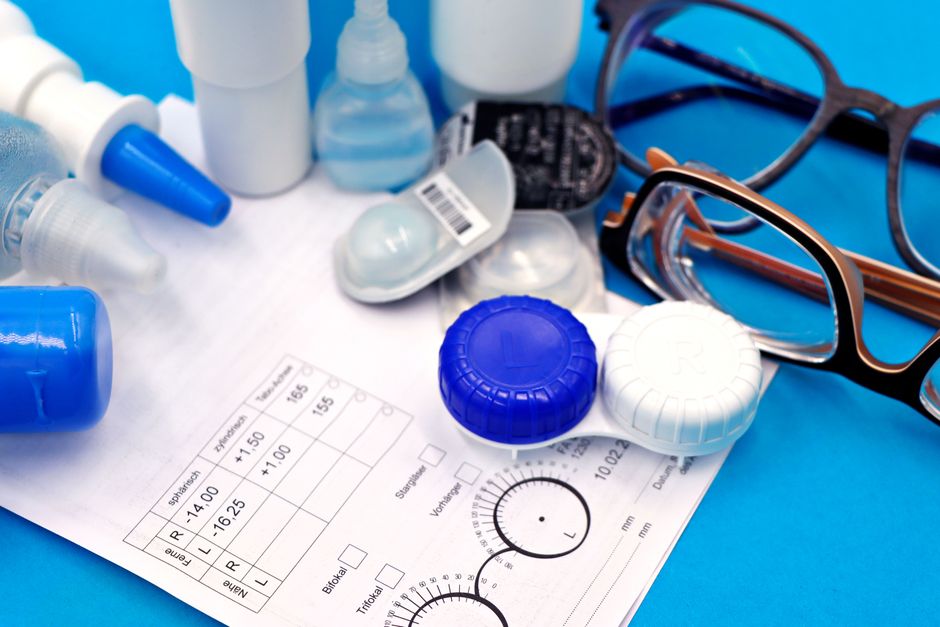
If you pass the vision screening wearing glasses or contacts, most states add a corrective lens restriction. California’s DMV, for example, says a corrective lens restriction is added when you pass the vision test with corrective lenses.
- Wear them every time you drive, including on the road test.
- Contacts or glasses both count, as long as they correct your vision to the required standard.
- If you later have laser eye surgery, the restriction does not drop off on its own. You usually have to pass a new vision screening at the DMV.
Vision standards by state are in vision test for a US driver’s license.
Are there restriction codes for teen and permit drivers?
Usually the limits for teen drivers, such as curfews and passenger caps, come from the graduated licensing law, not from a code printed on the card. Your license class or the word “provisional”, “junior” or “intermediate” tells police which rules apply. Some states do use codes on permits:
- Pennsylvania: code A means the permit holder must drive a dual-control vehicle with a certified driver trainer in the passenger seat.
- Georgia: its permit codes include 2 (personal vehicle only), H (employer vehicle only) and T (disabled parent). Georgia also lists limited-purpose codes, such as to and from school only.
The graduated rules themselves are in US graduated driver licensing compared.
Adaptive equipment and disability-related codes
If you learn to drive with hand controls, a spinner knob, extra mirrors or other equipment, the state may add a code that ties your license to a vehicle with that equipment. This is normal, and it lets you drive legally. The process, including driver evaluations, is in learning to drive with a disability in the US.
Automatic transmission restrictions
Georgia (J) and Pennsylvania (3) both have an automatic-transmission code on their lists. Neither page says that taking a regular car road test in an automatic triggers it. For CDLs, the federal rule is explicit: test in an automatic and you are restricted from manual commercial vehicles. Whether a car road test in an automatic limits you is covered in manual cars and the US road test.
How to read the restriction on your license
- Find the field labeled “Restr” or “Restrictions” on the front of the card. “None” or a blank means no restriction in most states. In Georgia, code A means none.
- Look up each code on your state DMV’s own restriction-code page or in its driver manual. Do not use another state’s list.
- Check for endorsement codes too, such as a motorcycle endorsement. These add privileges rather than limit them.
How to remove a restriction
- Corrective lenses: pass the DMV vision screening without glasses or contacts.
- Daylight only, or other medical restrictions: usually needs a medical or vision report from your doctor, and sometimes a new test.
- Equipment or transmission: usually a new road test in a vehicle without that equipment.
Georgia DDS asks drivers to call its Customer Contact Center for removal steps. Other states have their own process, so check with your DMV before you go.
Common questions
Is it illegal to drive without glasses if my license has a corrective lens restriction?
Yes. Driving outside the terms of your license is a violation. Keep a spare pair of glasses in the car.
What does restriction B mean on a driver’s license?
It depends on the state. In Georgia, B means corrective lenses required. In Pennsylvania, B means a bioptic telescope lens. Check your own state’s list.
Does a restriction code transfer when I move states?
Your new state applies its own codes after its own vision screening. A lens restriction usually carries over if you still need glasses to pass.
Will a restriction affect my car insurance?
A corrective lens restriction is common and is a condition of your license, not a mark against your record.
What is the difference between a restriction and an endorsement?
A restriction limits what you can do. An endorsement adds a privilege, such as riding a motorcycle.
Why does my license say “none” but I wore glasses at the DMV?
If you passed the vision screening without them, no lens restriction is needed. If you think it is a mistake, ask the DMV to check.
Back to the main guide: learning to drive in the USA.
Sources
- Georgia Department of Driver Services, “License Restriction Codes” (dds.georgia.gov)
- Pennsylvania DMV, “License Types & Restrictions” (pa.gov)
- California DMV, “Senior Drivers” (vision and driver license) (dmv.ca.gov)
- Code of Federal Regulations, “49 CFR 383.95, Restrictions” (law.cornell.edu)