
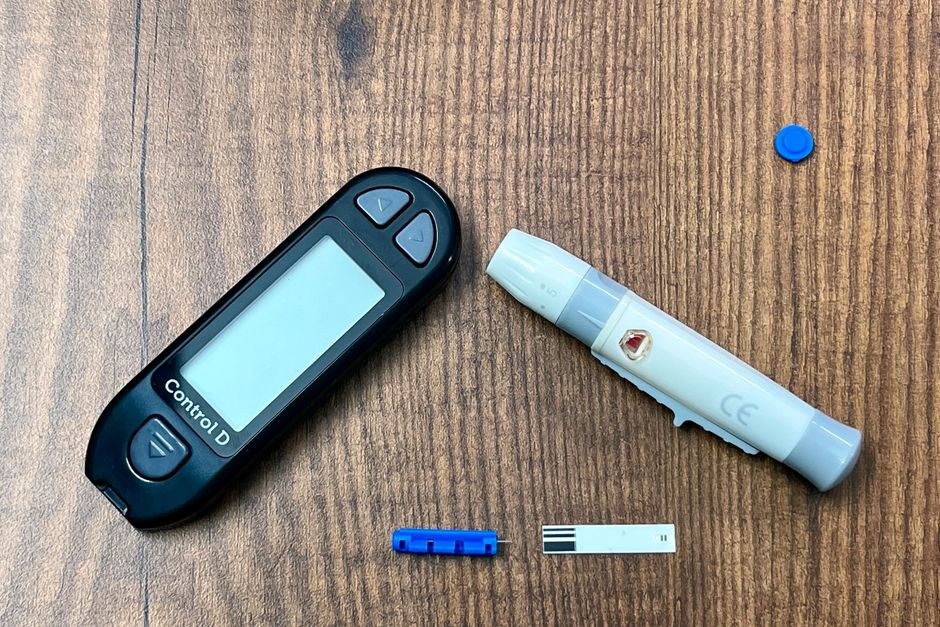
Photo: Arunangshu Banerjee, Pexels
Yes, you can get your learner licence in Australia with type 1 diabetes. You must declare insulin-treated diabetes on your application. Under the national Assessing Fitness to Drive standards, a private (car) driver on insulin is usually given a conditional licence reviewed at least every two years. The main safety rule is about severe hypoglycaemia: after a severe hypo, you should not drive until a doctor has cleared you.
This page explains the licensing rules. Your diabetes team is the right source of advice on managing your glucose for driving.
What the national standard says
- Insulin and non-insulin diabetes have separate standards. The standard identifies insulin treatment as the main road safety risk, because of severe hypoglycaemia.
- Conditional licence with review. For private drivers treated with insulin, a conditional licence may be issued, with review by your doctor at least every two years. (Austroads corrected an earlier version of the standard from annual to two-yearly for private drivers.)
- Severe hypo means stop. If you have a severe hypoglycaemic event, while driving or at any other time, you should not drive until cleared by a medical practitioner, and you will need an urgent assessment.
- No fixed stand-down for car drivers. For private drivers, how long you stay off the road after a severe hypo depends on your circumstances, including the cause and your specialist’s opinion. Commercial drivers have a fixed minimum period.
- Hypo awareness matters. The standard notes that people who have lost awareness of hypos have a much higher rate of severe hypoglycaemia. Reduced awareness is something your doctor will assess.
Steps to your Ls with type 1 diabetes
- Declare diabetes in the health section of the learner application. South Australia, for example, lists “diabetes controlled by insulin or tablet” as a condition to report.
- See your doctor with the state form if the licensing authority asks for one.
- Receive your licence, usually with a review date.
- Diary your reviews. Your doctor completes a new medical form before each review date. Keep copies.
- Report changes, such as a severe hypo or a new complication affecting your eyes, feet or nerves.
Learner practicalities
| Situation | What to think about |
|---|---|
| Before each lesson or supervised drive | Ask your diabetes team what reading you should have before driving. Diabetes Australia promotes an “Above 5 to drive” message; it is health guidance, not a licensing rule. |
| Long supervised drives for your logbook | Plan breaks and keep fast-acting glucose within reach of the driver’s seat. |
| Driving test day | Nerves and a late start can change your levels. Tell the testing officer if you need to stop and treat a hypo. |
| Your supervisor | Make sure they know the signs of a hypo and where your supplies are. |
What if I don’t declare it?
Every state requires you to report a condition likely to affect safe driving. Not reporting can be an offence: WA says it can lead to a fine, and Queensland says it can lead to a court fine and cancellation. Penalties for each state are in medical conditions and fitness to drive in Australia.
Common questions
Do I need a review every year?
The national standard for private drivers on insulin sets review at least every two years. Your doctor or the licensing authority can set a shorter interval if your circumstances call for it.
I have type 2 diabetes managed with tablets. Is it the same?
Not quite. Non-insulin diabetes has its own standard in Assessing Fitness to Drive. South Australia still lists diabetes controlled by tablets as a condition to report, so declare it and let the authority decide.
Can I use a glucose sensor instead of finger pricks?
Ask your diabetes team. The licensing standards focus on avoiding severe hypos, not on which device you use.
Related guides
- Driving with a medical condition or disability in Australia (series overview)
- Epilepsy and getting your Ls
- Queensland medical certificate for driving
- Driver fatigue on Australian roads
Sources
- Austroads, “Assessing Fitness to Drive” (AP-G56-22), Diabetes mellitus chapter (austroads.gov.au)
- Austroads, “Assessing Fitness to Drive 2020-21 review” final report (austroads.com.au)
- Government of South Australia, “Report a medical condition” (sa.gov.au)
- Department of Transport and Major Infrastructure WA, “Report a medical condition” (transport.wa.gov.au)
- Queensland Government, “Medical fitness to drive” (qld.gov.au)