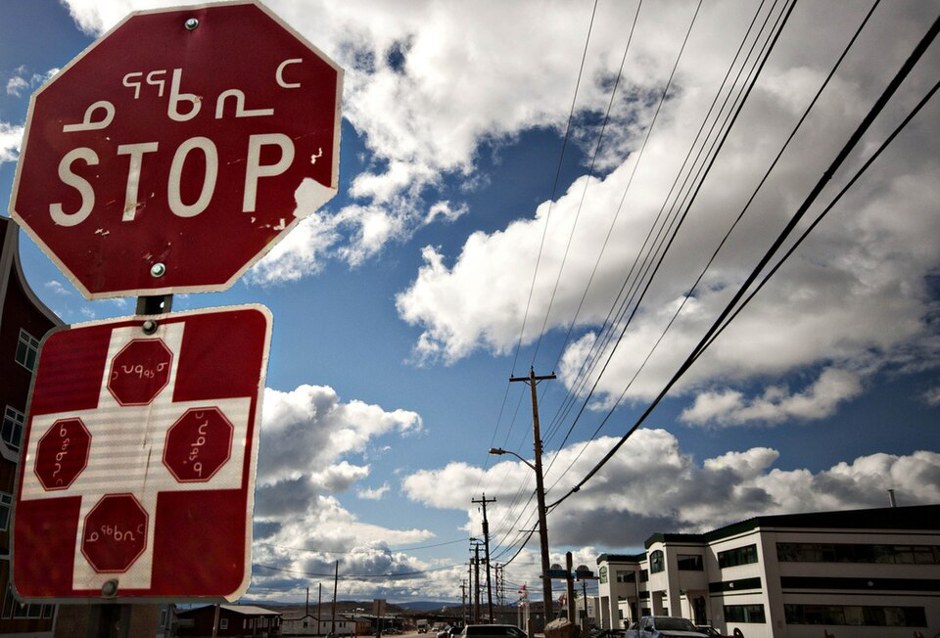
Photo: OhanaUnited, CC BY-SA 4.0, via Wikimedia Commons
In Nunavut, a minor or novice driver with any alcohol, or a detectable amount of another drug, faces a 30-day roadside licence suspension under the Traffic Safety Act. Learner’s (Class 7) and probationary licence holders count as novice drivers. The federal Criminal Code applies on top, to every driver and to snowmobiles and ATVs as well as cars and trucks. This explainer sets out both layers, the roadside suspensions for other drivers, and what it all means for new drivers in Iqaluit and the communities. It is for Nunavut learners, new drivers and their families.
Key facts
- Zero tolerance: minors and novice drivers must have no alcohol and no detectable drugs, including cannabis.
- Breaking zero tolerance: 30-day roadside licence suspension. Refusing to give a breath or blood sample is treated the same way.
- Learner’s and probationary licence holders are novice drivers under the Act.
- Other drivers face roadside suspensions too: 24 hours for a first suspension, 30 days for someone previously suspended, disqualified or prohibited.
- Criminal Code: impaired to any degree, or 80 mg of alcohol per 100 mL of blood within two hours of driving, is a criminal offence.
- The Criminal Code covers snowmobiles and ATVs: any vehicle not powered by muscle, apart from railway equipment.
Zero tolerance for new drivers in Nunavut
Nunavut’s Traffic Safety Act sets a zero limit for two groups:
- Minors (young drivers, as defined in the Act), and
- Novice drivers, which includes anyone on a learner’s licence (Class 7) or a probationary licence.
For these drivers, the legal amount of alcohol is none, and the legal amount of other drugs, cannabis included, is none that can be detected. There is no “one drink” allowance.
What happens at the roadside
| Situation | Consequence |
|---|---|
| Minor or novice driver with any alcohol, or a detectable drug | 30-day roadside licence suspension |
| Novice driver refuses to give a breath or blood sample | 30-day roadside licence suspension |
| Novice driver holding a licence from outside Nunavut | 30-day disqualification from driving in Nunavut |
The suspension starts at the roadside; it does not wait for a court case. Police send a report to the Registrar of Motor Vehicles. Confirm the current wording with Motor Vehicles in Nunavut before relying on any detail.
Roadside suspensions for other drivers
The Traffic Safety Act also gives police short-term roadside powers for drivers who are not novices:
| Driver’s history | Roadside licence suspension |
|---|---|
| No previous suspension, disqualification or prohibition in Nunavut, a province or another territory | 24 hours |
| A previous suspension, disqualification or prohibition | 30 days |
The Act also has disqualifications of 24 hours for a first-time driver and 90 days for a repeat driver. Your supervisor counts here too: a learner can only drive with a qualified supervisor, and a supervisor who has been drinking is putting both of you at risk.
The Criminal Code layer
Federal law applies everywhere in Canada, to every driver, whatever their licence. Under section 320.14 of the Criminal Code it is an offence to:
- operate a vehicle while your ability is impaired to any degree by alcohol, a drug or both;
- have 80 mg or more of alcohol per 100 mL of blood within two hours after driving;
- have a blood drug concentration at or over the regulated level within two hours after driving (a lesser offence applies at a lower drug level);
- have alcohol and a drug together at or over the regulated combined levels.
A Criminal Code charge is separate from, and on top of, any territorial suspension. For penalties and how other provinces compare, see impaired driving in Canada for new drivers.
Snowmobiles, ATVs and impairment
Many Nunavummiut drive a snowmobile or ATV long before a car. The Criminal Code defines a motor vehicle as any vehicle drawn, propelled or driven by anything other than muscle power, except railway equipment. That includes snowmobiles, ATVs and side-by-sides. Motorboats are covered too, because the impaired driving sections apply to vessels as well. Impaired operation of any of them is a criminal offence.
- Riding a snowmobile home from a party after drinking is not a lesser offence because it happens off the road.
- Passengers on a sled or ATV are at the same risk as the operator. Impaired riders misjudge speed, sea ice and terrain.
- Whether territorial zero-tolerance suspensions also apply to off-road vehicles depends on where and how the vehicle is used. Ask Motor Vehicles or your local RCMP detachment.
For the territorial ATV and snowmobile rules (registration, helmets, ages, crossings), see driving in Iqaluit and Nunavut communities.
Worked examples
A learner after a small drink
A 17-year-old Class 7 learner has one beer, then drives with a supervisor. Any alcohol breaks zero tolerance: a 30-day roadside suspension, before any other consequence.
A novice who refuses the test
A probationary driver is stopped and refuses to blow. Refusal brings the same 30-day suspension.
A snowmobile ride home
An adult with a full licence drinks at a gathering and rides a snowmobile home. If impaired to any degree, or at 80 mg or more, it is a Criminal Code offence, even though no car was involved.
Practical rules for new drivers and their families
- Zero means zero. Plan the trip home before anyone drinks.
- Cannabis counts. Adults may possess it legally, but a novice may not drive with any detectable amount.
- Check your medicines. Some prescription and over-the-counter drugs affect driving. Ask a pharmacist.
- Supervisors stay sober. A learner’s supervisor is responsible for the drive.
- Same rules on the land. Treat a snowmobile or ATV like a car when it comes to alcohol and drugs.
Common questions
What is the legal alcohol limit for a new driver in Nunavut?
Zero. Learners, probationary drivers and minors may have no alcohol and no detectable drugs.
How long is the suspension for a novice caught with alcohol?
30 days, imposed at the roadside under the Traffic Safety Act.
Does zero tolerance end when I get my full licence?
It ends when you are no longer a novice or a minor. The 24-hour and 30-day roadside suspensions and the Criminal Code still apply to every driver.
Can I be charged for drunk driving on a snowmobile?
Yes. The Criminal Code covers any vehicle not powered by muscle, so snowmobiles and ATVs count, on or off the road.
Does a suspension in Nunavut affect me in other provinces?
The Act counts previous suspensions from “Nunavut, a province, or another territory” when deciding a roadside suspension, so a suspension elsewhere can count against you in Nunavut. See driving in another province on a learner or novice licence.
Where can I check the current rules?
Contact Motor Vehicles in Nunavut (Government of Nunavut) or read the Traffic Safety Act on nunavutlegislation.ca.
Related: learning to drive in Nunavut (full guide), Nunavut knowledge test and road test, Nunavut restricted driver’s licence, driving in Iqaluit and Nunavut communities, impaired driving in Canada.
Sources
- Government of Nunavut, “Traffic Safety Act, Consolidation of” (nunavutlegislation.ca)
- Government of Nunavut, “Motor Vehicles Act, An Act to Amend”, 2017, roadside suspension and novice driver provisions (nunavutlegislation.ca)
- Legislative Assembly of Nunavut, Bill 29, “An Act to Amend the Motor Vehicles Act”, 2016 (assembly.nu.ca)
- Government of Nunavut, “Driver’s Licence Regulations, Consolidation of” (nunavutlegislation.ca)
- Government of Nunavut, “Apply for a Driver’s Licence” (gov.nu.ca)
- Government of Canada, Justice Laws, “Criminal Code”, sections 2, 320.11 and 320.14 (laws-lois.justice.gc.ca)