Category: New Mexico

  • New Mexico Driver’s License for Adults and New Residents

    New Mexico Driver’s License for Adults and New Residents

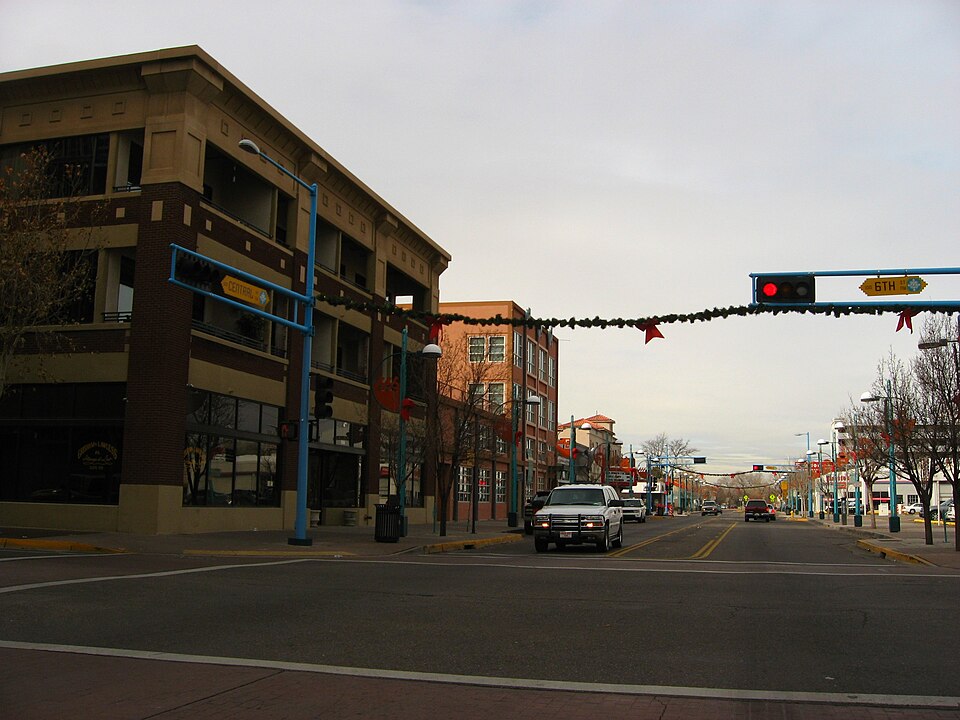
    Photo: Ken Lund, CC BY-SA 2.0, via Wikimedia Commons

    If you are an adult getting your first New Mexico driver license, you pass a vision test, a written test and a road test. If you are 18 to 24, you also need a “None for the Road” DWI awareness certificate. New residents with a current out-of-state license usually skip the written and road tests but still take an eye exam. This guide covers both routes and the documents MVD asks for.

    Which tests do adults take in New Mexico?

    Your situation Vision Written test Road test
    Never licensed Yes Yes Yes
    Current license from another US state Yes Not required Not required
    Current license from another country Yes Yes Ask MVD
    Old license expired for years Yes Likely. MVD pages give different cut-offs. Yes if expired over five years

    The vision standard is 20/40 or better in at least one eye, with or without corrective lenses. The written test pass mark is 70%. Study guidance is in the New Mexico permit test guide, and the drive is covered in the New Mexico road test guide.

    The DWI awareness requirement for adults

    • Age 18 to 24, first New Mexico license: complete the self-study “None for the Road” DWI awareness class and bring the certificate of completion to an MVD field office. The certificate is accepted whenever you completed it.
    • Age 25 or older: required only if you have a DWI conviction. You can take None for the Road or show proof of another approved DWI prevention and education program.
    • Moving from another state: MVD runs a DWI records check on drivers transferring in.

    The class is run outside MVD (through UNM Continuing Education), so finish it before your office visit.

    Documents for a first New Mexico license

    REAL ID license

    • One proof of identification number. The full number must show; a partly masked number is not accepted.
    • One proof of identity and age.
    • Two proofs of New Mexico residency.

    Standard license

    • One proof of identity and age.
    • Two proofs of New Mexico residency.
    • If you cannot prove lawful status, you can apply only for a Standard license or ID.

    Residency proof tips

    • Utility bills, bank or credit card statements, pay stubs and education records are among the accepted types. Many must be dated within 60 days.
    • P.O. box addresses and cell phone bills are not accepted.
    • Bring originals or certified copies, not photocopies.

    Since May 7, 2025, you need a REAL ID or another acceptable document for federal purposes such as boarding domestic flights. See REAL ID and your first license.

    Step by step for a new resident

    1. Gather your current out-of-state license, identity document, identification number proof and two New Mexico residency proofs.
    2. If you are 18 to 24 and this is your first New Mexico license, complete None for the Road.
    3. Visit an MVD office, pass the eye exam and pay the fee. Check current fees on the MVD website.
    4. Register and insure your car in New Mexico. See car insurance for new drivers.

    For the general moving checklist, see transferring your license to another state. For visitors, see driving in the US on a foreign license.

    Common questions

    Do adults need driver’s ed in New Mexico?

    The driver ed requirement applies to first-time applicants under 18. Adults 18 to 24 take the None for the Road class instead.

    Do I have to retake the test when I move to New Mexico?

    Not if your out-of-state license is current. You still pass an eye exam.

    I am 30 and never licensed. Do I need None for the Road?

    Only if you have a DWI conviction.

    Can I use a foreign license to skip the written test?

    No. People with a current license from another country take the written test.

    Which is better, REAL ID or Standard?

    Choose REAL ID if you want to use your license to fly in the US or enter federal facilities. Standard has lighter document rules.

    Do adults need a permit first?

    Ask MVD whether adults must hold a permit for a set time. If you want to practice before the road test, ask MVD about an instructional permit. Permit holders drive only with a licensed driver 21 or older who has held a license at least three years.

    Back to the New Mexico learner driver guide.

    Sources

    • New Mexico Motor Vehicle Division, “Apply for a New Driving Credential” (mvd.newmexico.gov)
    • New Mexico Motor Vehicle Division, “What tests are required to get a New Mexico driver license?” (mvd.newmexico.gov)
    • New Mexico Motor Vehicle Division, “Chapter 6: Acceptable Documents for Real ID Driver’s Licenses and IDs and CDLs” (mvd.newmexico.gov)
    • New Mexico Motor Vehicle Division, “New Mexico REAL ID” (realid.mvd.newmexico.gov)
    • New Mexico Department of Transportation, “DWI Schools/DWI Awareness None for the Road” (dot.nm.gov)
  • New Mexico Drivers Ed, the DWI Component and 50 Hours

    New Mexico Drivers Ed, the DWI Component and 50 Hours

    Photo: Grendelkhan, CC BY-SA 3.0, via Wikimedia Commons

    In New Mexico, anyone under 18 getting a first driver license must complete a driver education course that includes DWI prevention and education, and must log 50 hours of supervised driving, 10 of them at night. You can apply for an instructional permit at 15 once you are enrolled. This guide is for New Mexico teens and parents choosing a course and planning the practice hours.

    Key facts: New Mexico teen driver education

    • Required for: everyone under 18 applying for a first New Mexico license.
    • Course approval: driver schools and public schools giving the course must be licensed by the Traffic Safety Division of the New Mexico Department of Transportation (NMDOT).
    • DWI part: the course must include a DWI prevention and education program.
    • Permit timing: from 15, while enrolled in and attending the course, or after finishing it.
    • Practice: 50 hours, including 10 at night, certified in writing by a parent or guardian.
    • Supervisor: a licensed driver 21 or older who has been licensed at least three years.

    Choosing a driver education course in New Mexico

    Option Who it suits
    Public school program Students whose school offers driver ed
    Licensed private driving school Most other teens. Some schools are MVD-contracted and can give the knowledge exam.
    Correspondence course Home-schooled students, or areas with no local public or private program

    Before you pay, ask the school to confirm three things: it is licensed by NMDOT, its course includes the DWI component, and it will issue the Driver Education Referral Card or Certificate of Completion that MVD asks for at the permit visit. The school cannot issue the permit itself. Only MVD can.

    How the 50-hour supervised driving certification works

    1. Start logging from the day you get the permit.
    2. Drive only with a licensed driver 21 or older who has held a license at least three years.
    3. Record at least 50 hours in total, at least 10 of them after dark.
    4. Have your parent or guardian sign the log or certification. MVD wants the hours certified in writing.
    5. Bring it when you apply for the provisional license. See New Mexico provisional license rules.

    A practice plan that covers the 50 hours

    This plan is a suggestion, not an MVD rule:

    The night vision exemption

    If you cannot drive at night because of low nighttime vision, you can be excused from the 10 night hours. You need a report from a licensed eye specialist that describes your visual condition and how it affects your driving.

    Why the DWI component matters later

    New Mexico ties DWI education to licensing at every age. If you skip driver ed and apply after turning 18, first-time licensees aged 18 to 24 must instead complete the self-study “None for the Road” DWI awareness class. Teens moving in from another state whose driver ed record shows no DWI component must provide proof of one or take that class. For the underage alcohol rules, see zero tolerance laws for drivers under 21.

    Common questions

    Is driver’s ed required in New Mexico?

    Yes, if you are under 18 and getting your first license. The course must include DWI prevention and education.

    Can a parent teach driver’s ed in New Mexico?

    The course itself must come from a licensed school or a public school program, with correspondence courses in some cases. Parents supervise and certify the 50 practice hours.

    Who can supervise a New Mexico permit driver?

    A licensed driver 21 or older who has been licensed for at least three years.

    Do I need 10 night hours if I have poor night vision?

    You can be exempted with a report from a licensed eye specialist.

    How do I find an approved school?

    NMDOT’s Traffic Safety Division licenses driver schools and publishes school information. Ask the school for proof of its license.

    How do the 50 hours compare with other states?

    See supervised driving hours by state.

    Back to the New Mexico learner driver guide. Next step: the New Mexico permit test.

    Sources

    • New Mexico Motor Vehicle Division, “Chapter 3: Instructional Permit” (mvd.newmexico.gov)
    • New Mexico Motor Vehicle Division, “Chapter 4: Provisional Driver’s License” (mvd.newmexico.gov)
    • New Mexico Motor Vehicle Division, “Apply for a Learner’s Permit” (mvd.newmexico.gov)
    • New Mexico Motor Vehicle Division, “Apply for a New Driving Credential” (mvd.newmexico.gov)
    • New Mexico Department of Transportation, “Driver Education & Safety” (dot.nm.gov)

    • New Mexico Department of Transportation, “DWI Schools/DWI Awareness None for the Road” (dot.nm.gov)
  • New Mexico Provisional License Rules: Hours and Passengers

    New Mexico Provisional License Rules: Hours and Passengers

    Photo: John Phelan, CC BY 3.0, via Wikimedia Commons

    A New Mexico provisional license lets you drive without a supervisor from 15 1/2, but not between midnight and 5 a.m., and with no more than one passenger under 21 who is not immediate family. You keep it for at least 12 months before you can get a full license. This explainer is for New Mexico teens on, or about to get, a provisional license, and for their parents.

    New Mexico provisional license rules at a glance

    Rule What it means
    Night limit No driving between midnight and 5 a.m. unless a licensed driver 21 or older is with you or a listed exception applies (see below)
    Passenger limit No more than one passenger under 21 who is not a member of your immediate family, unless a licensed driver 21 or older is with you
    Minimum time 12 months before a full license
    Earliest full license 16 1/2

    Who can get a provisional license in New Mexico?

    You need all of the following:

    • Age 15 1/2 or older.
    • The instructional permit held for at least six months. Each traffic conviction or adjudication while you are on the permit adds 30 days.
    • At least 50 hours of driving practice, including 10 at night, certified in writing by your parent or guardian.
    • Completed driver education with the DWI component. See New Mexico driver’s ed and the DWI component.
    • No traffic conviction in the 90 days before you apply, and no traffic citation still pending.
    • A passed road test and vision screening. See the New Mexico road test guide.

    How the 30-day extensions work

    Convictions push your dates back. In this example, a teen gets a permit on their 15th birthday and is convicted of one traffic violation while on the permit:

    1. The usual six-month minimum becomes six months plus 30 days.
    2. The earliest provisional license date moves from 15 1/2 to about one month later.
    3. Any conviction in the 90 days before applying also blocks the application until 90 clean days have passed.

    The same 90-day rule applies when you move from provisional to full license: you need 12 months on the provisional license and no traffic conviction in the 90 days before you apply. You also need no traffic violation pending, and no alcohol or drug offense found against you or pending during the provisional period.

    Exceptions to the midnight to 5 a.m. limit

    The New Mexico Driver Manual lets a provisional driver drive at any hour when:

    • a licensed driver 21 or older is with you
    • there is a family necessity, shown by a signed statement from a parent or guardian
    • there is a medical necessity, shown by a signed statement from a parent or guardian
    • you are driving to or from work, shown by a signed statement from your employer
    • you are driving to or from school or a religious activity, shown by a signed statement from the school, a religious official or a parent or guardian
    • there is a medical emergency

    It is sensible to keep the signed statement in the car in case you are stopped.

    Scenarios: what is allowed on a New Mexico provisional license?

    Driving home from work at 12:30 a.m.

    Allowed, if you carry a signed statement from your employer. Without one you would need a licensed driver 21 or older in the car.

    Taking a younger brother and sister to school

    Allowed. Immediate family members do not count toward the passenger limit.

    Giving two friends aged 16 a ride

    Not allowed unless a licensed driver 21 or older is with you. Only one passenger under 21 from outside your immediate family is permitted.

    A friend aged 22 in the car

    Passengers 21 and older do not count toward the limit.

    Phones and alcohol for provisional drivers

    • Texting while driving is an offense for all New Mexico drivers under Section 66-7-374 NMSA 1978. See hands-free and texting laws.
    • MVD’s learner-permit guidance includes mobile communication device use while driving among the traffic violations that can delay progression. Each qualifying violation committed during the relevant permit or provisional stage and resulting in a conviction or delinquency adjudication adds 30 days to that stage’s six-month or 12-month minimum. Its device-use definition excepts a driver with a valid FCC amateur-radio operator license who is operating an amateur radio. This is a graduated-licensing consequence, separate from the general texting law.
    • For the under-21 alcohol rules, see zero tolerance laws.

    Common questions

    What time can a provisional driver drive in New Mexico?

    Alone, from 5 a.m. to midnight. Outside those hours a licensed driver 21 or older must be with you, unless one of the signed-statement exceptions (work, school, religious activity, family or medical necessity) or a medical emergency applies.

    Does the passenger limit include my siblings?

    No. Members of your immediate family are excluded.

    How long do I have a provisional license in New Mexico?

    At least 12 months. A recent traffic conviction can delay the full license because of the 90-day rule.

    Can I get a provisional license with a pending ticket?

    No. A citation still pending when you apply blocks the provisional license.

    Can I skip the provisional stage if I wait until 18?

    New Mexico’s driver ed and DWI component rules apply to under-18s getting a first license. Applicants 18 and over follow the adult route in getting a New Mexico license as an adult. Ask MVD how the provisional stage applies to your age.

    How does New Mexico compare with other states?

    See GDL laws by state.

    Back to the New Mexico learner driver guide.

    Sources

    • New Mexico Motor Vehicle Division, “Chapter 4: Provisional Driver’s License” (mvd.newmexico.gov)
    • New Mexico Motor Vehicle Division, “Chapter 3: Instructional Permit” (mvd.newmexico.gov)
    • New Mexico Motor Vehicle Division, “What tests are required to get a New Mexico driver license?” (mvd.newmexico.gov)
    • New Mexico Motor Vehicle Division, “Schedule of Assessments” (mvd.newmexico.gov)
    • New Mexico Department of Transportation, “Driver Education & Safety” (dot.nm.gov)
    • New Mexico MVD, “Apply for a Learner’s Permit”, SB 9 progression guidance (mvd.newmexico.gov)
  • New Mexico Road Test Guide: Vehicle Check, Route, Checklist

    New Mexico Road Test Guide: Vehicle Check, Route, Checklist

    Photo: Ken Lund, CC BY-SA 2.0, via Wikimedia Commons

    The New Mexico road test is required for every first-time New Mexico license, and you take it in your own registered, insured car after the examiner checks it. Teens can take it from 15 1/2, once they have held the instructional permit for six months. This guide covers who needs the test, the vehicle check, what the route can include and how to prepare.

    Who has to take the New Mexico road test?

    Applicant Road test?
    First-time New Mexico license, any age Yes
    Under 18 applying for a provisional license Yes, plus a vision screening
    Holder of a current out-of-state license Not required
    Holder of a current license from another country Ask MVD. The written test is required, and the road-test waiver applies only to current out-of-state licenses.
    License expired for a long time Yes. MVD gives the cut-off as five years.

    Teens also need the 50 hours of practice, and no traffic conviction in the last 90 days, before the provisional license is issued. See New Mexico provisional license rules.

    Vehicle requirements for the New Mexico driving test

    • You provide the vehicle, and it must match the license class you are applying for.
    • It must be registered and insured, with the current registration certificate in the car.
    • Bring proof of insurance (a current insurance certificate).
    • It must be in good working order. Making sure of this is your job.
    • No children or pets in the car during the test.

    The pre-test equipment check

    The examiner inspects the car before the drive. If the car fails, or you cannot work the controls, the test does not start or is stopped. Practice finding and using each of these without looking for them:

    • Mirrors
    • Parking brake
    • Horn
    • Windshield wipers
    • Lights
    • Turn signals

    What is on the New Mexico road test route?

    MVD examiner guidance describes routes built to test normal traffic skills. It also mentions a parallel parking spot on a hill or grade, between two cars or markers, with a space about the car’s length plus six feet. That guidance says the parallel park may be included but is not required, so practice it anyway. Examiners score only what they actually see.

    Prepare for the everyday skills that the New Mexico Driver Manual covers:

    • Full stops and right-of-way at signs and signals: four-way stops
    • Lane position, signaling and mirror checks before turns and lane changes
    • Speed control in school zones and residential streets: basic speed law
    • Parking, including on a grade: parking rules
    • Yielding to pedestrians: crosswalk rules

    Road test day checklist

    1. Permit held at least six months (longer if a conviction extended it), and you are 15 1/2 or older.
    2. Signed 50-hour certification and driver ed completion proof.
    3. Registration in the car and current proof of insurance.
    4. Lights, signals, horn, wipers and brakes all working.
    5. No passengers apart from the examiner.

    Common questions

    Do I need my own car for the New Mexico road test?

    Yes. You provide a registered, insured car in good working order that matches the license class.

    Is parallel parking on the New Mexico driving test?

    It can be. MVD route guidance includes a parallel parking spot on a grade but says it is not required on every route.

    Do I need a road test if I move to New Mexico?

    Not if your out-of-state license is current. See new resident and adult licenses.

    How do I book the New Mexico road test?

    Book through MVD or an MVD office. Check the MVD website for the current booking method and which offices give road tests.

    What are the most common reasons people fail?

    Ask MVD if you want its list of fail items. For the usual US problem areas, see common reasons people fail the US driving test.

    Back to the New Mexico learner driver guide.

    Sources

    • New Mexico Motor Vehicle Division, “What tests are required to get a New Mexico driver license?” (mvd.newmexico.gov)
    • New Mexico Motor Vehicle Division, “Chapter 11: Road And Written Test Requirements” (mvd.newmexico.gov)
    • New Mexico Motor Vehicle Division, “Chapter 4: Provisional Driver’s License” (mvd.newmexico.gov)
    • New Mexico Motor Vehicle Division, “Driver Procedures Manual” (mvd.newmexico.gov)
  • New Mexico Permit Test and Instructional Permit: MVD Guide

    New Mexico Permit Test and Instructional Permit: MVD Guide

    Photo: Lad Fury, Pexels

    To get a New Mexico instructional permit you must be at least 15, be enrolled in (or have finished) an approved driver education course with a DWI component, and pass a vision test and the MVD knowledge exam. The exam needs a score of 70% or better. This post is for New Mexico teens and parents getting ready for the permit visit.

    New Mexico permit at a glance

    • Minimum age: 15.
    • Driver ed: you must be enrolled in and attending, or have completed, a course approved by the Traffic Safety Bureau that includes DWI prevention and education.
    • Knowledge exam pass mark: 70% for Class D.
    • Vision: 20/40 or better in at least one eye, with or without glasses.
    • Who issues it: the MVD. Driver ed schools cannot issue new or renewal permits.
    • Valid for: four years.
    • Minimum time on the permit: six months before a provisional license, plus 30 days for each traffic conviction.

    What to bring to MVD for a New Mexico learner’s permit

    • Proof of driver ed enrollment or completion: a Driver Education Referral Card or Certificate of Completion.
    • Proof of identity, proof of identification number and two proofs of New Mexico residency. Which documents count depends on whether you want a REAL ID or a Standard credential. See REAL ID and your first license.
    • A consent form signed by your parent or guardian if you are under 18.
    • The permit application fee. Check the current amount on the MVD website.

    Bring original or certified documents. Photocopies are not accepted.

    How the New Mexico knowledge exam works

    What it covers

    Questions come from the New Mexico Driver Manual: traffic signals, signs and pavement markings, right-of-way, speed limits, parking, sharing the road, emergencies, and alcohol and the law. The New Mexico pillar guide maps every manual section to a study post.

    Pass mark

    70% or better for Class D and Class M tests. Check the question count with MVD, and plan to know the whole manual rather than a set number of answers.

    Where you can take it

    At an MVD office, or through an MVD-contracted driver education school that offers the exam.

    Languages

    An MVD notice lists English, Spanish, Tagalog, Italian, German, French, Vietnamese and Chinese.

    If you fail

    A 2016 MVD policy notice says non-commercial knowledge exams can be taken twice a week. After a third failure you wait six months from the first attempt. Confirm the current retake rule with MVD before you plan around it.

    Study checklist for the New Mexico permit test

    • Read the whole New Mexico Driver Manual once, then reread the Rules of the Road and alcohol sections.
    • Learn signs by shape and color: US road signs explained.
    • Know who goes first at intersections: four-way stops.
    • Use the MVD mobile practice exam.
    • Compare formats in other states with permit test by state.

    Driving on a New Mexico instructional permit

    You may drive only with an approved driving instructor beside you, or with a licensed driver who is 21 or older and has been licensed at least three years in any state. The supervisor must sit in the right front seat. Use this time to log the 50 hours (10 at night) needed for the provisional license. See driver’s ed and the 50-hour log.

    Common questions

    How many questions are on the New Mexico permit test?

    Ask MVD for the number. The pass mark is 70%.

    Can I take the New Mexico permit test online?

    MVD offers a mobile practice exam. The real exam is given at an MVD office or an MVD-contracted driver education school.

    Can I get a permit before I start driver’s ed?

    No, not if you are under 18. You must already be enrolled in and attending the approved course.

    How long is a New Mexico permit valid?

    Four years.

    Do I need a parent with me at MVD?

    Under-18 applicants need a consent form signed by a parent or guardian. Ask your MVD office whether the parent must attend in person.

    What vision score do I need?

    20/40 or better in at least one eye, with or without corrective lenses.

    Sources

    • New Mexico Motor Vehicle Division, “Chapter 3: Instructional Permit” (mvd.newmexico.gov)
    • New Mexico Motor Vehicle Division, “Apply for a Learner’s Permit” (mvd.newmexico.gov)
    • New Mexico Motor Vehicle Division, “What tests are required to get a New Mexico driver license?” (mvd.newmexico.gov)
    • New Mexico Motor Vehicle Division, “Knowledge (Written) Examination Changes” (mvd.newmexico.gov)
    • New Mexico Motor Vehicle Division, “MVD Procedures Manuals” (mvd.newmexico.gov)
    • New Mexico Motor Vehicle Division, “Apply for a New Driving Credential” (mvd.newmexico.gov)
  • Learning to Drive in New Mexico: Permit to Full License Guide

    Learning to Drive in New Mexico: Permit to Full License Guide

    Photo: Grendelkhan, CC BY-SA 3.0, via Wikimedia Commons

    In New Mexico you can get an instructional permit at 15 once you are enrolled in an approved driver education course with a DWI component, move to a provisional license at 15 1/2 after six months on the permit, and get a full license after 12 months on the provisional license. This guide is for New Mexico teens, their parents and adults getting a first license. It sets out each stage, the tests and the rules, and links to a detailed post on each one.

    Key facts for New Mexico learner drivers

    • Licensing agency: the Motor Vehicle Division (MVD) of the New Mexico Taxation and Revenue Department.
    • Permit: from 15, only if enrolled in or finished a driver education course approved by the Traffic Safety Bureau that includes DWI prevention and education.
    • Practice: 50 hours of supervised driving, including 10 at night, certified in writing by a parent or guardian.
    • Provisional license: from 15 1/2, after holding the permit six months.
    • Full license: after 12 months on the provisional license, so 16 1/2 at the earliest.
    • Adults 18 to 24: first-time applicants need a certificate from the “None for the Road” DWI awareness class.

    The three stages of New Mexico graduated licensing

    New Mexico has used graduated driver licensing since 2000. Under-18s pass through all three stages in order.

    Stage Minimum age What you need Main limits
    Instructional permit 15 Driver ed enrollment with DWI component, vision test, knowledge exam, documents, parent consent Drive only with a licensed driver 21 or older who has held a license at least 3 years
    Provisional license 15 1/2 Permit held 6 months, 50 hours practice (10 at night), road test, no traffic conviction in the last 90 days No unsupervised driving midnight to 5 a.m.; at most one passenger under 21 who is not immediate family
    Full driver license 16 1/2 Provisional license held 12 months, no traffic conviction in the 90 days before applying, nothing pending, and no alcohol or drug offense during the provisional period Standard rules for all drivers

    Each traffic conviction while you hold the permit adds 30 days to the six-month permit period.

    Step by step: from permit to full license in New Mexico

    1. Enroll in a driver education course approved by the Traffic Safety Bureau. It must include DWI prevention and education.
    2. At 15 or older, apply for the instructional permit at an MVD office. Bring proof of driver ed enrollment, identity and New Mexico residency documents, and a parent or guardian consent form. Pass the vision test and the knowledge exam. Some contracted driver ed schools give the knowledge exam. See the New Mexico permit test guide.
    3. Drive at least 50 hours with a qualified supervisor, 10 of them at night, and finish the driver ed course. The driver’s ed and DWI component post covers the course and the log.
    4. After six months on the permit and from 15 1/2, take the road test in your own registered, insured vehicle. See the New Mexico road test guide.
    5. Drive on the provisional license for 12 months under its night and passenger limits. Details are in New Mexico provisional license rules.
    6. Apply for the full license once you have held the provisional license 12 months with no traffic conviction in the previous 90 days.

    Getting a New Mexico license as an adult or new resident

    If you are 18 or older and have never held a license, you take the vision, written and road tests. First-time licensees aged 18 to 24 also need the “None for the Road” certificate. If you move to New Mexico with a current out-of-state license, the written and road tests are usually waived, but you still pass an eye exam. The full process is in getting a New Mexico driver’s license as an adult or new resident.

    What the New Mexico Driver Manual covers

    The MVD publishes the New Mexico Driver Manual in English and Spanish. The English edition on the MVD site is dated November 2019 (version 11.19.19). The written test is based on it. Its main sections are:

    Manual section Topics Read more
    The Driver License Graduated licensing, renewal, safety belts Seat belt and car seat laws
    Rules of the Road: traffic control devices Traffic signals, traffic signs, pavement markings Traffic signals, road signs by shape and color, pavement markings
    Rules of the Road: general rules Lane controls, right-of-way, one-way streets and circles, speed limits, parking, traffic violations Four-way stops, roundabouts, speed limits, parking rules
    Safe driving tips Everyday driving technique and hazards Freeway driving, snow, fog and rain
    Communicating with other drivers Signals, lights, horn, positioning Pedestrians and crosswalks
    Sharing the road Bicycles, large trucks Sharing the road, school buses
    Be in shape to drive Effects of alcohol, alcohol and the law, other drugs and driving Implied consent and DUI, zero tolerance under 21, drugged driving
    Emergencies Vehicle problems and crashes What to do after a crash, emergency vehicles

    DWI rules New Mexico learners need to know

    New Mexico builds DWI education into licensing at every age:

    • Under 18: the driver education course must include DWI prevention and education.
    • 18 to 24, first license: the self-study “None for the Road” DWI awareness class.
    • 25 and older: the class is needed only if you have a DWI conviction.
    • Moving from another state: MVD runs a DWI records check.

    The manual sets the limits and penalties: .08% for adults and .02% for drivers under 21. Refusing a BAC test can cost you your license for one year. A first DWI conviction brings fines and court costs, possible jail, ordered treatment and an ignition interlock, and MVD can revoke your license. Every DWI conviction stays on your record for 25 years. Under 21 you may not buy, drink or possess alcohol.

    For how alcohol limits and test refusal work, see implied consent and DUI in the US.

    New Mexico rules from the Driver Manual

    • Speed limits unless posted: 15 mph in a posted school zone, 30 mph in business or residential areas, 55 mph on public highways and 75 mph on rural interstates. If no minimum is posted, do not hold up normal traffic, and keep right if you are slower.
    • Seat belts: driving unbelted is illegal. The manual says all children under 12 must be properly restrained, with the youngest in an approved child seat in the rear. See seat belt and child car seat laws for current age and weight stages.
    • School buses: stop for a bus with red lights flashing on your side, the other side or at an intersection ahead. You need not stop for a bus coming toward you if a median or other physical barrier divides the road. Wait until children have left the road.
    • Emergency vehicles: pull to the right for a siren, air horn, or red or blue flashing lights. If you are in an intersection, drive through it first.
    • Pedestrians: always yield, even to someone not obeying signals. The White Cane Law (28-7-1 NMSA) makes a driver who fails to take care around a blind pedestrian with a white or metallic cane or guide dog liable for any injury.
    • Traffic circles: yield to drivers already in the circle and keep the island on your left.
    • Lanes: shared center lanes are for left turns (and U-turns where allowed) only. On reversible lanes, a green arrow means use the lane and a red X means do not. Never back up in a travel lane except to parallel park.
    • Parking bans: within 30 feet of a signal, stop or yield sign; within 25 feet of a crosswalk at an intersection; within 15 feet of a hydrant; within 50 feet of a railroad crossing; more than 18 inches from the curb; within 20 feet of a fire station driveway (75 feet across the street). Curb colors: white for short stops, yellow for loading, red for fire zones, blue for disabled parking.
    • Railroad crossings: school buses, taxis and other passenger vehicles for hire, and trucks carrying explosives or fuel, stop at least 15 feet from the tracks, so expect them to stop.
    • Cyclists: try to give at least five feet when passing, and slow down and yield where sharrows are painted.
    • Points: many violations carry points. Twelve or more points in 12 months means a one-year suspension. Driving uninsured or unregistered is handled in court instead.
    • Losing your license can also follow a DWI, refusing a test, leaving a crash scene without identifying yourself, false information on an application, an unpaid crash judgment, using a fake or borrowed license to buy alcohol, missing an MVD re-exam, a felony with a vehicle or a fatal crash, or lending your license.
    • Medical conditions: drivers with epilepsy, diabetes, heart conditions and some other conditions must send MVD periodic statements from their doctor. The manual says a driver with epilepsy should be seizure free for 6 months before a license is issued.
    • Crashes and insurance: you must stop. If you hit a parked car and cannot find the owner, leave a note with your details and the date and time. Liability insurance is required, with proof in the car: at least $25,000 for one person hurt, $50,000 for two or more and $10,000 for property damage.
    • Renewal: licenses run 4 or 8 years and can be renewed from 90 days before to 30 days after expiry.

    Phones while driving in New Mexico

    Texting while driving is an offense under Section 66-7-374 NMSA 1978. The MVD’s schedule of assessments lists it with a higher penalty for repeat violations. For the rules state by state, see hands-free and texting laws.

    Common questions

    Can I get a permit at 15 in New Mexico without driver’s ed?

    No. If you are under 18, you must be enrolled in or have completed an approved driver education course with a DWI component before MVD will issue the permit.

    How old do you have to be to drive alone in New Mexico?

    15 1/2, with a provisional license, and only between 5 a.m. and midnight unless a licensed driver 21 or older is with you.

    When can I get a full license in New Mexico?

    After 12 months on the provisional license with no traffic conviction in the 90 days before you apply, so 16 1/2 at the earliest.

    Is the New Mexico Driver Manual up to date?

    The English edition on the MVD site is version 11.19.19. Laws can change after a manual is printed, so check MVD pages for current rules and fees.

    How much does a New Mexico permit or license cost?

    Fees depend on the credential and how long it is valid for (licenses run 4 or 8 years). Check the current fee list on the MVD website before your visit.

    Can I practice in another state on a New Mexico permit?

    That depends on the other state’s law. See driving with a learner’s permit in another state.

    More US guides

    Sources

    • New Mexico Motor Vehicle Division, “New Mexico Driver Manual”, version 11.19.19 (mvd.newmexico.gov)
    • New Mexico Motor Vehicle Division, “Chapter 3: Instructional Permit” (mvd.newmexico.gov)
    • New Mexico Motor Vehicle Division, “Chapter 4: Provisional Driver’s License” (mvd.newmexico.gov)
    • New Mexico Motor Vehicle Division, “Apply for a Learner’s Permit” (mvd.newmexico.gov)
    • New Mexico Motor Vehicle Division, “What tests are required to get a New Mexico driver license?” (mvd.newmexico.gov)
    • New Mexico Motor Vehicle Division, “Apply for a New Driving Credential” (mvd.newmexico.gov)
    • New Mexico Motor Vehicle Division, “Schedule of Assessments” (mvd.newmexico.gov)
    • New Mexico Department of Transportation, “Driver Education & Safety” (dot.nm.gov)
    • New Mexico Department of Transportation, “DWI Schools/DWI Awareness None for the Road” (dot.nm.gov)
  • New Mexico Permit Practice Test: 30 Free MVD Questions

    New Mexico Permit Practice Test: 30 Free MVD Questions

    Photo: B. Kane, Pexels

    To pass the New Mexico MVD knowledge exam for a Class D permit you need a score of 70% or better. This practice test gives you 30 original questions across the whole New Mexico Driver Manual, then scenario questions on the instructional permit and provisional license rules. They are unofficial practice, not MVD questions.

    New Mexico permit test: key facts

    • Pass mark: 70% for Class D (and Class M).
    • Minimum age for an instructional permit: 15, while enrolled in or after finishing approved driver education with a DWI component.
    • Vision: 20/40 or better in at least one eye, with or without glasses.
    • Where: an MVD office or an MVD-contracted driver education school.
    • Question count: confirm it, and the current retake rule, with MVD.

    Documents and the permit visit: the New Mexico MVD permit test guide.

    Round 1: signs and signals (questions 1 to 9)

    1. You see a red, eight-sided sign. You must:

    • A. Slow down and go if clear
    • B. Come to a complete stop
    • C. Yield only to trucks
    • D. Stop only at night

    Answer: B. Stop at the line or crosswalk, then go when it is safe. Manual topic: traffic signs.

    2. A yellow, diamond-shaped sign is a:

    • A. Guide sign
    • B. Regulatory sign
    • C. Warning sign
    • D. Service sign

    Answer: C. Warning signs alert you to curves, crossings and other hazards. Manual topic: traffic signs.

    3. Blue signs along a highway show:

    • A. Services such as gas, food and lodging
    • B. Construction zones
    • C. Speed limits
    • D. School crossings

    Answer: A. Green signs give directions, brown signs show parks and recreation. Manual topic: traffic signs.

    4. A sign with a red circle and a diagonal slash means:

    • A. Caution
    • B. Service ahead
    • C. A detour
    • D. The action shown is not allowed

    Answer: D. For example, no U-turn or no left turn. Manual topic: traffic signs.

    5. A flashing red light at an intersection means:

    • A. Stop, then proceed when it is safe
    • B. Slow down only
    • C. Go, you have priority
    • D. The road is closed

    Answer: A. Treat it exactly like a stop sign. Manual topic: traffic signals.

    6. A green arrow pointing left means:

    • A. Yield to oncoming traffic, then turn
    • B. You may turn left; oncoming traffic is stopped
    • C. Left turns are banned
    • D. Go straight only

    Answer: B. A green arrow gives a protected turn, but still watch for pedestrians finishing their crossing. Manual topic: traffic signals.

    7. A broken yellow center line on your side means:

    • A. You may never pass
    • B. The road is one-way
    • C. You may pass when it is safe
    • D. Bicycles only

    Answer: C. Yellow lines separate traffic moving in opposite directions; broken means passing is allowed with care. Manual topic: pavement markings.

    8. White lines on the road separate:

    • A. Opposite directions of traffic
    • B. Parking from bike lanes only
    • C. Lanes of traffic moving the same direction
    • D. Toll lanes

    Answer: C. Solid white discourages lane changes; broken white allows them when safe. Manual topic: pavement markings.

    9. A round yellow sign with an X and the letters RR means:

    • A. Road repair
    • B. A railroad crossing ahead
    • C. A rest area
    • D. A right-lane merge

    Answer: B. Slow down, look both ways and listen. Manual topic: railroad crossings.

    Round 2: right of way and rules of the road (questions 10 to 17)

    10. Two cars arrive at an uncontrolled intersection at the same time. Who yields?

    • A. The car on the right
    • B. The car going faster
    • C. The car with more passengers
    • D. The driver on the left yields to the driver on the right

    Answer: D. Manual topic: right of way.

    11. You are on a side road meeting a main highway at a yield sign. You must:

    • A. Slow down and let traffic on the highway go first
    • B. Merge and expect others to brake
    • C. Stop in every case for 5 seconds
    • D. Flash your lights and go

    Answer: A. Stop only if needed to yield. Manual topic: right of way.

    12. An emergency vehicle with lights and siren is coming. You should:

    • A. Stop immediately in the intersection
    • B. Pull to the right edge of the road and stop until it passes
    • C. Keep driving at the limit
    • D. Follow it closely

    Answer: B. Keep clear of intersections when you pull over. Manual topic: sharing the road.

    13. A school bus stops ahead of you with red lights flashing. Traffic behind it must:

    • A. Pass carefully on the left
    • B. Stop only if children are crossing
    • C. Stop and stay stopped until the red lights stop flashing
    • D. Honk to alert the driver

    Answer: C. Traffic behind a stopped school bus always stops. Oncoming traffic stops too, unless a median or other physical barrier separates the roadway. Manual topic: school buses.

    14. When is it legal to drive faster than conditions allow, if you stay under the posted limit?

    • A. Never: you must drive at a speed that is safe for the conditions
    • B. On interstates
    • C. At night
    • D. When late

    Answer: A. Posted limits are maximums for ideal conditions. Manual topic: speed limits.

    15. Before changing lanes you should:

    • A. Signal only
    • B. Check your mirrors only
    • C. Speed up first
    • D. Signal, check your mirrors and look over your shoulder at your blind spot

    Answer: D. Mirrors leave blind spots on both sides. Manual topic: lane changes.

    16. You are following a large truck. To stay visible to its driver you should:

    • A. Stay close behind it
    • B. Stay far enough back to see its side mirrors
    • C. Drive alongside it
    • D. Flash your high beams

    Answer: B. If you cannot see the driver’s mirrors, the driver cannot see you. Manual topic: sharing the road with trucks.

    17. A pedestrian with a white cane is crossing ahead. You should:

    • A. Stop and let them cross
    • B. Honk so they know you are there
    • C. Drive around them
    • D. Wave them across

    Answer: A. Always yield to blind pedestrians, and do not honk at them. Manual topic: pedestrians.

    Round 3: alcohol, phones and conditions (questions 18 to 23)

    18. Texting while driving in New Mexico is:

    • A. Legal for adults
    • B. Legal at red lights
    • C. An offense for all drivers under Section 66-7-374 NMSA 1978
    • D. Legal on rural roads

    Answer: C. See hands-free and texting laws. Manual topic: distracted driving.

    19. Which statement about alcohol and young drivers is true?

    • A. Drivers under 21 face penalties at alcohol levels far below the 0.08 adult limit
    • B. The adult limit protects drivers under 21
    • C. Beer is not counted
    • D. Penalties apply only after a crash

    Answer: A. In New Mexico a driver under 21 can be arrested at a BAC of .02%. Manual topic: alcohol and the law.

    20. Why does New Mexico require a DWI component in teen driver education?

    • A. It replaces the road test
    • B. It is needed for the permit and first license, to teach the dangers of impaired driving
    • C. It is only for adults
    • D. It lowers the pass mark

    Answer: B. Under-18s must take driver education that includes DWI prevention. See New Mexico driver’s ed and the DWI component. Manual topic: licensing.

    21. The only thing that lowers your blood alcohol level is:

    • A. Black coffee
    • B. A cold shower
    • C. Eating
    • D. Time

    Answer: D. Manual topic: alcohol and the law.

    22. A dust storm or heavy rain suddenly cuts your visibility. You should:

    • A. Speed up to get through it
    • B. Slow down, turn on your low-beam headlights and pull safely off the road if you cannot see
    • C. Use high beams
    • D. Stop in the lane

    Answer: B. Never stop in a travel lane where others may hit you. Manual topic: emergencies and adverse conditions.

    23. Your brakes fail. What should you try first?

    • A. Turn off the engine at speed
    • B. Jump out
    • C. Pump the brake pedal, then use the parking brake gently and shift to a lower gear
    • D. Steer into traffic

    Answer: C. Pumping can restore pressure in older systems; the parking brake and low gear help slow you. Manual topic: emergencies.

    Round 4: New Mexico permit and provisional license scenarios (questions 24 to 30)

    24. You hold a New Mexico instructional permit. Who may supervise you?

    • A. Any licensed 18-year-old
    • B. A licensed driver aged 21 or older who has been licensed at least 3 years
    • C. A licensed sibling of any age
    • D. Nobody: you may drive alone

    Answer: B. Use this time to log your practice hours. Manual topic: instructional permit.

    25. You got your permit at 15 and had one traffic conviction while on it. When can you get a provisional license?

    • A. At 15 exactly
    • B. After 6 months, no matter what
    • C. After 6 months plus 30 days for the conviction, and only with no conviction in the 90 days before applying
    • D. Never before 18

    Answer: C. Each conviction on the permit adds 30 days, and the 90-day clean record rule also applies. Manual topic: provisional license.

    26. How much supervised practice must a parent certify for the provisional license?

    • A. 50 hours, including 10 at night
    • B. 20 hours
    • C. 30 hours, including 5 at night
    • D. 100 hours

    Answer: A. Certified in writing by a parent or guardian. Manual topic: provisional license.

    27. On a provisional license, you want to drive home alone from a party at 12:30 a.m. This is:

    • A. Allowed
    • B. Allowed on weekends
    • C. Allowed with a friend aged 18 in the car
    • D. Not allowed unless a licensed driver 21 or older is with you

    Answer: D. Provisional drivers may not drive from midnight to 5 a.m. without a licensed driver 21+, unless a listed exception backed by a signed statement applies (work, school, religious activity, family or medical necessity) or there is a medical emergency. See New Mexico provisional license rules. Manual topic: provisional license.

    28. On a provisional license, which carload is allowed with no adult supervisor?

    • A. Two friends aged 16
    • B. Your two younger siblings and one friend aged 17
    • C. Three friends aged 19
    • D. Two classmates aged 17

    Answer: B. Only one passenger under 21 who is not immediate family is allowed. Family members do not count. Manual topic: provisional license.

    29. How long must you hold a provisional license before a full New Mexico license?

    • A. 3 months
    • B. 6 months
    • C. 12 months, with no traffic conviction in the 90 days before applying
    • D. Until age 21

    Answer: C. The earliest full license is at 16½. Manual topic: provisional license.

    30. You have a traffic citation still pending when you apply for a provisional license. What happens?

    • A. The application is blocked until it is resolved
    • B. Nothing
    • C. You get a license with a warning
    • D. You skip the road test

    Answer: A. A pending citation stops the provisional license. Manual topic: provisional license.

    Score against the 70% pass mark

    Correct out of 30 Percentage What it means
    27 to 30 90% to 100% Ready
    21 to 26 70% to 87% A pass. Review misses before test day.
    Under 21 Below 70% Not yet. Reread the manual sections behind your misses.

    Use the MVD mobile practice exam as a second check. It is MVD’s own tool and the closest guide to the real format.

    Common questions

    Are these the real New Mexico MVD questions?

    No. These are original, unofficial practice questions. Study the current New Mexico Driver Manual for the real test.

    How many questions are on the New Mexico permit test?

    Ask MVD for the number. You need 70% or better, so know the whole manual rather than aiming for a set number of answers.

    What score do I need to pass?

    70% for a Class D permit.

    Can I retake the test if I fail?

    Yes. An older MVD notice describes retakes twice a week, with a 6-month wait after a third failure. Confirm the current rule with MVD.

    Which languages is the test offered in?

    An MVD notice lists English, Spanish, Tagalog, Italian, German, French, Vietnamese and Chinese.

    Where are practice tests for other states?

    See US permit practice tests. Every step of the New Mexico route is in learning to drive in New Mexico.

    Sources

    • New Mexico Motor Vehicle Division, “New Mexico Driver Manual” (mvd.newmexico.gov)
    • New Mexico Motor Vehicle Division, “Driver Procedures Manual: Written Test Requirements” (mvd.newmexico.gov)
    • New Mexico Motor Vehicle Division, “Apply for a Learner’s Permit” (mvd.newmexico.gov)
    • New Mexico Department of Transportation, “Driver Education & Safety” (dot.nm.gov)