
Category: New York

  • Transfer Your License to NY: Out-of-State and Foreign Licenses

    Transfer Your License to NY: Out-of-State and Foreign Licenses

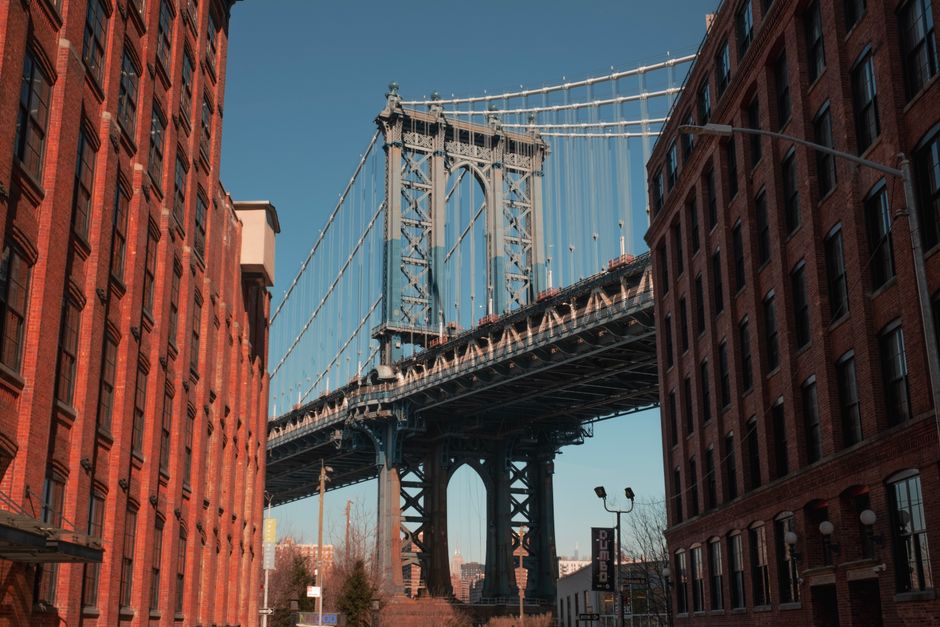
    Photo: Bo Ponomari, Pexels

    If you move to New York, you must get a New York driver license within 30 days of becoming a resident. If you hold a license from another US state, a US territory or a Canadian province, you can usually swap it at a DMV office with only a vision test. If your license is from any other country, you take the written test, the 5-hour pre-licensing course and the road test. This guide covers both routes, the documents you need, when you cannot exchange, and registering and insuring your car.

    Key facts

    • Deadline: 30 days after you become a New York resident. Living in New York for 90 days is treated as presumptive evidence that you are a resident.
    • Licenses from US states, territories and Canada: exchange in person with a vision test, if the license meets the rules below.
    • Licenses from other countries: written test, 5-hour pre-licensing course and road test.
    • Your car: register it in New York within 30 days, with New York insurance.

    Do you need a New York license at all?

    Only if you become a New York resident. A visitor with a valid license from another state or country can drive legally in New York.

    Students from other states or countries who attend school in New York are normally not treated as residents, so they do not need to exchange their license.

    If you are under 18 and visiting on an out-of-state learner permit or junior license, you must follow New York’s junior restrictions as well as your home state’s. If you are under 16, you cannot drive in New York even with an out-of-state license.

    Exchanging an out-of-state or Canadian license

    Does your license qualify?

    Your current license, from another US state or territory, a federal district or a Canadian province, must:

    • have your photograph
    • be valid, or have expired less than 24 months ago (the DMV exchange page; the printed Driver’s Manual still says expired no more than one year, so if yours expired between one and two years ago, confirm with the DMV before your visit)
    • have been issued at least 6 months before you apply. The exception is a commercial license, which can have been valid for any length of time.

    If the license does not show its issue date, get a certified driving record or a letter from the issuing state that shows it. If you cannot, you must apply for a new, original New York license. If your license does not meet these rules, the manual says you must also pass the written and road tests and complete the pre-licensing (safe driving) course.

    When you cannot exchange

    Problem What to do
    License suspended or revoked Clear the suspension or revocation first, then bring a valid license.
    Hardship or employment-only license Cannot be exchanged.
    Marked “non-renewable” or “non-transferable” Cannot be exchanged.
    Lost or stolen Get a replacement photo license from your old state, or an original letter or certified driver abstract on its letterhead, issued within 30 days before you apply.

    The letter or abstract must show your name, address, date of birth, license number, license class, any restrictions, any convictions, suspensions or revocations, the issue date and the expiry date of your latest license. It does not count as proof of identity or date of birth.

    How to exchange, step by step

    1. Get pre-screened online. The DMV pre-screening tool tells you which forms and documents to bring and lets you fill out the application (MV-44). You can also send your documents for review before your visit.
    2. Choose a license type: Standard, REAL ID or Enhanced. See REAL ID and your first US driver’s license.
    3. Gather your proofs: proof of name and date of birth (the ID-44 form lists what counts), and your Social Security card.
    4. Go to a DMV office in person. The exchange cannot be done online or by mail.
    5. Pass the vision test, or bring a completed Eye Test Report (MV-619) from an authorized provider.
    6. Surrender your out-of-state license and pay the fee. Check the current fee on the DMV fees page before you go.
    7. Drive on the temporary document. You get a temporary non-photo license. Allow 2 weeks for the card to arrive by mail. It is valid for up to 5 years.

    You normally cannot hold a New York license and another state’s license at the same time.

    Moving to New York with a license from another country

    If your license is from a country other than Canada, you cannot simply swap it. To get a New York license you must:

    1. apply for a learner permit, pass the vision test and pass the written test (see New York DMV permit test)
    2. complete the 5-hour pre-licensing course
    3. pass the New York road test.

    The DMV pages on licenses from other countries and on moving to New York do not list any foreign license exchange agreements. If you have heard that your country has one, ask the DMV before you book anything.

    Driving on your foreign license while you wait

    • A valid foreign license lets you drive without a supervising driver on any road, bridge or tunnel, except inside a DMV road test area.
    • If you have a New York learner permit but no valid foreign license, the law requires a supervising driver who is 21 or older and licensed for the vehicle.
    • If your license is not in English, bring an International Driving Permit or a certified translation to the road test. The translation must be certified by a consulate, the US Department of State or another official government agency. It must show your name, date of birth, the license expiry date and the vehicle types you can drive.

    What happens to your foreign license

    When you pass the road test, you hand your foreign license to the examiner. It is destroyed unless you give the examiner a written request to keep it on file at a DMV office. If it is kept, you can have it back, but only after you return your New York license.

    Citizenship and license type

    • You do not need to be a US citizen to get a New York license.
    • Non-citizens can get a Standard license.
    • Non-citizens with proof of lawful presence can get a REAL ID.
    • Only US citizens can get an Enhanced license.
    • Temporary visitors with a REAL ID get a card marked “TEMPORARY VISITOR” that expires on their DHS document date.

    Registering and insuring your car in New York

    • Deadline: as a new resident, register your vehicle in New York within 30 days. You must be at least 16 to register a vehicle.
    • Application: complete form MV-82 and show proof of ownership, New York insurance and sales tax payment, plus proof of name and date of birth.
    • Insurance: a vehicle registered in New York must have New York insurance. The DMV never accepts out-of-state insurance for a New York-registered vehicle.
    • Minimum liability cover: $25,000 for injury to one person and $50,000 for injury to two or more, $50,000 for the death of one person and $100,000 for the death of two or more, and $10,000 for property damage.
    • Inspection: New York vehicles need an inspection at a state-licensed station. Ask the DMV how the rules apply to your out-of-state vehicle.

    Anyone driving in New York, residents and non-residents alike, must be able to prove the vehicle has acceptable liability insurance. Driving uninsured means revocation of your license or driving privilege for at least one year.

    Common questions

    How long do I have to transfer my license to New York?

    30 days from becoming a resident. The DMV treats living in New York for 90 days as presumptive evidence of residency.

    Do I have to take a road test to transfer my license to New York?

    Not if your US or Canadian license is a photo license that is valid (or expired less than 24 months ago) and was issued at least 6 months ago. The DMV’s licence exchange page allows a licence that expired less than 24 months ago, but the online Driver’s Manual says a licence that expired more than a year ago means sitting the tests, so check directly with the DMV before you apply. Licenses from other countries need the written test, course and road test.

    Can I exchange my license online?

    No. The exchange is in person at a DMV office, but you can get pre-screened online first.

    Can I keep my old state’s license?

    You must surrender it at the exchange. Normally you cannot hold licenses from New York and another state at the same time.

    I just got my license in another state. Can I exchange it?

    Only if it was issued at least 6 months before you apply. If it is newer, plan for the written test, the pre-licensing course and the road test.

    Can I drive in New York on my foreign license as a resident while I wait for my road test?

    The DMV says a valid foreign license lets you drive without a supervisor anywhere except a road test area, and that you do not need a New York license unless you become a resident. Once you are a resident, the 30-day rule applies, so start the process early.

    Related guides

    Sources

    • New York State DMV, “Exchange Out of State Driver License” (dmv.ny.gov)
    • New York State DMV, “Drivers from Other Countries” (dmv.ny.gov)
    • New York State DMV, “Moving to or from New York State” (dmv.ny.gov)
    • New York State DMV, “New York State Driver’s Manual, Chapter 1: Driver Licenses” (dmv.ny.gov)
    • New York State DMV, “New York State Driver’s Manual, Chapter 3: Owning a Vehicle” (dmv.ny.gov)
  • NY Zero Tolerance Law, DWI and Leandra’s Law Explained

    NY Zero Tolerance Law, DWI and Leandra’s Law Explained

    Photo: DanielPenfield, CC BY-SA 4.0, via Wikimedia Commons

    Under New York’s Zero Tolerance Law, a driver under 21 with a blood alcohol content (BAC) of .02 to .07 loses their license for six months, and .02 can come from a single drink. Above that, New York has four alcohol offenses: DWAI (more than .05), DWI (.08), Aggravated DWI (.18), and drunk driving with a child under 16 in the car, which can be charged as a felony under Leandra’s Law. This guide sets out each level, the penalties, chemical test refusal, ignition interlocks and the open container law, with the extra rules for under-21s.

    Key facts

    • Under 21, BAC .02 to .07: Zero Tolerance, 6-month suspension, plus a $125 civil penalty and a $100 suspension termination fee.
    • More than .05: legal evidence of impairment (DWAI).
    • .08 or more: driving while intoxicated (DWI).
    • .18 or more: Aggravated DWI.
    • Any alcohol or drug conviction while under 21: license revoked for at least 1 year.
    • Points: 11 for an alcohol or drug-related driving incident, enough on its own to reach the suspension limit.

    New York BAC levels and offenses

    Offense BAC or test
    Zero Tolerance (under 21) .02 to .07
    Driving While Ability Impaired by alcohol (DWAI) More than .05 up to .07, or other evidence of impairment
    Driving While Intoxicated (DWI) .08 or more, or other evidence of intoxication (.04 for commercial vehicle drivers)
    Aggravated DWI .18 or more
    DWAI-Drug Impaired by a drug other than alcohol, including cannabis and some prescription drugs
    DWAI-Combination Impaired by alcohol and drugs together

    You can be convicted without a chemical test result. A police officer’s evidence about your driving, appearance and behavior can be enough.

    How quickly BAC rises

    The manual treats these as roughly equal drinks:

    • 1½ ounces of liquor
    • 5 ounces of wine
    • 12 ounces of beer
    • 12 ounces of wine cooler.

    For a 150-pound male, each one raises BAC by about .02, and the body takes roughly an hour to remove it. Women generally take longer. Coffee, exercise and cold showers do not lower BAC. Only time does.

    Zero Tolerance for drivers under 21

    New York’s legal drinking age is 21. If you are under 21, driving with any measurable alcohol (.02 to .07) is a violation, decided at a DMV hearing rather than in criminal court.

    Under-21 situation License action Money
    First Zero Tolerance violation Suspended for 6 months $125 civil penalty plus a $100 suspension termination fee
    Second Zero Tolerance violation Revoked for at least 1 year or until age 21, whichever is longer $125 civil penalty plus a $100 re-application fee
    Refusing a chemical test under Zero Tolerance Revoked for at least 1 year $300 civil penalty plus a $100 re-application fee
    Conviction for DWAI, DWI or any alcohol or drug offense Revoked for at least 1 year Criminal fines (see below)
    A second alcohol or drug conviction while under 21 Revoked for 1 year or until 21, whichever is longer Criminal fines
    Alcohol or drug conviction in another state New York license revoked for at least 1 year

    Using your license or a non-driver ID to buy alcohol illegally also leads to a suspension of your license, or of your right to apply for one. For how other states handle this, see zero tolerance laws for drivers under 21.

    DWI and DWAI penalties in New York

    These are the mandatory fines, maximum jail terms and license actions published by the New York DMV, as of November 2026. Surcharges and fees come on top.

    Conviction Fine Maximum jail License action
    DWAI (alcohol), first $300 to $500 15 days Suspended 90 days
    DWAI, second within 5 years $500 to $750 30 days Revoked at least 6 months
    DWAI, third within 10 years (misdemeanor) $750 to $1,500 180 days Revoked at least 6 months
    DWI or DWAI-Drug, first $500 to $1,000 1 year Revoked at least 6 months
    DWI or DWAI-Drug, second within 10 years (E felony) $1,000 to $5,000 4 years Revoked at least 1 year
    Aggravated DWI, first $1,000 to $2,500 1 year Revoked at least 1 year
    Aggravated DWI, second within 10 years (E felony) $1,000 to $5,000 4 years Revoked at least 18 months

    For under-21 drivers, the license actions are different: at least one year, as shown above.

    What comes on top of the fine

    • Surcharges and fees: a mandatory surcharge, crime victim assistance fee, additional surcharge and alcohol fee. These total $395 for alcohol-related misdemeanors and $520 for felonies, plus $5 in a town or village court.
    • Driver Responsibility Assessment: $250 a year for three years, $750 in total. This also applies to a chemical test refusal.
    • Points: 11, enough by itself to reach New York’s 11-points-in-24-months limit.
    • No automatic return: the DMV decides when your license comes back. You must reapply and may have to retest.
    • Repeat offenders: the DMV reviews your whole driving history before giving a license back after a revocation. Four alcohol or drug-related convictions or incidents in a lifetime, or three in 25 years plus another serious driving offense, mean the DMV denies the application permanently. Three in 25 years without a serious offense means a wait of up to five extra years, then a restricted license and an ignition interlock for five years.

    For how these penalties fit into the wider point system, see New York probation period and point system.

    Chemical tests and refusal

    Under New York’s Implied Consent law, by driving in the state you have already agreed to a chemical test of your breath, blood, urine or saliva if you are arrested for an alcohol or drug offense. If you refuse:

    • your license is suspended when you are arraigned in court
    • the refusal can be used as evidence at your trial
    • if a DMV hearing confirms the refusal, your license is revoked even if you are found not guilty of the DWI charge.
    Refusal Revocation Civil penalty
    First refusal, any age At least 1 year $500
    Within 5 years of an earlier refusal or alcohol or drug-related charge At least 18 months (1 year or until 21 for under-21s) $750

    See also implied consent and DUI in the US.

    Leandra’s Law and ignition interlocks

    Child passengers

    Under Leandra’s Law, driving drunk with a child under 16 in the vehicle can be charged as a class E felony, punishable by up to four years in prison.

    Ignition interlock

    Courts must order anyone convicted of DWI or Aggravated DWI to install an ignition interlock and keep it for at least 12 months, at their own expense. The device must be fitted to any vehicle they own or drive, and the car will not start until the driver gives an acceptable breath sample. A court may waive the rest of the 12 months if the device has been in place for at least six months.

    Conditional licenses

    The law also makes it a felony to drive drunk while holding a conditional license. That is a limited license for trips such as work, school and medical visits that the DMV may issue after an alcohol conviction.

    Open container and cannabis in the car

    • A driver or passenger on a public road may not drink alcohol or have an open container of alcohol.
    • A driver or passenger may not consume cannabis in the vehicle.
    • A first conviction is a traffic infraction: a fine of up to $150, a mandatory surcharge, a crime victim assistance fee and possibly 15 days in jail.
    • Further offenses within 18 months bring higher penalties.
    • Passengers in stretch limousines and other vehicles with a US or NYS Department of Transportation commerce certificate or permit are exempt.

    Driving while impaired by cannabis or other drugs is charged as DWAI-Drug. See drugged driving and cannabis.

    Common questions

    Is one beer over the limit for a New York driver under 21?

    It can be. The manual says a .02 BAC could come from one drink, and .02 is where Zero Tolerance starts.

    What is the legal limit in New York for drivers 21 and over?

    .08 is DWI, but a BAC of more than .05 is already legal evidence of impairment (DWAI), and you can be convicted on other evidence even below that.

    Is a Zero Tolerance violation a crime in New York?

    The manual describes it as a violation found at a DMV hearing, with a license suspension and civil penalty. DWAI and DWI are charged in court, and DWI is a crime.

    What happens to a junior license after a DWI?

    Any alcohol or drug-related conviction while you are under 21 means revocation for at least one year, plus the criminal fines and jail risk for the offense.

    Can I refuse a breath test in New York?

    You can, but refusal after arrest brings its own revocation of at least one year and a civil penalty, even if you are later found not guilty of DWI.

    Does a DUI in another state affect my New York license?

    Yes. A New York license is revoked for at least 90 days after an out-of-state alcohol or drug conviction, or for at least one year if you are under 21.

    Does cold coffee or a shower sober you up?

    No. The manual is clear that only time lowers BAC.

    Related guides

    Sources

    • New York State DMV, “New York State Driver’s Manual, Chapter 9: Alcohol and Other Drugs” (dmv.ny.gov)
    • New York State DMV, “New York State Driver’s Manual, Chapter 2: How to Keep Your License” (dmv.ny.gov)
    • New York State DMV, “Penalties for Alcohol or Drug-Related Violations” (dmv.ny.gov)
    • New York State DMV, “Driver Responsibility Assessment (DRA)” (dmv.ny.gov)
    • New York State DMV, “The New York State Driver Point System” (dmv.ny.gov)
  • NY School Bus Law and Move Over Law Explained

    NY School Bus Law and Move Over Law Explained

    Photo: Anton Massalov, Pexels

    In New York you must stop for a school bus with flashing red lights whichever direction you are coming from. That includes the opposite side of a divided highway, in front of a school and in school parking lots. You must also slow down, and on multi-lane highways move over, for emergency and hazard vehicles stopped at the roadside. Both rules are in the New York Driver’s Manual that the permit test is based on, and passing a stopped school bus carries 8 points. This guide covers exactly what each law requires and what breaking it costs.

    Key facts

    • School bus red lights: traffic in both directions stops, on every road in New York, including divided highways.
    • Distance: stop at least 20 feet (6 m) from the bus.
    • Fines: from a minimum of $250 for a first violation, up to a maximum of $1,000 for three violations in three years.
    • Points: 8 for passing a stopped school bus.
    • Move over: slow down on all roads. On parkways, interstates and other multi-lane controlled-access roads, also leave the lane next to the stopped vehicle if it is safe.

    When do you have to stop for a school bus in New York?

    Bus shows What you do
    Flashing yellow lights (front and back, near the roof) Slow down and get ready to stop. The bus is about to load or unload.
    Flashing red lights, stopped Stop before you reach the bus, at least 20 feet away, whether you are behind it or coming toward it.
    Red lights off and moving again, or the bus driver or a traffic officer waves you on Go, slowly, watching for children at the roadside.

    Where the rule applies

    • on all roadways in New York State
    • on the opposite side of a divided highway
    • in front of the school and in school parking lots
    • for vehicles that carry people with disabilities and are equipped as school buses.

    You can recognize a school bus by its “SCHOOL BUS” sign, the red lights on top and its yellow-orange color. The manual notes that most school bus deaths and injuries happen while children cross the street after leaving the bus, not in collisions with buses. That is why you keep watching after the lights go off.

    Rules differ between states. For a comparison, see school bus stopping laws in the US.

    Penalties for passing a stopped school bus in New York

    If you are convicted as the driver

    Consequence Detail
    Fine Minimum $250 for a first violation, up to $1,000 for three violations in three years
    Points 8
    Three convictions in three years License revoked for at least 6 months
    Junior permit or junior license holder 60-day suspension, because any violation of 3 or more points counts as serious
    Driver Responsibility Assessment 8 points is over the 6-point trigger, so $100 + (2 × $25) = $150 a year for three years, or $450 in total

    If a stop-arm camera catches the car

    A 2019 law lets school districts and municipalities use cameras on school bus stop arms. These cameras fine the vehicle owner, not necessarily the driver:

    Camera violation Owner penalty
    First $250
    Second within 18 months $275
    Third or later within 18 months $300

    If you are learning in a parent’s car, the camera penalty goes to the owner.

    All figures are from the New York Driver’s Manual, as of November 2026.

    Emergency vehicles: pull over and stop

    Authorized emergency vehicles show flashing red, red and blue, or red and white lights and use a siren or air horn. Police, sheriff and State Trooper vehicles responding to an emergency do not always use a siren. When one approaches from any direction:

    1. If you are in an intersection, drive out of it first.
    2. Pull over safely to the right edge of the road and stop.
    3. Wait until it passes before driving on.

    You must do this even when the emergency vehicle is in the opposite lane of a two-way road. If you hear a siren close by but cannot see where it is, pull over and stop until you are sure it is not coming toward you. See also pulling over for ambulances, fire engines and police.

    What is New York’s move over law?

    The move over law protects vehicles stopped at the roadside. It applies to a vehicle parked, stopped or standing on the shoulder or any part of the highway that shows:

    • emergency lights (an authorized emergency vehicle)
    • amber hazard lights, such as a tow truck or snowplow
    • amber and blue lights together, used on vehicles that tow or push disabled vehicles
    • blue or green lights (volunteer firefighters or volunteer ambulance members).

    What you must do

    Road Duty
    Any road Take care to avoid a collision and reduce your speed
    Parkways, interstates and other controlled-access roads with multiple lanes Also move out of the lane next to the stopped vehicle, unless traffic or another hazard makes that unsafe
    Parkways and controlled-access highways Also move over for any motor vehicle parked, stopped or standing on the shoulder or in the roadway, not only emergency or hazard vehicles

    Breaking the move over law is punishable as a moving violation, so it brings a fine and points on your record. As a junior or probationary driver, that ticket can also count toward a suspension.

    Blue, green and amber lights are not emergency vehicles

    In New York, a personal vehicle with a blue light belongs to a volunteer firefighter answering an alarm. A green light means a volunteer ambulance or rescue squad member. These drivers must obey all traffic laws. You do not have to yield to them, but you should as a courtesy when it is safe. Flashing amber lights also appear on rural mail vehicles and school buses to warn you they are there.

    Scenario: a four-lane divided highway

    You are heading north on a four-lane highway with a grass median. A school bus stops on the southbound side with its red lights flashing. In New York you stop too, even though the bus is across the median, and wait until the bus moves or the driver or an officer signals you on. Do not carry this rule to other states without checking, because their laws on divided highways can differ.

    Common questions

    Do you have to stop for a school bus on the other side of a divided highway in New York?

    Yes. The manual says you must stop even if the bus is on the opposite side of a divided highway.

    How far back do you stop for a school bus in New York?

    At least 20 feet (6 m).

    When can I go again?

    When the bus starts moving, or when the bus driver or a traffic officer signals that you can proceed. Then drive slowly past any children.

    How many points is passing a school bus in New York?

    8 points, the same as speeding in a work zone.

    Does the move over law apply on city streets?

    The duty to take care and slow down applies on all roads. The duty to change lanes applies on parkways, interstates and other multi-lane controlled-access roads.

    Do I have to pull over for a car with a flashing blue light?

    Not by law. Blue lights mean a volunteer firefighter, not an authorized emergency vehicle, but you should yield as a courtesy if it is safe. You must still move over for one stopped at the roadside.

    Related guides

    Sources

    • New York State DMV, “New York State Driver’s Manual, Chapter 6: Passing” (dmv.ny.gov)
    • New York State DMV, “New York State Driver’s Manual, Chapter 5: Intersections and Turns” (dmv.ny.gov)
    • New York State DMV, “New York State Driver’s Manual, Chapter 2: How to Keep Your License” (dmv.ny.gov)
    • New York State DMV, “The New York State Driver Point System” (dmv.ny.gov)
    • New York State DMV, “Driver Responsibility Assessment (DRA)” (dmv.ny.gov)
  • NY Cell Phone Law for Junior and Probationary Drivers

    NY Cell Phone Law for Junior and Probationary Drivers

    Photo: Anna Ilina, Pexels

    In New York it is illegal to talk on a hand-held phone or to text while driving. Each conviction carries 5 points, and texting fines rise to $450. For junior and probationary drivers the penalty is much bigger: a first conviction suspends your license or permit for 120 days. This guide is for teen drivers, new adult drivers and their parents, and covers what the law allows, the fines and the license penalties.

    Key facts

    • Hand-held calls: illegal to speak into or listen to a hand-held phone while driving.
    • Texting and email: illegal to send or receive them on any portable electronic device while driving.
    • Points: 5 per conviction.
    • Junior and probationary drivers: 120-day suspension for a first conviction.
    • Second conviction within 6 months of getting the license back: revocation of at least 1 year.

    What New York’s phone law allows and bans

    While driving, you may While driving, you may not
    Use a hands-free phone, meaning one you can use without either hand Hold a phone to talk or listen
    Hold the phone only to start, answer or end a call Send or read text messages or emails
    Call about an emergency Use a portable electronic device, such as a smartphone, for messages

    The emergency exemption also covers police, fire department staff and drivers of authorized emergency vehicles while they are on duty.

    The manual says a hands-free phone can be used at any time. Legal is not the same as safe, though. The same manual lists phone use first among the distractions to avoid, because a conversation pulls your mind off the road even when your hands are free. On your road test, keep the phone off and out of sight.

    Fines and points for phone use and texting in New York

    Conviction Maximum fine Points
    First offense Up to $200 5
    Second offense (both within 18 months) Up to $250 5
    Third or later offense (all within 18 months) Up to $450 5

    The fine steps above are for texting. For a hand-held call, the manual gives a first-offense fine of up to $200 plus 5 points. Fines are as of November 2026 and do not include court surcharges.

    Junior and probationary drivers: the 120-day suspension

    Under the Graduated License Law, the license penalty for phone use or texting is the same for:

    • a junior learner permit
    • a junior license (Class DJ or MJ)
    • a probationary license (the first six months for drivers licensed at 18 or older).
    Conviction License action
    First cell phone or texting conviction Suspended for 120 days
    Second conviction within 6 months after the license or permit is restored Revoked for at least 1 year

    This is double the 60-day suspension a junior or probationary driver gets for most other serious tickets. See New York probation period and point system for those rules.

    The knock-on costs

    • Points: 5 points count toward the 11-in-24-months suspension limit that applies to all drivers.
    • Driver Responsibility Assessment: one more 2-point ticket within 18 months takes you to 6 points. That triggers a fee of at least $100 a year for three years.
    • Getting your license back: a fixed-period suspension normally means paying a $50 suspension termination fee before your license is returned.
    • Permit holders: a suspended junior permit does not count toward the six months you must hold it before your road test, so the test is pushed back.

    Scenario: a parent calls during a lesson

    A 16-year-old with a junior permit is driving upstate with her mother supervising, and her phone rings in the cupholder. If she picks it up to talk, that is a hand-held violation: 5 points, a fine, and a 120-day permit suspension if convicted. The fix is simple. Set the phone to do not disturb before you start the car, and let the supervising driver handle calls and navigation.

    Other distractions the New York manual tells you to avoid

    • arguments or emotional conversations with passengers
    • eating while driving
    • children who are not properly restrained
    • pets loose in the car instead of in a carrier or kennel.

    Common questions

    Can a junior driver in New York use a hands-free phone?

    The manual says a hands-free phone, one you use without either hand, can be used at any time, and it lists no separate ban for junior drivers. The safest choice for a new driver is still not to make calls while driving.

    Is using GPS on my phone illegal in New York?

    The law bans hand-held calls and using a device to send or receive texts or emails. Set your route before you drive and use a mount, so you never need to hold or tap the phone while moving.

    Can I text at a red light in New York?

    No. You are still driving while stopped in traffic. If you must use the phone, pull over and park safely first.

    How many points is a phone ticket in New York?

    5 points, for either a hand-held call or texting.

    Does the 120-day suspension apply to adult new drivers?

    Yes, if you are in your six-month probation period. The manual and the DMV’s Graduated License Law page both apply it to probationary licenses.

    Does a phone ticket from another state count?

    Convictions from other US states do not add points to your New York record, but you must answer the ticket. If you ignore a moving-violation ticket from most states, your New York license is suspended until you do.

    Related guides

    Sources

    • New York State DMV, “New York State Driver’s Manual, Chapter 8: Defensive Driving” (dmv.ny.gov)
    • New York State DMV, “New York State Driver’s Manual, Chapter 2: How to Keep Your License” (dmv.ny.gov)
    • New York State DMV, “The Graduated License Law” (dmv.ny.gov)
    • New York State DMV, “The New York State Driver Point System” (dmv.ny.gov)
    • New York State DMV, “Driver Responsibility Assessment (DRA)” (dmv.ny.gov)
  • NY New Driver Probation and Point System: Rules and Penalties

    NY New Driver Probation and Point System: Rules and Penalties

    Photo: DanielPenfield, CC BY-SA 4.0, via Wikimedia Commons

    New York gives every new driver a trial period. If you are under 18 with a junior permit or license, one serious ticket or two smaller ones means a 60-day suspension. If you pass your road test at 18 or older, you are on probation for six months, and the same kind of tickets bring a 60-day suspension. Separately, any driver who reaches 11 points in 24 months can lose their license. This guide covers both systems, the point values, the Driver Responsibility Assessment and what happens if you drive while suspended.

    Key facts

    • Junior permit or license (under 18): 60-day suspension for 1 serious violation (3 or more points) or 2 other violations.
    • Probation (licensed at 18 or older): lasts 6 months from passing the road test.
    • Phone or texting conviction: 120-day suspension for junior and probationary drivers.
    • Point suspension: 11 or more points within 24 months.
    • Driver Responsibility Assessment: 6 or more points within 18 months, $100 a year for 3 years plus $25 a year for each extra point.

    Rules for junior permit and junior license holders

    If you hold a New York junior learner permit or junior license (Class DJ or MJ), the DMV acts on fewer tickets than it would for an adult:

    What you are convicted of Result
    1 serious violation (normally 3 or more points) or 2 other violations 60-day suspension
    The same, within the first 6 months after your license is given back 60-day revocation
    First cell phone or texting violation 120-day suspension
    Second phone or texting violation within 6 months of getting your license back Revocation of at least 1 year

    Most moving violations carry 3 or more points (see the table below), so a single speeding ticket, a red light or a failure to yield is enough. A suspended junior permit also delays your road test, because the minimum six months you must hold the permit does not count time it was suspended or revoked.

    For the daytime, nighttime and passenger rules that apply while you drive, see New York junior license rules for NYC, Long Island and upstate.

    The six-month probation period for drivers 18 and older

    You are on probation for six months if you:

    • are 18 or older when you pass your road test, or
    • get a license back after a revocation.

    What gets a probationary license suspended

    Your license is suspended for 60 days if, while on probation, you are convicted of any one of these:

    • speeding
    • reckless driving
    • following too closely (tailgating)
    • driving while ability impaired by alcohol (DWAI)
    • taking part in a speed contest
    • any two other traffic violations.

    A phone or texting conviction on probation brings a 120-day suspension instead.

    What happens after a probation suspension

    1. When the 60-day suspension ends, a new six-month probation starts.
    2. A second listed violation, or any two violations, in that second probation means revocation for at least six months.
    3. If your license is restored after that, you start another six months of probation.

    How the New York point system works

    The point system applies to every New York driver, not only new ones. Points count from the date of the violation, not the date of the conviction, but they are only added once you are convicted.

    • 11 or more points in 24 months: the DMV mails you a notice that your license will be suspended.
    • After 24 months: a violation’s points stop counting toward your total. The conviction stays on your record, and your insurer can still use it.
    • Hearings: you can ask for a DMV hearing only to show that a conviction is not yours. You cannot re-argue the ticket or ask for the suspension to be waived.
    • Parking lots: traffic laws, and points, also apply in parking lots open to the public.

    New York point values

    Violation Points
    Speeding, mph not specified, or 1 to 10 mph over 3
    Speeding 11 to 20 mph over 4
    Speeding 21 to 30 mph over 6
    Speeding 31 to 40 mph over 8
    Speeding more than 40 mph over 11
    Speeding in a work zone 8
    Alcohol or drug-related driving incident 11
    Aggravated unlicensed operation 11
    Passing a stopped school bus 8
    Over-height vehicle, bridge strike 8
    Reckless driving 5
    Using a mobile phone or portable electronic device while driving 5
    Failure to exercise due care 5
    Railroad crossing violation 5
    Leaving the scene of a personal injury crash 5
    Speed contests and races 5
    Following too closely (tailgating) 4
    Traffic signal, stop sign or yield sign violation 3
    Failing to yield the right-of-way 3
    Improper passing, unsafe lane change, left of center or wrong direction 3
    Safety restraint violation involving a person under 16 3
    Leaving the scene of property damage or injury to a domestic animal 3
    Any other moving violation 2

    No points are given for parking, pedestrian or bicycle violations, for driving unregistered, unlicensed or uninsured, or for most equipment and inspection violations. Those can still bring fines or other penalties.

    Tickets from other states and Canada

    Convictions from other US states do not add points to your New York record. Convictions from Canada do, with the same points as in New York. If you ignore a moving-violation ticket from most other states, your New York license is suspended until you answer it. The manual lists Alaska, California, Michigan, Montana, Oregon, Virginia and Wisconsin as exceptions.

    Reducing points with a PIRP course

    A DMV-approved Point and Insurance Reduction Program (PIRP) course:

    • subtracts up to 4 points when the DMV works out a point suspension
    • saves 10 percent on your auto liability and collision premiums.

    The tickets stay on your record. The course does not stop a mandatory suspension or revocation, cannot be banked against future points, and does not reduce a Driver Responsibility Assessment.

    Mandatory suspensions and revocations

    Some offenses cost you your license no matter how many points you have. Examples from the New York manual:

    Offense Minimum license action
    3 speeding and/or misdemeanor traffic violations within 18 months (by violation date) Revocation, at least 6 months
    3 “passing a stopped school bus” violations within 3 years Revocation, at least 6 months
    Leaving the scene of a personal injury or fatal crash Revocation, at least 6 months
    Taking part in a speed contest Revocation, at least 6 months (at least 1 year for a second within 12 months)
    Driving uninsured, or a crash without insurance Revocation, at least 1 year
    Any alcohol or drug-related conviction while under 21 Revocation, at least 1 year
    Zero Tolerance finding (under 21, BAC .02 to .07) Suspension, 6 months

    Some suspensions have no end date and last until you fix the cause. Examples are an unanswered traffic ticket, an unpaid Driver Responsibility Assessment, an unfiled crash report, unpaid child support and unpaid New York State tax debts. For the alcohol rules in full, see New York DWI, Zero Tolerance and Leandra’s Law.

    What is a Driver Responsibility Assessment in New York?

    A Driver Responsibility Assessment (DRA) is a fee you pay the DMV each year for three years, on top of fines and surcharges. It is triggered by points over a shorter, 18-month window, not the 24 months used for suspension.

    Trigger Each year for 3 years Total
    6 points within 18 months $100 $300
    Each point over 6 in that period $25 more per point $75 more per point
    Alcohol or drug-related conviction, or chemical test refusal $250 $750

    If you do not pay at least the minimum by the payment date, your license, permit or driving privilege is suspended. You can pay online, by mail or at a DMV office. Points from violations in Ontario and Quebec also count toward the DRA.

    Worked example

    Within 18 months, a driver gets a ticket for 15 mph over the limit (4 points) and a hand-held phone ticket (5 points). That is 9 points: $100 + (3 × $25) = $175 a year, or $525 over three years. That driver is not at 11 points, so there is no point suspension. If they were on probation, though, either ticket on its own would already have led to a suspension.

    Fees to get your license back

    • Suspension termination fee: $50 in most cases after a fixed-period suspension.
    • Zero Tolerance suspension: $100 suspension termination fee plus a $125 civil penalty.
    • Re-application fee after a revocation: $100 in most cases. After a revocation the DMV may also make you pass the tests again.
    • Civil penalties: $750 for driving uninsured or a crash without insurance, and $500 for a chemical test refusal.

    These are the manual figures as of November 2026.

    Driving while suspended or revoked

    In New York, driving while your license is suspended or revoked is a crime, not just a ticket. The penalties include:

    • mandatory fines of $200 to $5,000
    • possible mandatory jail or probation
    • seizure and forfeiture of the vehicle.

    Since 1 November 2024, Angelica’s Law makes it a class E felony to drive with five or more suspensions or revocations in effect, imposed on at least five separate dates. Unanswered tickets add up quickly, so deal with every ticket by its deadline.

    Common questions

    Does one speeding ticket suspend a New York junior license?

    Yes. Any speeding conviction carries at least 3 points, which makes it a serious violation, so the result is a 60-day suspension.

    Is the New York suspension limit 11 points in 18 months or 24 months?

    24 months. The 18-month window is for the Driver Responsibility Assessment, which starts at 6 points.

    Does probation apply if I got my license at 17?

    The six-month probation in the manual applies to drivers who pass the road test at 18 or older. Under-18 drivers with a junior license follow the junior rules above instead.

    Do New York points come off my record?

    They stop counting toward your point total 24 months after the violation date. The conviction stays on your driving record, and insurers can still see it.

    Will a ticket in New Jersey add points to my New York license?

    No. Convictions from other US states do not add New York points. Canadian convictions do. You must still answer the ticket, or your New York license can be suspended.

    Can a defensive driving course stop a suspension?

    A PIRP course can take up to 4 points off the total used for a point suspension. It cannot stop a mandatory suspension or revocation, such as a junior or probation suspension, and it does not reduce a DRA.

    How do I check my points?

    You can check your license status and point total in your MyDMV account.

    Related New York guides

    Sources

    • New York State DMV, “New York State Driver’s Manual, Chapter 2: How to Keep Your License” (dmv.ny.gov)
    • New York State DMV, “The New York State Driver Point System” (dmv.ny.gov)
    • New York State DMV, “Driver Responsibility Assessment (DRA)” (dmv.ny.gov)
    • New York State DMV, “Suspensions and Revocations” (dmv.ny.gov)
    • New York State DMV, “The Graduated License Law” (dmv.ny.gov)
  • NY Road Test Parallel Parking: DMV Method and No-Parking Rules

    NY Road Test Parallel Parking: DMV Method and No-Parking Rules

    Photo: Tim Samuel, Pexels

    Parallel parking is part of every New York road test, and the New York State Driver’s Manual says your wheels must finish no more than one foot (30 cm) from the curb. The examiner marks you down for not signaling, not observing, ending too far from the curb, or taking too many moves. This guide gives the DMV’s method step by step, the scoring errors to avoid, hill parking, pulling out, and the New York no-parking distances that also turn up on the permit test.

    How to parallel park, the New York DMV method

    1. Pick a space on your side of the road that is big enough for your car. Check mirrors and signal.
    2. Pull up alongside the vehicle in front of the space, leaving about two feet between the two cars.
    3. Look over both shoulders for pedestrians and oncoming traffic.
    4. Back slowly and turn the wheel fully toward the near curb. Look through the rear window, not just the mirrors, glancing to the side and front so you do not touch the car ahead.
    5. When your front wheels are level with the back bumper of the car ahead, turn the wheel the other way as you keep backing. Make sure you clear that car, and stop before you touch the car behind.
    6. Straighten the wheels and pull forward, leaving room ahead and behind.
    7. Check your position: no more than one foot from the curb. To get closer, pull forward and back alternately, turning toward the curb and then quickly straightening.

    When you get out, do not open the roadside door if it would get in the way of bicyclists or other traffic.

    What the examiner marks on parallel parking

    Error on the scoring sheet How to avoid it
    Fails to signal Signal before you stop beside the space
    Fails to adequately observe or use caution Turn your head both ways before and during the reverse
    Unable to park properly Practice the reference point: front wheels level with the other car’s rear bumper
    Excessive space for parking or too far from curb Finish within one foot of the curb
    Excessive maneuvers Aim for one reverse and one small correction

    Backup cameras and parking sensors are allowed on the test, but automatic parallel parking is not, and the examiner checks you did not rely on the technology. See what is on the New York road test.

    Pulling out of a parallel space

    Straighten your wheels, back up toward the car behind, then turn your wheels away from the curb. Then:

    1. Look over your right shoulder through the rear window.
    2. Check the interior mirror.
    3. Signal.
    4. Check side mirrors for vehicles, pedestrians, bicyclists and motorcyclists.
    5. Look over your left shoulder and move slowly forward, clearing the car ahead.
    6. Look over your left shoulder again and enter the lane when it is safe.

    “Fails to check blind spot” when leaving the curb is a listed road test error, so make the head turn obvious.

    Parking on a hill in New York

    • Set the parking brake.
    • Put the car in Park (or first gear in a manual).
    • Turn the wheels toward the curb or side of the road, so the car will not roll into traffic.

    New York no-parking distances

    No parking, stopping or standing

    • Within 15 feet of a fire hydrant, unless a licensed driver stays in the vehicle to move it
    • Double parked beside a parked vehicle
    • On a sidewalk or in a crosswalk
    • In an intersection, unless signs or meters allow it
    • On railroad tracks
    • Within 30 feet of a pedestrian safety area, unless another distance is marked
    • On a bridge or in a tunnel

    No parking or standing

    • In front of a driveway
    • Within 20 feet of a crosswalk at an intersection
    • Within 30 feet of a traffic light, STOP sign or YIELD sign
    • Within 20 feet of a fire station driveway, or 75 feet on the opposite side of the road
    • Along a curb cut for sidewalk access
    • Within 50 feet of a railroad crossing (no parking)

    NO PARKING vs NO STANDING vs NO STOPPING

    Sign You may
    NO PARKING Stop briefly to load or unload goods or passengers
    NO STANDING Stop briefly to pick up or drop off passengers only; the driver cannot leave the vehicle
    NO STOPPING Stop only to obey a sign, signal or officer, or to avoid other traffic

    Disability parking

    You may use a reserved space only with disability plates or a parking permit, and only when the person they were issued to is in the vehicle. Do not park in the striped access spaces beside them. Unless a municipality sets higher fines, a shopping center violation costs $50 to $75 for a first offense and $75 to $150 for a second within two years in the same municipality, plus a $30 mandatory surcharge.

    Common questions

    How close to the curb do you have to be on the New York road test?

    No more than one foot (30 cm).

    Is parallel parking on every New York road test?

    Yes. The manual says it is part of every road test.

    Can I open my door on the street side if no cars are coming?

    Only if it will not interfere with bicyclists or other traffic.

    Can I stop at a NO STANDING sign to drop off a friend?

    Yes, briefly, to pick up or drop off passengers, as long as you stay in the car.

    Can I park in the middle of a block on a crosswalk?

    No. Parking, stopping or standing in any crosswalk is not allowed.

    What about curb colors and other states’ rules?

    See US parking rules for new drivers.

    Back to the full New York learning to drive guide. Practice these skills within the New York learner permit rules.

    Sources

    • New York State DMV, “New York State Driver’s Manual and Practice Tests: Chapter 7, Parallel Parking” (dmv.ny.gov)
    • New York State DMV, “New York State Driver’s Manual (MV-21)” (dmv.ny.gov)
    • New York State DMV, “Road Test Results” (dmv.ny.gov)
    • New York State DMV, “Guidelines for Testing Drivers in Vehicles with Advanced Driver Assistance Systems” (dmv.ny.gov)
  • NY Senior License at 17: The Driver Education Route

    NY Senior License at 17: The Driver Education Route

    Photo: Anguel Case, son of Daniel Case, CC BY-SA 3.0, via Wikimedia Commons

    In New York, a 17-year-old can hold a senior Class D (or Class M) license, without junior restrictions, if they have a junior license and have completed a state-approved high school or college driver education course. You switch by having your Student Certificate of Completion (MV-285) on file and turning in your junior license at a DMV office. Without the switch, junior rules apply until you turn 18. This guide explains the route and why it matters most for New York City drivers.

    Senior license at 17: what you need

    • Age 17.
    • A junior license (Class DJ or MJ), or a limited junior license.
    • A completed state-approved driver education course from a high school or college (the 48-hour Driver Education Program).
    • Your Student Certificate of Completion (MV-285) from your instructor, on file with the DMV.

    Junior vs senior license at 17

    Junior license (DJ) Senior license (D) at 17
    New York City No driving at any time Allowed
    Long Island Alone only for set trips Allowed
    Upstate at night Alone only to work or a school course Allowed
    Passenger limit One passenger under 21, unless family Junior limit does not apply

    The DMV says a 17-year-old with a Class D license may drive unrestricted anywhere in New York State. The six-month probation for all new drivers still applies. See New York probation and the point system.

    How to switch from junior to senior

    If you already have a junior license

    1. Finish driver education and get your MV-285.
    2. Take your junior license and MV-285 to any DMV office.
    3. Hand in the junior license (and certificate) to receive the senior license.

    If you are still on a junior permit

    Give your junior permit to the license examiner at your road test. You will automatically receive a senior license once you become eligible.

    Bonus: driver education also covers the 5-hour course

    A high school or college driver education course automatically fulfills the safe driving course requirement, so you do not need the separate 5-hour Pre-Licensing Course. Your MV-285 is valid for two years, compared with one year for the MV-278 from a 5-hour course. See the 5-hour course guide.

    What does not change

    • You still need a permit held for six months and an MV-262 for 50 supervised hours before the road test, as a junior permit holder. See the MV-262 checklist.
    • You still pass the same road test.
    • Zero Tolerance applies to drivers under 21. See New York DWI and Zero Tolerance.

    Common questions

    If I have the MV-285 but never switch, am I still restricted?

    Yes. Junior restrictions apply until 18 unless you exchange your junior license, even if you carry the certificate.

    Can a 16-year-old get a senior license?

    No. The minimum age for Class D is 18, or 17 with driver education.

    Does a private driving school course count as driver education?

    The senior license route needs a state-approved high school or college driver education course. Lessons at a driving school help with practice hours but are not the same thing.

    Should NYC teens wait until 18 instead?

    The DMV suggests junior permit holders who plan to drive a lot in NYC delay their road test until 18, unless they qualify for the senior license at 17 through driver education.

    Can I get a Class M senior license at 17 the same way?

    Yes. Class M has the same minimum age rule: 18, or 17 with a driver education certificate.

    Back to the full New York learning to drive guide. See also New York junior license rules.

    Sources

    • New York State DMV, “New York State Driver’s Manual and Practice Tests: Chapter 1, Driver Licenses” (dmv.ny.gov)
    • New York State DMV, “The Graduated License Law and Restrictions for Drivers Under 18” (dmv.ny.gov)
    • New York State DMV, “The Driver Pre-Licensing Course” (dmv.ny.gov)
  • MV-262 Form: NY Supervised Driving Certification and 50 Hours

    MV-262 Form: NY Supervised Driving Certification and 50 Hours

    Photo: Daniel Case, CC BY-SA 3.0, via Wikimedia Commons

    Form MV-262, the Certification of Supervised Driving, is the New York DMV form a parent or guardian signs to confirm a junior permit holder has done at least 50 hours of supervised driving, including 15 hours after sunset. If you are 16 or 17 with a Class DJ or MJ junior permit, you must hand a completed MV-262 to the license examiner at every road test. This checklist covers who signs, what counts toward the hours and how to avoid a wasted test day.

    MV-262 requirements at a glance

    Requirement Detail
    Who needs it Road test applicants aged 16 or 17 with a junior learner permit (Class DJ or MJ)
    Hours At least 50, including at least 15 after sunset
    Recommended, not required At least 10 hours in moderate to heavy traffic
    Who signs Parent or guardian, or a representative of a government agency or facility
    When At every road test, including retests

    Who can sign the MV-262?

    A parent or guardian, or a representative of a government agency or facility (for example, for a young person in care). By signing, they certify that any hours not done with a licensed driving school instructor or driver education teacher were:

    1. under the immediate supervision of someone at least 21 with a license valid in New York for that type of vehicle, and
    2. driven in line with the junior permit regional restrictions for that area.

    Falsifying the form may be a crime, punishable by a fine, prison or both.

    What counts toward the 50 hours?

    • Driving with a parent, guardian or other qualifying supervisor under the junior permit rules.
    • Hours with a licensed driving school instructor or driver education teacher. These go in a separate table on the form, signed by the school administrator, owner or instructor, with the school name, license number and instructor certificate number.
    • Supervised driving time in a certified driver education course.

    Hours driven in breach of the regional rules do not qualify, so check the New York learner permit rules before each session. For example, a junior permit holder cannot drive at all in NYC or on Long Island between 9 p.m. and 5 a.m., so after-sunset hours there must be done before 9 p.m.

    A simple way to log 50 hours

    The DMV does not require a log sheet, but the signer is certifying the totals, so keep one. Record for each drive:

    • date
    • start and end time, marking any time after sunset
    • supervisor name
    • road types (city streets, expressway, rural roads)
    • traffic level
    • skills practiced: parallel parking, three-point turn, lane changes

    Practice the road test skills on the DMV’s scoring summary. See what is on the New York road test.

    Road test day checklist (under 18)

    • Completed, signed MV-262
    • Physical photo learner permit, at least six months old
    • Original MV-278 or an MV-285 on file
    • Accompanying licensed driver (over 21 if you drive to the site)
    • Registered, insured, inspected vehicle in working order

    Common questions

    Do I need the MV-262 if I am 18 or older?

    No. It is required only for 16 and 17-year-olds with a junior permit. The DMV still advises 50 hours of practice for all learners.

    Where do I get the form?

    On the DMV website or at any motor vehicle office.

    Do I need a new MV-262 if I fail?

    You must give a completed MV-262 to the examiner each time you take a road test, so bring one to every attempt.

    Do driving lessons count toward the hours?

    Yes. Hours with a licensed driving school instructor or driver education teacher count and can be certified in the instructor table on the form.

    Can a parent withdraw consent later?

    Yes. A parent or guardian can cancel a junior permit or license by filing form MV-1W (Withdrawal of Consent).

    How do other states compare?

    See supervised driving hours by state.

    Back to the full New York learning to drive guide. Related: the 5-hour Pre-Licensing Course.

    Sources

    • New York State DMV, “Certification of Supervised Driving (MV-262)” (dmv.ny.gov)
    • New York State DMV, “Complete Pre-Licensing Requirements” (dmv.ny.gov)
    • New York State DMV, “Schedule and Take a Road Test” (dmv.ny.gov)
    • New York State DMV, “New York State Driver’s Manual and Practice Tests: Chapter 1, Driver Licenses” (dmv.ny.gov)
  • NY 5 Hour Course: Classroom vs Online Pre-Licensing

    NY 5 Hour Course: Classroom vs Online Pre-Licensing

    Photo: Anguel Case, son of Daniel Case, CC BY-SA 3.0, via Wikimedia Commons

    The New York 5-hour Pre-Licensing Course is a DMV-approved class of about five hours that every new driver must complete before booking a road test, unless they have done a 48-hour high school or college driver education program. You can take it in a classroom, in a live virtual classroom, or (if you are 18 or older) fully online. This guide compares the three formats, explains the MV-278 certificate and lists the mistakes that delay road test bookings.

    Key facts

    • About 5 hours of instruction, with the same DMV curriculum in every format.
    • You need a valid New York learner permit before you start.
    • Classroom or virtual: from age 16, you get an MV-278 certificate valid for one year.
    • Online: 18 and older only, no certificate; the provider reports completion to the DMV, usually within 48 hours.
    • A 48-hour driver education course replaces it (Student Certificate of Completion, MV-285, valid for two years).
    • The Point and Insurance Reduction Program (defensive driving course) does not count.

    What the course covers

    • driving within the highway transportation system
    • driver habits and skills
    • feelings, attitudes and risk-taking
    • alcohol, other drugs and driving

    It is a classroom course only. It gives no hands-on driving and does not prepare you for the road test itself. The curriculum is in the Pre-Licensing Course Student’s Manual (MV-277.1) on the DMV website.

    Classroom vs virtual vs online in New York

    Classroom Distance learning / virtual classroom Online
    Minimum age 16 16 18
    Delivered by Driving schools, high schools, colleges Driving schools, high schools, colleges DMV-approved online providers (Internet Pilot Program)
    Format In person Live, real-time, with face-to-face video contact with the instructor Self-paced on a device, with identity checks
    Proof of completion MV-278 certificate MV-278 certificate Reported electronically to the DMV, no certificate

    Which should you pick?

    • Under 18: classroom or virtual are your only options, unless you take driver education.
    • 18 or older and want flexibility: online. Each approved provider uses identity checks (phone contact, personal questions, keystroke analysis, voice print or photo, depending on the provider). The DMV lists approved providers on its Online Pre-Licensing Course Providers page.
    • Prefer an instructor: classroom or virtual. Not every driving school offers the course, so ask the school before you enroll.

    The MV-278 certificate: rules that catch people out

    1. It is valid for one year from the date issued. It must still be valid on the day you book your road test.
    2. If it expires, you take the course again.
    3. Bring the original to the road test. Copies are not accepted, and the examiner keeps it.
    4. Lost it? Ask the school that issued it for a replacement.
    5. Online completers: once the completion shows on your permit record, book online or call 1-518-402-2100. The scheduler will not ask for a certificate.

    Who does not need the 5-hour course?

    • Students who complete the state’s 48-hour driver education program at a high school or college. Their MV-285 is valid for two years. See getting a New York senior license at 17.
    • Drivers with a valid New York license who are adding another license class.

    Note: new residents whose out-of-state license was held for less than six months, or has expired for too long (the manual says more than one year; the DMV exchange page allows up to 24 months), must complete the safe driving course too. Drivers licensed in a country other than Canada also need it. See moving to New York and exchanging a license.

    How much does the 5-hour course cost?

    Each school or provider sets its own price. Compare a few local schools or approved online providers and check what is included.

    Common questions

    Can I take the 5-hour course before I get my permit?

    No. You must hold a valid New York learner permit before you begin, in any format.

    Can a 17-year-old take it online?

    No. The online course is for ages 18 and older. Under-18s can use the live virtual classroom instead.

    Does it count toward my 50 practice hours?

    No. It contains no driving. Supervised hours are certified separately on form MV-262.

    Is the defensive driving course the same thing?

    No. The Point and Insurance Reduction Program (PIRP) is for licensed drivers and does not meet the pre-licensing requirement.

    How long until I can book my road test after the online course?

    Providers usually report completion within 48 hours. Under 18s also need six months since their permit was issued. See the New York road test guide.

    Who do I contact with a complaint about a course?

    DMV Driver Training Programs, on 518-473-7174, or use complaint form DTP-201.

    Back to the full New York learning to drive guide.

    Sources

    • New York State DMV, “The Driver Pre-Licensing Course” (dmv.ny.gov)
    • New York State DMV, “Online Pre-Licensing Course Providers” (dmv.ny.gov)
    • New York State DMV, “Complete Pre-Licensing Requirements” (dmv.ny.gov)
    • New York State DMV, “Pre-Licensing Course Completion Certificate (MV-278) FAQs” (dmv.ny.gov)
    • New York State DMV, “New York State Driver’s Manual and Practice Tests: Chapter 1, Driver Licenses” (dmv.ny.gov)
  • NY Learner’s Permit Rules: Supervisors, Passengers, Banned Roads

    NY Learner’s Permit Rules: Supervisors, Passengers, Banned Roads

    Photo: Anguel Case, son of Daniel Case, CC BY-SA 3.0, via Wikimedia Commons

    With a New York learner permit, you can drive only with a supervising driver who is at least 21 and licensed for the vehicle, and never on certain roads: DMV road test areas, New York City park streets, Triborough Bridge and Tunnel Authority bridges and tunnels, and four Westchester parkways. If you are under 18 (a junior permit), you also face time-of-day limits, stricter rules on who can supervise you in NYC and Long Island, and a passenger limit. This guide covers all of it, region by region.

    Key facts

    • Minimum age for a New York learner permit: 16.
    • Supervisor: 21 or older, with a license valid for the vehicle, sitting in the front seat.
    • Junior permit: the supervisor is the only front-seat passenger, and you can carry only one passenger under 21 unless they are family or your supervisor is a parent, guardian or instructor.
    • Junior permit, 9 p.m. to 5 a.m.: no driving at all in NYC or on Long Island.
    • NYC junior permit: the car must have dual controls (dual brakes).

    Rules for every New York learner permit, any age

    You may not drive unless a supervising driver aged 21 or older, with a license valid for the vehicle, is with you. You may never drive with a permit:

    • in a DMV road test area
    • on any street within a park in New York City
    • on any bridge or tunnel under the Triborough Bridge and Tunnel Authority
    • on the Cross County, Hutchinson River, Saw Mill River or Taconic State parkways in Westchester County

    These apply to adult learners too.

    Junior permit rules by region (under 18)

    Region 5 a.m. to 9 p.m.: who can supervise 9 p.m. to 5 a.m.
    New York City (five boroughs) Parent, guardian, person in loco parentis, driver education teacher or driving school instructor. Car must have dual controls. No driving
    Long Island (Nassau and Suffolk) Parent, guardian, person in loco parentis, driver education teacher, driving school instructor, or someone your parent or guardian has authorized in writing No driving
    Upstate (all other counties) Any licensed driver aged 21 or older Parent, guardian, person in loco parentis, driver education teacher or driving school instructor only

    In every case the supervisor must be at least 21 with a license valid for the vehicle.

    What the NYC dual-control rule means in practice

    Most family cars do not have a second brake pedal, so a junior permit holder in the five boroughs usually practices with a driving school or driver education car. You can practice in a family car outside the city under that region’s rules.

    Junior permit passenger rules

    • The only front-seat passenger is your supervising driver.
    • No more than one passenger under 21, unless they are immediate family, or your supervisor is your licensed parent, guardian, person in loco parentis, driver education teacher or driving school instructor.
    • Everyone wears a seat belt, one per person.
    • Children under 4 ride in a federally approved child safety seat, and children use a proper child restraint until their 8th birthday.

    Key terms the DMV uses

    • Properly licensed: holds a license valid in New York for the type of vehicle being driven.
    • Guardian: a person who has, on a regular and extended basis, taken on a parent’s role as the result of a court appointment.
    • In loco parentis: a person who takes on a parent’s role with the parent’s implied or actual consent, for example after a parent’s death or incapacity or in their absence.

    Motorcycle and moped permits

    Your supervisor must hold a license for the same class of motorcycle or moped, stay within a quarter mile and keep you in sight. The only passenger allowed is your supervisor.

    Junior permit penalties

    • One serious violation (normally 3 or more points) or two other violations: permit suspended for 60 days.
    • The same within six months of getting your permit back: revoked for 60 days.
    • First phone or texting conviction: suspended for 120 days.
    • Any suspension or revocation time does not count toward the six months you must hold the permit before a road test.

    See the New York phone and texting law for junior drivers.

    Common questions

    Can my older sibling supervise me in New York?

    Upstate in daytime, yes, if they are 21 or older and licensed for the car. In NYC, no. On Long Island, only if a parent or guardian authorizes them in writing.

    Can I drive on the highway with a permit?

    Yes, apart from the banned roads above. The manual encourages practice on expressways and other highways, though road tests are given on city streets.

    Can I practice at the road test site?

    No. Permit holders cannot drive in DMV road test areas.

    Can I drive with my New York permit in another state?

    Only if the other state’s law allows it, and you follow its rules. See driving with a permit in another state.

    How many hours do I need before the road test?

    Under 18, at least 50 supervised hours with 15 after sunset, certified on form MV-262. See the MV-262 checklist.

    What happens after the permit stage?

    Pass the road test and you get a junior license with its own regional limits. See New York junior license rules.

    Back to the full New York learning to drive guide.

    Sources

    • New York State DMV, “Learner Permit Restrictions” (dmv.ny.gov)
    • New York State DMV, “New York State Driver’s Manual and Practice Tests: Chapter 1, Driver Licenses” (dmv.ny.gov)
    • New York State DMV, “New York State Driver’s Manual and Practice Tests: Chapter 2, How to Keep Your License” (dmv.ny.gov)
    • New York State DMV, “Get Your Learner Permit and Driver License” (dmv.ny.gov)