Category: New York

  • NY Junior License Restrictions: NYC, Long Island and Upstate

    NY Junior License Restrictions: NYC, Long Island and Upstate

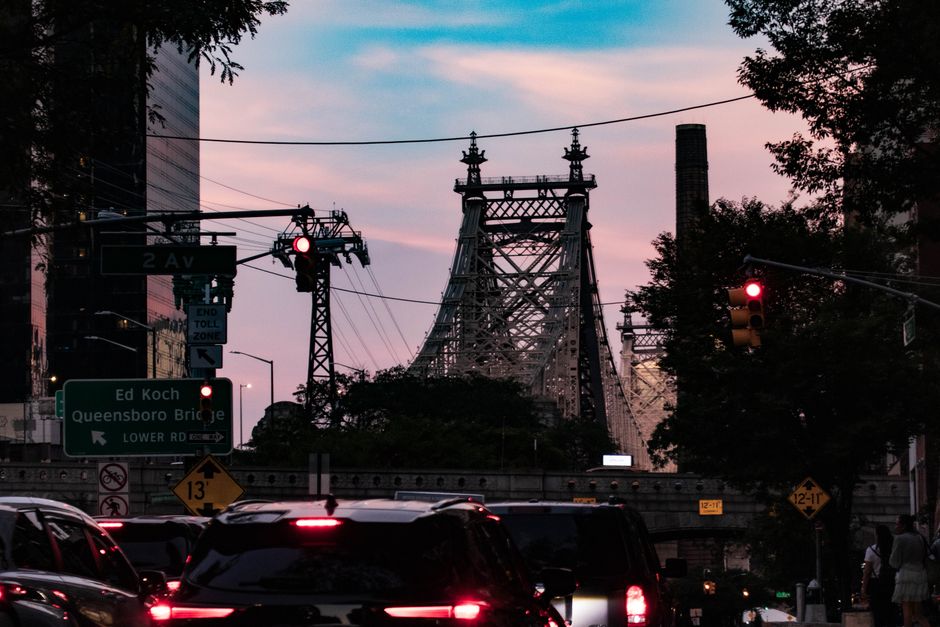
    Photo: Jean-Guillaume Starnini, Pexels

    New York’s junior license (Class DJ or MJ) rules depend on where you drive, not where you live. With a junior license you cannot drive in New York City at all, you can drive alone on Long Island only for set trips such as work or school courses, and upstate you can drive alone from 5 a.m. to 9 p.m. These rules apply to drivers under 18 who pass the road test. This guide sets out each region’s rules, the passenger limit, the paperwork you must carry and the penalties.

    New York junior license rules at a glance

    Region 5 a.m. to 9 p.m. 9 p.m. to 5 a.m.
    New York City (five boroughs) No driving No driving
    Long Island (Nassau and Suffolk) Alone only directly between home and work, a work-study program, a college course, a registered evening high school, a driver education course, or while doing farm work. Otherwise with a parent, guardian, person in loco parentis, driver education teacher or driving school instructor. Alone only directly between home and a work-study program, a college course, a registered evening high school, a driver education course, or while doing farm work. Note: work is not on this list.
    Upstate (all other counties) Alone, no supervisor needed Alone only directly between home and work or a school course. Otherwise with a parent, guardian, person in loco parentis, driver education teacher or driving school instructor.

    The DMV defines upstate as any county north of the New York City border, apart from Long Island.

    Can you drive in NYC with a junior license?

    No, not at any time and not with any supervisor. The DMV suggests that junior permit holders who plan to drive a lot in the city delay their road test until 18, so they can keep practicing with approved supervisors in dual-control cars.

    The one way around it before 18: at 17, finish a state-approved driver education course, file your Student Certificate of Completion (MV-285) and switch to a senior Class D license, which lets you drive anywhere in the state. See getting a New York senior license at 17.

    Long Island junior license rules

    Long Island is trip-based. Unsupervised driving must go directly between home and an approved destination. With any other trip, you need a supervisor: your parent, guardian, person in loco parentis, driver education teacher, driving school instructor, or someone your parent or guardian has authorized in writing. The supervisor must be 21 or older with a license valid for the vehicle and must be the only front-seat passenger.

    Upstate junior license rules

    Daytime driving is unsupervised. At night, you can drive alone only directly to or from work or a school course. Any other night driving needs a parent, guardian, person in loco parentis, driver education teacher or driving school instructor aged 21 or older, sitting in the front.

    Passenger and seat belt rules, every region

    • No more than one passenger under 21, unless they are immediate family or your supervisor is your licensed parent, guardian, person in loco parentis, driver education teacher or driving school instructor.
    • Everyone wears a seat belt, one belt per person.
    • Children under 4 ride in a federally approved child safety seat, and children must use a proper child restraint until their 8th birthday.

    What counts as “work” or a “school course”?

    • Employment: a place where you are paid to work on a regular schedule. You cannot drive during work or as part of your job, such as deliveries.
    • School course: instruction licensed or approved by a state agency, or U.S. Armed Forces training. It does not cover extracurricular activities, sports or social events without academic credit.

    Paperwork to carry when driving alone

    • For work: a completed Certificate of Employment (MV-58A) from your employer. Upstate only, a dated, signed employer letter can be used instead. It must show the business name, address and phone number, your name, date of birth, license number, job description, and your work days, hours and location.
    • For a school course or work-study: a dated, signed letter on the school or program letterhead with the official’s address and phone number, the dates, hours and location of the course, and your name, date of birth and license number.

    Junior license penalties in New York

    Conviction Result
    1 serious violation (usually 3 or more points) or 2 other violations Suspended for 60 days
    The same within 6 months of getting your license back Revoked for 60 days
    First phone or texting conviction Suspended for 120 days
    Second phone or texting conviction within 6 months of restoration Revoked for at least 1 year

    More detail: the New York phone and texting law for junior drivers and New York probation and the point system.

    Common questions

    Can I drive through NYC to get somewhere else?

    Not with a junior license. The DMV says junior license holders cannot drive within the five boroughs under any circumstances.

    Can I drive friends home from school upstate?

    In daytime, yes, but only one passenger under 21 unless they are immediate family.

    Can I drive to sports practice at night upstate?

    Not alone. Sports and social events do not count as a school course, so you need a qualifying supervisor.

    When do the junior restrictions end?

    At 18, or at 17 if you switch to a senior license after driver education.

    Do these rules apply if I visit New York with a license from another state?

    Yes. Drivers 16 and older from other states must follow their home state’s restrictions and New York’s junior rules while under 18. Under 16, you cannot drive in New York at all.

    Can I drive my junior license in another state?

    Only if that state’s law allows it, and you must follow its rules. See GDL laws by state.

    Back to the full New York learning to drive guide. For the permit stage rules, see New York learner permit rules.

    Sources

    • New York State DMV, “The Graduated License Law and Restrictions for Drivers Under 18” (dmv.ny.gov)
    • New York State DMV, “New York State Driver’s Manual and Practice Tests: Chapter 1, Driver Licenses” (dmv.ny.gov)
    • New York State DMV, “New York State Driver’s Manual and Practice Tests: Chapter 2, How to Keep Your License” (dmv.ny.gov)
    • New York State DMV, “Cell Phone Use and Texting” (dmv.ny.gov)
  • NY Road Test: What Is on It and How It Is Scored

    NY Road Test: What Is on It and How It Is Scored

    Photo: Daniel Case, CC BY-SA 3.0, via Wikimedia Commons

    The New York road test is an on-street drive with a DMV license examiner. It covers pulling away from the curb, turns and intersections, driving in traffic, parallel parking, and possibly a three-point turn. The examiner marks errors in five categories set out in the DMV’s Class D scoring summary. This guide covers what you need to book, what to bring, what gets marked and what happens if you fail in New York.

    Before you can book a New York road test

    • A valid New York learner permit.
    • Under 18: at least six months since your permit was issued.
    • A completed safe driving course: an original, unexpired Pre-Licensing Course Certificate (MV-278), a Student Certificate of Completion (MV-285) on file, or an online course completion reported to the DMV. See the 5-hour course guide.
    • The ZIP code where you want to test. You do not have to test in your own county.
    • At least one unused road test on your record.

    Book online through the Road Test Scheduling System or call 1-518-402-2100. The DMV says the earliest date is usually 3 to 5 weeks out, but it can be up to 10 weeks in summer and school breaks. There are no waiting lists, and tests are almost always on weekdays.

    What to bring on test day

    1. Your physical photo learner permit. Mobile ID is not accepted.
    2. Glasses or contacts, if your permit says you need them.
    3. Your original MV-278. Copies are not accepted.
    4. Under 18: a completed Certification of Supervised Driving (MV-262), signed by a parent or guardian. You hand one in at every road test. See the MV-262 checklist.
    5. An accompanying driver with a physical license valid for the test vehicle: over 21 if you drive to the site, over 18 if they drive you there.
    6. A vehicle with valid registration, insurance and inspection, permanent plates (in-transit permits are not allowed), working doors and seat belts, and a clean passenger seat belt for the examiner.
    7. For a rental car: the rental agreement and written permission to use it for the road test.

    No other passengers are allowed. Arrive up to 15 minutes early. If you are late, the examiner may not test you. The examiner photographs you, your documents, your permit and the vehicle before the test. Not all sites have shelter, and bad weather can cancel tests, so check the DMV’s cancellations page before you leave.

    What is on the New York road test?

    The DMV’s Class D scoring summary groups errors into five areas. This is what the examiner watches for in each.

    1. Leaving the curb

    • Failing to observe or check the blind spot
    • Failing to signal when pulling away
    • Using the mirror only instead of turning your head

    2. Turning and intersections

    • Poor judgment approaching or at intersections (speed, stopping, signaling, observing)
    • Not stopping near the center of the intersection when waiting to turn left, or not turning left from there
    • Right or left turns that are too wide or too short
    • Missing signs, signals, lane markings or other vehicles

    3. Parking, backing and U-turns

    • Not signaling
    • Not observing traffic or pedestrians
    • Unable to park properly, or ending too far from the curb
    • Unable to complete a three-point turn
    • Too many back-and-forth moves to finish the park or three-point turn

    Parallel parking is part of every New York road test, and the manual says you may be asked for a three-point turn. See the New York parallel parking guide.

    4. Driving in traffic

    • Not keeping right, or using the wrong lane
    • Following too closely
    • Too fast for conditions, or so slow you hold up traffic
    • Not yielding to pedestrians or other road users
    • Unsafe lane changes (no check, no caution or no signal)
    • Not anticipating pedestrians, other traffic or road hazards

    5. Vehicle control

    • Repeated stalling, poor gear or clutch use
    • Rough acceleration, delayed or abrupt braking
    • Poor steering
    • Poor reaction to emergencies
    • Not knowing the controls: wipers, defrosters, lights, windows

    How is the New York road test scored?

    The examiner records errors on a scoring sheet under the categories above, and the DMV’s results page links each error to the manual chapter that explains it. Check the current scoring sheet, including point values and the pass threshold, with the DMV, and ignore any number you see quoted elsewhere.

    For the most common mistakes nationally, see common reasons people fail the US driving test.

    Driver assistance features on the test

    Allowed Not allowed
    Backup warning, backup and surround cameras, parking sensors, blind spot monitor, rear cross-traffic alert, forward collision and lane departure warnings, automatic emergency braking, lane keeping assist Adaptive cruise control, automatic parallel parking

    Even with allowed features, the examiner checks that you did not rely on them, and the examiner’s scoring is final. Turn your head for blind spots regardless of what the car tells you.

    After the New York road test

    Results are posted at the DMV’s road test results site after 6 p.m. on the day of your test.

    If you pass

    An interim license is available online. Keep it with your photo permit until the photo license arrives by mail in about two weeks. Under 18, you get a junior license with regional restrictions. Every new driver serves a six-month probation (see New York probation and points).

    If you fail

    • Your permit stays valid until it expires. If it expires before your next test, you need a new permit.
    • Wait at least 14 days before testing again.
    • Once you have failed your first two road tests, you must pay additional fees to book another. The DMV lets you pay for additional road tests online; check the current fee there.

    Common questions

    How long is the New York road test?

    The DMV does not give a set length for the Class D test. The manual says the separate “R” endorsement road test takes about 15 minutes, but that is a different test.

    Can I practice at the road test site?

    No. Practice driving is not allowed at New York test sites, and learner permit holders cannot drive in DMV road test areas.

    Can I use a backup camera when parallel parking?

    Yes, cameras and parking sensors are allowed. Automatic parallel parking is not.

    Can a friend come with me?

    Only your accompanying licensed driver. No other passengers are allowed at the site.

    Are road tests given on weekends?

    Rarely. Tests are almost always on weekdays.

    How does New York’s test compare with other states?

    See US road tests by state.

    Back to the full New York learning to drive guide.

    Sources

    • New York State DMV, “Schedule and Take a Road Test” (dmv.ny.gov)
    • New York State DMV, “Road Test Results” (dmv.ny.gov)
    • New York State DMV, “Guidelines for Testing Drivers in Vehicles with Advanced Driver Assistance Systems” (dmv.ny.gov)
    • New York State DMV, “Certification of Supervised Driving (MV-262)” (dmv.ny.gov)
    • New York State DMV, “New York State Driver’s Manual and Practice Tests: Chapters 1, 5, 7 and 13” (dmv.ny.gov)
  • NY Permit Test: 20 Questions, 14 to Pass and the Road Sign Rule

    NY Permit Test: 20 Questions, 14 to Pass and the Road Sign Rule

    Photo: Luke Miller, Pexels

    The New York DMV permit test has 20 multiple-choice questions, and you pass by getting at least 14 right. There is a catch: 4 of the questions are about road signs, and you must get at least 2 of those right, whatever your overall score. This guide covers what the Class D written test asks, where and how you can take it, what to bring and what it costs in New York.

    Key facts

    • 20 questions, 14 correct to pass (70%).
    • At least 2 of the 4 road sign questions must be correct.
    • Vision test at the same visit: 20/40 in at least one eye, with or without corrective lenses.
    • Offered in 20 languages at DMV offices.
    • Under 18: you can take the permit test online before your office visit.
    • Minimum age for the permit itself: 16.

    How many questions are on the New York permit test?

    Twenty. The written test for Class D, DJ, M, MJ and E licenses checks your knowledge of:

    • rules of the road
    • safe driving techniques
    • road signs
    • laws on alcohol and drug use while driving

    The road sign rule, worked example

    Total correct Sign questions correct Result
    18 of 20 2 of 4 Pass
    16 of 20 1 of 4 Fail
    14 of 20 3 of 4 Pass
    13 of 20 4 of 4 Fail

    Signs are a quick win. The manual’s “Road Signs You Must Know” page and Chapter 4 cover them, and US road signs by shape and color explains the system behind them.

    What to study

    • The New York State Driver’s Manual (MV-21), especially Chapters 4 to 11 and the road signs page. These are the parts with practice quizzes.
    • The end-of-chapter questions. Each chapter closes with a short list of questions you should be able to answer.
    • Chapter 9 numbers: BAC levels and Zero Tolerance for drivers under 21.
    • Chapter 7 parking distances, such as 15 feet from a hydrant and 30 feet from a traffic light, STOP sign or YIELD sign.

    Where can you take the New York permit test?

    At a DMV office

    Class D knowledge tests are given on touch screen test stations or on paper, in 20 languages: English, Albanian, Arabic, Bengali, Bosnian, Chinese, French, Greek, Haitian Creole, Hebrew, Italian, Japanese, Korean, Nepali, Polish, Russian, Spanish, Turkish, Urdu and Yiddish.

    Online, if you are under 18

    The DMV’s pre-screening tool lists the documents you need, and under-18s get the option to take the permit test online. After you pass, you book an office appointment to finish the permit.

    Watch the three-day rule: the DMV needs three business days to review your online result and documents. If you go to an office within those three business days, you must retake and pass the test in the office.

    At school through OKTA

    Students aged at least 15 and 11 months can take the written test at a participating high school through the Online Knowledge Test Application (OKTA) program, in English or Spanish. The school does not need a driver education program. Pass, and you get a receipt and the forms to apply for a permit at any DMV office once you are 16. Fail, and you can retake it as many times as the school allows.

    What to bring to the DMV office

    1. A completed Application for Permit, Driver License or Non-Driver ID Card (MV-44).
    2. Proofs of identity, age and residence. Name proofs must add up to 6 points or more, with at least one signed document. The full list is on form ID-44.
    3. If you are under 21 and using a parent’s Statement of Identity (MV-45), your parent or guardian must come with you and sign it in front of DMV staff.
    4. Your Social Security number.
    5. Glasses or contacts for the vision test, if you wear them.
    6. The fee.

    Your permit can be Standard, Enhanced or REAL ID, depending on the proofs you bring. See REAL ID and your first license.

    How much does the New York permit test cost?

    There is no separate test fee. You pay one total fee that covers the permit and your first license, based on your age and whether you live in the Metropolitan Commuter Transportation District (MCTD). For Class D or DJ, as of November 2026:

    Age Outside MCTD Inside MCTD
    16 to 16.5 $80.00 $90.00
    16.5 to 17 $76.75 $85.75
    17 to 17.5 $92.50 $102.50
    17.5 to 18 $89.25 $98.25
    18 to 18.5 $80.00 $90.00
    21 and older $64.25 to $67.50 $73.25 to $77.50

    An Enhanced permit or license is $30 extra. The MCTD covers the five NYC boroughs plus Dutchess, Nassau, Orange, Putnam, Rockland, Suffolk and Westchester counties.

    Common questions

    What happens if I fail the New York permit test?

    Ask your DMV office when you can retake it. OKTA students can retake it as many times as their school allows.

    Is the New York permit test multiple choice?

    Yes. You answer on a touch screen or on paper.

    Can I take the permit test at 15?

    Only through OKTA at a participating school, from 15 years and 11 months. The permit itself is issued at 16.

    Can adults take the permit test online?

    The DMV page offers the online permit test option to applicants under 18. Adults take it at a DMV office.

    What happens after I pass?

    You get your learner permit and can start practicing under the New York learner permit rules.

    How does New York compare with other states?

    See US permit tests by state.

    Back to the full New York learning to drive guide.

    Sources

    • New York State DMV, “New York State Driver’s Manual and Practice Tests: Chapter 1, Driver Licenses” (dmv.ny.gov)
    • New York State DMV, “Prepare For and Take Your Permit Test” (dmv.ny.gov)
    • New York State DMV, “Driver License and Learner Permit Fees and Refunds” (dmv.ny.gov)
    • New York State DMV, “Get Your Learner Permit and Driver License” (dmv.ny.gov)
  • How to Get a Driver’s License in NY: Learning to Drive Guide

    How to Get a Driver’s License in NY: Learning to Drive Guide

    Photo: Diogo Miranda, Pexels

    To get a driver’s license in New York, you apply for a learner permit at 16 or older, pass a vision test and a 20-question written test, complete a 5-hour Pre-Licensing Course (or high school or college driver education), practice with a supervising driver, then pass a road test. If you are under 18, you must hold your permit for at least six months and log 50 hours of practice, including 15 after sunset, before the road test. This guide walks through every step and every chapter of the New York State Driver’s Manual (MV-21), with links to the detailed guides.

    Key facts for New York learners

    • Minimum age for a learner permit: 16.
    • Written test: 20 questions. You need 14 correct, including at least 2 of the 4 road sign questions.
    • Vision: 20/40 in at least one eye, with or without glasses or contacts.
    • Pre-Licensing Course: about 5 hours. Needed before you can book a road test unless you completed driver education.
    • Under 18: permit held at least six months, plus a signed Certification of Supervised Driving (MV-262) for 50 hours, 15 after sunset.
    • Supervising driver: at least 21 with a license valid for the vehicle.
    • Fail the road test: wait at least 14 days before the next one.
    • Every new driver, any age, serves a six-month probation after passing.

    How to get a driver’s license in New York, step by step

    1. Study the manual. The New York State Driver’s Manual (MV-21) is free online, with practice quizzes for Chapters 4 to 11 and road signs.
    2. Take the permit test. Bring an Application for Permit, Driver License or Non-Driver ID Card (MV-44), proofs of identity, age and residence, and the fee to a DMV office. Under-18s can take the permit test online first. See the New York permit test guide.
    3. Practice under the permit rules. Learner permit holders cannot drive in DMV road test areas, on New York City park streets, on Triborough Bridge and Tunnel Authority bridges and tunnels, or on four Westchester parkways. See New York learner permit rules.
    4. Complete the 5-hour course. Classroom, live virtual classroom (16 and older) or online (18 and older only). See the 5-hour Pre-Licensing Course guide.
    5. Log supervised hours (under 18). See the MV-262 checklist.
    6. Book and take the road test online or by phone at 1-518-402-2100. See what is on the New York road test.
    7. Drive under junior or probation rules. Under 18, you get a junior license (Class DJ) with regional limits. See New York junior license rules.

    New York license types for new drivers

    Class Minimum age Notes
    Junior Operator (DJ) 16 Limits on where, when and with whom you drive
    Operator (D) 18, or 17 with a driver education certificate The standard car license
    Junior Motorcycle (MJ) 16 Same junior limits
    Motorcycle (M) 18, or 17 with driver education Motorcycles and mopeds

    A 17-year-old with a junior license who finished an approved high school or college driver education course can switch to a senior Class D license. See getting a New York senior license at 17.

    What does a New York permit and license cost?

    The fee covers the permit and your first license and depends on your age and whether you live in the Metropolitan Commuter Transportation District (MCTD: the five NYC boroughs plus Dutchess, Nassau, Orange, Putnam, Rockland, Suffolk and Westchester counties). Class D or DJ totals, as of November 2026:

    Age when you apply Outside MCTD Inside MCTD
    16 to 16.5 $80.00 $90.00
    16.5 to 17 $76.75 $85.75
    17 to 17.5 $92.50 $102.50
    17.5 to 18 $89.25 $98.25
    18 to 18.5 $80.00 $90.00
    18.5 to 21 $76.75 to $80.00 $85.75 to $90.00
    21 and older $64.25 to $67.50 $73.25 to $77.50

    An Enhanced license or permit costs $30 more. Course fees are set by each school, and extra road tests cost more after two fails, so check current prices with the provider and the DMV.

    The New York Driver’s Manual, chapter by chapter

    Chapter 1: Driver licenses

    Permits, tests, junior rules and new residents. New residents must get a New York license within 30 days of becoming a resident. See moving to New York and exchanging a license.

    • Nobody under 16 may drive in New York, even with a license from elsewhere, and you normally cannot hold a New York license and another state’s at the same time.
    • Your first license is issued for up to 5 years and expires on your birthday. You can renew up to one year early; renewing by mail or online needs a recent vision test result (form MV-619).
    • Tell the DMV about a change of address within 10 days (form MV-232 or online), and write the new address on the back of your license.
    • Altering or forging a license is a crime.

    Chapter 2: How to keep your license

    Junior drivers lose their permit or license for 60 days after one serious violation (3 or more points) or two other violations, and for 120 days after a phone or texting conviction. Adults who get 11 points within 24 months face suspension. See New York probation and the point system and the New York phone and texting law.

    • Answer every ticket by following the plea instructions on it. Ignore it and your license is suspended indefinitely, and you can be convicted by default. Tickets for non-criminal moving violations in the five boroughs go to the DMV Traffic Violations Bureau; elsewhere the local court handles them.
    • If someone dies in a crash you were involved in, the DMV can suspend or revoke your license after a hearing even if you were not charged.

    Chapter 3: Owning a vehicle

    Registration, title, insurance cards and inspection. Most vehicles sold in New York must be inspected within 30 days of sale, then by the expiry date on each inspection sticker. Your road test vehicle must be registered, inspected and insured. For minimum cover, see car insurance for new drivers.

    • You must be 16 to register a vehicle (any age can hold a title). New residents register within 30 days, using form MV-82 with proof of ownership, insurance, sales tax and 6 points of identity.
    • Bought from a private seller? Pay sales tax using form DTF-802, check the title for liens, make sure the odometer and damage statements are completed, and get the car inspected within 10 days of registering it.
    • Most registrations last two years. Keep one of your two insurance ID cards in the car, keep cover in force while the car is registered, and remove the plates and windshield sticker when you sell or trade in.
    • After the first inspection, renew it at a licensed station before the sticker expires. Many gasoline vehicles get an emissions check at the same visit.

    Chapter 4: Traffic control

    Signs, signals, pavement markings and officers. You may turn right on a steady red after a full stop unless a sign forbids it, but not in New York City unless a sign allows it. See right on red in the US, US traffic signals and US pavement markings.

    • A left turn on red is allowed only from a one-way road into another one-way road, after a full stop and yielding. No turn on red at a red arrow.
    • If the traffic lights are out or not working, stop as you would at a STOP sign, then follow the right-of-way rules.
    • Lane-use lights over the road: red X, do not use the lane; steady yellow X, move out of it; flashing yellow X, left turns only; green arrow, you may use it.
    • Do not drive across the solid edge line unless an officer or sign allows it. A diamond marks a bus, HOV or other reserved lane. A traffic officer’s signals override lights, signs and markings; that includes fire police, flag persons, school crossing guards and school bus drivers.

    Chapter 5: Intersections and turns

    Right-of-way, emergency vehicles, the Move Over Law, turns, U-turns and the three-point turn you may be asked to do on the road test. See New York school bus and move over laws and four-way stops.

    • Signal at least 100 feet before a turn or lane change. On a right turn, keep as far right as you can and turn into the right lane. On a left turn from a two-way road, approach from the right half of the road nearest the center and keep to the right of the center line of the road you enter.
    • Waiting to turn left at a green light, you may move into the intersection but keep your wheels straight. Left turns yield to oncoming traffic, including into driveways and parking lots. At an uncontrolled intersection, or when two drivers stop at right-angle STOP signs together, the driver on the left yields to the driver on the right.
    • Do not enter an intersection unless you can get all the way through. Traffic entering a traffic circle yields to traffic already in it.
    • U-turns: only from the left part of the lane nearest the center line. Never on a limited access expressway, in a school zone, in New York City business districts, where a NO U-TURN sign is posted, or where other drivers cannot see you from 500 feet away.

    Chapter 6: Passing

    Passing on the left and right, being passed, and school buses. When a stopped school bus flashes red lights, traffic from both directions must stop, even on the opposite side of a divided highway. Full details: New York school bus law.

    • You may not pass on the left where your side has a solid yellow center line, where you cannot get back before an oncoming vehicle is within 200 feet, near a curve or hilltop you cannot see past, or within 100 feet of a railroad crossing (or of a bridge, tunnel or viaduct with your view blocked) on a two-way road. Never exceed the speed limit to pass.
    • Pass on the right only when the vehicle ahead is turning left or the road has room for two or more lanes your way, and never on the shoulder. Never pass a vehicle stopped at a crosswalk.
    • Give a motorcycle a full lane. Pass a bicyclist on the left at a safe distance. When you are being passed, ease off slightly and stay centered in your lane.

    Chapter 7: Parallel parking

    Parallel parking is part of every New York road test. Your wheels must end up no more than one foot from the curb. See the New York parallel parking guide.

    Chapter 8: Defensive driving

    Distractions, road rage, speed, following distance, seat belts and child seats, work zones, roundabouts, drowsy driving and phones. See how to drive a roundabout and seat belt and car seat laws.

    • Speed: 55 mph wherever no limit is posted, and 25 mph in New York City unless signs say otherwise. Speeding fines double in work zones even when no workers are present.
    • Space: the manual teaches a two-second rule, rising to at least three or four seconds in bad weather or behind a large truck.
    • Seat belts: the driver and every passenger 16 or older must be belted, one person per belt, or face a fine of up to $50. The driver is responsible for passengers under 16 (fine of $25 to $100 and 3 points per violation).
    • Children: under 4 in a federally approved child safety seat, rear-facing until age 2 or the seat’s limit; ages 4 to 7 in a booster seat used with a lap and shoulder belt; ages 8 to 15 in a seat belt. Never put a rear-facing seat in front of a passenger air bag, and sit at least 10 inches from the steering wheel air bag.
    • Your car must be inspected at least once a year, and tires need at least 2/32 inch of tread with no cuts to the cords, bumps or bulges.

    Chapter 9: Alcohol and other drugs

    A BAC of .08 or more is evidence of intoxication, more than .05 is evidence of impairment, and drivers under 21 break the Zero Tolerance law with a BAC of .02 to .07. See New York DWI, Zero Tolerance and Leandra’s Law.

    Chapter 10: Special driving conditions

    Railroad crossings, expressways, night driving, rain, fog, snow, winter and deer. See freeway driving for new drivers and driving in snow, fog and rain.

    • Headlights: on from half an hour after sunset to half an hour before sunrise, whenever you can see less than 1,000 feet, and whenever your wipers are needed for rain, snow, sleet or fog. Daytime running lights do not count. Dip to low beam within 500 feet of an oncoming vehicle and within 200 feet of a vehicle ahead.
    • Railroad crossings: stop at least 15 feet from the tracks for flashing lights, gates or a bell, and cross only when there is room on the other side. School buses, buses with passengers and vehicles carrying explosives or flammable cargo must stop at every crossing.
    • Expressways: usually 55 mph, up to 65 mph on some rural ones. Miss your exit and you go on to the next one; never back up on a ramp. Signal at least 100 feet before the exit ramp.
    • Studded tires are legal only from October 16 to April 30, and fog lights must be an approved type.

    Chapter 11: Sharing the road

    Pedestrians, bicyclists, skaters, motorcyclists, mopeds, trucks and their blind spots, slow vehicles and horse riders. See sharing the road and pedestrians and crosswalks.

    • A blind pedestrian with a guide dog or a white or metal cane always has the right-of-way at a crosswalk, even against the signals.
    • Mopeds: Class B and C mopeds keep to the right lane or shoulder; Class A mopeds may use any lane. Mopeds are not allowed on expressways unless signs permit them. Two motorcycles may ride side by side in one lane, but you may never share a lane with one.
    • All-terrain vehicles and snowmobiles may cross many roads after stopping, at a right angle. Slow-moving vehicles carry an orange triangle.
    • Horses: pass at a safe speed and distance, and never sound your horn near a horse being ridden or walked.

    Chapter 12: If you are in a traffic crash

    You must report a crash to the DMV within 10 days if anyone was hurt or killed, or if property damage to any one person is $1,000 or more, using form MV-104 or online. Telling your insurer does not count. See New York insurance and crash reporting and what to do after a crash.

    Chapter 13: Advanced Driver Assistance Systems

    Backup cameras, parking sensors and lane keeping assist are allowed on the road test. Adaptive cruise control and automatic parallel parking are not.

    Road signs you must know

    Two of the four sign questions on the written test must be right, so learn the shapes and colors. See US road signs by shape and color.

    Common questions

    How old do you have to be to get a permit in New York?

    16. Students who are at least 15 and 11 months may take the written test early through a participating high school’s Online Knowledge Test Application (OKTA) program, then apply for the permit at 16.

    Can I drive in New York City with a junior license?

    No. A Class DJ junior license does not allow driving in the five boroughs at any time. A 17-year-old with a senior Class D license can drive anywhere in the state.

    Do adults need the 5-hour course?

    Yes. All new drivers must complete it before the road test unless they finished a 48-hour driver education program. Adults 18 and older can take it online.

    Do adults need 50 hours of practice?

    The MV-262 certification is required only for junior permit holders. The DMV still advises every learner to have at least 50 hours, including 15 after sunset.

    How long until I get my license after passing?

    An interim license is available online, and the photo license arrives by mail in about two weeks.

    Can I drive in other states with a New York permit?

    Only if the other state allows it, and you must follow its rules. See driving with a permit in another state.

    For how New York compares with other states, see how to get a driver’s license in the US and GDL laws by state.

    Sources

    • New York State DMV, “New York State Driver’s Manual and Practice Tests” (dmv.ny.gov)
    • New York State DMV, “New York State Driver’s Manual (MV-21)” (dmv.ny.gov)
    • New York State DMV, “Get Your Learner Permit and Driver License” (dmv.ny.gov)
    • New York State DMV, “Prepare For and Take Your Permit Test” (dmv.ny.gov)
    • New York State DMV, “Driver License and Learner Permit Fees and Refunds” (dmv.ny.gov)
    • New York State DMV, “Schedule and Take a Road Test” (dmv.ny.gov)
    • New York State DMV, “The Driver Pre-Licensing Course” (dmv.ny.gov)
    • New York State DMV, “The Graduated License Law and Restrictions for Drivers Under 18” (dmv.ny.gov)
    • New York State DMV, “The New York State Driver Point System” (dmv.ny.gov)

  • New York Disabled Parking Permit: Where and How to Apply

    New York Disabled Parking Permit: Where and How to Apply

    Photo: Gela delrose, Pexels

    In New York, disability parking permits are not issued by the DMV. You apply to the agent your city, town or village appoints, usually the clerk and sometimes the police department, using form MV-664.1. Permits are issued at no charge. A medical provider certifies your first application, and both permanent and temporary permits exist, though not every local agent issues temporary ones. New York City issues its own separate permit through the NYC Department of Transportation.

    Where to apply in New York

    Where you live Where to apply
    Most of New York State Your city, town or village clerk, or another local agent (sometimes the police department)
    New York City The NYC Department of Transportation, which issues a city permit valid only in NYC
    Nassau County Call the Nassau County Office of the Physically Challenged on (516) 227-7399 to find out where to apply

    Don’t send the MV-664.1 to the DMV. Some local agents also use their own application form, so ask your clerk first.

    How to apply, step by step

    1. Get form MV-664.1, “How to Apply for a Parking Permit or License Plates”, from the DMV website or your local clerk.
    2. Complete your part of the form.
    3. For a first application, have a qualifying medical provider complete the medical section.
    4. Take or send it to your local issuing agent.

    When you don’t need the medical section

    • renewing a permanent permit (you complete Part 1 only)
    • an obvious, visually identifiable disability, at the agent’s discretion
    • if you already hold a blue permanent permit

    Permanent or temporary?

    • A permit can be issued for a permanent or a temporary disability.
    • Not all local agents issue temporary permits. Ask yours.
    • Check with your local agent how long each permit lasts.

    What the permit does and doesn’t do

    • It lets you use parking spaces reserved for people with disabilities.
    • It does not exempt you from other state or local parking rules or fees.
    • Waivers for metered parking are separate: form MV-664.1MP, handled by your local office, not the DMV.
    • License plates for people with disabilities are a separate application through the DMV for a vehicle you register. The MV-664.1 explains both routes.

    Teen and learner drivers

    • If the permit is issued to you, it goes with you: use it in any car you are driving or riding in, including during supervised practice on a learner permit.
    • A parent’s permit is for their use. Don’t use it to park when they are not with you.
    • Learner and junior license rules still apply: see learning to drive in New York.

    Other states: disabled parking placards for new drivers. More: US guide to driving with a medical condition or disability.

    Sources

    • New York DMV, “Parking for People with Disabilities” (dmv.ny.gov)
    • New York DMV, “Parking for People with Disabilities: The Law” (dmv.ny.gov)
    • New York DMV, “MV-664.1: How to Apply for a Parking Permit or License Plates” and “MV-664.1MP” (dmv.ny.gov)
  • New York Bioptic Driving: MV-80L and the Telescopic Lens Restriction

    New York Bioptic Driving: MV-80L and the Telescopic Lens Restriction

    Photo: Daniel Case, CC BY-SA 3.0, via Wikimedia Commons

    New York lets you drive with telescopic (bioptic) lenses if you need them to pass the vision test. Your eye doctor completes form MV-80L, the Eye Test Report for Medical Review Unit, and the DMV’s Medical Review Unit adds a “TELESCOPIC LENS” restriction to your record, so you must wear them whenever you drive. You must have used the lenses for at least 60 days before filing. Clip-on and hand-held telescopes aren’t accepted, and you are limited to a Class D or DJ license.

    New York telescopic lens rules at a glance

    Topic New York rule
    Form MV-80L, Eye Test Report for Medical Review Unit (current revision dated 5/22)
    Who decides The DMV Medical Review Unit (MRU)
    Lens use before applying At least 60 days
    Type of lens Clip-on or hand-held telescopes are not accepted
    License classes Class D or DJ (junior) only; no CDL, motorcycle or moped license
    Restriction “TELESCOPIC LENS”: you must wear the lenses when driving
    Road test May be required if you haven’t taken one wearing the lenses
    Acuity through the telescope and minimum carrier acuity Check with the MRU

    Step by step: getting a junior permit or license with telescopic lenses

    1. Use your lenses for 60 days first. Keep the fitting date from your eye doctor.
    2. Get the MV-80L completed by your optometrist or ophthalmologist.
    3. Send it to the Medical Review Unit, as the form instructs. Eye test providers can’t submit results for telescopic lens wearers through the DMV’s online Vision Registry, so the MV-80L is the route.
    4. The MRU reviews it and adds the TELESCOPIC LENS restriction to your record. It appears on your learner permit and license.
    5. Take the knowledge test and practice as any New York learner does: see learning to drive in New York.
    6. Road test wearing the lenses, if the MRU requires it.

    Removing the restriction

    If you later no longer need telescopic lenses, you can send a new MV-80L to have the restriction removed.

    Training

    Ask the Medical Review Unit about training. Training with a driver rehabilitation specialist who has bioptic experience is still worth asking about, especially before the road test. See learning to drive with a disability.

    Common questions

    Can I get a motorcycle license with a bioptic in New York?

    No. Telescopic lens wearers can’t hold a motorcycle, moped or commercial license.

    What acuity do I need through the telescope?

    Ask the Medical Review Unit before you book, and ask your eye doctor about your own vision.

    What is the normal New York vision standard?

    20/40 in at least one eye, with or without corrective lenses. See the Northeast vision rules.

    Compare New York with every state in bioptic driving laws by state, or see neighboring Pennsylvania and Massachusetts. Restriction codes: explained here.

    All medical and disability topics: the US guide to driving with a medical condition or disability.

    Want to practise the eyesight check? Our sister site Driving Eyesight Test has a free US letter chart on drivingeyesighttest.com. It is a practice screen, not an eye test.

    Sources

    • New York DMV, “Eye Test Report for Medical Review Unit (MV-80L)” (dmv.ny.gov)
    • New York DMV, “Driver License Restrictions for Medical Conditions” (dmv.ny.gov)
    • New York DMV, “Vision Registry Information for Providers” (dmv.ny.gov)
    • New York DMV, “Driver’s Manual” (dmv.ny.gov)
  • New York Car Insurance and Crash Reporting for New Drivers

    New York Car Insurance and Crash Reporting for New Drivers

    Photo: DanielPenfield, CC BY-SA 4.0, via Wikimedia Commons

    Every car registered in New York must carry liability insurance of at least $25,000 / $50,000 for injury, $50,000 / $100,000 for death and $10,000 for property damage, plus no-fault and uninsured motorist coverage. After a crash, you must stop, and you must file a crash report (MV-104) with the DMV within 10 days if anyone is hurt or property damage reaches $1,000. This guide covers both duties for junior license holders, new drivers and parents, with the penalties for getting them wrong.

    Key facts (as of November 2026)

    • Minimum liability: $25,000 injury to one person, $50,000 injury to two or more, $50,000 death of one person, $100,000 death of two or more, $10,000 property damage.
    • No-fault (personal injury protection) pays up to $50,000 per person, whoever caused the crash. Uninsured motorist coverage is also required.
    • The car must stay insured as long as it is registered, even if nobody drives it.
    • Driving uninsured, or a crash without insurance, means license revocation for at least 1 year and a $750 civil penalty before you can relicense.
    • Crash report to the DMV within 10 days for any injury or death, or $1,000 or more damage to one person’s property. Failing to report is a misdemeanor.

    New York minimum car insurance

    Required coverage Minimum What it pays for
    Bodily injury liability $25,000 one person / $50,000 two or more Injuries you cause to others
    Death liability $50,000 one person / $100,000 two or more Deaths you cause
    Property damage liability $10,000 Damage you cause to other people’s property
    No-fault (personal injury protection) Up to $50,000 per person Medical costs and lost earnings after a crash, whoever was at fault
    Uninsured motorist Required Your injuries when an uninsured or hit-and-run driver causes the crash

    The limits apply per incident. Collision and comprehensive cover for damage to your own car are not part of the legal minimum. Other states compared: minimum car insurance by state.

    Proof of insurance and keeping it in force

    • Two ID cards. Your insurer gives you two insurance identification cards. The names and vehicle identification number must match the registration. One goes with the registration application; keep the other in the car.
    • Show it on request. After a crash, you must show your insurance card if asked.
    • Don’t let it lapse while registered. Before canceling insurance, turn in the plates at a DMV office and keep the receipt (FS-6T).
    • Answer DMV insurance letters. If the DMV writes to ask about your insurance, respond as the letter directs.

    What an insurance lapse costs

    Length of lapse Civil penalty per day
    1 to 30 days $8
    31 to 60 days $10
    61 to 90 days $12
    More than 90 days Driver license suspension, unless you turned in the plates

    A full 90-day lapse costs $900 in civil penalties. You cannot pay a civil penalty instead of a registration suspension if you already paid one in the last 36 months. Check the current amounts with the DMV.

    At the crash scene: what New York law requires

    1. Stop. The level of damage does not matter. Leaving the scene of a property-damage crash is a traffic violation. Leaving the scene of a crash with injury or death is a crime.
    2. Call police immediately if anyone is injured or killed, and make sure an ambulance or rescue crew has been called.
    3. Swap information with the other drivers, even for property damage only: name, address, driver license number, vehicle registration, and insurance policy number and effective date. Give it to the police too.
    4. Parked car or other property? If you hit a parked vehicle, other property or a domestic animal, try to find the owner or notify the police.
    5. Make the scene safe. If you can, move the car off the road and use reflectors or flares, watching for leaking fuel.

    The MV-104 crash report: when you must file

    The crash involved Report to DMV? Deadline
    A death or personal injury Yes Within 10 days
    $1,000 or more damage to the property of any one person Yes Within 10 days
    Under $1,000 damage to each person’s property, no injuries Not required None
    • Use the Report of Motor Vehicle Crash (MV-104), from a DMV office, most insurance agents or the DMV website. You can also file online.
    • Telling your insurance company does not count. You must report to the DMV as well.
    • If the driver is too injured to file, a passenger or the vehicle owner may do it.
    • Failing to report is a misdemeanor. It can lead to suspension or revocation of the license and registration, and the DMV suspends your license indefinitely until you file.

    The general steps for any US crash are in what to do after a car crash.

    New drivers and teen drivers: what to know

    • The car must be insured. Whoever drives it, a registered car needs liability insurance at all times. Tell the insurer when a teen starts driving. See adding a teen driver to your car insurance.
    • Tickets and crashes cost more when you are new. Insurers may raise premiums, and the DMV’s probation period rules apply to new licenses. See New York probation period and point system.
    • Cut the premium legally. A DMV-approved Point and Insurance Reduction Program course gives at least a 10% reduction in the base rate of liability and collision premiums for three years. It can also take up to 4 points off your record.
    • Insurer points are different. Insurance companies can have their own point systems, separate from the DMV’s.

    Common questions

    Is New York a no-fault state?

    Yes. Your own policy’s no-fault coverage pays up to $50,000 per person for medical costs and lost earnings after a crash, whoever caused it.

    Do I have to report a minor crash in New York?

    Only if someone is hurt or killed, or damage to any one person’s property is $1,000 or more. Repairs often pass $1,000, so get an estimate before deciding not to file.

    Does the police report replace the MV-104?

    No. The manual says you must file your own report with the DMV within 10 days. Reporting to your insurer does not cover it either.

    What if I let my insurance lapse but don’t drive the car?

    You still face civil penalties or registration suspension unless you turned in the plates first. After 90 uninsured days, the DMV also suspends your license.

    Can I drive in New York with out-of-state insurance?

    Anyone driving in New York, including non-residents, must be able to prove acceptable liability insurance. See the minimums above.

    What happens if I am caught driving without insurance?

    Your license is revoked for at least 1 year, and you must pay a $750 civil penalty before applying again. The same applies if the DMV learns you had a crash while uninsured.

    Back to the complete New York learner guide.

    Sources

    • New York State DMV, “Driver’s Manual”, chapters on driver licenses, keeping your license, registration and insurance, and if you are in a traffic crash (dmv.ny.gov)
    • New York State DMV, “Insurance Lapses” and “Pay an Insurance Lapse Civil Penalty” (dmv.ny.gov)
    • New York State DMV, “Insurance requirements” (dmv.ny.gov)
    • New York State Department of Financial Services, “No-Fault Insurance” (dfs.ny.gov)
  • New York Green Light Law: Standard Licenses Without an SSN

    New York Green Light Law: Standard Licenses Without an SSN

    Photo: Eliezer Muller, Pexels

    New York’s Green Light law lets you get a standard (non-REAL ID) learner permit and driver license without proving that you are lawfully present in the United States. You can prove identity with a foreign passport, a consular ID or a foreign driver license, and if you have never been issued a Social Security number you sign an affidavit instead. You then pass the same permit test, pre-licensing course and road test as everyone else. This guide covers who qualifies, the documents, the privacy protections and what the license can’t be used for.

    Key facts (New York, as of November 2026)

    • Law: the Driver’s License Access and Privacy Act, known as the Green Light law. It amended sections 201, 502 and 508 of the New York Vehicle and Traffic Law.
    • What you get: a standard, non-commercial learner permit or driver license. Enhanced and REAL ID documents still require proof of citizenship, permanent residency or temporary lawful status.
    • No lawful presence check: applicants for a standard license or permit “shall not be required to prove that they are lawfully present in the United States”.
    • No Social Security number? Sign an affidavit that you have never been issued one.
    • Same tests: vision test, 20-question permit test, 5-hour pre-licensing course and road test.
    • Card wording: looks like any other standard license and may say “Not for Federal Purposes”, as all New York standard licenses issued after October 30, 2017 do.

    Who can get a license under the Green Light law?

    Any New York resident who meets the normal age and testing rules for a standard Class D (or other non-commercial) license. The law does three things:

    1. It removes proof of lawful presence for standard non-commercial licenses and permits.
    2. It adds foreign documents to the list of accepted proofs of identity and age.
    3. It lets applicants who have never been issued a Social Security number sign an affidavit instead of giving one.

    The law also says DMV staff must not ask about the citizenship or immigration status of anyone applying for a standard license or permit.

    Commercial driver licenses (CDLs) are not covered. Neither are Enhanced or REAL ID licenses.

    Documents for a Green Light law license

    Proof of identity and age: the 6-point system

    New York uses a points system for identity. You must present proofs that add up to six points or more, and at least one of them must carry your signature. The DMV’s form ID-44, “How to Apply for a New York Learner Permit, Driver License, Non-Driver ID Card”, lists every accepted document and its point value.

    For standard licenses, the Green Light law requires the DMV to accept these foreign documents as primary proofs of identity, in addition to everything it accepted on January 1, 2019:

    Document Condition in the law
    Foreign passport Valid, unexpired and issued by your country of citizenship. Also counts as proof of age
    Consular identification document Valid, unexpired and issued by a consulate of your country of citizenship
    Foreign driver license Valid, includes your photo, and unexpired or expired for less than 24 months

    Point values for these documents are set on form ID-44, not in the law. Use the DMV’s document guide or pre-screening tool to check that your set reaches six points before you book. The full New York list is explained in New York permit documents checklist.

    Translations

    All proofs must be in English or come with a certified English translation.

    Social Security number or affidavit

    • If you have a Social Security number, you must provide it.
    • If you have never been issued one, you sign an affidavit saying so. This option exists only for standard, non-commercial licenses and permits.

    Under 18

    If you are under 21, the DMV’s Statement of Identity and/or Residence by Parent/Guardian (form MV-45) can be one of your proofs. The manual says the applicant must also provide proof of date of birth and a Social Security number when this form is used, so ask the DMV whether it works for you if you have never had an SSN.

    What tests do you take?

    Step What to expect
    Vision test At the DMV office when you apply for the permit
    Permit (written) test 20 multiple-choice questions; you need 14 right, including at least 2 of the 4 road sign questions. Offered in 20 languages at DMV offices. See New York DMV permit test and the free New York permit practice test
    Supervised practice Under the learner permit rules. See New York learner permit supervision rules
    Pre-licensing course The 5-hour course, required before you book the road test. See New York 5-hour pre-licensing course
    Road test See how the New York road test is scored

    Fees are the same as for any standard license: New York license fees and test booking.

    What a Green Light law license can’t be used for

    • Flying and federal buildings: a standard license is not REAL ID. The DMV’s manual explains that since May 7, 2025 you need a REAL ID, an Enhanced license, a US passport or other federally accepted ID to board a domestic flight or enter military bases and certain federal facilities.
    • Proof of status: the law says a standard license or permit “shall not be used as evidence of a person’s citizenship or immigration status”.
    • Commercial driving: CDLs are outside the law.
    • Other states: rules differ. Florida, for example, treats out-of-state licenses issued only to people who can’t prove lawful presence as invalid. Check before driving outside New York.

    The card itself is designed to look the same as other standard licenses. The law allows it to state “Not for Federal Purposes”, which every New York standard license issued after October 30, 2017 already carries, whatever the holder’s status. See REAL ID and your first US driver’s license.

    Privacy: who can see your DMV records?

    The Green Light law added strong limits on sharing DMV information:

    • The DMV may not disclose your records to an agency that primarily enforces immigration law (the law names US Immigration and Customs Enforcement and US Customs and Border Protection) unless it is shown a lawful court order or judicial warrant signed by a federal judge appointed under Article III of the US Constitution.
    • If such an agency asks for your information, the DMV must tell you within three days, including which agency asked.
    • Anyone who gets DMV data must certify that they will not use it for civil immigration purposes or pass it to those agencies.
    • Records showing your Social Security number, place of birth, country of origin, school, employer and similar details are not public records.
    • Application forms for standard licenses may not show which documents you used, that you are ineligible for a Social Security number, or your citizenship or immigration status.
    • The DMV keeps copies of your identity documents only for the limited time needed to check they are genuine.
    • A standard license or permit can’t be the basis for investigating, arresting or detaining you.

    Laws can be amended, and bills to change these rules are introduced from time to time. Check the current law and the DMV’s Green Light law page before you apply.

    Common questions

    Can I get a New York learner permit without a Social Security number?

    Yes, if you have never been issued one. You sign an affidavit instead, and you get a standard permit.

    Does the DMV ask about my immigration status?

    No. For standard licenses and permits, the law bars DMV staff from asking about citizenship or immigration status.

    Is my foreign driver license enough to drive in New York?

    It can count toward your 6 points of identity if it has your photo and is valid, or expired for less than 24 months. Whether you can drive on it, or must take the full tests, is a separate question. If you are new to the US, see foreign license reciprocity by state.

    Do I have to take the road test?

    Yes, if you are a first-time New York applicant. The Green Light law changes the documents, not the tests.

    Will my license look different?

    No. The law requires standard licenses to be visually identical whether or not the holder proved lawful status. All standard licenses may carry “Not for Federal Purposes”.

    Can I take the permit test in Spanish?

    Yes. New York offers the written test in 20 languages. See permit tests in Spanish and other languages.

    Which other states have similar laws?

    See driver’s licenses regardless of immigration status. The full New York route is in learning to drive in New York.

    Sources

    • New York State Senate, “S1747B, Driver’s License Access and Privacy Act (2019-2020 session)” (legislation.nysenate.gov)
    • New York State DMV, “New York State Driver’s Manual (MV-21), Chapter 1: Driver Licenses” (dmv.ny.gov)
    • New York State DMV, “Get Your Learner Permit and First Driver License” (dmv.ny.gov)
    • New York State DMV, “How to Apply for a New York Learner Permit, Driver License, Non-Driver ID Card (ID-44)” (dmv.ny.gov)
    • Florida Legislature, “Florida Statutes s. 322.033, Invalid out-of-state driver licenses” (leg.state.fl.us)
  • New York Learner Permit Documents Checklist: What to Bring

    New York Learner Permit Documents Checklist: What to Bring

    Photo: J. Passepartout, CC BY-SA 4.0, via Wikimedia Commons

    To get a New York learner permit, you bring a completed MV-44 application plus proofs of identity, date of birth and New York residence. The identity proofs work on a points system: they must add up to at least 6 points, with at least one signed document. This checklist is for first-time applicants and parents, and explains the point system, the under-21 parent statement and the Standard, Enhanced and REAL ID choice.

    The New York permit checklist

    1. Form MV-44, Application for Permit, Driver License or Non-Driver ID Card, filled in.
    2. Proofs of name worth 6 points or more, from the list on form ID-44, including at least one signed document.
    3. Proof of date of birth.
    4. Proof of New York residence.
    5. Proof of Social Security number, or the alternative described below.
    6. Under 21 using a parent’s statement: form MV-45, with the parent or guardian present.
    7. Glasses or contacts for the vision test.
    8. The fee, $64.25 to $102.50 depending on age and where you live. See New York license fees.

    Bring originals. Before you go, the DMV’s online Document Guide and pre-screening tool will tell you which proofs fit your situation.

    How the New York 6-point ID system works

    Each identity document has a point value on form ID-44 (“How to Apply for a New York Learner Permit, Driver License or Non-Driver ID”). Your documents must total 6 points or more. Some examples from ID-44:

    Document Points
    Current New York photo driver license, permit or non-driver ID (or one expired less than 2 years) 6
    U.S. passport or passport card 4
    Original U.S. Social Security card 2

    A first-time teen applicant usually has no New York photo ID, so most combine documents. Point values and the full list change from time to time, so check the current ID-44 before you go. Some documents, such as a birth certificate, mainly prove date of birth. Check how many name points ID-44 gives them, and don’t count on them to reach 6 by themselves.

    Example combination for a 16-year-old

    • U.S. passport (4 points) + Social Security card (2 points) = 6 points, with the passport also proving date of birth.
    • Plus a proof of residence.

    No passport? Ask about the parent’s statement route below.

    Under 21: the parent’s Statement of Identity (MV-45)

    If you’re under 21 and can’t reach 6 points alone, a parent or guardian can vouch for you on a Statement of Identity (MV-45). The parent or guardian must come with you and sign it in front of DMV staff. They need their own proof of identity, so check ID-44 for what they must bring.

    Social Security number

    If you have a Social Security number, bring proof of it. New York also issues standard (not REAL ID) permits and licenses to applicants who have never been issued a Social Security number, under the state’s Green Light law. Ask the DMV, or use its pre-screening tool, to see what you sign or bring instead. Details: New York Green Light law and licenses regardless of immigration status. International students should also read getting a US license on a student visa.

    Standard, Enhanced or REAL ID permit?

    Type What it does Extra cost
    Standard Driving. Not accepted as federal ID for domestic flights from May 7, 2025. None
    REAL ID Driving, plus domestic flights and federal facilities. Needs stricter proofs. Check the DMV fee page
    Enhanced REAL ID uses plus some border crossings. Needs stricter proofs. $30

    Your permit can be Standard, Enhanced or REAL ID depending on the proofs you bring. Choosing at the permit stage saves an extra trip later. More on REAL ID: REAL ID and your first license.

    Applying online first if you’re under 18

    The DMV’s pre-screening tool lists the documents you need and gives under-18s the option to take the permit test online. You then visit an office to show documents and finish the permit. Wait 3 business days after an online pass before visiting. Go earlier and you must retake the test in the office. More: New York DMV permit test.

    Common questions

    Can I use a photocopy?

    Plan on originals. The DMV checks documents in person, and its road test rules say copies aren’t accepted for the MV-278. Treat every proof the same way.

    What counts as a “signed” document?

    One that carries your signature, such as a signed passport or Social Security card. At least one of your 6-point proofs must be signed.

    Do both parents need to come?

    No. One parent or guardian signs the MV-45 if you use it, and that person must come with you.

    I’m 17 and moved from another state. Which list do I use?

    The same ID-44 list, plus your out-of-state documents. See moving to New York.

    Can I get a permit without a Social Security number?

    A standard permit, yes, if you have never been issued one. A REAL ID or Enhanced permit needs the federal-level proofs.

    How long does the office visit take?

    It varies by office. Arrive with every document ready, the MV-44 filled in and your glasses, and complete the online steps first.

    After the permit: New York learner permit rules. Full journey: learning to drive in New York. Compare states: US first permit documents checklist.

    Sources

    • New York State DMV, “ID-44: How to Apply for a New York Learner Permit, Driver License or Non-Driver ID” (dmv.ny.gov)
    • New York State DMV, “New York State Driver’s Manual (MV-21), Chapter 1: Driver Licenses” (dmv.ny.gov)
    • New York State DMV, “Prepare For and Take Your Permit Test” (dmv.ny.gov)
    • New York State DMV, “Driver License and Learner Permit Fees and Refunds” (dmv.ny.gov)
  • New York Driver’s License Fees and How to Book DMV Tests

    New York Driver’s License Fees and How to Book DMV Tests

    Photo: J. Passepartout, CC BY-SA 4.0, via Wikimedia Commons

    In New York you pay one fee when you apply for your learner permit. It covers the permit, the written test and your first license. The amount depends on your age and on whether you live in the Metropolitan Commuter Transportation District (MCTD). Road tests are booked online through the DMV’s Road Test Scheduling System or by phone at 1-518-402-2100. This guide sets out the fees, the booking steps and what happens if you need to cancel or retake.

    Key facts (as of November 2026)

    • Class D or DJ total: $64.25 to $102.50, depending on age and MCTD.
    • No separate written test or first road test fee. It’s in the total.
    • Enhanced license or permit: $30 extra.
    • Book the road test online or by phone. The earliest date is usually 3 to 5 weeks out.
    • Fail the road test and you wait at least 14 days. After two fails you pay additional fees.

    How much is a New York learner permit and driver license?

    Totals for a Class D (operator) or Class DJ (junior) license. They include the application, license class and document fees. Inside the MCTD you also pay the MCTD fee.

    Age when you apply Outside MCTD Inside MCTD
    16 to 16 and a half $80.00 $90.00
    16 and a half to 17 $76.75 $85.75
    17 to 17 and a half $92.50 $102.50
    17 and a half to 18 $89.25 $98.25
    18 to 18 and a half $80.00 $90.00
    18 and a half to 21 $76.75 to $80.00 $85.75 to $90.00
    21 and older $64.25 to $67.50 $73.25 to $77.50

    The MCTD covers the five New York City boroughs plus Dutchess, Nassau, Orange, Putnam, Rockland, Suffolk and Westchester counties. An Enhanced permit or license costs $30 more. Check the DMV’s “Driver License and Learner Permit Fees and Refunds” page on the day you apply, because the DMV calculates the exact total.

    Other costs to budget for

    • 5-hour Pre-Licensing Course: priced by each driving school or online provider. The DMV doesn’t set a fee. See the pre-licensing course guide.
    • Driver education (optional): high school or college programs set their own charges.
    • Extra road tests: additional fees apply after you fail your first two road tests. Ask the DMV for the amount when you rebook.

    Step 1: the permit test (no appointment booking system needed for the test itself)

    1. Complete the Application for Permit, Driver License or Non-Driver ID Card (MV-44).
    2. Gather your proofs of identity, age and residence. See the New York permit documents checklist.
    3. Under 18: use the DMV’s pre-screening tool, which offers an online permit test. After you pass, book an office visit to finish the permit. The DMV needs 3 business days to review an online result. Visit an office within those 3 days and you must retake the test there.
    4. At the office, pay the fee, take the vision test and, if you didn’t test online, the 20-question written test.

    Students at least 15 and 11 months old can take the written test early at a participating high school through the Online Knowledge Test Application (OKTA) program. Test details: New York DMV permit test and the New York permit practice test.

    Step 2: how to book a New York road test

    Before you can book

    • A valid New York learner permit.
    • Under 18: at least six months since the permit was issued.
    • A completed course: an original Pre-Licensing Course Certificate (MV-278), a Student Certificate of Completion (MV-285) on file, or an online course completion reported to the DMV.
    • At least one unused road test on your record.
    • The ZIP code where you want to test. It doesn’t have to be your own county.

    Booking

    • Online through the DMV’s Road Test Scheduling System, or by phone at 1-518-402-2100.
    • The DMV says the earliest date is usually 3 to 5 weeks out. In summer and school breaks it can be up to 10 weeks.
    • There are no waiting lists, and tests are almost always on weekdays.

    Book early in your six-month wait if you’re under 18. Choose the earliest date on or after the day you become eligible.

    Changing, canceling and bad weather

    • Manage your appointment through the same Road Test Scheduling System you used to book. Check its current rules for how late you can change.
    • Bad weather can cancel road tests. Check the DMV’s road test cancellations page before you leave home.
    • Arrive up to 15 minutes early. If you’re late, the examiner may not test you.

    Test day: what to bring

    • Your physical photo learner permit. Mobile ID is not accepted.
    • Your original MV-278 (no copies).
    • Under 18: a completed, signed MV-262 supervised driving certification. See the MV-262 guide.
    • An accompanying licensed driver: over 21 if you drive to the site, over 18 if they drive you.
    • A registered, insured and inspected car with permanent plates. For a rental, bring the agreement and written permission to use it for the road test.

    What the examiner marks: the New York road test and how it’s scored.

    If you fail: retest rules and cost

    Situation Rule
    Failed a road test Wait at least 14 days before the next test
    Failed two road tests You must pay additional fees for more tests
    Permit expires before your next test Get a new permit first
    Failed the written test Ask your office.

    For other states’ waits, see retake waiting periods by state.

    After you pass

    An interim license is available online. The photo license arrives by mail in about two weeks. Under 18, you start on a junior license: New York junior license rules.

    Common questions

    Is the New York road test free?

    Your first road tests are covered by the fee you paid at the permit stage. Additional fees apply after two failed road tests.

    Why is my fee higher than my friend’s?

    Age at application and MCTD residence both change the total. A Long Island 17-year-old pays more than an upstate 21-year-old.

    Can I test anywhere in New York?

    Yes. You choose a test site by ZIP code, and it doesn’t have to be in your county.

    Can a driving school give me the road test instead of the DMV?

    The DMV describes road tests given by DMV license examiners. Driving schools teach the 5-hour course and lessons, and some offer cars for the test.

    Do I pay again to get the photo license after passing?

    No new license fee for your first license. It was included in the permit-stage total.

    Can I book a road test the week I get my permit?

    If you’re 18 or older and already have your MV-278, nothing in the booking rules above stops you, though the earliest open date is usually weeks away. Under 18, the test date must be at least six months after your permit was issued.

    Main guide: learning to drive in New York. Compare states: US license costs by state and how to book a DMV test appointment.

    Sources

    • New York State DMV, “Driver License and Learner Permit Fees and Refunds” (dmv.ny.gov)
    • New York State DMV, “Prepare For and Take Your Permit Test” (dmv.ny.gov)
    • New York State DMV, “Schedule and Take a Road Test” (dmv.ny.gov)
    • New York State DMV, “Road Test Results” (dmv.ny.gov)
    • New York State DMV, “The Driver Pre-Licensing Course” (dmv.ny.gov)
    • New York State DMV, “New York State Driver’s Manual (MV-21), Chapter 1: Driver Licenses” (dmv.ny.gov)