Category: Wisconsin

  • How to Get a Wisconsin Driver’s License as an Adult (18+)

    How to Get a Wisconsin Driver’s License as an Adult (18+)

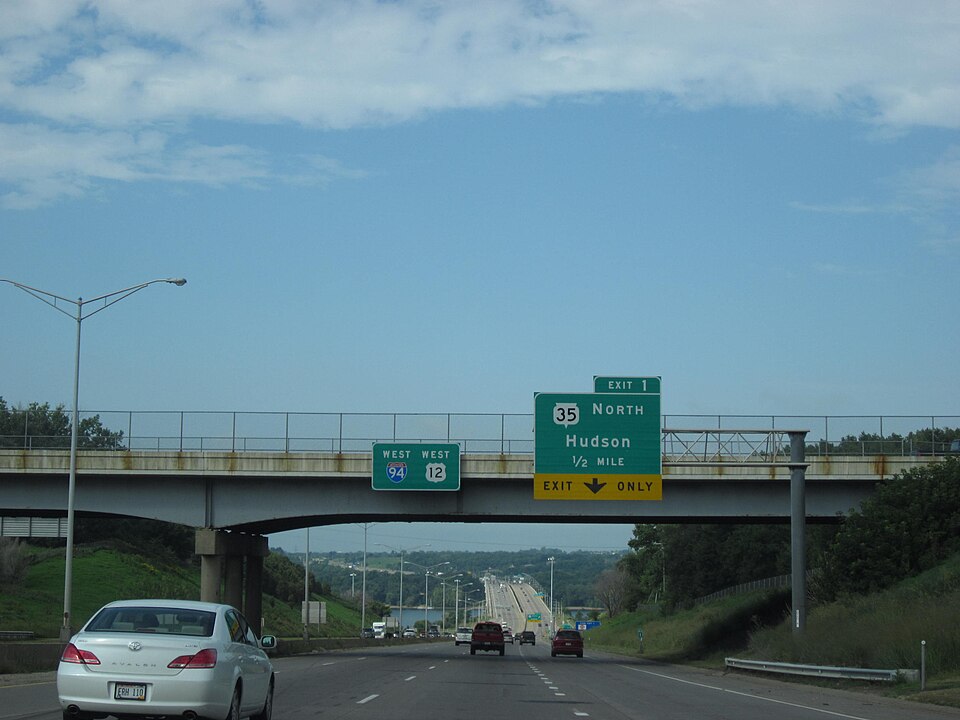
    Photo: Dougtone, CC BY-SA 2.0, via Wikimedia Commons

    In Wisconsin, a first-time driver aged 18 or older needs no driver education, no sponsor and no 50-hour log. You pass the highway signs, knowledge and vision tests, hold the instruction permit for at least seven days, and then take the road test. You still start on a probationary license, though, so the first years carry tougher point rules. This guide covers the adult route, permit supervision, the road test and the fees, from Wisconsin DMV pages and the 2026 Motorists’ Handbook.

    Key facts

    • Permit hold at 18 or older: at least 7 days before the road test.
    • Not needed at 18 or older: driver education, an adult sponsor, the 50-hour log.
    • Permit tests: highway signs (15 questions, 12 to pass), knowledge (50 questions, 40 to pass) and vision. Walk-in and free at the DMV.
    • First license: probationary, so demerit points double from your second conviction.
    • Fees (as of November 2026): permit $35, probationary license $28, skills (road) test $15 per appointment.

    Teen route vs adult route in Wisconsin

    Under 18 18 or older
    Driver education with behind-the-wheel Required Not required
    Adult sponsor on the MV3001 application Required Not required
    Supervised practice log 50 hours, 10 in darkness Not required
    Minimum permit time before the road test 6 months, violation free 7 days
    Knowledge test online at home Ages 15 to 17 ($10 per attempt) No; test free at a service center
    Passenger and midnight limits on the license First 9 months None
    Probationary license and doubled points Yes Yes

    Step 1: get your Wisconsin instruction permit

    • Complete the Wisconsin Driver License Application (MV3001).
    • Bring original, unexpired proof of name and date of birth, U.S. citizenship or legal status, identity, Wisconsin residency (two documents, such as a utility bill or financial statement) and your Social Security number. Photocopies are not accepted.
    • Pass the vision screening: 20/40 in one eye and a 70-degree field of vision from the center of each eye.
    • Pass the highway signs test and the knowledge test (about 45 minutes). Both are walk-in with no appointment.
    • Pay the $35 permit fee. The permit lasts 18 months and can be renewed once for another 18 months ($35).

    Test prep: Wisconsin DMV knowledge and highway signs tests and the Wisconsin permit practice test.

    Step 2: practice on the permit

    The handbook’s supervision rules: your supervisor sits in the front passenger seat, holds a valid regular license (not probationary or occupational) and has at least two years of licensed driving experience. They must be one of:

    • a qualified instructor aged 19 or older
    • your parent, guardian or spouse aged 19 or older
    • any other licensed person aged 21 or older

    In darkness, the handbook says the supervisor must be a qualified instructor or a licensed person aged 25 or older. The minimum 7-day hold is only a legal floor. If you have never driven, plan on weeks of practice across residential streets, business areas, rural highways and freeways. A practical plan: the supervised practice plan. Supervisor details: Wisconsin driving log and supervisor rules.

    Step 3: book and pass the Wisconsin road test

    Book online. Most centers let you schedule 8 to 11 weeks ahead, and slots fill quickly, so book as soon as you get your permit and practice in the meantime. New slots appear daily, and you can test at any location with openings. You supply the car, and the examiner checks the horn, lights and signals, plates, doors, mirrors and registration before you drive.

    The test covers:

    • turning, with mirror, blind spot and signal checks
    • intersections with and without a stop
    • business and residential driving (25 mph in residential areas unless posted)
    • lane changes
    • a Y-turn
    • a roadside stop and start
    • parking and backing (no faster than a slow walk, looking through the rear window)

    The $15 fee is charged for every appointment, including fails and appointments not canceled 24 hours ahead. If you fail, the wait before your next test is 1 to 14 days, depending on your result. Step-by-step Y-turn and full guide: the Wisconsin road test and Y-turn guide.

    Step 4: the probationary license

    Every first-time Wisconsin driver gets a probationary license, which costs $28 and expires two years from your next birthday. As an adult you have no passenger or midnight limits, but demerit points double from your second conviction. You can renew to a regular license from 90 days before the probationary license expires; the regular license lasts 8 years and costs $42.50 (as of November 2026). See Wisconsin probationary license rules and the Wisconsin points system.

    Under 21, Wisconsin’s alcohol limit for drivers is 0.00%.

    Common questions

    Do I need driver’s ed to get a license in Wisconsin at 18?

    No. Driver education, the sponsor and the 50-hour log are requirements for applicants under 18.

    How long do I have to wait between the permit and the road test as an adult?

    At least 7 days. In practice, the booking queue is usually the longer wait.

    Can I take the knowledge test online at home?

    No. The online test is only for ages 17 and under. Adults test free at a DMV service center.

    Can a 20-year-old friend supervise me?

    Not unless they are your spouse or a qualified instructor. Other supervisors must be at least 21, with two years of licensed experience, and 25 or older in darkness.

    I’m moving to Wisconsin with a foreign license. Do I start here?

    Possibly. The handbook says new residents transferring an out-of-state license must apply within 60 days of moving. For a license from another country, ask the DMV what you need to test, and see foreign license reciprocity by state.

    What will it cost in total?

    $35 permit, $15 road test and $28 probationary license: $78 if you pass first time (as of November 2026). Each extra road test appointment adds $15.

    Back to learning to drive in Wisconsin. Other states: learning to drive as an adult in the US.

    Sources

    • Wisconsin Department of Transportation, “Wisconsin Motorists’ Handbook” BDS126, 2026 (wisconsindot.gov)
    • Wisconsin Department of Transportation, “DMV fees” (wisconsindot.gov)

    • Wisconsin Department of Transportation, “Class D knowledge test” (wisconsindot.gov)
    • Wisconsin Department of Transportation, “Road test general information” (wisconsindot.gov)
    • Wisconsin Department of Transportation, “Probationary license” (wisconsindot.gov)
    • Wisconsin Department of Transportation, “GDL differences” (wisconsindot.gov)
  • Wisconsin DMV Points System and Occupational License

    Wisconsin DMV Points System and Occupational License

    Photo: Michael Barera, CC BY-SA 4.0, via Wikimedia Commons

    Wisconsin DMV demerit points build up with traffic convictions. Reach 12 or more within 12 months and your license is suspended, for longer if you are on a permit or probationary license, where points also double. This explainer covers the suspension tables, the 3-point course reduction, the habitual traffic offender law, the occupational license and reinstatement.

    How Wisconsin demerit points work

    • A clean record has 0 points. Points are added when you are convicted of certain traffic violations.
    • The violation date, not the conviction date, decides whether you hit 12 points in any 12-month period. Pending tickets count once convicted.
    • The points on a citation are only an estimate. The final conviction and your license type decide the real number.
    • If you sign up for eNotify, you get a warning email or text at 6 to 11 points in 12 months.
    • Most convictions can be removed from the record five years after conviction. Alcohol-related convictions stay indefinitely.
    • Out-of-state convictions add no points, but they go on your Wisconsin record and can trigger mandatory suspensions.

    Doubled points for new drivers

    If you hold an instruction permit or probationary license, or no license at all, points double on your second and later convictions. Equipment violations under Chapter 347 of the Wisconsin Statutes don’t double. That’s why a ticket marked four points can show as eight on your record.

    Wisconsin point suspension tables

    Points in 12 months Permit, probationary or no license Regular license or CDL
    12 to 16 6 months 2 months
    17 to 22 6 months 4 months
    23 to 30 6 months 6 months
    More than 30 1 year 1 year

    The suspension starts on the date the DMV mails the suspension order. For permit and probationary holders, any suspension also extends GDL restrictions by six months. See Wisconsin probationary license rules.

    Reducing your points

    • An approved traffic safety course takes 3 points off your total.
    • Courses are in person at local technical colleges. There are no approved online courses.
    • Only one reduction every three years.
    • If you’re already suspended with 12, 13 or 14 points, the course may release the suspension.

    The full list of violations and points is in DMV publications BDS108 and BDS109, and Chapter Trans 101 of the Wisconsin Administrative Code.

    Habitual traffic offender (HTO) law

    Under Wisconsin statute 351.025, you are a habitual traffic offender if, within 5 years (by violation date), you collect:

    • 4 major convictions (Wisconsin or out of state), or
    • 12 minor convictions (Wisconsin only), or
    • a combination of major and minor convictions totaling 12.

    The result is a 5-year revocation on top of the penalties for each violation. It covers all license classes. A circuit court can restore your privilege only if it finds an error in your record or in the DMV’s count.

    What is an occupational license in Wisconsin?

    It is a restricted license you may get while suspended or revoked, so you can keep working and run your household.

    Where you can drive

    • to and from work, and school, college or university
    • household duties: grocery store, gas station, taking children to school or day care, pharmacy, bank, laundromat, child visitation
    • place of worship and necessary family needs such as medical appointments
    • to an Intoxicated Driver Program assessment and Driver Safety Plan

    It can’t be used for recreation (visiting friends, social or sporting events) or for commercial vehicles.

    Hour limits

    No more than 12 hours a day and 60 hours a week, within the times, counties and states printed on the license. Driving outside them counts as operating after suspension or revocation.

    When you can apply

    Reason for suspension or revocation Waiting period
    Demerit points Eligible immediately
    Underage alcohol operation Eligible immediately
    First implied consent refusal 30 days
    Habitual traffic offender Petition the circuit court after 2 years
    Violations not listed on the DMV chart 15 days

    Who can’t get one

    Among others: non-residents; anyone who has never held a license; drivers whose license was canceled rather than suspended or revoked; anyone suspended for not paying a forfeiture such as a ticket; and anyone with two or more revocation or suspension cases from separate incidents within one year.

    How to apply

    1. Check your eligibility online.
    2. Complete form MV3027 (counties or states, times, occupation and employer, other uses) and the MV3001. Under 18 you need a sponsor signature.
    3. Have an SR-22 certificate (proof of insurance) on file with the DMV.
    4. Bring proof of identity and legal presence, take any required tests, and pay the fee: $50, or $40 if court ordered (as of November 2026).
    5. Go to a DMV service center at least two hours before closing for the best chance of same-day service.

    Reinstating a suspended or revoked license

    • Reinstate online if eligible, by mail, or in person. You may need an SR-22 or an ignition interlock device.
    • The reinstatement fee is $60, or $200 for OWI-related revocations or suspensions (for violations on or after July 1, 2010), as of November 2026.
    • HTO drivers are mailed a pre-reinstatement letter three weeks before they become eligible.

    Alcohol rules for young drivers: implied consent and DUI in the US.

    Common questions

    How many points before you lose your license in Wisconsin?

    12 or more within any 12-month period, counted by violation date.

    Why are my points doubled?

    You held a permit, a probationary license or no license when convicted, and it wasn’t your first conviction.

    Can I take a points course online?

    No. The DMV says there are no approved online courses for point reduction.

    Do out-of-state tickets add points?

    No points, but the conviction goes on your Wisconsin record.

    Can a teen get an occupational license?

    Possibly, with a sponsor signature if under 18. You can’t get one if you have never held a license, or for offenses committed as a juvenile under Chapter 938.

    Related: Learning to drive in Wisconsin, points systems and suspensions in the US, car insurance for new drivers.

    Sources

    • Wisconsin DMV, “Point system” (wisconsindot.gov)
    • Wisconsin DMV, “Habitual traffic offender (HTO) law” (wisconsindot.gov)
    • Wisconsin DMV, “Occupational license” (wisconsindot.gov)
    • Wisconsin DMV, “Reinstate your driving privilege” (wisconsindot.gov)
    • Wisconsin DMV, “DMV fees” (wisconsindot.gov)
    • Wisconsin Department of Transportation, “Wisconsin Motorists’ Handbook 2026 (BDS126)” (wisconsindot.gov)
  • Wisconsin Metered Ramps, DDIs and Roundabouts Explained

    Wisconsin Metered Ramps, DDIs and Roundabouts Explained

    Photo: Brandonrush, CC BY-SA 3.0, via Wikimedia Commons

    Wisconsin’s Motorists’ Handbook gives roundabouts, metered freeway ramps and diverging diamond interchanges (DDIs) their own section, and all three can come up on the knowledge test. This explainer covers how to drive each one, the rules you can be ticketed for, and where Wisconsin’s DDIs are.

    Roundabouts in Wisconsin

    Traffic moves counterclockwise. Read the overhead and roadside signs on the approach to pick your lane.

    Step by step

    1. Slow down.
    2. Yield to pedestrians and bicycles.
    3. Yield to traffic on your left already in the roundabout, and to semitrucks.
    4. Enter when there is a safe gap. If the roundabout is empty, you don’t need to wait.
    5. Keep your speed low and stay in your lane. Don’t change lanes inside.
    6. Signal right as you reach your exit, then exit.

    Lane choice on two-lane roundabouts

    Where you’re going Lane
    Left turn or U-turn Left lane
    Right turn Right lane
    Straight Follow the pavement markings, arrows or signs

    Emergency vehicles

    If you haven’t entered yet, pull over and let the vehicle pass. If you’re already in, exit at the next right, then pull over. Avoid stopping inside the roundabout.

    Bicyclists may ride through in the travel lane or leave the road and use the crosswalk. National guide: how to drive a roundabout in the US.

    How metered ramps work in Wisconsin

    Some freeway entrance ramps have traffic signals that space out merging cars. This cuts congestion on the freeway and the ramp.

    • The meter is on when the “Ramp Metered When Flashing” sign is flashing.
    • Pull all the way up to the white stop line so your tires trigger the pavement sensors. If you stop short, the signal may not detect you.
    • Each lane has its own signal. Go when yours turns green, then merge.
    • Disobeying a ramp signal can get you a ticket.

    Merging after the meter

    Use the acceleration lane to match the speed of freeway traffic, and find a safe gap. It’s your responsibility to merge legally. See freeway driving for new drivers.

    What is a diverging diamond interchange?

    A DDI (sometimes called a double crossover diamond) briefly moves traffic to the left side of the road between two signals at a freeway interchange. Left turns onto the freeway then don’t have to cross oncoming traffic. WisDOT uses them where there are heavy left-turn volumes to and from a freeway.

    How to drive through a DDI

    1. Follow the signs, signals and pavement markings through the first set of traffic lights. You cross to the left side, and traffic looks like a one-way street.
    2. To turn left onto the freeway, take the ramp. Left turns onto the freeway are free flow, so you don’t stop.
    3. To go straight, continue through the second set of lights, which crosses you back to the right side.

    Pedestrians use designated walkways and cross only at crosswalks. Bicyclists may use the bike lane or the pedestrian walkways.

    Why WisDOT builds them

    WisDOT says DDIs remove the left turn across oncoming through traffic, a movement that often causes severe injury crashes. It reports that Wisconsin DDIs have seen reductions of over 50% in total crashes and 65% in fatal and injury crashes.

    Where are the diverging diamond interchanges in Wisconsin?

    The 2026 handbook lists:

    • I-39/90 and WIS 11/Avalon Road, south of Janesville
    • WIS 441 and Oneida Street, Appleton
    • I-39/90 and WIS 26/Milton Avenue, Janesville
    • I-39/90 and WIS 81, Beloit

    WisDOT’s DDI page also has project videos for I-41 and WIS 15/County OO (Appleton) and I-43 and WIS 100/Brown Deer Road (Milwaukee), and a map of existing and proposed DDIs. Check the map for the current list.

    Flex lanes and reversible lanes

    These are two other Wisconsin lane controls on the test:

    • Flex lane: on some highways the paved shoulder opens as a travel lane. Green arrow means open. Yellow X means merge out. Red X means closed. No large trucks may use it.
    • Reversible lane: marked by double dashed yellow lines, with lane lights. Green arrow means open. Yellow X means the lane is changing, so move to a green arrow lane. Red X means closed.

    Common questions

    What happens if I run a ramp meter in Wisconsin?

    The handbook says you can be ticketed for disobeying a ramp signal.

    Why didn’t the ramp light change for me?

    You may have stopped short. Pull right up to the white stop line so the pavement sensors detect your car.

    Do I yield to trucks in a roundabout?

    Yes. The handbook lists yielding to semitrucks among the steps for entering a roundabout.

    Is driving on the left in a DDI legal?

    Yes. The signs, signals and markings guide you to the left side and back on purpose.

    Do I stop to turn left onto the freeway at a DDI?

    No. WisDOT says left turns onto the freeway are free flow.

    Related: Learning to drive in Wisconsin, Wisconsin knowledge and signs tests, Wisconsin 50 hour driving log.

    Sources

    • Wisconsin Department of Transportation, “Wisconsin Motorists’ Handbook 2026 (BDS126)” (wisconsindot.gov)
    • Wisconsin Department of Transportation, “Diverging Diamond Interchanges” (wisconsindot.gov)
  • Wisconsin Driver Ed Requirements for Teens

    Wisconsin Driver Ed Requirements for Teens

    Photo: Michael Barera, CC BY-SA 4.0, via Wikimedia Commons

    In Wisconsin, teens under 18 must take driver education: at least 30 hours of classroom time, 6 hours of behind-the-wheel training and 6 hours of observation. You must be enrolled before you can get an instruction permit. Once you turn 18 the requirement no longer applies. This page also covers the state grant that pays for driver ed for income-eligible teens.

    Wisconsin driver ed requirements at a glance

    Part Minimum
    Classroom 30 hours
    Behind-the-wheel training 6 hours
    Observation 6 hours

    Some programs include more hours than the minimum.

    When driver ed fits into getting your license

    1. Enroll in a program that includes behind-the-wheel training. Your school gives you a signed Wisconsin Driver License Application (MV3001).
    2. Get your permit (from age 15) at the DMV with that signed MV3001, your sponsor and your test passes.
    3. Renew if needed: if you’re still in driver ed when your 18-month permit runs out, the instructor signs your MV3001 for renewal. If you’ve finished, the school submits completion to the DMV electronically.
    4. Finish the course before the probationary license. The driving school submits completion electronically.
    5. Road test once driver ed, behind-the-wheel training and your 50 supervised hours are done.

    Full route: Learning to drive in Wisconsin.

    Where to take driver education

    Private driver training schools and some high schools offer it. The DMV grant program also lists certified public schools, CESA programs, Tribal or private schools, and DMV-licensed driver training schools registered with the DMV.

    Do you need driver’s ed in Wisconsin if you’re 18?

    No. Once you turn 18 you can take the tests and apply without being in a driver education program. You also skip the sponsor and the 50-hour log, and you need to hold your permit only seven days before a probationary license.

    Driver ed from another state

    Wisconsin accepts a certificate of completion from another state if the course included both classroom and behind-the-wheel instruction. You must still be at least 15 to apply.

    Wisconsin Driver Education Grant Program

    The state pays classroom and behind-the-wheel tuition for eligible teens, directly to the school.

    Who is eligible

    • Wisconsin resident
    • Aged 14 1/2 to 19
    • Eligible for or receiving free or reduced-price lunch
    • Has never held a driver license

    What it covers

    • 30 hours of classroom, 6 hours of observation and 6 hours of behind-the-wheel training
    • Not a refund: it won’t cover courses already paid or partly paid
    • Grant funds expire after 9 months of no use; you may reapply
    • You still pay the permit, road test and probationary license fees yourself

    How it works

    1. Apply online through the DMV.
    2. You get an email with coupon numbers for the courses.
    3. Give the coupon numbers to the driving school.
    4. The school records them when you enroll, and the DMV pays the school electronically.

    Timing: when checked in November 2026, the DMV page said the grant was not accepting applications and reopens for new applications each quarter. You can sign up on the page for an email when it reopens. Check the current status with Wisconsin DMV before you enroll.

    Common questions

    Can I get my permit before starting driver ed?

    Not under 18. You must be enrolled in a driver education program that includes behind-the-wheel training first.

    Does online classroom count?

    Ask your school whether its course is DMV-certified and how it delivers the classroom hours.

    Do behind-the-wheel hours count toward my 50 hours?

    The HS-303 log says each hour with a qualified instructor may count as 2 hours of experience, up to 5 instructor hours. See Wisconsin 50 hour driving log.

    How much does driver ed cost?

    Schools set their own prices. Compare local schools, and check the grant if you qualify for free or reduced lunch.

    Is driver ed needed for a motorcycle permit?

    Under 18, a motorcycle permit needs proof of a completed approved driver education course plus enrollment in a basic rider course.

    Related: Wisconsin knowledge and signs tests, Wisconsin probationary license rules, US GDL compared.

    Sources

    • Wisconsin DMV, “Graduated Driver License (GDL) and teen driving requirements FAQs” (wisconsindot.gov)
    • Wisconsin DMV, “Driver Education Grant Program” (wisconsindot.gov)
    • Wisconsin DMV, “Instruction permit” (wisconsindot.gov)
    • Wisconsin DMV, “Probationary driver license” (wisconsindot.gov)
    • Wisconsin Department of Transportation, “Wisconsin Graduated Driver Licensing Supervised Driving Log HS-303” (wisconsindot.gov)
    • Wisconsin Department of Transportation, “Wisconsin Motorists’ Handbook 2026 (BDS126)” (wisconsindot.gov)
  • Wisconsin 50 Hour Driving Log and Sponsor Rules

    Wisconsin 50 Hour Driving Log and Sponsor Rules

    Photo: Mick Haupt, Pexels

    Wisconsin teens need at least 50 hours of supervised driving, 10 of them in darkness, before a probationary license, and their sponsor must certify those hours. This checklist is for parents and teens. It covers who can sponsor, who can supervise day and night, how to log hours on the HS-303 form or the RoadReady app, and what sponsorship makes you liable for.

    Checklist before you apply for a probationary license

    • Instruction permit held at least six months, violation free
    • At least 50 hours of supervised driving: 40 in daylight and 10 in darkness
    • All hours with a qualified supervisor (see below)
    • Hours tracked on the HS-303 log or the RoadReady app
    • Sponsor certifies the 50 hours on the driver license application (MV3001)
    • Driver education completed (the school submits proof electronically)

    Who can be your sponsor in Wisconsin?

    Under 18, an adult sponsor signs your Wisconsin Driver License Application (MV3001). Allowed sponsors:

    • a parent, step-parent or legal guardian
    • the sponsoring parent of a foreign exchange student

    If you don’t live with a parent or legal guardian, these can sponsor:

    • grandparent
    • aunt or uncle
    • sibling aged 18 or older
    • spouse aged 18 or older
    • foster parent

    What does sponsoring a teen driver mean?

    • Liability: the sponsor is legally and financially responsible for incidents the teen causes while driving.
    • School check: the sponsor confirms the teen is enrolled in school and not habitually truant.
    • Hours: the sponsor verifies the 50 hours at the probationary stage.
    • Duration: sponsorship continues through the probationary phase until the teen turns 18.
    • Withdrawal: the sponsor can remove sponsorship at any time.

    When proof of insurance replaces a sponsor

    You file proof of insurance instead of having a sponsor if you are under 18 and one of these applies: you have no living parent; you don’t live with your parents and are a full-time student or earning a living; you are a ward of the state, county or court placed in a foster home or with a religious welfare service; or you are married and your spouse is under 18.

    Who can supervise practice drives?

    The supervisor sits in the front passenger seat, has at least two years of licensed driving experience, and holds a valid regular license (not probationary or occupational). They must be one of:

    Supervisor Minimum age Who else may ride
    Qualified instructor 19 Nobody else, except the extra adult described below
    Parent, guardian or spouse 19 Immediate family in the back seat
    Any other licensed person 21 Needs written authorization from the parent or guardian if the teen is under 18

    From age 16, one extra licensed person aged 25 or older with at least two years of driving experience may also ride, but not in the front seat.

    Night driving: the 25+ rule

    During hours of darkness the front-seat supervisor must be a qualified instructor or a licensed person aged 25 or older with at least two years of licensed driving experience. A 21-year-old cousin can supervise in daylight but not at night.

    How to log your 50 hours

    Option 1: HS-303 paper log

    The Wisconsin GDL Supervised Driving Log (HS-303) has columns for:

    • date and time
    • driving environment (residential, city, rural highway, expressway)
    • skills practiced
    • weather and road conditions
    • day and night minutes
    • mentor type and initials

    Mentor codes: P = parent, PD = parent designee, QI = qualified instructor.

    Option 2: RoadReady app

    The DMV points families to the free RoadReady mobile app to track supervised hours.

    Instructor hours count double, up to a limit

    The HS-303 form says each hour with a qualified instructor may count as 2 hours of driving experience. Only 5 instructor-supervised hours can be counted this way.

    Make the 50 hours count

    The DMV’s parent guidance says to drive on different kinds of roads, at different times of day and night, and in varied weather, then add skills such as hazard scanning and multi-lane roads as the basics improve. The DMV gives each family one printed copy of the Parent’s Supervised Driving Guide (from the Safe Roads Alliance) when a teen gets an original permit, when copies are available.

    A practical spread, mapped to the road test (see Wisconsin road test guide):

    • residential streets: turns, stop signs, Y-turns, backing
    • business areas: lane changes, signals, pedestrians, parking
    • rural highways: passing rules, farm equipment, deer at dusk
    • freeways: merging and metered ramps (see metered ramps and DDIs)
    • winter: snow, ice and following distance

    Common questions

    Do I have to hand in my driving log?

    The DMV requires your sponsor to certify the 50 hours on the application. The HS-303 says the form is provided “for your convenience”. Keep it as your record.

    Can a 19-year-old sibling supervise me?

    Only a parent, guardian or spouse can supervise at 19. Other people must be 21 or older, and 25 or older at night, with two years of licensed experience.

    Can friends ride along during practice?

    No. Besides the supervisor, only immediate family (with a parent, guardian or spouse supervising) or one extra licensed adult aged 25+ in the back (if you are 16+) may ride.

    Do I need 50 hours if I’m 18?

    No. The hours rule applies to applicants under 18.

    Can a sponsor cancel a teen’s license?

    The handbook says the sponsor may remove sponsorship at any time. Ask the DMV how that affects an existing license.

    Related: Learning to drive in Wisconsin, Wisconsin probationary license rules, supervised driving hours by state.

    Sources

    • Wisconsin DMV, “Graduated Driver License (GDL) and teen driving requirements FAQs” (wisconsindot.gov)
    • Wisconsin DMV, “Instruction permit” (wisconsindot.gov)
    • Wisconsin DMV, “Parent’s Supervised Driving Program” (wisconsindot.gov)
    • Wisconsin Department of Transportation, “Wisconsin Graduated Driver Licensing Supervised Driving Log HS-303” (wisconsindot.gov)
    • Wisconsin Department of Transportation, “Wisconsin Motorists’ Handbook 2026 (BDS126)” (wisconsindot.gov)
  • Wisconsin Probationary License Rules for Teens

    Wisconsin Probationary License Rules for Teens

    Photo: Wikideas1, CC0, via Wikimedia Commons

    Under 18 in Wisconsin, your probationary license comes with graduated driver license (GDL) limits for the first nine months: one passenger outside your family or a qualified adult, and no driving from midnight to 5 a.m. except between home, school and work. This page covers those limits, how they get extended, doubled points, and when you can move to a regular license.

    Wisconsin probationary license restrictions at a glance

    Rule Who it applies to How long
    One passenger limit Under 18 First 9 months or until 18
    No driving midnight to 5 a.m. (with exceptions) Under 18 First 9 months or until 18
    Phone only to report an emergency All probationary and permit holders While on a probationary license
    Absolute sobriety; seat belt All probationary holders While on a probationary license
    Doubled demerit points from 2nd conviction All probationary holders, any age Until you hold a regular license

    Who can ride with you: 5 a.m. to midnight

    You can drive alone and go anywhere. Riding with you can be:

    • any number of immediate family members
    • one person with a valid regular license and at least two years of licensed driving experience who is a qualified instructor or spouse aged 19+, or anyone 21+
    • one other person (for example, one friend)

    So you can carry only one friend at a time.

    Can you drive at night on a probationary license in Wisconsin?

    From midnight to 5 a.m.:

    • Between home, school and work: you may drive alone, with the same passengers allowed in the daytime.
    • Anywhere else: one of these must sit in the front passenger seat:
      • a parent or legal guardian
      • a person with a valid regular license and two years of licensed driving experience who is a qualified instructor or spouse 19+, or anyone 21+

      Any number of immediate family members and one other person may also ride along.

    Worked examples

    Scenario Allowed?
    4 p.m., you drive two friends to practice No: only one passenger outside family or a qualified adult
    4 p.m., you drive your two younger brothers and one friend Yes: family has no limit, plus one other person
    12:30 a.m., driving home alone from your job Yes: home, school and work trips are allowed
    12:30 a.m., driving home alone from a party No, unless a parent, guardian or qualified adult is in the front seat

    What extends the GDL restrictions?

    The restrictions are extended six months if:

    • you are convicted of a moving traffic violation, or
    • you break any of the restrictions, or
    • your license is suspended or revoked for any reason.

    The restrictions end at 18 regardless. After nine months of violation-free driving they are lifted, and you don’t need a new license card.

    Doubled demerit points

    On a probationary license, demerit points double for your second and later moving violations, at any age. That continues after you turn 18 until you hold a regular license. Equipment violations under Chapter 347 of the Wisconsin Statutes are not doubled.

    Points within 12 months (probationary) Result
    12 to 30 6-month suspension
    More than 30 1-year suspension

    Also, if you got your license under 18 and the DMV later learns you were convicted of a violation committed in the six months before issue, it will cancel the license. You must be six months violation free to reapply. See Wisconsin points system and occupational license.

    Phones, alcohol and seat belts

    • Permit and probationary holders may use a cell phone only to report an emergency.
    • You must keep absolute sobriety while driving. For all drivers under 21 the limit is 0.00%. See zero tolerance laws for drivers under 21.
    • You must wear your seat belt.

    Your sponsor still matters

    You keep your adult sponsor during the probationary phase until you turn 18. Your sponsor accepts legal and financial responsibility for incidents you cause while driving and can withdraw sponsorship at any time.

    When do you get a regular license in Wisconsin?

    • You must be at least 19.
    • Your probationary license expires two years from your next birthday. For example, get it on the day you turn 16 and the earliest it expires is your 19th birthday.
    • You can renew to a regular license from 90 days before your probationary license expires, online or at a DMV service center.
    • The regular license lasts 8 years and costs $42.50 (as of November 2026).

    Common questions

    How many friends can I drive with on a probationary license in Wisconsin?

    One, during the first nine months or until you turn 18. Immediate family members don’t count toward the limit.

    Does the curfew apply if I’m driving home from work?

    No. Trips between home, school and work are allowed alone from midnight to 5 a.m.

    Do the restrictions end when I turn 18?

    The passenger and hour limits do. Doubled points continue while you are on a probationary license.

    Can I use hands-free calling on a probationary license?

    The handbook says permit and probationary holders can use a cell phone only to report an emergency. See hands-free and texting laws.

    Can I drive out of state on a probationary license?

    Yes. The DMV says it is a valid license both in and outside Wisconsin. Other states may apply their own teen rules.

    What does a probationary license cost?

    $28 as of November 2026, plus the $15 skills exam fee.

    Related: Learning to drive in Wisconsin, Wisconsin 50 hour log and sponsor rules, US GDL compared.

    Sources

    • Wisconsin DMV, “Differences: Instruction permit, probationary license and regular license” (wisconsindot.gov)
    • Wisconsin DMV, “Graduated Driver License (GDL) and teen driving requirements FAQs” (wisconsindot.gov)
    • Wisconsin DMV, “Probationary driver license” (wisconsindot.gov)
    • Wisconsin DMV, “Point system” (wisconsindot.gov)
    • Wisconsin DMV, “DMV fees” (wisconsindot.gov)
    • Wisconsin Department of Transportation, “Wisconsin Motorists’ Handbook 2026 (BDS126)” (wisconsindot.gov)
  • Wisconsin Road Test Guide: Y-Turn, Backing and Parking

    Wisconsin Road Test Guide: Y-Turn, Backing and Parking

    Photo: John Benson, CC BY 2.5, via Wikimedia Commons

    The Wisconsin road test (skills test) is an appointment-only drive with a DMV examiner in your own vehicle. You’ll be tested on turns, intersections, lane changes, a Y-turn, a roadside stop and start, parking and backing. This guide covers booking, the vehicle check, each maneuver step by step, fees and what happens if you fail.

    Key facts

    • Book online. Most centers let you schedule 8 to 11 weeks ahead, and slots fill quickly.
    • Skills exam fee: $15 (as of November 2026), charged for every appointment, including passes, fails and ones not canceled 24 hours ahead.
    • A road test takes 20 to 90 minutes depending on the license class.
    • If you fail, the wait before the next test is 1 to 14 days, depending on your result.

    Who can take the Wisconsin road test?

    Under 18, you need a completed driver education course, behind-the-wheel training, 50 hours of supervised driving and at least six months on your permit, violation free. At 18 or older you must have held a permit at least seven days. See the Wisconsin learner’s guide for the full route.

    Booking: what you need

    • Your driver license or ID card number, or your Social Security number
    • Your date of birth and ZIP code
    • An email address or a cell phone that can receive texts, for confirmation and reminders

    You can test at any location with open slots. New slots are added daily, and you can sign up to be told about earlier openings. Phone agents cannot open extra appointments.

    The vehicle check before you drive

    You supply the car. The examiner inspects it for safety defects and valid registration, and the test can be denied if problems are found. Check these at home:

    • horn
    • headlights, brake lights and turn signals
    • license plates
    • doors
    • mirrors
    • valid registration

    Know where the wipers, defroster, headlights and parking brake are, because you may need to use them on the test.

    What is on the Wisconsin road test?

    Skill What to show
    Turning Mirrors, blind spot and signal; stay in your lane; don’t cross the center line; turn right from the lane nearest the curb
    Intersections with a stop Full stop behind the line, front wheels before the crosswalk; search left, right, left
    Intersections without a stop Slow approach where the view is blocked; be ready to brake
    Business and residential driving Correct speed (25 mph residential unless posted); watch for pedestrians
    Lane changes Signal, mirrors, look over the shoulder in the direction you move, one lane at a time
    Y-turn See steps below
    Roadside stop and start Signal, check mirrors, pull to the right; signal and check traffic and blind spot before moving off
    Parking Low speed, Park (or gear for manual), parking brake set
    Backing No faster than a slow walk; turn your body and look through the rear window, not only mirrors or camera

    How to do a Y-turn in Wisconsin

    The handbook says the Y-turn is for residential streets too narrow for a U-turn, and you will do one on the exam. Check around you at every step.

    1. Signal right. Check traffic to the right and in your mirrors. Pull as far right as possible. Stop.
    2. Signal left. Check your blind spot. Turn left to the opposite curb. Stop.
    3. Look behind you over your right shoulder. Reverse enough that you can move forward again. Stop.
    4. Check traffic left and right. Pull forward and go on in your lane.

    Backing up the right way

    • Move no faster than a slow walk.
    • Turn your body and look over your right shoulder through the rear window.
    • Don’t rely only on mirrors or a backup camera.
    • Scan left and right before moving back into traffic.

    Parking skills to practice

    Parallel parking (handbook method)

    1. Find a space about 3 to 6 feet longer than your car. Signal and stop level with the car ahead of the space, about 2 feet from it.
    2. Turn the wheel fully toward the curb and back slowly.
    3. When your front door passes the other car’s back bumper, straighten the wheel and keep backing.
    4. When your front bumper clears that car, turn the wheel sharply the other way and back until parallel.
    5. Straighten the wheels. Aim for about a foot from the curb and at least 2 feet from the cars in front and behind.

    Hill parking

    Situation Turn your wheels
    Uphill with a curb Fully left
    Uphill without a curb Fully right
    Downhill Fully right

    Set the parking brake every time. National tips: US parking rules for new drivers.

    During the test

    • The examiner gives directions such as “At the next intersection, turn left” or “Make a Y-turn.” Ask if anything is unclear.
    • No interpreter may ride along, but the test cannot be denied because you can’t hear or understand English. The examiner will use other ways to communicate, such as picture cards.

    After the test

    If you pass

    Under 18, hand in your MV3001 with the sponsor section completed. Your driving school sends proof of driver education electronically. Pay for the probationary license ($28 as of November 2026) and your road tests. If the test ran outside service center hours, come back when it’s open or apply online 24 hours later.

    If you fail

    • You get your results and a skills test guide for practice.
    • Keep your signed MV3001 for next time, and keep your permit valid so you can keep practicing.
    • Rebook after the minimum wait (1 to 14 days). The system works out the wait for you.

    If you miss or cancel late

    Cancel at least 24 hours ahead. A no-show or late cancellation costs $15, and you can’t retest for at least 7 days.

    Common questions

    Can I take the road test with an expired permit?

    You may take one road test with a permit that expired less than one year ago. But you can’t practice or drive to the test on an expired permit, so someone else must drive the car there.

    How long is the Wisconsin road test?

    The DMV says road tests take 20 to 90 minutes depending on the license class and endorsement.

    Do I have to parallel park on the Wisconsin road test?

    The handbook lists “parking” among the maneuvers without naming a type, so practice parallel, hill and lot parking.

    What causes an automatic fail?

    Ask the DMV about scoring, and see common reasons people fail the US driving test.

    Can I use a backup camera?

    You can use it, but the handbook says not to rely only on mirrors and the camera. Turn and look.

    Can I book at a different DMV?

    Yes. You can schedule at any location that offers road tests and has open appointments.

    Related: Wisconsin 50 hour driving log, Wisconsin probationary license rules, US road tests by state.

    Sources

    • Wisconsin Department of Transportation, “Wisconsin Motorists’ Handbook 2026 (BDS126)” (wisconsindot.gov)
    • Wisconsin DMV, “Road test information and appointments” (wisconsindot.gov)
    • Wisconsin DMV, “DMV fees” (wisconsindot.gov)
    • Wisconsin DMV, “Probationary driver license” (wisconsindot.gov)
  • Wisconsin Permit Test: Knowledge and Highway Signs Tests

    Wisconsin Permit Test: Knowledge and Highway Signs Tests

    Photo: Quang Vuong, Pexels

    For a Wisconsin instruction permit you must pass two written tests: the highway signs test (15 questions, 12 correct to pass) and the knowledge test (50 questions, 40 correct to pass), plus a vision screening. Both tests are free at the DMV, and 15 to 17 year olds can take the knowledge test online at home for $10. This page covers formats, retakes, languages and what to study.

    Wisconsin permit tests at a glance

    Test Format Pass mark Cost (Nov 2026)
    Highway signs test 15 questions 12 correct (80%) Free at DMV
    Knowledge test 50 questions, about 45 minutes 40 correct (80%) Free at DMV; $10 per online attempt (ages 15 to 17)
    Vision screening At the DMV or by your vision specialist 20/40 in one eye, 70-degree field each eye Free at DMV

    How many questions are on the Wisconsin permit test?

    The knowledge test has 50 questions on traffic laws and you need 40 right. The separate highway signs test has 15 questions and you need 12 right. Both pass marks are 80%.

    Taking the tests at a DMV service center

    • Walk in. The DMV does not take appointments for knowledge tests.
    • Arrive early: the knowledge test takes about 45 minutes and must be finished before the center closes.
    • Most centers use a touch screen with instant feedback. Audio assist is available on request, and paper tests can be given.
    • Every DMV customer service center offers the knowledge test except Milwaukee Downtown and Sauk City.

    Can you take the Wisconsin permit test online?

    Yes, the Class D knowledge test, if you are 17 or under. It is the same test as at the DMV, run by the DMV’s provider KnowToDrive.

    1. Use a laptop or desktop with internet and a webcam. Tablets and smartphones are not allowed. The webcam takes random photos to confirm your identity.
    2. A parent or guardian must monitor you the whole time.
    3. Pay $10 per test, pass or fail.
    4. You get two online attempts. Fail both and you take the third attempt at a DMV service center.
    5. After passing, you get a certificate by email. Show it (printed or on your phone) at a DMV service center when you buy your permit.

    The online test is available in English and Spanish.

    Retakes

    • If you fail, you can retake no sooner than the next day.
    • You can take the same test five times in a one-year period. After five failed attempts you need special permission from DMV staff.

    Test languages

    The Class D knowledge and signs tests are offered in English, American Sign Language, Burmese, Chinese, Croatian, Hmong, Polish, Russian, Serbian, Somali and Spanish.

    The vision screening

    You need a visual acuity of at least 20/40 in one eye (with or without glasses) and a 70-degree field of vision from the center of each eye. If you do not pass, DMV staff will send you to a vision specialist with the Certificate of Vision Examination (MV3030V).

    What to study for the Wisconsin highway signs test

    Section 4 of the Motorists’ Handbook. Learn each sign family by color and shape:

    Sign type Look Examples
    Warning Yellow, black symbols, mostly diamond Signal ahead, deer crossing, lane ends, roundabout ahead
    Regulatory White or red, square, rectangle or special shape Stop (eight sides), yield (downward triangle), do not enter, school speed limit 15
    No passing zone Yellow pennant No passing
    Slow moving vehicle Orange reflective triangle Vehicle may travel 25 mph or less
    Construction Orange diamond or rectangle Road work ahead, flagger ahead (fines double in work zones)
    Destination Green or brown, white letters City and exit signs, roundabout exit signs, parks
    Service Blue, white letters Hospital, disabled access
    Mile marker Tall, thin blue or green Direction, route and mile number
    Route number Varies by road County (rounded rectangle), U.S. (badge), state (milk-jug shape), Interstate (red and blue shield)
    Railroad Round yellow advance sign; white crossbuck Number of tracks, gates, emergency report sign; “Exempt” means certain vehicles need not stop; “Tracks out of service” means the line is no longer used

    For a national overview of sign shapes see US road signs by shape and color.

    What to study for the Wisconsin knowledge test

    The full handbook, with extra attention on the rules that carry numbers:

    • Speed: 25 mph residential, 15 mph school zone when children are present, 35 mph in outlying areas of cities and villages with no posted limit.
    • Following distance: four seconds, plus a second for each bad condition.
    • Headlights: required when you cannot see 500 feet ahead, and from half an hour after sunset to half an hour before sunrise.
    • Signal about 100 feet (three seconds) before turning.
    • School buses: stop at least 20 feet away when red lights flash.
    • Bicyclists: pass with at least 3 feet of room.
    • Snowplows: stay at least 200 feet back when their lights are flashing.
    • Under 21: 0.00% alcohol limit.
    • Points: 12 or more in 12 months means suspension.
    • Scanning: look 10 to 15 seconds ahead; check your rearview mirror every 6 to 8 seconds.
    • Blind pedestrians: stop at least 10 feet away from someone with a guide dog or white cane.
    • Crashes: report to police if anyone is hurt or killed, property damage is $1,000 or more, or government property damage is $200 or more.
    • Trucks: their blind areas reach about 20 feet in front and 200 feet behind.
    • Child seats: generally a safety seat to age 4 and a booster to age 8.

    The handbook ends with a practice quiz, and the DMV offers a free online knowledge and road signs practice test.

    Common questions

    Is the Wisconsin permit test hard?

    You need 80% on both tests. The handbook is the only official study source, so read all of it, not just the signs section.

    Do I need an appointment for the knowledge test?

    No. Both written tests are walk-in.

    Can I take the signs test online too?

    The DMV’s online service is described as the Class D knowledge test. Check with the DMV whether the signs test must still be taken in person.

    I’m 18. Can I test online?

    No. The online test is only for ages 17 and under. Adults test free at a service center.

    What happens after I pass?

    You buy your instruction permit ($35 as of November 2026) at a DMV service center. Under 18 you also need your driver education enrollment and a sponsor. See the Wisconsin learner’s guide.

    Is the online test the same as the DMV test?

    Yes. The DMV says it is the same test offered at service centers.

    Related: Wisconsin driver education requirements, Wisconsin road test guide, US permit tests by state.

    Sources

    • Wisconsin Department of Transportation, “Wisconsin Motorists’ Handbook 2026 (BDS126)” (wisconsindot.gov)
    • Wisconsin DMV, “Wisconsin knowledge tests” (wisconsindot.gov)
    • Wisconsin DMV, “DMV fees” (wisconsindot.gov)
    • Wisconsin DMV, “Instruction permit” (wisconsindot.gov)
  • How to Get a Driver’s License in Wisconsin: Step-by-Step Guide

    How to Get a Driver’s License in Wisconsin: Step-by-Step Guide

    Photo: Quang Vuong, Pexels

    To get a driver’s license in Wisconsin you move through three stages: an instruction permit from age 15, a probationary license from 16, and a regular license from 19 at the earliest. This guide covers every step, test and fee for teens, parents and adult learners, with links to detailed guides for each stage.

    Key facts

    • Instruction permit: from 15. Under 18 you must be enrolled in driver education, including the behind-the-wheel part.
    • Tests for the permit: vision screening, highway signs test (15 questions, 12 to pass) and knowledge test (50 questions, 40 to pass).
    • Probationary license: from 16, after holding the permit 6 months violation free and logging 50 supervised hours (10 in darkness) if you are under 18.
    • Regular license: you must be at least 19.
    • Fees as of November 2026: permit $35, probationary license $28, regular license $42.50. Tests at the DMV are free.

    Wisconsin license stages at a glance

    Stage Minimum age Fee (Nov 2026) How long it lasts
    Instruction permit (Class D) 15 $35 18 months; can be renewed for another 18 months ($35)
    Probationary license 16 $28 Expires 2 years from your next birthday
    Regular license 19 $42.50 8 years

    Step 1: Get your Wisconsin instruction permit

    Apply at a DMV customer service center with a completed Wisconsin Driver License Application (MV3001). Bring proof of:

    • full name and date of birth
    • U.S. citizenship or legal status
    • identity
    • Wisconsin residency (two documents, such as a utility bill or financial statement)
    • your Social Security number

    Documents must be originals, not photocopies, and not expired.

    Extra steps if you are under 18

    • Be enrolled in, or have completed, a certified driver education program including behind-the-wheel training. Your school signs the MV3001.
    • Have an adult sponsor sign the MV3001 (see below).
    • Be enrolled in school or an equivalent program, or have graduated, and not be habitually truant.

    Full detail: Wisconsin driver education requirements for teens.

    Step 2: Pass the vision, signs and knowledge tests

    Test Questions To pass
    Highway signs test 15 12 correct (80%)
    Knowledge test 50 40 correct (80%), about 45 minutes
    Vision screening n/a 20/40 in one eye and a 70-degree field of vision from the center of each eye

    Both written tests are walk-in, with no appointment, and free at the DMV. Ages 15 to 17 can take the knowledge test online at home for $10 per attempt with a parent monitoring. See Wisconsin DMV knowledge and highway signs tests.

    Step 3: Practice with a sponsor and qualified supervisor

    Under 18, your sponsor (usually a parent, step-parent or legal guardian) signs your application and accepts legal and financial responsibility for incidents you cause while driving. Every practice drive needs a supervisor in the front passenger seat who has held a valid regular license for at least two years and is a qualified instructor 19+, your parent, guardian or spouse 19+, or anyone 21+. In darkness the supervisor must be a qualified instructor or a licensed person 25 or older.

    You need at least 50 hours of practice, 10 of them in darkness, before a probationary license. Track them on the HS-303 log or the RoadReady app: Wisconsin 50 hour driving log and sponsor rules.

    Step 4: Take the Wisconsin road test

    Book the skills test online. The examiner checks your car first (horn, lights and signals, plates, doors, mirrors) and then tests turning, intersections, lane changes, a Y-turn, a roadside stop and start, parking and backing. The skills exam fee is $15, charged for every appointment, including ones not canceled 24 hours ahead. Guide: Wisconsin road test and Y-turn guide.

    Step 5: Drive on a probationary license

    If you are under 18, for the first 9 months (or until you turn 18):

    • only one passenger besides immediate family or a qualified adult
    • no driving from midnight to 5 a.m. unless you are going between home, school and work, or a qualified adult is with you

    A ticket, a broken restriction or a suspension extends the restrictions by six months. Phone use is allowed only to report an emergency. Demerit points double from your second conviction. Details: Wisconsin probationary license rules for teens.

    Step 6: Move to a regular license at 19

    You can renew from 90 days before your probationary license expires, online or at a service center. The regular license lasts 8 years and costs $42.50 (as of November 2026).

    Adults: learning to drive in Wisconsin at 18 or older

    • No driver education, sponsor or 50-hour log needed.
    • Pass the signs, knowledge and vision tests for a permit, then hold it at least seven days before getting a probationary license.
    • You still start with a probationary license, so doubled points apply.

    What the Wisconsin Motorists’ Handbook covers

    The knowledge test is based on the 2026 Wisconsin Motorists’ Handbook. Its sections, and where we go deeper:

    Handbook section Must-know points
    1. Driving test requirements Vision, signs, knowledge and skills tests (above)
    2. Progression of licenses Sponsorship, permit, probationary and regular licenses, out-of-state transfers (apply within 60 days of moving), REAL ID. See REAL ID and your first license
    3. The basics Four-second following distance; 25 mph in residential areas unless posted; 15 mph in school zones when children are present; 35 mph in outlying parts of cities and villages with no posted limit; signal about 100 feet before a turn. Show other drivers your plans with lights, brakes, signals and hazards. Tap the horn lightly to get attention, and press hard only to warn of a crash. Do not drive if you are very worried, excited, afraid, angry or depressed
    4. Signs Warning, regulatory, construction, destination, service, mile marker, route number and railroad signs. Traffic fines double in work zones
    5. Signals and markings Right on red after a full stop unless a sign prohibits it; left on red only from one-way onto one-way; reversible and flex lanes
    6. Driving situations Roundabouts, metered ramps and DDIs (guide), traffic stops, deer, funeral processions
    7. Driving conditions Bridges freeze first; give snowplows at least 200 feet when their lights are flashing. See driving in snow, fog and rain
    8. Emergencies Report crashes with injury, death, $1,000+ property damage or $200+ government property damage to police
    9. Dangerous driving Under 21 the alcohol limit is 0.00%. Refusing a test means losing your license for at least one year
    10. Sharing the road Stop at least 20 feet from a school bus with red lights flashing; give bicyclists at least 3 feet when passing
    11. Your driving privilege Points, habitual traffic offender law, occupational license. See Wisconsin points system and occupational license
    12. Other information Seat belts at any age; liability insurance required; the Driver Education Grant Program

    Handbook rules learners often miss

    • Right of way (Section 3): stop at least 10 feet away from a pedestrian with a guide dog or a white cane until they are off the road. Yield to cross traffic at an uncontrolled T-intersection and to a vehicle that is passing you.
    • Space (Section 3): look 10 to 15 seconds ahead and check your rearview mirror every 6 to 8 seconds. Don’t coast in neutral.
    • U-turns and passing (Section 3): a U-turn is allowed on any rural two-lane highway if it is safe and doesn’t interfere with traffic. Use a paved shoulder to pass only a vehicle that is stopped or turning left. Pass one vehicle at a time, never above the limit, and move back once both its headlights show in your mirror.
    • Lights (Section 3): high beams let you see about twice as far; dim them for oncoming traffic. Parking lights are only for when you are parked.
    • Broken signals (Section 5): treat a dark or faulty traffic light as a stop sign. A steady yellow arrow means stop if you safely can; a flashing yellow arrow means yield, then turn.
    • Lines (Section 5): cross a solid white lane line only for a hazard or to turn within the next block. You may cross solid yellow lines to turn into a driveway, or to pass a vehicle going under half the speed limit (not farm equipment) when it is safe. Stop with your front wheels before the crosswalk line.
    • Special lanes (Section 5): a shared center lane is only for left turns and U-turns. Enter a reserved (diamond) lane only to turn within the next half block.
    • Traffic stops, deer and funerals (Section 6): pull to the right, turn off the engine and radio, and stay in the car with your belt on and hands on the wheel. If you hit a deer, call the police so they can tag it; you may keep it. Don’t cut into a funeral procession, whose vehicles drive with headlights on.
    • Rural roads (Section 7): yield to livestock on or beside the road and don’t honk at them. Without ABS, pump the brakes gently on slippery roads.
    • Emergencies (Section 8): tap your brake three or four times to warn drivers behind you of a hazard ahead. With ABS, press firmly and keep pressing.
    • Distractions (Section 9): no headsets or headphones that cover or go in both ears. In a work zone, use a phone only to report an emergency.
    • Emergency vehicles and trucks (Section 10): pull over and stop for lights and sirens, but not in an intersection. Passing an emergency vehicle stopped with lights flashing, move to a lane away from it, or slow down if you can’t. A large truck can’t see you about 20 feet in front or 200 feet behind.
    • Child seats (Section 12): generally a child safety seat until age 4 and a booster seat until age 8.
    • Other services (Sections 2 and 12): a REAL ID from another state doesn’t carry over, so bring all your documents. Report medical conditions that could affect your driving on the MV3001, and you can file an Invisible Disability Disclosure (MV2167). U.S. citizens 17 or older can get a free ID card for voting, and you can register as an organ donor.

    Common questions

    How old do you have to be to get a permit in Wisconsin?

    15. Under 18 you must also be enrolled in driver education with a behind-the-wheel portion.

    Can I take the Wisconsin permit test at home?

    Yes, if you are 15 to 17. The online knowledge test costs $10 per attempt, needs a laptop or desktop with a webcam, and a parent must monitor.

    How long do I have to hold my permit?

    At least six months violation free if you are under 18. At 18 or older, at least seven days.

    When can I get a regular license in Wisconsin?

    At 19 at the earliest, after holding a probationary license.

    Do I need driver’s ed if I’m 18?

    No. Once you turn 18 you can test and apply without a driver education course.

    I just moved to Wisconsin. What do I do?

    Apply for a Wisconsin license within 60 days of moving. Some new residents, including those under 21, get a probationary license. See moving to a new state.

    How Wisconsin compares

    For other states’ rules, see learning to drive in the USA, US graduated driver licensing compared and US permit tests by state.

    Sources

    • Wisconsin Department of Transportation, “Wisconsin Motorists’ Handbook 2026 (BDS126)” (wisconsindot.gov)
    • Wisconsin DMV, “Differences: Instruction permit, probationary license and regular license” (wisconsindot.gov)
    • Wisconsin DMV, “Graduated Driver License (GDL) and teen driving requirements FAQs” (wisconsindot.gov)
    • Wisconsin DMV, “Instruction permit” (wisconsindot.gov)
    • Wisconsin DMV, “Probationary driver license” (wisconsindot.gov)
    • Wisconsin DMV, “DMV fees” (wisconsindot.gov)
    • Wisconsin DMV, “Wisconsin knowledge tests” (wisconsindot.gov)
  • Wisconsin Permit Practice Test: 50 Free Signs and Rules Questions

    Wisconsin Permit Practice Test: 50 Free Signs and Rules Questions

    Photo: Blue Arauz, Pexels

    A Wisconsin instruction permit needs two written tests: the highway signs test (15 questions, 12 to pass) and the knowledge test (50 questions, 40 to pass). This practice test follows that split with a full 15-question signs section and 35 knowledge questions on the rules with numbers in them, which are the ones learners forget. All questions are original and unofficial, based on the Wisconsin Motorists’ Handbook.

    The two Wisconsin tests compared

    Test Questions Pass mark This practice set
    Highway signs 15 12 correct (80%) Part A: 15 questions
    Knowledge 50 40 correct (80%) Part B: 35 questions; aim for 28 or more

    Both tests are free at a DMV service center, walk-in, and teens 15 to 17 can take the knowledge test online for $10 an attempt (as of November 2026). Details and retake limits: Wisconsin DMV knowledge and highway signs tests.

    Handbook Section 4 covers every sign family. Learn them by color and shape.

    Part A, highway signs (questions 1 to 15)

    1. What shape is a STOP sign?

    • A. Octagon (eight sides)
    • B. Diamond
    • C. Circle
    • D. Triangle

    Answer: A. Only STOP signs are octagons. Handbook Section 4: regulatory signs.

    2. A yield sign is:

    • A. A pentagon
    • B. A downward-pointing triangle
    • C. A pennant
    • D. A circle

    Answer: B. Slow down and give the right of way, stopping if needed. Handbook Section 4: regulatory signs.

    3. Most warning signs are:

    • A. Red with white letters
    • B. Blue with white letters
    • C. Yellow with black symbols, usually diamond-shaped
    • D. Green with white letters

    Answer: C. Warning signs show hazards such as curves, signals ahead, deer crossings and lanes ending. Handbook Section 4: warning signs.

    4. A yellow pennant-shaped sign means:

    • A. Merge
    • B. No passing zone
    • C. Hill ahead
    • D. Two-way traffic

    Answer: B. The pennant on the left side of the road marks a no-passing zone. Handbook Section 4.

    5. An orange reflective triangle on the back of a vehicle means it:

    • A. Is a slow moving vehicle that may travel 25 mph or less
    • B. Is an emergency vehicle
    • C. Carries hazardous materials
    • D. Is a school vehicle

    Answer: A. Farm equipment and horse-drawn vehicles use this emblem. Slow down early. Handbook Section 4.

    6. Orange diamond or rectangular signs mark:

    • A. Recreation areas
    • B. Interstate exits
    • C. Construction and work zones, where fines double
    • D. Hospitals

    Answer: C. Slow down and watch for workers. Handbook Section 4: construction signs.

    7. A green sign with white letters shows:

    • A. Destinations, exits and distances
    • B. A school zone
    • C. Services
    • D. A warning

    Answer: A. Green and brown signs are destination signs; brown is used for parks and recreation. Handbook Section 4.

    8. A blue sign with white letters shows:

    • A. A speed limit
    • B. Services such as a hospital or disabled access
    • C. A route number
    • D. A detour

    Answer: B. Blue signs are service signs. Handbook Section 4.

    9. A tall, thin blue or green sign along a highway with a number on it is a:

    • A. Exit only sign
    • B. Mile marker
    • C. School sign
    • D. Speed limit

    Answer: B. Mile markers show direction, route and mile number, which helps when reporting a crash. Handbook Section 4.

    10. A red and blue shield with a number marks:

    • A. A county road
    • B. A US highway
    • C. An Interstate highway
    • D. A state trunk highway

    Answer: C. The Interstate shield is red and blue. County routes use a rounded rectangle. Handbook Section 4: route signs.

    11. A round yellow sign with an X and RR warns of:

    • A. Road repair
    • B. A railroad crossing ahead
    • C. A rest area
    • D. A road closed

    Answer: B. The white crossbuck marks the crossing itself. Some crossings also show the number of tracks. Handbook Section 4: railroad signs.

    12. A school zone speed limit sign shows 15. When does it apply?

    • A. At all times
    • B. When children are present
    • C. Only in summer
    • D. Only on weekdays

    Answer: B. Wisconsin’s 15 mph school zone limit applies when children are present. Handbook Section 4.

    13. A white rectangle sign that says DO NOT PASS is a:

    • A. Guide sign
    • B. Service sign
    • C. Regulatory sign
    • D. Warning sign

    Answer: C. Regulatory signs, usually white or red, state rules you must obey. Handbook Section 4.

    14. A yellow diamond sign showing a circle of arrows means:

    • A. Merge
    • B. U-turn allowed
    • C. Detour
    • D. Roundabout ahead

    Answer: D. Slow down and prepare to yield on entry. Handbook Section 4: warning signs.

    15. A red sign with a white bar across a circle means:

    • A. Stop ahead
    • B. Hospital
    • C. One way
    • D. Do not enter

    Answer: D. Do not drive into a road or ramp marked DO NOT ENTER. Handbook Section 4.

    Part B: knowledge test. Score this part out of 35. 28 correct is 80%, the same standard as the real 50-question test.

    Part B, speed, space and signals (questions 16 to 23)

    16. Unless posted otherwise, the Wisconsin speed limit in residential areas is:

    • A. 25 mph
    • B. 45 mph
    • C. 15 mph
    • D. 35 mph

    Answer: A. The handbook gives 25 mph for residential areas. Handbook: speed limits.

    17. In outlying areas of cities and villages with no posted limit, the speed limit is:

    • A. 55 mph
    • B. 45 mph
    • C. 25 mph
    • D. 35 mph

    Answer: D. The handbook gives 35 mph for outlying areas of cities and villages. Handbook: speed limits.

    18. What following distance does the Wisconsin handbook recommend in good conditions?

    • A. One car length per 10 mph
    • B. Four seconds, plus one second for each bad condition
    • C. Three seconds
    • D. Two seconds

    Answer: B. Add a second for each extra hazard, such as rain or darkness. Handbook: following distance.

    19. When must headlights be on in Wisconsin?

    • A. Only when it rains
    • B. From sunset to sunrise only
    • C. Only on highways
    • D. From half an hour after sunset to half an hour before sunrise, and whenever you cannot see 500 feet ahead

    Answer: D. Poor visibility, not just the clock, decides when lights go on. Handbook: lights.

    20. How far before a turn should you signal?

    • A. About 100 feet (three seconds)
    • B. 500 feet
    • C. Only when turning left
    • D. 25 feet

    Answer: A. Signal about 100 feet before you turn. Handbook: turning.

    21. A snowplow with flashing lights is ahead. How far back should you stay?

    • A. Pass it right away
    • B. At least 200 feet
    • C. 100 feet
    • D. 50 feet

    Answer: B. Stay at least 200 feet behind a working snowplow. Handbook: winter driving.

    22. A ramp meter signal is flashing at the freeway entrance. You should:

    • A. Merge around it on the shoulder
    • B. Ignore it if traffic is light
    • C. Pull up to the white stop line and go when your signal turns green
    • D. Stop on the freeway

    Answer: C. Stopping at the line triggers the sensor. Disobeying a ramp signal can get you a ticket. Handbook: metered ramps.

    23. Inside a Wisconsin roundabout, you should:

    • A. Stop to let traffic in
    • B. Drive clockwise
    • C. Change lanes freely
    • D. Stay in your lane and signal right as you reach your exit

    Answer: D. Yield on entry to traffic on your left and to pedestrians and bicycles. Handbook: roundabouts.

    Part B, right of way and intersections (questions 24 to 29)

    24. Two cars reach a four-way stop at the same time. Who goes first?

    • A. The car on the left
    • B. The car turning left
    • C. The car on the right
    • D. The faster car

    Answer: C. Yield to the driver on your right. Handbook: right of way.

    25. You are turning left on a green light with no arrow. You must:

    • A. Honk
    • B. Yield to oncoming traffic and pedestrians
    • C. Go first
    • D. Stop and wait for red

    Answer: B. A plain green light does not protect left turns. Handbook: turning.

    26. Right on red in Wisconsin is allowed:

    • A. Never
    • B. Without stopping
    • C. Only at night
    • D. After a full stop and yielding, unless a sign prohibits it

    Answer: D. Stop completely, yield to pedestrians and traffic, then turn. Handbook: signals.

    27. In a diverging diamond interchange, traffic between the two signals briefly drives:

    • A. On the median
    • B. On the shoulder
    • C. In reverse
    • D. On the left side of the road

    Answer: D. A DDI crosses traffic to the left side between signals, so left turns onto the ramp do not cross oncoming traffic. Follow the lane markings. Handbook: diverging diamond interchanges.

    28. An emergency vehicle approaches with lights and siren while you are about to enter a roundabout. You should:

    • A. Speed up
    • B. Pull over before entering and let it pass
    • C. Enter quickly
    • D. Stop inside the roundabout

    Answer: B. If you are already inside, exit at the next right, then pull over. Handbook: roundabouts.

    29. A pedestrian is crossing in an unmarked crosswalk at a corner. You must:

    • A. Proceed if they are not in your lane
    • B. Yield to the pedestrian
    • C. Honk
    • D. Speed up

    Answer: B. Corners have crosswalks whether marked or not. Handbook: pedestrians.

    Part B, sharing the road (questions 30 to 34)

    30. A school bus has its red lights flashing. How far from the bus must you stop?

    • A. No set distance
    • B. At least 5 feet
    • C. At least 20 feet
    • D. At least 50 feet

    Answer: C. Stop at least 20 feet away when red lights flash. Handbook: school buses.

    31. How much room must you give a bicyclist when passing?

    • A. At least 3 feet
    • B. At least 1 foot
    • C. At least 6 feet
    • D. No minimum

    Answer: A. Pass bicyclists with at least 3 feet of room. Handbook: bicycles.

    32. You are behind a horse-drawn buggy with a slow moving vehicle emblem. You should:

    • A. Honk to pass
    • B. Slow down early, keep back and pass only when safe and legal
    • C. Follow closely
    • D. Flash your lights

    Answer: B. Slow moving vehicles may travel 25 mph or less. Give extra room and avoid startling animals. Handbook: sharing the road.

    33. A train is approaching a crossing. You should:

    • A. Drive around the gates
    • B. Try to beat it
    • C. Stop and wait until the train has passed and the tracks are clear
    • D. Stop on the tracks

    Answer: C. Never race a train. Handbook: railroad crossings.

    34. Deer are most active near roads in Wisconsin around:

    • A. Never near roads
    • B. Midnight only
    • C. Noon
    • D. Dawn and dusk

    Answer: D. Slow down at dawn and dusk and in marked deer areas, and watch for more than one deer. Handbook: animals.

    Part B, alcohol, drugs and emergencies (questions 35 to 39)

    35. What is the alcohol limit for Wisconsin drivers under 21?

    • A. 0.02
    • B. 0.00 (absolute sobriety)
    • C. 0.04
    • D. 0.08

    Answer: B. Drivers under 21 must not drive with any alcohol. Handbook: alcohol.

    36. Which of these reduces your BAC?

    • A. A cold shower
    • B. Exercise
    • C. Time
    • D. Coffee

    Answer: C. Only time removes alcohol from your body. Handbook: alcohol.

    37. By driving in Wisconsin you consent to:

    • A. Carry a passenger
    • B. Pay tolls
    • C. A chemical test for alcohol or drugs when lawfully requested by an officer
    • D. A vehicle inspection every year

    Answer: C. This is implied consent. Refusing a test has its own penalties. Handbook: implied consent.

    38. Your car starts to skid on an icy road. You should:

    • A. Ease off the gas and steer where you want the front of the car to go
    • B. Speed up
    • C. Turn sharply the other way
    • D. Brake hard

    Answer: A. Smooth steering and no hard braking help the tires grip again. Handbook: emergencies.

    39. Prescription medicine makes you drowsy. You should:

    • A. Open a window
    • B. Drive slower
    • C. Drink coffee
    • D. Not drive until it wears off

    Answer: D. Legal drugs can impair you as much as alcohol. Handbook: drugs.

    Part B, Wisconsin permit and probationary rules (questions 40 to 50)

    40. What must a Wisconsin teen under 18 be doing to get an instruction permit at 15?

    • A. Living in a city
    • B. Enrolled in, or finished, a certified driver education program including behind-the-wheel training
    • C. Working part time
    • D. Nothing extra

    Answer: B. The driver ed school signs the application, and an adult sponsor signs too. Topic: instruction permit.

    41. What seat belt rule applies to Wisconsin probationary drivers?

    • A. Belts only on highways
    • B. Only passengers need belts
    • C. You must wear your seat belt
    • D. Belts are optional

    Answer: C. Probationary holders must wear a seat belt, and must keep absolute sobriety while driving. Topic: probationary license.

    42. How many times can you take the same Wisconsin knowledge test in a one-year period before needing special permission?

    • A. Unlimited
    • B. Three
    • C. Five
    • D. Two

    Answer: C. After five failed attempts in a year you need special permission from DMV staff. Topic: knowledge tests.

    43. How long must a Wisconsin teen hold an instruction permit before a probationary license?

    • A. 1 year
    • B. 9 months
    • C. 6 months, violation free
    • D. 3 months

    Answer: C. You also need 50 supervised hours, 10 in darkness, and driver education. Topic: GDL.

    44. How many supervised hours must a teen’s sponsor certify?

    • A. 60, with 15 in darkness
    • B. 50, with 10 in darkness
    • C. 30, with 5 in darkness
    • D. 40, with 10 in darkness

    Answer: B. The sponsor certifies the 50 hours on the license application. Topic: GDL.

    45. In the first 9 months of a probationary license (under 18), how many passengers outside your immediate family may ride with you?

    • A. None
    • B. One, or one qualified adult
    • C. Three
    • D. No limit

    Answer: B. Any number of immediate family members may ride along. Topic: probationary license.

    46. A 16-year-old Wisconsin probationary driver drives home alone from a party at 1 a.m. Is that allowed?

    • A. No. From midnight to 5 a.m. you may drive alone only between home, school and work
    • B. Yes, if a friend is in the car
    • C. Yes
    • D. Only on weekends

    Answer: A. Other trips in that window need a parent, guardian or qualified adult in the front seat. Topic: probationary license.

    47. When may a Wisconsin instruction permit or probationary license holder use a cell phone while driving?

    • A. On rural roads
    • B. At red lights
    • C. Hands-free at any time
    • D. Only to report an emergency

    Answer: D. The handbook limits permit and probationary drivers to emergency calls. Topic: distracted driving.

    48. What happens to demerit points for a probationary driver’s second and later moving violations?

    • A. They are erased after 30 days
    • B. They are halved
    • C. They are doubled
    • D. Nothing changes

    Answer: C. Points double from the second conviction until you hold a regular license. Topic: points.

    49. How many demerit points in 12 months lead to a suspension for a Wisconsin driver?

    • A. 9
    • B. 6
    • C. 12 or more
    • D. 20

    Answer: C. 12 or more points in 12 months means suspension. Topic: points.

    50. Breaking a probationary restriction does what to your restrictions?

    • A. Extends them by six months
    • B. Ends them
    • C. Nothing
    • D. Makes you retake the signs test

    Answer: A. A moving violation, a restriction violation or a suspension extends the restrictions six months. Topic: probationary license.

    Score both parts

    Part Pass level Ready level
    A: highway signs (15) 12 correct 14 or 15
    B: knowledge (35) 28 correct 32 or more

    The handbook ends with its own practice quiz, and the DMV offers a free online practice test. The teen limits are explained in Wisconsin probationary license rules for teens, and ramps, roundabouts and DDIs in Wisconsin metered ramps and diverging diamond interchanges.

    Common questions

    Are these the real Wisconsin DMV questions?

    No. They are original, unofficial practice questions based on the Wisconsin Motorists’ Handbook.

    Do I take two separate tests?

    Yes. The highway signs test (15 questions) and the knowledge test (50 questions) each need 80%.

    How many can I miss?

    3 on the signs test and 10 on the knowledge test.

    Can I take the Wisconsin test online?

    The Class D knowledge test can be taken online by teens 17 and under, monitored by a parent, for $10 per attempt. Adults test free at a DMV service center.

    What if I fail?

    Retake no sooner than the next day. You can take the same test five times in a year before you need special permission.

    Where are tests for other states?

    See US permit practice tests by state, or the full route in learning to drive in Wisconsin.

    Sources

    • Wisconsin Department of Transportation, “Motorists’ Handbook” (BDS126, 2026) (wisconsindot.gov)
    • Wisconsin Department of Transportation, “Knowledge tests” (wisconsindot.gov)
    • Wisconsin Department of Transportation, “Graduated Driver Licensing (GDL)” (wisconsindot.gov)
    • Wisconsin Department of Transportation, “DMV fees” (wisconsindot.gov)