Category: Utah

  • Utah Driving Privilege Card (DPC) Explained

    Utah Driving Privilege Card (DPC) Explained

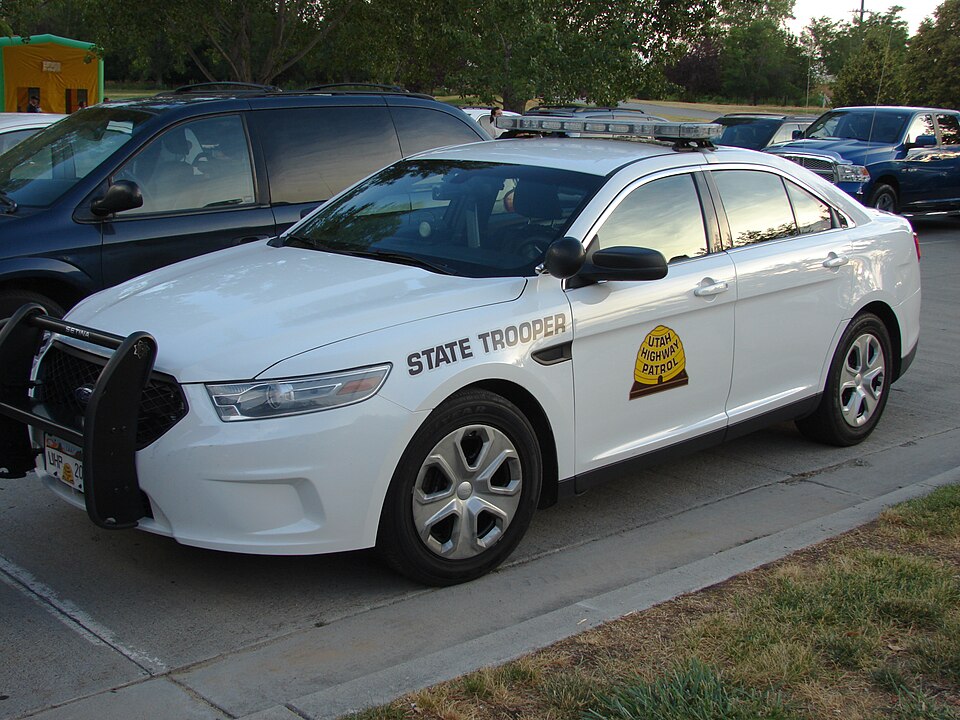
    Photo: Acroterion, CC BY-SA 4.0, via Wikimedia Commons

    A Utah driving privilege card (DPC) lets Utah residents who can’t prove lawful presence in the US drive a regular car legally. It is a driving credential only: it can’t be used as identification with any Utah government entity, and it must be renewed every year. This guide covers who it’s for, the documents and fingerprints the Driver License Division (DLD) asks for, the tests, the fees and the 2026 bill that tried to end the program but did not pass, as of November 2026.

    Key facts

    • What it allows: driving Class D vehicles (ordinary cars). It doesn’t cover commercial vehicles or motorcycles.
    • Not ID: DLD says a Utah government entity may not accept a DPC as proof of identification.
    • Short validity: a DPC expires on your birthday in the year after it is issued, so plan on renewing roughly every year.
    • Fingerprints: required with your first application, taken by the Bureau of Criminal Identification, a participating law enforcement agency or an approved vendor.
    • SSN or ITIN: you must show one. If you can’t get an SSN, DLD says to get an Individual Taxpayer Identification Number (ITIN) from the IRS.
    • Program status: a 2026 bill (H.B. 287) proposed ending new DPCs from May 6, 2026, but it did not pass. Check current DLD guidance before you apply (see below).

    Is the Utah driving privilege card still available in 2026?

    H.B. 287, “Immigrant Driving Amendments”, was introduced in the 2026 General Session. As introduced, it would have repealed the program and barred DLD from issuing a driving privilege card on or after May 6, 2026. H.B. 287 did not pass the 2026 General Session. The Utah Legislature’s record shows the enacting clause was struck and the bill was filed as not passed on 6 March 2026, so it did not end the program. DLD’s DPC pages still describe how to apply. Call DLD or check its driving privilege card page before you book.

    Documents for a Utah driving privilege card

    DLD’s original DPC checklist covers these groups. Bring originals.

    What you prove Examples DLD lists
    Identity One primary document, such as a foreign birth certificate or an unexpired foreign passport (with a certified English translation if it isn’t in English), plus one supporting document from DLD’s list, such as school records, an insurance card or an employee ID
    Social Security number or ITIN A document showing your full name and SSN, or your ITIN. An IRS letter verifying your ITIN is accepted
    Utah residence Two documents with your name and Utah address, dated within the last 90 days, such as a bank statement, lease, utility bill or vehicle title
    Fingerprints and photo Fingerprints taken by the Bureau of Criminal Identification (BCI), a participating law enforcement agency or an approved vendor, placed in a sealed envelope

    DLD’s exact accepted-document list is on its “DPC Original” page. Check the full list before your visit.

    Do I count as a Utah resident?

    Utah treats you as a resident if, for example, you set up your home in the state, stay more than six months in a calendar year, take a job in Utah, or register a vehicle here. DPC applicants must be Utah residents.

    Tests for a Utah DPC

    • Vision screening.
    • Knowledge test: if you have never held a license, it is the 50-question closed-book test from the Utah Driver Handbook, with 80% (40 correct) to pass. DLD says applicants who have been licensed before may take a 25-question open-book test. See the Utah knowledge test and learner permit guide.
    • Skills (road) test: required if you have never been licensed. A 2025 legislative briefing describes it as also applying when an out-of-state license has been expired more than five years. DLD may ask other applicants, including foreign license holders, to take one, so confirm when you book. See the Utah road test explained.

    Teens and the DPC

    A DPC is a Class D credential, so the normal Utah teen steps apply: learner permit, driver education, the 40-hour log and the provisional license limits. See Utah provisional license rules for teens. Ask DLD how the permit stage works for DPC applicants before your teen starts driver ed.

    Fees and timing

    • DPC fee: $32. The 2026 handbook lists the DPC renewal at $23.
    • Fingerprint processing fee: $25 on DLD’s current page and a 2025 Legislature briefing. An older DLD page says $30, so confirm the amount.
    • Delivery: DLD mails the card, which takes 4 to 6 weeks. Utah law does not allow a temporary paper license for a DPC, so you may not drive on it until the plastic card arrives.
    • Renewal: fingerprints and other documents are only needed at the first application, unless you have moved and need to show new proof of address.

    What the Utah DPC can’t be used for

    • Identification with any Utah government entity.
    • Federal purposes: it is not a REAL ID, so you can’t use it to board a domestic flight or enter secure federal buildings.
    • Commercial vehicles or motorcycles.
    • Some other states: Florida, for example, treats licenses issued without proof of lawful presence as invalid. Overview: driver’s licenses regardless of immigration status.

    Common questions

    How long is a Utah driving privilege card valid?

    Until your birthday in the year after it is issued. Depending on when your birthday falls, that can be a little more or less than a year.

    Do I need fingerprints every time I renew?

    No. DLD says fingerprints are only needed with the original application, unless you have moved and need to provide new proof of address.

    Can I get a DPC with an ITIN instead of an SSN?

    Yes. DLD accepts an ITIN, and an IRS letter verifying it.

    Did Utah end the driving privilege card?

    H.B. 287 (2026) proposed ending it from May 6, 2026, but the bill did not pass: the Utah Legislature filed it as not passed on 6 March 2026. Check DLD’s current guidance before you apply.

    Can I ride a motorcycle on a DPC?

    No. The DPC is a Class D credential for motor vehicles other than commercial vehicles and motorcycles.

    Moving to Utah with a license from another state?

    If you have lawful status, you transfer to a regular Utah license instead. See moving to Utah.

    Back to the full route: learning to drive in Utah.

    Sources

    • Utah Driver License Division, “What is a Driving Privilege Card”, “DPC Original” and “DPC Renewal” (dld.utah.gov)
    • Utah Driver License Division, “Utah Driver Handbook” (2026) (dld.utah.gov)
    • Utah Legislature, “Driving Privilege Cards (DPCs)” interim briefing (2025) (le.utah.gov)
    • Utah Legislature, “H.B. 287 Immigrant Driving Amendments (2026 General Session)”, bill status: filed as not passed, 6 March 2026 (le.utah.gov)
    • Florida Legislature, “Florida Statutes s. 322.033, Invalid out-of-state driver licenses” (leg.state.fl.us)
  • Moving to Utah: Transferring an Out-of-State License

    Moving to Utah: Transferring an Out-of-State License

    Photo: Airam Dato-on, Pexels

    Moving to Utah with a license from another state? Unlike most states, Utah doesn’t simply swap your card: the Driver License Division (DLD) says out-of-state license holders take a 25-question open-book knowledge test, and may be asked to take a driving skills test. Your car is a separate job with the Utah DMV, which allows new residents 60 days to transfer titles and registrations. This guide covers when you count as a resident, what to bring, the fees and the teen rules.

    Key facts (Utah, as of November 2026)

    • Knowledge test: a 25-question open-book written test for applicants with an out-of-state license (DLD).
    • Skills test: may be required.
    • You must surrender your US state license when you apply.
    • Fee: $52 for adults, $39 for minors (non-refundable, DLD).
    • Vehicle: new residents have 60 days to transfer title and registration (Utah DMV).
    • Two agencies: licenses go through the DLD, vehicles through the Division of Motor Vehicles (DMV).

    When do you become a Utah resident?

    The Utah Driver Handbook says you become a resident if you do any of the following:

    • enter the state to make Utah your home
    • stay in Utah for six months or more in a calendar year
    • get a Utah driver license or register a vehicle in Utah

    DLD guidance also counts being gainfully employed in Utah, except on a temporary assignment. Visitors with a valid out-of-state or foreign license can drive in Utah for up to six months.

    Ask the DLD about any deadline to switch your license once you are a resident, and don’t wait: book an appointment soon after you move and confirm any deadline with the DLD.

    The 25-question open-book test

    This is the main difference from neighboring states. If you present an out-of-state license, the DLD says you take a 25-question open-book written knowledge test. First-time drivers take a longer closed-book test, so the open-book version is the lighter route for licensed movers.

    • Open book means you can refer to the Utah Driver Handbook during the test. Skim it beforehand anyway so you know where to find things.
    • Focus on Utah-specific rules, such as the 0.05 blood alcohol limit for adults and the Not a Drop rule for under-21 drivers. See Utah’s 0.05 BAC law.
    • Skills test: the DLD may require one. If it does, see the Utah road test explained.

    The pass mark is 80%, the same as for first-time applicants. The Utah knowledge test guide covers the test in more detail.

    How to apply

    1. Schedule an appointment at a Driver License office.
    2. Bring your current out-of-state license. The DLD accepts a valid license from another state or country as proof of driving privilege, and a US state license must be surrendered when you apply.
    3. Bring identity, Social Security and Utah residence documents. Check the DLD’s current document list, and bring extra proof for a REAL ID (see REAL ID and your first US license).
    4. Pay the fee: $52 for adults or $39 for minors, as of November 2026.
    5. Take the open-book test, and the skills test if required.

    Under 18? A parent or legal guardian must sign for financial responsibility.

    Without lawful presence documents, Utah has a separate card: see the Utah driving privilege card.

    Moving to Utah as a teen

    The 2026 Utah Driver Handbook says a driver under 18 cannot get a Utah license without having held a learner permit for six months and completed driver education. A learner permit from another state does not let you drive in Utah, so get a Utah permit first. Out-of-state driver ed counts only if it meets Utah’s required hours and you complete the DLD200 form; out-of-state online or home study certificates are not accepted, and missing hours can be made up at a Utah driving school. Bring your permit or license, driver ed certificate and driving log.

    Once licensed, Utah’s provisional rules apply to young drivers: for the first six months only immediate family as passengers (with exceptions), no driving from midnight to 5 a.m. until 17 (with exceptions), and a ban on phone use while driving for under-18s apart from emergencies and calls with a parent or guardian. See Utah provisional license rules for teens and Utah’s 40-hour driving log and driver education.

    Bringing your car to Utah

    • Deadline: the Utah DMV says new residents are allowed 60 days to transfer titles and registrations.
    • Where: a Utah DMV office, not a Driver License office.
    • What to check: the DMV’s “Moved From Out-of-State” and “What Documents Do I Bring?” pages list the documents and steps for an out-of-state vehicle. Check them for any inspection or emissions requirement where you live.
    • Insurance: get Utah cover first. See minimum car insurance by state and title, registration and inspection in the US.

    Common questions

    Do I have to take a test to transfer my license to Utah?

    Yes. The DLD says out-of-state license holders take a 25-question open-book knowledge test, and a skills test may be required.

    How long do I have to get a Utah license after moving?

    Ask the DLD about any deadline. You become a resident as soon as you move in to make Utah home, take a job or register a car, so apply promptly.

    How much does it cost to transfer a license to Utah?

    $52 for adults and $39 for minors, non-refundable, as of November 2026.

    How long do I have to register my car?

    60 days, according to the Utah DMV.

    Can I drive in Utah on my old license while I wait?

    Visitors can drive for up to six months on a valid license. Once you are a resident, get your Utah license without delay.

    Is the open-book test hard?

    It is designed for experienced drivers, but Utah rules differ from other states. A quick read of the handbook sections on alcohol, right of way and school zones helps.

    Moving between other states? See moving to a new state: transferring your license, or the full Utah license guide.

    Sources

    • Utah Driver License Division, “Original, Out-of-State/Country” (dld.utah.gov)
    • Utah Driver License Division, “Utah Driver Handbook 2025 to 2026” (dld.utah.gov)
    • Utah Driver License Division, “Fees” (dld.utah.gov)
    • Utah Division of Motor Vehicles, “Moved From Out-of-State” (dmv.utah.gov)
    • Utah Division of Motor Vehicles, “What Documents Do I Bring?” (dmv.utah.gov)
  • Utah 0.05 BAC Law and Not a Drop for New Drivers

    Utah 0.05 BAC Law and Not a Drop for New Drivers

    Photo: An Errant Knight, CC BY-SA 4.0, via Wikimedia Commons

    This explainer is for new and learner drivers in Utah. Utah’s legal limit for drivers 21 and over is a blood alcohol concentration (BAC) of 0.05, the lowest in the US. Under 21, the rule is Not a Drop: driving with any measurable alcohol in your body is illegal and can cost you your license. Here is what that means in practice.

    Key facts: Utah DUI limits

    Driver Limit
    21 and over 0.05 BAC or higher is DUI per se
    Under 21 Any measurable alcohol (Not a Drop, a license sanction)
    Commercial vehicle drivers 0.04 BAC or higher
    Any driver, any BAC DUI if alcohol or drugs make you incapable of driving safely

    Utah was the first state to lower its limit from 0.08 to 0.05. It is still the only state where 0.05 is the per se limit for drivers 21 and over.

    What “per se” means under Utah’s 0.05 law

    At 0.05 or above, the BAC result alone is enough for a DUI charge. It doesn’t matter whether your driving looked normal. Below 0.05, you can still be charged if alcohol, drugs or both make you unable to drive safely. That includes prescription and over-the-counter medication. For cannabis and other drugs, see drugged driving and cannabis.

    Not a Drop: Utah’s rule for drivers under 21

    • Drinking, possessing or trying to buy alcohol is illegal under 21.
    • Driving with any measurable alcohol in your body is banned under Utah Code 53-3-231. The Driver License Division can suspend your license, or deny or postpone it if you don’t have one yet. This is a license sanction, separate from DUI. A first offense means all driving privileges are denied for six months. A second within 10 years means two years or until 21, whichever is longer. To reinstate, you need a substance abuse assessment (a Prime For Life class is also accepted).
    • A court conviction for underage possession or drinking, or for being in a bar, means a one-year suspension for a first offense and two years for a repeat.
    • If you are impaired or at 0.05 or above, a DUI charge can follow as well, with its own penalties.
    • If alcohol is suspected, the steps can include chemical tests, sobriety tests, a license hearing and decision, suspension, fees, judicial review and a referral to a local substance abuse program.

    For a learner or new driver, a Not a Drop case can also break your driver ed program’s rules. Violating Utah alcohol or age laws is grounds for removal from a public driver education program. National context: zero tolerance laws for under-21 drivers.

    Implied consent: refusing a test in Utah

    By driving on Utah roads, you are treated as having agreed to a breath, blood or urine test if you are suspected of DUI. Refusing means revocation: 18 months for a first refusal and 36 months for a repeat. Under 21, a first refusal costs two years or until 21, whichever is longer, and a repeat 36 months or until 21. After a refusal you must also drive only with an ignition interlock for two years. More: implied consent and DUI in the US.

    What a first DUI can cost in Utah

    The Utah Highway Safety Office gives this general overview (actual penalties vary by case):

    • Class B misdemeanor
    • a minimum of 48 hours in jail, or community service or electronic home confinement
    • fines and fees that can reach $10,000
    • a license suspension, often 120 days
    • a required alcohol or drug assessment, and possibly education or treatment
    • an ignition interlock restriction: 18 months after a first DUI, or three years if you were under 21 when arrested
    • an alcohol-restricted status for years afterward, during which driving with any alcohol means a one-year revocation

    Penalties rise steeply for repeat offenses, a BAC of 0.16 or higher, a minor in the car, or a crash that injures or kills someone. A third offense within 10 years is a felony. The criminal case (courts) and the license action (DLD) run separately, so your license can be suspended before any conviction.

    You can be charged without driving

    Being in “actual physical control” of a vehicle while impaired can be enough. An example is sitting in the driver’s seat with the keys, even with the engine off. Sleeping it off behind the wheel is not a safe option.

    Common questions

    How many drinks is 0.05 in Utah?

    There is no safe count. BAC depends on body size, food, time and the drink. Under 21, the answer is none at all.

    Is Utah the only state with a 0.05 limit?

    Yes. It is the only state where 0.05 is the per se limit for drivers 21 and over.

    Can I get a DUI in Utah on prescription medicine?

    Yes, if it impairs you to the point that you can’t drive safely.

    What happens to a Utah learner caught with alcohol?

    Under Not a Drop, any measurable alcohol can bring a license suspension or denial and fees, and a DUI charge too if the DUI tests are met. It can also get you removed from a public driver ed course.

    Is the 0.05 limit on the Utah permit test?

    Expect it. Alcohol and drugs are a handbook topic, and impaired driving is one of the Highway Safety Office’s main focus areas.

    Is refusing a breath test better than failing it?

    No. Refusal brings its own suspension and penalties, often more severe than the DUI itself.

    Back to the Utah learning-to-drive guide. Related: Utah teen driver restrictions.

    Sources

    • Utah Highway Safety Office, “Summary of Utah’s DUI Laws” (highwaysafety.utah.gov)
    • Utah Highway Safety Office, “Impaired Driving” (highwaysafety.utah.gov)
    • Utah Violence and Injury Prevention Program, “Be Smart. Be Safe. A Parent’s Guide to Smart Teen Driving” (vipp.utah.gov)
    • Utah State Board of Education, “Driver Education Law & Policy” (2024 edition) (schools.utah.gov)
  • Utah 40-Hour Driving Log and Driver Education Checklist

    Utah 40-Hour Driving Log and Driver Education Checklist

    Photo: Dougtone, CC BY-SA 2.0, via Wikimedia Commons

    This checklist is for Utah learner drivers and the parents who sign their driving log. Every first-time Utah applicant needs 40 hours of supervised driving, 10 of them after sunset. Under 19, you also need an approved driver education course: 27 classroom hours at high school, 18 at a commercial school or 30 online or by home study, plus 6 hours behind the wheel and 6 hours of observation. Adults 19 and over can skip driver ed by holding a permit for 90 days instead.

    Utah driving hours and driver ed: the numbers

    Requirement Minimum
    Supervised practice (parent or guardian log) 40 hours, including 10 after sunset
    Driver ed classroom, high school 27 hours
    Driver ed classroom, commercial or private driving school 18 hours
    Driver ed classroom, Utah-approved online or home study 30 hours
    Behind the wheel with a certified instructor 6 hours of driving
    Observation (in the car, not at the controls) 6 hours
    Course pass standard 80% competency

    Utah 40-hour driving log checklist

    • Every drive is with a licensed adult who is allowed to supervise you. That means a parent or guardian, an approved instructor, or the adult who signed for your financial responsibility. A 2025 law adds some other adults over 21 in certain cases.
    • At least 10 of the 40 hours are after sunset.
    • For each drive, log the date, the start and end time, and the conditions, such as night, rain, snow or freeway.
    • Over the 40 hours, cover residential streets, busy intersections, freeways, parking, and snow or rain if you can.
    • Your permit is in the car on every drive.
    • Under 18: the parent or guardian who signs your license application certifies the 40 hours, so the total must be real.

    Keep a written log as you go, and check with the DLD whether it wants a particular form. National comparison: supervised driving hours by state.

    What Utah driver education includes

    Classroom

    Classroom instruction covers the rules of the road, risk management, maneuvers, Utah’s GDL laws and the driving environment. You can take it at a public, private or parochial school, through an online high school, or through home study if you are homebound. Summer and online classroom courses can’t be finished in less than three weeks.

    Behind the wheel

    • You need your learner permit before the first lesson, and you must have it with you every time.
    • Lessons are in a dual-control car with at least two students. A parent can sometimes ride along as the second student.
    • Up to 3 of the 6 driving hours can be replaced by range or simulator time. Two range hours or two full simulator hours count as one hour on the road.
    • You can drive no more than one hour per day, or 90 minutes split into two 45-minute drives. You can get no more than 3 hours of in-car instruction in any seven days.
    • You must finish behind-the-wheel within one year of finishing the classroom part, or you repeat the classroom.

    Public school or private driving school?

    Public school programs are for high school students. Once you graduate, you are no longer eligible for public school driver ed. Seniors exit on October 1 of their graduation year. After that, you use a private driving school. Work from a private school won’t transfer to a public program, and part-finished courses don’t transfer either.

    The adult route: Utah drivers 19 and over

    1. Get a learner permit.
    2. Either hold it for 90 days and log 40 hours (10 at night), or take an approved driver ed course and skip the waiting period.
    3. Pass the Traffic Safety and Trends Exam and the road test.

    The 2026 Utah Driver Handbook sets the adult waiting period at 90 days. Out-of-state online or home study certificates are not accepted. Drivers aged 18 still need driver ed but have no minimum permit holding period.

    Moved to Utah partway through driver ed?

    Out-of-state driver ed counts only if you fully completed at least 27 classroom hours, 6 behind-the-wheel hours and 6 observation hours, documented on official letterhead or an official school form. If you finished the classroom part elsewhere but not the in-car part, you can do the in-car instruction and observation in Utah.

    Common questions

    How many hours do you need to drive in Utah before getting a license?

    40 supervised hours, including 10 after sunset, plus 6 hours with a driver ed instructor if you are under 19.

    Can I start driver ed before I get my permit?

    Your school may let you start the classroom part first, though getting the permit first is recommended. You must have it before any behind-the-wheel lesson.

    Can I do Utah driver ed online?

    The classroom part, yes, with at least 30 hours and contact with a qualified instructor. The 6 behind-the-wheel hours are always in a car.

    Do instructor hours count toward the 40?

    The 40 hours are logged with your parent or guardian and are listed separately from the driver ed hours. Ask the DLD if you want to count instructor time.

    Can my older sibling supervise?

    Only if they are an allowed supervisor. That means a parent or guardian, an approved instructor or the adult who signed for you, or an adult over 21 under the 2025 rule’s conditions.

    Can a 19-year-old skip driver’s ed in Utah?

    Yes, by holding a permit for 90 days and logging 40 hours.

    Back to the Utah learning-to-drive guide. Related: Utah learner permit.

    Sources

    • Utah State Board of Education, “Driver Education Law & Policy” (2024 edition) (schools.utah.gov)
    • Utah Violence and Injury Prevention Program, “Be Smart. Be Safe. A Parent’s Guide to Smart Teen Driving” (vipp.utah.gov)
    • Utah Highway Safety Office, “2025 Legislative Update” (highwaysafety.utah.gov)
  • Utah Traffic Safety and Trends Exam Explained

    Utah Traffic Safety and Trends Exam Explained

    Photo: Anirban Das, Pexels

    The Utah Traffic Safety and Trends Exam is an extra online knowledge test for first-time drivers in Utah. You must pass it, scoring 100% on every section, before the Driver License Division (DLD) issues your permanent license. This guide covers who has to take it, how it works and how to get through it quickly.

    Key facts: Utah Traffic Safety and Trends Exam

    • Who: applicants for an original or provisional Class D license who have never been licensed in any US state or country.
    • When: after you apply for your learner permit and before your permanent license is issued.
    • Where: online, through the state’s Driver License Exam Center.
    • Format: four sections of 10 questions (40 in total), each with a short training video first.
    • Pass mark: 100% on every section. You can retake each section as many times as you need.
    • Content: driving safety and the top five causes of traffic deaths, as identified by the Utah Highway Safety Office.

    How the Trends Exam is different from the permit test

    Permit knowledge test Traffic Safety and Trends Exam
    Where DLD office or school Online
    Questions 50 (never licensed) 40, in four sections of 10
    Pass mark 80% 100% per section
    Retakes Up to two a day at the DLD; three attempts per fee Retake a section as many times as needed
    Needed for Learner permit Permanent license

    Permit test details: Utah knowledge test and learner permit.

    How to take the Utah Trends Exam, step by step

    1. Apply for your learner permit first. The exam won’t open until the DLD has your permit record.
    2. Open the Driver License Exam Center on the official utah.gov site. Sign in with your name, permit number and date of birth. These must match your DLD record exactly.
    3. Watch the training video for section one, then answer its 10 questions.
    4. Retake the section if you miss any question. Rewatch the video first.
    5. Repeat for all four sections. Once every section shows 100%, your result is sent to the DLD automatically.

    No internet at home? A public library computer works.

    What the Trends Exam covers

    The questions focus on the behaviors behind Utah’s deadliest crashes, based on Utah Highway Safety Office data, plus general safe-driving topics. The Exam Center page doesn’t list the five causes, but the Highway Safety Office runs major programs on these two areas, so know them well:

    Tips to finish in one sitting

    • Watch each video fully. The questions follow it closely.
    • Take notes on any number mentioned in a video, such as a limit or a distance.
    • If you fail a section, go back over the video before you retry, rather than guessing.
    • Finish well before your road test, so the exam doesn’t hold up your license.

    Common questions

    Do I have to take the Traffic Safety and Trends Exam if I’m moving to Utah with a license?

    No. It is for people who have never been licensed in any US state or country.

    How many questions are on the Utah Trends Exam?

    40, split into four sections of 10.

    What score do you need on the Utah Trends Exam?

    100% on every section. You can retake sections until you get there.

    Is the Trends Exam the same as the permit test?

    No. The permit test is the 50-question knowledge test at the DLD or school. The Trends Exam is a separate online test needed before your permanent license.

    Do adults have to take it?

    Yes, if they have never been licensed anywhere. It applies to every first-time original Class D applicant, whatever their age.

    Who do I contact if the exam won’t accept my details?

    The DLD, through the contact details on the Exam Center page. Check that your name and permit number match your permit exactly.

    Back to the Utah learning-to-drive guide. Next step: Utah road test explained.

    Sources

    • State of Utah, “Welcome to the Driver License Exam Center” (secure.utah.gov)
    • Utah Highway Safety Office, “Impaired Driving” (highwaysafety.utah.gov)
    • Utah Highway Safety Office, “Distracted Driving” (highwaysafety.utah.gov)
  • Utah Provisional License Restrictions for Teen Drivers

    Utah Provisional License Restrictions for Teen Drivers

    Photo: Josh Sorenson, Pexels

    This page is for Utah drivers aged 16 and 17 with a new license, and for their parents. Under Utah’s graduated licensing rules, a new teen driver has three main limits: no passengers outside immediate family for the first 6 months, no driving from midnight to 5 a.m. until age 17, and no cell phone use while driving except in a few narrow cases. The tables below cover each rule and its exceptions.

    Utah teen driver restrictions at a glance

    Rule Who it applies to How long
    Immediate family passengers only Newly licensed drivers aged 16 and 17 First 6 months of licensure, or until age 18 if sooner
    No driving midnight to 5 a.m. Licensed drivers under 17 Until age 17
    No cell phone use while driving, including hands-free (narrow exceptions) All drivers under 18 Until age 18
    No handheld phone use All drivers, any age Always
    Parent or guardian signs for financial responsibility Under 18 Until age 18

    Utah teen passenger rule

    For the first 6 months after you get your license, you may only carry immediate family members as passengers. Exceptions:

    • a licensed driver aged 21 or older is in the front passenger seat
    • you are on an agricultural assignment
    • it is an emergency

    The rule also ends when you turn 18. So if you get licensed at 17 and a half, it lasts about 6 months at most and ends on your 18th birthday.

    Scenario

    Jordan, 16, got a license 2 months ago and wants to drive two friends to practice. That isn’t allowed, unless a licensed adult 21 or older rides in the front passenger seat. Jordan can drive a younger brother to school.

    Utah midnight to 5 a.m. rule

    Licensed drivers under 17 may not drive between midnight and 5 a.m. unless one of these applies. The rule ends on your 17th birthday (Utah Code 41-8-2), though the passenger and phone rules continue.

    • a licensed driver aged 21 or older is in the front passenger seat
    • driving to or from work
    • driving to or from a school-sponsored activity
    • agricultural operations
    • an emergency

    If you rely on the work or school exception, keep proof such as a schedule in the car in case you are stopped.

    Phone rules for Utah drivers under 18

    • Under 18, using a cell phone while driving is illegal, hands-free included. The only exceptions are a medical emergency, reporting a safety hazard or criminal activity, and communicating with a parent or legal guardian.
    • From 18, you may talk on a phone if you connect the call by voice command, and hands-free GPS is allowed.
    • For every driver, manually using a handheld phone is illegal. That covers texting, email, changing music and browsing. A first offense can bring a fine of up to $100, and penalties rise for repeat offenses or when someone is seriously injured.
    • The law has only a few narrow exceptions. If you need to use your phone, pull over and stop first.

    National picture: hands-free and texting laws.

    Parents can cancel a Utah teen license

    Until you are 18, a parent or guardian signs for financial responsibility. They can withdraw that signature at any time and for any reason, and that cancels the license. Many families use a written parent and teen driving agreement that sets out house rules on top of the law.

    Other rules that hit new Utah drivers hardest

    • Alcohol: under 21, any measurable alcohol can mean license suspension or denial under Not a Drop; DUI is a separate charge. See Utah 0.05 and Not a Drop.
    • Points: drivers under 21 face a license hearing at a far lower point total than adults. Check the current figures in the Utah Driver Handbook.
    • Seat belts: everyone in the car must be properly restrained.

    Common questions

    Can a 16-year-old drive friends in Utah?

    Not in the first 6 months of licensure, unless a licensed driver 21 or older is in the front passenger seat, or it is an agricultural assignment or an emergency.

    What time can 16-year-olds drive in Utah?

    Any time except midnight to 5 a.m., unless an exception applies, such as work, a school activity or a 21+ licensed adult in the front. This night rule ends at 17.

    Do the rules apply to 18-year-olds?

    No. The night rule ends at 17, and the passenger and under-18 phone rules end at 18. The handheld phone ban and Not a Drop (under 21) still apply.

    Can I use GPS on my phone at 17?

    Under 18, phone use while driving is banned apart from emergencies, reporting hazards or crimes, and contacting a parent or guardian, so set the route before you drive and don’t touch the phone. Ask a passenger to handle directions, or check with the DLD whether a built-in car system is allowed.

    Do passenger limits count siblings?

    No. Immediate family members are allowed.

    Does a learner permit have the same passenger limit?

    No. On a permit, the rule is about who sits beside you: a licensed parent or guardian, an approved instructor, or the adult who signed for you. See Utah learner permit rules.

    Compare states: US graduated licensing compared. Back to the Utah learning-to-drive guide.

    Sources

    • Utah Violence and Injury Prevention Program, “Be Smart. Be Safe. A Parent’s Guide to Smart Teen Driving” (vipp.utah.gov)
    • Utah State Board of Education, “Driver Education Law & Policy” (2024 edition) (schools.utah.gov)
    • Utah Highway Safety Office, “Distracted Driving” (highwaysafety.utah.gov)
  • Utah Road Test Explained: DLD, Third-Party and School Testing

    Utah Road Test Explained: DLD, Third-Party and School Testing

    Photo: An Errant Knight, CC BY-SA 4.0, via Wikimedia Commons

    This guide explains the Utah driving skills test (road test) for Class D applicants: who can give it, how it is scored and what to have ready. In Utah you can take the road test at a Driver License Division (DLD) office, with a third-party tester, or with a certified examiner through your driver education program. The test is the same and is scored on the same DLD sheet whichever you choose.

    Key facts: the Utah road test

    • It measures three things: how you handle the vehicle, your safety practices and your perceptual skills.
    • It is driven on the open road, never on a practice range, and finished in one session.
    • Scoring uses points on a DLD-approved score sheet, not a percentage.
    • A passing result is valid for 12 months. All your tests must be finished within six months of paying the fee.
    • Minimum age: 16 at a DLD office, 15 with a third-party tester or high school.
    • One road test a day. Three fails mean paying the fee again.
    • You must take the test before you can apply for your first Class D license at a DLD office.

    DLD office, third-party tester or school: which should you pick?

    DLD office Driver ed school examiner
    Who tests DLD examiner A certified examiner registered with the DLD system. It can’t be the instructor who taught you behind the wheel.
    Attempts Retest at the DLD Up to two road tests. After that, you go to the DLD.
    Retest gap One test within 24 hours. Feedback and more practice are required before a school retest.
    Accommodations or adaptive equipment Test at the DLD Not allowed. You must test at the DLD.
    Test route Set by the DLD The school must have at least two set test routes.

    Third-party testers give the same formal test as the DLD. School examiners are trained by the DLD and retrained every year, so scoring should match a DLD test. Ask a school or third-party tester about its fee before you book.

    What does the Utah road test check?

    The examiner follows the DLD score sheet and can’t add or drop maneuvers. The 2026 handbook lists what you are scored on: general behavior and attitude, driving technique, posture and lane use, left, right and three-point turns, starting and stopping, parking on hills, between cars and parallel, signs and signals, backing, U-turns, steering and attention at intersections. Expect several lane changes too. In practice, examiners watch for:

    • Control: smooth starts, stops, steering and speed.
    • Observation: mirror and blind-spot checks, scanning at intersections and looking behind before you back up.
    • Rules: full stops, right of way, signaling, lane position and speed limits.
    • Judgment: safe gaps, following distance and reacting to pedestrians and cyclists.

    Automatic fails on the Utah road test

    • A moving violation: speeding, rolling a stop, ignoring a sign or signal
    • Not yielding to pedestrians or other road users
    • An avoidable crash or touching a vehicle, object or person
    • Any unsafe act, or forcing another driver to take evasive action
    • Driving over a sidewalk or curb without need
    • The examiner having to take control
    • Driving too fast or too slow

    Common reasons people fail in any state: why people fail the US driving test.

    What to bring and what car to use

    1. Your valid learner permit. Expired permits stop all driving until renewed.
    2. A registered, insured, clean and safe vehicle. The handbook lists: current rear plate, front and rear turn signals and brake lights, a working horn, no bald tires, firm brakes, a driver window that rolls down, a clear windshield, two mirrors (one outside on the driver’s left), front doors that open inside and out, a fixed passenger seat, working seat belts and a working parking brake.
    3. The valid license of the adult who comes with you to the office: someone 21 or older, or a parent, guardian or spouse 18 or older.
    4. If you are under 18, the parent or guardian who signs your license application certifies your 40 supervised hours, so keep the log complete and handy.

    Don’t forget the Traffic Safety and Trends Exam. You must pass it before your permanent license is issued. See the Trends Exam guide.

    Your last week before a Utah road test

    • Drive the kinds of roads near your test site, including busy intersections and a school zone if there is one.
    • Practice parallel parking, backing in a straight line and turning around in a narrow street. You may be asked to do any of these.
    • Do a mirror and blind-spot check on every lane change, and make it obvious.
    • Come to a complete stop behind the line at every stop sign.

    Common questions

    Can I take the Utah road test at my driving school?

    Yes, if the school has a DLD-certified examiner who did not teach you behind the wheel. You get up to two tries there.

    How long is a Utah road test pass valid?

    12 months. If you don’t get your license in that time, you retest.

    Is the road test the same at the DLD and at school?

    It should be. Everyone uses the same DLD score sheet and the same maneuvers, without additions or removals.

    Can a parent ride along during the test?

    Plan on no. Expect only you and the examiner in the car.

    How soon can I retake the Utah road test?

    Not within 24 hours, and at school only after more feedback and practice.

    Do adults have to take the road test?

    Yes. Every first-time Class D applicant passes a driving skills test.

    Other states’ road tests: US road test by state. Next: Utah new-driver restrictions. Back to the Utah learning-to-drive guide.

    Sources

    • Utah State Board of Education, “Driver Education Law & Policy” (2024 edition) (schools.utah.gov)
    • State of Utah, “Welcome to the Driver License Exam Center” (secure.utah.gov)
  • Utah Permit Test: DLD Knowledge Test and Learner Permit Rules

    Utah Permit Test: DLD Knowledge Test and Learner Permit Rules

    Photo: Airam Dato-on, Pexels

    This guide is for anyone 15 or older taking the Utah learner permit test. If you have never held a license, you take a 50-question closed-book test from the Utah Driver Handbook and need 80% (40 correct) to pass. Below is what to bring, what happens on the day, and the rules for driving on a Utah learner permit.

    Utah permit test at a glance

    Item Never licensed Licensed in another state or country
    Questions 50 25
    Format Closed book Open book
    Pass mark 80% (40 of 50) 80%
    Time limit None (usually 30 to 45 minutes) None
    Retakes Up to two attempts a day at the DLD if it can fit you in; the fee covers three attempts in 12 months Same

    Who can get a Utah learner permit?

    Under Utah law, the DLD can issue a learner permit, valid for 18 months, to anyone at least 15 who:

    • passes the written knowledge test
    • passes the physical and mental fitness checks, including a vision screening (at least 20/40 in one eye and a 90-degree field of vision; if you fail, you take a vision form to an eye doctor)
    • pays the nonrefundable permit fee

    Under 18, a parent or guardian, or another responsible adult, must sign your application and accept financial responsibility.

    How much is a Utah learner permit?

    The DLD lists the learner permit fee as $19, nonrefundable (as of November 2026). Fees change, so check the current amount on the DLD website before your appointment.

    Where can I take the Utah knowledge test?

    • At a DLD office. Book an appointment on the DLD website. If you pass, your permit can be issued the same day.
    • At school. Utah schools that offer driver education must give students the chance to take the written test, starting from age 15 years and 9 months. A certified instructor supervises and enters your passing score. You still go to the DLD for the vision and fitness checks and to pay the fee.

    Need a reader, an interpreter or another accommodation? You must test at the DLD. Schools are not allowed to provide accommodations on the permit test. At school you get at most two retakes. After that, you test at the DLD.

    What is on the Utah permit test?

    Questions come from the Utah Driver Handbook:

    • traffic signs, signals and pavement markings
    • right of way, turns, passing, speed and parking
    • freeway driving and sharing the road
    • winter and emergency situations
    • Utah’s GDL rules
    • alcohol, drugs and penalties, including the 0.05 BAC limit

    Expect questions on Utah-specific rules, such as the teen passenger limit and Not a Drop, as well as general road rules.

    How to study

    1. Read the current Utah Driver Handbook from the DLD website. Avoid lookalike sites that do not end in .gov.
    2. Learn sign shapes and colors first. See US road signs by shape and color.
    3. Take the free DLD online practice test.
    4. Reread the GDL and alcohol sections. Learners often lose marks on these.

    How long is the Utah test score and permit valid?

    The first (entry-level) permit is issued for 18 months, and its knowledge test score is valid for 18 months. If you renew the permit or let it expire, you must retake the knowledge test. A 6-month renewal permit, for drivers 16 or older, carries a test score valid for 12 months.

    Utah learner permit rules

    With a learner permit you may drive only when:

    • your permit is with you, and
    • one of these is sitting beside you: a licensed parent, stepparent, foster parent or guardian, an approved driving instructor, or the licensed adult who signed for your financial responsibility.
    • Other passengers may ride along, as long as the right supervisor is in the front seat.

    A licensed adult 21 or older who is not your parent can also supervise a permit holder under 18, but only if your parent or guardian is not a licensed driver and has given that adult a note or proof allowing it. A 2026 law (SB 22) confirms that stepparents and foster parents count as parents. A learner permit from another state does not let you drive in Utah.

    You need your permit before any behind-the-wheel driver ed lesson. Under 18, you must hold it for at least 6 months before you can get a license. Next steps: 40-hour log and driver ed and the Traffic Safety and Trends Exam.

    Common questions

    How many questions are on the Utah permit test?

    50 if you have never been licensed. 25, open book, if you hold a license from another state or country.

    How many can I miss on the Utah permit test?

    You need 80%, so up to 10 wrong on the 50-question test.

    Can I take the Utah permit test online?

    No. The permit test is taken at a DLD office or through your school’s driver ed program. The separate Traffic Safety and Trends Exam is the one taken online.

    What if I fail?

    At a DLD office you can take up to two attempts in a day if the office can fit you in. Otherwise book a written retest appointment. The fee covers three attempts within 12 months, then you pay again. If you tested at school and have used your two retakes, go to the DLD.

    Can I take the test at 15 and a half?

    Yes. The minimum age is 15.

    Is there a time limit?

    No. Most people finish in 30 to 45 minutes.

    How other states compare: US permit test by state. Back to the Utah learning-to-drive guide.

    Sources

    • Utah State Board of Education, “Driver Education Law & Policy” (2024 edition) (schools.utah.gov)
    • Utah Violence and Injury Prevention Program, “Be Smart. Be Safe. A Parent’s Guide to Smart Teen Driving” (vipp.utah.gov)
    • Utah Highway Safety Office, “2025 Legislative Update” (highwaysafety.utah.gov)
  • How to Get a Driver License in Utah: Learner’s Complete Guide

    How to Get a Driver License in Utah: Learner’s Complete Guide

    Photo: GyozaDumpling, CC BY-SA 4.0, via Wikimedia Commons

    This guide is for Utah teens, their parents and adult first-time drivers who want the whole path to a Utah driver license in one place. In Utah you can get a learner permit at 15, must hold it for at least 6 months, and can apply for a license at 16 once you have finished driver education, 40 hours of supervised practice and the required tests. Each step below links to a detailed guide.

    Key facts: getting a Utah driver license

    • Agency: the Utah Driver License Division (DLD), part of the Department of Public Safety. Vehicle titles and plates are a separate agency.
    • Learner permit: minimum age 15, after a written knowledge test and vision screening.
    • Holding period: at least 6 months for drivers under 18.
    • Practice: 40 hours of supervised driving, 10 of them after dark.
    • Driver education: required for teens; adults 19 and over have an alternative route.
    • License: minimum age 16, with passenger and night limits for new teen drivers.
    • Extra test: first-time drivers also pass the online Traffic Safety and Trends Exam.
    • Alcohol: Utah’s per se limit is 0.05 BAC, the lowest in the US. Under 21, the rule is Not a Drop.

    How to get a driver license in Utah, step by step

    1. Study the Utah Driver Handbook. Pick it up free at any DLD office or download it from the DLD website. Only use copies from a .gov address.
    2. Get your learner permit (age 15 or older). Pass the 50-question knowledge test, the vision screening and pay the permit fee. Under 18, a parent or guardian signs your application. Details: Utah knowledge test and learner permit.
    3. Take driver education. An approved course includes classroom (or online) instruction, 6 hours behind the wheel and 6 hours of observation with a certified instructor. You must have your permit before any behind-the-wheel lesson.
    4. Log 40 supervised hours, including 10 after sunset, with a parent, guardian or other permitted adult. See the Utah 40-hour driving log and driver ed guide.
    5. Pass the Traffic Safety and Trends Exam online. Every section needs 100%. See the Traffic Safety and Trends Exam guide.
    6. Pass the driving skills test at the DLD, with a third-party tester, or with a certified examiner through your driver ed program. See Utah road test explained.
    7. Apply for your license at a DLD office once you are at least 16 and have held your permit for 6 months.
    8. Follow the new-driver restrictions on passengers, late-night driving and phones. See Utah provisional license rules for teens.

    Utah licensing rules by age

    Age when you apply Parent or guardian signs Driver ed Supervised hours Permit holding period
    15 Yes Required 40 (10 after dark) 6 months and until age 16
    16 to 17 Yes Required 40 (10 after dark) 6 months (or until you turn 18, if sooner)
    18 No Required 40 (10 after dark) None
    19 or older No Optional if you hold a permit for 90 days 40 (10 after dark) None if you take driver ed

    Source: the state’s parent guide to the GDL laws and the Utah Driver Handbook (2026), which sets the adult holding period at 90 days.

    What the Utah Driver Handbook covers

    The knowledge test is drawn from the handbook, so study all of it. It covers these areas:

    • Licensing: permits, documents, testing and the GDL rules.
    • Signs, signals and pavement markings: Utah follows the national sign system. See US road signs by shape and color, traffic signals and pavement markings.
    • Rules of the road: right of way, turns, passing, speed, parking and roundabouts. See four-way stops and roundabouts.
    • Safe driving: freeways, night, winter weather and mountain roads.
    • Sharing the road: pedestrians, cyclists, motorcycles and trucks. See sharing the road.
    • Alcohol and drugs: the 0.05 limit and Not a Drop.
    • Sanctions, points and insurance.

    Utah numbers and rules to know for the test

    These come from the 2026 Utah Driver Handbook:

    • Default speed limits where no sign is posted: 20 mph passing a school during recess, 25 mph in business and residential areas, 55 mph on major highways as posted, and 65 to 80 mph on rural interstates as posted.
    • Parking: not within 15 feet of a hydrant, within 20 feet of a crosswalk, within 30 feet of a stop sign, yield sign, flashing beacon or signal, or within 50 feet of a railroad crossing. When parked at a curb, your wheels must be no more than 12 inches from it.
    • School buses: on a four-lane road with no median, traffic in both directions stops. On a road of five or more lanes with a center turn lane, only traffic behind the bus must stop. Illegally passing a school bus can bring fines of up to $3,000.
    • Signals: signal for at least two seconds before turning or changing lanes. Since May 6, 2026 you are not required to signal while navigating a roundabout.
    • Railroad crossings: stop between 15 and 50 feet from the nearest rail, and never go around a lowered gate.
    • Headlights: on from sunset to sunrise and whenever you cannot see 1,000 feet ahead. Dim high beams within 500 feet of an oncoming car and within 300 feet of a car you are following.
    • Cyclists and other vulnerable users: leave at least 3 feet when passing.
    • Move over: slow down and move over for stopped emergency vehicles. A conviction means a four-hour live defensive driving class within 90 days, or a 90-day suspension.
    • Snowplows: do not pass on the side where a blade is deployed, and do not pass three or more plows working in a line on either side.
    • Freeways: never cross the gore area between an exit or entrance lane and the main lanes, never cross a double white line into an express lane, and never use an entrance ramp to exit.
    • Center turn lanes: do not enter more than 500 feet before your turn.
    • Fire vehicles: do not follow within 500 feet of one answering an alarm.
    • Children: children eight and under ride in an approved child seat unless they are 57 inches tall. It is an infraction to smoke in a car carrying children 15 or younger. Everyone must be belted, and you can be stopped if anyone under 16 is unrestrained.
    • Road rage: a road rage conviction can bring a one-year license suspension.
    • Horses: do not use your horn or rev your engine near a horse or horse-drawn vehicle.

    Winter and canyon driving in Utah

    Utah’s canyon roads and winter storms are a big part of learning to drive here. Behind-the-wheel courses are expected to cover hazardous conditions such as snow and ice, so ask your instructor for at least one lesson in poor conditions. For practice with your parent:

    • Do your first snow drives in an empty parking lot. Practice gentle braking and steering.
    • On canyon roads, slow down before curves, not in them. Use a lower gear on long downhill grades so you are not riding the brakes.
    • Check road conditions and closures before you head into the mountains, and carry warm clothes and water.
    • Leave much more following distance on snow, ice and wet roads.

    For more, see driving in snow, fog and rain.

    Phones and distracted driving in Utah

    • Manually using a handheld phone while driving is illegal for every driver in Utah. That includes texting, email, changing music and browsing.
    • A first offense can bring a fine of up to $100, with higher penalties for repeat offenses or serious injuries.
    • Drivers under 18 may not use a cell phone while driving, including hands-free, except in a medical emergency, to report a hazard or crime, or to contact a parent or legal guardian.

    National comparison: hands-free and texting laws.

    Alcohol and drugs: Utah’s 0.05 law

    Utah was the first state to lower its legal BAC limit from 0.08 to 0.05, and it is still the only state at 0.05 for drivers 21 and over. Drivers under 21 may not drive with any measurable alcohol, and breaking that rule brings license suspension or denial even below the DUI limits. Impairment by drugs, including prescription medication, is also DUI. Full details: Utah 0.05 BAC law and Not a Drop.

    Points, sanctions and insurance in Utah

    • Points: moving violations add points to your record. Drivers under 21 face a hearing at 70 points in three years, against 200 for adults, so two tickets can put a new license at risk. See Utah points and teen suspension rules.
    • Parent signature: until you turn 18, a parent or guardian signs for financial responsibility. They can withdraw that signature at any time, which cancels your license.
    • Insurance: make sure any car you drive, including for practice and the road test, is insured. Utah law requires liability cover and personal injury protection (PIP). Keep proof of insurance in the car (a phone display is accepted). A conviction for driving uninsured means an SR22 for three years and a $40 reinstatement fee. Tips: car insurance for new drivers.

    How points work nationally: points systems and license suspensions.

    Moving to Utah or licensed elsewhere

    If you already hold a license from another state or country, you take a shorter 25-question open-book knowledge test instead of the 50-question closed-book test. Out-of-state driver ed counts only if it meets Utah’s minimums. See moving to a new state and driving in the US on a foreign license.

    Common questions

    How old do you have to be to drive in Utah?

    You can get a learner permit at 15 and a license at 16, after holding the permit for at least 6 months.

    Can I skip driver’s ed in Utah?

    Only if you are 19 or older. Then you can hold a permit for 90 days and log 40 hours (10 at night) instead. Under 19, driver ed is required.

    Who can supervise a Utah learner driver?

    A licensed parent, stepparent, foster parent or guardian, an approved driving instructor, or the licensed adult who signed for your financial responsibility, sitting beside you. A licensed adult 21 or older can also supervise if your parent is not licensed and has given that adult a note allowing it.

    What must I do after a crash in Utah?

    Stop at once and help anyone hurt. Call 911 if anyone is injured or killed or total damage is $2,500 or more. Exchange names, addresses, registration and insurance details. If no one is hurt, move the cars out of the travel lanes, then stay nearby. Leaving the scene of an injury crash is a felony.

    Are speeding fines higher in Utah work zones?

    Yes. Courts must fine a driver speeding in a highway work zone at least twice the regular speeding fine.

    Is the DLD the same as the DMV in Utah?

    No. The DLD handles licenses and permits. The DMV handles vehicle titles and plates.

    Do I need REAL ID in Utah?

    Only if you want to use your license as federal ID, for example to board domestic flights. See REAL ID and your first license.

    Where do Utah’s rules fit nationally?

    See learning to drive in the USA and US graduated licensing compared.

    Sources

    • Utah State Board of Education, “Driver Education Law & Policy” (2024 edition, adopted October 3, 2024) (schools.utah.gov)
    • Utah Violence and Injury Prevention Program, “Be Smart. Be Safe. A Parent’s Guide to Smart Teen Driving” (vipp.utah.gov)
    • Utah Highway Safety Office, “Impaired Driving” (highwaysafety.utah.gov)
    • Utah Highway Safety Office, “Summary of Utah’s DUI Laws” (highwaysafety.utah.gov)
    • Utah Highway Safety Office, “Distracted Driving” (highwaysafety.utah.gov)
    • Utah Highway Safety Office, “2025 Legislative Update” (highwaysafety.utah.gov)
    • State of Utah, “Welcome to the Driver License Exam Center” (secure.utah.gov)
  • Utah Points System: The 70-Point Limit for Drivers Under 21

    Utah Points System: The 70-Point Limit for Drivers Under 21

    Photo: Braddah n8, CC0, via Wikimedia Commons

    Utah’s points system uses big numbers: a speeding ticket is 35 to 75 points and reckless driving is 80. What matters is the threshold. Drivers 21 and over face a license hearing at 200 points in three years, but drivers under 21 reach that stage at just 70 points, which can be two ordinary tickets. This guide lists Utah’s point values, what happens at 70 points for a young driver, and the three ways points come off.

    Key facts (Utah, as of November 2026)

    • Under 21: 70 points in three years means a Driver License Division hearing and possible suspension or denial.
    • 21 and over: 200 points in three years means a hearing, with possible probation, suspension or revocation.
    • Clean driving pays: half your points come off after one year without a violation, and all of them after two years.
    • Points expire three years after the violation date.
    • Defensive driving course: a 50-point reduction, once every three years.

    Utah point values for common tickets

    Violation Points
    Reckless driving 80
    Speeding, depending on how far over 35 to 75
    Failure to yield right of way 60
    Following too closely (tailgating) 60
    Wrong side of the road 60
    Wrong way on a one-way street 60
    Red light 50
    Stop sign 50
    Improper lookout 50
    Improper passing 50
    Negligent collision 50
    Texting while driving 50
    Other moving violations 40

    Speeding points by speed

    The Driver License Division’s point rule (Utah Administrative Code R708-3) splits speeding into three bands:

    Speed over the posted limit Points
    Up to 10 mph over 35
    11 to 20 mph over 55
    21 mph or more over 75

    Two or three violations in one drive

    Utah law treats two moving violations within a single continuous period of driving as careless driving, and three as reckless driving. Both carry fines and points.

    Why 70 points matters for drivers under 21

    For a driver under 21, these combinations all reach the 70-point hearing level:

    Tickets within three years Total points
    Two speeding tickets, each up to 10 mph over (35 + 35) 70
    A red light (50) and any other moving violation (40) 90
    One reckless driving conviction 80
    One speeding ticket 21+ mph over (75) 75

    The same tickets would leave an adult far below the 200-point line.

    What the Driver License Division can do

    • Under R708-3, a young driver gets a warning letter once points start building up, and must appear for a hearing at 70 points.
    • The sanction can be probation, or a denial or suspension of driving privileges. The DLD describes the range as one month to a year.
    • Under the rule, the first two sanctions within three years are denials, starting at 30 days, unless the point total is 200 or more. Larger totals bring longer suspensions.
    • After a sanction, a driver under 21 has their point total reduced to 35 points (unless it is already lower), so the next ticket brings them straight back toward 70.

    The provisional license’s own passenger, night and phone rules are in Utah provisional license rules for teens.

    Alcohol rules for drivers under 21

    Utah’s Not a Drop law makes it illegal for anyone under 21 to drive with any measurable alcohol in their body. The result is license suspension or denial by the Driver License Division. This is separate from the point system and from Utah’s 0.05 adult limit. Details: Utah 0.05 BAC law and Not a Drop for new drivers.

    How to reduce points in Utah

    1. One clean year: the state removes half the points on your record if you drive one year without a traffic violation.
    2. Two clean years: all your points are deleted.
    3. Three years: points are removed automatically three years after the violation date.
    4. Defensive driving course: a 50-point reduction, available once every three years.

    Worked example

    A 17-year-old gets a 55-point speeding ticket (11 to 20 mph over) in January. Taking a defensive driving course cuts that by 50, to 5 points. If a 40-point ticket follows in June, the total is 45, still below 70. Without the course, the total would be 95 and the case would go to a hearing. The course can only be used once every three years, so it will not help with a third ticket.

    What to do in the days after a ticket: getting a traffic ticket as a new driver.

    Common questions

    How many points can you have in Utah before losing your license?

    Under 21, 70 points in three years brings a hearing and possible suspension. From 21, the hearing level is 200 points.

    How many points is a speeding ticket in Utah?

    35 points for up to 10 mph over, 55 for 11 to 20 mph over, and 75 for 21 mph or more over.

    How long do points stay on a Utah record?

    They are removed three years after the violation, or sooner with clean driving: half after one year, all after two.

    Can I take a defensive driving course to remove points?

    Yes. It takes off 50 points, once every three years.

    Do the under-21 rules apply to adults learning to drive?

    They apply by age. A first-time driver aged 21 or over uses the 200-point threshold.

    How do other states compare?

    See points systems and license suspensions in the US.

    Main guide: learning to drive in Utah.

    Sources

    • Utah Violence and Injury Prevention Program, “Be Smart. Be Safe. A Parent’s Guide to Smart Teen Driving”, Utah Driver Points System (vipp.utah.gov)
    • Utah Driver License Division, “Utah Points System” (dld.utah.gov)
    • Utah Office of Administrative Rules, R708-3, “Driver License Point System Administration” (adminrules.utah.gov)