
Category: Yukon

  • Yukon impaired driving and demerit points for new drivers

    Yukon impaired driving and demerit points for new drivers

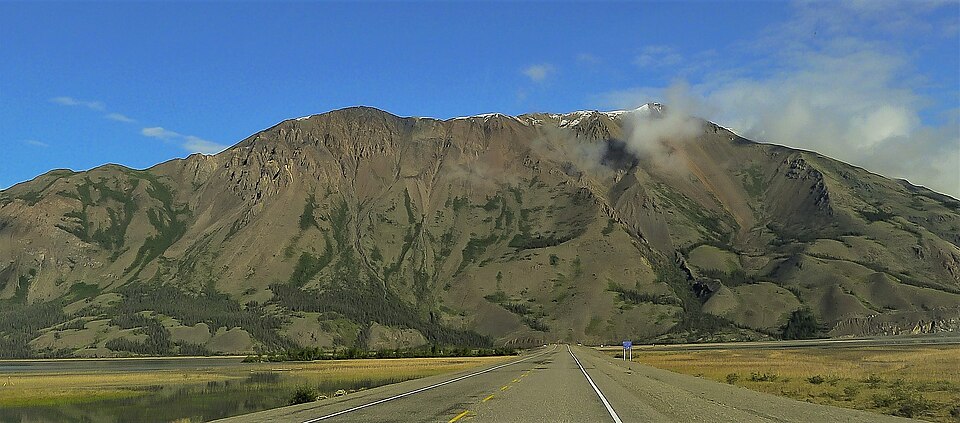
    Photo: Bo Mertz, CC BY-SA 2.5, via Wikimedia Commons

    In Yukon, learner and novice drivers must have zero alcohol and zero drugs in their system, and so must the co-driver beside a learner. Graduated licence drivers lose their licence at 7 demerit points, compared with 15 for other drivers. This explainer sets out the Yukon roadside suspensions, the federal Criminal Code limits that apply on top, how demerit points add up, and what one bad night or one big speeding ticket costs a new driver. It is for Yukon learners, novices and their parents.

    Key facts

    • Zero alcohol and drugs for learners, novices and the learner’s co-driver. Breaking it can lead to a licence suspension.
    • If police believe you have taken a substance that impairs your driving: 24-hour roadside licence suspension, and the vehicle is impounded.
    • At or over .08 blood alcohol: 90-day roadside suspension, and the vehicle is impounded for at least 30 days.
    • The Criminal Code applies to every driver: 80 mg of alcohol per 100 mL of blood within two hours of driving, or impairment to any degree.
    • Graduated licence drivers are suspended at 7 demerit points. Other drivers at 15.
    • Demerit suspensions: 1 month for the first, 3 months for a second within a year, 6 months for three or more within two years.

    Zero tolerance for Yukon learners and novices

    Both Yukon graduated licence stages carry the same alcohol and drug rule: none at all while driving. The rule also covers the co-driver supervising a learner. A co-driver who has been drinking puts the learner in breach, so agree on this before every practice drive.

    The Government of Yukon lists a breach of the zero-tolerance rule as one of the reasons a graduated licence driver can be suspended. The handbook says you may get an immediate suspension and police may impound the vehicle. The charge stays on your driver’s record for all time, your GDL clock resets to zero and you restart your stage. Check the current suspension length with Yukon Motor Vehicles.

    What counts as “drugs”?

    Cannabis is the obvious one, but some prescription and over-the-counter medicines also affect driving. Read the label, ask a pharmacist, and do not drive if a medicine makes you drowsy.

    Yukon roadside suspensions

    Situation Licence Vehicle
    A peace officer thinks you have consumed substances that impair your driving Suspended for 24 hours Impounded
    Blood alcohol of .08 or more 90-day roadside suspension Impounded for at least 30 days
    Learner or novice with any alcohol or drugs Can be suspended immediately under the graduated licence rules; GDL clock resets to zero Police may impound it

    Roadside suspensions are administrative. They start immediately and do not need a court conviction. Criminal charges are separate and can follow as well. The Government of Yukon has announced Motor Vehicles Act amendments to strengthen impaired and dangerous driving laws, so check the current details with Yukon Motor Vehicles.

    Impoundment hits whoever owns the car

    The vehicle is impounded even if it belongs to your parents. Yukon’s vehicle impound page explains how to get a car back. The owner will have to follow that process to get the vehicle back.

    The Criminal Code layer

    Federal law applies to every driver in Yukon, whatever their licence. Under section 320.14 of the Criminal Code it is an offence to:

    • operate a vehicle while your ability is impaired to any degree by alcohol, a drug or both;
    • have 80 mg or more of alcohol per 100 mL of blood within two hours of driving;
    • have a blood drug concentration at or over the regulated level within two hours of driving (with a lesser offence for a lower drug level).

    The Criminal Code treats any vehicle propelled by something other than muscle power as a motor vehicle, so it also covers snowmobiles and ATVs. A conviction is a criminal offence, on top of the Yukon penalties. For the national picture, see impaired driving in Canada for new drivers.

    A conviction also brings a Yukon disqualification that can outlast the court’s prohibition. To get your licence back you may have to pay for a remedial driving program and an ignition interlock, on top of impound, towing, storage and reinstatement costs. Your insurer could deny claims from a crash, and other countries could refuse you entry. A Criminal Code driving conviction may also add 10 demerit points.

    How Yukon demerit points work for new drivers

    Graduated licence (learner and novice) Other licence holders
    Suspended at 7 demerit points or more 15 demerit points or more
    Demerit suspension Length
    First 1 month
    Second within 1 year 3 months
    Three or more within 2 years 6 months

    After a demerit suspension, a graduated licence driver comes back with a balance of 3 points (7 for other drivers), and those points stay on your record for two years. The suspension also resets your GDL clock to zero, and there is a fee to get your licence back. With fewer than 6 points, a GDL driver can take a defensive driving course to remove up to 3. You can only appeal a demerit suspension by showing the points were assigned in error.

    A second demerit point suspension is one of the reasons a driver is referred to Yukon’s Driver Control Board, which can review your driving privileges.

    Speeding: the quickest way to 7 points

    Yukon raised its speeding fines on 1 July 2025. As of November 2026:

    Offence Fine Demerit points
    Up to 15 km/h over the posted limit $100 2
    16 to 30 km/h over $200 3
    31 to 50 km/h over $300 4
    More than 50 km/h over $500 6
    Speeding in a school or playground zone $150 (up to 15 km/h over) to $550 3 to 6
    Unreasonable speed for conditions $400 4

    Worked examples

    Two tickets in one summer

    A novice gets 20 km/h over on the Alaska Highway (3 points), then 35 km/h over a month later (4 points). That makes 7 points, a 1-month suspension and a restart of the novice stage. A second suspension within a year would be 3 months.

    One ticket

    A novice is caught more than 50 km/h over: $500 and 6 points. The next ticket of any size ends in a suspension.

    After a party

    A novice has one beer and drives home. That breaks zero tolerance, whatever the reading, and if police believe the driver is impaired the licence goes for 24 hours and the car is impounded on the spot. If the reading is .08 or more, it is a 90-day suspension, at least 30 days of impound, and possible Criminal Code charges.

    Phones and other devices

    Yukon learners and novices may not use hand-held or hands-free electronic devices while driving. If caught, you must restart the GDL program. The fine and points for a phone ticket are on Yukon’s distracted driving page; check the current figures there, and remember any points count toward your limit of 7.

    Common questions

    Can my co-driver have a drink with dinner before we practise?

    No. Zero tolerance applies to the co-driver as well as the learner.

    Do demerit points stop at the territorial border?

    Ask Yukon Motor Vehicles how tickets from other provinces or states are treated, and drive by the local rules wherever you are. See driving in another province on a learner or novice licence.

    Does a suspension reset my novice time?

    Yes. A demerit suspension or an alcohol or drug violation resets your GDL clock to zero, and you restart the stage you are in.

    Is there a lower “warn” range for fully licensed Yukon drivers?

    Yukon’s roadside rules include a 24-hour suspension for suspected impairment and a 90-day suspension at .08 or more. Ask Yukon Motor Vehicles how a reading between those levels is handled.

    What happens to the car if I am suspended at the roadside?

    It is impounded, even if you do not own it: for a 24-hour suspension, and for at least 30 days after a 90-day suspension.

    Does impaired driving on a snowmobile count?

    Yes, under the Criminal Code. It defines a motor vehicle as any vehicle propelled by something other than muscle power, apart from railway equipment.

    Related: learning to drive in Yukon (full guide), Yukon novice drivers, Yukon learner licence rules, Yukon handbook study guide, impaired driving in Canada.

    Sources

    • Government of Yukon, “Find out about driving impaired consequences” (yukon.ca)
    • Government of Yukon, “Find out how your licence could become suspended” (yukon.ca)
    • Government of Yukon, “Learn what to do if your vehicle is impounded” (yukon.ca)
    • Government of Yukon, “Learn about the Driver Control Board” (yukon.ca)
    • Government of Yukon, “Learn about the penalties for speeding” (yukon.ca)
    • Government of Yukon, “Increased fines for dangerous driving offences” fact sheet, in effect 1 July 2025 (yukon.ca)
    • Government of Yukon, “The Motor Vehicles Act amendments will strengthen impaired and dangerous driving laws” (yukon.ca)
    • Government of Yukon, “Get a driver’s licence” and “Learn about distracted driving” (yukon.ca)
    • Government of Canada, Justice Laws, “Criminal Code”, sections 2 and 320.11 to 320.14 (laws-lois.justice.gc.ca)
  • Yukon Driver’s Basic Handbook study guide: rules and signs

    Yukon Driver’s Basic Handbook study guide: rules and signs

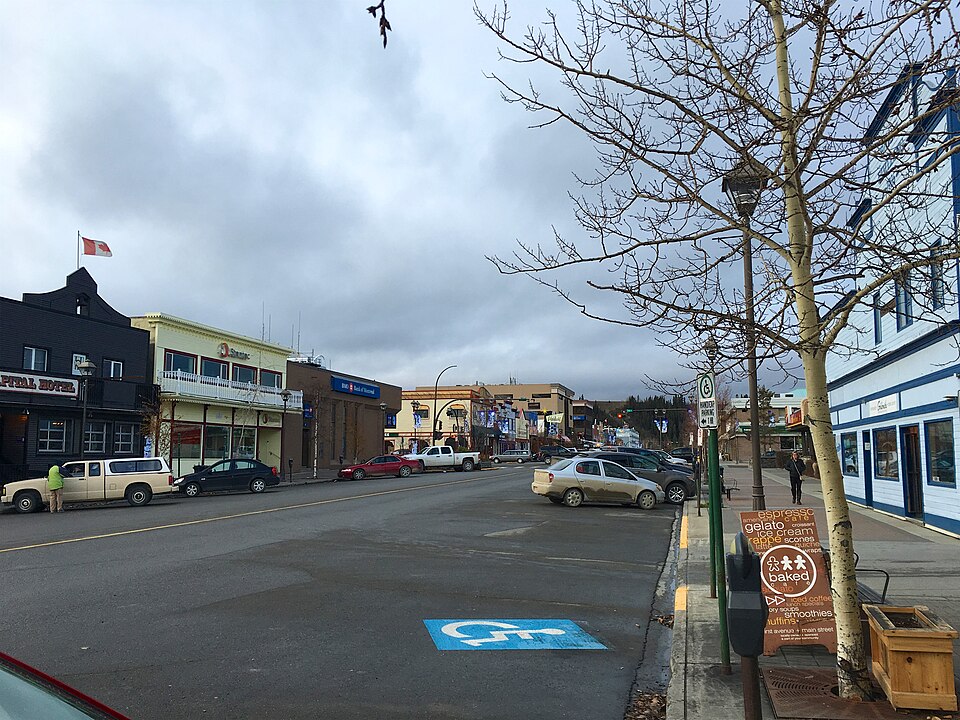
    Photo: James Badger, CC BY 2.0, via Wikimedia Commons

    The Yukon Driver’s Basic Handbook (cars and light trucks) is the book the Yukon learner’s knowledge and sign tests are based on. This guide is a checklist for working through it: what the signs chapter covers, the Yukon school zone, playground and school bus rules, the right-of-way basics, and the Yukon numbers worth memorizing, including the speeding fines and demerit points in force since 1 July 2025. It is for anyone 15 or older preparing for the Yukon learner’s test, and for parents helping them.

    Key facts

    • Current edition: the 2023 Yukon Driver’s Basic Handbook, cars and light trucks, free from yukon.ca. Yukon says it prepares you for the sign and knowledge tests.
    • It was prepared from British Columbia’s Learn to Drive Smart material, but Yukon rules differ in places. Study the Yukon book, not the BC one.
    • School zones: 30 km/h, in effect Monday to Friday from 8 a.m. to 4:30 p.m. when children are in class. If unsure, assume it is in effect.
    • Stop for a stopped school bus with its upper red lights flashing.
    • Ignoring a regulatory sign is an offence under the Yukon Motor Vehicles Act.
    • Graduated licence (learner and novice) drivers are suspended at 7 demerit points; other drivers at 15.

    Which handbook do you need for the Yukon learner’s test?

    Use the Yukon Driver’s Basic Handbook: Cars and light trucks. The yukon.ca listing shows the 2023 web edition, updated 5 February 2023. It runs to about 157 pages in 10 chapters. There is a separate commercial vehicle handbook and a motorcycle guide (Learn to Ride Smart); you do not need them for a Class 5 learner’s licence.

    The companion workbook, Tuning Up for Drivers, is for the road test stage. You can skim it now to see where the handbook rules lead, but the knowledge test comes from the handbook. For test format, fees and what to bring, see Yukon written knowledge test and learner licence rules.

    Why not just use BC’s Learn to Drive Smart?

    Yukon’s book borrows BC material, but the details that turn into test questions are territorial. One example: BC’s handbook shows school zone limits in effect from 8 a.m. to 5 p.m. on school days, while Yukon’s school zones run from 8 a.m. to 4:30 p.m. Penalties, demerit points and graduated licence rules are also different. Study the Yukon edition.

    Study checklist: work through the handbook in this order

    Tick each item off as you finish it. The order puts the most heavily tested material first.

    1. Signs, signals and road markings (Chapter 3). The whole of the sign test, plus many knowledge questions. Detail below.
    2. Rules of the road. Right-of-way, intersections, four-way stops, yield signs, turns, passing, speed, school buses, emergency vehicles, parking.
    3. Your licence. Learner and novice conditions: co-driver, passenger limits, curfew, zero alcohol and drugs, no electronic devices, no towing. The handbook says Chapters 9 and 10 (licensing, GDL and penalties) are not tested, but you must follow them from your first drive, so learn them anyway.
    4. Sharing the road. Pedestrians, cyclists, motorcycles, large vehicles, school zones and playgrounds.
    5. Personal strategies and impairment. Alcohol, drugs, fatigue and distraction. See Yukon impaired driving and demerit points.
    6. Hazards and emergencies. Winter roads, gravel, wildlife, skids, breakdowns. Yukon conditions are covered in driving the Alaska Highway and Yukon winter roads.
    7. The rest of the book. Vehicle checks and equipment, then a final read of anything you skipped.

    The ten chapters are: 1 You in the driver’s seat; 2 You and your vehicle; 3 Signs, signals and road markings; 4 Rules of the road; 5 See-think-do; 6 Sharing the road; 7 Impairment and high risk behaviour; 8 Preventing and handling emergencies; 9 Graduated Driver Licensing; 10 Licensing requirements. Chapter 7 also explains how to register with the Yukon Organ Donation Program. For extra practice on Chapters 5 and 6, which come from BC material, try see-think-do and sharing the road, but take your rules and numbers from the Yukon book.

    Chapter 3: signs, signals and road markings

    Yukon’s signs chapter covers these groups. Make sure you can name every sign in each.

    Section What to know
    Regulatory signs Signs that state the law, such as the fastest you may drive in good conditions. Disregarding them is an offence under the Yukon Motor Vehicles Act.
    Warning signs Hazards ahead: curves, hills, intersections, animals, road conditions.
    Construction signs You must follow their instructions. Yukon says there is no stopping or passing in a construction zone unless traffic controls direct otherwise.
    School and playground signs Tabs under the sign set the speed and hours. See the next section.
    Railway signs Crossbucks and advance warnings. See railway crossings in Canada.
    Lane control signals Overhead signals that open or close lanes. If the signals over all lanes are flashing yellow, slow down and proceed with caution.
    Traffic lights Steady, flashing and arrow signals have different meanings. Learn each one.
    Road markings White lines, yellow lines and reserved-lane markings.

    Learn the shapes first

    Canadian provinces and territories use uniform traffic signs (as Prince Edward Island’s handbook notes), built on the same basic shapes: the octagon for stop, the downward triangle for yield, the diamond for warnings and the pentagon for school zones. Learning the shapes lets you answer some sign questions before you read the words. For a cross-Canada view, see Canadian road signs compared.

    Yukon school zones, playgrounds and school buses

    • School zones: slow to 30 km/h. Yukon says school zones are in effect when children are in class, Monday to Friday, 8 a.m. to 4:30 p.m. If you are unsure, assume the zone is in effect.
    • Read the tab: the handbook’s examples also show a school zone limit of 50 km/h that applies from 8 a.m. to 4:30 p.m. on school days when children are on the roadway or shoulder. Obey whatever the sign and tab show.
    • Playground zones: 30 km/h. The handbook’s examples include playground limits that apply around the clock, so check the sign every time.
    • School buses: amber lights mean get ready to stop. On a street or undivided highway, stop in either direction for a bus with its upper red lights flashing, and wait until it moves on or the driver turns the lights off and pulls in the stop sign. For other provinces’ rules, see school bus stopping rules across Canada.

    Right-of-way basics from the Yukon handbook

    • Four-way stop: the first vehicle to arrive and come to a full stop goes first. If two arrive together, the vehicle on the right goes first.
    • Yield sign: let traffic on the through road have the right-of-way. You may enter without stopping if no pedestrians, cyclists or vehicles are on the through road.
    • Unmarked T-intersection: treat it like any other uncontrolled intersection.

    Uncontrolled intersection: yield to a vehicle that got there first. If you arrive together, the vehicle on the left yields to the vehicle on the right.

    Yukon speeding fines and demerit points

    Yukon raised these fines on 1 July 2025. The figures below are from the Government of Yukon’s speeding penalties page as of November 2026.

    Offence Fine Demerit points
    Up to 15 km/h over the posted limit $100 2
    16 to 30 km/h over $200 3
    31 to 50 km/h over $300 4
    More than 50 km/h over $500 6
    Speeding in a school or playground zone $150 (up to 15 km/h over) to $550 3 to 6
    Unreasonable speed for conditions $400 4

    As a learner or novice, you are suspended at 7 points. One ticket for more than 50 km/h over (6 points) leaves you one point from a suspension.

    More handbook rules to learn

    Topic The rule
    Speed 50 km/h unless a sign says otherwise
    Following distance At least 3 seconds; increase to 4 in bad weather
    Looking ahead Scan at least 12 seconds: one to two blocks in town, half a kilometre on the highway
    Parking Within 50 cm of the curb. Not within 1.5 m of a driveway; 5 m of a hydrant, crosswalk, intersection, stop sign or traffic light; or 15 m of a railway crossing
    Hill parking Wheels left uphill with a curb. Wheels right uphill without a curb, and downhill with or without one
    U-turns Illegal near a hill crest where traffic cannot see you within 150 m, on a municipal roadway between intersections, and where a by-law bans them
    Emergency vehicles With lights and siren, pull over to the right and stop, clear of intersections. Stay at least 150 m behind a fire truck. Slow down for stopped emergency vehicles with flashing lights and change lanes if you can
    Railway crossings Trains always have the right-of-way. Where you must stop, stay 5 to 15 m from the nearest rail. Stuck on the tracks? Get everyone out and at least 30 m away
    Changing lanes and merging Vehicles already in the lane have the right-of-way. Always signal. On a ramp, use the acceleration lane to reach traffic speed within the limit. It is illegal to speed up while someone is passing you
    Cyclists Leave at least 1 m when passing
    Roundabouts Yield to pedestrians and traffic already inside, go counter-clockwise, signal right before you exit
    Headlights Required at night and when visibility is under 150 m. Dim high beams within 300 m of oncoming traffic and 150 m when following
    Winter signs Winter tires or chains must be used where the regulatory sign is displayed
    Tires At least 1.6 mm of tread. Never over 80 km/h on a space-saver spare
    Child seats Rear-facing until at least 10 kg and walking; forward-facing with a tether over 10 kg; booster over 22 kg until 145 cm tall or 45 kg
    Attitude When friends push you to take a risk, identify the problem, think through the consequences, find an alternative and follow through. Do not return another driver’s aggression: give them room, avoid eye contact and call 911 if needed, having a passenger make the call if you can
    Crashes Stay at the scene, help, and exchange details. Report to police if anyone is hurt or damage is over $1,000

    Yukon numbers to memorize

    • 15: minimum age for a learner’s licence.
    • 30 km/h: school zones and playground zones.
    • 8 a.m. to 4:30 p.m.: school zone hours on school days.
    • Midnight to 5 a.m.: learners may not drive; novices need a co-driver.
    • 6 months and 50 hours: the minimum learner period and the logged practice before the road test.
    • 18 months: the minimum novice stage.
    • Zero: alcohol and drugs for learners, novices and their co-driver.
    • 80 per cent: the knowledge test pass mark.
    • 7 and 15: demerit points that trigger suspension for graduated licence drivers and for other drivers.

    The graduated licence figures are explained in learning to drive in Yukon and Yukon novice drivers. Yukon is rewriting its Motor Vehicles Act, so check the current stage lengths with Motor Vehicles before you plan dates.

    A two-week study plan

    1. Days 1 to 3: Chapter 3. Make flash cards of every sign: picture on one side, meaning and action on the other.
    2. Days 4 to 7: rules of the road. After each section, write two questions you think the test could ask.
    3. Day 8: licence rules and the numbers list above.
    4. Days 9 to 11: sharing the road, impairment, hazards and emergencies.
    5. Days 12 to 13: re-test yourself on the sign cards and your own questions. Re-read anything you miss.
    6. Day 14: a final skim of Chapter 3, then book the test.

    Common questions

    How many questions are on the Yukon knowledge test, and what is the pass mark?

    It is multiple choice, with a pass mark of 80 per cent. Ask Motor Vehicles how many questions to expect.

    Is there a printed copy of the Yukon handbook?

    The handbook is free online at yukon.ca. Ask at a Motor Vehicles office whether printed copies are available.

    Can I study from BC’s handbook instead?

    No. Yukon adapted BC material, but school zone hours, penalties and graduated licence rules differ. The Yukon test is based on the Yukon book.

    What does a flashing yellow lane control signal mean?

    If the signals over all lanes flash yellow, slow down and proceed with caution.

    Can I pass in a Yukon construction zone?

    No. There is no stopping or passing in a construction zone unless traffic controls tell you otherwise.

    Does the school zone limit apply in July?

    School zones apply when children are in class. Outside school days the posted daytime limit applies, but playground zones can apply every day, so read each sign.

    Related: learning to drive in Yukon (full guide), Yukon knowledge test and learner rules, Yukon road test, Yukon impaired driving and demerits.

    Sources

    • Government of Yukon, “Yukon Driver’s Basic Handbook: Cars and light trucks”, 2023 web edition (yukon.ca)
    • Government of Yukon, “Yukon driver’s basic handbook” listing page (yukon.ca)
    • Government of Yukon, “Learn about school bus and school zone safety” (yukon.ca)
    • Government of Yukon, “Learn about construction zone safety” (yukon.ca)
    • Government of Yukon, “Learn about the penalties for speeding” (yukon.ca)
    • Government of Yukon, “Increased fines for dangerous driving offences” fact sheet, in effect 1 July 2025 (yukon.ca)
    • Government of Yukon, “Find out how your licence could become suspended” (yukon.ca)
    • Government of Yukon, “Get a driver’s licence” (yukon.ca)
    • ICBC, “Learn to Drive Smart”, chapter 3 school and playground zone signs (icbc.com)
    • Government of Prince Edward Island, “Driver’s Handbook”, February 2022, Chapter 3 (uniform traffic signs across Canada) (princeedwardisland.ca)
  • Driving the Alaska Highway and Yukon Winter Roads as a New Driver

    Driving the Alaska Highway and Yukon Winter Roads as a New Driver

    Photo: Susan Drury, CC BY 2.0, via Wikimedia Commons

    The Alaska Highway and other Yukon highways are long, often far from services, and rough in places from permafrost damage. In winter they are snow-covered and dark for much of the day, and caribou, bison and moose use them year-round. If you are a new Yukon driver, or a parent planning a first long trip with one, start here. It covers checking conditions, following distances, permafrost and wildlife hotspots, and what to carry.

    Key facts (Yukon, as of November 2026)

    • Check road conditions with 511 Yukon: 511yukon.ca, the 511 Yukon app, or phone 511.
    • In winter, the Government of Yukon advises increasing your following distance from 3 to 4 seconds to 8 to 10 seconds.
    • Permafrost causes dips and waves on the Alaska Highway, especially between Haines Junction and Beaver Creek.
    • Caribou are often seen along the highway from December to April on some stretches.
    • Don’t use cruise control in winter driving conditions.

    Before you go: check 511 Yukon

    Road reports, closures and wildfire impacts are posted on 511 Yukon. You can also set up notifications for your route. Check it the night before and again before you leave. Conditions change fast, and in summer, wildfire activity can affect highway access.

    New drivers: learners must be off the road by midnight and always have a co-driver. Novices need a co-driver from midnight to 5 a.m. Plan long trips in daylight, inside those hours. See Yukon novice driver rules.

    Following distance and stopping on Yukon winter roads

    Conditions Following distance (Government of Yukon guidance)
    Dry summer roads 3 to 4 seconds
    Highways or poor weather (Yukon Driver’s Basic Handbook) 4 seconds or more
    Winter conditions 8 to 10 seconds
    • Allow about twice the time to stop in winter. On ice, the handbook warns braking distance can be 10 times normal.
    • All-wheel drive and four-wheel drive help you get moving, but they do not help you stop on snow and ice.
    • Winter tires marked with the mountain snowflake symbol improve traction and stopping.
    • Expect longer stopping distances on gravel, too. Leave more space and slow down for loose surfaces.

    Permafrost and rough highway sections

    Thawing permafrost causes waves, dips and heaves that can make the road feel like a roller coaster. The Government of Yukon highlights the Alaska Highway from Haines Junction to Beaver Creek, near the Alaska border. On the Shakwak corridor section it also reports cracks, bumps and potholes.

    • Watch for warning signs and slow down before the dip, not in it.
    • Keep both hands on the wheel. A heave at speed can unsettle the vehicle.
    • Give oncoming trucks space. Their loads move over heaves too.

    Wildlife hotspots

    Yukon winters make animals hard to see, especially at dawn, dusk and night. The Yukon Wildlife Viewing Guide flags these stretches of the Alaska Highway corridor:

    • Little Rancheria caribou: often seen along the highway from December to April.
    • Carcross caribou near Judas Creek: often on the highway in winter. Slow down through this section.
    • Bison near Muncho Lake (on the British Columbia section): groups may cross at any time and are very hard to see at night.
    • Horseranch caribou: identified as a high collision area.

    For what to do when an animal is on the road, and after a collision, see moose, deer and caribou: avoiding wildlife collisions in Canada.

    What to carry: a Yukon winter emergency kit

    The Government of Yukon says every vehicle should carry a winter driving emergency kit. Its list includes:

    • shovel
    • traction aids such as sand and tire chains
    • spare tire and tire tools
    • warning lights
    • warm clothing
    • food and water
    • first-aid kit
    • survival blankets

    On the Dempster Highway, a gravel road with long winters from October to April, flat tires are common. Carry a spare.

    A first long-trip checklist for new drivers

    1. Check 511 Yukon and the weather.
    2. Tell someone your route and arrival time.
    3. Fill up whenever you can. Distances between services can be long.
    4. Do your pre-trip check: lights, tires, wipers, washer fluid, clear windows.
    5. Pack the emergency kit and charge your phone (for emergencies only while driving).
    6. Drive in daylight, within your GDL hours, with cruise control off in winter conditions.
    7. Take breaks before you feel tired, and swap drivers if your co-driver is fully licensed.

    Common questions

    Is the Alaska Highway open in winter?

    Winter conditions and closures change quickly. Check 511 Yukon for the current status of your route before every trip.

    Do I need winter tires in Yukon?

    The Government of Yukon recommends winter tires with the mountain snowflake symbol for better traction and stopping. You must use winter tires or chains wherever a regulatory sign says so.

    Can a learner drive the Alaska Highway?

    Yes, with a qualified co-driver and only between 5 a.m. and midnight. Highway practice also counts toward your 50 hours.

    Can I use cruise control on Yukon highways?

    Not in winter driving conditions. It doesn’t adjust for road conditions.

    When are wildlife collisions most likely?

    At dawn, dusk and night, when animals are hardest to see. In winter, caribou are often along certain stretches.

    Back to the full guide: learning to drive in Yukon. For winter skills across Canada, see winter driving in Canada for new drivers. Related: Yukon road test.

    Sources

    • Government of Yukon, “Winter driving road-safety awareness” (yukon.ca)
    • Government of Yukon, “Driving on permafrost-affected roads” (yukon.ca)
    • Government of Yukon, “Restoring the Shakwak corridor” (yukon.ca)
    • Government of Yukon, “Yukon Wildlife Viewing Guide” (yukon.ca)
    • Government of Yukon, “The Dempster Highway Travelogue” (yukon.ca)
    • Government of Yukon, “Yukon Driver’s Basic Handbook: Cars and light trucks” (yukon.ca)
    • Government of Yukon, “Get a driver’s licence” (yukon.ca)
    • Government of Yukon, 511 Yukon road conditions (511yukon.ca)
  • Yukon Novice Driver Rules: Co-Driver, 50-Hour Log, Zero Tolerance

    Yukon Novice Driver Rules: Co-Driver, 50-Hour Log, Zero Tolerance

    Photo: Richard Martin, CC BY 2.0, via Wikimedia Commons

    Yukon novice drivers can drive alone, except between midnight and 5 a.m., when a co-driver must be with them. The other novice rules: zero alcohol and drugs, no hand-held or hands-free devices, and no towing. You stay in the novice stage for at least 18 months before you can apply for a full licence. This guide explains each rule, who counts as a co-driver, and how the 50-hour log fits in.

    Key facts (Yukon, as of November 2026)

    • You reach the novice stage by passing the Yukon road test.
    • Co-driver required midnight to 5 a.m. A midnight work exemption may apply.
    • Co-driver: valid full-privilege licence, held for at least 2 years.
    • Zero tolerance for alcohol and drugs, for you and your co-driver.
    • No hand-held or hands-free electronic devices. No towing.
    • Minimum 18 months in a row (540 days) before applying for a full licence. Breaking a condition resets the clock.

    The co-driver rule for Yukon novice drivers

    As a learner, you needed a co-driver every time. As a novice, you only need one between midnight and 5 a.m. The co-driver must:

    • hold a valid full-privilege licence
    • have held it for at least the 2 years immediately before co-driving
    • be free of alcohol and drugs. Zero tolerance applies to your co-driver as well as you.

    Another Government of Yukon document on co-drivers says two suspension-free years on a full Class 5. Choose someone who meets that higher bar.

    Midnight work exemption

    If you work shifts that start or end after midnight, the co-driver rule may not apply once you have been approved for a midnight work exemption. Ask Motor Vehicles how to apply. Don’t drive after midnight alone until the approval is in place.

    Zero tolerance

    Novice drivers in Yukon must have no alcohol or drugs in their system when driving, and neither may their co-driver. This is stricter than the limits for fully licensed adults. For how penalties for new drivers work across Canada, see impaired driving penalties in Canada for new drivers.

    No devices, not even hands-free

    Novices may not use any hand-held or hands-free electronic device while driving. Only full-licence holders may use a device set up and used hands-free. For any driver, hand-held use is allowed only when the vehicle is legally and safely parked, out of the way of traffic.

    In practice: set your music and navigation before you leave, put your phone where you can’t reach it, and pull over safely if you must take a call.

    No towing

    Novice drivers may not tow a trailer. That includes boat trailers, utility trailers and campers, so plan summer trips around it.

    Passengers

    As a novice you may not carry more passengers than the vehicle has seatbelts, and nobody may ride in the box of a truck. You may only drive a passenger vehicle up to 4,000 kg gross weight with 9 seats or fewer, including yours, and only vehicles your licence covers. Learners have a tighter passenger limit: 2 including the co-driver, plus immediate family.

    The 50-hour log: where it fits

    The 50 hours belong to the learner stage. You need them before you can book the road test that makes you a novice. They are recorded on the Government of Yukon’s “GDL Driver record and declaration” form, which your parent, guardian or co-driver signs. Keep a copy. Practice doesn’t need to stop at novice: keep logging new conditions, such as your first winter highway drive or your first night on gravel.

    What resets your novice time

    The 18 months must run in a row. Your GDL clock goes back to zero, and you restart the stage, if you drive against your conditions, use a device, reach 7 demerit points or break the zero-tolerance rule. Your record is closely watched: a ticket can also bring a warning letter, and serious offences can mean a suspension of two months to a year or more. Once you finish, apply for your full licence at any Motor Vehicles office. See Yukon impaired driving and demerit points.

    Learner vs novice in Yukon

    Rule Learner Novice
    Co-driver Always Midnight to 5 a.m.
    Driving hours 5 a.m. to midnight Any time
    Devices None None
    Towing No No
    Alcohol and drugs Zero Zero
    Minimum time 6 months 18 months

    Common questions

    How long is the novice stage in Yukon?

    At least 18 months in a row (540 days) without breaking your conditions before you can apply for a full licence. The earliest age for a full Class 5 is 17.5.

    Can a Yukon novice driver drive at night?

    Yes, until midnight alone. Between midnight and 5 a.m. you need a qualified co-driver, unless you have an approved midnight work exemption.

    Can I use Apple CarPlay or Android Auto as a novice?

    No. Novices may not use hands-free devices either.

    Can I tow my friend’s trailer?

    No. Towing is not allowed in the novice stage.

    Can my 19-year-old friend be my co-driver after midnight?

    Only if they have held a full-privilege licence for at least 2 years, and have no alcohol or drugs in their system.

    Does my novice time count if I move to another province?

    Each province and territory has its own rules on credit for time served. See graduated licence rules by province, then check with the new jurisdiction.

    Back to the full guide: learning to drive in Yukon. Related: Yukon road test, Yukon learner licence rules and driving the Alaska Highway and Yukon winter roads.

    Sources

    • Government of Yukon, “Get a driver’s licence” (yukon.ca)
    • Government of Yukon, “Learn about distracted driving” (yukon.ca)
    • Government of Yukon, “GDL Driver record and declaration” (yukon.ca)
    • Government of Yukon, “Getting you ready for your road test: Tuning up for drivers” (yukon.ca)
  • Yukon Road Test: Booking, Manoeuvres and Tuning Up for Drivers

    Yukon Road Test: Booking, Manoeuvres and Tuning Up for Drivers

    Photo: James Badger, CC BY 2.0, via Wikimedia Commons

    The Yukon road test is the Class 5 driving test that moves you from the learner to the novice stage. You can book it once you are 16, have held a learner’s licence continuously for the past 6 months, have logged 50 hours of driving and have had your log book inspected. It costs $20, paid when you book. The Government of Yukon tells learners to prepare with its Tuning Up for Drivers workbook. This guide covers booking, the manoeuvres tested, and how to use the workbook well.

    Key facts (Yukon, as of November 2026)

    • Eligibility: age 16+, 6 months with a learner’s licence, 50 hours of driving.
    • Fee: $20, paid at booking (cash, cheque, debit or credit in person; credit card by phone).
    • Book: visit or phone your nearest Motor Vehicles office (Whitehorse 867-667-5315), or schedule, reschedule or cancel online.
    • You supply the vehicle: safe, with valid insurance and registration.
    • The test takes about 30 minutes. Only you and the examiner ride along: no passengers or pets.

    How to book the Yukon road test

    1. Check your GDL log shows at least 50 hours, signed by your parent, guardian or co-driver.
    2. Drop off your log book at a Motor Vehicles office for inspection. The handbook says you can only book after that. Then book at or with your nearest office, or use the online scheduling service.
    3. Pay the $20 fee when you book.
    4. On the day, bring your licence, your glasses or contacts if you need them, your co-driver (you need one to drive there) and a clean, test-ready vehicle with its registration and insurance.

    Vehicle check: don’t lose your test before it starts

    The handbook lists defects that can get a road test cancelled. Check these before test day:

    • all lights: headlights, brake lights, signals, hazards
    • horn, wipers and washers
    • windshield free of cracks that block your view, and all windows clear of frost or snow
    • mirrors in place and adjustable
    • tires in good condition and properly inflated
    • seat belts working in every seat, and head restraints adjusted to suit you
    • driver and passenger doors that open and close properly
    • heater and defroster working, so you can keep the windows clear
    • foot brake and parking brake working properly
    • exhaust in good condition, no missing bumpers, licence plate properly displayed
    • loose items secured
    • current registration and insurance documents in the vehicle

    Manoeuvres on the Yukon road test

    The Government of Yukon lists these among the skills tested:

    Manoeuvre What to show
    Parking on a hill Wheels turned correctly for uphill or downhill, with or without a curb. Parking brake set.
    Starting on a hill No rollback. Signal, mirror and shoulder check before pulling out.
    Angle parking Enter slowly, end centred in the space.
    Parallel parking Controlled speed, constant all-round checks, finish close to and parallel with the curb.
    Stall parking, forward and backing 360-degree check before backing. Look over your shoulder, not only at mirrors or a camera.
    Pulling over to the side of the road Mirror, signal, shoulder check, smooth stop close to the edge.

    The handbook says the test may also include stopping safely, yielding the right-of-way, going straight and turning at intersections, backing up, entering and merging into traffic, a simulated highway pass, changing lanes, and two- and three-point turns. The examiner marks your see-think-do skills: observation, hazard perception, speed control, space margins, steering and communication. First they check that you know the controls, that your seatbelt, seat, mirrors and head restraint are set, and that the vehicle is safe, registered and insured.

    Using Tuning Up for Drivers to prepare

    Tuning Up for Drivers is a Government of Yukon workbook for learners and co-drivers. It is not the examiner’s score sheet, but it teaches the habits the test looks for. Work through it with your co-driver over your 50 hours.

    Habits the workbook drills

    • Daily pre-trip check. Walk around the vehicle checking windows, mirrors, lights and tires. Adjust your seat, seat belt, head restraint and mirrors before every drive.
    • Shoulder checks. Glance at least 45 degrees over your shoulder toward where you are moving. Do it before turning, changing lanes and pulling away from the curb.
    • Pulling away in order. Mirror, signal, shoulder check, then go.
    • Scanning. Look left, centre and right at intersections, and check mirrors regularly.
    • Backing up. Do a full 360-degree check before and while reversing.

    A simple practice plan

    1. Hours 1 to 10: pre-trip routine, starting, stopping and steering in an empty lot.
    2. Hours 10 to 25: residential streets, intersections, shoulder checks on every turn.
    3. Hours 25 to 40: busier roads, lane changes, highway merging, gravel.
    4. Hours 40 to 50: every parking manoeuvre in the table above, then mock tests where your co-driver stays silent and only gives directions.

    Common mistakes to avoid

    • Skipping the shoulder check when pulling away from the curb or out of a parking spot
    • Rolling stops at stop signs and red lights, or stopping in the wrong position
    • Speeding through school and playground zones, which the handbook names as a common reason for failing
    • Skipping the right shoulder check for cyclists and pedestrians before a right turn
    • Not pulling over to the right and stopping for an emergency vehicle
    • Rolling back on the hill start
    • Relying on mirrors or a camera when backing
    • Driving at the limit when snow, gravel or visibility call for less

    Common questions

    How much is the Yukon road test?

    $20, paid when you book. Each retest is a new booking and fee.

    Can I take the road test before I am 16?

    No. You must be 16, have held your learner’s licence for 6 months, and have 50 hours logged.

    Can I use a rental or a borrowed car?

    The Government of Yukon requires a safe vehicle with valid insurance and registration. Check that any borrowed or rental vehicle meets that and that you are covered to drive it.

    Can someone ride along on the test?

    No. Only you and the examiner are allowed in the vehicle, with no pets or passengers.

    Where can I take the road test outside Whitehorse?

    Contact your nearest Motor Vehicles office to ask about test dates in your community.

    What happens after I pass?

    You move to the novice stage for at least 18 months. See Yukon novice drivers.

    Back to the full guide: learning to drive in Yukon. Related: Yukon learner licence rules and Yukon winter roads.

    Sources

    • Government of Yukon, “Book a road test” (yukon.ca)
    • Government of Yukon, “Get a driver’s licence” (yukon.ca)
    • Government of Yukon, “Getting you ready for your road test: Tuning up for drivers” (yukon.ca)
    • Government of Yukon, “Tuning Up for Drivers Handbook” (yukon.ca)
    • Government of Yukon, “GDL Driver record and declaration” (yukon.ca)
  • Yukon Learner’s Test and Learner Licence Rules: Fee, ID, Curfew

    Yukon Learner’s Test and Learner Licence Rules: Fee, ID, Curfew

    Photo: TravelingOtter, CC BY-SA 2.0, via Wikimedia Commons

    Yukon’s learner’s test is a written knowledge test, taken at a Motor Vehicles office, based on the Yukon Driver’s Basic Handbook. It costs $20, and you can retake it as early as the next day if you fail. Pass it and the vision test at 15 or older, and you get a learner’s licence with strict conditions. This page covers what to bring, how to prepare, and every Yukon learner rule.

    Key facts (Yukon, as of November 2026)

    • Minimum age: 15.
    • Fee: $20 per attempt. Multiple choice, pass mark 80%.
    • Study guide: Yukon Driver’s Basic Handbook (cars and light trucks). It prepares you for the sign and knowledge tests.
    • Learners drive only between 5 a.m. and midnight, always with a qualified co-driver.
    • No more than 2 passengers including the co-driver, unless the others are immediate family.

    What to bring to the Yukon written test

    • Government-issued ID showing your photo, signature, date of birth and full legal name
    • Two documents proving Yukon residency
    • A legal guardian to sign your application, with their own proof of identity and residency, if you are under 18
    • Glasses or contacts if you wear them, for the vision test
    • Fees for the test ($20) and the Class 7 licence. Ask Motor Vehicles for the current licence fee

    What the test covers and how to prepare

    The Government of Yukon says the handbook prepares you for the sign and knowledge tests. It was prepared from material in British Columbia’s Learn to Drive Smart guide. The handbook describes a multiple-choice test on road signs, rules of the road and safe driving practices, with a pass mark of 80 per cent. Ask at the Motor Vehicles office how many questions to expect.

    1. Signs first. Learn regulatory, warning and guide signs by shape and colour as well as wording. Disregarding a regulatory sign is an offence under Yukon’s Motor Vehicles Act.
    2. Rules of the road. Right of way, intersections, speed, passing, school buses, emergency vehicles and parking.
    3. GDL rules. The handbook says Chapters 9 and 10 (licensing, GDL and penalties) are not on the test, but you must follow your learner conditions, listed below, from your first drive.
    4. Impaired and distracted driving. Know the zero-tolerance rules and the device ban.

    If you fail, you can return as early as the next day. Spend that time on the sections you found hard rather than rereading everything.

    Yukon learner licence rules

    Rule What it means
    Co-driver at all times Your co-driver must have held a valid full-privilege licence for at least the 2 years immediately before teaching you, and must be with you whenever you drive. Hours logged with someone who does not qualify do not count.
    Driving hours 5 a.m. to midnight only.
    Passengers Maximum 2 including your co-driver. More are allowed if they are immediate family: parents, grandparents, your spouse, brothers, sisters or your children.
    Seat belts Everyone in the vehicle must wear one.
    Alcohol and drugs Zero tolerance for you and your co-driver.
    Electronic devices No hand-held or hands-free devices while driving.
    “L” sign Display an “L” sign that drivers behind you can see. Motor Vehicles offices give free replacements.
    Towing Not allowed.
    Vehicle limit Up to 4,000 kg gross weight and 7 seats, including you, and only vehicles your licence covers.
    Breaking a rule You must restart the learner stage.
    Minimum time 6 months before you can take the road test (and you must be 16).

    Worked example: who can ride along?

    You are 15, driving to practice with your aunt as co-driver. Your friend can come, because that makes 2 including your co-driver. A second friend cannot. Your two younger brothers could also ride, because they are immediate family.

    Logging your 50 hours

    Use the Government of Yukon’s “GDL Driver record and declaration” form. For each drive, record the date, how long you drove, and the co-driver’s name and licence. Your parent, guardian or co-driver signs a declaration that you reached the required hours. You need 50 hours before you can book the road test. Mix in night driving before midnight, gravel, highway and winter conditions, not just quiet streets.

    Common questions

    How much is the Yukon learner’s test?

    $20, and another $20 for each retest.

    How many questions are on the Yukon written test?

    The pass mark is 80 per cent. Ask your Motor Vehicles office how many questions to expect.

    Can I drive at 5 a.m. as a learner?

    Yes. Learners may drive from 5 a.m. to midnight, with a co-driver.

    Can my 18-year-old sibling be my co-driver?

    Only if they have held a full-privilege licence for at least 2 years. Yukon’s earliest full licence age is 17.5, so an 18-year-old licensed in Yukon will not qualify.

    Can I use Bluetooth or a phone mount as a learner?

    No. Learners may not use any hand-held or hands-free electronic device while driving.

    What if I fail the vision test?

    You’ll need further testing from an optometrist or ophthalmologist before your licence can be issued.

    Back to the full guide: learning to drive in Yukon. Next steps: Yukon road test and Yukon novice drivers. Alcohol rules across Canada: impaired driving penalties for new drivers.

    Sources

    • Government of Yukon, “Get a driver’s licence” (yukon.ca)
    • Government of Yukon, “Yukon driver’s basic handbook” (yukon.ca)
    • Government of Yukon, “GDL Driver record and declaration” (yukon.ca)
    • Government of Yukon, “Learn about distracted driving” (yukon.ca)
  • How to Get a Driver’s Licence in Yukon: Learner and Novice Guide

    How to Get a Driver’s Licence in Yukon: Learner and Novice Guide

    Photo: Samuell, CC BY 4.0, via Wikimedia Commons

    To get a driver’s licence in Yukon, you start at 15 with a learner’s licence. You need ID, proof of Yukon residency, a written test and a vision test. After at least 6 months and 50 logged hours, and once you are 16, you take a road test and move to the novice stage. You stay a novice for at least 18 months before applying for a full licence. This guide walks through each stage of Yukon’s Graduated Driver Licensing (GDL) program.

    Key facts (Yukon, as of November 2026)

    • Minimum age for a learner’s licence: 15.
    • Written test fee: $20, and $20 again for each retest. Pass mark: 80%.
    • Learner stage: at least 6 months, driving only between 5 a.m. and midnight, always with a co-driver.
    • Road test: from 16, after 6 months as a learner and 50 hours of driving. Fee $20.
    • Novice stage: at least 18 months in a row (540 days) without breaking the rules. Earliest age for a full Class 5: 17.5.
    • Zero alcohol and drugs, for you and your co-driver, in both stages.

    Yukon GDL stages at a glance

    Learner Novice
    How you get it Written test and vision test, from age 15 Pass the road test (age 16+, 6 months as a learner, 50 hours)
    Minimum time 6 months 18 months
    Co-driver At all times Midnight to 5 a.m. only
    Driving hours 5 a.m. to midnight only Any time (with a co-driver after midnight)
    Passengers 2 including co-driver, more if immediate family No more than the vehicle’s seatbelts; nobody in a truck box
    Phones and devices No hand-held or hands-free No hand-held or hands-free
    Towing No No
    Vehicle limit Up to 4,000 kg gross weight and 7 seats, including you Passenger vehicle up to 4,000 kg gross weight and 9 seats, including you
    Alcohol and drugs Zero (you and co-driver) Zero (you and co-driver)

    Step 1: Get your Yukon learner’s licence

    1. Study the Yukon Driver’s Basic Handbook (cars and light trucks).
    2. Go to a Motor Vehicles office with government-issued ID (showing your photo, signature, date of birth and full legal name) and two documents proving Yukon residency. If you are under 18, a legal guardian must come with you to sign the application and show their own ID and proof of residency. Newcomers to Canada also bring proof of citizenship, record of landing, or a passport with a work, study or visitor permit.
    3. Pass the vision test. If you don’t, you’ll be referred for further testing by an optometrist or ophthalmologist.
    4. Pass the written test ($20). It is multiple choice, with a pass mark of 80%. If you fail, you can retake it as early as the next day for another $20.

    Full details: Yukon written knowledge test and learner licence rules.

    Step 2: Drive as a learner for at least 6 months

    Your co-driver must have held a valid full-privilege licence for at least the 2 years immediately before teaching you, and must have no alcohol or drugs in their system. They must be with you every time you drive. Hours logged with someone who does not qualify do not count, but you can use more than one qualifying co-driver. Practise in a mix of conditions: highway, town, night and winter. Break any learner condition and you restart the learner stage. Log every practice drive on the Government of Yukon’s “GDL Driver record and declaration” form. Your parent, guardian or co-driver signs it to confirm you reached at least 50 hours.

    Step 3: Pass the Yukon road test

    First drop off your log book at a Motor Vehicles office for inspection: the handbook says you can only book after that. Then book by visiting or phoning your nearest office (Whitehorse: 867-667-5315), or schedule online. Pay the $20 fee when you book. Bring a safe vehicle with valid insurance and registration. The test takes about 30 minutes, with only you and the examiner in the car. It includes hill parking and starting, angle, parallel and stall parking, and pulling over. Use the Government of Yukon’s Tuning Up for Drivers workbook to prepare: Yukon road test guide.

    Step 4: Complete the novice stage

    As a novice you can drive alone, except between midnight and 5 a.m., when a co-driver must be with you. A midnight work exemption may be available through Motor Vehicles. After at least 18 months in a row without breaking your conditions you can apply for a full licence at any Motor Vehicles office. A condition breach, a demerit suspension or an alcohol or drug violation resets your GDL clock to zero and you start the stage again. See Yukon novice drivers.

    Driving conditions in Yukon

    Long highways, gravel, permafrost damage, wildlife and months of winter make Yukon different from driving in a southern city. Read driving the Alaska Highway and Yukon winter roads before your first long trip.

    Common questions

    Can you get your learner’s in Yukon at 15?

    Yes. You need ID, proof of residency, a parent or guardian if under 18, and to pass the written and vision tests.

    How long does it take to get a full licence in Yukon?

    At least 2 years: 6 months as a learner plus 18 months as a novice. You also must be 16 before you can take the road test, so 17.5 is the earliest age for a full Class 5.

    Has Yukon changed the GDL stage lengths?

    A 2019 public engagement on a new Motor Vehicles Act asked about longer learner and novice stages. The Government of Yukon’s current licensing page still lists 6 months and 18 months. Check with Motor Vehicles before you plan around these dates.

    I have a licence from another province. Do I need to do GDL again?

    Usually you transfer it. You can drive on a valid outside licence for your first 120 days as a Yukon resident, but within that time you must apply for a Yukon licence and surrender the old one. A Canadian licence is accepted at the same class without testing, apart from a vision screening. Experience from elsewhere may count if you bring proof. See exchanging a foreign or out-of-province licence in Canada and the Government of Yukon’s page on transferring your licence.

    Do I need a licence for a snowmobile or ATV?

    On, beside or across a roadway or publicly accessible trail, yes: a valid learner’s licence with a co-driver, or a Class 5. The machine must also be registered and insured. Check municipal bylaws too.

    How long does a Yukon licence last?

    Up to five years, and renewing on time is your job. You must retest if it has been expired for more than two years in a row. Carry it whenever you drive, never lend or alter it, and report a stolen one to the RCMP. Tell a Motor Vehicles office if you change your name or address, and report any medical condition that may affect your driving. Class 5, 6 and 7 holders need a medical report at 70, 75 and 80, then every two years. Unpaid fines for moving violations can block a renewal or bring a suspension. Your licence can carry restrictions such as vision correction or daylight driving, and a parent or guardian can ask the Registrar to add restrictions while you are under 18.

    Is Yukon’s GDL stricter than other provinces?

    Compare the rules at graduated licence rules by province.

    More on Canada: how to get a driver’s licence in Canada.

    Sources

    • Government of Yukon, “Get a driver’s licence” (yukon.ca)
    • Government of Yukon, “Book a road test” (yukon.ca)
    • Government of Yukon, “GDL Driver record and declaration” (yukon.ca)
    • Government of Yukon, “Getting you ready for your road test: Tuning up for drivers” (yukon.ca)
    • Government of Yukon, “Yukon Driver’s Basic Handbook: Cars and light trucks” (yukon.ca)
    • Government of Yukon, “Motor Vehicles Act Public Engagement Fall 2019: What we heard” (yukon.ca)
    • Government of Yukon, “Transfer your driver’s licence and registration from outside the Yukon” (yukon.ca)