Category: Indiana

  • How to Get an Indiana Driver’s License as an Adult (18+)

    How to Get an Indiana Driver’s License as an Adult (18+)

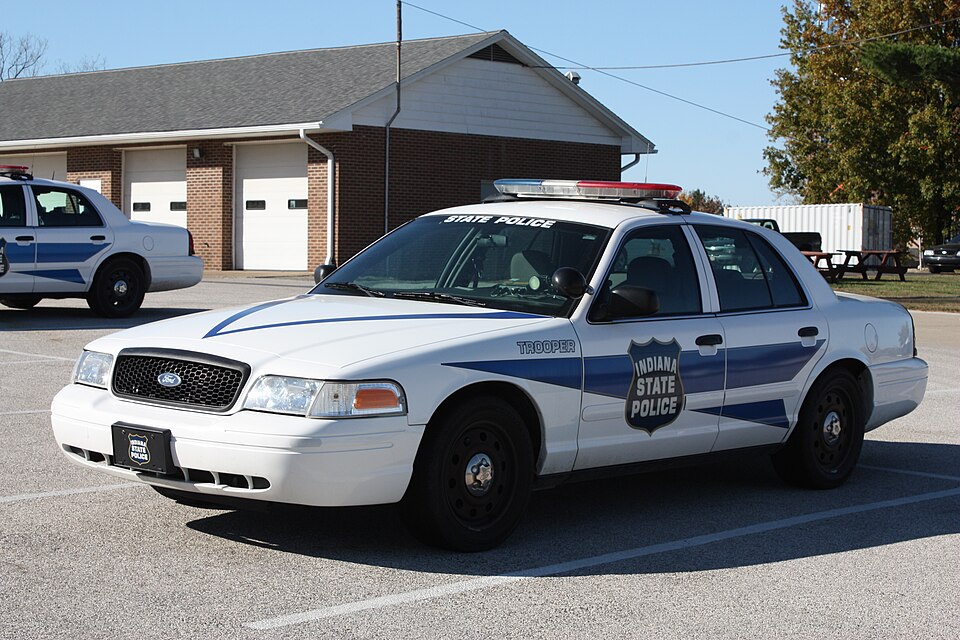
    Photo: Dougtone, CC BY-SA 2.0, via Wikimedia Commons

    For adults in Indiana, the route is permit, practice, skills exam. Driver education is optional for adults, but the July 2026 Indiana Driver’s Manual from the Bureau of Motor Vehicles (BMV) still asks adults for a 50-hour practice log and lists a 180-day permit hold as a general license requirement. This guide covers what applies at 18, at 19 to 20 and at 21 or older, and how to prepare for the skills exam.

    Key facts

    • Learner’s permit: vision screening, knowledge exam and documents proving identity, lawful status, Social Security number and Indiana residency. Valid for 2 years.
    • Supervisor at 18 or older: a licensed driver aged 25 or older, or your licensed spouse aged 21 or older.
    • 50-hour log: required at 18 or older too, with 10 hours at night, on State Form 54706, according to the July 2026 Driver’s Manual. You sign it yourself.
    • Permit hold: the manual lists holding your Indiana learner’s permit for at least 180 days among the license requirements.
    • Driver education: not required for adults.
    • Skills exam: book on myBMV or by calling 888-692-6841.
    • Under 21: your first license is probationary, with a 180-day curfew and passenger limit and a ban on phone use.

    What applies to you: 18, 19 to 20, or 21 and older

    Rule 18 19 to 20 21 or older
    Driver education Not required Not required Not required
    50-hour log (10 at night) Required Required Required
    Permit held first 180 days 180 days 180 days
    Permit supervisor Licensed driver 25+ or licensed spouse 21+ Same Same
    License type Probationary until 21 Probationary until 21 Standard license
    First 180 days on the license No driving 10 p.m. to 5 a.m.; no passengers without a qualifying adult in front Same No probationary limits
    Phone use while driving Banned except 911 until 21 Banned except 911 until 21 Hands-free only

    Two rules adults often get wrong

    1. Do adults need the 50-hour log?

    Yes. The July 2026 Driver’s Manual says that if you are at least 18 and applying for a license, you must complete at least 50 hours of supervised practice, 10 of them at night, with a licensed driver aged 25 or older or your licensed spouse aged 21 or older. You hand in State Form 54706 when you apply. If your permit is daytime-only (restriction G), you still need the 50 hours, just not the night hours. The “no log, no holding period” wording you may see quoted online comes from the manual’s section on applicants with disabilities who complete driver rehabilitation training with a BMV-recognized specialist; it does not cover other adults. Log details: Indiana driver education and the 50-hour log.

    2. Is there a minimum permit holding period for adults?

    The manual lists a valid Indiana learner’s permit held for at least 180 days among the license requirements, and says new residents who were never licensed in another state must hold an Indiana permit for 180 days. Plan on 180 days. If a branch tells you a shorter wait applies to you, get that confirmed before you book a skills exam, so your appointment is not wasted.

    Step by step: your first Indiana license as an adult

    1. Gather documents proving identity, lawful status, Social Security number and Indiana residency. See the US permit documents checklist.
    2. Pass the vision screening and the knowledge exam at a BMV branch. Study with the Indiana BMV permit test guide and the Indiana permit practice test.
    3. Practice with a qualified supervisor: a licensed driver 25 or older, or your licensed spouse 21 or older.
    4. Book the skills exam through myBMV or on 888-692-6841, once your 180 days and 50 logged hours are done.
    5. Pass the skills exam and get your license. Under 21, it is probationary.

    What is on the Indiana driving skills exam?

    What the BMV sets out:

    • Always tested: backing out of a parking space, with mirror and blind-spot checks.
    • Not tested: parallel parking, which the BMV says is no longer part of the exam.
    • Automatic fails: backing over a curb or driving into a parked vehicle.
    • Car: legally equipped, insured and safe, with current registration. Driver assistance technology must be turned off (backup cameras are exempt).
    • Bring: your permit, your completed 50-hour log, and, at 18 or older, a licensed driver to come with you.

    If you fail, the BMV wait before a retest is 7 days. Full guide: the Indiana road skills test explained.

    Driving on a probationary license at 18 to 20

    Every Indiana license issued before 21 is probationary. In the first 180 days you may not drive between 10 p.m. and 5 a.m., or carry passengers unless a licensed instructor, a licensed driver 25 or older, or your spouse 21 or older sits in the front seat. Night exceptions cover work, school-sanctioned activities and religious events. The later weekday curfews end at 18, so they do not affect you. Until 21 you may not use any telecommunications device while driving, except to call 911. At 21, renew to an unrestricted license. Full rules: Indiana probationary license rules and Indiana phone laws for new drivers.

    Common questions

    Do I need driver’s ed to get a license in Indiana at 18?

    No. Driver education lets teens license earlier; it is not required for adults.

    Who can I practice with?

    At 18 or older, any licensed driver aged 25 or older, or your licensed spouse aged 21 or older.

    How long is an Indiana learner’s permit valid?

    Two years from the date it is issued.

    Can I book the skills exam online?

    Yes, through your myBMV account, or by phone on 888-692-6841.

    What does it cost?

    Check the BMV fee page before you go. Comparison: license costs by state.

    I get points in my first year. Does age matter?

    The point thresholds are the same for all ages, but drivers under 21 can be required to complete a driver safety program after two incidents. See the Indiana BMV points system.

    Back to learning to drive in Indiana. Other states: learning to drive as an adult in the US.

    Sources

    • State of Indiana, “If my child completes an online driver education class and then completes the 50 hours of driving…” (faqs.in.gov)
    • State of Indiana, “How long is a learner’s permit good for?” (faqs.in.gov)
    • State of Indiana, “Can I schedule a driving skills exam online? By phone?” (faqs.in.gov)
    • Indiana Bureau of Motor Vehicles, “Learner’s Permit” (in.gov)
    • Indiana Bureau of Motor Vehicles, “Driver’s License” (in.gov)
    • Indiana Bureau of Motor Vehicles, “Indiana Driver’s Manual” (in.gov)
    • Indiana Bureau of Motor Vehicles, “Probationary Driver’s License” (in.gov)
  • Indiana BMV Points System and License Suspension

    Indiana BMV Points System and License Suspension

    Photo: Sarah Ewart, CC BY-SA 3.0, via Wikimedia Commons

    The Indiana BMV adds points to your driving record for moving violations. Points stay active for 24 months. Reaching 14 to 18 active points brings a warning, and 20 points brings a suspension. Young drivers face an extra rule: two or more traffic convictions before 21 can lead the BMV to require a driver safety program. This guide explains the point values, thresholds and how to earn a 4-point credit.

    Key facts (as of November 2026)

    • Points stay active for 24 months from the conviction date.
    • 14 to 18 active points in 24 months: warning notice from the BMV.
    • 20 points: a one-month suspension, with longer penalties at higher totals.
    • Under 21: two or more traffic convictions can mean the BMV requires a BMV-approved driver safety program (DSP). At 21 or older, the trigger is two or more convictions within 12 months.
    • A completed DSP gives a 4-point credit, once every 3 years.

    How many points is a ticket in Indiana?

    Examples from the Indiana Driver’s Manual and the BMV point schedule (point values range from 0 to 10):

    Violation Points
    Speeding 1 to 15 mph over 2
    Speeding 16 to 25 mph over 4
    Speeding 26 mph or more over 6
    Disregarding a stop or yield sign 4
    Using a hand-held device while driving 4
    Unsafe lane movement 4
    Failing to yield to an emergency vehicle 6
    Following too closely 6
    Driving while suspended 8
    Probationary license violation (under 18) 4

    Use the BMV’s Driver Record Points page for the full, current schedule. Hands-free law violations have carried points since July 2021.

    When does the Indiana BMV suspend your license for points?

    Active points (24 months) What happens
    14 to 18 Warning notice
    20 One-month suspension
    Higher totals Longer penalties set by the BMV point rule

    Older versions of the rule used different thresholds, and some city and third-party pages still quote them. Check the current figures on the BMV Driver Record Points page.

    Three moving offenses in 12 months

    Separately, if you commit three moving traffic offenses within 12 months, the BMV may require you to attend an administrative hearing.

    The under-21 driver safety program rule

    The Driver’s Manual says drivers under 21 convicted of two or more traffic offenses may be required to complete a BMV-approved driver safety program. If the BMV mails you that notice, you have 90 days to finish the course or your driving privileges are suspended until it is done. This can happen even if your total points are low. A judge can also order a course after a ticket.

    How the 4-point credit works

    • Completing and paying for a BMV-approved driver safety program gives you a 4-point credit.
    • The credit can be used only once every 3 years.
    • It does not remove the citation from your driver history.

    Points and your insurance

    The BMV asks for proof of insurance (a Certificate of Compliance filed electronically by your insurer) when you:

    • are in a crash
    • get a pointable moving violation within one year of two others
    • commit a serious violation such as a misdemeanor or felony
    • get any pointable violation after an earlier suspension for not proving financial responsibility

    Points also tend to raise premiums. See car insurance for new drivers.

    How a new Indiana driver can stay clear

    1. Keep to the probationary night, passenger and phone rules; under 18, a breach costs 4 points (see Indiana probationary license rules).
    2. Treat speed as the main risk: even a small speeding ticket is 2 points and counts as an incident for the under-21 DSP rule.
    3. Check your official driving record with the BMV after any ticket.
    4. If you get one ticket, take extra care for the next 24 months.

    Common questions

    How many points before your license is suspended in Indiana?

    Under the current BMV rule, 20 active points within 24 months brings a one-month suspension. 14 to 18 points brings a warning.

    How long do points stay on your Indiana record?

    They become inactive 24 months after the conviction date. The citation itself stays in your driver history.

    I’m 18 and have two speeding tickets. What happens?

    Two point-carrying incidents before 21 means you must complete a driver safety program, usually within 90 days of the BMV notice, or face suspension.

    Does a driver safety program remove a ticket?

    No. It gives a 4-point credit, once every 3 years, but the citation stays on your history.

    How many points is a speeding ticket in Indiana?

    2, 4 or 6 points, depending on whether you were 1 to 15, 16 to 25, or 26 or more mph over the limit.

    Where do I pay reinstatement fees?

    Through the BMV. The BMV FAQs list how to pay and the common suspension and reinstatement forms.

    Back to learning to drive in Indiana. Compare states: points systems and license suspensions in the US.

    Sources

    • Indiana Bureau of Motor Vehicles, “Driver Record Points” (in.gov/bmv)
    • Indiana Bureau of Motor Vehicles, “Driver Safety Program” (in.gov/bmv)
    • Indiana Bureau of Motor Vehicles, “Indiana Driver’s Manual” chapter 5 (in.gov/bmv)
    • Indiana Administrative Code, “140 IAC 1-4.5” point system rule (iar.iga.in.gov)
    • Indiana General Assembly, “IC 9-30 General Penalty Provisions” (iga.in.gov)
    • State of Indiana FAQs, “When does the BMV require proof of insurance from drivers?” (faqs.in.gov)
    • Indiana Department of Transportation, “Hands-Free Indiana” (in.gov/indot)
  • Indiana 50-Hour Driving Log and Driver Education Checklist

    Indiana 50-Hour Driving Log and Driver Education Checklist

    Photo: NTSB, Public domain, via Wikimedia Commons

    Indiana driver education has two parts: 30 hours of classroom or online instruction and 6 hours of behind-the-wheel training with a BMV-licensed school. It is optional, but it lets you start at 15 and get licensed at 16. Every new driver, at any age, must also complete a 50-hour supervised driving log with 10 hours at night. This checklist covers both.

    Key facts (as of November 2026)

    • Driver education: 30 hours theory (classroom or online) plus 6 hours behind the wheel.
    • You must be 15 to enroll in either part.
    • Without driver education: permit at 16, license at 16 years 270 days.
    • 50 hours of supervised driving, at least 10 at night, for all new drivers, with or without driver ed. The July 2026 Driver’s Manual applies it to applicants 18 or older too.
    • The log is the BMV Supervised Driving Log (State Form 54706). Bring it to the skills test.

    Is driver education required in Indiana?

    No. It changes your timeline:

    With driver education Without driver education
    Earliest permit 15, while enrolled in a behind-the-wheel program 16
    Earliest license 16 16 years 270 days
    Permit held first 180 days 180 days
    50-hour log Required Required

    One BMV quick-reference sheet gives 16 years and 90 days as the driver education license age, while the BMV’s probationary license page and manual say 16. Confirm your date with the BMV.

    What counts as completed driver education?

    • Theory: 30 hours, classroom or online.
    • Behind the wheel: 6 hours with a BMV-licensed driver training school.

    Both parts are needed for a license at 16. An online theory course on its own, plus 50 logged hours, does not qualify you at 16. The BMV publishes a list of licensed driver training schools.

    When can you practice with a parent?

    At 15, you can drive with a parent once you:

    1. have finished the 30-hour theory portion,
    2. have your learner’s permit, and
    3. are enrolled in a BMV-licensed behind-the-wheel program.

    At 16 or over, you just need a valid learner’s permit.

    Who can supervise your practice?

    Under 18, the supervisor sits in the front passenger seat and must be either a licensed driver aged 25 or over with valid privileges who is related to you by blood, marriage or legal status, or your licensed spouse aged 21 or over. At 18 or over, any licensed driver aged 25 or over, or a licensed spouse aged 21 or over, can supervise.

    50-hour log checklist

    • Use the BMV’s Supervised Driving Log (State Form 54706).
    • Fill in every session the way the form asks, keeping night hours clearly separate.
    • Reach 50 hours in total, with at least 10 hours at night.
    • Start logging from your first permit drive; you need 180 days on the permit anyway.
    • Have your supervisor complete their part of the form. Under 18, a parent or legal guardian signs the log; at 18 or older, you sign it yourself.
    • Daytime-only permit (restriction G)? You still need 50 hours, but the 10 night hours do not apply.
    • Keep the log somewhere safe and bring it to the road skills test.

    A 50-hour plan that covers the skills test

    Hours Focus
    1 to 5 Empty parking lots: steering, smooth braking, backing out of spaces
    6 to 15 Quiet residential streets: stop signs, turns, mirror and blind-spot checks
    16 to 25 Busier roads: traffic lights, lane changes, four-way stops
    26 to 35 Higher-speed roads and highways: merging, following distance
    36 to 45 Night driving (at least 10 hours in total), rain, and roads near your test branch
    46 to 50 Mock tests: backing out of a space, full route with no coaching

    Useful reading for the later stages: freeway driving for new drivers and driving in snow, fog and rain.

    Common questions

    How many hours of driving do you need in Indiana?

    50 hours of supervised driving, including 10 at night, for every new driver. The only exception in the manual is an adult with a disability who completes driver rehabilitation training with a BMV-recognized specialist.

    Do I still need the 50-hour log if I take driver’s ed?

    Yes. The log is required with or without driver education.

    Can I do Indiana driver’s ed completely online?

    The 30-hour theory part can be online. The 6 hours behind the wheel must be with a BMV-licensed school.

    Do behind-the-wheel lessons count toward the 50 hours?

    Check with your driving school and the instructions on the log form, or ask the BMV.

    Can my grandparent supervise me?

    Under 18, yes if they are licensed with valid privileges and at least 25, since the supervisor must be related by blood, marriage or legal status.

    What happens if I lose my log?

    You need a completed log at the skills test. Keep a photo of each page as a backup and ask the BMV what to do if the original is lost.

    Back to learning to drive in Indiana. See also the Indiana permit test and supervised driving hours by state.

    Sources

    • Indiana Bureau of Motor Vehicles, “Driver Education” (in.gov/bmv)
    • Indiana Bureau of Motor Vehicles, “Learner’s Permit” (in.gov/bmv)
    • Indiana Bureau of Motor Vehicles, “Probationary Driver’s License” (in.gov/bmv)
    • Indiana Bureau of Motor Vehicles, “Learner and Probationary Quick Reference” (in.gov/bmv)
    • State of Indiana FAQs, BMV answers on driver education and driving with parents (faqs.in.gov)
  • Indiana Probationary License Restrictions and Curfew

    Indiana Probationary License Restrictions and Curfew

    Photo: Raymond Wambsgans, CC BY 2.0, via Wikimedia Commons

    Every Indiana driver’s license issued before age 21 is probationary. For the first 180 days you may not drive from 10 p.m. to 5 a.m. or carry passengers without a qualifying adult. Later night limits last until 18, and the phone ban lasts until 21. This guide sets out each rule, the exceptions and how the license becomes unrestricted.

    Key facts (as of November 2026)

    • First 180 days: no driving 10 p.m. to 5 a.m.
    • First 180 days: no passengers unless a licensed instructor, a licensed driver 25 or older, or a spouse 21 or older is in the front seat.
    • After 180 days, until 18: no driving after 11 p.m. Sunday to Thursday, 1 a.m. to 5 a.m. on Saturday and Sunday, or before 5 a.m. Monday to Friday.
    • Under 21: no telecommunications device use while driving except to call 911.
    • The license cannot be renewed until your 21st birthday; renewing after 21 gives you an unrestricted license.

    Indiana probationary license restrictions by stage

    Rule First 180 days After 180 days, under 18 18 to 20
    Night driving Not between 10 p.m. and 5 a.m. Not after 11 p.m. Sun to Thu; not 1 a.m. to 5 a.m. Sat and Sun; not before 5 a.m. Mon to Fri Night limits end at 18
    Passengers None, unless a qualifying adult is in the front seat Passenger limit has ended Passenger limit has ended
    Phones and devices 911 calls only 911 calls only 911 calls only

    What is the Indiana curfew for new drivers?

    First 180 days

    You may not drive between 10 p.m. and 5 a.m.

    After 180 days until you turn 18

    You may not drive:

    • after 11 p.m., Sunday through Thursday
    • between 1 a.m. and 5 a.m. on Saturday and Sunday
    • before 5 a.m., Monday through Friday

    In practice: on a school night, be home by 11 p.m. On Friday and Saturday nights, be off the road by 1 a.m.

    Night exceptions

    The BMV allows driving in restricted hours when you are:

    • going to or from work
    • going to or from a school-sanctioned activity
    • going to or from a religious event
    • accompanied by a licensed driver aged 25 or over, or a spouse aged 21 or over

    These are the exceptions the July 2026 Driver’s Manual lists. The manual places them after the later night limits, so if you need to drive between 10 p.m. and 5 a.m. in your first 180 days, confirm with the BMV that your trip is covered.

    Who can ride with a new Indiana driver?

    For 180 days after you get your probationary license, you may not carry passengers unless one of these is in the front passenger seat:

    • a licensed driving instructor
    • a licensed driver aged 25 or over
    • your spouse, aged 21 or over

    Family exception: you may drive your child, stepchild, sibling, step or half sibling, or spouse without a qualifying adult in the front seat during the first 180 days. Friends, cousins and other relatives still need the adult. Breaking the probationary license rules while under 18 adds 4 points to your record (see Indiana BMV points).

    Can drivers under 21 use a phone hands-free in Indiana?

    No. Probationary drivers under 21 may not use any telecommunications device while driving, including phones, pagers and text devices, except to call 911 in an emergency. Every other Indiana driver is covered by the hands-free law in force since July 1, 2020, which allows hands-free and voice-operated use but bans holding the phone. See hands-free laws by state.

    When does the probationary license end?

    A probationary license cannot be renewed until your 21st birthday. When you renew after turning 21, you receive an unrestricted license. The night and passenger limits end earlier, as above; the phone rule lasts until 21.

    Scenarios

    You are 16, licensed 2 months ago, and a friend needs a ride home

    Not allowed unless a qualifying adult (instructor, licensed driver 25 or older, or spouse 21 or older) sits in the front seat.

    You are 17, licensed 8 months ago, leaving a school game at 11:30 p.m. on a Tuesday

    This is in restricted hours, but returning from a school-sanctioned activity is an exception. Drive straight home.

    You are 19 and want to take a call through the car’s Bluetooth

    Not allowed. Under 21, only 911 calls are permitted while driving.

    Common questions

    What time do new drivers in Indiana have to be off the road?

    In the first 180 days, by 10 p.m. (until 5 a.m.). After that, until 18: 11 p.m. Sunday to Thursday, and 1 a.m. on Saturday and Sunday mornings.

    How long is the passenger restriction in Indiana?

    180 days from the date you get your probationary license.

    Can I drive my siblings to school?

    Yes. Siblings, step and half siblings, your own child or stepchild and your spouse are exempt from the 180-day passenger rule. A friend riding along at the same time is not.

    Can my school affect my license?

    Yes. Under 18, the BMV must suspend your driving privileges if your school reports an expulsion, a second suspension in one school year, habitual truancy or withdrawal from school.

    Does the Indiana curfew apply if I’m driving to work?

    No. Work is one of the listed exceptions.

    When can I get an unrestricted Indiana license?

    When you renew after your 21st birthday.

    Can I use GPS on my phone as a probationary driver?

    The under-21 rule bans using a telecommunications device while driving except for 911. Set up any route before you start and do not touch the phone while driving; confirm with the BMV whether a mounted navigation app is allowed for under-21 drivers.

    Back to learning to drive in Indiana. See also the Indiana road skills test and GDL rules compared by state.

    Sources

    • Indiana Bureau of Motor Vehicles, “Probationary Driver’s License” (in.gov/bmv)
    • Indiana Bureau of Motor Vehicles, “Indiana Driver’s Manual” (in.gov/bmv)
    • Indiana Bureau of Motor Vehicles, “Learner and Probationary Quick Reference” (in.gov/bmv)
    • Indiana Department of Transportation, “Hands-Free Indiana” (in.gov/indot)
    • Indiana Administrative Code, “140 IAC 1-4.5” point schedule (iar.iga.in.gov)
  • Indiana Driving Test: BMV Road Skills Test Explained

    Indiana Driving Test: BMV Road Skills Test Explained

    Photo: Dougtone, CC BY-SA 2.0, via Wikimedia Commons

    The Indiana road skills test (the BMV driving skills exam) is the last step to your probationary license. You can take it at a BMV branch by appointment or, in many cases, with a participating BMV-licensed driver education school. This guide covers booking, what to bring, the car rules that catch people out, what the examiner checks and the retest wait.

    Key facts (as of November 2026)

    • Book through your myBMV account or by calling 888-692-6841, at least 48 hours and no more than 3 weeks ahead.
    • Arrive at least 15 minutes before your appointment.
    • Bring your permit, your completed supervised driving log and driver education proof if you took it.
    • You supply the car. Driver assistance technology must be switched off.
    • Backing out of a parking space is always tested. Parallel parking is no longer part of the exam.
    • Fail, and you wait 7 days to retest. After a third fail on the same permit, you wait two months.
    • No charge for a skills exam given by the BMV.

    Are you eligible for the Indiana skills test?

    Before booking, check you have:

    • held your Indiana learner’s permit for at least 180 days
    • reached the minimum age: 16 with completed driver education, or 16 years and 270 days without it
    • finished 50 hours of supervised driving, including 10 at night, on the log

    These steps are explained in learning to drive in Indiana and Indiana driver education and the 50-hour log.

    BMV branch or driving school: where to take the test

    BMV branch Licensed driver education school
    Who can use it Anyone eligible Applicants 16 and over with a valid learner’s permit, at schools that take part in the program
    Driver ed needed? Only if your age route requires it The 36 hours of driver education only if your age route requires it
    How to book myBMV or 888-692-6841 Contact the school

    If your school does not take part, or you failed part of a driver education course, you test at a BMV branch.

    What to bring

    • Your valid Indiana learner’s permit
    • Your completed Supervised Driving Log
    • Proof of driver education completion, if you took it
    • Under 18: a parent or guardian who can sign for financial responsibility
    • 18 or over: a licensed driver to come with you
    • Your car’s current registration (the car must also be insured)

    Only you and the BMV examiner may be in the car during the exam. The examiner asks a few set questions first and scores you on a standard form.

    • Before you go: check the car for things that get it turned away, such as missing registration, unsafe tires, a missing bumper, broken glass or mirrors, or a door that will not open.

    Car requirements: check these the day before

    The car must be legally equipped, insured, safe and clean. The BMV can turn it away for problems such as:

    • brake lights or turn signals that do not work
    • doors that do not open properly
    • a cracked windshield

    Any driver assistance technology must be turned off for the exam, and the manual adds that interior cameras must be off too. Backup cameras are exempt. If you are not sure how to disable lane-keeping or parking assist, practice switching them off at home.

    What the examiner checks

    Always tested: backing out of a parking space

    This usually happens at the start, when you back out of your parking spot. The examiner watches your mirror use and blind-spot checks while backing, and how you check traffic, signal and enter or leave a space smoothly.

    On the road

    The manual lists what you are scored on: lane use and signaling before lane changes, following distance, holding your speed while being passed, speed control, defensive habits, following instructions, approaching intersections at the right speed with full stops, and backing correctly out of a parking space. Expect normal driving on the test route: turns, intersections, lane use, signaling, speed control and observation. Practice the habits listed in the Driver’s Manual: full stops, scanning, safe following distances and clear signals.

    Mistakes that fail you outright

    BMV guidance lists these as automatic failures:

    • Disobeying a stop, yield, school zone or no-turn-on-red sign, or a traffic signal
    • Backing over a curb or driving into a parked vehicle
    • Not following instructions, or not wearing a seat belt
    • Speeding, or driving too fast for conditions
    • Not reacting to a hazard
    • Turning into or using the wrong lane, straddling lanes, or driving left of center
    • Passing in a no-passing zone or crossing a solid yellow line
    • Driving too close to pedestrians or bicycles
    • Not pulling over for emergency vehicles, or not stopping for school buses
    • Failing to yield, breaking railroad crossing rules, or causing a crash

    Smaller errors lower your score and can add up to a fail: not using wipers or the defroster when needed, one hand on the wheel, the wrong gear, missed signals, driving too slowly or stopping for no reason, rolling past a stop line or crosswalk, skipping a blind-spot check, slowing down while changing lanes, reversing too fast, leaving a signal on, and driving too close to the car ahead or to a parked vehicle.

    No parallel parking

    The BMV says parallel parking is no longer part of the skills exam, although driving schools must still teach it. Learn it anyway: you will need it in town.

    Practice plan for the last two weeks

    1. Back out of parking spaces in busy lots, with full mirror and over-the-shoulder checks every time.
    2. Drive routes near the branch at the same time of day as your test.
    3. Have your supervisor call out every rolling stop, missed signal and late mirror check.
    4. Practice with the driver assistance features switched off.
    5. Do the car check: lights, signals, doors, windshield, registration and insurance.

    If you fail

    You must wait 7 days before taking another skills exam. If you fail a third time while on the same learner’s permit, the wait is two months from that last attempt. Ask the examiner what went wrong and practice that specifically before you rebook.

    After you pass

    You get a probationary license, which stays probationary until you are 21. Read the limits first: Indiana probationary license rules and curfew.

    Common questions

    Can I take my Indiana driving test at my driving school?

    Yes, if the school is a BMV-licensed provider that takes part in the testing program and you are 16 or over with a valid permit.

    Is parallel parking on the Indiana driving test?

    No. It is no longer included, though schools still teach it.

    How far ahead can I book the Indiana skills test?

    Between 48 hours and 3 weeks ahead, through myBMV or by phone.

    Can I use my car’s lane-assist or parking sensors during the test?

    No. Driver assistance technology must be switched off. Backup cameras are exempt.

    Who needs to come with me?

    Under 18, a parent or guardian who can sign for financial responsibility. At 18 or over, a licensed driver.

    How long until I can retest?

    7 days, or two months after a third fail on the same permit.

    See also: Indiana BMV permit test guide, common reasons people fail the US driving test and US road tests by state.

    Sources

    • Indiana Bureau of Motor Vehicles, “Driving (Skills) Test” (in.gov/bmv)
    • Indiana Bureau of Motor Vehicles, “Skills Test Route” (in.gov/bmv)
    • Indiana Bureau of Motor Vehicles, “Indiana Driver’s Manual” (in.gov/bmv)
    • Indiana Bureau of Motor Vehicles, “Resources for Driver Education Providers” (in.gov/bmv)
    • Indiana Bureau of Motor Vehicles, “Probationary Driver’s License” (in.gov/bmv)
    • State of Indiana FAQs, “Can I schedule a driving skills exam online? By phone?” (faqs.in.gov)
  • Indiana Permit Test: BMV Knowledge Exam Guide

    Indiana Permit Test: BMV Knowledge Exam Guide

    Photo: Tristan Loper, CC BY-SA 2.0, via Wikimedia Commons

    The Indiana BMV permit test (the knowledge exam) is a multiple-choice test in two sections, road signs and traffic rules, and you must score at least 80% on each section to pass. This guide covers who takes it, what to bring, how to study from the Indiana Driver’s Manual and what happens if you fail.

    Key facts (as of November 2026)

    • Format: multiple choice, two sections (traffic signs and traffic rules).
    • Pass mark: 80% or higher on each section.
    • Study source: the Indiana Driver’s Manual. Chapter 9 has learner sample questions for both sections.
    • No appointment usually needed. Arrive at least 30 minutes before the branch closes.
    • Fail it and you wait until the next business day to retake it.
    • You also need to pass a vision screening.

    Who has to take the Indiana knowledge exam?

    Anyone getting a learner’s permit at 16 or older without driver education takes the knowledge exam and a vision screening at a BMV branch. Teens starting at 15 must be enrolled in a BMV-licensed driver education course. If you are in driver education, ask your school how and where you will take the knowledge exam. The full path is in learning to drive in Indiana.

    What is on the Indiana permit test?

    Section What it tests Where to study
    Traffic signs Recognizing signs and what they mean Signs chapter of the Driver’s Manual
    Traffic rules Indiana traffic laws and safe driving techniques The rules of the road and safe driving chapters

    The BMV describes the exam as testing a basic understanding of Indiana traffic laws and defensive driving. Because each section is scored on its own, a strong rules score cannot make up for a weak signs score.

    Ask your BMV branch for the number of questions on the live exam, and do not rely on figures quoted by third-party sites. The learner sample questions in Chapter 9 of the manual are the best official practice.

    What to bring to the BMV

    • Your identity and Indiana residency documents. Use the BMV’s learner’s permit requirements list to check what counts.
    • Glasses or contact lenses if you normally wear them. Tell the branch staff and wear them for the vision screening.
    • Payment for the permit fee. Check the current amount on the BMV fee page.
    • Under 18: an adult to sign the financial liability statement in person, normally the custodial parent (then the other parent, a guardian, or another willing adult), with their own ID. You also give an emergency contact aged 18 or older. Teens under Department of Child Services care follow a separate route with proof of insurance.
    • Starting at 15: a Certificate of Driver Education Enrollment from your behind-the-wheel school, dated no more than three weeks before the class starts. An online theory certificate does not count.

    Get there at least 30 minutes before the branch closes, or you will not be allowed to start the exam that day.

    How to study for the Indiana permit test

    1. Read the current Indiana Driver’s Manual. Use the edition on the BMV site, not an old printed copy.
    2. Learn signs by shape and color first. Shape and color tell you a sign’s type before you can read it. See US road signs by shape and color.
    3. Cover right-of-way rules. Four-way stops, turns, emergency vehicles and school buses come up in every state test. See four-way stops explained and school bus stopping laws.
    4. Learn the numbers in the manual. Following distances, speed limits and BAC limits are easy marks if you have memorized them. See speed limits and the basic speed law.
    5. Take the manual’s sample exam. Aim to clear 80% on signs and on rules separately.
    6. Know the Indiana-only rules. Probationary limits, the under-21 phone ban and points are Indiana-specific. See Indiana probationary license rules.

    What happens if you fail?

    You can retake the knowledge exam on the next business day. Use the gap to review the section you missed, since you need 80% on both.

    After you pass

    You get your learner’s permit, valid for 2 years. Start your 50-hour supervised driving log straight away (see Indiana driver education and the 50-hour log) and hold the permit at least 180 days before the Indiana road skills test.

    Common questions

    How many questions are on the Indiana BMV permit test?

    Use the Chapter 9 learner sample questions to practice, and ask your branch if you want the current count.

    What score do I need to pass the Indiana permit test?

    At least 80% on each of the two sections, signs and rules.

    Do I need an appointment for the Indiana knowledge exam?

    Generally no. Arrive at least 30 minutes before the branch closes.

    How soon can I retake the test?

    The next business day.

    Can I take the permit test at 15?

    Only if you are enrolled in a BMV-licensed driver education course. Without driver education you must be 16.

    Is the Indiana permit test available in other languages?

    The BMV publishes the Driver’s Manual in Spanish and French as well as English. Ask your branch which languages the exam is offered in.

    Compare other states: US permit test by state.

    Sources

    • Indiana Bureau of Motor Vehicles, “Knowledge Exam” (in.gov/bmv)
    • Indiana Bureau of Motor Vehicles, “Indiana Driver’s Manual” including the knowledge exam chapter (in.gov/bmv)
    • Indiana Bureau of Motor Vehicles, “BMV Practice Knowledge Examination” (in.gov/bmv)
    • Indiana Bureau of Motor Vehicles, “Learner’s Permit” (in.gov/bmv)
    • Indiana Bureau of Motor Vehicles, “Learner’s Permit Requirements” document list (in.gov/bmv)
    • State of Indiana FAQs, “How long is a learner’s permit good for?” (faqs.in.gov)
  • How to Get a Driver’s License in Indiana: Steps for 2026

    How to Get a Driver’s License in Indiana: Steps for 2026

    Photo: Tristan Loper, CC BY-SA 2.0, via Wikimedia Commons

    To get a driver’s license in Indiana you get a learner’s permit (at 15 with driver education, or 16 without), hold it for 180 days, log 50 hours of supervised driving, and pass the BMV driving skills test. Your first license is probationary until you are 21. This guide walks through each step with the Indiana Bureau of Motor Vehicles (BMV) rules and links to a detailed guide for each one.

    Key facts (as of November 2026)

    • Learner’s permit: from 15 if enrolled in BMV-licensed driver education; from 16 without it.
    • Permit valid for 2 years. Hold it 180 days before applying for a license.
    • 50 hours of supervised driving, 10 at night, logged on State Form 54706. The July 2026 Driver’s Manual applies this at every age, adults included.
    • Probationary license: from 16 with completed driver education, or 16 years 270 days without it.
    • License stays probationary until 21, with night, passenger and phone limits.

    Indiana license steps at a glance

    Step With driver education Without driver education
    Learner’s permit 15, enrolled in a BMV-licensed course 16, after a vision screening and knowledge exam
    Supervised practice 50 hours, 10 at night 50 hours, 10 at night
    Minimum permit time 180 days 180 days
    Probationary license 16, after both parts of driver ed 16 years 270 days
    Unrestricted license Renew after your 21st birthday Renew after your 21st birthday

    Step 1: Get your Indiana learner’s permit

    At 15 you can get a permit if you are enrolled in an approved behind-the-wheel driver education course. At 16 or older you can get one without driver education by passing a vision screening and a knowledge exam. Bring your identity and residency documents; the BMV publishes a learner’s permit document list.

    The knowledge exam is multiple choice, in two sections (road signs and traffic rules), and you need 80% on each. Full details: Indiana BMV permit test guide.

    Who can supervise you

    If you are under 18 and not driving with an instructor, your supervisor must sit in the front passenger seat and be either:

    • a licensed driver with valid privileges, at least 25, and related to you by blood, marriage or legal status, or
    • your spouse, licensed with valid privileges and at least 21.

    At 18 or older you can practice with any licensed driver aged 25 or over, or a licensed spouse aged 21 or over.

    Step 2: Driver education (optional, but it saves time)

    Driver education is not required. It does let you start at 15 and get licensed earlier. To qualify for a license at 16 you need both parts: 30 hours of classroom or online instruction and 6 hours of behind-the-wheel training with a BMV-licensed school. An online class alone is not enough. See Indiana driver education and the 50-hour practice log.

    Step 3: Log 50 hours of practice

    Every new driver must complete the 50-hour supervised driving log (State Form 54706), with at least 10 hours at night, even after driver education. The July 2026 Driver’s Manual sets this for applicants under 18 and for applicants 18 or older. A parent or legal guardian signs the log if you are under 18. If your permit carries a daytime-only restriction, you still log 50 hours, but the night hours are not required. You hand in the completed log when you apply for your license.

    Step 4: Pass the driving skills test

    You book the skills test through your myBMV account or by calling the BMV on 888-692-6841, at least 48 hours and no more than 3 weeks ahead. Some licensed driver education schools can also give the test. You bring your own legally equipped, insured car. There is no BMV charge for a skills exam given at a branch. If you fail, you wait 7 days to retest; after a third failed exam on the same permit, the wait is two months. Details: Indiana road skills test explained.

    Step 5: Drive on a probationary license

    Any license issued before 21 is probationary. The main limits:

    • No passengers for the first 180 days unless a licensed instructor, a licensed driver aged 25 or over, or a spouse aged 21 or over is in the front seat. Your child, stepchild, sibling, step or half sibling, or spouse may ride with you without that adult.
    • No driving from 10 p.m. to 5 a.m. for the first 180 days.
    • After that, until 18, later night limits apply, with exceptions for work, school-sanctioned activities and religious events.
    • Under 21, no telecommunications device use while driving except to call 911.

    Under 18, the BMV must also suspend your driving privileges if your school reports an expulsion, a second suspension in one school year, habitual truancy or withdrawal from school.

    Full rules: Indiana probationary license rules and curfew.

    Keeping your Indiana license

    Tickets add points to your driving record. Points stay active for 24 months, and higher totals lead to warnings and then suspension. Drivers under 21 convicted of two or more traffic offenses can be required to complete a BMV-approved driver safety program within 90 days, or face suspension. See Indiana BMV points and license suspension.

    The BMV can also ask for proof of insurance (a Certificate of Compliance filed by your insurer) after a crash, after a third pointable moving violation within a year, or after a serious traffic violation. See car insurance for new drivers.

    What the Indiana Driver’s Manual covers

    Study the current Indiana Driver’s Manual for the knowledge exam. Its main topics and where to go deeper:

    Indiana road rules worth memorizing

    The knowledge exam asks about Indiana figures, not just national habits. From the July 2026 Driver’s Manual:

    • Speed limits unless posted otherwise: 70 mph on rural interstates (65 for heavy trucks), 60 mph on rural divided state highways, 55 mph on urban interstates, undivided state highways and county roads, 30 mph in most urban residential areas and 15 mph in alleys.
    • Work zones: the limit is always at least 10 mph below the normal maximum for the road.
    • Following distance: at least two to three seconds behind the vehicle ahead in good conditions.
    • Headlights: on from sunset to sunrise and whenever you cannot see 500 feet ahead. Dip to low beams within 500 feet of an oncoming vehicle and within 200 feet when following.
    • Move over: for a stopped emergency vehicle with flashing lights, or a stopped amber-light or disabled vehicle, change lanes away from it. If you cannot, slow to 10 mph under the posted limit.
    • School buses: stop for flashing red lights and the stop arm. On a road divided by a barrier or unimproved median, only traffic going the same way as the bus must stop.
    • Seat belts: required for the driver and every passenger.
    • Parking: never within 15 feet of a fire hydrant.
    • Theft: lock the car, take the keys and keep valuables out of sight, even for a short stop.

    See speed limits, move over laws and school bus laws for the wider picture.

    Phones: the rule for every Indiana driver

    Since July 1, 2020, Indiana’s hands-free law bans holding or using a phone or other telecommunications device while driving a moving vehicle, apart from hands-free or voice-operated use and 911 emergency calls. A violation is a Class C infraction. Drivers under 21 have the stricter rule above: no use at all except 911. See hands-free laws by state.

    Moving to Indiana or from abroad

    New Indiana residents have 60 days to get an Indiana license, and must surrender any other state’s card. At 18 or older with an out-of-state license, you bring that license, your driving record or a verification letter. You take a knowledge exam if your license expired less than five years ago or you held it for under a year, and a knowledge exam plus a driving skills test if it expired more than five years ago. Under 18, you need 16 years 180 days of age and 180 days on your previous license, plus a knowledge exam and vision screening. If you were never licensed elsewhere, you hold an Indiana permit for 180 days. Drivers from other countries take the skills test. See moving to a new state, driving in the US on a foreign license, REAL ID and your first license and using your permit in another state.

    Common questions

    Can I get my Indiana permit at 15 without driver’s ed?

    No. At 15 you must be enrolled in a BMV-licensed behind-the-wheel course. Without driver education, the earliest permit age is 16.

    How old do you have to be to get a license in Indiana?

    16 if you completed both parts of driver education, or 16 years and 270 days without it. You also need 180 days on your permit and the 50-hour log. One BMV quick-reference sheet still lists 16 years and 90 days for the driver education route, so confirm your exact date with the BMV before booking.

    How long is an Indiana learner’s permit valid?

    Two years. If it has been expired for more than 180 days when you renew it, you retake the knowledge exam. Only time on a valid permit counts toward your 180 days.

    Do I still need 50 hours if I take driver’s ed?

    Yes. Every new driver must complete the 50-hour log, including 10 hours at night, with or without driver education and at any age.

    When does an Indiana probationary license end?

    It cannot be renewed until your 21st birthday. When you renew after 21, you get an unrestricted license.

    Where do I take the Indiana driving test?

    At a BMV branch by appointment, or with a participating BMV-licensed driver education school.

    What does an Indiana permit or license cost?

    Check the current fee on the Indiana BMV fee pages before you visit; fees can change.

    Country overview: learning to drive in the USA. Compare states: GDL by state, permit tests by state, supervised hours by state.

    Sources

    • Indiana Bureau of Motor Vehicles, “Learner’s Permit” (in.gov/bmv)
    • Indiana Bureau of Motor Vehicles, “Probationary Driver’s License” (in.gov/bmv)
    • Indiana Bureau of Motor Vehicles, “Indiana Driver’s Manual” (in.gov/bmv)
    • Indiana Bureau of Motor Vehicles, “Learner’s Permit Requirements” document list (in.gov/bmv)
    • Indiana Bureau of Motor Vehicles, “Driving (Skills) Test” (in.gov/bmv)
    • State of Indiana FAQs, BMV answers on driver education, permits and skills exams (faqs.in.gov)
    • Indiana Department of Transportation, “Hands-Free Indiana” (in.gov/indot)
    • Indiana General Assembly, “IC 9-30-6 Implied Consent” (iga.in.gov)
  • Indiana Bioptic Driver Program: BMV Training and Vision Certificate

    Indiana Bioptic Driver Program: BMV Training and Vision Certificate

    Photo: Huw Williams, Public domain, via Wikimedia Commons

    Indiana allows bioptic driving through its Driver Ability Program. You need at least 20/40 through a bioptic telescope of no more than 4x power, best spectacle-corrected vision no worse than 20/200 without it, and at least 120 degrees of horizontal field. A low vision specialist completes the Certificate of Vision for Bioptic Drivers, and you then complete a BMV-approved bioptic driver rehabilitation program before you can be licensed. Bioptic drivers can hold a learner’s permit or driver’s license, but not a motorcycle endorsement.

    Indiana bioptic requirements

    Requirement Indiana guideline
    Vision without the telescope No worse than 20/200 with best spectacle correction
    Vision through the telescope 20/40 or better
    Telescope power 4x or less (unless part of a pilot study)
    Horizontal field At least 120 degrees
    Form Certificate of Vision for Bioptic Drivers, completed by your low vision specialist
    Training A BMV-approved bioptic driver rehabilitation program
    Credentials available Learner’s permit or driver’s license; no motorcycle endorsement
    Restrictions Added based on your acuity and driving skill

    Step by step: the Indiana route

    1. Low vision exam. A low vision specialist checks that you meet the guidelines and completes the Certificate of Vision for Bioptic Drivers.
    2. Bioptic driver rehabilitation program. You train through a program approved by the BMV.
    3. BMV branch visit. You apply for your permit or license with the certificate. The usual Indiana steps for your age apply as well: see learning to drive in Indiana.
    4. Restrictions. The BMV can add restrictions based on your acuity and how you drive.

    Ask the BMV Driver Ability Program for the approved programs, the length of training and whether a daylight restriction is standard.

    Questions about the Indiana program

    Can I use the bioptic for the BMV vision screening?

    The guidelines separate your vision without the telescope (no worse than 20/200) from your vision through it (20/40). Ask your specialist and the BMV how your screening will be done, and bring the certificate.

    Can I ride a motorcycle?

    No. Bioptic drivers are not eligible for a motorcycle endorsement in Indiana.

    Is my telescope too strong?

    Indiana’s limit is 4x unless you are part of a pilot study. Your low vision specialist can tell you what your prescription is.

    How Indiana compares

    Indiana’s 4x cap is higher than Illinois’s 2.2x or 3.0x. See Illinois bioptic driving, Ohio bioptic license rules and Kentucky’s program, or compare every state in bioptic driving laws by state. Questions about your own eyes are for your low vision specialist.

    All medical and disability topics: the US guide to driving with a medical condition or disability.

    Want to practise the eyesight check? Our sister site Driving Eyesight Test has a free US letter chart on drivingeyesighttest.com. It is a practice screen, not an eye test.

    Sources

    • Indiana Bureau of Motor Vehicles, “Driver’s Licenses, Permits and IDs: Driver Ability Program” (in.gov)
    • Indiana Bureau of Motor Vehicles, “Certificate of Vision for Bioptic Drivers” (forms.in.gov)
  • Indiana Hands-Free Law and the Under-21 Phone Ban

    Indiana Hands-Free Law and the Under-21 Phone Ban

    Photo: Raymond Wambsgans, CC BY 2.0, via Wikimedia Commons

    Indiana has one of the longest teen phone bans in the country. If you are under 21 on a probationary license, you may not use a phone or other telecommunications device while driving at all, except to call 911. Everyone else falls under Indiana’s hands-free law, in force since July 1, 2020. It allows hands-free and voice use but bans holding the device. This guide is for Indiana teens, drivers under 21 and parents.

    Key facts (as of November 2026)

    • Under 21 on a probationary license: no telecommunications device use while driving, hands-free included. Calling 911 in an emergency is the only exception.
    • Everyone else: hands-free only. Holding a phone while the vehicle is moving is banned, except to call 911 to report a true emergency.
    • A hands-free violation is a Class C infraction with a fine of up to $500.
    • Hands-free violations have carried license points since July 2021: 4 points for a hand-held device violation in the Driver’s Manual point examples.

    Under 21: the probationary phone ban

    Every Indiana license issued before 21 is probationary. Until you turn 21, you may not use a telecommunications device while driving: phones, pagers and text devices. Bluetooth calls, speakerphone and voice texting are all banned. The one exception is calling 911 in an emergency.

    The ban lasts longer than the other probationary limits:

    Restriction How long it lasts
    Night and passenger limits (first 180 days) 180 days
    Later night limits Until 18
    Telecommunications device ban Until 21

    The full list of night hours and passenger exceptions is in Indiana probationary license rules and curfew.

    21 and over: what Indiana’s hands-free law allows

    INDOT’s Hands-Free Indiana campaign sums up the law this way:

    • Allowed: talking hands-free, using speakerphone, Bluetooth, an earpiece or headphones, or voice commands.
    • Banned: holding a phone or other device while the vehicle is moving.
    • Emergency exception: you may hold the phone to call 911 to report a true emergency.

    The safest setup is a mount, with navigation and music started before you pull away.

    What a phone ticket costs in Indiana

    Item Detail
    Offense level Class C infraction
    Maximum fine $500
    Points 4 points (Driver’s Manual, July 2026). Points have applied since July 2021

    For a probationary driver, points add up fast, and drivers under 21 with two or more traffic convictions can be required to take a driver safety program. See Indiana BMV points and license suspension.

    Scenario: GPS on the way to school

    A 17-year-old has a phone in a dashboard mount running a map app. The route was entered before leaving. Halfway there, the app suggests a faster route and the driver taps “accept”. The under-21 rule bans using a telecommunications device while driving, and tapping a phone is using it. The safe habit is to choose the route before you move and ignore prompts, or ask a passenger to handle them. If you are unsure whether a mounted navigation app is allowed for your age, ask the BMV.

    Common questions

    Can a 19-year-old in Indiana use Bluetooth while driving?

    Not if they hold a probationary license, which every license issued before 21 is. The under-21 ban covers hands-free use. Only a 911 call is allowed.

    When can I use a phone hands-free in Indiana?

    From your 21st birthday. A probationary license cannot be renewed until then, and renewing after 21 gives you an unrestricted license.

    Can I hold my phone at a red light in Indiana?

    The hands-free law bans holding the device while the vehicle is moving. The under-21 ban applies while driving. Either way, park before you use the phone.

    Can I call 911 while driving?

    Yes. Calling 911 to report a true emergency is allowed for all drivers, including under 21.

    Does the under-21 phone ban apply on a learner’s permit?

    The under-21 ban is written for probationary license holders. Every permit holder is still covered by the hands-free law, and a permit is the time to build the no-phone habit you will need on a probationary license. Ask the BMV if you need a firm answer for your permit. Permit rules: Indiana BMV permit test guide.

    Back to the complete Indiana learner guide. Other states: hands-free and texting laws.

    Sources

    • Indiana Department of Transportation, “Hands-Free Indiana” fact sheet and FAQ (in.gov/indot)
    • Indiana Criminal Justice Institute, “Distracted Driving” (in.gov/cji)
    • Indiana Bureau of Motor Vehicles, “Probationary License” and “Driver Record Points” (in.gov/bmv)
    • Indiana General Assembly, “Indiana Code 9-21-8-59 and 9-24-11-3.3” (iga.in.gov)
  • Indiana Permit Practice Test: Free BMV Signs and Rules Questions

    Indiana Permit Practice Test: Free BMV Signs and Rules Questions

    Photo: Dougtone, CC BY-SA 2.0, via Wikimedia Commons

    The Indiana BMV knowledge exam is a multiple-choice test in two sections, road signs and traffic rules, and the BMV says you need at least 80% on each section to pass. This practice set is split the same way. Its 16 sign questions and 24 rules questions are our own exercise layout, not the length of the official exam, so you can score each half separately. Every question is original and unofficial, written from the Indiana Driver’s Manual topics and BMV rules; none is a BMV question.

    Indiana knowledge exam: key facts

    • Two sections, road signs and traffic rules. Score 80% or more on each. A strong rules score does not make up for a weak signs score.
    • Ask your BMV branch for the total question count on the live exam. Chapter 9 of the Driver’s Manual has short sample sets of sign and traffic questions to practice with.
    • Retake: the next business day. Arrive at least 30 minutes before the branch closes or you cannot start.
    • Age: 16 without driver education, or 15 if enrolled in a BMV-licensed driver education course.

    Documents, branches and study tips: the Indiana BMV permit test guide.

    Section 1: road signs (questions 1 to 16)

    1. What does a red octagon mean?

    • A. Yield
    • B. Stop completely
    • C. No parking
    • D. Slow, school zone

    Answer: B. The octagon shape is reserved for STOP. Manual topic: signs.

    2. A white rectangle with black lettering is usually a:

    • A. Construction sign
    • B. Guide sign for exits
    • C. Regulatory sign, such as a speed limit
    • D. Warning sign

    Answer: C. Black-on-white rectangles state laws you must obey. See US road signs by shape and color.

    3. A yellow diamond showing a curved arrow means:

    • A. The road curves ahead; slow down
    • B. One-way street
    • C. Detour
    • D. You must turn

    Answer: A. Diamond warning signs show the road shape ahead.

    4. A yellow diamond with two arrows pointing in opposite directions, one up and one down, warns of:

    • A. Merge
    • B. Divided highway
    • C. Lane ends
    • D. Two-way traffic ahead

    Answer: D. You are leaving a one-way section or divided road and oncoming traffic will share the road.

    5. A fluorescent yellow-green pentagon with figures walking means:

    • A. A pedestrian mall
    • B. A school zone or school crossing
    • C. A hiking trail
    • D. A park entrance

    Answer: B. The pentagon is the school sign shape. Expect children.

    6. A white X-shaped sign reading RAILROAD CROSSING is placed:

    • A. A mile before the crossing
    • B. At closed tracks
    • C. Only at crossings with gates
    • D. At the crossing itself

    Answer: D. The crossbuck marks the crossing; the round yellow sign gives advance warning. See railroad crossings.

    7. A yellow pennant on the left side of the road marks:

    • A. A narrow bridge
    • B. The start of a no-passing zone
    • C. A rest area
    • D. A speed trap

    Answer: B. The pennant reinforces the solid yellow line on your side.

    8. A sign shows a red circle with a slash over a left arrow. It means:

    • A. Left lane closed ahead
    • B. Left turn only
    • C. Keep left
    • D. No left turn

    Answer: D. The red slash bans the movement in the symbol.

    9. Which sign color is used for motorist services such as gas, food and hospitals?

    • A. Orange
    • B. Blue
    • C. Brown
    • D. Green

    Answer: B. Blue is for services, green for directions, brown for recreation and orange for work zones.

    10. An orange sign reading ROAD WORK AHEAD means:

    • A. Slow down and watch for workers and equipment
    • B. The road is closed
    • C. Speed limits do not apply
    • D. Use the shoulder

    Answer: A. Orange marks a work zone. Fines can be higher there. See work zone driving rules.

    11. A steady red arrow pointing left means:

    • A. Yield, then turn left
    • B. Left turns only
    • C. Do not turn left until the arrow changes
    • D. Turn left after stopping

    Answer: C. A red arrow stops movement in that direction. See traffic signals in the US.

    12. A flashing yellow arrow pointing left means:

    • A. You may turn left, but must yield to oncoming traffic and pedestrians
    • B. Turn left quickly before red
    • C. You have a protected left turn
    • D. Stop, left turns are banned

    Answer: A. It is a permissive turn: oncoming traffic still has a green light.

    13. A flashing red light at an intersection means:

    • A. Stop completely, then go when it is safe
    • B. Pedestrians only
    • C. The light is about to turn green
    • D. Slow down and proceed

    Answer: A. Treat a flashing red signal like a STOP sign.

    14. A yellow line separates:

    • A. Lanes moving the same way
    • B. Bike lanes from car lanes
    • C. Parking from traffic
    • D. Traffic moving in opposite directions

    Answer: D. Yellow center lines divide opposing traffic; white lines divide same-direction lanes. See US pavement markings.

    15. A center lane marked with solid and broken yellow lines on both edges, with left-turn arrows, is for:

    • A. Passing
    • B. Parking
    • C. Buses only
    • D. Left turns by traffic from both directions

    Answer: D. Use the two-way left-turn lane only to start or finish a left turn. See the center two-way left-turn lane.

    16. A green sign with white letters gives:

    • A. Services
    • B. A law
    • C. Directions and distances
    • D. A warning

    Answer: C. Green guide signs show routes, exits and distances.

    Score Section 1

    You need 13 of 16 for 80%. Under that, drill shapes and colors before moving on.

    Section 2: traffic rules (questions 17 to 40)

    17. Two vehicles arrive at an intersection with no signs or signals at the same time. Who yields?

    • A. The larger vehicle goes first
    • B. The driver on the right yields
    • C. The driver on the left yields to the driver on the right
    • D. The driver turning right always goes first

    Answer: C. Yield to the vehicle on your right when you arrive together. See right of way at uncontrolled intersections.

    18. At a four-way stop, the first vehicle to come to a complete stop:

    • A. Yields to everyone on the left
    • B. Waits for all others
    • C. Must turn right
    • D. Goes first

    Answer: D. First to stop, first to go. Ties go to the car on the right. See four-way stops explained.

    19. Before turning right on red where it is allowed, you must:

    • A. Honk
    • B. Stop fully and yield to pedestrians and cross traffic
    • C. Slow to 5 mph
    • D. Wait for a green arrow

    Answer: B. Right on red comes after a full stop and only when it is safe and not prohibited by a sign. See right on red.

    20. You hear a siren and see flashing lights behind you. You should:

    • A. Move to the left lane
    • B. Pull to the right edge, clear of intersections, and stop
    • C. Stop immediately where you are
    • D. Keep going at the speed limit

    Answer: B. Give emergency vehicles a clear path and wait until they pass. See pulling over for emergency vehicles.

    21. A police car is stopped on the shoulder with lights flashing. On a multi-lane road you should:

    • A. Flash your lights
    • B. Move over a lane if safe, or slow down if you cannot
    • C. Keep your speed
    • D. Stop beside it

    Answer: B. Every state has a move over law. See move over laws.

    22. A school bus ahead has stopped with red lights flashing and its stop arm out. You are behind it. You must:

    • A. Pass on the left slowly
    • B. Stop and stay stopped until the arm folds and the lights go off
    • C. Stop only if you see children
    • D. Honk and wait

    Answer: B. Traffic behind a stopped school bus always stops. Rules for oncoming traffic depend on the road layout. See school bus stopping laws.

    23. The posted limit is 55 mph, but there is thick fog. You should drive:

    • A. At the speed of the car ahead
    • B. Slower than 55 mph, at a speed safe for what you can see
    • C. With high beams on at 55 mph
    • D. At 55 mph

    Answer: B. Never drive faster than conditions allow. Use low beams in fog. See driving in snow, fog and rain.

    24. What is a good minimum following distance in normal conditions?

    • A. At least 3 seconds
    • B. 10 feet at any speed
    • C. Half a car length
    • D. 1 second

    Answer: A. Count seconds from a fixed point and add more in bad weather. See following distance.

    25. When should you switch to low beams at night?

    • A. Only in rain
    • B. Never on highways
    • C. When approaching or following another vehicle
    • D. Only in town

    Answer: C. High beams dazzle other drivers. See night driving.

    26. You plan to change lanes on a highway. The correct order is:

    • A. Signal and move at once
    • B. Signal, check mirrors, look over your shoulder at the blind spot, then move
    • C. Move, then signal
    • D. Check mirrors only

    Answer: B. Mirrors miss the blind spot. See lane changes and blind spots.

    27. Your car begins to hydroplane on a wet road. You should:

    • A. Accelerate
    • B. Ease off the gas and keep the wheel straight
    • C. Brake hard
    • D. Turn sharply

    Answer: B. Let the tires regain grip before braking or steering. See vehicle emergencies.

    28. What does Indiana call impaired driving?

    • A. OWI, operating while intoxicated
    • B. OVI
    • C. DUII
    • D. DWAI

    Answer: A. Indiana uses OWI. See implied consent and DUI.

    29. Under Indiana’s implied consent law, refusing a chemical test with no prior OWI conviction brings a license suspension of:

    • A. 30 days
    • B. 90 days
    • C. 1 year
    • D. 5 years

    Answer: C. One year, or two years if you have a prior OWI conviction.

    30. Which of these lowers your blood alcohol level?

    • A. Fresh air
    • B. Black coffee
    • C. Exercise
    • D. Only time

    Answer: D. Only time lowers it. Nothing speeds it up. See zero tolerance laws for drivers under 21.

    31. Under Indiana’s hands-free law, in force since July 1, 2020, an adult driver may:

    • A. Use a phone hands-free or by voice, but not hold it
    • B. Use a phone any way at all
    • C. Text at red lights
    • D. Hold the phone for calls

    Answer: A. Holding or using a phone while the car is moving is banned, apart from hands-free or voice use and 911 calls. Drivers under 21 face a stricter rule. See Indiana phone laws for new drivers.

    32. A 19-year-old Indiana probationary driver wants to take a call through the car’s Bluetooth. Is it allowed?

    • A. Yes, after the first 180 days
    • B. No. Under 21, the only allowed use is calling 911 in an emergency
    • C. Yes, hands-free is fine at any age
    • D. Only with a parent in the car

    Answer: B. Probationary drivers under 21 may not use any telecommunications device while driving, except to call 911.

    33. How old must you be to get an Indiana learner’s permit without driver education?

    • A. 15
    • B. 15 and a half
    • C. 16
    • D. 17

    Answer: C. 16 without driver education; 15 if enrolled in a BMV-licensed course. See the Indiana learner driver guide.

    34. How long must you hold an Indiana learner’s permit before applying for a license?

    • A. 90 days
    • B. 120 days
    • C. 180 days
    • D. 1 year

    Answer: C. 180 days. The permit is valid for 2 years.

    35. An Indiana permit holder under 18 practicing without an instructor must be supervised by:

    • A. A friend with a full license
    • B. A licensed relative aged 25 or older, or a licensed spouse aged 21 or older, in the front seat
    • C. Any licensed driver aged 18 or older
    • D. Any adult passenger

    Answer: B. The supervisor sits in the front passenger seat and must be a relative 25 or older, or your spouse 21 or older.

    36. How many supervised driving hours must every new Indiana driver log before applying for a license?

    • A. 30, with 5 at night
    • B. 40, with 8 at night
    • C. 50, with 10 at night
    • D. 60, with 10 at night

    Answer: C. 50 hours including 10 at night, even after driver education. See the Indiana 50-hour log.

    37. For the first 180 days of an Indiana probationary license, you may not drive between:

    • A. 9 p.m. and 5 a.m.
    • B. 10 p.m. and 5 a.m.
    • C. 11 p.m. and 5 a.m.
    • D. Midnight and 6 a.m.

    Answer: B. 10 p.m. to 5 a.m. After 180 days, later limits apply until 18. See Indiana probationary license rules.

    38. In the first 180 days, a probationary driver may carry passengers only when which person is in the front seat?

    • A. A licensed instructor, a licensed driver 25 or older, or a spouse 21 or older
    • B. No one; passengers are never allowed
    • C. Any passenger over 16
    • D. Any licensed driver over 18

    Answer: A. Without one of those people, no passengers, apart from family: your child, stepchild, sibling, step or half sibling, or spouse.

    39. How long do points stay active on an Indiana driving record?

    • A. 12 months
    • B. 18 months
    • C. 24 months
    • D. 36 months

    Answer: C. 24 months from the conviction date. A warning comes at 14 to 18 points and a suspension at 20. See Indiana BMV points.

    40. You fail the Indiana driving skills test. How long must you wait to retest?

    • A. 1 day
    • B. 3 days
    • C. 7 days
    • D. 30 days

    Answer: C. 7 days for the skills test. The knowledge exam can be retaken the next business day. See the Indiana road skills test.

    Score Section 2

    Section 80% line Your target
    Road signs (16) 13 correct 15 or 16
    Traffic rules (24) 20 correct 22 or more

    Pass both lines and you are close to ready. Then try the learner sample questions in Chapter 9 of the Indiana Driver’s Manual.

    Common questions

    Are these the real Indiana BMV questions?

    No. They are original, unofficial practice questions covering the same topics.

    How many questions are on the Indiana permit test?

    The BMV gives the 80% rule for each section. The 16 and 24 split on this page is our own practice layout. Ask your branch if you want the current count.

    Do I need an appointment?

    Usually not for the knowledge exam. Arrive at least 30 minutes before closing. See how to book a DMV test.

    I’m 18. Is it different?

    At 18 or older you can practice with any licensed driver 25 or over, or a licensed spouse 21 or over. See getting your first Indiana license as an adult.

    Can I retake the knowledge exam the same day?

    No. You can retake it on the next business day.

    Practice for other states?

    See US permit practice tests by state.

    Sources

    • Indiana Bureau of Motor Vehicles, “Indiana Driver’s Manual”, including Chapter 9 (in.gov/bmv)
    • Indiana Bureau of Motor Vehicles, “Learner’s Permit” (in.gov/bmv)
    • Indiana Bureau of Motor Vehicles, “Practice Knowledge Exam” (in.gov/bmv)
    • Indiana Bureau of Motor Vehicles, “Probationary Driver’s License” (in.gov/bmv)
    • State of Indiana, “BMV Frequently Asked Questions” (faqs.in.gov)
    • Indiana Department of Transportation, hands-free driving law information (in.gov/indot)