Category: Western Australia

  • WA Licence and Test Fees 2026: CTT, HPT, PDA and P Plates

    WA Licence and Test Fees 2026: CTT, HPT, PDA and P Plates

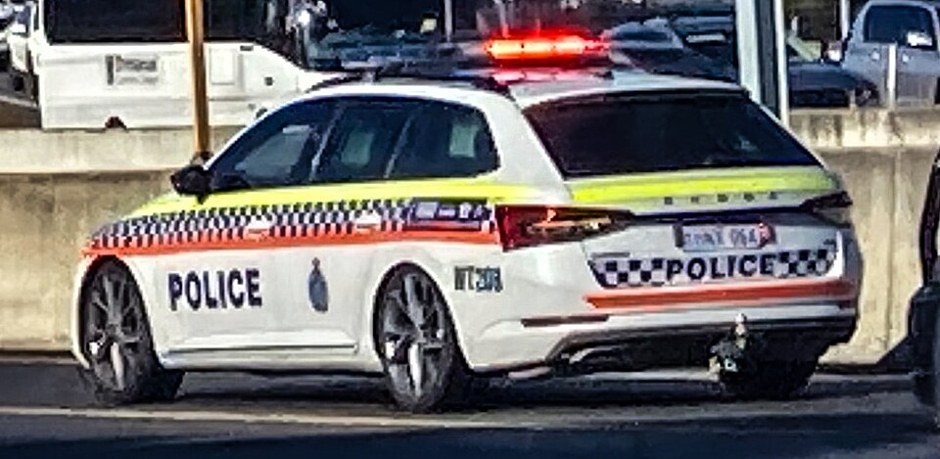
    Photo: Arno Kohlem, CC BY 3.0, via Wikimedia Commons

    In Western Australia, the learner’s permit application costs $150.80 and already includes your first Practical Driving Assessment (PDA). On top of that you pay $22.40 for the Computerised Theory Test (CTT) and $29.90 for the Hazard Perception Test (HPT). These are the Department of Transport and Major Infrastructure (DTMI) fees as of November 2026. This page lists every fee a WA car learner pays, what a resit costs, and how to avoid paying for a PDA twice.

    Key facts

    • The first PDA is included in the $150.80 learner’s permit fee. You pay $120.50 only for each resit.
    • Learn&Log, the digital log book in the ServiceWA app, is free. The printed log book costs $10.70.
    • Resits: CTT $19.20, HPT $24.10, PDA $120.50.
    • To cancel or move a PDA you must give at least 48 hours’ notice, or you are charged for a new PDA.
    • If you completed Keys4Life at school in the last 2 years, you do not take or pay for the CTT.
    • All figures are as of November 2026. Check the fee tables on transport.wa.gov.au before you pay.

    How much does it cost to get a licence in WA?

    Step Fee (November 2026) What it covers
    Computerised Theory Test (CTT) $22.40 Your first sit of the 30-question theory test
    CTT resit $19.20 Each later attempt
    Learner’s permit application $150.80 Your learner’s permit plus one PDA
    Printed learner log book $10.70 Optional; Learn&Log is free
    Hazard Perception Test (HPT) $29.90 Your first HPT
    HPT resit $24.10 Each later attempt, on another day
    Practical Driving Assessment (PDA) Included Your first PDA is part of the permit fee
    PDA resit $120.50 Each later PDA
    Provisional licence Licence fee (see below) Paid when you pass the PDA

    Total if you pass everything first time

    • With Learn&Log: $22.40 + $150.80 + $29.90 = $203.10, plus your provisional licence fee.
    • With the printed log book: $213.80, plus your provisional licence fee.
    • With Keys4Life (no CTT) and Learn&Log: $180.70, plus your provisional licence fee.

    These are government fees only. Lessons, fuel, the car and insurance are extra.

    What does the provisional licence cost in WA?

    To get your P plates after passing the PDA, DTMI says you must have your photo taken and “pay the renewal fee for your licence”. DTMI’s get-your-provisional-licence page does not list that amount. For reference, DTMI’s standard (non-provisional) driver’s licence fees are $49.40 for 1 year and $172.00 for 5 years. Your provisional period runs for 2 years, so ask DTMI on 13 11 56 for the exact provisional amount on the day you pass.

    The safe driver reward can make your first full licence free

    • If you commit no traffic offences during your provisional licence, your first full licence renewal notice offers a free 1-year renewal. You still have to process it (DoTDirect, phone, post or in person).
    • Another offence-free year (3 years in a row) earns up to $100 off your next renewal, or another free 1-year renewal.
    • If you renew for longer than 1 year the first time after your Ps, you lose the discount and Stage 2 of the scheme.

    Details: WA green P plates and getting your full licence.

    What does a resit cost?

    Scenario Extra cost Timing rule
    Fail the CTT once $19.20 Resit and pay the resit fee
    Fail the HPT once $24.10 Resit on another day
    Fail the PDA once $120.50 Wait 7 days before you can rebook online
    Fail the PDA twice $241.00 7-day wait after each fail

    Example: Learn&Log, first-time CTT and HPT passes, two PDAs: $203.10 + $120.50 = $323.60, plus the provisional licence fee. What to work on before a resit: failed your driving test in Australia.

    How long do WA test passes last?

    • CTT pass: valid for 5 years.
    • HPT pass: valid for 5 years.
    • Learner’s permit: valid for 3 years. If it expires, you reapply, which means paying the application fee again.

    If your permit is close to expiry and you are not ready for the PDA, plan ahead. Letting it lapse is the most expensive mistake on this page.

    How to avoid losing your PDA fee

    1. Give 48 hours’ notice to cancel or reschedule. You can do this any time on DoTDirect or by calling 13 11 56 (7am to 5.30pm weekdays). Weekends and public holidays count where DoTDirect can be used.
    2. Arrive at least 15 minutes early. If you are under 15 minutes late, the PDA is cancelled but you keep your test entitlement and rebook without paying. More than 15 minutes late and you lose it and must pay again.
    3. Bring a car that meets the PDA vehicle standard: licensed, roadworthy, the correct class, with a centrally mounted park brake.
    4. Bring your learner’s permit (or one primary and one secondary ID document).
    5. Finish your log book. Bring the signed paper log book, or submit your Learn&Log Declaration of Completion before the test.
    6. Pass the HPT first. You cannot sit the PDA without it.
    7. Turn up sober. A PDA attended under the influence of alcohol or drugs is cancelled and you must pay again.

    Full list: driving test day checklist for Australia and the WA Practical Driving Assessment.

    Refunds

    DTMI’s refund policy says it will refund a driving assessment fee on request if you gave at least two working days’ notice of cancellation. With less notice there is no refund. You can also ask for a refund if you decide not to go ahead with a driving assessment or HPT you have paid for. The booking page uses a 48-hour rule and the refund page uses two working days, so give two working days’ notice to be safe. Refunds are requested through DoTDirect or with refund Form C2.

    Cheapest route through WA licensing

    • Use Learn&Log instead of the printed book: saves $10.70.
    • Keys4Life at school: skips the $22.40 CTT if you apply within 2 years of finishing it and bring your certificate.
    • Practise before each test. DTMI has a free online road rules theory test quiz and an online HPT practice. See the WA Computerised Theory Test and the WA Hazard Perception Test.
    • Book the PDA when you are ready, not when the 50 hours are done. Each fail costs $120.50 and a week. The minimum hours rules are in WA learner rules and the 50 hour logbook.
    • Keep a clean record on your Ps for the free renewal.

    Common questions

    Is the first driving test free in WA?

    Not free, but prepaid. Your first PDA is included in the $150.80 learner’s permit application fee. Later PDAs cost $120.50 each.

    Do I pay for the theory test and the permit at the same time?

    You can sit the CTT on the same day you apply for your learner’s permit. You pay the test fee to sit it, and once you pass you pay the permit application fee to be issued with your permit.

    How much is the WA hazard perception test?

    $29.90 for your first attempt and $24.10 for each resit, as of November 2026. You need to be at least 16 years and 6 months old and have held your permit for at least 6 months.

    How much is a PDA resit in WA?

    $120.50, and you must wait 7 days after a fail before you can rebook online.

    Is Learn&Log really free?

    Yes. DTMI lists Learn&Log, the digital version of the learner log book, as “No fee”. The printed book is $10.70.

    I moved to WA with an interstate learner permit. What do I pay?

    Different steps apply when you transfer a licence or permit. See moving to WA.

    How do WA fees compare with other states?

    See the cost of getting a licence in every Australian state.

    Back to the main guide: learning to drive in Western Australia.

    Sources

    • Department of Transport and Major Infrastructure WA, “Apply for your learner’s permit” (transport.wa.gov.au)
    • Department of Transport and Major Infrastructure WA, “Take the Computerised Theory Test (CTT)” (transport.wa.gov.au)
    • Department of Transport and Major Infrastructure WA, “Sit a Hazard Perception Test (HPT)” (transport.wa.gov.au)
    • Department of Transport and Major Infrastructure WA, “Book and pass your Practical Driving Assessment (PDA)” (transport.wa.gov.au)
    • Department of Transport and Major Infrastructure WA, “Booking a PDA” and “Pass the Practical Driving Assessment (PDA)” (transport.wa.gov.au)
    • Department of Transport and Major Infrastructure WA, “Get your provisional licence” (transport.wa.gov.au)
    • Department of Transport and Major Infrastructure WA, “Renew your driver’s licence (standard)” (transport.wa.gov.au)
    • Department of Transport and Major Infrastructure WA, “Driver’s licence refunds” (transport.wa.gov.au)
    • Department of Transport and Major Infrastructure WA, “Keys4Life program” (transport.wa.gov.au)
  • Moving to WA: Transferring an Interstate or Overseas Licence

    Moving to WA: Transferring an Interstate or Overseas Licence

    Photo: The Q915, CC BY-SA 3.0, via Wikimedia Commons

    If you move to Western Australia to live, you can drive on your current interstate or overseas licence for up to 3 months, then you must transfer it to a WA licence. Interstate licences transfer with no theory test or driving assessment. Overseas licences from recognised countries transfer without tests too, while others need the Computerised Theory Test and a Practical Driving Assessment. This guide covers both routes, fees and the countries newly recognised from 31 October 2026.

    Key facts

    • New residents: 3 months to apply for a WA licence. For overseas licence holders, the clock starts once you hold a permanent visa and usually live in WA.
    • Visitors (tourists, business travellers, and students or workers in WA temporarily) can keep driving on a current licence.
    • Interstate: no tests if your licence is current or expired less than 5 years. Fees from $49.40 (1 year) as of November 2026.
    • Recognised country: no tests if your car licence is current or expired no more than 12 months; $63.50 transfer fee plus a licence fee.
    • Non-recognised country: theory test ($22.40) and PDA (included in the $150.80 application fee).
    • From 31 October 2026, car and motorcycle licences from 14 more countries, including South Korea, Taiwan and Poland, transfer without tests.
    • An overseas learner permit is not recognised in WA. You cannot drive on it.

    How long can you drive on your old licence?

    You are Rule in WA
    Visiting from interstate or overseas Drive on your current licence for as long as it stays valid. Carry it, follow its conditions, and carry an approved translation if it is not in English.
    Moving from interstate Apply for a WA licence within 3 months of becoming a WA resident
    Moving from overseas (citizen or permanent resident) Drive for up to 3 months on your overseas licence, then transfer. After 3 months you cannot legally drive on it, even if it is current.
    Holding an overseas learner permit Not recognised. You cannot drive on WA roads with it.

    Drive Safe sets out when authorisation on an overseas licence ends: when it expires or is disqualified, or once you hold a permanent visa and have usually lived in WA for 3 months since the visa was granted.

    Moving from another Australian state

    What you get

    • A licence that is current, or expired less than 5 years, transfers for all classes with no theory test or driving assessment. You do need to pass an eyesight test.
    • The time left on your interstate licence carries over, so you pay a transfer fee rather than a renewal fee: $49.40 for 1 year or $172.00 for 5 years (as of November 2026).
    • If your licence expired 5 or more years ago, you must pass a theory test and a PDA.

    What to bring

    1. A completed Driver’s Licence Application (Form DLA1).
    2. Your interstate licence card.
    3. WA proof of identity, including proof of your WA address such as a utility bill. WA’s rules differ from other states, so check them first: proof of identity in each state.
    4. Any medical declarations.

    Only physical original documents are accepted. Laminated, photocopied or photographed documents are refused. Your photo is taken at the DTMI service centre or regional agent.

    P platers: does your time count?

    Yes. Time held on an interstate provisional licence counts towards a full WA car licence. In WA the provisional period is a total of 730 days or until you are 19, whichever is greater. Inactive time, such as late renewal, suspension or disqualification, does not count. You then follow WA’s P plate rules. See WA red P plate rules and WA green P plates.

    Learners: what transfers

    If you hold an interstate, New Zealand or Indian Ocean Territories learner’s permit, WA can recognise:

    • the learner’s permit or licence itself
    • theory tests you have passed
    • a hazard perception test you have passed
    • your supervised driving hours.

    Apply in person with Form E60. New Zealand permit holders also need a Certificate of Particulars confirming their test dates. If you are under 25 you still need a total of 50 supervised hours (5 at night), with any recognised hours counting towards it, and you then sit the WA PDA. See WA learner rules and the 50 hour logbook and the WA PDA.

    Moving from overseas

    To apply for a WA car licence you must be at least 17. Your route depends on whether your licence comes from a recognised or non-recognised jurisdiction. DTMI’s website has the current list.

    Recognised jurisdictions

    • If your car licence is current, or expired no more than 12 months, you do not sit a theory test or PDA.
    • You pass an eyesight test and declare any medical conditions or medication.
    • Fees: $63.50 transfer application, then a licence fee of $49.40 (1 year) or $172.00 (5 years), even if your overseas licence has not expired.
    • Verification can add time. DTMI says Irish licences can take up to 10 business days to verify, and Singapore licence holders must access Singpass using biometrics at the application.

    Non-recognised jurisdictions

    1. Pass the car theory test ($22.40; resits $19.20). See the WA Computerised Theory Test.
    2. Pass the PDA. The $150.80 transfer application fee includes the driving test where one is needed. Each PDA resit costs $120.50.
    3. Pay the licence fee: $49.40 (1 year) or $172.00 (5 years).

    If you pass the PDA in an automatic, your licence covers automatic vehicles only. See automatic licence conditions in each state.

    DTMI’s non-recognised page does not mention the Hazard Perception Test. Check with DTMI on 13 11 56 whether you need one in your circumstances.

    Newly recognised from 31 October 2026

    Car and motorcycle licences from these jurisdictions now transfer without the theory test or PDA, for applications made on or after 31 October 2026:

    Bulgaria, Czech Republic, Estonia, Hungary, Latvia, Lithuania, Poland, Republic of Cyprus, Republic of Serbia, Romania, Slovakia, Slovenia, South Korea and Taiwan.

    Applications made before that date were handled under the non-recognised rules. Identity, residency, medical and eligibility rules still apply.

    Translations

    An overseas licence must be entirely in English, or it may need a translation, depending on whether the jurisdiction is recognised. Drive Safe lists accepted translators:

    • NAATI certified translators (DTMI does not accept translations by accredited NAATI translators dated after 1 January 2018, unless they hold permanent pre-2007 accreditation)
    • tertiary qualified translators
    • the Department of Home Affairs Free Translating Service
    • consulates or embassies, only where NAATI or a tertiary qualified translator does not cover the language.

    If you cannot produce the physical licence, a letter of verification from the issuing authority or a consulate may be accepted.

    Worked examples

    A Queensland P1 driver, 18, moving to Perth

    They transfer within 3 months with no tests. Their Queensland P time counts towards WA’s 730-day provisional period. From then on, they follow WA P plate rules.

    A South Korean permanent resident arriving in November 2026

    Their Korean car licence transfers without tests, because South Korea is recognised for applications from 31 October 2026. They apply within 3 months and pay $63.50 plus the licence fee.

    An Indian student on a temporary visa

    As a visitor on a temporary visa, they can keep driving on their current licence, with an approved translation if it is not in English. If they later get a permanent visa, the 3-month clock starts.

    Common questions

    Is the interstate transfer free?

    No. You pay $49.40 for 1 year or $172.00 for 5 years (as of November 2026). The time left on your interstate licence carries over.

    Do I need to resit the theory test if I move from NSW?

    No, unless your licence expired 5 or more years ago.

    Can I learn to drive in WA on my overseas learner permit?

    No. WA does not recognise overseas learner permits. Apply for a WA learner’s permit. See learning to drive in WA.

    Is the UK a recognised country in WA?

    DTMI keeps the official list. Its recognised-jurisdiction page mentions the UK in its translation rules. Check the list before you book.

    I have been in WA 4 months on a permanent visa without transferring. Can I drive?

    Not on your overseas licence. After 3 months you are no longer authorised to drive on it. Stop driving and apply for the transfer.

    Can my overseas licence time count for supervising a learner?

    WA requires 4 years of licence time to supervise. Ask DTMI how overseas time is treated. See supervising a learner driver in WA.

    Compare other states: driving in Australia on an overseas licence and driving interstate on L or P plates.

    Sources

    • Department of Transport and Major Infrastructure WA, “Visit or move to WA” (transport.wa.gov.au)
    • Department of Transport and Major Infrastructure WA, “Moving from interstate” (transport.wa.gov.au)
    • Department of Transport and Major Infrastructure WA, “Moving from overseas” (transport.wa.gov.au)
    • Department of Transport and Major Infrastructure WA, “Transfer a licence from a recognised jurisdiction” and “Transfer a driver’s licence from a non-recognised jurisdiction” (transport.wa.gov.au)
    • Department of Transport and Major Infrastructure WA, “Drive Safe: A handbook for Western Australian road users”, Appendix 2 (transport.wa.gov.au)
    • Department of Transport and Major Infrastructure WA, “Identity requirements” (transport.wa.gov.au)
  • Supervising a Learner Driver in WA: 4-Year Rule and Learn&Log

    Supervising a Learner Driver in WA: 4-Year Rule and Learn&Log

    Photo: LuvsMG481, CC BY-SA 4.0, via Wikimedia Commons

    To supervise a learner driver in Western Australia, you must have held a driver’s licence for the car being driven for at least 4 years, or be a licensed driving instructor. You follow the same alcohol and drug limits as if you were driving, and you sign off every Learn&Log trip or logbook entry. This guide is for WA parents, relatives and friends as of November 2026. It covers the 4-year rule, signing off hours, the 5 night hours and how to use the official practice exercises to get a learner PDA-ready.

    Key facts

    • Licence: held for at least 4 years (2 years for a moped), for the type of vehicle the learner is driving. A licensed driving instructor also qualifies.
    • Manual or automatic: if your licence has an automatic condition (C-A), you cannot supervise a learner in a manual.
    • Alcohol and drugs: the limits that would apply if you were driving. For most fully licensed drivers that is under 0.05, with no illicit drugs.
    • Hours: learners under 25 need at least 50 supervised hours, including 5 at night (sunset to sunrise).
    • Sign-off: on the learner’s own phone in Learn&Log, or in the paper Learner Log Book after each session.
    • Form E49: a supervisor declaration of the 5 compulsory night hours.

    Who can supervise a learner driver in WA?

    Drive Safe sets out three groups of people who can teach a learner:

    • a licensed driving instructor
    • an instructor in an approved youth driver education course
    • a licensed driver authorised for that kind of driving, who has held that authorisation for at least 4 years in total (2 years for a moped).

    The 4 years can be made up of separate periods that add up to 4 years. Your licence must also cover the vehicle: a supervisor with a C-A (automatic only) licence can supervise only in an automatic car.

    Person Can supervise in WA?
    Parent licensed for 25 years Yes
    Cousin who has held a licence for 3 years No, not until 4 years
    Grandparent licensed for decades, but only for automatics, learner in a manual No: only in an automatic
    Licensed driving instructor Yes

    DTMI also suggests choosing someone the learner feels comfortable with, who drives well, has a good record and knows the road rules.

    Alcohol and drugs: the same limits as if you were driving

    The learner must have zero alcohol. As the supervisor, Drive Safe says you are subject to the blood alcohol limits and the ban on illicit drugs that would apply if you were driving the car yourself. For a fully licensed driver that usually means under 0.05. If you are within your first 2 years of holding a licence, or another zero limit applies to you, it is zero. In practice: no drinking before or during a supervised drive. More: zero alcohol for learners and P platers.

    Your role on every drive

    DTMI lists what a supervising driver must do:

    • make sure L plates are displayed at all times
    • understand and follow the road rules and learner restrictions
    • follow the alcohol and drug limits above
    • make sure the car is licensed and roadworthy
    • sign off the learner’s logbook after each session.

    The learner’s own restrictions are a 100 km/h maximum (or the posted limit if lower), zero alcohol, L plates front and back, and no driving where learners are banned, such as Kings Park. If a learner reaches 4 demerit points, their learner’s permit is suspended or disqualified. Full list: WA learner rules and the 50 hour logbook.

    Signing off hours in Learn&Log

    Learn&Log is the digital learner log book in the ServiceWA app. Supervisors do not need an account. You sign on the learner’s phone.

    1. Before the first drive, the learner adds you under Profile, then Supervisors, using your first name, last name and driver’s licence number. An instructor gives their driving instructor number instead.
    2. At the start of each drive, the learner picks the permit, supervisor and vehicle.
    3. At the end, the learner finishes the trip and marks any night time in 15-minute steps.
    4. You sign the screen after “Sign & submit”. The trip cannot be edited afterwards.

    Trips can be marked invalid if your licence details or the car’s registration do not check out, or if a trip overlaps another one. A trip shows as “logged” once DTMI accepts it. Missed logging a drive? The learner can use “Enter a past trip”, and you still sign it.

    Using the paper Learner Log Book instead? Sign each entry after the session. The learner brings the signed book to the PDA. Both the printed book and the app are legal documents, and anyone who signs false or misleading information can be prosecuted.

    The 5 night hours and Form E49

    Of the 50 hours, at least 5 must be driven at night, between sunset and sunrise. Form E49, the “Declaration of Supervised Night Time Driving”, is a one-page declaration that the learner has done at least 5 hours of supervised night driving. It is completed by a current WA learner’s permit holder and their supervising driver:

    • The learner fills in their name, address, learner’s permit number and expiry, logbook number and the total night hours, and signs.
    • The supervisor declares the 5 hours were completed and signs, with their driver’s licence or driving instructor number.
    • Learners aged 25 and over are exempt from the logbook, so they do not need the form (unless they hold an R-E motorcycle learner’s permit).

    The form warns that getting a licence through a false statement is an offence under the Road Traffic (Administration) Act 2008. Ask DTMI whether your learner needs an E49 as well as their logbook or Learn&Log record before the PDA.

    Night tips: start on familiar streets with street lighting, then progress to unlit roads and high beam use. See headlights and high beam rules.

    Teaching in three steps

    DTMI’s supervisor guidance breaks learning into three steps:

    Step Your role Skills to practise
    1. Learn the basics Instructor Starting, moving and stopping; controls and mirrors; setting up the car; driving forward, reversing and cornering smoothly. Use an empty car park or quiet street.
    2. On the road Instructor moving to supervisor Parking in the street, signs and lights, intersections and roundabouts, speed and following distance, hazards, mirrors
    3. Complex conditions Supervisor Busy traffic, freeways and country roads, lane changes and overtaking, blind spots, planning routes

    Fifty hours is the minimum. Drive Safe notes research suggesting 100 to 120 hours of supervised experience better prepares young drivers. It recommends freeways and major roads, night driving and speeds between 80 and 100 km/h on permitted roads.

    Driving Techniques for Safer Drivers: the practice exercises

    The PDA includes two exercises, each combining two low-speed manoeuvres from a set of ten. The official learner guide gives supervisors a way to score practice runs:

    1. Pick two manoeuvres, for example reversing into a driveway, then a U-turn at a roundabout (an “I’ve left something behind” exercise).
    2. Mark the learner on flow, movement and path for each manoeuvre: six ticks if both are done well.
    3. Also watch look behind and signal across the whole task.
    4. When the learner scores at least five ticks consistently, they are near the PDA standard.

    Then check yourselves: could the learner do it without asking questions, while chatting? Did you feel comfortable staying quiet? The ten manoeuvres include reverse parallel parking, forward and reverse angle parking and U-turns. Full list and scoring: Driving Techniques for Safer Drivers.

    Handling stress

    • If either of you feels stressed or angry, stop safely and take a break.
    • If conditions get worse and you are uncomfortable, end the session and drive yourself.
    • Stay calm and talk the learner through difficult moments, then discuss them afterwards.

    Professional lessons

    DTMI suggests starting with a professional instructor if you can. Check that the instructor holds a current DTMI driving instructor’s licence, uses a dual-control car and, for a learner under 18, has a current WA Working with Children Check. Some older guides mention Keys2drive. That national program ended in 2023, so do not budget on receiving its free lesson. Ask local providers about any current support before paying.

    Common questions

    Can a P plater supervise in WA?

    No. A supervisor needs at least 4 years of licence time, so no P plater qualifies.

    Does my interstate or overseas licence count towards the 4 years?

    Drive Safe counts periods of authorisation that add up to 4 years, but does not say how interstate or overseas time is treated. Ask DTMI on 13 11 56. See moving to WA.

    Do I need to log in to Learn&Log?

    No. Supervisors cannot log in. You sign on the learner’s device.

    What is the alcohol limit for a supervisor?

    Whatever limit would apply if you were driving: usually under 0.05 for a full licence holder, zero if you are a novice. No illicit drugs.

    Can I supervise in my automatic-only car if the learner wants a manual licence?

    You can supervise practice in an automatic if you meet WA’s supervisor requirements. That does not determine the learner’s eventual test car. A learner who wants a manual licence also needs manual practice with a suitably authorised supervisor and must pass the PDA in a manual. Passing the PDA in an automatic gives a C-A licence. See automatic licence conditions in each state.

    Do I come to the PDA?

    The learner needs a licensed driver to bring the car. Check the car meets the PDA standard, including a centrally mounted park brake and L plates removed for the test. See the WA PDA and the test day checklist.

    Back to the main guide: learning to drive in WA. Other states: supervising in Queensland and supervising in NSW.

    Sources

    • Department of Transport and Major Infrastructure WA, “Drive Safe: A handbook for Western Australian road users”, sections 1.3.2 and 2 (transport.wa.gov.au)
    • Department of Transport and Major Infrastructure WA, “Teach someone to drive” (transport.wa.gov.au)
    • Department of Transport and Major Infrastructure WA, “Learn to drive and log your hours” (transport.wa.gov.au)
    • Department of Transport and Major Infrastructure WA, “Learn&Log FAQs” (transport.wa.gov.au)
    • Department of Transport and Major Infrastructure WA, “E49 Declaration of Supervised Night Time Driving”, last updated 31 March 2026 (transport.wa.gov.au)
    • Department of Transport and Major Infrastructure WA, “Driving Techniques for Safer Drivers: A Guide for Learner Drivers” (transport.wa.gov.au)
    • Department of Infrastructure, FOI-released 2023-24 supplementary estimates brief, Keys2drive funding ended 30 June 2023 (infrastructure.gov.au)
    • Transport WA, current supervision and manual licence guidance (transport.wa.gov.au)
  • Drive Safe Handbook Study Guide: Every Part of the WA Road Rules

    Drive Safe Handbook Study Guide: Every Part of the WA Road Rules

    Photo: Arno Kohlem, CC BY 3.0, via Wikimedia Commons

    Drive Safe: A handbook for Western Australian road users is the official WA road rules book, and the source of the Computerised Theory Test questions. The current edition is dated 5 August 2026 and has seven parts plus an index. This study guide goes part by part, picking out the numbers and rules most worth memorising, so you can focus your reading before the theory test. It doesn’t replace the handbook: read the real thing as well.

    Key facts

    • Publisher: Department of Transport and Major Infrastructure (DTMI), Driver and Vehicle Services.
    • Revised edition date: 5 August 2026. Free PDF on the DTMI website.
    • Based mainly on the Road Traffic Code 2000 and the Road Traffic (Vehicles) Regulations 2014. The handbook itself is not the law.
    • Parts 1 to 3 hold most of the testable rules.

    The seven parts at a glance

    Part Topic Study priority for the theory test
    1 Safe driving: speed, alcohol and drugs, seat belts, fatigue, phones, other road users High
    2 How to get a WA licence: learner, P plates, motorcycle, heavy vehicles High
    3 Major road rules: speed limits to clearways Highest
    4 Emergencies and incidents: insurance, emergencies, first aid, powerlines, aggressive drivers Medium
    5 The law and you: address changes, penalties, demerit points, vehicle equipment, towing Medium
    6 Cycle safe Medium
    7 Appendices: licence classes, interstate and overseas licences, proof of identity Low

    Part 1: Safe driving

    • Alcohol: zero BAC for novice drivers (until you have held a licence for 2 years), plus some other groups. 0.05 for all other drivers. One standard drink has 10 grams of alcohol and raises an average person’s BAC by about 0.01.
    • Supervisors: must meet the same alcohol and drug limits as if they were driving.
    • Fatigue: a micro-sleep lasts 3 to 5 seconds. At 100 km/h you travel over 100 metres in that time. Going 17 to 18 hours without sleep affects your driving like a BAC of 0.05. Take a break at least every 2 hours.
    • Anti-hoon laws: racing or burnouts can see your vehicle impounded for 48 hours on a first offence, up to 3 months for a second, and confiscated for a third.
    • Phones: calls only if the phone is in a fixed mounting or can be used without touching it. No texting, emailing or video messaging.
    • Pedestrians: give way when turning at intersections, at zebra and children’s crossings, and in slip lanes. At parallel walk crossings, turning drivers give way to pedestrians on the green walk signal.
    • Ten Rules to Safe Driving: keep to a safe speed, never drink and drive, obey the road rules, concentrate and be ready, be patient and don’t go if in doubt, plan moves early, signal correctly, take extra care at intersections, know your car, and be courteous.
    • Pre-driving checks: tyres need at least 1.5 mm of tread, with pressures set when cold. Also check brakes, steering, all lights, the horn (only for warning others), a clean windscreen and working wipers, and mirrors. Nothing may hang from the interior mirror, and you still need head checks for blind spots.

    Part 2: Getting your WA licence

    • Learner’s permit at 16, valid 3 years. Theory test, eyesight test, medical declaration.
    • Learners: L plates front and rear, 100 km/h maximum, no Kings Park, 0.00 BAC. Supervisor licensed for at least 4 years.
    • HPT after 6 calendar months on your permit and at age 16 years 6 months.
    • At least 50 supervised hours, including 5 at night, before the PDA at 17 (under 25s).
    • P plates for 2 years: red for 6 months (midnight to 5am curfew, one passenger), then green for 18 months.
    • Offences that can cancel a provisional licence, such as a BAC of 0.02 or more, careless driving, or excessive tyre noise or smoke.
    • Motorcycle and heavy vehicle licences have their own learner steps and experience rules (Appendix 1).
    • Seniors: an annual medical assessment from age 80, and a yearly driving assessment from 85 to keep a heavy vehicle class.
    • Bribery: offering any gift or payment to get a licence is a serious offence and will be prosecuted.
    • Organ donation: from 16 you can register on the national Australian Organ Donor Register, which has replaced the driver’s licence record. Tell your family your wishes.
    • Blood donation: donors are generally aged 18 to 76 and weigh over 50 kg. Lifeblood checks eligibility on 13 14 95.

    Each step is covered in detail in WA learner rules and the 50 hour logbook and our other WA guides.

    Part 3: Major road rules (the biggest section)

    Topic Numbers to know
    Default speed limits 50 km/h in built-up areas, 110 km/h outside them
    Speed caps 100 km/h for learners, vehicles towing, buses over 5 tonnes and vehicles over 12 tonnes GCM. P platers up to 110 km/h
    Passing stationary emergency or breakdown vehicles with flashing lights No more than 40 km/h. Move over a lane if safe (SLOMO)
    Following distance At least 2 seconds. 4 to 5 seconds in poor conditions
    Stopping at 60 km/h About 45 metres: 25 m reacting plus 20 m braking
    High beam Dip within 200 m of an oncoming vehicle or when following within 200 m
    Keep left On roads of 90 km/h or more, or with “keep left unless overtaking” signs, use the right lane only to overtake, turn right or U-turn, or in congestion
    Railway crossings Stop at least 3 m from the nearest rail if there is no stop line. Don’t stop within 20 m
    Freeways Don’t drive more than 20 km/h below the limit unless conditions require it
    Signals Indicate for at least 5 seconds when pulling out from the kerb
    No stopping Within 10 m of an intersection, 1 m of a fire hydrant, 3 m of a letter box, 20 m of a railway crossing

    Part 3 also covers floodways, signs and markings, traffic lights and arrows, roundabouts, intersections (give way to the right at uncontrolled four-way intersections), turning, U-turns, overtaking and parking. For the rules every state shares, see the Australian Road Rules explained. For country driving, floodways and large vehicles, see country driving in WA.

    Part 4: Emergencies and incidents

    • 4.1 Motor injury insurance: compulsory and included when you license a vehicle, run by the Insurance Commission of WA. It covers personal injury and death caused to others. It does not cover damage to vehicles or property. Crashes causing injury or death must be reported online through crashreport.com.au.
    • 4.2 Emergencies: breakdowns (triangle up to 50 m away in built-up areas, up to 200 m outside them), tyre blow-outs, a stuck accelerator, brake failure, possible head-on crashes, being forced onto gravel, stalling on a railway crossing, a bonnet flying up, a shattered windscreen, car fires and skids (ABC: accelerate, brake and corner gently).
    • After a crash: stop, help, exchange details. Report to police if anyone is injured, if total damage exceeds $3,000, or if the owner of damaged property isn’t there.
    • 4.3 First aid: the DRSABCD action plan and CPR at 30 compressions to 2 breaths.
    • 4.4 Electrical infrastructure: stay in the car, call 000 and Western Power on 13 13 51, and keep everyone 8 m away.
    • 4.5 Aggressive drivers: lock doors, keep your distance, drive to a police station or busy public place. Call 000 in an emergency, or 131 444 otherwise.

    Part 5: The law and you

    • Tell DTMI about a change of address within 21 days.
    • Full licence holders: 12 demerit points in 3 years means disqualification (3 months for 12 to 15 points, 4 months for 16 to 19, 5 months for 20 or more). A 12-month good behaviour period is an option for full licence holders only.
    • Novices: 4 points (Type 1) and 8 points (Type 2). See WA novice demerit points.
    • 5.4 Your car: required equipment, and no more than the top 10 per cent of the windscreen tinted.
    • 5.5 to 5.6 Motorcycles, trailers and caravans: one safety chain up to 2.5 tonnes ATM, two from 2.5 to 4.5 tonnes. Brakes are needed from 750 kg gross trailer mass. Nobody may ride in a towed trailer or caravan unless it is approved and licensed for passengers.
    • 5.7 Towing another vehicle: gap under 4 m (2.5 m or less for a motorcycle). Flag a tow line longer than 2 m.
    • 5.8 Horses and animals: don’t sound your horn or accelerate near horses. Slow down for livestock.

    Part 6: Cycle safe

    • Pass cyclists with at least 1 m clearance where the limit is 60 km/h or less, and 1.5 m above 60 km/h.
    • Cyclists can use the whole lane and ride two abreast. Riders of all ages can legally use footpaths.
    • Check for bikes before opening your door. Don’t cut across a cyclist when turning left.

    Part 1 still mentions a 1 m clearance for overtaking riders. The 1 m and 1.5 m rule in Part 6 is the more specific one.

    Part 7: Appendices

    • Appendix 1: licence classes from R-N (moped) and C or C-A (car, from 17) up to MC (multi-combination), with the experience each needs.
    • Appendix 2: interstate visitors can drive on their home licence until they have lived in WA for more than 3 months. Overseas learner permits are not recognised in WA.
    • Appendix 3: the proof of identity categories (A, B and C) for your first licence.

    How to study Drive Safe in a week

    1. Day 1: Part 1.
    2. Day 2: Part 2 and Part 5.
    3. Days 3 and 4: Part 3, with the signs and markings pages.
    4. Day 5: Parts 4 and 6.
    5. Days 6 and 7: DTMI’s 11 online road rules quizzes. Go back to the section behind every wrong answer.

    Then sit the WA Computerised Theory Test.

    Common questions

    Where can I get the WA Drive Safe book?

    It is a free PDF on the DTMI website, linked from the learner driver resources and theory test pages.

    Is the WA theory test based only on Drive Safe?

    DTMI says you can find everything you need to pass in the Drive Safe handbook.

    Which edition is current?

    The revised edition dated 5 August 2026, as of November 2026.

    Is Drive Safe the law?

    No. It simplifies the road law and doesn’t include every regulation. The full rules are in WA legislation, such as the Road Traffic Code 2000.

    Do I need to know the heavy vehicle and motorcycle sections?

    For a car permit, focus on the general rules. Read the sections on sharing the road with motorcycles and large vehicles, because those affect every driver.

    For the full licence path, see learning to drive in Western Australia.

    Sources

    • Department of Transport and Major Infrastructure WA, “Drive Safe: A handbook for Western Australian road users”, revised 5 August 2026 (transport.wa.gov.au)
    • Department of Transport and Major Infrastructure WA, “Road rules theory test quiz” (transport.wa.gov.au)
    • Department of Transport and Major Infrastructure WA, “Learn the road rules” (transport.wa.gov.au)
  • Country Driving in WA: Floodways, Road Trains and Gravel

    Country Driving in WA: Floodways, Road Trains and Gravel

    Photo: Calistemon, CC BY-SA 4.0, via Wikimedia Commons

    Country driving in WA means long distances between towns, gravel edges, floodways, wildlife and stock, farm machinery, and road trains and oversize loads. The Drive Safe handbook gives specific advice for each, from walking a floodway before you cross it to staying 8 metres from a fallen powerline. This guide collects the WA-specific country driving rules and advice for learners and new P platers heading out of Perth. General outback skills are covered in our national outback and remote driving guide.

    Key facts

    • Default speed limit outside built-up areas: 110 km/h. Learners: 100 km/h maximum.
    • Floodways: if the water is flowing and deeper than the bottom of your car’s chassis, don’t cross.
    • Breakdown triangle: up to 200 metres back outside built-up areas or on high-speed roads.
    • Oversize loads: pilot vehicle drivers are authorised traffic wardens, so you must obey their directions. Use UHF channel 40 to talk to them.
    • Fallen powerline: stay in the car and call 000 and Western Power on 13 13 51.

    Before you leave

    • Plan your trip so you have enough fuel and water to reach the next town.
    • Get plenty of sleep before a long drive, and plan a break at least every 2 hours.
    • Check your tyres (at least 1.5 mm of tread, pressures set when cold), lights, wipers and brakes.
    • Make sure any load is secure.

    Drive Safe warns that you are at your worst between midnight and 6am, when your body clock turns your alertness down. Red P drivers can’t drive from midnight to 5am anyway, apart from the work and school exemptions.

    Country road habits from Drive Safe

    • Be patient and considerate with other road users.
    • Watch for wildlife and livestock, especially around sunrise and after sunset.
    • Watch for tractors towing farm machinery, especially at seeding and harvest time.
    • Don’t stop on or near bridges, floodways or narrow sections of road.
    • Park at the front end of roadside parking bays so others can get in and out.
    • Don’t pull out when a vehicle is approaching. Wait until it has passed.
    • Expect trains at country railway crossings at any time. They don’t always run to set schedules.

    If you see livestock on the road, slow down and be ready to stop. Don’t sound your horn or accelerate near horses. More on animals is in kangaroos and wildlife on Australian roads.

    Crossing water on WA roads

    Drive Safe says inexperienced drivers should use another route if there is one. If there isn’t:

    1. Stop before the water.
    2. If it is safe, get out and walk the crossing to check the depth.
    3. Still water: it should come no higher than the bottom of the car in a conventional 2WD, or the knee of an average standing adult in a higher 4WD.
    4. Flowing water deeper than the bottom of the chassis: don’t cross.
    5. Too deep or fast flowing: don’t cross at all.

    Rain, fog and smoke are covered in driving in rain, fog, smoke and floods.

    Road trains, trucks and oversize loads

    Sharing the road with long vehicles

    • Vehicles 7.5 metres or longer make wide turns and may cut corners. Don’t overtake once the driver has signalled a turn.
    • They need more room to stop, so don’t overtake and then cut in front.
    • They accelerate slowly. Be patient.
    • If you can’t see the driver’s side mirrors, the driver can’t see you.

    Overtaking a truck or road train

    1. Stay back several car lengths without crossing the centre of the road.
    2. When it is safe and legal, indicate, move out and overtake quickly and positively, within the speed limit.
    3. Expect wind buffeting as you pass.
    4. Indicate left before returning to your side, and keep your speed up afterwards. Don’t cut in and slow down.
    5. Never overtake on a curve or hill where you can’t see, even if the truck is slow. Use overtaking lanes where they exist.

    Drive Safe gives no fixed distance for overtaking a road train. Allow far more room than for a car, take extra care after dark, and use overtaking lanes. See sharing the road with trucks, buses and road trains.

    Oversize loads and pilot vehicles

    • Pilot vehicles have two rotating yellow lights and roof signs. They usually travel ahead of the load.
    • Coming the other way: slow down and stay slow until the load passes. Stop if the pilot driver tells you to, and move over when signalled. The load may need the centre of the road. If you leave the bitumen, slow down and watch for guide posts marking deep culverts.
    • From behind: the load’s driver may not see you. Wait for a safe chance. Oversize vehicles usually pull over now and then to let traffic pass. Follow directions from any rear escort.
    • Pilot drivers are authorised traffic wardens, and you must obey their lawful directions. A CB radio on UHF channel 40 lets you ask whether it is safe to pass.

    Gravel edges and loose surfaces

    If you are forced onto the gravel edge:

    1. Keep a firm grip and drive in a straight line.
    2. Don’t rush back onto the road.
    3. Slow down, check traffic, then rejoin.

    Avoid skids with the ABC rule: accelerate gently, brake gently, corner gently.

    Breaking down in the country

    • Move as far left as you can and turn on your hazard lights.
    • Get passengers out when it is safe and keep them away from traffic.
    • Place a warning triangle up to 200 metres back on high-speed roads or outside built-up areas (up to 50 metres in a built-up area). Hold it in front of you as you walk out.
    • Wear a reflective vest if you have one.
    • A CB radio road channel can warn approaching trucks. Emergency help may be reached on CB Channel 9 (HF) or Channel 5 (UHF). Try both simplex and duplex.

    Crashes involving power poles or powerlines

    1. Assume the line is live.
    2. Stay in the car unless you have no choice, such as a fire.
    3. Call 000 and Western Power on 13 13 51.
    4. Tell everyone else to stay at least 8 metres from the car and the infrastructure.
    5. If you must get out, jump clear with your feet together so you never touch the car and the ground at the same time. Then jump or shuffle at least 8 metres away.

    Common questions

    What is the speed limit on WA country roads?

    110 km/h outside built-up areas where no sign shows a lower limit. Learners and vehicles towing caravans or trailers are capped at 100 km/h.

    Can learners drive on country highways in WA?

    Yes, with a supervisor and at no more than 100 km/h. Drive Safe recommends practice at 80 to 100 km/h on permitted roads.

    How far back should I put my warning triangle on a highway?

    Up to 200 metres outside built-up areas or on high-speed roads.

    What UHF channel do pilot vehicles use in WA?

    Drive Safe says to use UHF channel 40.

    Should I drive through a flooded floodway if other cars are?

    Not without checking it yourself. Use another route if there is one. If the water is flowing and deeper than the bottom of your chassis, don’t cross.

    More WA guides: Drive Safe handbook study guide and learning to drive in Western Australia.

    Sources

    • Department of Transport and Major Infrastructure WA, “Drive Safe: A handbook for Western Australian road users”, revised 5 August 2026, Parts 1, 3, 4 and 5 (transport.wa.gov.au)
    • Department of Transport and Major Infrastructure WA, “Learn to drive and log your hours” (transport.wa.gov.au)
    • Department of Transport and Major Infrastructure WA, “Driving on your P plates” (transport.wa.gov.au)
  • WA Green P Plates and Getting Your Full Licence

    WA Green P Plates and Getting Your Full Licence

    Photo: Orderinchaos, CC BY-SA 3.0, via Wikimedia Commons

    In Western Australia you move from red to green P plates after your first 6 months on a provisional licence. You keep them for the remaining 18 months, or until you turn 19 if that is later. On green Ps the curfew and one passenger limit no longer apply, but zero alcohol does, and so does a novice demerit limit. This guide explains how green Ps work, when and how you get your full licence, and the free renewal you earn by staying offence-free.

    Key facts

    • Provisional licence: 2 years or until age 19, whichever is longer.
    • Red P plates for the first 6 months, green for the rest.
    • Green P: 0.00 BAC. No curfew. No passenger limit.
    • Demerit limit: 8 points in total by the end of your second year.
    • No traffic offences on your Ps earns a free 1-year licence renewal. Another clean year can earn up to $100 off the next renewal.

    Red versus green P plates in WA

    Rule Red P (first 6 months) Green P (rest of the period)
    Plates Red, front and rear Green, front and rear
    Blood alcohol 0.00 0.00
    Midnight to 5am curfew Yes (work and school exemptions) No
    Passenger limit 1 passenger (exemptions apply) No limit beyond seatbelts
    Maximum speed Posted limit, up to 110 km/h Posted limit, up to 110 km/h
    Demerit limit 4 points (first licence year) 4 in year 1, 8 in total by the end of year 2

    Drive Safe says provisional drivers can drive up to 110 km/h where that is the limit, but should remember they are still gaining experience. Full details of the red P rules are in WA red P plate rules.

    How long will I be on green Ps?

    The provisional period is 2 years or until you turn 19, whichever is longer. Only time when your licence is current and valid counts. For a car licence, the earliest you can pass the PDA is 17, so 2 years usually takes you to 19 or later.

    Worked examples

    Pass the PDA at Red Ps until Green Ps until (full licence)
    17 years 0 months 17 years 6 months 19 years 0 months
    18 years 4 months 18 years 10 months 20 years 4 months
    26 years 0 months 26 years 6 months 28 years 0 months

    These are worked from DTMI’s 2-years-or-19 rule and assume the licence stays valid throughout. Check your own dates in DoTDirect, with DTMI’s Driver’s Licence Status Enquiry tool or on 13 11 56.

    Displaying green P plates

    • Show them in a visible spot on the front and back of the car (or motorcycle) whenever you drive.
    • DTMI has printable red and green plates on its Driving on your P plates page.

    Demerit points on green Ps

    You stay a novice until you have held a licence for 2 years. In your second year the limit rises to 8 points, but that is a running total that includes points from your Ls and first year. Reaching it means at least 3 months’ disqualification and cancellation of your provisional licence. See WA novice demerit points.

    Getting your full WA licence

    1. Near the end of your provisional period, DTMI sends you a renewal notice.
    2. Pay the renewal fee, or take the free reward option if you are eligible.
    3. Your full licence takes effect once the provisional period ends. There is no extra test.

    The Safe Driver Reward Scheme

    Stage 1: free 1-year renewal

    If you commit no traffic offences during your provisional licence, your first full licence renewal notice offers a 1-year renewal for $0. You still have to process it: online, through DoTDirect, by post, by phone on 13 11 56, or in person.

    Stage 2: up to $100 off

    Drive offence-free for a further year (3 years in a row in total) and you can get either:

    • a one-off discount of up to $100 on a renewal longer than 1 year, or
    • another 1-year free renewal.

    Stage 2 applies only if your provisional period ended on or after 1 December 2024. The first rewards were paid from 1 December 2025.

    One catch: if you renew for longer than 1 year the first time you leave your provisional period, you lose both the discount on that renewal and Stage 2.

    Common questions

    Can green P platers carry more than one passenger in WA?

    Yes. The one passenger limit only applies on red Ps. Everyone must still be properly restrained.

    Can I drive at night on green Ps?

    Yes. The midnight to 5am restriction ends with your red plates.

    Can I drink any alcohol on green Ps?

    No. All novice drivers must have a BAC of 0.00. See zero alcohol for learners and P platers.

    Do I have to sit another test to get my full licence?

    No. You renew when the notice arrives, and the full licence starts when your provisional period ends.

    Do I lose the safe driver reward for a parking fine?

    DTMI’s wording is “any traffic offences”. Ask DTMI whether a particular fine counts before assuming you are still eligible.

    I am moving to WA on green Ps from another state. Which rules apply?

    Once you are on a WA licence, WA rules apply. See driving interstate on L or P plates.

    For the full licence path, see learning to drive in Western Australia.

    Sources

    • Department of Transport and Major Infrastructure WA, “Driving on your P plates” (transport.wa.gov.au)
    • Department of Transport and Major Infrastructure WA, “Get your provisional licence” (transport.wa.gov.au)
    • Department of Transport and Major Infrastructure WA, “Red plate. One mate | New rules for red P-platers” (transport.wa.gov.au)
    • Department of Transport and Major Infrastructure WA, “Drive Safe: A handbook for Western Australian road users”, revised 5 August 2026 (transport.wa.gov.au)
  • Driving Techniques for Safer Drivers: WA PDA Exercises Explained

    Driving Techniques for Safer Drivers: WA PDA Exercises Explained

    Photo: Orderinchaos, CC BY-SA 3.0, via Wikimedia Commons

    Driving Techniques for Safer Drivers is DTMI’s free booklet for WA learner drivers. Its Part 4 lists the ten low-speed manoeuvres the Practical Driving Assessment (PDA) exercises are built from. Each PDA includes two exercises, and each exercise combines two of those manoeuvres into an everyday task. This checklist sets out all ten, the two sample exercises and the booklet’s scoring method, so you and your supervisor can run a practice PDA at home.

    Key facts

    • Booklet: Driving Techniques for Safer Drivers: A Guide for Learner Drivers, revised 6 August 2026.
    • The PDA has 5 sections: 3 follow-directions drives and 2 exercises.
    • Each exercise combines 2 of the 10 manoeuvres below.
    • A three point turn is used only if no other option is available.
    • You are near PDA standard when you consistently score at least 5 of the 6 manoeuvre ticks.

    The ten PDA manoeuvres

    No. Manoeuvre Practise until you can
    1 Reverse into a driveway, then drive forward to go back along the street the other way Reverse in without clipping the kerb or crossing to the wrong side
    2 Drive forward into a driveway on the right, then reverse out and change direction Judge oncoming traffic before turning across it
    3 Drive forward into a driveway on the left, then reverse out to change direction Check behind and both ways while reversing
    4 Drive forward into a driveway on the left, then reverse back out to leave in the same direction you started Pick a gap and rejoin smoothly
    5 U-turn Choose a legal spot with a clear view, in one smooth movement
    6 U-turn at a roundabout Approach and signal as for a right turn
    7 Reverse parallel park Park close to and parallel with the kerb
    8 Forward angle park Stop centred in the bay next to other cars
    9 Reverse angle park Back into a bay with steady speed and observation
    10 Three point turn (only if no other option) Finish in as few moves as possible

    The right-hand column is practice advice drawn from the PDA items, not a booklet requirement. For roundabout signalling, see roundabout rules in Australia. For parallel parking steps, see parking rules in Australia.

    The two sample exercises

    Exercise A: “I left something behind”

    You drive off from a friend’s house and realise you left something there. You go back, collect it and set off again. The two manoeuvres:

    1. Turn around to go back: a driveway turn (manoeuvre 1, 2 or 3) or a U-turn (5 or 6).
    2. Turn around and park outside the house again: the same choices.

    Exercise B: “Stopping for shopping”

    You have just passed the entrance to a shop’s car park on a busy street. You turn into the next side street on the left, turn around, come back and park next to another car. The two manoeuvres:

    1. Turn around: a driveway turn (1, 2 or 3) or a U-turn (5 or 6).
    2. Park next to another vehicle: forwards (8) or backwards (9).

    The booklet suggests building your own combinations too, for example:

    • manoeuvre 1 with manoeuvre 6
    • manoeuvre 3 then manoeuvre 9 in a nearby car park
    • manoeuvre 5 then manoeuvre 8, as when looking for a parking spot.

    How to score a practice exercise

    Your supervisor marks each manoeuvre on three items, then the whole task on four more:

    First manoeuvre Second manoeuvre Whole task
    Flow Flow Look behind
    Movement Movement Signal
    Path Path Responsiveness
    Vehicle management

    Doing both manoeuvres well earns six ticks. When you can consistently score at least five, you are close to PDA standard.

    Measurable checks from the PDA items

    Part 3 of the booklet spells out what loses a mark. The ones you can measure in practice:

    • Movement: rolling more than 30 cm the wrong way, or moving off in the wrong gear, loses the item. Exceeding the speed limit is an automatic fail.
    • Signal: when leaving a parked position, indicate for 5 seconds before moving. Cancel within 3 flashes of finishing the manoeuvre. Still flashing after 4 is a fault.
    • Look behind: check your mirrors 5 to 10 seconds before turning or diverging. Head check just before you move into a space a following vehicle could enter. A head check more than 2 seconds early doesn’t count.
    • Path: stay central in marked lanes and keep to a legal path. Don’t reverse onto the wrong side of the road.
    • Vehicle management: secure loose objects, check everyone is belted, adjust seat and mirrors, and use switches such as wipers when needed. Turning with the clutch in or steering from inside the wheel is a fault.
    • Flow: a stall is fine if you restart straight away without breaking your rhythm.

    The full list of instant fails is in our guide to the WA Practical Driving Assessment.

    Run a full practice PDA

    1. Drive a short route with your supervisor giving directions only (section 1).
    2. Do a two-manoeuvre exercise, such as Exercise A (section 2).
    3. Follow directions again, including a busier road (section 3).
    4. Do a second exercise, such as Exercise B (section 4).
    5. Follow directions back to your start (section 5).

    Afterwards, ask yourself whether you managed without questions, without thinking hard, and while chatting to your supervisor. Ask your supervisor whether they stayed quiet and comfortable the whole time. If you can say yes to all of those, you are close to ready.

    What else is in the booklet

    • Part 1, Learning to drive: the graduated licensing steps, supervisor duties and a four-stage practice plan with skill checklists. See WA learner rules and the 50 hour logbook.
    • Part 2, The PDA: how the test works and the vehicle suitability check.
    • Part 3, The PDA items: diagrams and scoring for all seven items.
    • Part 4, Are you ready?: the manoeuvres, exercises and practice forms.

    Common questions

    Is a three point turn in the WA driving test?

    Only if no other option is available. The booklet lists it as manoeuvre 10 on that basis.

    Do I have to reverse park in the WA PDA?

    Not necessarily. Your two exercises use manoeuvres from the set of ten, and you often choose the method yourself, such as forward or reverse angle parking.

    Can I choose how to do each exercise?

    Yes. The assessor explains the task and you decide the best way to do it. Pick a method that is safe, legal and suits the location.

    Where do I get the booklet?

    It is a free PDF on the DTMI website, linked from the learner driver resources and PDA pages.

    Do I need a car park to practise?

    Yes, for manoeuvres 8 and 9. DTMI suggests practising both kinds of angle parking next to other cars in shopping centre car parks.

    Start from learning to drive in Western Australia for the full licence path.

    Sources

    • Department of Transport and Major Infrastructure WA, “Driving Techniques for Safer Drivers: A Guide for Learner Drivers”, revised 6 August 2026 (transport.wa.gov.au)
    • Department of Transport and Major Infrastructure WA, “Pass the Practical Driving Assessment (PDA)” (transport.wa.gov.au)
  • WA Novice Demerit Points: The 4 and 8 Point Limits Explained

    WA Novice Demerit Points: The 4 and 8 Point Limits Explained

    Photo: Orderinchaos, CC BY-SA 3.0, via Wikimedia Commons

    WA novice drivers have lower demerit point limits than full licence holders. You are disqualified for at least 3 months if you reach 4 points from your learner’s permit to the end of your first licence year, or 8 points by the end of your second year. Full licence holders get 12. This guide is for Western Australian learners and P platers. It explains who counts as a novice, how the two limits work, what happens if you go over, and how to check your points.

    Key facts

    • Novice Driver Type 1 (learners and first year on Ps): 4 point limit.
    • Novice Driver Type 2 (second year on Ps): 8 point limit, counting points from the start.
    • Penalty for reaching the limit: disqualification for at least 3 months.
    • P platers who reach the limit have their licence cancelled and must reapply. That may mean a new theory test and PDA.
    • Novices cannot elect a good behaviour period or get an extraordinary licence for a demerit disqualification.

    Who is a novice driver in WA?

    You are a novice until you have held a driver’s licence for 2 years, or periods adding up to 2 years. Only periods when your licence was current and valid count. Novices include:

    • first-time learner’s permit holders
    • provisional licence holders
    • interstate and overseas drivers who have held a licence for less than 2 years
    • extraordinary licence holders.

    The 4 and 8 point limits

    Stage Novice type Limit
    Learner’s permit Type 1 4 points in total
    First year of licence Type 1 4 points in total
    Second year of licence Type 2 8 points in total
    Full licence Not a novice 12 points within 3 years

    The limits are totals, not fresh allowances. Points you got as a learner still count in your first year on Ps, and the 8 point limit in year 2 includes everything you collected before.

    Worked example

    You get 3 points on your Ls and pass your PDA. One more point in your first year on Ps takes you to 4, and you are disqualified. If you instead get through year 1 on 3 points, you can collect up to 4 more in year 2 before reaching 8.

    How many points do WA offences carry?

    Each offence carries between 1 and 7 points, depending on the offence. Speeding, not wearing a seatbelt and using a mobile phone while driving are common examples. In the first 6 months on red Ps, breaking the passenger limit or the curfew costs 2 points and a $200 fine.

    During double demerit long weekends and holiday periods, many offences carry twice the points, so a single offence can put a novice over the limit. See double demerit points in Australia.

    What happens if you go over the limit

    1. DTMI serves you an Excessive Demerit Points Notice (EDPN).
    2. You are disqualified from holding or getting a licence for at least 3 months.
    3. On a learner’s permit: the permit isn’t cancelled, but you can’t drive for the 3 months.
    4. On a provisional licence: your licence is cancelled. After the disqualification you reapply for a new licence, which may include another Computerised Theory Test and PDA.

    A novice disqualification has no workaround. You cannot get an extraordinary licence and you cannot elect a good behaviour period. You cannot drive at all, even if you need to for work or study.

    Offences that can cost a P plater their licence without points

    A provisional licence holder can be disqualified and have their licence cancelled if convicted of offences including:

    • driving or attempting to drive with a BAC of 0.02 or more
    • driving with a prescribed illicit drug in oral fluid or blood
    • dangerous driving, or careless driving (including by infringement)
    • failing to stop after a crash, or failing to report one
    • failing to stop for police, or failing to give police your correct name and address
    • causing excessive noise or smoke from your tyres
    • stealing a vehicle, using false plates, or forging licence documents.

    The legal limit for every novice is still 0.00. The 0.02 figure is the point at which this extra penalty applies. See zero alcohol for learners and P platers.

    How long points last and how to check them

    • Points expire 3 years from the date of the offence, unless an EDPN is issued first.
    • Points are recorded against the offence date, usually within 48 hours of the fine being paid or registered as unpaid.
    • Points from offences in other Australian states are not recorded on your WA licence, but you still have to pay the fine.
    • Check your points with DTMI’s online demerit point tool, through DoTDirect, or on the Demerit Point Hotline, 1300 720 111.

    Demerits and getting your P plates

    DTMI’s provisional licence page lists not having accrued more than 4 demerit points as a condition of getting your Ps. If you are close to 4 points as a learner, check your record before your PDA.

    Common questions

    How many demerit points do P platers get in WA?

    4 points in your first year, and 8 in total by the end of your second year.

    Do learner drivers get demerit points in WA?

    Yes. Learners are Type 1 novices with a 4 point limit.

    Can I do the good behaviour period on my Ps?

    No. Provisional licence holders can’t elect one.

    Do my points reset when I move from red to green Ps?

    No. The limit goes from 4 to 8 at the start of your second licence year, but earlier points still count.

    Will I need to resit my tests after a demerit disqualification on Ps?

    Your provisional licence is cancelled, and you may need to sit the theory test and PDA again when you reapply.

    Related: WA red P plate rules, WA green P plates and getting your full licence and learning to drive in Western Australia.

    Sources

    • Department of Transport and Major Infrastructure WA, “Drive Safe: A handbook for Western Australian road users”, revised 5 August 2026, Parts 2 and 5 (transport.wa.gov.au)
    • Department of Transport and Major Infrastructure WA, “Demerit points” (transport.wa.gov.au)
    • Department of Transport and Major Infrastructure WA, “Driving on your P plates” (transport.wa.gov.au)
    • Department of Transport and Major Infrastructure WA, “Red plate. One mate | New rules for red P-platers” (transport.wa.gov.au)
    • Department of Transport and Major Infrastructure WA, “Learn to drive and log your hours” (transport.wa.gov.au)
    • Department of Transport and Major Infrastructure WA, “Get your provisional licence” (transport.wa.gov.au)
  • WA Red P Plate Rules: One Passenger Limit and Midnight Curfew

    WA Red P Plate Rules: One Passenger Limit and Midnight Curfew

    Photo: Orderinchaos, CC BY-SA 3.0, via Wikimedia Commons

    Since 1 December 2024, WA red P plate drivers can carry only one passenger at all times, in a car or on a motorbike. There are three exemptions: an extra passenger who has held a full car licence for at least 4 years, immediate family, and passengers carried for work with an employer’s letter. Red P drivers also cannot drive between midnight and 5am unless travelling for work or school. This guide explains each rule, the exemptions and the proof police can ask for.

    Key facts

    • Red P plates: the first 6 months of your provisional licence.
    • Passenger limit: 1 passenger, at all times (Tom’s Law, in force from 1 December 2024).
    • Curfew: no driving from midnight to 5am, except to, from or for work, or to or from school.
    • Penalty for breaking the passenger limit: a $200 fine and 2 demerit points, the same as for the curfew.
    • Blood alcohol: 0.00. Demerit limit: 4 points in your first year.

    The one passenger rule (Tom’s Law)

    The WA Government announced the change on 27 October 2024, and it applied from 1 December 2024 to all current and future red P drivers. It is called Tom’s Law after Tom Saffioti, a 15-year-old passenger in a 2021 crash. The driver was on their Ps and the car was overloaded with young people.

    The limit is one passenger in the car, whatever their age, unless an exemption applies. It lasts only while you are on red P plates.

    The three exemptions

    You can carry more than one passenger if:

    1. An experienced driver is on board. One of the extra passengers has held a full C class (car) licence for at least 4 years.
    2. The others are immediate family. That means your spouse, de facto partner, child, step-child, grandchild, step-grandchild, sibling, half-sibling, step-sibling, parent, step-parent, grandparent or step-grandparent.
    3. It is for your job. The extra passengers are there because your paid or unpaid work requires it, and you carry a letter from your employer.

    You don’t apply for any exemption, but WA Police can ask you to prove that you and your passengers meet it.

    Does the 4-year licence holder need to be sober?

    No. DTMI says a full licence passenger riding with a red P driver is not subject to an alcohol or drug limit, unlike a learner’s supervisor.

    What the employer letter must include

    Your employer can use DTMI’s Passenger Restriction Exemption Provisional Licence form (Form E190), or write their own letter. Their letter needs:

    • your full name and driver’s licence details
    • the company or employer name and contact details
    • the ABN or ACN, if there is one
    • why you need to carry more passengers
    • who the extra passengers are, if known.

    Passengers already covered by another exemption, such as family, don’t need to be listed.

    Quick scenarios

    Situation Allowed on red Ps?
    You and one friend Yes
    You and two friends No
    You, your two younger siblings and a friend Yes. Your siblings are immediate family, leaving one other passenger
    You, two friends and your aunt, who has held a full car licence for 10 years Yes, under the experienced driver exemption
    You drive two co-workers between job sites, with an E190 letter Yes, under the employment exemption
    You drive home from a party at 1am No. That breaks the curfew

    The aunt and family examples apply DTMI’s exemption wording to everyday situations. If you are unsure about your own case, check with DTMI.

    The midnight to 5am curfew

    For the first 6 months on your P plates, you must not drive between midnight and 5am unless you are travelling:

    • to or from work, or in the course of your work (by the shortest practical route), or
    • to or from school (by the shortest practical route).

    Drive Safe describes the exemption as covering paid or voluntary work, training and education. Start your trip as soon as possible after work or school finishes. If police stop you, you must be able to show evidence, such as a letter from your employer or school. Penalties can apply if you can’t.

    Other rules on red P plates

    • Display red P plates front and rear at all times.
    • 0.00 blood alcohol.
    • No handheld phone use. Calls only with the phone in a fixed cradle or voice activated. No texting, social media or video.
    • 4 demerit point limit from your learner’s permit until the end of your first year on Ps.
    • Some offences, such as careless driving or a BAC of 0.02 or more, can lead to disqualification and cancellation of your provisional licence on their own.

    Points and disqualification are covered in WA novice demerit points.

    When do my red Ps end?

    After 6 months you switch to green plates. To check your exact date:

    • log in to DoTDirect
    • use DTMI’s Driver’s Licence Status Enquiry tool
    • call 13 11 56, or
    • visit a service centre or regional agent with primary and secondary ID.

    What changes next is in WA green P plates and getting your full licence.

    Common questions

    Can a red P plater drive their family around in WA?

    Yes. Immediate family members don’t count towards the one passenger limit.

    Does the passenger limit apply on a motorbike?

    Yes. It covers one passenger in a car or on a motorbike.

    Does the limit apply to my girlfriend or boyfriend?

    Only spouses and de facto partners are listed as immediate family. Any other partner counts as your one passenger.

    How long does the passenger rule last?

    Only for the first 6 months of your provisional licence, while you are on red P plates.

    Do I need to carry my E190 form every time?

    Yes, whenever you rely on the employment exemption. It must be with you to show WA Police if asked.

    Can I drive home from a late shift at 2am on red Ps?

    Yes, if you go straight home from work by the shortest practical route and can show proof, such as an employer letter.

    For how WA’s red P rules compare with other states, see P plate rules in every Australian state compared. For the full path to your licence, see learning to drive in Western Australia.

    Sources

    • Department of Transport and Major Infrastructure WA, “Driving on your P plates” (transport.wa.gov.au)
    • Department of Transport and Major Infrastructure WA, “Red plate. One mate | New rules for red P-platers” (transport.wa.gov.au)
    • Department of Transport and Major Infrastructure WA, “Get your provisional licence” (transport.wa.gov.au)
    • Department of Transport and Major Infrastructure WA, “Drive Safe: A handbook for Western Australian road users”, revised 5 August 2026 (transport.wa.gov.au)
  • WA Learner Rules and the 50 Hour Logbook: Learn&Log Explained

    WA Learner Rules and the 50 Hour Logbook: Learn&Log Explained

    Photo: Orderinchaos, CC BY-SA 3.0, via Wikimedia Commons

    On a WA learner’s permit you must display L plates, drive with a qualified supervisor, keep a 0.00 blood alcohol level, stay at or under 100 km/h and keep out of Kings Park. If you are under 25 you must also log at least 50 supervised hours, including 5 at night, before your driving test. This guide is for Western Australian learners and the parents who supervise them. It covers every learner condition, who can supervise, and how to log hours in Learn&Log or the paper logbook.

    WA learner rules checklist

    • Display L plates on the front and rear of the car.
    • Always have a supervising driver with you, including when parking.
    • Blood alcohol concentration of 0.00.
    • Never exceed the posted limit, and never exceed 100 km/h, even on 110 km/h roads.
    • Don’t drive in Kings Park or anywhere signs ban learner drivers.
    • Drive within any conditions printed on your permit.
    • Demerit limit: 4 points. Reach it and you are disqualified for at least 3 months. See WA novice demerit points.

    The general mobile phone rules apply to you too. A driver may only make or take a call if the phone is in a fixed mounting or can be used without touching it. Texting, emailing and video messaging while driving are illegal.

    Who can supervise a learner driver in WA?

    Your supervisor can be a licensed driving instructor, a family member or a friend. For a car, they must:

    • have held a driver’s licence for the type of car for at least 4 years (2 years for mopeds)
    • hold a licence for the transmission you are using. A supervisor with an automatic-only licence cannot supervise you in a manual
    • follow the same alcohol and drug limits that would apply if they were driving
    • make sure the car shows L plates and is licensed and roadworthy
    • sign off your logbook after each session.

    A professional instructor must hold a current DTMI driving instructor’s licence and drive a dual-control car. When teaching someone under 18, they need a current WA Working with Children Check.

    The 50 hour rule

    Your age Hours needed before the PDA
    Under 25 At least 50 supervised hours, including at least 5 at night (sunset to sunrise)
    25 or older (car licence) None required, though DTMI strongly recommends logging them

    You can log hours before and after the HPT. Only sessions properly recorded in an approved logbook count. The approved logbooks are the paper Learner Log Book and Learn&Log.

    Fifty hours is a minimum. Drive Safe says young drivers who get 100 to 120 supervised hours are better prepared and less likely to be in serious crashes. It recommends including freeways, highways or major roads, night driving, and speeds of 80 to 100 km/h on roads where that’s allowed.

    Paper logbook or Learn&Log?

    Paper Learner Log Book Learn&Log (ServiceWA app)
    Cost $10.70 (as of November 2026) Free
    Totals You add them up Progress tracker adds them for you
    Supervisor sign-off Signs the book Signs on the learner’s phone screen
    At the PDA Bring the signed book Submit your declaration at least 24 hours before and bring your device
    If lost Hours in a lost book are not credited Submitted trips are restored on a new device

    You can use both. Hours from a paper book can be added to Learn&Log at any time, but if you have any paper hours you must still bring the book to your PDA.

    The logbook is a legal document. False or misleading entries can lead to prosecution of everyone who signed.

    How to set up Learn&Log

    1. Hold a current WA C class (car) or R-E class learner’s permit, and no C or R-E licence.
    2. Set up a DoTDirect account with two-factor authentication.
    3. Create a myID digital identity of at least Standard strength (two ID documents, such as a passport and your learner’s permit).
    4. Install the ServiceWA app and link Learn&Log from the Discovery tab.
    5. Add your supervisors (name and licence number, or instructor number) and your vehicles.

    Use your own account. You cannot log in through a parent’s ServiceWA app, and DTMI recommends one Learn&Log user per phone.

    Logging a trip, step by step

    1. While parked, tap “Log a new trip” and then “Start recording”. Then put the phone away.
    2. At the end, tap the red stop button and “Finish trip”.
    3. Set the night hours: All, None or in 15-minute steps.
    4. Tap “Sign & submit” and have your supervisor sign the screen.
    5. Check the trip shows as Logged (green). Only Logged trips count.

    Forgot to start the timer? Use “Enter a past trip”. Forgot to stop it? Stop it and edit the time down before you submit. You can record trips offline, but they only count once you reconnect and they are validated. A trip goes Invalid (red) if the vehicle registration or supervisor’s details don’t check out, or if it overlaps another trip.

    Declaring your 50 hours

    1. On the Progress screen, tap “Declare my hours”.
    2. Sign the Declaration of Completion and save.
    3. Tap “Submit declaration”. Do this at least 24 hours before your PDA.

    A simple four-stage practice plan

    DTMI’s Driving Techniques for Safer Drivers booklet splits learning into four stages:

    1. Basic control: car parks, empty streets and quiet sealed country roads.
    2. Quiet roads and hazards: residential streets, starting with left-turn-only loops, then roundabouts and right turns, plus rain and night practice.
    3. Complex areas: heavy traffic, freeways, highways and country roads, day and night. Start practising PDA exercises here.
    4. Rehearsing to be solo: all conditions, planning your own routes, until you and your supervisor agree you are ready.

    The exercises are covered in Driving Techniques for Safer Drivers explained.

    Common questions

    Is WA changing the 50 hour rule to 80 hours?

    Not yet. In April 2026 the WA Government announced a reform package that would raise supervised driving to 80 hours (10 at night), lengthen the minimum learner period and bring in a three-year provisional period. As of November 2026 no start date or transition rules have been published, and the official log book page still requires 50 hours including 5 at night. Log to the current rule, and check Transport WA for any transition notice before you book your assessment.

    What counts as night driving in WA?

    Driving between sunset and sunrise.

    Can a learner drive on the freeway in WA?

    Yes, with a supervisor, as long as you stay at or under 100 km/h. Drive Safe recommends freeway practice. See learners on motorways and freeways in Australia.

    Can my supervisor have a drink?

    Your supervisor must meet the same alcohol and drug limits that would apply if they were driving. For most full licence holders that is the 0.05 limit. You must be at 0.00.

    Do lessons with a driving instructor count towards the 50 hours?

    Yes, if they are recorded in your logbook. A licensed instructor is one of the people who can supervise you.

    Can I drive in Kings Park on my Ls?

    No. Learners are not allowed within the boundaries of Kings Park.

    What happens to my Learn&Log hours if my permit expires?

    They are kept. You can reach them again after you renew your permit.

    For the whole licence path, see learning to drive in Western Australia. To compare with other states, see learner licence rules in every Australian state.

    Sources

    • Department of Transport and Major Infrastructure WA, “Learn to drive and log your hours” (transport.wa.gov.au)
    • Department of Transport and Major Infrastructure WA, “Teach someone to drive” (transport.wa.gov.au)
    • Department of Transport and Major Infrastructure WA, “Digital learner log book – Learn&Log” (transport.wa.gov.au)
    • Department of Transport and Major Infrastructure WA, “Learn&Log FAQs” (transport.wa.gov.au)
    • Department of Transport and Major Infrastructure WA, “Apply for your learner’s permit” (transport.wa.gov.au)
    • Department of Transport and Major Infrastructure WA, “Pass the Practical Driving Assessment (PDA)” (transport.wa.gov.au)
    • Department of Transport and Major Infrastructure WA, “Drive Safe: A handbook for Western Australian road users”, revised 5 August 2026 (transport.wa.gov.au)
    • Department of Transport and Major Infrastructure WA, “Driving Techniques for Safer Drivers: A Guide for Learner Drivers”, revised 6 August 2026 (transport.wa.gov.au)
    • Government of Western Australia, “Landmark overhaul of WA licensing system to deliver safer roads”, media statement, 26 April 2026 (wa.gov.au)