Category: Ireland

  • Motorcycle Licence Ireland: IBT, Learner Rules and Safety Gear

    Motorcycle Licence Ireland: IBT, Learner Rules and Safety Gear

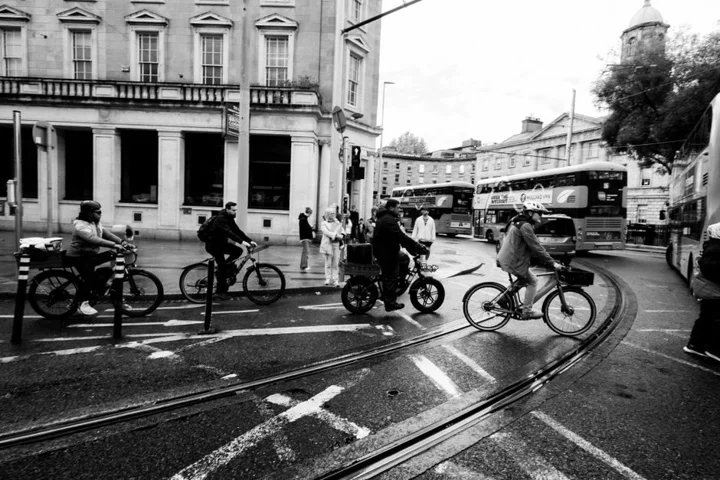
    Photo: Felipe Barboza / Pexels. Illustrative photograph.

    To ride a motorcycle in Ireland you need a learner permit for the right category (AM, A1, A2 or A), and you must complete Initial Basic Training (IBT) with an approved IBT instructor before you ride on your own. Until you pass your test, you wear an L on a yellow fluorescent tabard front and back, and you may not carry a passenger. This guide covers the categories, IBT, the protective gear the Rules of the Road asks for, and the RSA’s survival tactics for new riders.

    Key facts

    • Minimum ages for a first learner permit: AM and A1 at 16, A2 at 18, A at 24 (or 20 through progressive access).
    • IBT is compulsory for every first-time motorcycle learner permit holder (since 6 December 2010) before riding unsupervised.
    • You do not need an accompanying driver, but until IBT is complete you can only ride under your IBT instructor’s supervision.
    • Learner riders must not carry a passenger, and learner permit holders must not use a motorway.
    • L plates go on a yellow fluorescent tabard, visible front and back. After you pass, N plates go on the tabard for two years.
    • A helmet is the law for rider and passenger.

    Which motorcycle category do you need?

    Category What it covers Minimum age for a first learner permit
    AM Mopeds 16
    A1 Motorcycles up to 125 cc, up to 11 kW and a power to weight ratio up to 0.1 kW/kg; motor tricycles up to 15 kW 16
    A2 Motorcycles up to 35 kW, power to weight ratio up to 0.2 kW/kg, not derived from a bike of more than double that power 18
    A Any motorcycle; motor tricycles (riders under 21 cannot ride a motor tricycle) 24, or 20 with progressive access

    Progressive access lets you move up from a lower motorcycle category without, in certain circumstances, a further driving test. At 24 you can go straight to category A, which is called direct access. On an A2 permit, it is your responsibility to check the bike’s power; ask the dealer or manufacturer if in doubt.

    You apply for the learner permit through the NDLS after passing the theory test. See how to get a learner permit in Ireland for documents and fees.

    What is IBT (Initial Basic Training)?

    IBT is the motorcycle version of Essential Driver Training. It teaches basic riding skills and is delivered by an approved IBT instructor in modules taken in order, mixing theory and practical riding.

    • Length: the Rules of the Road describes a 16-hour course in 4 modules. The RSA’s category pages list 16 hours for AM and A1, and 18 hours for A2 and A. Confirm the hours for your category with your instructor.
    • Logbook: your instructor records each module in your logbook.
    • Certificate: when all modules are done, you get a Certificate of Satisfactory Completion.
    • Carry it: keep the certificate with your learner permit and carry it every time you ride without an IBT trainer, until you hold a full licence. A Garda can ask to see it.
    • Then the test: once you have the certificate you can apply for your practical driving test.
    • Upgrading: moving to a bigger bike may need a progression module of training.

    Car learners do the 12-lesson EDT instead; see Essential Driver Training (EDT) for how that compares.

    How learning to ride differs from learning to drive

    Rule Car learner (category B) Motorcycle learner (AM, A1, A2, A)
    Accompanied? Always, by a qualified driver with 2 years on a full licence No accompanying driver, but no unsupervised riding until IBT is complete
    Compulsory training EDT, 12 lessons IBT, in modules
    L plates On the front and rear of the car On a yellow fluorescent tabard, front and back of your body
    Passengers Allowed (not for payment) Not allowed at all
    Motorways Not allowed Not allowed
    After passing N plates for 2 years N plates on a yellow fluorescent tabard

    Before you ride on a public road you also need current motor tax and insurance for the bike.

    Protective gear: what the Rules of the Road asks you to wear

    The Rules of the Road says to wear appropriate clothing and a secure helmet every time you get on the bike. Riding without a helmet, or letting a passenger ride without one, is a fixed charge offence.

    Helmet

    • Buy new from a reputable dealer who knows how to check the fit. Never buy or use a second-hand helmet, and never lend yours.
    • Replace it if it is damaged. Fasten it securely every time: an unfastened helmet is illegal and useless in a crash.
    • Use a clear visor. A dark visor makes it almost impossible to see oil on a wet road. Replace a scratched visor.
    • Make sure the equipment meets EU standards.
    • With an open-face helmet (no chin bar), wear eye protection.

    Clothing

    • A jacket and trousers that protect against impact, abrasion, cold and weather.
    • Body armour at the back, shoulders, elbows, hips, knees and shins, fitted snugly so it does not move in a crash.
    • Protective gloves, and boots that come at least above the ankle.
    • A reflective jacket, or fluorescent clothing by day and reflective strips at night.
    • Ear protection on long journeys. Do not use a personal entertainment system while riding.

    Being seen

    • Use dipped headlights at all times, even in good daylight.
    • Make yourself visible from the side as well as the front and rear: a white helmet and fluorescent clothing or strips help.
    • Your bike must have a white or yellow headlamp, a red rear lamp, a red rear reflector and a number plate light.
    • Use hazard lights if you are stopped in a dangerous place.

    Riding rules from Section 16

    • Avoid riding between lanes of traffic.
    • Keep well clear of vehicles you pass. Drivers may not see you in their blind spots.
    • Use indicators and the brake light. If others may not see them, or they may not be working, add a clear hand signal.
    • Do not rely on mirrors when moving off, changing lane, turning right or overtaking. Look over your shoulder too.
    • Tyre tread must be at least 1 mm, but replace tyres before they get that worn.
    • Slow down before gravel chips, sand, pools of water and rough surfaces, which can destabilise a motorcycle.
    • Remember that drivers look for large objects, not the narrow outline of a motorcycle.

    The RSA’s nine survival tactics for motorcyclists

    1. Watch your surroundings: far, middle and near distance, and behind you with mirrors and shoulder checks before changing position or turning.
    2. Keep your distance: use the two-second rule, and leave a bigger gap in wet or icy conditions. See the two-second rule and stopping distances.
    3. Be seen: correct road position, dipped headlights and high-visibility clothing.
    4. Do not surprise others: never make another road user slow down, brake or swerve, or startle pedestrians.
    5. Think like other road users: anticipate how they might react.
    6. Read the road: ride to the road, weather and traffic conditions.
    7. Pick the right speed: never let others set your pace.
    8. No alcohol or drugs before riding.
    9. Trust your machine by maintaining it: use POWDERS to check petrol, oil, water, damage, electrics, rubber (tyres) and security.

    Car drivers looking for the other side of this, how to look out for riders at junctions and when overtaking, should read motorcyclists, e-scooters and other road users.

    Common questions

    Can I ride a motorcycle on a car learner permit in Ireland?

    No. You can only drive the type of vehicle your licence or learner permit covers, so you need a motorcycle category permit and IBT.

    Can I carry a pillion passenger after I pass?

    Only if your full licence and your insurance allow it, the bike is designed to carry a passenger, and the passenger wears a properly fitted helmet. Only one pillion passenger is allowed, on a proper seat, facing forward with both feet on the footrests.

    How much does it cost?

    Learner permit, test and IBT costs vary by category and instructor. Check the current figures with the NDLS and RSA. For car learners, see the cost of learning to drive in Ireland.

    Back to learning to drive in Ireland. Related: N plates in Ireland.

    Sources

    • Road Safety Authority, “Rules of the Road”, Revision 5 (law as at 1 March 2015), Section 1 Driving licences and categories of vehicles, Section 2 The learner driver, Section 3 The driving test and Section 16 Rules for motorcyclists (garda.ie)
    • Road Safety Authority, motorcycle category pages: “Moped and light quadricycle: AM”, “Small motorcycle: A1”, “Medium-sized motorcycle: A2” and “Motorcycle any size and motor tricycle: A” (rsa.ie)
  • Pregnancy and Learning to Drive in the UK and Ireland

    Pregnancy and Learning to Drive in the UK and Ireland

    Photo: Ivan S / Pexels. Illustrative photograph.

    In Great Britain, pregnancy does not stop you having lessons or taking your test: GOV.UK says you can take the driving test at any stage of pregnancy, as long as you are able and willing to do an emergency stop. In Northern Ireland and Ireland, ask the DVA or RSA if you have any concerns. You must still wear a seat belt unless a doctor has given you a medical exemption certificate.

    Seat belts in pregnancy: the law

    Great Britain Northern Ireland Republic of Ireland
    Must you wear one? Yes. Highway Code Rule 99 allows exemptions only for holders of medical exemption certificates (and some delivery drivers). Yes, unless a doctor certifies you as exempt. Produce the certificate if police ask. Yes. The RSA says pregnancy is not an automatic exemption; only a doctor can exempt you on medical grounds.
    Penalty for not wearing one Fine of up to £500 £500 fine and 3 penalty points for a driver Check the current figure with the RSA or Garda

    How to wear the belt around a bump

    • Lap strap: as low as possible across your hips, under the bump, not over it.
    • Diagonal strap: between your breasts and around the side of the bump, over your shoulder rather than your neck.
    • Keep the belt snug.

    The RSA warns against lap-only belts, which can seriously injure an unborn baby in sudden braking or a crash. If you are unsure about seating position or comfort, ask your midwife.

    Taking the practical test while pregnant

    Great Britain

    GOV.UK says you can take a driving test at any stage of pregnancy, but you must be able and willing to do an emergency stop. Mention your pregnancy when you book if you want the examiner to know.

    Northern Ireland and Ireland

    If you are pregnant, talk to your midwife or doctor about any test-day concerns, and ask the DVA or RSA in advance if you are worried about the emergency stop or the length of the test.

    If you need to move your test

    In GB, as of November 2026:

    • change or cancel a car test with at least 10 full working days’ notice to keep your fee (Monday to Saturday count; Sundays and public holidays do not)
    • you can change a car test up to 2 times; after that you must cancel and rebook
    • if illness or injury means you cannot give that notice, you can ask DVSA for a short-notice refund, with a fit note or medical certificate as evidence

    In Northern Ireland and Ireland, check the notice period with the DVA or RSA before you change a booking. More on GB cancellations: when a driving test is cancelled or goes wrong.

    Pregnancy-related conditions and your licence

    • Gestational diabetes on insulin: in GB you only tell the DVLA if insulin continues for more than 3 months after the birth, or you have disabling hypos. Ireland’s guidelines give the same 3-months-after-delivery rule for the NDLS. See diabetes and learning to drive (GB) and diabetes and your Irish learner permit.
    • Fainting or light-headedness: the DVLA lists pregnancy with fainting or light-headedness as a temporary condition. Usually you do not need to tell the DVLA when clinical advice is not to drive for less than 3 months. Your doctor will tell you if you do.
    • Ireland: Slainte agus Tiomaint says pregnancy should not normally be a barrier to driving, but fainting, severe sickness (hyperemesis gravidarum), high blood pressure in pregnancy and recovery from a caesarean section may need a caution about driving. It also says seat belts should continue to be worn.

    When it is safe to drive after a caesarean or with symptoms is a question for your doctor or midwife.

    Practical points for lessons

    • Adjust the seat and steering wheel before each lesson so you can reach the pedals comfortably, and readjust as your bump grows.
    • Plan shorter lessons with breaks if you get tired.
    • Your instructor can pause a lesson at any time if you feel unwell.

    Related guides: GB medical conditions and disability, Northern Ireland medical conditions and disability, Ireland medical conditions and disability, seat belts and child car seats (UK), seat belts in Ireland.

    Sources

    • GOV.UK, “Driving test: if you have a disability, health condition or learning difficulty” (gov.uk)
    • Department for Transport, “The Highway Code: Rules for drivers and motorcyclists (89 to 102)” (gov.uk)
    • GOV.UK, “Seat belts: the law” (gov.uk)
    • GOV.UK, “Change your driving test appointment” (gov.uk)
    • DVLA, “Diabetes mellitus: assessing fitness to drive” and “Miscellaneous conditions: assessing fitness to drive”, updated 7 November 2025 (gov.uk)
    • nidirect, “Wearing a seat belt and exemptions” (nidirect.gov.uk)
    • Road Safety Authority, “Safe use of seat belts during pregnancy” (rsa.ie)
    • National Office for Traffic Medicine and Road Safety Authority, “Slainte agus Tiomaint: Medical Fitness to Drive Guidelines”, 2020 edition (ndls.ie)
  • Bioptic Telescopes and Driving in the UK and Ireland

    Bioptic Telescopes and Driving in the UK and Ireland

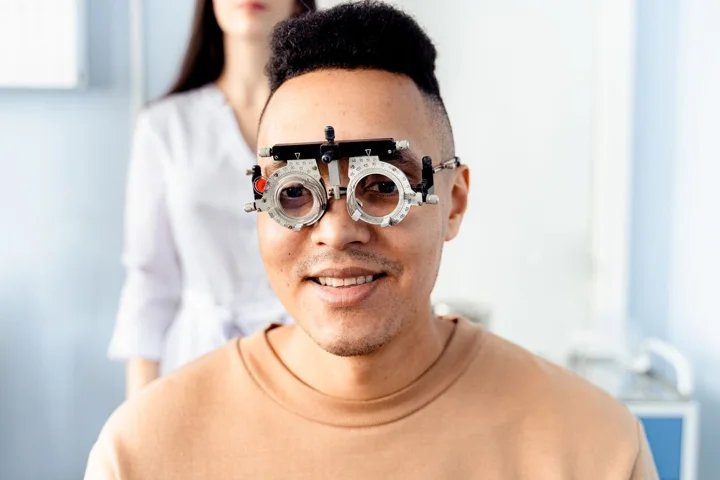
    Photo: Antoni Shkraba / Pexels. Illustrative photograph.

    No: bioptic telescopes are not accepted for driving in Great Britain or the Republic of Ireland. The DVLA states that “bioptic telescope devices are not accepted by DVLA for driving”, and Ireland’s medical fitness guidelines say the same of the NDLS. You must meet the eyesight standard with ordinary glasses or contact lenses if you need them. This differs from many US states, where bioptic driving is allowed under conditions.

    Where each part of the UK and Ireland stands

    Jurisdiction Position (as of November 2026) Source
    Great Britain Not accepted DVLA “Assessing fitness to drive”, visual disorders, updated 26 September 2025
    Northern Ireland No separate DVA statement found; ask the DVA Drivers Medical Section before relying on one nidirect
    Republic of Ireland Not accepted by the NDLS Slainte agus Tiomaint medical fitness to drive guidelines (2020 edition)

    Why the DVLA does not accept bioptics

    GOV.UK’s note “Bioptics: current GB driving standards” (published 22 September 2011) gives the main reason: bioptic devices can affect the field of vision so much that the visual field standard cannot be met. For a car licence that standard is at least 120 degrees across. The note says the Secretary of State’s Honorary Medical Advisory Panel’s main concern is road safety.

    The panel looked at the issue again in October 2022. Its minutes record that:

    • a bioptic is used for an average of about 2% of driving time, so the other 98% is driven with reduced visual acuity
    • using the device impinges on the binocular visual field
    • the position that bioptics are unacceptable for driving remains unchanged, and the topic will be reviewed in future

    What if a licence was issued to someone using a bioptic?

    The 2011 GOV.UK note warns that licences held by people relying on bioptics may be invalid, and that there could be serious insurance implications. If you meet the standard only through a bioptic, you do not meet it for GB driving, and you must not drive.

    The standard you must meet instead

    Where bioptic driving is allowed

    Many US states allow bioptic driving under conditions, such as extra training, daylight-only limits or regular eye checks, but the rules differ from state to state. See bioptic driving laws by state.

    If you have low vision

    • Ask your optometrist or eye clinic whether you meet the standard with ordinary glasses or lenses, and about low-vision services.
    • If you are registered blind (severely sight impaired), you qualify automatically for a Blue Badge in England for when you travel as a passenger: see Blue Badge for new drivers.
    • Rules can change after review. Check the current DVLA, DVA or NDLS position before making plans.

    Want to practise the eyesight check? Our sister site Driving Eyesight Test has a free 20-metre number plate practice for the UK and an Ireland eyesight report page on drivingeyesighttest.com. It is a practice screen, not an eye test.

    Back to the guides: Great Britain, Northern Ireland, Ireland.

    Sources

    • DVLA, “Visual disorders: assessing fitness to drive”, updated 26 September 2025 (gov.uk)
    • DVLA, “Bioptics: current GB driving standards”, published 22 September 2011 (gov.uk)
    • Secretary of State’s Honorary Medical Advisory Panel on Driving and Visual Disorders, minutes of 20 October 2022 (gov.uk)
    • National Office for Traffic Medicine and Road Safety Authority, “Slainte agus Tiomaint: Medical Fitness to Drive Guidelines”, 2020 edition (ndls.ie)
    • Department for Transport, “Can I get a Blue Badge?” (gov.uk)
  • Disabled Parking Permit in Ireland for New Drivers: DDAI and IWA

    Disabled Parking Permit in Ireland for New Drivers: DDAI and IWA

    Photo: Jan van der Wolf / Pexels. Illustrative photograph.

    In Ireland the Disabled Person’s Parking Card (also called the disabled parking permit) is issued on behalf of the Department of Transport by two bodies: the Disabled Drivers Association of Ireland (DDAI) and the Irish Wheelchair Association (IWA). You qualify if you have a permanent condition or disability that severely restricts your ability to walk, and people who are registered blind also qualify. The card belongs to the person, whether they drive or are a passenger, so a learner can use it in any car they travel in. It costs €35 and lasts two years (as of November 2026).

    Key facts

    Detail
    Issued by DDAI or IWA, on behalf of the Department of Transport
    Who qualifies A person with a permanent condition or disability that severely restricts their ability to walk; people certified blind
    Driver or passenger? Either. Any driver or passenger meeting the criteria can get one
    Fee €35 (the review describes this as the application fee charged by both bodies)
    Validity Two years, then renew
    Medical evidence Your GP completes the medical section, unless you hold a Primary Medical Certificate or are certified blind

    How to apply

    1. Choose an issuing body: the DDAI or the IWA. Both use similar forms.
    2. Complete your personal details and attach a passport-size photo. The forms also include a Garda identity certificate section.
    3. Ask your GP to complete the medical section describing your walking ability, use of aids or a wheelchair, and other relevant conditions. If you hold a Primary Medical Certificate, the IWA has a separate, shorter form. The IWA also has a form for people with a vision impairment, run with Vision Ireland.
    4. Send the application and the €35 fee. If you are refused, both bodies must offer you an appeal.

    Check the current form and any updated fee on the DDAI or IWA site before you apply.

    Can a learner driver use the card?

    Yes. The card is issued to a person, not a vehicle: individual cards do not show a registration number. If you hold a card, you can display it in your EDT instructor’s car or a family car you practise in. If your parent holds a card, it can be used when they are travelling with you, for example as your accompanying driver. Both application forms include a “conditions for use” section; read it, because misuse can lead to the card being withdrawn.

    Parking card vs Primary Medical Certificate

    Disabled Person’s Parking Card Primary Medical Certificate
    What it is for Using accessible parking bays Qualifying for tax relief on an adapted vehicle
    Who issues it DDAI or IWA A separate medical assessment process

    Holding a Primary Medical Certificate makes the parking card application simpler, because the GP medical section is not needed. The tax relief scheme for adapted cars is explained in Learning to drive in Ireland with a disability.

    Is the scheme changing?

    The Department of Transport commissioned a review of the Disabled Parking Scheme, completed by Indecon in January 2024. It looked at the application process, eligibility, enforcement and the number of accessible bays. Any changes that follow could affect eligibility, fees or how cards are issued, so check with the DDAI or IWA before applying or renewing.

    Where you can park with the card

    The card lets you use designated disabled parking bays. Where these are, and the general parking rules every learner must know, are covered in Parking rules in Ireland: clearways, disabled bays and where you cannot park.

    Back to the hub: Driving with a medical condition or disability in Ireland.

    Sources

    • Department of Transport, “Review of the Disabled Parking Scheme”, Indecon International Research Economists, 31 January 2024 (gov.ie)
    • Citizens Information, “Disabled Person’s Parking Card” (citizensinformation.ie)
    • Disabled Drivers Association of Ireland, “Who qualifies?” and “How to apply” (ddai.ie)
    • Irish Wheelchair Association, “Guide to the Disabled Persons Parking Permit” (iwa.ie)
  • Prescribed Medicines and Medicinal Cannabis in Ireland: Exemption

    Prescribed Medicines and Medicinal Cannabis in Ireland: Exemption

    Photo: Towfiqu barbhuiya / Pexels. Illustrative photograph.

    In Ireland you can drive while taking prescribed medicines, including medicinal cannabis, as long as you are not impaired. Cannabis is one of three drugs (with cocaine and heroin) where driving over a legal threshold is an offence even without proof of impairment. A driver lawfully prescribed a medicinal cannabinoid can hold a medical exemption certificate signed by their doctor, which covers that threshold offence. It never covers impaired driving. The guidelines say to carry the certificate at all times when driving.

    This page explains the law, not treatment. Ask your doctor or pharmacist how your own medicines affect you.

    How drug driving law works in Ireland

    • Roadside testing: Gardaí can test oral fluid at the roadside or in a station for cannabis, cocaine, opiates, benzodiazepines and amphetamines (including methamphetamine). This can happen at a Mandatory Intoxicant Testing checkpoint.
    • Threshold offence: for cannabis, cocaine and heroin, driving over the legal threshold is an offence and Gardaí do not need to prove impairment.
    • Impairment offence: for any drug, including prescription medicines, it is an offence to drive while impaired. A positive roadside test or a Garda’s opinion that you are impaired can lead to a blood or urine specimen being analysed by the Medical Bureau of Road Safety.
    • Penalties: conviction for drug driving means disqualification. The judge decides the length, and minimum periods are set in law.
    • Refusal: refusing a preliminary oral fluid test is itself an offence.

    How a roadside drug test and impairment test work in practice is covered in Tiredness, drugs and road rage.

    The medical exemption certificate

    Question Answer
    What is it? The Medical Exemption Certificate under the Road Traffic Act 2010, in the form set by S.I. No. 158 of 2017
    Who signs it? Your prescribing doctor
    What does it cover? A medicinal cannabinoid product containing THC lawfully prescribed to you. It covers the cannabis (THC) threshold offence
    Does it let you drive impaired? No. Gardaí state that the certificate does not allow you to drive if you are impaired
    Where do you get the form? The NDLS website
    Do you need to carry it? The medical fitness guidelines say drivers should carry it at all times when driving

    The certificate is for prescribed cannabinoids. For other medicines, such as opioid painkillers or benzodiazepines, the legal question is whether they impair your driving.

    Sativex and other medicinal cannabis

    The guidelines note that Sativex, which contains THC and CBD, was authorised in 2014 for adults with moderate to severe spasticity due to multiple sclerosis who have not responded to other treatment. Medicinal cannabis may impair judgment and skilled tasks, though drivers adapted to a stable dose generally, but not always, keep their driving ability. You should watch for any impairment especially when starting treatment and until you are on a stable daily dose. For other prescribed cannabis products, including those supplied through the Medical Cannabis Access Programme, ask your prescriber whether a certificate applies to you.

    Other prescribed medicines

    Sláinte agus Tiomáint gives this general guidance:

    • Most medicines, except benzodiazepines, do not significantly raise crash risk when taken as prescribed and once you are stable on them.
    • Benzodiazepines, especially long-acting ones, increase crash risk.
    • Opioid painkillers: thinking can be slowed early in treatment, but drivers on a stable dose may not have a higher crash risk. Night driving may be harder because opioids narrow the pupils.
    • Sedating antidepressants and antipsychotics can impair driving, especially when starting or increasing the dose.
    • Combining medicines, or medicines with alcohol, adds to the risk.

    Gardaí advise following your doctor’s and pharmacist’s advice and reading the patient information leaflet, which says whether the medicine can affect driving.

    What this means for learner and novice drivers

    • The drug driving offences and the exemption certificate apply to learner permit holders exactly as to full licence holders.
    • Do not drive, even with your accompanying driver, when starting or changing a medicine until you know how it affects you.
    • If you take medicinal cannabis, get the certificate signed before you start lessons and keep it with your learner permit.
    • A drug driving disqualification as a learner can delay your full licence, so ask your doctor before you drive.

    Related: ADHD, autism and mental health: Irish licence rules and Epilepsy and driving in Ireland. Back to the hub: Driving with a medical condition or disability in Ireland.

    Sources

    • An Garda Síochána and Medical Bureau of Road Safety, “Updated FAQ Document on Drug Driving and Testing”, 1 December 2022 (garda.ie)
    • Government of Ireland, “S.I. No. 158/2017: Road Traffic Act 2010 (Medical Exemption Certificate) Regulations 2017” (irishstatutebook.ie)
    • Government of Ireland, Road Traffic Act 2016, section 8 (irishstatutebook.ie)
    • Road Safety Authority and National Office for Traffic Medicine, “Sláinte agus Tiomáint: Medical Fitness to Drive Guidelines”, 13th edition, April 2026, prescription medicines and driving section (rsa.ie)
  • ADHD, Autism and Mental Health: Irish Driving Licence Rules

    ADHD, Autism and Mental Health: Irish Driving Licence Rules

    Photo: Tima Miroshnichenko / Pexels. Illustrative photograph.

    In Ireland, a diagnosis of ADHD or autism is not in itself a bar to getting a learner permit or licence. The medical guidelines say you may be permitted to drive, with factors such as impulsivity and awareness of how your behaviour affects others taken into account. Mild anxiety or depression does not need to be reported at all. A mild learning disability is compatible with driving; a severe one is not. Dyslexia is not a medical licensing issue, and theory test support is available.

    The rules below are the Group 1 (car) standards in Sláinte agus Tiomáint, Chapter 5, 13th edition, April 2026. For advice about your own condition or medication, talk to your GP, psychiatrist or care team.

    Condition by condition (Group 1)

    Condition What the guidelines say Tell the NDLS?
    ADHD May be permitted to drive. Impulsivity and lack of awareness of the impact of your own behaviour are considered. The guidelines note that taking medication as prescribed is associated with reduced crash risk in ADHD, and that alcohol and drugs greatly increase crash risk with ADHD The ADHD entry does not say; ask your GP or the NDLS whether to declare it
    Autism, Asperger’s syndrome, severe communication disorders May be permitted to drive. A diagnosis is not in itself a bar to licensing Yes
    Anxiety or depression without significant memory or concentration problems, agitation, behavioural disturbance or suicidal thoughts Permitted to drive No, unless advised to stop driving for 6 months or longer
    More severe anxiety or depression Not permitted to drive until medical enquiry is complete; a period of stability is needed. Medication must not cause side effects that affect alertness or concentration Only if advised to stop driving for 6 months or longer
    Mild learning disability Permitted to drive if there are no other relevant problems Yes
    Severe learning disability Not permitted to drive Yes
    Mania, schizophrenia and other psychoses Not permitted during the acute illness. Drive again once well and stable, with insight and engagement with medical services Only if advised to stop for 6 months or longer
    Personality disorders Not permitted if likely to be a danger at the wheel; otherwise may be licensed Only if advised to stop for 6 months or longer

    When is a D501 medical report needed?

    If you tick a relevant condition on your learner permit application, the NDLS asks for a D501 medical report completed by your doctor. For conditions where the guidelines say to notify the NDLS, such as autism or a learning disability, expect to need one. For mild anxiety or depression that does not affect your driving, the guidelines say you need not notify. If you are unsure which applies, ask your GP before you apply. How the D501 works is explained in Medical and eyesight requirements for an Irish learner permit.

    Medication and driving

    The guidelines advise that drivers should be warned about drowsiness when they start or change psychiatric medication, and should stop driving if affected until the drowsiness has passed.

    • Older tricyclic antidepressants are more likely to impair driving than newer ones such as SSRIs.
    • Many antipsychotics can cause drowsiness, especially early in treatment and at higher doses.
    • Benzodiazepines, particularly long-acting ones, increase crash risk.

    Roadside drug testing and the law on medicines are covered in Prescribed medicines and medicinal cannabis in Ireland.

    Dyslexia and theory test support

    Dyslexia is not listed as a licensing condition. If reading is the hurdle, the theory test offers voiceover and other supports. See Irish theory test languages and supports. Practical test arrangements for disabilities are in Learning to drive in Ireland with a disability.

    Practical tips for EDT lessons

    • Tell your instructor what helps you focus, for example short, clear instructions or quieter routes to start.
    • If you feel overwhelmed during a lesson, ask to pull over. Stopping safely is part of good driving.

    Related: Tiredness, drugs and road rage. Back to the hub: Driving with a medical condition or disability in Ireland.

    Sources

    • Road Safety Authority and National Office for Traffic Medicine, “Sláinte agus Tiomáint: Medical Fitness to Drive Guidelines”, 13th edition, April 2026, Chapter 5 “Psychiatric disorders” and the medications and driving section (rsa.ie)
    • National Driver Licence Service, medical reports (ndls.ie)
  • Epilepsy and Driving in Ireland: Seizure-Free Rules for Learners

    Epilepsy and Driving in Ireland: Seizure-Free Rules for Learners

    Photo: Tara Winstead / Pexels. Illustrative photograph.

    In Ireland you can get a learner permit with epilepsy when you meet the applicable medical standard, usually at least one year without a seizure while awake. That includes minor seizures, auras and absences. After that a 1-year licence may be issued, then further 1-year licences with annual review while you stay seizure-free for 5 years. After 5 years, the NDLS may issue a longer licence if you have no other relevant condition. After a first unprovoked seizure, the Group 1 wait is 6 months. Your consultant must confirm you are fit to drive in every case.

    These are the Group 1 (car, motorcycle and tractor) rules from Sláinte agus Tiomáint, 13th edition, April 2026. For questions about treatment, ask your neurologist.

    Seizure-free periods at a glance

    Situation Group 1 rule Licence that may follow
    Epilepsy, seizures while awake At least 1 year with no seizure of any kind while awake 1-year licences with annual review for 5 years, then possibly a longer licence
    First unprovoked seizure 6 months from the seizure, unless your consultant judges the risk of another seizure to be 20% a year or more Decided by the NDLS on your consultant’s report
    Seizures only while asleep Either no seizures ever while awake and the first sleep-only seizure at least 12 months ago, or no awake seizure in the last year and sleep-only seizures for at least a year; you must follow medical advice 1 year, with at least annual review
    Seizures that never affect consciousness or driving ability Pattern established for 12 months, no other seizure type for 1 year 1 year, with at least annual review
    Provoked seizure (clear cause, no previous seizures) Dealt with case by case Depends on your consultant’s report

    What counts as a seizure for the one-year rule?

    For the usual one-year standard, the year must be free of all seizures while awake, including minor ones and signs such as limb jerking, auras and absences, even if you did not lose consciousness. The separate exception in the table applies only to an established pattern of seizures that have never affected consciousness or driving ability; a consultant must assess it. Do not decide for yourself that an aura is exempt. If more than one attack happens within 24 hours, they count as a single event.

    Not every seizure with a trigger counts as “provoked” for licensing. Seizures linked to alcohol or drug misuse, sleep deprivation or a structural brain abnormality are not treated as provoked.

    Reducing or stopping epilepsy medication

    Coming off medication raises the risk of a seizure, so the guidelines say:

    • stop driving from the date you start withdrawing your medication
    • do not drive for at least 3 months after you have stopped completely, or longer if your neurologist advises
    • if a seizure happens during withdrawal, stop driving for at least 3 months once your previous treatment is restarted
    • reducing from several medicines to fewer is decided case by case by a neurologist

    Your neurologist decides whether your risk of a seizure in the next year is too high to drive, so follow their advice on the exact period.

    If you have a seizure while learning

    1. Stop driving straight away, including supervised practice.
    2. Tell the NDLS.
    3. You can drive again only when you meet the rules above and your consultant confirms you are fit.

    Driving on once you know you are not fit to drive is an offence, and it can affect your insurance.

    The D501 medical report

    Epilepsy is a condition you declare when applying. You then need a D501 medical report completed by your doctor (a letter is not accepted). The D501 asks you to give the date of your last seizure; the date of a first unprovoked seizure should not be included in that answer. It also lets your doctor record why they consider you fit to drive within 12 months of a seizure, for example a first seizure, a provoked seizure or sleep-only seizures, as judged by a consultant neurologist.

    How the D501 fits into the learner permit application is covered in Medical and eyesight requirements for an Irish learner permit.

    Telling your EDT instructor

    The guidelines put the reporting duty on you and the NDLS, not on your approved driving instructor, but telling your instructor helps. They can plan lessons around fatigue and stress, and they will know what to do if you feel unwell during a lesson. Your licence decision still rests with the NDLS, not the instructor.

    Related: Heart conditions, stroke, fainting and sleep apnoea and Prescribed medicines and driving. Back to the hub: Driving with a medical condition or disability in Ireland.

    Sources

    • Road Safety Authority and National Office for Traffic Medicine, “Sláinte agus Tiomáint: Medical Fitness to Drive Guidelines”, 13th edition, April 2026, Chapter 2 and its epilepsy appendix (rsa.ie)
    • National Driver Licence Service, medical reports (ndls.ie)
  • Driving with a Medical Condition or Disability in Ireland: Guide

    Driving with a Medical Condition or Disability in Ireland: Guide

    Photo: Pavel Danilyuk / Pexels. Illustrative photograph.

    In Ireland, most people with a medical condition or disability can get a learner permit and a full licence. The National Driver Licence Service (NDLS) makes every licensing decision, using the medical standards in Sláinte agus Tiomáint, the Medical Fitness to Drive Guidelines published by the Road Safety Authority (RSA) and the National Office for Traffic Medicine. You declare relevant conditions on your application, your doctor completes a medical report where one is needed, and the NDLS may issue a shorter licence or add a condition instead of refusing you.

    This hub explains the rules and links to a guide for each condition. It is about licensing only. For anything about your own health, ask your GP, consultant or optometrist.

    Key facts

    • The current guidelines are the 13th edition, dated April 2026. The condition guides explain the relevant Group 1 standards; the NDLS decides individual licensing cases.
    • Cars, motorcycles and tractors are Group 1. Lorries and buses are Group 2, with stricter rules. Learner drivers are almost always Group 1.
    • You must tell the NDLS and your insurer about any long-term or permanent injury or illness that may affect safe driving.
    • Health professionals have a positive duty to notify the NDLS in writing when a driver is unfit, poses a risk to public safety and will not follow advice to stop.
    • Bioptic telescopes are not accepted for driving by the NDLS.

    Your duty as a driver

    Under the guidelines, you should:

    • tell the NDLS and your insurer about any long-term or permanent injury or illness that may affect your ability to drive safely
    • answer your doctor’s questions about your health truthfully
    • follow your treatment and any driving restrictions your doctor advises
    • keep to the conditions of your licence or permit, including medical reviews

    The application form asks about a list of medical conditions. If you tick one, a medical report is needed. Driving while medically unfit can be an offence under the Road Traffic Act 1961, and failing to report a condition can bring insurance, financial and legal consequences.

    The form mechanics, including when you need the D501 medical report or the D502 eyesight report, are explained in Medical and eyesight requirements for an Irish learner permit.

    When does a health professional tell the NDLS?

    Your doctor’s first job is to advise you, including whether you need to report your condition. The guidelines describe reporting directly to the NDLS as an exceptional step, for when a driver:

    1. cannot or will not accept how their condition affects their driving, and
    2. will not follow the health professional’s advice, and
    3. keeps driving and is likely to endanger the public.

    In that situation the guidelines place a positive duty on the health professional to notify the NDLS in writing, ideally with your knowledge.

    Short licences and restrictions on medical grounds

    Instead of refusing a licence, the NDLS can issue a shorter one with review. The guidelines mention 1-year and 1 to 3-year licences for many conditions, and longer licences once a condition is stable. For epilepsy, for example, a driver who meets the applicable seizure-free standard may be issued a 1-year licence, then further 1-year licences with annual review for 5 years, after which the NDLS may issue a longer licence.

    The D501 medical report also lets a doctor recommend restrictions, such as:

    • driving only certain types of vehicle
    • vehicle adaptations
    • daytime driving only (one hour after sunrise to one hour before sunset)
    • journeys within 30 km of home
    • a maximum speed of 80 km/h

    If you disagree with a medical decision, the NDLS tells you how to appeal when it gives you the decision.

    Condition guides

    Condition Headline Group 1 rule (2026 edition) Guide
    Epilepsy and seizures Usually 1 year free of seizures while awake, with defined exceptions; first unprovoked seizure usually 6 months Epilepsy and driving in Ireland
    Diabetes Insulin users: no more than 1 severe hypo needing help in 12 months Diabetes and your Irish learner permit
    Eyesight 6/12 with both eyes; 120 degrees of horizontal field Irish driving eyesight standard explained
    ADHD, autism, learning difficulties, mental health Diagnosis is not in itself a bar ADHD, autism and mental health
    Heart conditions, stroke, fainting, sleep apnoea Stroke 4 weeks; TIA 1 week Heart, stroke, fainting and sleep apnoea
    Medicines and medicinal cannabis Medical exemption certificate for prescribed cannabinoids Prescribed medicines and medicinal cannabis

    Disability, adapted cars and test support

    Parking card vs Primary Medical Certificate

    These are two different things. The Disabled Person’s Parking Card lets you use accessible parking bays and is issued by the DDAI or the IWA. The Primary Medical Certificate is linked to tax relief on an adapted vehicle. Holding a Primary Medical Certificate can make the parking card application simpler. See Disabled parking permit in Ireland for new drivers.

    Related guides

    Want to understand the eyesight report? Our sister site Driving Eyesight Test has an Ireland eyesight report page on drivingeyesighttest.com. It is a practice guide only, not an eye test.

    Sources

    • Road Safety Authority and National Office for Traffic Medicine, “Sláinte agus Tiomáint: Medical Fitness to Drive Guidelines (Group 1 and 2 Drivers)”, 13th edition, April 2026 (rsa.ie)
    • National Driver Licence Service, medical reports and forms (ndls.ie)
    • Department of Transport, “Review of the Disabled Parking Scheme”, Indecon, January 2024 (gov.ie)
  • Hazard Perception Ireland: Building the Skill Without a Test

    Hazard Perception Ireland: Building the Skill Without a Test

    Photo: Jonathan Borba / Pexels. Illustrative photograph.

    Ireland has no separate hazard perception clip test. The Irish Driver Theory Test is multiple choice, and hazard awareness and risk perception are among the topics it checks. On the driving test, the tester assesses whether you react promptly and properly to hazards. This guide shows Irish learners how to build the skill on real roads, using the Rules of the Road and the EDT lessons.

    Key facts

    • No clip-based hazard perception test in the Irish theory test (unlike Great Britain).
    • Theory test topics include risk perception and hazard awareness.
    • The driving test marks observation, reaction to hazards, clearance to other road users and speed.
    • Perception time can be 0.25 to 0.5 seconds or more; reaction time 0.25 to 0.75 seconds, and up to 1.5 seconds.
    • A perception and reaction time of 4 seconds at 100 km/h means about 110 metres before you even brake.

    Is there a hazard perception test in Ireland?

    Not as a separate test. Theorytest.ie lists the car theory test as a set of questions with a time limit and pass mark, drawn from the official question bank (see the Irish Driver Theory Test). The Rules of the Road says the theory test checks knowledge of topics including risk perception and hazard awareness, so expect written questions on spotting and responding to hazards.

    The real test of the skill comes on the road. Among the headings on the Irish driving test are:

    • taking proper observation
    • reacting promptly and properly to hazards
    • allowing enough clearance to pedestrians, cyclists and other traffic
    • adjusting speed appropriately
    • making reasonable progress without undue hesitancy

    Late reactions and poor anticipation show up as faults. See Irish driving test marking and common reasons for failing.

    What counts as a hazard?

    The Rules of the Road defines a hazard as anything that could be a source of danger on the road. It includes:

    • What you can see: oncoming traffic as you turn onto a major road, a cyclist ahead, a bus at a stop.
    • What you can’t see yet but can expect: a child running out between parked cars, a pedestrian stepping out, animals around a bend.
    • You: whether you are stressed or tired.
    • Your car: its condition, such as worn tyres or a dirty windscreen.

    Why seeing it early matters

    Total stopping distance starts with perception time (seeing the hazard and realising you must act) and reaction time (moving your foot to the brake). Both are down to you, and alcohol, drugs, tiredness and lack of concentration all stretch them. The earlier you spot a developing hazard, the less you depend on hard braking. For the full figures, see the two second rule and stopping distances.

    Where hazard skills fit in EDT

    EDT lesson Hazard skill to practise afterwards
    6: Anticipation and reaction Scanning ahead and responding in good time: speed, gear, gap and braking
    7: Sharing the road Predicting pedestrians, cyclists and motorcyclists
    10: Speed management Choosing a speed that lets you stop in the distance you can see
    12: Night driving Spotting hazards with limited vision and glare

    Lesson details: EDT lesson by lesson.

    A practice routine for Irish roads

    Do these with your accompanying driver between EDT lessons.

    1. Commentary drive (10 minutes). Say aloud every hazard you see and what you will do: “Parked van on the left, could hide a pedestrian, easing off.” Your supervisor notes anything you missed.
    2. Far, middle, near. Every few seconds, look well ahead, then mid-distance, then close, then the mirrors.
    3. Clues, not just objects. Look for what is about to happen: a ball on the footpath, brake lights two cars ahead, a front wheel turning, a bus indicator, smoke from an exhaust.
    4. Junction drill. At each junction, name what could come from each direction, including cyclists and motorcyclists who are easy to miss.
    5. Review. After each drive, list the two hazards you spotted latest. Practise those situations next time.

    Hazards to look for by road type

    Road Typical hazards
    Town centre Pedestrians stepping out, doors opening, buses pulling out, cyclists and e-scooters, delivery vans
    Housing estate Children, parked cars, ramps, cars reversing from driveways
    Rural local road Blind bends, walkers on your side, tractors, animals, mud and gravel
    National road Overtaking traffic, slow vehicles, junctions on fast roads
    Roadworks Lane changes, workers, sudden queues

    See tractors, animals and rural roads and roadworks signs and traffic calming.

    Common questions

    Do I need to practise hazard perception clips for the Irish theory test?

    No. There are no clips. Revise the official question bank, which includes hazard awareness and risk perception questions.

    Are UK hazard perception apps useful in Ireland?

    They are not official Irish material and are based on GB roads and rules. Theorytest.ie warns that unofficial apps don’t contain the official DTT questions. Real practice on Irish roads is more useful.

    How does the tester know if I spotted a hazard?

    From what you do: mirror checks, slowing early, positioning, giving room. A late, sharp reaction suggests you saw it late.

    What is commentary driving?

    Talking through what you see and plan to do as you drive. It makes your scanning visible so your supervisor or instructor can correct it.

    Does tiredness count as a hazard?

    Yes. The Rules of the Road includes your own physical and mental state. See tiredness, drugs and road rage.

    Back to learning to drive in Ireland.

    Sources

    • Driver Theory Test Service, “FAQs: Frequently Asked Questions” and “Revision material” (theorytest.ie)
    • Road Safety Authority, “Rules of the Road”, Sections 1, 3, 8 and glossary (Revision 5, hosted on garda.ie)
    • Road Safety Authority, “Essential Driver Training (EDT)” (rsa.ie, search-result summary only)
  • Learner Driver Insurance in Ireland: Named Drivers and the Law

    Learner Driver Insurance in Ireland: Named Drivers and the Law

    Photo: Daniel Andraski / Pexels. Illustrative photograph.

    Every learner driver in Ireland must be insured to drive the car they are in, every time they drive it in a public place. If you drive uninsured, both you and the owner who let you can be prosecuted, and you face 5 penalty points on conviction. This guide covers what the law requires, how learners are usually covered, what Gardaí check, and the insurance you need for the driving test.

    Key facts

    • Driving without insurance: court only, fine up to €5,000 and/or up to 6 months in prison, and 5 penalty points on conviction.
    • The owner is also guilty if they let you drive uninsured.
    • Display a current insurance disc. Not doing so: €60 fixed charge.
    • A Garda can ask you to produce your insurance certificate within 10 days, and can ask up to a month after seeing a vehicle they believe was uninsured.
    • For the driving test you must show a valid certificate of motor insurance (rule in force since 9 March 2026).
    • No official premium figures exist. Insurers set their own prices.

    What does Irish law require?

    Section 56 of the Road Traffic Act 1961 says you must not use a vehicle in a public place unless there is an approved policy (or guarantee) covering injury to people and damage to property caused by your driving. In practice, the policy has to cover you as a driver of that car, on a learner permit.

    • Cover for property damage may be limited to €1.3 million per claim. Cover for injury to people has no limit.
    • If you are not the owner, the owner commits an offence too. Their defence is to show the car was used without their consent and that they had taken reasonable precautions to stop it.

    The penalty is set by the court: a fine of up to €5,000, up to six months in prison, or both. It also carries 5 penalty points on conviction. There is no fixed charge option.

    How learners are usually insured

    The law cares only that a valid policy covers you. The common routes:

    Option What to check
    Named driver on a parent’s or partner’s policy The policy names you, accepts a learner permit holder, and covers the car you will drive
    Your own policy on your own car The insurer knows you hold a learner permit, and the policy is in force before your first drive
    Driving school car Ask the school to confirm its policy covers you during lessons. It won’t cover practice in other cars
    Using a different car for the test You are covered to drive that car on the test day. See below

    Prices vary between insurers and drivers, and no Irish authority publishes a standard learner premium. Get several quotes and compare like for like: the excess, who is named, and whether the policy covers learner use.

    Tell your insurer

    • By law you must give your insurer relevant information, such as important changes in your medical fitness to drive, before you drive.
    • Modifications to a car can invalidate a policy. Tell your insurer before making them.
    • When you pass your test, tell your insurer you now hold a full licence.

    Garda insurance checks

    If a Garda asks, you must:

    • let them examine the insurance disc (and tax and NCT discs) on the car
    • produce a valid motor insurance certificate within 10 days of the request

    A Garda can make that request any time up to a month after seeing, or reasonably believing, that an uninsured vehicle was used in a public place. If you fail to produce a certificate when lawfully asked, a court can presume the car was uninsured unless you prove otherwise.

    The insurance disc

    Cars must show a current insurance disc. Motorcycles, tractors, vehicles on trade plates and exempted vehicles such as emergency services don’t need one. Using a car without the disc on display is a €60 fixed charge offence as of November 2026.

    Trailers need third party cover too, towed or parked, even though they carry no disc. See reversing, U turns and towing.

    Insurance for the driving test

    Since 9 March 2026 the RSA requires you to show a valid certificate of motor insurance proving you are insured to drive the test car. The car must also display a valid insurance disc. The full test car checklist, including what to bring if your name isn’t on the certificate, is in your car for the Irish driving test.

    After a crash

    You must give your insurance details, such as the insurer’s name or the disc or certificate, to anyone entitled to ask. See what to do at the scene of a crash.

    Common questions

    Can I drive my parents’ car on a learner permit?

    Yes, if their policy covers you as a learner driver of that car, you display L plates, and a qualified driver accompanies you. See accompanying a learner driver.

    What happens if I am caught driving without insurance in Ireland?

    You go to court. The maximum is a €5,000 fine and six months in prison, plus 5 penalty points on conviction. The car’s owner can be prosecuted too.

    Do I need to carry my insurance certificate?

    The disc must be on the windscreen. The certificate can be produced within 10 days if a Garda asks. Bring it to the driving test.

    Does my insurance cover me in a driving school car?

    Ask your ADI to confirm the school’s policy covers you in their car. Your own or family policy is what covers practice between lessons.

    Is learner insurance cheaper once I pass?

    Prices are set by insurers, not by law. Ask your insurer for a new quote once you hold a full licence.

    Related: tax, insurance and the NCT, getting a learner permit. Back to learning to drive in Ireland.

    Sources

    • Law Reform Commission, “Road Traffic Act 1961, Revised”, section 56 (revisedacts.lawreform.ie)
    • Road Safety Authority, “Rules of the Road”, Sections 1, 4, 12 and 14 (Revision 5, hosted on garda.ie)
    • Irish Statute Book, “S.I. No. 227/2024, Road Traffic Act 2010 (Part 3) (Fixed Charge Offences) Regulations 2024”, Schedule 6 (irishstatutebook.ie)
    • Law Reform Commission, “Road Traffic Act 2002, Revised”, First Schedule (revisedacts.lawreform.ie)
    • Road Safety Authority, test car requirements (rsa.ie, search-result summary only)