Author: Get Driving Test Ready

  • Montana Permit Practice Test: 30 Free Questions With Answers

    Montana Permit Practice Test: 30 Free Questions With Answers

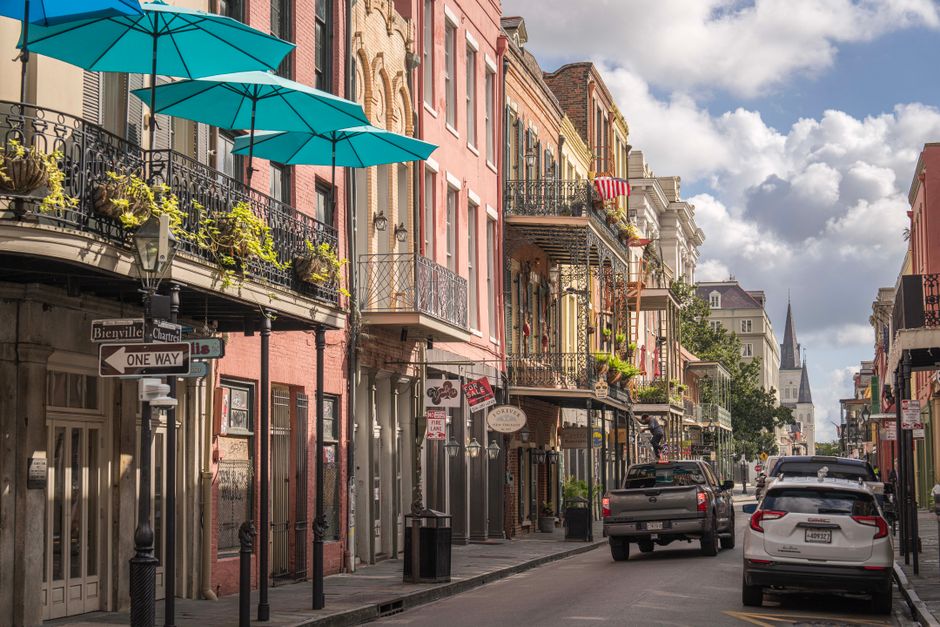
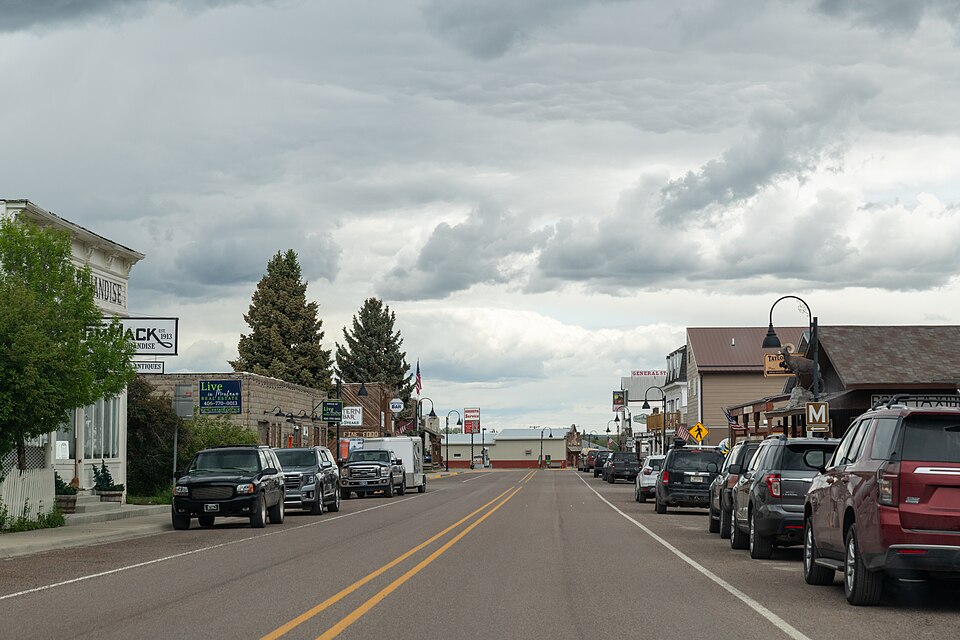
    Photo: Hansueli Krapf, CC BY-SA 4.0, via Wikimedia Commons

    Montana’s written test for the Non-Commercial Learner Permit (NCLP) checks that you can read highway signs and that you know Montana traffic law. This practice set has 30 original questions on exactly that. They are unofficial: Montana-specific answers are based on the Montana Code Annotated (MCA), and none are MVD questions.

    Montana knowledge test: key facts

    • By law the test covers highway signs and Montana traffic laws, alongside an eyesight test (MCA 61-5-110).
    • Ask your exam station how many questions the test has and the pass mark.
    • One license receipt covers three tries at all required tests within one year.
    • Teens in state-approved traffic education usually test through their instructor.

    Ages, booking and documents: the Montana written test and learner permit guide. The full process: learning to drive in Montana.

    Highway signs, signals and markings (questions 1 to 7)

    1. You can recognize a STOP sign from behind, or when it is covered in snow, because it is the only sign that is:

    • A. Triangular
    • B. Round
    • C. Eight-sided (an octagon)
    • D. Shaped like a pennant

    Answer: C. Only STOP signs use the octagon shape. Topic: signs.

    2. A red and white triangle pointing down tells you to:

    • A. Stop every time, even when the road is clear
    • B. Slow down and give the right of way, stopping if you need to
    • C. Merge without checking traffic
    • D. Watch for a railroad crossing

    Answer: B. A YIELD sign means cross traffic and pedestrians go first. You stop only when you have to. Topic: signs.

    3. A yellow diamond-shaped sign usually warns you about:

    • A. A hazard or change in the road ahead, such as a curve
    • B. A law you must obey
    • C. Gas, food and lodging
    • D. A route number

    Answer: A. Yellow diamonds are warning signs. Topic: signs.

    4. A yellow pennant-shaped sign on the left side of the road means:

    • A. A narrow bridge is ahead
    • B. The road is slippery when wet
    • C. Two-way traffic ends
    • D. You are entering a no-passing zone

    Answer: D. The pennant marks the start of a no-passing zone and is placed on the driver’s left. Topic: signs.

    5. A steady yellow traffic light means:

    • A. Speed up to beat the red light
    • B. Stop even if you are already in the intersection
    • C. The light is about to turn red, so stop if you can do so safely
    • D. Pedestrians have the right of way

    Answer: C. Steady yellow warns that red is next. If you are too close to stop safely, go through with care. Topic: signals.

    6. A flashing yellow left-turn arrow means you may turn left:

    • A. After yielding to oncoming traffic and pedestrians
    • B. Without stopping, because oncoming traffic must stop
    • C. Only after waiting three seconds
    • D. Only if a police officer waves you on

    Answer: A. This is a permissive turn. Oncoming traffic may have a green light, so wait for a safe gap. Topic: signals.

    7. Two solid yellow lines down the center of a two-lane road mean:

    • A. Passing is allowed in both directions
    • B. No passing in either direction
    • C. Passing is allowed only in daylight
    • D. The road is one-way

    Answer: B. Double solid yellow lines mark a no-passing area for traffic both ways. Topic: pavement markings.

    Right of way and freeways (questions 8 to 11)

    8. You and another car reach a four-way stop at the same time. The other car is on your right. Who goes first?

    • A. You do, because you are on the left
    • B. Whoever is driving the larger vehicle
    • C. Whoever signals first
    • D. The car on your right

    Answer: D. When drivers arrive together, the driver on the left yields to the driver on the right. Topic: right of way.

    9. At an intersection with no signs or signals, two cars arrive at about the same time. Which driver must yield?

    • A. The driver on the right
    • B. The driver going straight
    • C. Neither, both may go
    • D. The driver on the left

    Answer: D. At an uncontrolled intersection, yield to the vehicle on your right and to any vehicle already in the intersection. Topic: right of way.

    10. A pedestrian is crossing in a marked crosswalk ahead of you and there is no signal. You must:

    • A. Sound your horn so the pedestrian hurries
    • B. Drive around the pedestrian
    • C. Yield and let the pedestrian cross
    • D. Go first because cars have the right of way

    Answer: C. Pedestrians in a crosswalk have the right of way. Topic: pedestrians.

    11. When you join a freeway from an on-ramp, you should:

    • A. Use the acceleration lane to reach the speed of traffic and merge into a gap
    • B. Stop at the end of the ramp and wait
    • C. Enter well below the speed of traffic
    • D. Expect freeway traffic to move over for you

    Answer: A. Freeway traffic has the right of way. Match its speed and find a safe gap. Topic: freeways.

    Montana speed limits and headlights (questions 12 to 17)

    12. On a Montana interstate outside urban areas of 50,000 or more, the speed limit is:

    • A. 65 mph
    • B. 70 mph
    • C. 75 mph
    • D. 80 mph

    Answer: D. Interstates inside those urban areas are 65 mph. MCA 61-8-303: speed limits.

    13. Unless posted otherwise, the speed limit in a Montana urban district is:

    • A. 20 mph
    • B. 25 mph
    • C. 30 mph
    • D. 35 mph

    Answer: B. Posted signs can set other limits. MCA 61-8-303: speed limits.

    14. On most other Montana highways, the default limits are:

    • A. 60 mph by day and 55 mph at night
    • B. 65 mph day and night
    • C. 70 mph by day and 65 mph at night
    • D. 75 mph by day and 70 mph at night

    Answer: C. Four-lane national highway sections of 10 miles or more can be 75 mph by day and 70 at night. MCA 61-8-303: speed limits.

    15. On a two-lane road in a passing zone, Montana lets you exceed the limit by 10 mph only to:

    • A. Pass another vehicle and return to the right lane
    • B. Keep up with traffic
    • C. Climb a hill
    • D. Make up time

    Answer: A. Once you are back in your lane, return to the limit. MCA 61-8-303: passing.

    16. You must dim your high beams when you are within how far of an oncoming vehicle?

    • A. 200 feet
    • B. 300 feet
    • C. 500 feet
    • D. 1,000 feet

    Answer: D. Montana’s distance is longer than many states’. MCA 61-9-221: headlights.

    17. You must dim your high beams when you follow another vehicle within:

    • A. 100 feet
    • B. 200 feet
    • C. 500 feet
    • D. 1,000 feet

    Answer: C. Your high beams reflect in the other driver’s mirrors. MCA 61-9-221: headlights.

    School buses and emergencies (questions 18 to 20)

    18. A school bus has stopped with red lights flashing. Approaching from either direction, you must stop:

    • A. Right beside the bus
    • B. Not less than about 30 feet from the bus
    • C. About 10 feet from the bus
    • D. Only if you are behind it

    Answer: B. Do not go past the bus until it turns off its red lights. Never pass on the right. MCA 61-8-351: school buses.

    19. A school bus ahead switches on flashing amber lights. You should:

    • A. Speed up and pass before it stops
    • B. Slow down and be ready to stop when the red lights come on
    • C. Stop at once, wherever you are
    • D. Ignore them; only red lights matter

    Answer: B. Amber means the bus is preparing to stop. MCA 61-8-351: school buses.

    20. Your rear wheels begin to skid. You should:

    • A. Ease off the gas and steer in the direction you want the car to go
    • B. Slam on the brakes
    • C. Turn the wheel sharply the other way
    • D. Speed up

    Answer: A. Look and steer where you want to go, and make small corrections. Topic: emergencies.

    Alcohol, drugs and points (questions 21 to 24)

    21. What is the only thing that lowers your blood alcohol level?

    • A. Black coffee
    • B. A cold shower
    • C. Eating a large meal
    • D. Time

    Answer: D. Your body removes alcohol at a steady rate, and nothing speeds it up. Topic: alcohol.

    22. For a Montana driver under 21, DUI starts at an alcohol concentration of:

    • A. 0.02
    • B. 0.04
    • C. 0.05
    • D. 0.08

    Answer: A. Drivers 21 and older are at the 0.08 limit. See zero tolerance laws. MCA 61-8-1002: alcohol limits.

    23. How much THC may a Montana driver under 21 have in their system?

    • A. Up to 2 ng/ml
    • B. None: any amount counts
    • C. Up to 5 ng/ml
    • D. Any amount, if they feel fine

    Answer: B. For drivers 21 and older the THC limit is 5 ng/ml. MCA 61-8-1002: drug limits.

    24. A DUI conviction adds how many points to a Montana driving record?

    • A. 2
    • B. 4
    • C. 6
    • D. 10

    Answer: D. Collect 30 or more conviction points in three years and you become a habitual traffic offender. MCA 61-11-203: points.

    Montana permit and first-year restricted license rules (questions 25 to 30)

    25. A Montana learner permit (NCLP) is valid for:

    • A. 6 months
    • B. 1 year
    • C. 2 years
    • D. 4 years

    Answer: B. Carry it whenever you drive. MCA 61-5-106: learner permit.

    26. If you are under 18, who may supervise your Montana permit driving?

    • A. Any licensed driver aged 16
    • B. A friend with a learner permit
    • C. A parent or legal guardian, or a licensed driver 18 or older with their permission
    • D. No one; permit holders drive alone in daylight

    Answer: C. The supervisor sits beside you. MCA 61-5-106: learner permit.

    27. Before a first-year restricted license, a parent must certify at least how much supervised driving after a traditional traffic education course?

    • A. 30 hours, 5 at night
    • B. 40 hours, 10 at night
    • C. 50 hours, 10 at night
    • D. 75 hours, 15 at night

    Answer: C. After an MVD-approved alternative course, the requirement is 75 hours, 15 at night. MCA 61-5-132: graduated licensing.

    28. A first-year restricted license holder may not drive between 11 p.m. and 5 a.m. unless:

    • A. An exception applies, such as a licensed driver 18 or older riding along or driving to or from work
    • B. They are on a highway
    • C. They have held the license 30 days
    • D. The car has daytime running lights

    Answer: A. Other exceptions include school and religious events, emergencies and farm work. See Montana first-year restricted license rules. MCA 61-5-133: graduated licensing.

    29. In the first 6 months of a restricted license, how many passengers under 18 may you carry, not counting family?

    • A. 0
    • B. 1
    • C. 2
    • D. 3

    Answer: B. In months 7 to 12 the limit is 3. A licensed driver 18 or older riding along lifts the limit. MCA 61-5-133: graduated licensing.

    30. A first conviction for breaking a Montana GDL restriction leads to:

    • A. 20 to 60 hours of community service
    • B. A warning only
    • C. Loss of license for 1 year
    • D. A $1,000 fine

    Answer: A. A second conviction means a six-month suspension. MCA 61-5-134: graduated licensing.

    How to score yourself

    Correct out of 30 What it means
    27 to 30 Strong. You know Montana’s own numbers.
    24 to 26 About 80%. Close, but reread the sections you missed.
    Under 24 Not ready yet. Study the Montana Driver Manual before you book.

    These bands are a guide only. Ask your exam station for the official count and pass mark. The MVD says that unless you know what is in the Montana Driver Manual, you cannot pass the written and road tests.

    Common questions

    Are these the real Montana MVD questions?

    No. They are original, unofficial practice questions written from the Montana Code Annotated and the topics the test covers.

    How many questions are on the Montana permit test?

    Ask your exam station. See the written test guide.

    How many tries do I get?

    One license receipt covers three attempts at all the required tests within one year. It cannot be renewed.

    How old do I have to be?

    14 1/2 while in state-approved traffic education, 15 after finishing it, or 16 at an exam station without it. Confirm your route with the MVD if you are under 18 and have not taken traffic education.

    What does the permit cost?

    MCA 61-5-111 sets $5 for each year or part year, as of November 2026. Check the full fee list on mvdmt.gov.

    Are there practice tests for other states?

    Yes. See US permit practice tests by state.

    Sources

    • Montana Legislature, “Montana Code Annotated 2025, 61-5-106, 61-5-110, 61-5-111, 61-5-132, 61-5-133 and 61-5-134” (mca.legmt.gov)
    • Montana Legislature, “Montana Code Annotated 2025, 61-8-303, 61-8-351 and 61-8-1002” (mca.legmt.gov)
    • Montana Legislature, “Montana Code Annotated 2025, 61-9-221 and 61-11-203” (mca.legmt.gov)
    • Montana Motor Vehicle Division, “Montana Driver Manual” (May 2026) (mvdmt.gov)
  • Missouri Permit Practice Test: Signs Plus 25 Written Questions

    Missouri Permit Practice Test: Signs Plus 25 Written Questions

    Photo: Anthony Stewart, Pexels

    At a Missouri State Highway Patrol driver examination station, the permit tests are a vision test, a road sign recognition test and a written test. The written test has 25 multiple-choice questions and you need 20 correct. This practice test has a 10-question sign drill followed by a full 25-question written test. All questions are original and unofficial, based on the Missouri Driver Guide topics and Department of Revenue rules, and none are the Highway Patrol’s.

    Missouri permit tests: key facts

    • Three tests at an MSHP station: vision, road sign recognition and a written test.
    • Written test: 25 multiple-choice questions, 20 correct to pass, so you can miss 5.
    • Every written question comes from the Missouri Driver Guide.
    • If your test results are more than one year old when you apply, you retake all three tests.

    Where to test and what to bring: the Missouri written test and instruction permit guide. The full process: learning to drive in Missouri.

    Part 1: road sign drill (questions 1 to 10)

    1. You can recognize a STOP sign from behind, or when it is covered in snow, because it is the only sign that is:

    • A. Triangular
    • B. Round
    • C. Eight-sided (an octagon)
    • D. Shaped like a pennant

    Answer: C. Only STOP signs use the octagon shape. Driver Guide topic: signs.

    2. A red and white triangle pointing down tells you to:

    • A. Stop every time, even when the road is clear
    • B. Slow down and give the right of way, stopping if you need to
    • C. Merge without checking traffic
    • D. Watch for a railroad crossing

    Answer: B. A YIELD sign means cross traffic and pedestrians go first. You stop only when you have to. Driver Guide topic: signs.

    3. A yellow diamond-shaped sign usually warns you about:

    • A. A hazard or change in the road ahead, such as a curve
    • B. A law you must obey
    • C. Gas, food and lodging
    • D. A route number

    Answer: A. Yellow diamonds are warning signs. Driver Guide topic: signs.

    4. A round yellow sign with a black X and the letters RR means:

    • A. A rest area is ahead
    • B. Road repairs are ahead
    • C. The right lane ends
    • D. A railroad crossing is ahead

    Answer: D. The round shape is used only for railroad advance warning signs. Driver Guide topic: signs.

    5. A yellow pennant-shaped sign on the left side of the road means:

    • A. You are entering a no-passing zone
    • B. A narrow bridge is ahead
    • C. The road is slippery when wet
    • D. Two-way traffic ends

    Answer: A. The pennant marks the start of a no-passing zone and is placed on the driver’s left. Driver Guide topic: signs.

    6. A five-sided sign shaped like a house warns you that:

    • A. A hospital is ahead
    • B. A railroad crossing is ahead
    • C. You are near a school zone or school crossing
    • D. A divided highway begins

    Answer: C. The pentagon shape is used for school zone and school crossing signs. Driver Guide topic: signs.

    7. Orange signs with black letters or symbols tell you that:

    • A. A school is nearby
    • B. A hospital is nearby
    • C. A scenic area is ahead
    • D. You are coming to a work zone

    Answer: D. Orange is the color for work zone signs. Slow down and watch for workers and equipment. Driver Guide topic: signs.

    8. A fluorescent yellow-green sign showing a person walking means:

    • A. Pedestrians are banned from the road
    • B. Watch for pedestrians crossing
    • C. A park entrance is ahead
    • D. Hiking trails are nearby

    Answer: B. Fluorescent yellow-green is used for pedestrian, bicycle and school warnings so they stand out. Driver Guide topic: signs.

    9. A blue sign beside the highway usually tells you about:

    • A. Speed limits
    • B. Road hazards
    • C. Motorist services such as gas, food and lodging
    • D. No-passing zones

    Answer: C. Blue is the color for services. Driver Guide topic: signs.

    10. Brown signs point you to:

    • A. Hospitals
    • B. Work zones
    • C. Detours
    • D. Parks, recreation areas and cultural sites

    Answer: D. Brown is for recreation and culture, blue is for motorist services and green is for directions. Driver Guide topic: signs.

    Part 2, written test: signals, markings and right of way (questions 11 to 19)

    11. A steady yellow traffic light means:

    • A. The light is about to turn red, so stop if you can do so safely
    • B. Speed up to beat the red light
    • C. Stop even if you are already in the intersection
    • D. Pedestrians have the right of way

    Answer: A. Steady yellow warns that red is next. If you are too close to stop safely, go through with care. Driver Guide topic: signals.

    12. A flashing red traffic light means:

    • A. Slow down and go ahead with caution
    • B. Come to a complete stop, then go when it is safe, as at a STOP sign
    • C. The signal is broken, so you may ignore it
    • D. Stop only if other cars are there

    Answer: B. Treat a flashing red light exactly like a STOP sign. Driver Guide topic: signals.

    13. A flashing yellow left-turn arrow means you may turn left:

    • A. Without stopping, because oncoming traffic must stop
    • B. Only after waiting three seconds
    • C. After yielding to oncoming traffic and pedestrians
    • D. Only if a police officer waves you on

    Answer: C. This is a permissive turn. Oncoming traffic may have a green light, so wait for a safe gap. Driver Guide topic: signals.

    14. Two solid yellow lines down the center of a two-lane road mean:

    • A. Passing is allowed in both directions
    • B. No passing in either direction
    • C. Passing is allowed only in daylight
    • D. The road is one-way

    Answer: B. Double solid yellow lines mark a no-passing area for traffic both ways. Driver Guide topic: pavement markings.

    15. The center line has a broken yellow line on your side and a solid yellow line on the other side. This means:

    • A. Neither direction may pass
    • B. Only the other direction may pass
    • C. You must stay 10 mph below the limit
    • D. You may pass when it is safe, but traffic on the other side may not

    Answer: D. You may pass when the broken line is on your side and the road ahead is clear. Driver Guide topic: pavement markings.

    16. You and another car reach a four-way stop at the same time. The other car is on your right. Who goes first?

    • A. The car on your right
    • B. You do, because you are on the left
    • C. Whoever is driving the larger vehicle
    • D. Whoever signals first

    Answer: A. When drivers arrive together, the driver on the left yields to the driver on the right. Driver Guide topic: right of way.

    17. You are turning left on a solid green light with no arrow. You must:

    • A. Yield to oncoming traffic and pedestrians before you turn
    • B. Go first, because you have a green light
    • C. Turn quickly before oncoming cars reach you
    • D. Wait for the light to turn yellow

    Answer: A. A plain green light lets you turn left only when there is a safe gap. Driver Guide topic: right of way.

    18. An ambulance with its siren and lights on is coming up behind you. You must:

    • A. Speed up to stay ahead of it
    • B. Stop at once, even in the middle of an intersection
    • C. Pull over to the right edge of the road and stop until it passes
    • D. Move to the left lane and keep going

    Answer: C. Clear any intersection first, then pull to the right and stop. Driver Guide topic: emergency vehicles.

    19. A pedestrian is crossing in a marked crosswalk ahead of you and there is no signal. You must:

    • A. Sound your horn so the pedestrian hurries
    • B. Yield and let the pedestrian cross
    • C. Drive around the pedestrian
    • D. Go first because cars have the right of way

    Answer: B. Pedestrians in a crosswalk have the right of way. Driver Guide topic: pedestrians.

    Part 2, written test: safe driving and alcohol (questions 20 to 27)

    20. Your car starts to hydroplane on a wet road. You should:

    • A. Brake hard
    • B. Accelerate to push through the water
    • C. Turn the wheel sharply
    • D. Ease off the gas, keep the wheel straight and avoid hard braking

    Answer: D. Your tires are riding on water. Let the car slow until they grip the road again. Driver Guide topic: emergencies.

    21. When you join a freeway from an on-ramp, you should:

    • A. Stop at the end of the ramp and wait
    • B. Enter well below the speed of traffic
    • C. Use the acceleration lane to reach the speed of traffic and merge into a gap
    • D. Expect freeway traffic to move over for you

    Answer: C. Freeway traffic has the right of way. Match its speed and find a safe gap. Driver Guide topic: freeways.

    22. The car in the lane next to you has stopped at a crosswalk. You should:

    • A. Pass it, since your lane is clear
    • B. Change lanes and speed up
    • C. Sound your horn to find out why it stopped
    • D. Slow down and be ready to stop, because someone may be crossing

    Answer: D. Never pass a vehicle that has stopped for pedestrians. Driver Guide topic: pedestrians.

    23. You are beside a large truck and cannot see the driver in the truck’s side mirror. This means:

    • A. You are at a safe distance
    • B. The truck driver probably cannot see you either
    • C. The truck is about to stop
    • D. The driver has seen you and will wait

    Answer: B. Trucks have large blind spots. Pass steadily or drop back until you can see the driver’s mirror. Driver Guide topic: sharing the road.

    24. What is the only thing that lowers your blood alcohol level?

    • A. Time
    • B. Black coffee
    • C. A cold shower
    • D. Eating a large meal

    Answer: A. Your body removes alcohol at a steady rate, and nothing speeds it up. Driver Guide topic: alcohol.

    25. Missouri drivers under 21 face suspension or revocation at a blood alcohol content of:

    • A. .02 or above
    • B. .05 or above
    • C. .08 or above
    • D. .10 or above

    Answer: A. This is Missouri’s zero tolerance rule. Refusing a test or testing over the limit also brings a separate DOR action. DOR rules: alcohol and drugs.

    26. Missouri’s hands-free law, in force since August 28, 2023, applies to:

    • A. Drivers under 21 only
    • B. Commercial drivers only
    • C. Drivers of all ages
    • D. Drivers on interstates only

    Answer: C. It replaced the old under-21 texting ban. See Missouri’s hands-free law explained. MoDOT: distracted driving.

    27. How many points within 18 months lead the Missouri DOR to suspend a license?

    • A. 4
    • B. 6
    • C. 8
    • D. 12

    Answer: C. 4 points in 12 months brings an advisory letter. A first suspension lasts 30 days. DOR rules: points.

    Part 2, written test: Missouri permit and intermediate license rules (questions 28 to 35)

    28. The minimum age for a Missouri instruction permit is:

    • A. 14
    • B. 15
    • C. 15 1/2
    • D. 16

    Answer: B. You pass the vision, road sign and written tests at an MSHP station, then the permit is issued at a DOR license office. DOR rules: graduated driver license.

    29. A permit holder under 16 may drive with which of these in the front seat?

    • A. Any licensed friend aged 18
    • B. Any licensed driver aged 21 or older
    • C. A passenger with a permit
    • D. A licensed grandparent

    Answer: D. Under 16, the supervisor must be a parent, stepparent, grandparent, legal guardian or qualified driving instructor, or a person 25 or older, licensed for 3 years, with written parent permission. A licensed 21-year-old does not qualify until you turn 16. From 16, any licensed driver 21 or older may supervise. DOR rules: instruction permit.

    30. How long must you hold your Missouri instruction permit before applying for an intermediate license?

    • A. 30 days
    • B. 90 days
    • C. 182 days
    • D. 1 year

    Answer: C. The count starts the day after the permit is issued. DOR rules: graduated driver license.

    31. How many supervised driving hours do you need for a Missouri intermediate license?

    • A. 20 hours, including 5 at night
    • B. 40 hours, including 10 at night
    • C. 50 hours, including 15 at night
    • D. 60 hours, including 10 at night

    Answer: B. Night means between sunset and sunrise. See the Missouri 40-hour requirement. DOR rules: graduated driver license.

    32. A Missouri intermediate license holder may not drive between 1 a.m. and 5 a.m. unless:

    • A. They are within 5 miles of home
    • B. It is a Friday or Saturday
    • C. A 16-year-old friend is with them
    • D. A licensed driver 21 or older is with them, or the trip is for school, work or an emergency

    Answer: D. See Missouri intermediate license rules. DOR rules: graduated driver license.

    33. In the first 6 months of an intermediate license, how many passengers under 19 who are not immediate family may you carry?

    • A. 0
    • B. 1
    • C. 2
    • D. 3

    Answer: B. After 6 months the limit rises to 3. DOR rules: graduated driver license.

    34. Who must wear a seat belt when a Missouri intermediate license holder is driving?

    • A. Everyone in the vehicle
    • B. The driver only
    • C. Front-seat riders only
    • D. Passengers under 16 only

    Answer: A. This is a condition of the intermediate license. DOR rules: graduated driver license.

    35. To get a full Missouri license at 18, you need no alcohol-related offenses and no traffic convictions in the previous:

    • A. 30 days
    • B. 6 months
    • C. 12 months
    • D. 3 years

    Answer: C. You can apply at 18 or within the 30 days before your 18th birthday. DOR rules: graduated driver license.

    How to score yourself against the Missouri standard

    Written test, correct out of 25 (questions 11 to 35) What it means
    23 to 25 Ready for the written test.
    20 to 22 A pass at the Missouri standard of 20 correct.
    Under 20 A fail on the real test. Reread the Driver Guide.

    Score the sign drill (questions 1 to 10) separately. The real road sign test is scored on its own, so aim to get every sign right.

    Common questions

    Are these the real Missouri Highway Patrol questions?

    No. They are original, unofficial practice questions written to the Missouri Driver Guide topics and DOR rules.

    How many questions can I miss on the Missouri written test?

    Five. You need 20 of 25 correct.

    Is the road sign test separate?

    Yes. Missouri gives a road sign recognition test as well as the written test, so you need to know signs by shape, color and symbol.

    How long do my test results last?

    If they are more than a year old when you apply, you retake the vision, sign and written tests.

    What does the permit cost?

    The Missouri Driver Guide (revised August 2026) lists $10.00 for an instruction permit. Check the DOR for any processing fees. See the written test guide.

    Are there practice tests for other states?

    Yes. See US permit practice tests by state.

    Sources

    • Missouri Department of Revenue, “Missouri Driver Guide” (dor.mo.gov)
    • Missouri Department of Revenue, “Graduated Driver License” (dor.mo.gov)
    • Missouri Department of Revenue, “Tickets and Points FAQ” (dor.mo.gov)
    • Missouri Department of Transportation, “Hands-free law” (modot.org)
  • Mississippi Permit Practice Test: 30 Free Questions With Answers

    Mississippi Permit Practice Test: 30 Free Questions With Answers

    Photo: Michael Barera, CC BY-SA 4.0, via Wikimedia Commons

    This Mississippi permit practice test has 30 original questions written from the MDPS Driver’s License Manual (revised December 2024), the same manual the computerized knowledge exam is based on. The questions are unofficial and are not the Driver Service Bureau’s. The manual focuses on Mississippi traffic laws, safe driving rules and license requirements, so this set does too.

    Mississippi knowledge exam: key facts

    • A computerized multiple-choice exam, taken in person at a Driver Service Bureau (DSB) station, plus a vision exam.
    • Ask your station for the number of questions and the pass mark if you want to know before test day.
    • A headset can read the questions and answers aloud.
    • No phones, earbuds or smart watches in the testing area. Cheating cancels the test and bars you from retesting for 6 months.

    Documents, the school attendance form and the $7 fee: the Mississippi permit test guide. The full process: learning to drive in Mississippi.

    Signs, signals and markings (questions 1 to 6)

    1. You can recognize a STOP sign from behind, or when it is covered in snow, because it is the only sign that is:

    • A. Triangular
    • B. Round
    • C. Eight-sided (an octagon)
    • D. Shaped like a pennant

    Answer: C. Only STOP signs use the octagon shape. Manual topic: signs.

    2. A yellow diamond-shaped sign usually warns you about:

    • A. A law you must obey
    • B. A hazard or change in the road ahead, such as a curve
    • C. Gas, food and lodging
    • D. A route number

    Answer: B. Yellow diamonds are warning signs. Manual topic: signs.

    3. A round yellow sign with a black X and the letters RR means:

    • A. A railroad crossing is ahead
    • B. A rest area is ahead
    • C. Road repairs are ahead
    • D. The right lane ends

    Answer: A. The round shape is used only for railroad advance warning signs. Manual topic: signs.

    4. A flashing yellow traffic light means:

    • A. Stop and wait for green
    • B. The light is about to turn red
    • C. Only turning traffic may go
    • D. Slow down and go ahead with caution

    Answer: D. Flashing yellow is a caution signal. You do not have to stop, but watch for cross traffic. Manual topic: signals.

    5. The main light is red, but a green arrow pointing right is lit beside it. You may:

    • A. Go straight ahead
    • B. Turn left
    • C. Not move until the red light goes off
    • D. Turn right in the direction of the arrow, yielding to anyone still in the intersection

    Answer: D. A green arrow allows a protected movement in the direction it points, and only that direction. Manual topic: signals.

    6. Two solid yellow lines down the center of a two-lane road mean:

    • A. Passing is allowed in both directions
    • B. No passing in either direction
    • C. Passing is allowed only in daylight
    • D. The road is one-way

    Answer: B. Double solid yellow lines mark a no-passing area for traffic both ways. Manual topic: pavement markings.

    Right of way and emergency vehicles (questions 7 to 12)

    7. At an all-way stop, the first vehicle to come to a complete stop should:

    • A. Wait for every other car to go
    • B. Go only after sounding the horn
    • C. Go first, after checking that the way is clear
    • D. Wait for a pedestrian signal

    Answer: C. The first to stop is the first to go, once it is safe. Manual topic: right of way.

    8. You are turning left on a solid green light with no arrow. You must:

    • A. Yield to oncoming traffic and pedestrians before you turn
    • B. Go first, because you have a green light
    • C. Turn quickly before oncoming cars reach you
    • D. Wait for the light to turn yellow

    Answer: A. A plain green light lets you turn left only when there is a safe gap. Manual topic: right of way.

    9. When you enter a roundabout in Mississippi, you travel:

    • A. Counterclockwise, after yielding to traffic already in the circle
    • B. Clockwise
    • C. Straight across the center island
    • D. In either direction

    Answer: A. Slow down, yield to circulating traffic and enter counterclockwise. Manual topic: roundabouts.

    10. An ambulance with lights and siren comes up behind you just as you enter an intersection. You should:

    • A. Stop in the middle of the intersection
    • B. Back up out of the intersection
    • C. Go through the intersection, then pull over to the far right and stop
    • D. Speed up and stay ahead of it

    Answer: C. Emergency vehicles with red or blue lights, a bell or a siren always have the right of way. Manual topic: emergency vehicles.

    11. An emergency vehicle with its lights on is parked on the side of a four-lane highway. You should:

    • A. Keep your speed and lane
    • B. Stop in your lane
    • C. Sound your horn as you pass
    • D. Merge into the lane away from it if safe, or slow down and be ready to stop

    Answer: D. You must yield the right of way. Manual topic: emergency vehicles.

    12. You should signal continuously for at least how far before you slow down, turn, stop or change lanes?

    • A. 25 feet
    • B. 50 feet
    • C. 100 feet
    • D. 500 feet

    Answer: C. Give other drivers time to see your signal. Manual topic: signals.

    Mississippi speed limits and following distance (questions 13 to 19)

    13. The maximum speed for any vehicle in a Mississippi school zone is:

    • A. 10 mph
    • B. 15 mph
    • C. 20 mph
    • D. 25 mph

    Answer: B. Watch for children before and after school hours. Manual topic: speed limits.

    14. The minimum speed on a Mississippi interstate is:

    • A. 30 mph
    • B. 40 mph
    • C. 45 mph
    • D. 50 mph

    Answer: B. The interstate maximum is 70 mph. Driving too slowly can be as dangerous as speeding. Manual topic: speed limits.

    15. The maximum speed on a two-lane state or U.S. highway in Mississippi is:

    • A. 45 mph
    • B. 55 mph
    • C. 60 mph
    • D. 65 mph

    Answer: B. Four-lane state and U.S. highways can be up to 65 mph. Manual topic: speed limits.

    16. The Mississippi manual’s following-distance rule is:

    • A. At least one car length for every 10 mph of speed
    • B. One car length at any speed
    • C. Two feet for every 10 mph
    • D. Ten car lengths at any speed

    Answer: A. At 50 mph, that means at least five car lengths. Manual topic: following distance.

    17. You must use low beams when you come within how far of an oncoming vehicle, or of a vehicle you are following?

    • A. 100 feet
    • B. 200 feet
    • C. 500 feet
    • D. 1,000 feet

    Answer: C. Also use headlights from sunset to sunrise and whenever you cannot see 500 feet ahead. Manual topic: headlights.

    18. An oncoming driver keeps high beams on at night. You should:

    • A. Switch your high beams on too
    • B. Look straight at the headlights
    • C. Close one eye
    • D. Look toward the right edge of your lane until the car passes

    Answer: D. Glancing at the right edge keeps you on course without being blinded. Manual topic: night driving.

    19. You are beside a large truck and cannot see the driver in the truck’s side mirror. This means:

    • A. You are at a safe distance
    • B. The truck is about to stop
    • C. The driver has seen you and will wait
    • D. The truck driver probably cannot see you either

    Answer: D. Trucks have large blind spots. Pass steadily or drop back until you can see the driver’s mirror. Manual topic: sharing the road.

    School buses, bicycles and parking (questions 20 to 24)

    20. A school bus has its red lights flashing and stop sign out. Mississippi law says you must stop at least how far from it?

    • A. 5 feet
    • B. 10 feet
    • C. 20 feet
    • D. 30 feet

    Answer: B. Stay stopped until the children have crossed and the bus has moved on, its lights off and stop sign retracted. Manual topic: school buses.

    21. You are on a highway with four or more lanes, two going each way, and a school bus stops on the opposite side. You:

    • A. May continue on your side without stopping
    • B. Must stop 10 feet from the bus
    • C. Must stop only if children are visible
    • D. Must stop and wait 30 seconds

    Answer: A. Drivers going the same direction as the bus must still stop. Manual topic: school buses.

    22. When passing a bicycle, leave at least:

    • A. 1 foot
    • B. 2 feet
    • C. 3 feet
    • D. 10 feet

    Answer: C. Yield to oncoming bicyclists just as you would to oncoming cars. Manual topic: bicycles.

    23. You may not park within how many feet of a fire hydrant in Mississippi?

    • A. 5 feet
    • B. 10 feet
    • C. 15 feet
    • D. 25 feet

    Answer: B. You also may not park within 20 feet of a crosswalk at an intersection. Manual topic: parking.

    24. You may not park within how many feet of the nearest rail of a railroad crossing?

    • A. 5 feet
    • B. 10 feet
    • C. 15 feet
    • D. 50 feet

    Answer: C. You also may not park within 30 feet of the approach to a traffic control device. Manual topic: parking.

    Alcohol, phones and permit rules (questions 25 to 30)

    25. What is the only thing that lowers your blood alcohol level?

    • A. Black coffee
    • B. A cold shower
    • C. Eating a large meal
    • D. Time

    Answer: D. Your body removes alcohol at a steady rate, and nothing speeds it up. Manual topic: alcohol.

    26. A driver under 21 has a BAC of 0.02% or more but less than 0.08%. A first Zero Tolerance DUI conviction in Mississippi brings:

    • A. A $250 fine and a 120-day license suspension
    • B. A warning only
    • C. A $50 fine
    • D. A 2-year suspension

    Answer: A. Under 21 at 0.08% or more is a regular DUI, not Zero Tolerance. Manual topic: zero tolerance DUI.

    27. If you refuse a breath or chemical test in Mississippi, your license is administratively suspended for:

    • A. 30 days
    • B. 45 days
    • C. 90 days
    • D. 1 year

    Answer: C. The officer’s receipt works as a temporary permit for 45 days. Later refusals bring longer suspensions. Manual topic: implied consent.

    28. Which phone use is banned for every Mississippi driver?

    • A. Writing, sending or reading text messages while driving
    • B. Any hands-free call
    • C. Using a GPS voice app
    • D. Listening to the radio

    Answer: A. Reading or posting to social media on a hand-held phone is also banned. Manual topic: distracted driving.

    29. A Mississippi learner’s permit holder may drive only with:

    • A. Any passenger 16 or older
    • B. A licensed driver aged 18 or older in the back seat
    • C. No one, during daylight
    • D. A licensed driver aged 21 or older in the seat next to them

    Answer: D. Carry your permit whenever you drive. Manual topic: learner’s permit.

    30. An under-18 driver who got a permit at 15 can apply for a Class R license after holding the permit for:

    • A. 30 days
    • B. 6 months
    • C. 12 months
    • D. 2 years

    Answer: C. A DUI or moving violation conviction restarts the year. At 17 or older there is no holding period. See Mississippi teen license rules. Manual topic: license requirements.

    How to score yourself

    Correct out of 30 What it means
    27 to 30 Strong. You know the manual’s numbers.
    24 to 26 About 80%. Review what you missed before test day.
    Under 24 Not ready yet. Reread the manual, starting with speed limits and school buses.

    These bands are a guide only, so check the pass mark with the DSB. The manual costs $3 at a station, or you can download it free.

    Common questions

    Are these the real Mississippi DSB questions?

    No. They are original, unofficial practice questions written from the MDPS Driver’s License Manual.

    How many questions are on the Mississippi permit test?

    Ask your local station for the number and the pass mark. See the permit test guide.

    Can I take the Mississippi permit test online?

    No. All knowledge exams are taken in person at a DSB station.

    How long is my exam score valid?

    Two years.

    Can I have the test read to me?

    Yes. A headset can read each question and answer aloud. If you need an interpreter, bring the Mississippi Interpreter Oath form and your interpreter.

    Are there practice tests for other states?

    Yes. See US permit practice tests by state.

    Sources

    • Mississippi Department of Public Safety, “Mississippi Driver’s License Manual” (revised December 2024) (driverservicebureau.dps.ms.gov)
    • Mississippi Driver Service Bureau, “Learner’s Permit” (driverservicebureau.dps.ms.gov)
    • Mississippi Driver Service Bureau, “Website Testing Policy” (driverservicebureau.dps.ms.gov)
    • Mississippi Legislature, “Senate Bill 2695 (2024 Regular Session)” (legislature.ms.gov)
  • Minnesota Permit Practice Test: 40 Free Questions With Answers

    Minnesota Permit Practice Test: 40 Free Questions With Answers

    Photo: Andrew Patrick Pho, Pexels

    This Minnesota permit practice test has 40 original questions on the subjects Minnesota law says the Class D knowledge test must cover: road signs, traffic laws, alcohol and drugs, railroad crossings, slow-moving vehicles, school buses, bicycle laws and carbon monoxide. The questions are unofficial. Minnesota-specific answers are based on Minnesota Statutes; none are taken from the DVS test.

    Minnesota knowledge test: key facts

    • Format: multiple-choice and true-or-false questions on the Minnesota Driver’s Manual.
    • Pass mark: 80 percent, one attempt per day (Minnesota Driver’s Manual, June 2026). The manual does not give the number of questions.
    • Teens can test from 15 after the classroom phase of driver education. No driver education is needed at 18 or older.
    • You can take it at a DVS exam station or online with an approved provider and a proctor who is not a relative.

    Who can test, fees and the online option: the Minnesota permit knowledge test guide. The full process: learning to drive in Minnesota.

    Road signs (questions 1 to 6)

    1. You can recognize a STOP sign from behind, or when it is covered in snow, because it is the only sign that is:

    • A. Triangular
    • B. Round
    • C. Eight-sided (an octagon)
    • D. Shaped like a pennant

    Answer: C. Only STOP signs use the octagon shape. Topic: signs.

    2. A red and white triangle pointing down tells you to:

    • A. Stop every time, even when the road is clear
    • B. Slow down and give the right of way, stopping if you need to
    • C. Merge without checking traffic
    • D. Watch for a railroad crossing

    Answer: B. A YIELD sign means cross traffic and pedestrians go first. You stop only when you have to. Topic: signs.

    3. A yellow diamond-shaped sign usually warns you about:

    • A. A hazard or change in the road ahead, such as a curve
    • B. A law you must obey
    • C. Gas, food and lodging
    • D. A route number

    Answer: A. Yellow diamonds are warning signs. Topic: signs.

    4. A round yellow sign with a black X and the letters RR means:

    • A. A rest area is ahead
    • B. Road repairs are ahead
    • C. The right lane ends
    • D. A railroad crossing is ahead

    Answer: D. The round shape is used only for railroad advance warning signs. Topic: signs.

    5. A yellow pennant-shaped sign on the left side of the road means:

    • A. You are entering a no-passing zone
    • B. A narrow bridge is ahead
    • C. The road is slippery when wet
    • D. Two-way traffic ends

    Answer: A. The pennant marks the start of a no-passing zone and is placed on the driver’s left. Topic: signs.

    6. Brown signs point you to:

    • A. Hospitals
    • B. Work zones
    • C. Detours
    • D. Parks, recreation areas and cultural sites

    Answer: D. Brown is for recreation and culture, blue is for motorist services and green is for directions. Topic: signs.

    Signals and pavement markings (questions 7 to 10)

    7. A steady yellow traffic light means:

    • A. Speed up to beat the red light
    • B. The light is about to turn red, so stop if you can do so safely
    • C. Stop even if you are already in the intersection
    • D. Pedestrians have the right of way

    Answer: B. Steady yellow warns that red is next. If you are too close to stop safely, go through with care. Topic: signals.

    8. A flashing red traffic light means:

    • A. Slow down and go ahead with caution
    • B. The signal is broken, so you may ignore it
    • C. Come to a complete stop, then go when it is safe, as at a STOP sign
    • D. Stop only if other cars are there

    Answer: C. Treat a flashing red light exactly like a STOP sign. Topic: signals.

    9. A flashing yellow left-turn arrow means you may turn left:

    • A. Without stopping, because oncoming traffic must stop
    • B. Only after waiting three seconds
    • C. After yielding to oncoming traffic and pedestrians
    • D. Only if a police officer waves you on

    Answer: C. This is a permissive turn. Oncoming traffic may have a green light, so wait for a safe gap. Topic: signals.

    10. Two solid yellow lines down the center of a two-lane road mean:

    • A. Passing is allowed in both directions
    • B. No passing in either direction
    • C. Passing is allowed only in daylight
    • D. The road is one-way

    Answer: B. Double solid yellow lines mark a no-passing area for traffic both ways. Topic: pavement markings.

    Right of way, roundabouts and pedestrians (questions 11 to 16)

    11. You and another car reach a four-way stop at the same time. The other car is on your right. Who goes first?

    • A. You do, because you are on the left
    • B. Whoever is driving the larger vehicle
    • C. Whoever signals first
    • D. The car on your right

    Answer: D. When drivers arrive together, the driver on the left yields to the driver on the right. Topic: right of way.

    12. At an intersection with no signs or signals, two cars arrive at about the same time. Which driver must yield?

    • A. The driver on the left
    • B. The driver on the right
    • C. The driver going straight
    • D. Neither, both may go

    Answer: A. At an uncontrolled intersection, yield to the vehicle on your right and to any vehicle already in the intersection. Topic: right of way.

    13. When you enter a roundabout, you should:

    • A. Expect traffic in the roundabout to yield to you
    • B. Travel clockwise
    • C. Stop inside the roundabout to let others in
    • D. Yield to traffic already in the roundabout and travel counterclockwise

    Answer: D. Traffic in the circle has the right of way. Enter when there is a gap and keep the center island on your left. Topic: roundabouts.

    14. A pedestrian is crossing in a marked crosswalk ahead of you and there is no signal. You must:

    • A. Sound your horn so the pedestrian hurries
    • B. Drive around the pedestrian
    • C. Yield and let the pedestrian cross
    • D. Go first because cars have the right of way

    Answer: C. Pedestrians in a crosswalk have the right of way. Topic: pedestrians.

    15. Bicycle riders on the road:

    • A. Have the same rights and duties as drivers of other vehicles
    • B. Must always ride on the sidewalk
    • C. Must yield to every car
    • D. May ride against traffic

    Answer: A. Treat a bicycle as a vehicle and give it room when you pass. Topic: sharing the road.

    16. What is the closest you may follow an authorized emergency vehicle that is traveling in response to an emergency in Minnesota?

    • A. 50 feet
    • B. 100 feet
    • C. 200 feet
    • D. 500 feet

    Answer: D. Stay at least 500 feet back so the vehicle can stop or turn without warning. Minn. Stat. 169.18: emergency vehicles.

    Minnesota speed limits (questions 17 to 22)

    17. Unless signs show otherwise, the Minnesota speed limit in an urban district is:

    • A. 20 mph
    • B. 25 mph
    • C. 30 mph
    • D. 35 mph

    Answer: C. Cities can adopt 25 mph on residential roadways, but 30 mph is the statutory urban limit. Minn. Stat. 169.14: speed limits.

    18. Where no other limit applies or is posted, the Minnesota speed limit is:

    • A. 45 mph
    • B. 55 mph
    • C. 60 mph
    • D. 65 mph

    Answer: B. Interstates outside large urbanized areas are 70 mph, noninterstate expressways 65 mph. Minn. Stat. 169.14: speed limits.

    19. The speed limit on interstate highways outside urbanized areas of more than 50,000 people is:

    • A. 55 mph
    • B. 65 mph
    • C. 70 mph
    • D. 75 mph

    Answer: C. Inside those urbanized areas, interstates are 65 mph. Minn. Stat. 169.14: speed limits.

    20. On a two-lane highway posted 55 mph or more, Minnesota lets you exceed the limit by 10 mph only when:

    • A. You are late
    • B. You are passing a vehicle going the same way
    • C. The road is empty
    • D. You are on a downhill grade

    Answer: B. Once the pass is complete, return to the posted limit. Minn. Stat. 169.14: passing.

    21. On a road normally posted 50 mph or higher, the limit drops to 45 mph in a work zone when:

    • A. A lane is closed and workers are present
    • B. Any orange sign is posted
    • C. It is a weekday
    • D. It is dark

    Answer: A. Work zones are being added to the knowledge test content from January 1, 2027. Minn. Stat. 169.14: work zones.

    22. Driving more than 100 mph in Minnesota brings:

    • A. A warning
    • B. A 6-month license revocation
    • C. A $50 fine only
    • D. Two points only

    Answer: B. Driving 20 mph or more over the limit also adds a surcharge equal to the fine. Minn. Stat. 169.14: speed limits.

    School buses, railroad crossings and slow vehicles (questions 23 to 28)

    23. A school bus is stopped with its red lights flashing and stop arm out. In Minnesota you must stop at least how far away?

    • A. 5 feet
    • B. 10 feet
    • C. 20 feet
    • D. 30 feet

    Answer: C. Stay stopped until the red lights go off and the stop arm is pulled in. Minn. Stat. 169.444: school buses.

    24. A school bus ahead turns on flashing amber lights. This means:

    • A. It is safe to pass quickly
    • B. It has finished unloading
    • C. It is broken down
    • D. It is about to stop, and soon you must not come within 20 feet of it

    Answer: D. Amber lights are the warning that red lights and a stop are coming. Minn. Stat. 169.444: school buses.

    25. An orange triangle with red reflective borders on the back of a vehicle means:

    • A. It is a slow-moving vehicle, such as farm equipment
    • B. It is carrying hazardous materials
    • C. It is a school vehicle
    • D. It is an emergency vehicle

    Answer: A. Slow down early when you see this emblem. The vehicle may be moving far below the speed of traffic. Topic: sharing the road.

    26. You are beside a large truck and cannot see the driver in the truck’s side mirror. This means:

    • A. You are at a safe distance
    • B. The truck driver probably cannot see you either
    • C. The truck is about to stop
    • D. The driver has seen you and will wait

    Answer: B. Trucks have large blind spots. Pass steadily or drop back until you can see the driver’s mirror. Topic: sharing the road.

    27. You get a headache and feel dizzy while driving with the windows closed and the heater on. The cause may be carbon monoxide. You should:

    • A. Open a window, get fresh air as soon as it is safe, and have the exhaust system checked
    • B. Turn the heater up
    • C. Keep driving and close the vents
    • D. Run the engine in a closed garage to test it

    Answer: A. Carbon monoxide has no smell or color. A leaking exhaust can let it into the car. Topic: vehicle safety.

    28. When you join a freeway from an on-ramp, you should:

    • A. Stop at the end of the ramp and wait
    • B. Enter well below the speed of traffic
    • C. Expect freeway traffic to move over for you
    • D. Use the acceleration lane to reach the speed of traffic and merge into a gap

    Answer: D. Freeway traffic has the right of way. Match its speed and find a safe gap. Topic: freeways.

    Alcohol and drugs (questions 29 to 32)

    29. What is the only thing that lowers your blood alcohol level?

    • A. Black coffee
    • B. A cold shower
    • C. Eating a large meal
    • D. Time

    Answer: D. Your body removes alcohol at a steady rate, and nothing speeds it up. Topic: alcohol.

    30. A cold medicine label warns that it may cause drowsiness. Before you drive, you should:

    • A. Drive, because over-the-counter medicine is always fine
    • B. Not drive until you know how it affects you
    • C. Drink coffee to cancel it out
    • D. Drive only on quiet roads

    Answer: B. Legal medicines can impair you, and impaired driving laws cover drugs as well as alcohol. Topic: drugs.

    31. For a Minnesota driver 21 or older, DWI includes driving with an alcohol concentration of:

    • A. 0.02 or more
    • B. 0.05 or more
    • C. 0.08 or more
    • D. 0.10 or more

    Answer: C. You can also be charged if you are under the influence at a lower level, or under the influence of drugs. Minn. Stat. 169A.20: impaired driving.

    32. A Minnesota driver under 21 may drive after drinking:

    • A. No alcohol at all
    • B. Up to 0.02
    • C. Up to 0.05
    • D. One drink

    Answer: A. It is a crime for a person under 21 to drive after consuming alcohol when there is physical evidence of it in the body. Minn. Stat. 169A.33: impaired driving.

    Minnesota permit, provisional license and phone rules (questions 33 to 39)

    33. A Minnesota permit holder may practice with:

    • A. Any licensed driver aged 18
    • B. A certified instructor, a parent or guardian, or another licensed driver 21 or older beside them
    • C. Anyone over 16
    • D. Nobody; permits are for the test only

    Answer: B. The supervisor must sit in the seat beside you. Minn. Stat. 171.05: instruction permit.

    34. How long must a driver under 18 hold an instruction permit before the road test?

    • A. 30 days
    • B. 3 months
    • C. 6 months
    • D. 12 months

    Answer: C. Drivers 19 and older need to hold it for 3 months. Minn. Stat. 171.05: instruction permit.

    35. How many night hours must a Minnesota teen’s supervised driving log show?

    • A. At least 5
    • B. At least 10
    • C. At least 25
    • D. At least 15

    Answer: D. The log needs 50 hours, or 40 if a parent completes the supplemental parent class. See the supervised driving log. Minn. Stat. 171.055: provisional license.

    36. A permit or provisional license holder may use a cell phone while driving:

    • A. Not at all, even hands-free, except to get emergency help
    • B. Hands-free at any time
    • C. At stop lights only
    • D. For music if the phone is mounted

    Answer: A. Full license holders may use voice or one-touch hands-free mode, but teens on a permit or provisional license may not. Minn. Stat. 171.055: phone use.

    37. A full-license driver stops at a red light and picks up the phone to read a text. Under Minnesota’s Hands-Free law this is:

    • A. Legal, because the car is stopped
    • B. Legal for less than 10 seconds
    • C. Illegal, because waiting at a light is still part of traffic
    • D. Legal outside cities

    Answer: C. You are only clear when lawfully parked out of traffic. See Minnesota hands-free law for new drivers. Minn. Stat. 169.475: phone use.

    38. In the first 6 months of a provisional license, how many passengers under 20 who are not immediate family may you carry without a parent or guardian?

    • A. 0
    • B. 1
    • C. 2
    • D. 3

    Answer: B. In months 7 to 12 the limit rises to 3. Minn. Stat. 171.055: provisional license.

    39. In the first 6 months, a provisional driver may drive between midnight and 5 a.m. only when:

    • A. Driving between home and work or a school event, driving for work, or with a licensed driver 25 or older
    • B. It is a weekend
    • C. A friend aged 18 is in the car
    • D. Never

    Answer: A. After 6 months the law sets no curfew. See Minnesota provisional license rules. Minn. Stat. 171.055: provisional license.

    Emergencies (question 40)

    40. Your rear wheels begin to skid. You should:

    • A. Slam on the brakes
    • B. Turn the wheel sharply the other way
    • C. Speed up
    • D. Ease off the gas and steer in the direction you want the car to go

    Answer: D. Look and steer where you want to go, and make small corrections. Topic: emergencies.

    How to score yourself

    Correct out of 40 What it means
    36 to 40 Strong. You know the Minnesota-specific numbers.
    32 to 35 About 80%. Close, but review the sections you missed.
    Under 32 Not ready. Reread the Driver’s Manual, especially the alcohol chapter and school bus rules.

    The 32-correct band matches the official 80 percent pass mark. DVS also publishes a Class D Practice Knowledge Test that points back to manual chapters. Use it with this set.

    Common questions

    Are these the real Minnesota DVS questions?

    No. They are original, unofficial practice questions based on Minnesota Statutes and the topics the law says the test covers.

    How many questions are on the Minnesota permit test, and what is the pass mark?

    The Driver’s Manual says you need 80 percent to pass, and you can take one written test per day. It does not state the number of questions, so check with DVS.

    Can I take the Minnesota permit test online?

    Yes, through a DVS-licensed driver education program or other approved provider, with a proctor who is physically present and not your relative. The provider can charge up to $10. See the knowledge test guide.

    What happens if I fail twice?

    After two failed attempts in a row, each further attempt costs $10.

    Do adults need driver’s ed in Minnesota?

    No. At 18 or older you pass the same knowledge and vision tests without a course.

    Are there practice tests for other states?

    Yes. See US permit practice tests by state.

    Sources

    • Minnesota Revisor of Statutes, “Minnesota Statutes 169.14, Speed limits” (revisor.mn.gov)
    • Minnesota Revisor of Statutes, “Minnesota Statutes 169.18, 169.444 and 169.475” (revisor.mn.gov)
    • Minnesota Revisor of Statutes, “Minnesota Statutes 169A.20 and 169A.33” (revisor.mn.gov)
    • Minnesota Revisor of Statutes, “Minnesota Statutes 171.05, 171.055 and 171.13” (revisor.mn.gov)
  • Massachusetts Permit Practice Test: 25 Free RMV-Style Questions

    Massachusetts Permit Practice Test: 25 Free RMV-Style Questions

    Photo: Dominik Gryzbon, Pexels

    The Massachusetts learner’s permit exam has 25 multiple-choice questions, and you need 18 correct to pass within 25 minutes. This practice test uses the same format, so set a 25-minute timer. The 25 questions are original and unofficial, written from the RMV Class D Driver’s Manual, and are not the RMV’s questions.

    Massachusetts permit exam: key facts

    • 25 multiple-choice questions in 25 minutes.
    • Pass mark: 18 correct, so you can miss 7.
    • Topics the RMV lists: rules of the road and signs, alcohol and drugs, license suspensions, the Junior Operator Law, and sharing the road with people who are visually impaired, bicyclists and pedestrians.
    • You can take it at an RMV Service Center or online at home within 60 days of your Service Center visit.

    Booking, the online exam rules and the fee: the Massachusetts RMV learner’s permit test guide. The full process: learning to drive in Massachusetts.

    Signs and signals (questions 1 to 4)

    1. You can recognize a STOP sign from behind, or when it is covered in snow, because it is the only sign that is:

    • A. Triangular
    • B. Round
    • C. Eight-sided (an octagon)
    • D. Shaped like a pennant

    Answer: C. Only STOP signs use the octagon shape. Driver’s Manual topic: signs.

    2. A fluorescent yellow-green sign showing a person walking means:

    • A. Watch for pedestrians crossing
    • B. Pedestrians are banned from the road
    • C. A park entrance is ahead
    • D. Hiking trails are nearby

    Answer: A. Fluorescent yellow-green is used for pedestrian, bicycle and school warnings so they stand out. Driver’s Manual topic: signs.

    3. A steady yellow traffic light means:

    • A. Speed up to beat the red light
    • B. The light is about to turn red, so stop if you can do so safely
    • C. Stop even if you are already in the intersection
    • D. Pedestrians have the right of way

    Answer: B. Steady yellow warns that red is next. If you are too close to stop safely, go through with care. Driver’s Manual topic: signals.

    4. The center line has a broken yellow line on your side and a solid yellow line on the other side. This means:

    • A. Neither direction may pass
    • B. Only the other direction may pass
    • C. You must stay 10 mph below the limit
    • D. You may pass when it is safe, but traffic on the other side may not

    Answer: D. You may pass when the broken line is on your side and the road ahead is clear. Driver’s Manual topic: pavement markings.

    Right of way and rotaries (questions 5 to 9)

    5. You and another car reach a four-way stop at the same time. The other car is on your right. Who goes first?

    • A. You do, because you are on the left
    • B. The car on your right
    • C. Whoever is driving the larger vehicle
    • D. Whoever signals first

    Answer: B. When drivers arrive together, the driver on the left yields to the driver on the right. Driver’s Manual topic: right of way.

    6. You come to a Massachusetts rotary. Who has the right of way?

    • A. Vehicles entering the rotary
    • B. The larger vehicle
    • C. Vehicles already in the rotary, and pedestrians
    • D. Whoever sounds the horn first

    Answer: C. Yield to traffic in the rotary unless signs or police tell you otherwise. See how to drive through a Massachusetts rotary. Driver’s Manual topic: rotaries.

    7. Traffic in a Massachusetts rotary travels:

    • A. Counterclockwise
    • B. Clockwise
    • C. In either direction
    • D. Clockwise at night

    Answer: A. Use your right turn signal when you are ready to exit. Driver’s Manual topic: rotaries.

    8. When following a fire truck or ambulance responding to an alarm, you must stay at least how far behind it?

    • A. 50 feet
    • B. 100 feet
    • C. 200 feet
    • D. 300 feet

    Answer: D. It is illegal to follow closer than 300 feet behind an emergency vehicle responding to an alarm. Driver’s Manual topic: emergency vehicles.

    9. On a highway with at least two lanes in your direction, you approach a police car stopped on the shoulder with lights flashing. The move-over law says to:

    • A. Keep your speed and lane
    • B. Move to a lane not next to it if safe, or slow to a safe speed if you cannot
    • C. Stop beside it
    • D. Pass it on the shoulder

    Answer: B. Leave an open lane between you and the stopped vehicle. The law also covers highway maintenance and recovery vehicles with flashing lights. Driver’s Manual topic: stationary emergency vehicles.

    Sharing the road (questions 10 to 14)

    10. A pedestrian with a white cane or a guide dog is waiting at the curb. You should:

    • A. Sound your horn so they know you are there
    • B. Go first, then let them cross
    • C. Yield only at a marked crosswalk
    • D. Stop and let the person cross

    Answer: D. A white cane or guide dog shows the person is blind or visually impaired. Always yield. Driver’s Manual topic: pedestrians.

    11. Bicycle riders on the road:

    • A. Have the same rights and duties as drivers of other vehicles
    • B. Must always ride on the sidewalk
    • C. Must yield to every car
    • D. May ride against traffic

    Answer: A. Treat a bicycle as a vehicle and give it room when you pass. Driver’s Manual topic: sharing the road.

    12. A school bus on the other side of an undivided road stops with red lights flashing and its stop sign out. You must:

    • A. Keep going, because the bus is on the other side
    • B. Slow to 10 mph and pass
    • C. Stop and stay stopped until the lights stop flashing or the stop sign folds back
    • D. Stop only if children are crossing

    Answer: C. It does not matter which side of the road you are on. The only exception is a divided highway with a barrier between directions. Driver’s Manual topic: school buses.

    13. A first violation of the Massachusetts school bus law can cause:

    • A. A warning letter only
    • B. A $25 fine
    • C. A license suspension and a $250 fine
    • D. One insurance point and nothing else

    Answer: C. Even after the lights stop, go slowly and watch for children. Driver’s Manual topic: school buses.

    14. How much following distance should you leave behind a motorcycle?

    • A. At least 4 seconds
    • B. 1 second
    • C. 2 seconds
    • D. 3 seconds

    Answer: A. The manual uses a three-second rule for other vehicles and four seconds behind a motorcycle. Driver’s Manual topic: sharing the road.

    Speed, space and lights (questions 15 to 18)

    15. The manual’s minimum following distance for good road conditions and moderate traffic is:

    • A. 1 second
    • B. 2 seconds
    • C. 3 seconds
    • D. 6 seconds

    Answer: C. Count more for extra safety and in poor conditions. Driver’s Manual topic: safe distances.

    16. The minimum speed on the Massachusetts Turnpike is:

    • A. 20 mph
    • B. 30 mph
    • C. 40 mph
    • D. 45 mph

    Answer: C. The Boston Harbor tunnels have a 20 mph minimum. Driver’s Manual topic: speed limits.

    17. You must switch to low beams when you are within how far of an oncoming vehicle?

    • A. 100 feet
    • B. 200 feet
    • C. 500 feet
    • D. 1,000 feet

    Answer: C. Use low beams within 500 feet of oncoming traffic and within 200 feet of a vehicle you are following. Driver’s Manual topic: headlights.

    18. In Massachusetts you may not park within how many feet of a fire hydrant or fire lane?

    • A. 5 feet
    • B. 10 feet
    • C. 15 feet
    • D. 20 feet

    Answer: B. Parking near hydrants blocks fire crews. Driver’s Manual topic: parking.

    Alcohol, drugs and suspensions (questions 19 to 21)

    19. A Massachusetts driver under 21 can lose their license with a BAC as low as:

    • A. 0.02
    • B. 0.05
    • C. 0.08
    • D. 0.10

    Answer: A. Drivers 21 and older face the 0.08 standard. Driver’s Manual topic: alcohol and drugs.

    20. A driver over 21 with no prior OUI offenses refuses a chemical test. The license suspension is:

    • A. 30 days
    • B. 90 days
    • C. 180 days
    • D. 3 years

    Answer: C. Refusal suspensions are longer for drivers with prior offenses. Driver’s Manual topic: chemical test refusal.

    21. A driver aged 18 to 21 with no prior OUI offenses refuses a chemical test. The suspension is:

    • A. 180 days
    • B. 1 year
    • C. 3 years plus 180 days
    • D. 5 years

    Answer: C. The extra 180 days for under-21 drivers is meant to get them into alcohol education. Driver’s Manual topic: chemical test refusal.

    Junior Operator License (JOL) rules (questions 22 to 25)

    22. A junior operator may not drive between 12:30 a.m. and 5 a.m. unless:

    • A. They are driving to work
    • B. Any adult over 21 is in the car
    • C. It is a weekend
    • D. A parent or legal guardian is in the car

    Answer: D. The manual lists no work or school exception. See Massachusetts Junior Operator License rules. Driver’s Manual topic: Junior Operator Law.

    23. For the first 6 months of a JOL, you may not carry passengers under 18, other than immediate family, unless:

    • A. The passengers are over 16
    • B. A licensed driver aged 21 or older with at least 1 year of experience sits beside you
    • C. It is daylight
    • D. You have finished driver education

    Answer: B. The rule ends after 6 months or at 18, whichever comes first. Driver’s Manual topic: Junior Operator Law.

    24. A driver under 18 may use a mobile electronic device while driving:

    • A. In hands-free mode
    • B. At red lights
    • C. For navigation while moving
    • D. Only to report an emergency

    Answer: D. Adults may use hands-free mode, but junior operators may not. Driver’s Manual topic: Junior Operator Law.

    25. A first speeding offense on a JOL brings:

    • A. A $50 fine only
    • B. A 90-day suspension, a new permit exam, a retraining course and a new road test
    • C. A 7-day suspension
    • D. A warning letter

    Answer: B. A second speeding offense brings a one-year suspension. Driver’s Manual topic: Junior Operator Law.

    How to score yourself against the Massachusetts standard

    Correct out of 25 What it means
    23 to 25 Ready to book.
    18 to 22 A pass at the RMV standard. Review the JOL penalties and rotary rules you missed.
    Under 18 A fail on the real exam. Go back to the Driver’s Manual before booking.

    The RMV also offers a free practice exam on mass.gov. Use it alongside this one.

    Common questions

    Are these the real Massachusetts RMV questions?

    No. They are original, unofficial practice questions written from the Class D Driver’s Manual.

    How many questions can I miss on the Massachusetts permit test?

    Seven. You need 18 of 25.

    Can I take the Massachusetts permit test online?

    Yes, within 60 days of your Service Center visit, with a camera on for the whole exam. Leaving the browser or going over 25 minutes is an automatic fail. See the permit test guide.

    How old do I have to be?

    16 for a learner’s permit.

    Why are there so many questions on suspensions?

    The RMV lists license suspensions and the Junior Operator Law as exam topics, so learn the JOL penalty chart in Chapter 3 of the manual.

    Are there practice tests for other states?

    Yes. See US permit practice tests by state.

    Sources

    • Massachusetts Registry of Motor Vehicles, “Class D Driver’s Manual” (revised April 2026) (mass.gov)
    • Massachusetts Registry of Motor Vehicles, “Apply for a Class D or M learner’s permit” (mass.gov)
    • Massachusetts Registry of Motor Vehicles, “Junior Operator License (JOL) requirements” (mass.gov)
  • Maryland Permit Practice Test: 25 Free MVA-Style Questions

    Maryland Permit Practice Test: 25 Free MVA-Style Questions

    Photo: M-DESIGNZ LLC, Pexels

    The Maryland MVA knowledge test has 25 questions, a 20-minute limit and an 88% pass mark, which means 22 correct. This practice test has 25 questions too, so set a 20-minute timer. The questions are original and unofficial. Maryland-specific answers are based on the Maryland Transportation Article; they are not the MVA’s questions.

    Maryland knowledge test: key facts

    • 25 questions in 20 minutes, taken at an MVA office after a vision screening.
    • Pass mark 88%: 22 correct. You can miss only 3.
    • Questions cover traffic signs, Maryland traffic law and safe driving.
    • Minimum age for a learner’s permit: 15 years 9 months.

    Documents, fees and retakes: the Maryland MVA knowledge test guide. The full process: learning to drive in Maryland.

    Signs, signals and markings (questions 1 to 6)

    1. You can recognize a STOP sign from behind, or when it is covered in snow, because it is the only sign that is:

    • A. Triangular
    • B. Round
    • C. Eight-sided (an octagon)
    • D. Shaped like a pennant

    Answer: C. Only STOP signs use the octagon shape. Driver’s Manual topic: signs.

    2. A yellow diamond-shaped sign usually warns you about:

    • A. A law you must obey
    • B. A hazard or change in the road ahead, such as a curve
    • C. Gas, food and lodging
    • D. A route number

    Answer: B. Yellow diamonds are warning signs. Driver’s Manual topic: signs.

    3. A five-sided sign shaped like a house warns you that:

    • A. A hospital is ahead
    • B. A railroad crossing is ahead
    • C. A divided highway begins
    • D. You are near a school zone or school crossing

    Answer: D. The pentagon shape is used for school zone and school crossing signs. Driver’s Manual topic: signs.

    4. A flashing red traffic light means:

    • A. Come to a complete stop, then go when it is safe, as at a STOP sign
    • B. Slow down and go ahead with caution
    • C. The signal is broken, so you may ignore it
    • D. Stop only if other cars are there

    Answer: A. Treat a flashing red light exactly like a STOP sign. Driver’s Manual topic: signals.

    5. A flashing yellow left-turn arrow means you may turn left:

    • A. Without stopping, because oncoming traffic must stop
    • B. Only after waiting three seconds
    • C. After yielding to oncoming traffic and pedestrians
    • D. Only if a police officer waves you on

    Answer: C. This is a permissive turn. Oncoming traffic may have a green light, so wait for a safe gap. Driver’s Manual topic: signals.

    6. Two solid yellow lines down the center of a two-lane road mean:

    • A. Passing is allowed in both directions
    • B. No passing in either direction
    • C. Passing is allowed only in daylight
    • D. The road is one-way

    Answer: B. Double solid yellow lines mark a no-passing area for traffic both ways. Driver’s Manual topic: pavement markings.

    Right of way and emergency vehicles (questions 7 to 10)

    7. You and another car reach a four-way stop at the same time. The other car is on your right. Who goes first?

    • A. You do, because you are on the left
    • B. Whoever is driving the larger vehicle
    • C. Whoever signals first
    • D. The car on your right

    Answer: D. When drivers arrive together, the driver on the left yields to the driver on the right. Driver’s Manual topic: right of way.

    8. You are turning left on a solid green light with no arrow. You must:

    • A. Yield to oncoming traffic and pedestrians before you turn
    • B. Go first, because you have a green light
    • C. Turn quickly before oncoming cars reach you
    • D. Wait for the light to turn yellow

    Answer: A. A plain green light lets you turn left only when there is a safe gap. Driver’s Manual topic: right of way.

    9. A fire truck using its siren and lights approaches. Under Maryland law you must:

    • A. Pull over as close as possible to the edge of the road, clear of any intersection, and stop until it passes
    • B. Keep moving at the same speed
    • C. Stop in your lane, even in an intersection
    • D. Speed up and turn off the road

    Answer: A. Transportation Article §21-405 requires you to yield, pull to the edge and stay stopped until the vehicle has passed. Law and Driver’s Manual topic: emergency vehicles.

    10. You approach a tow truck stopped on the shoulder with its lights flashing. Maryland’s move over law says you should:

    • A. Keep your speed and lane
    • B. Stop in your lane until it leaves
    • C. Change to a lane not next to it if you safely can, or slow to a safe speed if you cannot
    • D. Sound your horn as you pass

    Answer: C. The rule covers emergency, tow, service and waste collection vehicles, and any vehicle showing hazard lights, flares or cones. Law and Driver’s Manual topic: move over law.

    Speed, parking and school buses (questions 11 to 16)

    11. Unless signs show otherwise, the Maryland speed limit on all highways in a business district is:

    • A. 25 mph
    • B. 30 mph
    • C. 35 mph
    • D. 40 mph

    Answer: B. Undivided highways in residential districts are also 30 mph; divided highways there are 35 mph. Law (§21-801.1) and Driver’s Manual topic: speed limits.

    12. Unless posted otherwise, the limit on a divided highway outside business and residential districts is:

    • A. 45 mph
    • B. 50 mph
    • C. 55 mph
    • D. 65 mph

    Answer: C. Undivided highways in those locations default to 50 mph. Interstates and expressways can be posted higher. Law (§21-801.1) and Driver’s Manual topic: speed limits.

    13. A school vehicle is stopped with alternating red lights flashing on an undivided road. You must stop at least how far from it?

    • A. 10 feet
    • B. 20 feet
    • C. 30 feet
    • D. 50 feet

    Answer: B. Stop 20 feet from the front or rear and stay stopped until it moves or the lights go off. The fine can be up to $1,000. Law (§21-706) and Driver’s Manual topic: school buses.

    14. A school bus with flashing red lights is stopped on the other roadway of a divided highway. You:

    • A. Must stop 20 feet away
    • B. Must stop only if children are visible
    • C. Must stop for 10 seconds
    • D. Do not have to stop

    Answer: D. The stopping rule does not apply when the bus is on a different roadway of a divided highway. Watch for children anyway. Law (§21-706) and Driver’s Manual topic: school buses.

    15. In Maryland you may not park within how many feet of a fire hydrant?

    • A. 5 feet
    • B. 10 feet
    • C. 15 feet
    • D. 20 feet

    Answer: C. You also may not park within 20 feet of a crosswalk at an intersection (outside Baltimore City). Law (§21-1003) and Driver’s Manual topic: parking.

    16. How close to a STOP sign at the side of the road may you park on the approach?

    • A. No closer than 5 feet
    • B. No closer than 10 feet
    • C. No closer than 15 feet
    • D. No closer than 30 feet

    Answer: D. The same 30-foot rule applies to flashing signals, YIELD signs and traffic signals. Law (§21-1003) and Driver’s Manual topic: parking.

    Alcohol and Maryland permit and provisional rules (questions 17 to 25)

    17. What is the only thing that lowers your blood alcohol level?

    • A. Time
    • B. Black coffee
    • C. A cold shower
    • D. Eating a large meal

    Answer: A. Your body removes alcohol at a steady rate, and nothing speeds it up. Driver’s Manual topic: alcohol.

    18. You are beside a large truck and cannot see the driver in the truck’s side mirror. This means:

    • A. You are at a safe distance
    • B. The truck driver probably cannot see you either
    • C. The truck is about to stop
    • D. The driver has seen you and will wait

    Answer: B. Trucks have large blind spots. Pass steadily or drop back until you can see the driver’s mirror. Driver’s Manual topic: sharing the road.

    19. A Maryland driver under 21 may drive with how much alcohol in their blood?

    • A. None at all
    • B. Up to 0.02
    • C. Up to 0.05
    • D. Up to 0.08

    Answer: A. Licenses for drivers under 21 carry a restriction banning any alcohol in the blood. See zero tolerance laws. Law (§16-113) and Driver’s Manual topic: alcohol and drugs.

    20. Your Maryland permit supervisor must be at least 21 and must have held a license for at least:

    • A. 6 months
    • B. 1 year
    • C. 3 years
    • D. 5 years

    Answer: C. The supervisor sits beside you. Nobody else may ride in the front seat. Law (§16-105) and Driver’s Manual topic: learner’s permit.

    21. A driver under 18 in Maryland may use a phone while driving:

    • A. Hands-free at any time
    • B. At red lights
    • C. For GPS while moving
    • D. Only to call 911

    Answer: D. Under-18 drivers may not use a handheld or hands-free device. Texting is banned for every driver. Law (§21-1124) and Driver’s Manual topic: distracted driving.

    22. A provisional driver under 18 may drive unsupervised between midnight and 5 a.m. only:

    • A. On weekends
    • B. With a licensed driver 21 or older, or for work, school, volunteer or sports trips
    • C. If they have held the license for 30 days
    • D. Never, for any reason

    Answer: B. Outside the listed exceptions, unsupervised driving is limited to 5 a.m. to midnight. See Maryland provisional license rules. Law (§16-113) and Driver’s Manual topic: provisional license.

    23. For how long after a provisional license is first issued may a driver under 18 not carry passengers under 18 (other than family) without a qualified supervisor?

    • A. 30 days
    • B. 90 days
    • C. 151 days
    • D. 1 year

    Answer: C. Family members such as siblings, and relatives living at your address, are exempt. Law (§21-1123) and Driver’s Manual topic: provisional license.

    24. Before the skills test, a Maryland learner under 25 must log at least:

    • A. 14 hours, including 3 at night
    • B. 40 hours, including 5 at night
    • C. 50 hours, including 10 at night
    • D. 60 hours, including 10 at night

    Answer: D. Drivers 25 and older need 14 hours, 3 at night. Law (§16-105) and Driver’s Manual topic: learner’s permit.

    25. A driver under 18 collects 5 points in 12 months. What must the MVA do?

    • A. Suspend the license
    • B. Send a warning letter only
    • C. Nothing until 12 points
    • D. Add a year to the permit

    Answer: A. The first suspension lasts 6 months. See the Maryland MVA points system. Law (§16-212) and Driver’s Manual topic: points.

    How to score yourself against the Maryland standard

    Correct out of 25 What it means
    24 to 25 Ready for the MVA test.
    22 to 23 Just at the 88% pass mark. That leaves no room for nerves, so keep practicing.
    Under 22 A fail on the real test. Review the Driver’s Manual before booking.

    Maryland’s 88% pass mark is one of the highest in the country, and the MVA’s own Online Driver Test Tutorial has a timed version. Practice until you pass with room to spare.

    Common questions

    Are these the real Maryland MVA questions?

    No. They are original, unofficial practice questions. The real test draws on the Maryland Driver’s Manual.

    How many questions can I miss on the Maryland permit test?

    Three. You need 22 of 25 (88%).

    How long do I have for the Maryland test?

    20 minutes for 25 questions.

    What if I fail?

    The MVA allows a retest the next business day after a first fail, if an appointment is open, and makes you wait longer after several fails. Check the current rule when you book. See the knowledge test guide.

    When can I get a provisional license?

    At 16 years 6 months at the earliest, after 9 months on the permit, driver education and 60 logged hours. See learning to drive in Maryland.

    Are there practice tests for other states?

    Yes. See US permit practice tests by state.

    Sources

    • Maryland General Assembly, “Transportation Article §16-103, §16-105, §16-110, §16-113 and §16-212” (mgaleg.maryland.gov)
    • Maryland General Assembly, “Transportation Article §21-405, §21-706, §21-801.1 and §21-1003” (mgaleg.maryland.gov)
    • Maryland General Assembly, “Transportation Article §21-1123 and §21-1124” (mgaleg.maryland.gov)
    • Maryland Motor Vehicle Administration, “Knowledge Tests” (mva.maryland.gov)
  • Maine Permit Practice Test: 30 Free Questions With Answers

    Maine Permit Practice Test: 30 Free Questions With Answers

    Photo: Jeremy Hardin, Pexels

    The Maine learner’s permit test has 30 questions, and you need 24 correct to pass. This practice test matches that length. The 30 questions are original and unofficial, written from the Maine Driver’s License Manual (Rev 11/23) and Maine law, and they are not the BMV’s questions.

    Maine written test: key facts

    • 30 questions. You pass with 24 correct, so you can miss 6.
    • Topics: rules of the road, road signs, pedestrian and bicycle safety, OUI laws and distracted driving.
    • The manual says the test puts special emphasis on Maine’s drinking and driving laws.
    • Minimum age 15. Under 18, you must finish approved driver education first.

    Booking, documents and fees: the Maine learner’s permit test guide. The full process is in learning to drive in Maine.

    Signs, signals and markings (questions 1 to 4)

    1. You can recognize a STOP sign from behind, or when it is covered in snow, because it is the only sign that is:

    • A. Triangular
    • B. Round
    • C. Eight-sided (an octagon)
    • D. Shaped like a pennant

    Answer: C. Only STOP signs use the octagon shape. Manual topic: signs.

    2. A round yellow sign with a black X and the letters RR means:

    • A. A rest area is ahead
    • B. Road repairs are ahead
    • C. The right lane ends
    • D. A railroad crossing is ahead

    Answer: D. The round shape is used only for railroad advance warning signs. Manual topic: signs.

    3. Orange signs with black letters or symbols tell you that:

    • A. A school is nearby
    • B. You are coming to a work zone
    • C. A hospital is nearby
    • D. A scenic area is ahead

    Answer: B. Orange is the color for work zone signs. Slow down and watch for workers and equipment. Manual topic: signs.

    4. The center line has a broken yellow line on your side and a solid yellow line on the other side. This means:

    • A. You may pass when it is safe, but traffic on the other side may not
    • B. Neither direction may pass
    • C. Only the other direction may pass
    • D. You must stay 10 mph below the limit

    Answer: A. You may pass when the broken line is on your side and the road ahead is clear. Manual topic: pavement markings.

    Right of way and roundabouts (questions 5 to 9)

    5. At an all-way stop, the first vehicle to come to a complete stop should:

    • A. Wait for every other car to go
    • B. Go only after sounding the horn
    • C. Wait for a pedestrian signal
    • D. Go first, after checking that the way is clear

    Answer: D. The first to stop is the first to go, once it is safe. Manual topic: right of way.

    6. An ambulance with its siren and lights on is coming up behind you. You must:

    • A. Speed up to stay ahead of it
    • B. Pull over to the right edge of the road and stop until it passes
    • C. Stop at once, even in the middle of an intersection
    • D. Move to the left lane and keep going

    Answer: B. Clear any intersection first, then pull to the right and stop. Manual topic: emergency vehicles.

    7. When you reach a traffic circle or roundabout in Maine, you must:

    • A. Expect vehicles in the circle to yield to you
    • B. Stop inside the circle before each exit
    • C. Yield to vehicles already in the circle
    • D. Use the left lane to leave

    Answer: C. Vehicles entering must yield to those already circulating, unless police or signals direct otherwise. Manual topic: traffic circles and roundabouts.

    8. It is unlawful in Maine to follow a fire truck that is answering an alarm within:

    • A. 100 feet
    • B. 200 feet
    • C. 300 feet
    • D. 500 feet

    Answer: D. Stay well back so crews have room to stop and work. Manual topic: emergency vehicles.

    9. Maine drivers should signal at least how far before turning or changing lanes?

    • A. 25 feet
    • B. 50 feet
    • C. 100 feet
    • D. 500 feet

    Answer: C. Signal as early as you can, and at least 100 feet before any change. Manual topic: turning.

    Speed limits and space (questions 10 to 16)

    10. Unless signs show otherwise, the speed limit outside any business, residential or built-up area of Maine is:

    • A. 35 mph
    • B. 45 mph
    • C. 55 mph
    • D. 65 mph

    Answer: B. This is Maine’s default limit for open roads that have no posted limit. Manual topic: speed limits.

    11. Unless posted otherwise, the speed limit in a Maine business district, residential district or built-up area is:

    • A. 15 mph
    • B. 25 mph
    • C. 30 mph
    • D. 35 mph

    Answer: B. Watch for children, parked cars and pedestrians in these areas. Manual topic: speed limits.

    12. When passing a school during recess, or while children are going to or from school, Maine’s limit is:

    • A. 10 mph
    • B. 15 mph
    • C. 20 mph
    • D. 25 mph

    Answer: B. Fines are higher for speeding in a school zone. Manual topic: speed limits.

    13. The manual says to keep at least how much time between your car and the vehicle in front?

    • A. 1 second
    • B. 2 seconds
    • C. 3 seconds
    • D. 4 seconds

    Answer: D. Add at least a second at night, and more in bad weather. Manual topic: following distance.

    14. At highway speeds of 50 to 55 mph, how long does a safe pass take?

    • A. 2 to 3 seconds
    • B. 4 to 5 seconds
    • C. 10 to 12 seconds
    • D. 20 to 25 seconds

    Answer: C. In that time you cover a long distance, so you need a lot of clear road ahead before you pull out. Manual topic: passing.

    15. On snow or ice, stopping takes how much more distance than on dry pavement?

    • A. 3 to 12 times as much
    • B. About the same
    • C. Up to twice as much
    • D. About 20 times as much

    Answer: A. Slow down well before intersections and curves in winter. Manual topic: winter driving.

    16. You must dim your headlights when you follow another vehicle within:

    • A. 100 feet
    • B. 300 feet
    • C. 500 feet
    • D. 1,000 feet

    Answer: B. Dim within 500 feet of an oncoming vehicle and within 300 feet of a vehicle you are following. Manual topic: night driving.

    Sharing the road, wildlife and parking (questions 17 to 20)

    17. You are approaching a stopped school bus with red lights flashing on an undivided Maine highway. You must:

    • A. Stop, from either direction, and wait until the bus moves or the driver signals you on
    • B. Stop only if you are behind the bus
    • C. Slow to 15 mph and pass carefully
    • D. Stop only when children are in the road

    Answer: A. Passing a stopped school bus with red lights flashing is illegal on school property, any undivided highway or a parking area. Manual topic: school buses.

    18. Collisions with moose in Maine rise sharply during which months?

    • A. May and June
    • B. January and February
    • C. March and April
    • D. August and September

    Answer: A. Moose are tall, so their eyes rarely reflect in your headlights. Slow down at dawn and dusk. See avoiding moose and deer collisions in Maine. Manual topic: moose and deer.

    19. You see a deer cross the road ahead. The manual says to:

    • A. Speed up to pass the spot quickly
    • B. Flash your high beams and keep going
    • C. Swerve hard into the other lane
    • D. Sound the horn and watch for more deer following

    Answer: D. Deer often travel in groups. Deer strikes are most common in October and November. Manual topic: moose and deer.

    20. Under the local parking rules listed in the Maine manual, you may not park within how far of a fire hydrant?

    • A. 5 feet
    • B. 10 feet
    • C. 15 feet
    • D. 25 feet

    Answer: B. The manual lists this with other places you may not park, such as within 15 feet of a crosswalk. Manual topic: parking.

    OUI and alcohol (questions 21 to 23)

    21. A Maine driver under 21 may drive after drinking:

    • A. No amount of alcohol at all
    • B. Up to a BAC of 0.02
    • C. Up to a BAC of 0.05
    • D. One drink per hour

    Answer: A. Under 21 you may not drive after consuming any amount of alcohol. Manual topic: alcohol and the law.

    22. For drivers 21 and older in Maine, operating under the influence includes driving with an alcohol level of:

    • A. 0.02 or more
    • B. 0.05 or more
    • C. 0.08 or more
    • D. 0.10 or more

    Answer: C. You can also be convicted of OUI on the officer’s evidence of impaired driving alone. Manual topic: alcohol and the law.

    23. If you refuse a chemical test after being stopped for OUI in Maine:

    • A. Nothing happens unless you are convicted
    • B. You pay a small fine only
    • C. You get a warning on a first refusal
    • D. Your license is suspended right away by the Secretary of State, without court action

    Answer: D. Driving in Maine means you have agreed to testing. A refusal also counts against you in court. Manual topic: implied consent.

    Maine permit and intermediate license rules (questions 24 to 30)

    24. Your permit supervisor in Maine must be a licensed driver who:

    • A. Is at least 20, has held a license for at least 2 years and sits beside you
    • B. Is at least 18 and sits anywhere in the car
    • C. Is any licensed adult, even in the back seat
    • D. Is a parent only

    Answer: A. The supervisor must also be licensed for the class of vehicle you are driving. Manual topic: learner’s permit.

    25. Before a Maine driver under 21 can take the road test, they must hold the permit 6 months and log at least:

    • A. 40 hours, including 5 at night
    • B. 50 hours, including 10 at night
    • C. 70 hours, including 10 at night
    • D. 100 hours, including 20 at night

    Answer: C. Log the hours with your supervisor. See the Maine 70 hour driving log. Manual topic: learner’s permit.

    26. On a Maine intermediate license you may not drive between:

    • A. 9 p.m. and 5 a.m.
    • B. 11 p.m. and 6 a.m.
    • C. 12 a.m. and 5 a.m.
    • D. 1 a.m. and 4 a.m.

    Answer: C. The law lists no work or school exception. See Maine intermediate license rules. Title 29-A §1311: intermediate license.

    27. For how long after you pass the road test do the Maine intermediate license restrictions apply?

    • A. 90 days
    • B. 180 days
    • C. 270 days
    • D. 365 days

    Answer: C. A violation adds another 270 days, which can run past your 18th birthday. Title 29-A §1311: intermediate license.

    28. An intermediate license holder wants to drive a friend home. This is allowed only if:

    • A. A qualified licensed driver aged 20 or older, licensed 2 years, sits beside them
    • B. The friend is under 16
    • C. It is daylight
    • D. The trip is less than 10 miles

    Answer: A. Without that supervisor you may carry immediate family members only. Title 29-A §1311: intermediate license.

    29. A permit or intermediate license holder may use a handheld phone:

    • A. At a red light
    • B. While stopped in traffic
    • C. At a stop sign
    • D. Only after pulling off the road and stopping where the car can safely stay

    Answer: D. Being stopped in traffic, at a light or at a stop sign does not count as safely pulled over. Manual topic: distracted driving.

    30. Your first Maine license, issued before age 21, is provisional for 2 years. A first moving violation conviction in that time brings a suspension of:

    • A. 7 days
    • B. 30 days
    • C. 60 days
    • D. 1 year

    Answer: B. Second and third offenses bring longer suspensions. Manual topic: provisional license.

    How to score yourself against the Maine standard

    Correct out of 30 What it means
    28 to 30 Ready for the BMV test.
    24 to 27 A pass at the BMV standard. Review what you missed, especially OUI.
    Under 24 A fail on the real test. Reread the manual and its section practice questions.

    The manual ends each section with practice questions. Work through those as well as this test, since the BMV says they help you prepare.

    Common questions

    Are these the real Maine BMV questions?

    No. They are original, unofficial practice questions written from the Maine Driver’s License Manual and Title 29-A.

    How many questions can I miss on the Maine permit test?

    Six. You need 24 of 30 correct.

    What does the Maine test focus on?

    Rules of the road, road signs, pedestrian and bicycle safety, OUI laws and distracted driving. The manual says drinking and driving laws get special emphasis.

    Can I take the test in another language?

    The BMV offers the digital test in several languages and free interpreters for others. See the Maine learner’s permit test guide.

    What happens after I pass?

    You drive with a qualified supervisor, log 70 hours (10 at night) over at least 6 months, then take the road test. See learning to drive in Maine.

    Are there practice tests for other states?

    Yes. See US permit practice tests by state.

    Sources

    • Maine Bureau of Motor Vehicles, “Maine Driver’s License Manual” (Rev 11/23) (maine.gov)
    • Maine Bureau of Motor Vehicles, “Drivers License Exam” (maine.gov)
    • Maine Legislature, “Title 29-A, §1304, Learner’s permit” (legislature.maine.gov)
    • Maine Legislature, “Title 29-A, §1311, Restricted licenses for minors” (legislature.maine.gov)
  • Louisiana Permit Practice Test: 40 Free Questions With Answers

    Louisiana Permit Practice Test: 40 Free Questions With Answers

    Photo: Mark Stebnicki, Pexels

    The Louisiana knowledge test has 40 multiple-choice questions, and you need 80% (32 correct) to pass. This practice test is the same length, so you can time and score it like the real one. All 40 questions are original and unofficial: they are written from the Louisiana Class D and E Driver’s Guide and OMV rules, not taken from the OMV’s own test.

    Louisiana knowledge test: key facts

    • 40 multiple-choice questions on traffic signs, signals, safe driving and Louisiana law.
    • Pass mark: 80%, which is 32 correct. You can miss 8.
    • Teens take it through their driver education provider after the 30-hour classroom part, or at the OMV.
    • You need a Temporary Instructional Permit (TIP) before you test.

    How the test works and what to bring: the Louisiana OMV knowledge test guide. The full licensing process is in learning to drive in Louisiana.

    Louisiana road signs (questions 1 to 6)

    1. You can recognize a STOP sign from behind, or when it is covered in snow, because it is the only sign that is:

    • A. Triangular
    • B. Round
    • C. Eight-sided (an octagon)
    • D. Shaped like a pennant

    Answer: C. Only STOP signs use the octagon shape. Driver’s Guide topic: signs.

    2. A yellow diamond-shaped sign usually warns you about:

    • A. A law you must obey
    • B. A hazard or change in the road ahead, such as a curve
    • C. Gas, food and lodging
    • D. A route number

    Answer: B. Yellow diamonds are warning signs. Driver’s Guide topic: signs.

    3. A yellow pennant-shaped sign on the left side of the road means:

    • A. You are entering a no-passing zone
    • B. A narrow bridge is ahead
    • C. The road is slippery when wet
    • D. Two-way traffic ends

    Answer: A. The pennant marks the start of a no-passing zone and is placed on the driver’s left. Driver’s Guide topic: signs.

    4. Orange signs with black letters or symbols tell you that:

    • A. A school is nearby
    • B. A hospital is nearby
    • C. A scenic area is ahead
    • D. You are coming to a work zone

    Answer: D. Orange is the color for work zone signs. Slow down and watch for workers and equipment. Driver’s Guide topic: signs.

    5. Fluorescent pink signs with black lettering are used for:

    • A. School zones
    • B. Hospital zones
    • C. Unplanned incidents such as crashes, spills and road closures
    • D. Scenic routes

    Answer: C. Pink signs guide traffic around incidents and emergency detours. Louisiana’s move over law also applies near roadside incidents. Driver’s Guide topic: signs.

    6. A SCHOOL SPEED LIMIT WHEN FLASHING sign means the lower school limit applies:

    • A. Only while the lights are flashing
    • B. All day on school days
    • C. Only when you can see children
    • D. From 7 a.m. to 5 p.m. every weekday

    Answer: A. When the lights are not flashing, the normal posted limit applies. Driver’s Guide topic: signs.

    Signals and pavement markings (questions 7 to 10)

    7. A steady yellow traffic light means:

    • A. Speed up to beat the red light
    • B. The light is about to turn red, so stop if you can do so safely
    • C. Stop even if you are already in the intersection
    • D. Pedestrians have the right of way

    Answer: B. Steady yellow warns that red is next. If you are too close to stop safely, go through with care. Driver’s Guide topic: signals.

    8. A flashing red traffic light means:

    • A. Slow down and go ahead with caution
    • B. The signal is broken, so you may ignore it
    • C. Stop only if other cars are there
    • D. Come to a complete stop, then go when it is safe, as at a STOP sign

    Answer: D. Treat a flashing red light exactly like a STOP sign. Driver’s Guide topic: signals.

    9. A flashing yellow left-turn arrow means you may turn left:

    • A. Without stopping, because oncoming traffic must stop
    • B. Only after waiting three seconds
    • C. After yielding to oncoming traffic and pedestrians
    • D. Only if a police officer waves you on

    Answer: C. This is a permissive turn. Oncoming traffic may have a green light, so wait for a safe gap. Driver’s Guide topic: signals.

    10. Two solid yellow lines down the center of a two-lane road mean:

    • A. Passing is allowed in both directions
    • B. No passing in either direction
    • C. Passing is allowed only in daylight
    • D. The road is one-way

    Answer: B. Double solid yellow lines mark a no-passing area for traffic both ways. Driver’s Guide topic: pavement markings.

    Right of way, turns and roundabouts (questions 11 to 18)

    11. You and another car reach a four-way stop at the same time. The other car is on your right. Who goes first?

    • A. You do, because you are on the left
    • B. Whoever is driving the larger vehicle
    • C. Whoever signals first
    • D. The car on your right

    Answer: D. When drivers arrive together, the driver on the left yields to the driver on the right. Driver’s Guide topic: right of way.

    12. You are turning left on a solid green light with no arrow. You must:

    • A. Yield to oncoming traffic and pedestrians before you turn
    • B. Go first, because you have a green light
    • C. Turn quickly before oncoming cars reach you
    • D. Wait for the light to turn yellow

    Answer: A. A plain green light lets you turn left only when there is a safe gap. Driver’s Guide topic: right of way.

    13. A pedestrian is crossing in a marked crosswalk ahead of you and there is no signal. You must:

    • A. Yield and let the pedestrian cross
    • B. Sound your horn so the pedestrian hurries
    • C. Drive around the pedestrian
    • D. Go first because cars have the right of way

    Answer: A. Pedestrians in a crosswalk have the right of way. Driver’s Guide topic: pedestrians.

    14. An ambulance with its siren and lights on is coming up behind you. You must:

    • A. Speed up to stay ahead of it
    • B. Stop at once, even in the middle of an intersection
    • C. Pull over to the right edge of the road and stop until it passes
    • D. Move to the left lane and keep going

    Answer: C. Clear any intersection first, then pull to the right and stop. Driver’s Guide topic: emergency vehicles.

    15. What is the closest you may follow an emergency vehicle that is answering a call in Louisiana?

    • A. 100 feet
    • B. 200 feet
    • C. 300 feet
    • D. 500 feet

    Answer: D. Following an emergency vehicle closer than 500 feet is unlawful. Driver’s Guide topic: emergency vehicles.

    16. A funeral procession is passing through an intersection in front of you. You should:

    • A. Join the procession to get through faster
    • B. Yield and let the vehicles in the procession go through
    • C. Drive between two of the procession cars
    • D. Go if your light is green

    Answer: B. Louisiana requires drivers to yield the right of way to vehicles taking part in a funeral procession. Driver’s Guide topic: right of way.

    17. The Louisiana guide says a suitable speed inside a roundabout is:

    • A. 15 mph or less
    • B. 25 mph
    • C. 35 mph
    • D. 45 mph

    Answer: A. Slow down before you enter, yield to traffic already circulating and keep your speed low. Driver’s Guide topic: roundabouts.

    18. Louisiana law requires you to signal continuously for at least how far before a turn?

    • A. 25 feet
    • B. 50 feet
    • C. 100 feet
    • D. 500 feet

    Answer: C. Signal and get into the proper lane at least 100 feet before you turn. Signal earlier at higher speeds. Driver’s Guide topic: turns.

    Speed, space and lights (questions 19 to 23)

    19. On a dry road, the Louisiana guide tells you to follow no closer than:

    • A. 1 second
    • B. 2 seconds
    • C. 3 seconds
    • D. 5 seconds

    Answer: C. Count from when the car ahead passes a fixed object. If you reach it before three seconds, you are too close. Driver’s Guide topic: following distance.

    20. In bad weather or on wet pavement, increase your following distance to at least:

    • A. 2 seconds
    • B. 3 seconds
    • C. 4 seconds
    • D. 10 seconds

    Answer: C. The guide adds a second for wet roads and bad weather, and more at night. Driver’s Guide topic: following distance.

    21. Unless an exception applies, the highest speed limit for any vehicle in Louisiana is:

    • A. 55 mph
    • B. 65 mph
    • C. 70 mph
    • D. 80 mph

    Answer: C. The guide sets 70 mph as the general maximum, with lower limits where posted and 75 mph on parts of I-49. Driver’s Guide topic: speed limits.

    22. You must dim your high beams when you come within how far of an oncoming vehicle?

    • A. 100 feet
    • B. 200 feet
    • C. 500 feet
    • D. 1,000 feet

    Answer: C. Dim within 500 feet of oncoming traffic, and within 200 feet when you are following another vehicle. Driver’s Guide topic: headlights.

    23. The Louisiana guide says partial hydroplaning can start at about:

    • A. 15 mph
    • B. 35 mph
    • C. 55 mph
    • D. 75 mph

    Answer: B. The risk grows with speed, so slow down on wet roads and keep your tires in good shape. Driver’s Guide topic: hydroplaning.

    Parking (questions 24 to 25)

    24. In Louisiana you may not park within how many feet of a fire hydrant?

    • A. 5 feet
    • B. 10 feet
    • C. 15 feet
    • D. 25 feet

    Answer: C. Keep 15 feet clear of a hydrant so fire crews can reach it. Driver’s Guide topic: parking.

    25. You may not park within how many feet of a railroad crossing?

    • A. 10 feet
    • B. 15 feet
    • C. 25 feet
    • D. 50 feet

    Answer: D. The guide also bans parking within 20 feet of a crosswalk at an intersection. Driver’s Guide topic: parking.

    School buses and railroad crossings (questions 26 to 29)

    26. A school bus ahead has stopped to load children, with red lights flashing. In Louisiana you must stop at least how far from it?

    • A. 10 feet
    • B. 15 feet
    • C. 20 feet
    • D. 30 feet

    Answer: D. Stop at least 30 feet away and wait until the bus moves on. This applies whether you are behind it or meeting it. Driver’s Guide topic: school buses.

    27. A school bus is stopped with red lights flashing on the other side of a highway divided by a grassy median. You:

    • A. Do not have to stop, but should watch for children
    • B. Must stop and wait for the lights to go off
    • C. Must stop only if children are visible
    • D. Must stop for 30 seconds

    Answer: A. Drivers on the far side of a ditch, grassy median or barrier are not required to stop. Driver’s Guide topic: school buses.

    28. What do a school bus’s flashing yellow lights tell you?

    • A. The bus has finished its stop
    • B. The bus is about to stop, so slow down and get ready to stop
    • C. You may pass the bus on the right
    • D. The bus is carrying no children

    Answer: B. Bus drivers switch on the yellow lights at least 100 feet, and no more than 500 feet, before a stop. Driver’s Guide topic: school buses.

    29. A crossing gate is down at a railroad crossing. Louisiana law says you must stop:

    • A. Within 50 feet but no less than 15 feet from the nearest rail
    • B. Right against the gate arm
    • C. At least 100 feet from the tracks
    • D. On the tracks, if the gate is behind you

    Answer: A. R.S. 32:171 sets this stopping zone when gates are down or signals show a train coming. Driver’s Guide topic: railroad crossings.

    Alcohol and DWI (questions 30 to 33)

    30. What is the only thing that lowers your blood alcohol level?

    • A. Black coffee
    • B. A cold shower
    • C. Eating a large meal
    • D. Time

    Answer: D. Your body removes alcohol at a steady rate, and nothing speeds it up. Driver’s Guide topic: alcohol.

    31. For drivers 21 and older, the Louisiana legal limit is a BAC of:

    • A. 0.02%
    • B. 0.05%
    • C. 0.08%
    • D. 0.10%

    Answer: C. At 0.08% or more, a driver 21 or older is over the limit. Driver’s Guide topic: alcohol and drugs.

    32. A driver under 21 takes a chemical test and shows a BAC of 0.02% or more. In Louisiana, driving privileges are suspended for:

    • A. 30 days
    • B. 90 days
    • C. 180 days
    • D. 730 days

    Answer: C. Louisiana’s under-21 limit is 0.02%, and penalties increase with each later offense. Driver’s Guide topic: alcohol and drugs.

    33. You are arrested for DWI and refuse the chemical test. On a first refusal, Louisiana suspends your driving privileges for:

    • A. 30 days
    • B. 90 days
    • C. 180 days
    • D. 365 days

    Answer: D. A second or later refusal brings 730 days. You also need proof of future financial responsibility, such as an SR-22, to reinstate. Driver’s Guide topic: implied consent.

    Louisiana permit, intermediate license and phone rules (questions 34 to 40)

    34. Before you can take the Louisiana knowledge test as a teen, you must hold a:

    • A. Intermediate license
    • B. Temporary Instructional Permit (TIP)
    • C. Hardship license
    • D. Full Class E license

    Answer: B. The TIP comes first. It also lets you drive only with a licensed driving school instructor. OMV permits page: licensing.

    35. How long must you hold a Louisiana learner’s permit before you can move to an intermediate license?

    • A. 30 days
    • B. 90 days
    • C. 180 days
    • D. 1 year

    Answer: C. You also need to be at least 16 and to have logged 50 supervised hours. OMV GDL rules: graduated licensing.

    36. How many of your 50 supervised practice hours must be at night?

    • A. 5
    • B. 10
    • C. 15
    • D. 20

    Answer: C. A parent or guardian signs a statement confirming the 50 hours, 15 of them at night. OMV GDL rules: graduated licensing.

    37. A 16-year-old on a Louisiana intermediate license may not drive between 11 p.m. and 5 a.m. unless:

    • A. A licensed parent, guardian, adult 21 or older, or sibling 18 or older is in the car
    • B. They are driving home from work
    • C. They are driving to school
    • D. They are alone in the car

    Answer: A. The guide and OMV pages list no work or school exceptions. See Louisiana intermediate license rules. OMV GDL rules: graduated licensing.

    38. From 6 p.m. to 5 a.m., an intermediate license holder may carry how many passengers under 21 who are not immediate family, unless a licensed adult 21 or older is with them?

    • A. 0
    • B. 1
    • C. 2
    • D. 3

    Answer: B. Brothers and sisters do not count toward the limit. Before 6 p.m. no passenger limit is set. OMV GDL rules: graduated licensing.

    39. A Louisiana driver aged 17 or younger may use a wireless device to make a call or text while driving:

    • A. Not at all, except in an emergency
    • B. Only with a hands-free device
    • C. Only at a red light
    • D. Only after one year of driving

    Answer: A. Drivers 17 and under may not call or text while driving. All drivers must be hands-free, and nobody may text or use social media. Driver’s Guide topic: distracted driving.

    40. Under Louisiana’s child seat law, a child rides rear facing in an approved seat from birth until at least age:

    • A. 1
    • B. 2
    • C. 4
    • D. 6

    Answer: B. From 2 to 4 a child uses a forward-facing seat, then a booster from 4 to 9. Driver’s Guide topic: safety belts and child seats.

    How to score yourself against the Louisiana standard

    Correct out of 40 What it means
    36 to 40 Ready to book.
    32 to 35 A pass at the 80% standard. Reread the sections you missed.
    Under 32 A fail on the real test. Go back to the Driver’s Guide, starting with the numbers.

    The Driver’s Guide tells you to learn every number in it: 30 feet for school buses, 15 to 50 feet at railroad crossings, 500 feet behind emergency vehicles and 100 feet for turn signals. Those figures come up often.

    Common questions

    Are these the real Louisiana OMV test questions?

    No. They are original, unofficial practice questions written from the Class D and E Driver’s Guide and OMV pages. The real test draws on the same guide.

    How many questions can I miss on the Louisiana permit test?

    Eight. You need 32 of 40 correct (80%).

    Can I take the Louisiana permit test online?

    No online option appears on the OMV pages. Teens usually take it through their driver education provider. See the knowledge test guide.

    Do I need driver’s ed before the test?

    Yes, for teens. The 38-hour course is 30 hours in the classroom and 8 behind the wheel, and the test is given when the classroom part ends. See Louisiana teen driver ed and the 50 hour practice statement.

    What should I study besides signs?

    Louisiana’s own rules: the intermediate license curfew and passenger limits, the phone ban for drivers 17 and under, the 0.02% under-21 limit and the 365-day refusal suspension.

    Are there practice tests for other states?

    Yes. See US permit practice tests by state.

    Sources

    • Louisiana Office of Motor Vehicles, “Class D and E Driver’s Guide” (DPSMV 2052, R08/25) (public.powerdms.com)
    • Louisiana Office of Motor Vehicles, “Permits” (expresslane.la.gov)
    • Louisiana Office of Motor Vehicles, “Upgrading to a Class E Intermediate License” (expresslane.la.gov)
    • Louisiana Office of Motor Vehicles, “Louisiana Graduated Driver’s License Laws” (expresslane.la.gov)
  • Kentucky Permit Practice Test: Free KSP Written Test Questions

    Kentucky Permit Practice Test: Free KSP Written Test Questions

    Photo: Charles Delano, USACE Louisville District, CC BY 2.0, via Wikimedia Commons

    The Kentucky permit test is a written knowledge test given by the Kentucky State Police (KSP), and you need at least 80% to pass. It covers driving rules, regulations, procedures and highway signs from the Kentucky Driver Manual. These 40 practice questions follow the manual’s sections in order, so you can study one section and test it straight away. They are original and unofficial, written from the July 2026 manual, not taken from the KSP test.

    Kentucky written test: the facts

    • Minimum age: 15.
    • Pass mark: 80%. The manual and the KSP Driver Testing page do not state the number of questions.
    • Vision first: 20/40 or better, with or without lenses.
    • Booked with KSP. New appointment slots open at 8 a.m. on weekdays.
    • Permit fee after passing: $15 ($18 REAL ID), as of November 2026.

    Booking, documents and the test languages: the Kentucky permit written test guide.

    Section 1: the driver’s license (questions 1 to 6)

    1. How long must a Kentucky teen hold a learner’s permit before the road test?

    • A. 90 days
    • B. 120 days
    • C. 180 days
    • D. 1 year

    Answer: C. At least 180 days. Days suspended under No Pass/No Drive do not count. See Kentucky permit and intermediate license rules.

    2. How many hours of supervised practice must a Kentucky permit holder under 18 log?

    • A. 40, with 10 at night
    • B. 50, with 10 at night
    • C. 60, with 10 at night
    • D. 65, with 15 at night

    Answer: C. 60 hours, 10 of them at night. See the Kentucky 60-hour log.

    3. Who must sit in the front passenger seat whenever a Kentucky permit holder drives?

    • A. Any licensed driver aged 18 or older
    • B. A parent only
    • C. A licensed driver aged 21 or older
    • D. Any passenger with a seat belt

    Answer: C. This applies to every permit holder at any age, including the drive to the road test.

    4. Kentucky permit and intermediate drivers under 18 may not drive between:

    • A. 10 p.m. and 5 a.m.
    • B. 11 p.m. and 5 a.m.
    • C. 12 a.m. and 6 a.m.
    • D. 1 a.m. and 5 a.m.

    Answer: C. Midnight to 6 a.m., unless you can show good cause such as an emergency, school activity or work.

    5. On a Kentucky permit or intermediate license under 18, how many unrelated passengers under 20 may ride with you?

    • A. 0
    • B. 1
    • C. 2
    • D. 3

    Answer: B. No more than one unrelated person under 20.

    6. A Kentucky driver under 18 who reaches how many points within two years faces a hearing and possible suspension?

    • A. 4
    • B. 6
    • C. 7
    • D. 12

    Answer: C. 7 points (more than 6) under 18. Drivers 18 and older are called in at 12. See Kentucky points and teen suspension rules.

    Being fit to drive and buckling up (questions 7 to 11)

    7. What is the legal alcohol limit for a Kentucky driver under 21?

    • A. 0.00
    • B. 0.02
    • C. 0.05
    • D. 0.08

    Answer: B. 0.02 under 21; 0.08 for adults. See zero tolerance laws.

    8. Under Kentucky’s implied consent law, when you drive you are treated as having agreed to:

    • A. A field sobriety test only on interstates
    • B. Pay any fine without a hearing
    • C. A search of your phone
    • D. A lawfully requested test of your blood, breath or urine

    Answer: D. Refusal can lead to a court suspension and can be used as evidence of DUI. See implied consent and DUI.

    9. Your implied consent obligations come from the law of:

    • A. The state where your car is registered
    • B. The state that issued your license
    • C. Federal law only
    • D. The state where you are stopped

    Answer: D. The manual notes the law that applies is that of the state where you are arrested.

    10. In a Kentucky vehicle made after 1981, who must wear a seat belt?

    • A. Only front-seat occupants
    • B. Only the driver
    • C. Only children
    • D. Everyone in the vehicle

    Answer: D. Every occupant must buckle up. See seat belt and child seat laws.

    11. A 6-year-old who is 45 inches tall must ride in:

    • A. No restraint on short trips
    • B. An adult belt only
    • C. The front seat
    • D. A booster seat

    Answer: D. Children under 8 who are 40 to 57 inches tall ride in a booster. Children 40 inches or shorter need a child restraint. The manual advises children 12 and under ride in the back.

    Signs, signals and general driving (questions 12 to 26)

    12. A red and white triangle pointing down means:

    • A. Do not enter
    • B. Slow down and let traffic with the right of way go before you enter
    • C. Stop every time
    • D. One way

    Answer: B. That is the manual’s wording for a yield sign. See US road signs by shape and color.

    13. After stopping at a stop sign, you must yield to:

    • A. Only vehicles on your left
    • B. No one
    • C. Only pedestrians
    • D. Crossing vehicles and pedestrians in all directions

    Answer: D. Stop at the line or crosswalk, then yield to crossing traffic and pedestrians before going.

    14. A sign reading LEFT TURN ONLY over a center lane marked for both directions tells you:

    • A. It is a passing lane
    • B. You may drive in it for a mile
    • C. The center lane is reserved for left turns by traffic from either direction
    • D. It is for buses only

    Answer: C. Enter it only to turn left. See the center two-way left-turn lane.

    15. Work zone signs in Kentucky are generally which color?

    • A. Green
    • B. Orange
    • C. Brown
    • D. Blue

    Answer: B. Orange marks work zones. See work zone driving rules.

    16. When can fines be doubled in a Kentucky highway work zone?

    • A. Only at night
    • B. Only if you cause a crash
    • C. When signs say so and at least one worker is present
    • D. Never

    Answer: C. Kentucky law allows doubled fines where signs announce the work zone and double fines, with at least one worker present.

    17. The light turns yellow just after you have entered the intersection. You should:

    • A. Continue and clear the intersection
    • B. Speed up and turn
    • C. Reverse
    • D. Stop in the intersection

    Answer: A. You may clear an intersection you entered on yellow. It is illegal to enter after the light turns red. See traffic signals in the US.

    18. In Kentucky, when may you turn left on a red light?

    • A. Only from a one-way street onto a one-way street, after stopping
    • B. Never
    • C. Only on highways
    • D. Any time it is clear

    Answer: A. Right on red is allowed after a stop unless a sign prohibits it. Left on red only between one-way streets. See right on red.

    19. Two red lights flashing alternately at a railroad crossing mean:

    • A. Stop, and go only after they stop flashing and no train is coming
    • B. The gate is broken
    • C. Slow down and cross
    • D. A train has just passed, so go

    Answer: A. The crossbuck near the tracks means the same as a yield sign. See railroad crossings.

    20. A flashing yellow light means:

    • A. Stop
    • B. Turn right only
    • C. Speed up
    • D. Slow down and watch for others

    Answer: D. You will see it at intersections, construction areas and on vehicles like tow trucks.

    21. How far before a turn must you signal in Kentucky?

    • A. 50 feet
    • B. 100 feet
    • C. 200 feet
    • D. 300 feet

    Answer: B. At least 100 feet.

    22. A school bus is stopped with its stop arm out on a two-lane road. You are coming the other way. You must:

    • A. Stop only if children are on your side
    • B. Stop and stay stopped until everyone is clear and the bus moves
    • C. Continue, because you are going the other way
    • D. Slow down and pass

    Answer: B. Kentucky requires a stop from either direction on all roads, except traffic going the opposite way on a road with four or more lanes separated by a raised barrier or unpaved median. See school bus stopping laws.

    23. The Kentucky school bus stopping rule also applies to:

    • A. Church buses loading or unloading
    • B. City transit buses
    • C. Airport shuttles
    • D. Tour buses

    Answer: A. The manual covers stopped school and church buses alike.

    24. When parking along a road with a curb, you should:

    • A. Park as close to the curb as possible
    • B. Park in either direction
    • C. Park with two wheels on the curb
    • D. Leave 3 feet for cyclists

    Answer: A. The manual says park as far from traffic as possible, and as close to a curb as you can. Check signs and painted curbs for limits. See US parking rules.

    25. A large truck is in the right lane signaling a right turn but swinging left. You should:

    • A. Drive alongside
    • B. Wait behind it until it completes the turn
    • C. Pass on its right
    • D. Honk

    Answer: B. Trucks swing wide to turn right; the gap on their right closes fast. See sharing the road.

    26. You are entering a roundabout. You should:

    • A. Yield to traffic already in it and go counterclockwise
    • B. Speed up to merge
    • C. Enter to the left
    • D. Stop in the circle

    Answer: A. Traffic in the circle has the right of way. See how to drive a roundabout.

    Section 8: safe driving tips (questions 27 to 33)

    27. When no speed limit is posted, the Kentucky limit on interstates and parkways is:

    • A. 55 mph
    • B. 60 mph
    • C. 65 mph
    • D. 70 mph

    Answer: C. 65 mph. Other state highways are 55 mph, business and residential districts 35 mph and public parking facilities 15 mph. See speed limits.

    28. What is the unposted speed limit in a Kentucky business or residential district?

    • A. 25 mph
    • B. 30 mph
    • C. 35 mph
    • D. 45 mph

    Answer: C. 35 mph unless signs say otherwise.

    29. What following distance does the Kentucky manual recommend?

    • A. 2 seconds
    • B. 3 seconds
    • C. 4 seconds
    • D. 6 seconds

    Answer: C. At least 4 seconds behind the vehicle ahead. See following distance.

    30. Headlights must be on in Kentucky from:

    • A. 9 p.m. to 6 a.m.
    • B. One-half hour after sunset to one-half hour before sunrise
    • C. Sunset to sunrise only on highways
    • D. Only when it rains

    Answer: B. Also use them in rain, snow or fog and whenever you have trouble seeing others. See night driving.

    31. You must dim your high beams when an oncoming vehicle comes within:

    • A. 200 feet
    • B. 300 feet
    • C. 500 feet
    • D. 1,000 feet

    Answer: C. 500 feet for oncoming vehicles and 300 feet when following.

    32. In fog, rain or snow you should use:

    • A. Hazard lights only, at full speed
    • B. High beams
    • C. Low beams
    • D. Parking lights only

    Answer: C. High beams cause glare in bad weather. See driving in snow, fog and rain.

    33. When passing a bicyclist in Kentucky, leave at least:

    • A. 2 feet
    • B. 3 feet
    • C. 4 feet
    • D. 5 feet

    Answer: B. At least 3 feet.

    Emergencies, sharing the road and paperwork (questions 34 to 40)

    34. An ambulance with a flashing red light and siren approaches. Kentucky law requires you to:

    • A. Move into the left lane
    • B. Drive to the right side or curb, clear of any intersection, and stop until it passes
    • C. Stop where you are, even in an intersection
    • D. Speed up

    Answer: B. Stay stopped unless a police officer or firefighter directs you to move. See pulling over for emergency vehicles.

    35. How close may you follow an emergency vehicle in Kentucky?

    • A. No closer than 100 feet
    • B. No closer than 300 feet
    • C. No closer than 200 feet
    • D. No closer than 500 feet

    Answer: D. It is unlawful to follow an emergency vehicle closer than 500 feet.

    36. Under Kentucky’s move-over law, on a four-lane highway with police stopped on the shoulder you should:

    • A. Approach slowly and move into the left lane if it is safe
    • B. Flash your lights
    • C. Keep your speed and lane
    • D. Stop behind the police car

    Answer: A. On two-lane highways, approach slowly and pass with caution. See move over laws.

    37. Police signal you to pull over at night. Which is the manual’s advice?

    • A. Pull off the travel lanes safely, turn off the engine, turn on hazards and the interior light, and keep your belt on
    • B. Get out and walk to the police car
    • C. Stop suddenly in the lane
    • D. Search for your documents straight away

    Answer: A. Stay calm and let the officer see inside. See pulled over by police as a new driver.

    38. A crash causes more than $500 of property damage and police do not investigate. You must:

    • A. File a written report with KSP within 10 days
    • B. Do nothing
    • C. Report it within 30 days to the county clerk
    • D. Call your insurer only

    Answer: A. The manual sets that rule. See what to do after a crash.

    39. What is Kentucky’s minimum liability insurance?

    • A. $25,000 per person, $50,000 per crash and $25,000 property damage, or a $60,000 single limit
    • B. $10,000 total
    • C. $15,000 per person only
    • D. There is no minimum

    Answer: A. Driving uninsured can mean a $500 to $1,000 fine, up to 90 days in jail, or both. See car insurance for new drivers.

    40. After moving to Kentucky, within how many days must you get a Kentucky license?

    • A. 10 days
    • B. 30 days
    • C. 60 days
    • D. 90 days

    Answer: B. 30 days for new residents. Address or name changes must be reported within 10 days. See moving to a new state.

    Score yourself at 80%

    Correct out of 40 Result at the KSP 80% standard
    36 to 40 Ready
    32 to 35 Pass. Recheck your misses.
    Under 32 Below 80%. Reread the sections you missed.

    Then try the 11 practice questions at the end of the Kentucky Driver Manual, which come with answers.

    Common questions

    Are these the real KSP test questions?

    No. They are original, unofficial practice that covers the same manual.

    How many questions are on the Kentucky permit test?

    Neither the manual nor KSP’s Driver Testing page states a number. What is official: you need at least 80%.

    Can I take the Kentucky permit test online?

    You test with KSP by appointment, so ask KSP before you look for an online option.

    What if I fail?

    KYTC’s GDL page says you can retake it on the next available day. Book a new slot with KSP.

    Is there a phone ban for teens?

    KYTC’s parent guide says drivers under 18 may not use a cell phone at all while driving, even hands-free. Confirm the current law with KYTC. See hands-free and texting laws.

    What comes after the permit?

    180 days and 60 hours, then the KSP road test. See the KSP road skills test checklist, No Pass No Drive, driver education options and the full Kentucky learner driver guide. Other states: US permit practice tests.

    Sources

    • Kentucky State Police, “Kentucky Driver Manual” (updated July 23, 2026) (kentuckystatepolice.ky.gov)
    • Kentucky State Police, “Driver Testing” (kentuckystatepolice.ky.gov)
    • Kentucky Transportation Cabinet, “Graduated Driver Licensing Program” (drive.ky.gov)
    • Kentucky Transportation Cabinet, “Permit Restrictions” (drive.ky.gov)
    • Kentucky Transportation Cabinet, “Practice Driving Log” (drive.ky.gov)
  • Kansas Permit Practice Test: 25 Law Questions Plus Sign ID

    Kansas Permit Practice Test: 25 Law Questions Plus Sign ID

    Photo: >Author Elli, CC0, via Wikimedia Commons

    According to the Kansas Driving Handbook, the written driving test has 25 questions on Kansas traffic laws, and you must also identify road signs by their shape, color or symbol. This practice set copies that layout: 25 law questions built from the Kansas statutes, then a 12-question sign round. The questions are original and unofficial; they are not KDOR’s.

    The Kansas written test

    Item What is confirmed
    Format 25 traffic-law questions plus road sign identification (Kansas Driving Handbook)
    Pass mark 80% (20 of 25), per the Kansas Driving Handbook (February 2022)
    Minimum age 14 for an instruction permit; under 16, a parent or guardian applies in writing
    Online option KnowToDrive Online, launched April 1, 2021, for applicants who qualify
    Retake K.S.A. 8-240 sets a $1.50 examination fee to retake a failed written test in the office

    Online test fees, the driver’s ed certificate that can replace the written test, and what to bring: the Kansas written driving test guide.

    Part A: Kansas traffic laws (questions 1 to 25)

    1. Unless a lower limit is posted, the maximum speed in a Kansas urban district is:

    • A. 25 mph
    • B. 30 mph
    • C. 35 mph
    • D. 45 mph

    Answer: B. K.S.A. 8-1558 sets 30 mph in any urban district. See speed limits and the basic speed law.

    2. What is the default maximum on a Kansas county or township highway?

    • A. 45 mph
    • B. 55 mph
    • C. 65 mph
    • D. 75 mph

    Answer: B. 55 mph under K.S.A. 8-1558. Other highways default to 65 mph, and separated multilane highways posted by the secretary of transportation can be 75 mph.

    3. The speed limit sign says 65 mph, but a dust storm has cut visibility. Kansas law expects you to:

    • A. Stop in the lane
    • B. Hold 65 mph
    • C. Drive faster to get through it
    • D. Slow to a speed that is safe for the conditions

    Answer: D. Speed limits are maximums. When a special hazard exists, a lower speed is required. Pull fully off the road if you cannot see.

    4. How far before turning must you signal continuously in Kansas?

    • A. 50 feet
    • B. 100 feet
    • C. 200 feet
    • D. 300 feet

    Answer: B. K.S.A. 8-1548 requires a signal during at least the last 100 feet before the turn. Signal before stopping or slowing suddenly, too.

    5. At a stop sign with no stop line or crosswalk, where should you stop?

    • A. Anywhere, if no one is coming
    • B. 50 feet back from the corner
    • C. At the point nearest the crossing road where you can see approaching traffic
    • D. In the middle of the intersection

    Answer: C. K.S.A. 8-1528: stop at the line; if none, before the crosswalk; if none, where you can see cross traffic before entering.

    6. After stopping at a stop sign, you must yield to:

    • A. No one; stopping gives you the right of way
    • B. Vehicles in the intersection or close enough to be a hazard, and pedestrians in the crosswalk
    • C. Only cars on your left
    • D. Only trucks

    Answer: B. Stopping does not give you priority. K.S.A. 8-1528. See four-way stops explained.

    7. A yield sign means you must:

    • A. Stop only if a police officer is present
    • B. Always stop
    • C. Slow down and stop if needed to let traffic and pedestrians go first
    • D. Speed up to merge

    Answer: C. K.S.A. 8-1528(c): slow to a reasonable speed and stop if safety requires.

    8. A police officer directs you to drive through a red light. You should:

    • A. Wait for green
    • B. Follow the officer’s direction
    • C. Turn around
    • D. Ask for the order in writing

    Answer: B. Failing to obey a lawful traffic order from a police officer is a misdemeanor under K.S.A. 8-1503.

    9. An ambulance with siren and flashing lights comes up behind you. Kansas law says to:

    • A. Move to the center lane
    • B. Yield, drive to the right-hand edge clear of any intersection, and stop until it passes
    • C. Stop in your lane immediately
    • D. Speed up to stay ahead

    Answer: B. K.S.A. 8-1530(a). See pulling over for emergency vehicles.

    10. A highway patrol car is stopped on the shoulder of a four-lane interstate with its lights flashing. You must:

    • A. Stop behind it
    • B. Honk to warn the trooper
    • C. Keep your lane and speed
    • D. Change into a lane not next to it if you safely can; if not, slow down

    Answer: D. K.S.A. 8-1530(b) requires a lane change on roads with two or more lanes your way, or a reduced, safe speed if you cannot change lanes. See move over laws.

    11. A school bus is stopped on a two-lane road with red lights flashing and stop arm out. Who must stop?

    • A. Only drivers behind it
    • B. Only drivers facing it
    • C. No one if the bus is on the shoulder
    • D. Drivers meeting or overtaking it from either direction

    Answer: D. K.S.A. 8-1556 applies from either direction. Do not go until the bus moves or the lights and arm are switched off. See school bus stopping laws.

    12. When does Kansas law say you need NOT stop for a stopped school bus?

    • A. When you are behind it on a two-lane road
    • B. When you are late
    • C. When its lights are flashing but no children are visible
    • D. When it is on a different roadway of a highway with separate roadways

    Answer: D. K.S.A. 8-1556(d) exempts drivers on a separate roadway, and some loading zones on controlled-access highways.

    13. How close to a fire hydrant may you park in Kansas?

    • A. 5 feet
    • B. 10 feet
    • C. 15 feet
    • D. 20 feet

    Answer: C. K.S.A. 8-1571 bans standing or parking within 15 feet of a hydrant. See US parking rules.

    14. Within how many feet of a crosswalk at an intersection is parking banned?

    • A. 10 feet
    • B. 15 feet
    • C. 20 feet
    • D. 30 feet

    Answer: C. 20 feet under K.S.A. 8-1571.

    15. On the approach to a stop sign, yield sign or traffic signal at the roadside, you may not park within:

    • A. 15 feet
    • B. 20 feet
    • C. 30 feet
    • D. 50 feet

    Answer: C. 30 feet under K.S.A. 8-1571.

    16. Which of these is a place where Kansas law bans stopping, standing or parking?

    • A. On a bridge
    • B. In a driveway you own
    • C. In a marked parking bay
    • D. On a residential street with no signs

    Answer: A. K.S.A. 8-1571 also bans it on railroad tracks, in intersections, on crosswalks, on sidewalks and on controlled-access highways.

    17. Which is illegal for every Kansas driver, whatever their age?

    • A. Listening to the radio
    • B. Reading or sending a text or email while driving on a public road
    • C. Using cruise control
    • D. Talking to a passenger

    Answer: B. K.S.A. 8-15,111 bans writing, sending or reading texts, instant messages and emails while driving. See hands-free and texting laws.

    18. A Kansas driver under 21 breaks the law at what breath or blood alcohol level?

    • A. .02 or more
    • B. .05 or more
    • C. .08 or more
    • D. .10 or more

    Answer: A. K.S.A. 8-1567a sets .02 for drivers under 21. See zero tolerance laws.

    19. What is the earliest age for a Kansas instruction permit?

    • A. 14
    • B. 15
    • C. 15 and a half
    • D. 16

    Answer: A. 14 under K.S.A. 8-2,100. Under 16, a parent or guardian applies in writing. See the Kansas learner driver guide.

    20. The adult supervising a Kansas permit driver must be at least what age, with a valid license and at least one year of driving experience?

    • A. 18
    • B. 19
    • C. 21
    • D. 25

    Answer: C. 21 or older, licensed class A, B, C or commercial, sitting in the front seat beside you.

    21. A 15-year-old with a Kansas instruction permit is driving with a qualified supervisor. Who else may sit in the front seat?

    • A. One friend
    • B. No one
    • C. A sibling
    • D. Any adult

    Answer: B. Under 17, no one else may sit in the front seat. Phone use is also banned except to report illegal activity or call for emergency help.

    22. How long must you hold a Kansas instruction permit before a restricted license at 15 or 16?

    • A. 3 months
    • B. 6 months
    • C. 9 months
    • D. 1 year

    Answer: D. At least one year in both cases. Time on a driver’s education permit does not count, KDOR says. See Kansas restricted license rules.

    23. How many supervised hours must a parent certify for a Kansas restricted license at 16?

    • A. 25, with 5 at night
    • B. 40, with 10 at night
    • C. 50, with 10 at night
    • D. 65, with 10 at night

    Answer: C. 50 hours, 10 of them at night, on a signed affidavit. At 15 the route is 25 hours before the license, then the full 50 by 16. See the Kansas 50-hour affidavit.

    24. During the first six months of a restricted license at 16, a Kansas teen may drive for any purpose between:

    • A. 5 a.m. and 9 p.m.
    • B. 6 a.m. and 10 p.m.
    • C. 6 a.m. and 11 p.m.
    • D. 7 a.m. and 9 p.m.

    Answer: A. 5 a.m. to 9 p.m., plus trips to or from work, school activities and religious activities at other times, or with a licensed adult.

    25. For those six months at 16, how many passengers under 18 who are not immediate family may ride along?

    • A. 0
    • B. 1
    • C. 2
    • D. 3

    Answer: B. No more than one, under K.S.A. 8-2,101.

    Part B: name the sign from its shape or color (questions 26 to 37)

    The real test asks you to identify signs by shape, color or symbol. Picture each sign with the words missing.

    26. Eight sides:

    • A. Yield
    • B. No passing
    • C. Stop
    • D. School

    Answer: C. The octagon belongs only to STOP. See US road signs by shape and color.

    27. Triangle with one point down:

    • A. Warning
    • B. Stop
    • C. Railroad
    • D. Yield

    Answer: D. The inverted triangle is the yield sign.

    28. Round and yellow:

    • A. School zone
    • B. Speed limit
    • C. Railroad crossing ahead
    • D. Hospital

    Answer: C. The round sign is the advance warning for a railroad crossing. See railroad crossings.

    29. Five sides:

    • A. Stop ahead
    • B. County road marker only
    • C. School zone or school crossing
    • D. No passing

    Answer: C. The pentagon is the school sign. Watch for children.

    30. Pennant pointing right, on the left side of the road:

    • A. Rest area
    • B. No passing zone
    • C. Exit right
    • D. Road narrows

    Answer: B. The pennant marks the start of a no-passing zone.

    31. Yellow diamond:

    • A. General warning of a hazard or change ahead
    • B. Speed limit
    • C. Directions
    • D. Services

    Answer: A. Diamonds warn of curves, crossings, merges and other conditions.

    32. White X-shaped crossbuck:

    • A. Closed road
    • B. Crossroad ahead
    • C. Railroad crossing; yield to trains
    • D. Four-way stop

    Answer: C. The crossbuck stands at the crossing itself.

    33. Orange background:

    • A. School zone
    • B. Recreation area
    • C. Work zone
    • D. Hospital

    Answer: C. Orange is used for temporary work zone signs. See work zone driving rules.

    34. Green background:

    • A. Law you must obey
    • B. Warning
    • C. Directions and distances
    • D. Services

    Answer: C. Green guide signs point to routes, exits and places.

    35. Blue background:

    • A. Speed limit
    • B. No parking
    • C. Construction
    • D. Motorist services

    Answer: D. Blue shows gas, food, lodging and hospitals.

    36. Brown background:

    • A. Train crossing
    • B. Recreation and cultural sites
    • C. Detour
    • D. Road work

    Answer: B. Brown points to parks, lakes and historic sites.

    37. Red circle with a slash through a symbol:

    • A. The action is allowed at night
    • B. The action shown is not allowed
    • C. Caution only
    • D. The action shown is required

    Answer: B. The slash means “no”, such as no U-turn or no right turn.

    How did you do?

    Part Strong Needs work
    A: laws (25) 22 or more Under 20
    B: signs (12) 12 Under 11

    The real test needs 80%, so aim higher here. Sign identification is the easiest place to pick up marks: there are only a few shapes and colors to learn.

    Common questions

    Are these the real Kansas test questions?

    No. They are original, unofficial practice written from Kansas statutes and the handbook’s topics.

    What score do I need to pass the Kansas permit test?

    80%. Section 11 of the Kansas Driving Handbook says the test has 25 multiple-choice questions, so you need at least 20 right. You get four tries before a six-month wait.

    Can I take the Kansas written test online?

    Some applicants can, through KnowToDrive Online. The portal tells you whether you qualify. You still visit an office for the vision test and permit.

    Can driver’s ed replace the written test?

    KDOR’s teen FAQ says a driver education completion certificate (form DE-99) is accepted instead of the written test for an instruction permit. See Kansas driving test and the driver’s ed waiver.

    I live on a farm. Is there a different permit?

    Yes, a farm permit from 14 to under 17 if you live or work on a farm of more than 20 acres. See the Kansas farm permit.

    Practice tests for other states?

    See US permit practice tests by state.

    Sources

    • Kansas Office of Revisor of Statutes, “K.S.A. 8-1503, 8-1528, 8-1530, 8-1548, 8-1556, 8-1558 and 8-1571” (ksrevisor.gov)
    • Kansas Office of Revisor of Statutes, “K.S.A. 8-2,100, 8-2,101, 8-240, 8-15,111 and 8-1567a” (ksrevisor.gov)
    • Kansas Department of Revenue, “Kansas Driving Handbook” (ksrevenue.gov)
    • Kansas Department of Revenue, “Driver’s license written exam available online” (ksrevenue.gov)
    • Kansas Department of Revenue, teen driver FAQ (ksrevenue.gov)