Author: Get Driving Test Ready

  • How Much Does a Driver’s License Cost? Fees by State (2026)

    How Much Does a Driver’s License Cost? Fees by State (2026)

    Photo: J. Passepartout, CC BY-SA 4.0, via Wikimedia Commons

    Getting a first driver’s license in the US usually costs somewhere between a few dollars and about $150 in state fees. Driver’s ed and lessons, which states don’t set, often cost more than all the state fees put together. This guide lists official permit, test and license fees by state as of November 2026. It shows which states bundle the tests into one fee and gives sample budgets for planning.

    Key facts

    • Every state sets its own fees. There is no national driver’s license fee.
    • Some states charge separately for the permit, each test and the license. Others charge one fee that covers several steps.
    • Retests usually cost extra, often $5 to $40 per attempt.
    • Driver’s ed, lessons and private road tests are priced by the school or tester, not the state.
    • Fees change. Check your state’s DMV fee page before you go.

    How much does a driver’s license cost in each state?

    These are state fees for a first permit and license, as published by each state’s licensing agency or set in state law, as of November 2026. A dash means you should check that fee with the state. Some offices add local service or card fees.

    State Permit and test fees License and retest fees
    Alabama Knowledge test $5 per attempt; learner license $36.25 Stage II license $36.25
    Alaska Permit $15; DMV road test $15 License $20 standard, $40 REAL ID
    Arizona Permit $7 License $25 (ages 16 to 39)
    Arkansas Knowledge test $5 per attempt, added to the license cost License fee prorated: check with DFA
    California Application fee $46 (original Class C) Drive retest $9
    Colorado Permit $20 (REAL ID compliant); written retest $11.50 License $34; driving retest $15.40
    Connecticut Testing fee $40 (vision, knowledge and road test); permit $19 License $84; each retest $40
    Delaware Class D fee $50, which includes the permit (from October 10, 2025) Included
    District of Columbia Knowledge test $10; permit $20; road test $10 Provisional license $20; license $47
    Florida Retest $10 (knowledge) Original Class E $48; skills retest $20
    Georgia Knowledge test $10 per attempt Class C license $32 (8 years)
    Hawaii (Honolulu) Written test $2 in person; permit $5 Road test $8
    Idaho Knowledge test $5; permit $21.50 ($16.50 parent-led) Skills test $35 total
    Illinois Permit $20 License $5 at 18 to 20; under-18 fee: check with the SOS
    Iowa Permit $6 Class C $4 per year of validity
    Kansas Permit application $2; written retest $1.50 Driving retest $1.50
    Kentucky Permit $15 ($18 REAL ID) Intermediate $15 ($18 REAL ID); 4-year license $21.50 ($24 REAL ID)
    Louisiana Learner’s permit $32.25 Class E $32.25; some offices add a service fee
    Maine Permit exam $35 –
    Maryland First permit $65, no separate knowledge test fee The $65 covers the later license conversion
    Massachusetts Permit exam $30 Road test $35; license $50
    Michigan Adult instruction permit (TIP) $25 Road tests are given by private businesses that set their own price
    Minnesota Knowledge test free for the first two attempts, then $10 Road test free for the first two attempts, then $20
    Mississippi Permit $7 License $24 (4 years, under 21)
    Missouri Instruction permit $10.00 Intermediate license $14.00; full Class F $16.50 (3 years) or $33.00 (6 years); processing fees may apply
    Montana $5 per year of validity $5 per year of validity
    Nebraska Learner’s permit (LPD) $13 Provisional (POP) $20; 5-year license $29
    Nevada Permit $22.50; testing fee $25 (knowledge test plus the first skills test) License $22.50; retest $10
    New Jersey Permit $10 plus $4 GDL decals (under 21) Probationary license prorated: check with the MVC
    New York Class D or DJ total from $64.25 to $102.50, by age and whether you live in the MCTD (New York City and nearby counties) Included in the total; extra fees after two failed road tests
    North Dakota Knowledge test $5 per attempt; permit $15 Road test $5; license $15
    Ohio Temporary permit (TIPIC) $26.50, deputy registrar fee included First license at 21+ $27.50 (4 years) or $54.00 (8 years); under 21 set by age band
    Oklahoma Test free; permit $42.50 Intermediate license $25, plus $4 for each failed test
    Oregon Knowledge test $7 per attempt DMV drive test $45; issuance fees separate
    Pennsylvania $45.50 for the first permit and four-year license Included in the $45.50
    South Carolina Knowledge test $2; permit $2.50 –
    South Dakota Permit $38 (covers three test attempts in 6 months) Restricted permit $38; license $38
    Tennessee Learner permit $10.50 (under 18) Intermediate Restricted $24.50 at 16, $21.00 at 17 (July 2022 manual figures; check with the state DMV for current fees)
    Texas Learner license $15 plus a $1 administrative fee ($16 in the DL-7 handbook fee table) Provisional license $15 plus a $1 administrative fee ($16 in the DL-7 handbook fee table)
    Utah Learner permit $19 –
    Vermont Knowledge test $39; permit $24 Road test $23; 2-year junior license $39
    Virginia Permit $3 License $2.40 per year of validity
    Washington Permit application $35 (from January 1, 2026); test fee set by the testing site –
    West Virginia Knowledge test $7.50 per attempt; Level 1 permit $5.00 (2026 handbook fee chart; the handbook text still says $7.50) Road skills test $7.50; Level 2 license $5.00; Level 3 $2.50 per year at 17, $5.00 per year at 18
    Wisconsin Permit $35; DMV tests free ($10 online knowledge test at 15 to 17) Probationary license $28; skills test $15 per appointment
    Wyoming Permit $45 (restricted permit $25) Class C license $45

    Not in the table: Indiana, New Hampshire, New Mexico, North Carolina and Rhode Island. Check the fee page of each state’s DMV or BMV before you go.

    Fees change, so treat the Illinois, Maryland, Michigan and Nebraska figures as a guide and confirm them with the state before you pay.

    Which states bundle the road test into the license fee?

    In these states, one payment covers more than one step:

    • Connecticut: the $40 testing fee covers the vision, knowledge and road tests. Each retest is another $40.
    • Pennsylvania: $45.50 covers the learner’s permit and the four-year license.
    • Maryland: the $65 first-permit fee also covers converting to a license later.
    • Delaware: the $50 Class D fee includes the learner’s permit.
    • Nevada: the $25 testing fee covers the knowledge test and your first skills test.
    • California: the $46 application fee is paid once. Only a failed drive test adds a $9 retest fee.
    • South Dakota: the $38 fee covers up to three test attempts within 6 months.
    • Florida: the first skills test is free for learner’s license holders. Retests cost $20.

    What do retests cost?

    Failing adds cost in most states. Some examples from the table: Connecticut $40, Colorado $11.50 (written) and $15.40 (driving), Florida $10 and $20, Nevada $10, California $9, Oklahoma $4 per failed test, and Kansas $1.50. In Georgia, Oregon, Idaho and North Dakota you pay the full test fee again each time. Minnesota charges only after two failures in a row. Wait times also apply: see retake waiting periods by state.

    How much do driver’s ed and lessons cost?

    States rarely set course prices, so these costs vary the most. A few official reference points:

    • North Carolina: the public school driver education course costs no more than $65, with hardship waivers.
    • Kentucky: the RightLane online course is $12.50, and Alive at 25 is free.
    • Georgia: DDS says certified Joshua’s Law courses generally start at around $250. Online courses cost less.
    • Texas: parent-taught driver education costs a $20 authorization fee, plus the course itself.

    Private lessons and driving school road tests are priced by each business. Get two or three quotes and ask what’s included, such as car use on test day, fuel and rebooking. For choosing a course, see choosing driver’s ed.

    Sample budgets

    These add up the state fees only, assuming you pass first time. Course and lesson costs come on top.

    Example State fees Total
    Pennsylvania teen $45.50 permit and license $45.50
    Wisconsin teen $35 permit + $15 skills test + $28 probationary license $78
    Massachusetts teen $30 permit exam + $35 road test + $50 license $115
    Vermont teen $39 test + $24 permit + $23 road test + $39 junior license $125
    Connecticut teen $40 testing fee + $19 permit + $84 license $143
    Connecticut teen, one road test fail $143 + $40 retest $183

    When you budget, also allow for:

    • REAL ID upgrades, where a state charges more for them
    • document copies, such as a certified birth certificate
    • a vision report, if you fail the DMV screening
    • adding a new driver to car insurance, which often costs more than every DMV fee combined (see car insurance for new drivers)

    State fee and booking guides

    For the largest states, see the detailed fee and booking guides: California, Texas, Florida, New York, Pennsylvania, Illinois, Ohio, Georgia, North Carolina and Michigan. Every other state is covered in its guide via learning to drive in the USA.

    Common questions

    What is the cheapest state to get a driver’s license?

    On state fees alone, Virginia ($3 permit, then $2.40 per year of license), and South Carolina ($2 test, $2.50 permit) are among the lowest. A required driver’s ed course can cost far more than any fee, so compare full costs.

    Do I pay again if I fail the permit test?

    In many states, yes. Georgia, Oregon, Idaho, North Dakota and West Virginia charge the test fee for every attempt. In other states the first fee covers several attempts, for example South Dakota (three within 6 months) and California (three per application).

    Is a REAL ID more expensive?

    In some states it is. Kentucky charges $3 more for a REAL ID permit and $2.50 more for a 4-year REAL ID license. Alaska charges $40 instead of $20. Other states charge the same. See REAL ID and your first license.

    Can I pay DMV fees by card?

    It depends on the state and office. Alabama takes cash or money order but no checks. Pennsylvania takes cards, checks and money orders but not cash. Check your office’s payment rules before you go.

    Are third-party road tests more expensive?

    Usually. Private testers set their own fee, for example up to $100 in DC. In Idaho the $35 total includes up to $28.50 for the examiner. In Michigan every road test is private and priced by the business.

    Sources

    • California DMV, “Licensing Fees” (dmv.ca.gov)
    • Alabama Law Enforcement Agency, “Document Requirements and Fees” and “Graduated Driver License” (alea.gov)
    • Alaska DMV, “License Fee Info” (dmv.alaska.gov)
    • Arizona Department of Transportation, “Fees: Driver License” and “Driver License Manual 99-0117” (azdot.gov)
    • Colorado DMV, “Fees” (dmv.colorado.gov)
    • Connecticut DMV, “Driver’s Manual” and fee pages (portal.ct.gov)
    • Delaware DMV, fee notice, October 2025 (dmv.de.gov)
    • DC DMV, “Knowledge Tests” and “Road Skills Test” (dmv.dc.gov)
    • Florida Legislature, “Florida Statutes s. 322.12 and s. 322.21” (leg.state.fl.us)
    • Georgia DDS, “Tests and Exams” and license fee pages (dds.georgia.gov)
    • City and County of Honolulu, driver licensing pages (honolulu.gov)
    • Idaho Transportation Department, “Driver’s License Fees” (itd.idaho.gov)
    • Illinois Secretary of State, “Basic Fees” (ilsos.gov)
    • Iowa Legislature, “Iowa Code section 321.191” (legis.iowa.gov)
    • Kansas Legislature, “K.S.A. 8-240” (kslegislature.gov)
    • Kentucky Transportation Cabinet, “Fees” (drive.ky.gov)
    • Louisiana OMV, “Class E Driver’s Guide” and permit pages (expresslane.org)
    • Maine BMV, “Learner’s Permit” (maine.gov)
    • Maryland MVA, “License and ID Fees” (mva.maryland.gov)
    • Massachusetts RMV, “Learner’s Permit” and “Road Test” (mass.gov)
    • Michigan Department of State, July 2025 announcement on online knowledge testing (michigan.gov)
    • Minnesota DPS Driver and Vehicle Services, testing fee pages (dps.mn.gov)
    • Mississippi Driver Service Bureau, “Mississippi Driver’s Manual” and fee pages (driverservicebureau.dps.ms.gov)
    • Missouri DOR, “Missouri Driver Guide” (dor.mo.gov)
    • Ohio BMV, fee list (bmv.ohio.gov)
    • Tennessee Department of Safety, “Comprehensive Driver License Manual” (tn.gov)
    • Montana Legislature, “MCA 61-5-111” (mca.legmt.gov)
    • Nebraska DMV, “Driver License Fees” (dmv.nebraska.gov)
    • Nevada DMV, “Driver License Fees” (dmv.nv.gov)
    • New Jersey MVC, “New Jersey Driver Manual” (nj.gov)
    • New York DMV, “License fees” (dmv.ny.gov)
    • North Dakota DOT, “Driver License Fees” (dot.nd.gov)
    • Service Oklahoma, “Driver License Fees” (oklahoma.gov)
    • Oregon DMV, “Driver License Fees” (oregon.gov)
    • PennDOT, “Driver License Fees” (pa.gov)
    • SCDMV, “Fee Schedule” (dmv.sc.gov)
    • South Dakota Legislature, “SDCL 32-12-16” (sdlegislature.gov)
    • Texas Legislature, “Transportation Code Chapter 521” (statutes.capitol.texas.gov)
    • Texas Department of Licensing and Regulation, “Parent Taught Driver Education” (tdlr.texas.gov)
    • Utah Driver License Division, “Learner Permit” (dld.utah.gov)
    • Vermont DMV, “Fees” (dmv.vermont.gov)
    • Virginia DMV, “Learner’s Permit” and fee pages (dmv.virginia.gov)
    • Washington State Legislature, “RCW 46.20.055” (app.leg.wa.gov)
    • West Virginia DMV, “Driver’s Licensing Handbook” (dmv.wv.gov)
    • Wisconsin DMV, “Driver license fees” (wisconsindot.gov)
    • Wyoming DOT, “Driver License FAQ” (dot.state.wy.us)
    • North Carolina DPI, “Driver Education” (dpi.nc.gov)
    • Kentucky State Police, “Driver Testing” (kentuckystatepolice.ky.gov)
  • Using Driving Test Pass Rates to Pick a Test Centre and Date (GB)

    Using Driving Test Pass Rates to Pick a Test Centre and Date (GB)

    Photo: Michał Robak / Pexels. Illustrative photograph.

    Pass rates are worth checking before you book, but as one input into two decisions: which test centre to book, and which date you can realistically be ready by. DVSA publishes the car driving test pass rate for every test centre in Great Britain, free, on GOV.UK. The centre tables (DRT122A to DRT122E) were last updated on 25 June 2026 with data to March 2026, and they are now published once a year. This guide shows how to use them, alongside waiting-time data and the 2026 booking rules, to pick a centre and date that give you the best chance of passing.

    Key facts (as of November 2026)

    • Where: GOV.UK, “Driving test and theory test data: cars”, published by DVSA.
    • Centre pass rates: tables DRT122A to DRT122E, updated 25 June 2026, data to March 2026.
    • Since April 2025, all data by test centre is published annually rather than quarterly.
    • Waiting times by centre: table DRT122F, updated monthly on the second Wednesday (last update 14 October 2026, data to September 2026).
    • Covers Great Britain only. Northern Ireland tests are run by DVA and are not in these tables.
    • Since 9 June 2026 you can only move a booked test to one of the 3 nearest centres, or back to the centre you first booked at.

    The tables you need

    Search GOV.UK for “Driving test and theory test data: cars”. The page lists spreadsheets you can download. The ones that matter for choosing a centre and date:

    Table What it shows Last updated How often
    DRT122A Car driving test pass rates by gender and month, per test centre 25 June 2026 Annual
    DRT122B Cancellation reasons, per test centre 25 June 2026 Annual
    DRT122C First-attempt pass rates by gender, including zero-fault passes, per test centre 25 June 2026 Annual
    DRT122D Pass rates for 17 to 25 year olds by age and year, per test centre 25 June 2026 Annual
    DRT122E Automatic car test pass rates by gender, per test centre 25 June 2026 Annual
    DRT122F Waiting times and availability, per test centre, January 2019 to date 14 October 2026 Monthly
    DRT112A Car theory test pass rates by gender and month, per theory test centre 17 July 2026 Annual

    National figures for Great Britain, including the top 10 faults (DRT121F) and the number of attempts (DRT121D), are on the same page. The top 10 faults table is worth reading as a revision list in its own right. Before 2025 the Department for Transport published this data; it now all comes from DVSA.

    Picking a centre: five checks before you trust a pass rate

    A pass rate is the share of tests conducted at that centre that ended in a pass. Check these before reading anything into it.

    1. How many tests sit behind it. A small centre with a few hundred tests a year can swing several points from one year to the next by chance. Compare centres on the yearly total, not one month.
    2. Who is taking tests there. A centre near a college town may test lots of 17 year olds on a first attempt. Another may test more people on a third or fourth try. Use DRT122C (first attempts) and DRT122D (17 to 25 year olds) to compare like with like.
    3. Manual or automatic. Automatic tests are split out in DRT122E. If you are taking an automatic test, look there rather than at the overall figure.
    4. Several years, not one. A real difference shows up year after year. A one-off jump usually does not.
    5. Your local knowledge. Independent driving takes you on the roads around the centre. A centre where you have never practised means unfamiliar junctions, roundabouts and speed limit changes on the day.

    Picking a date: use waiting times, not hope

    DRT122F tells you how long the wait is at each centre. Use it to work backwards from the date you will genuinely be ready. A centre with a slightly higher rate but a much longer wait may leave you waiting weeks, losing sharpness or paying for extra practice to stay at standard. Book a date you expect to be ready by, then confirm with a full mock driving test nearer the time. Not sure when that is? See how many lessons before you’re ready to pass.

    Worked example

    Two centres near you are 15 miles apart. Centre A shows a higher overall pass rate than Centre B. Before switching your plans:

    • Open DRT122C. If first-attempt rates for your gender are close, much of the overall gap comes from who tests there, not how hard the test is.
    • Open DRT122D and find your age. Again, look for the gap that is left.
    • Open DRT122F. If Centre A has the longer wait, your earliest test there may be weeks later than at Centre B.
    • Ask yourself which centre’s area you have actually practised in.

    Most of the time the honest answer is: book the centre whose roads you know, at a date you will be ready by.

    Why the “easiest test centre” is mostly a myth

    • Same test everywhere. Every car test in Great Britain follows the same DVSA format and marking: the same manoeuvres, the same independent driving section and the same fault categories. See driving test faults.
    • The candidates differ, not the standard. A centre’s figure reflects who tests there: age, attempt number, manual or automatic, how ready people are.
    • Readiness matters far more. Whether you are consistently driving to test standard affects your result far more than which centre you pick.

    Book carefully: the 2026 rules lock in your first choice

    • From 31 March 2026 you get 2 changes to a booked test. Changing the date, time or centre each counts, though changing several at once counts as one.
    • From 12 May 2026 only the learner can book, change or cancel their own test.
    • From 9 June 2026 you can only move your test to one of the 3 test centres nearest to where it is booked, or back to the centre you first booked at on that booking.

    DVSA’s advice is to book only at a test centre you intend to use. You cannot book a distant “high pass rate” centre and hop around later. GOV.UK has a “Check which driving test centres you can move your test to” list for every centre. Full detail: driving test booking rules 2026 and finding an earlier test legally.

    Northern Ireland

    DVA runs driving tests in Northern Ireland, so its centres do not appear in the DVSA tables. The Department for Infrastructure publishes monthly DVA statistics on the number of tests conducted. Check its website for any centre-level figures. Booking in Northern Ireland: booking the DVA practical driving test.

    Common questions

    Which driving test centre has the highest pass rate?

    It changes from year to year, and the overall figure says more about who tests there than how hard the test is. Download DRT122A and DRT122C from GOV.UK and compare centres near you on first attempts.

    When are pass rates by centre updated?

    Once a year. The latest centre tables came out on 25 June 2026, covering tests to March 2026. Waiting-time data by centre is updated monthly.

    Can I book a test far away because it has a better pass rate?

    You can book any centre, but since 9 June 2026 you can only move that test to the 3 nearest centres to it, or back to where you first booked. You would also be tested on roads you do not know.

    Are pass rates lower in cities?

    Do not assume it. Compare actual centres in the tables, and remember that busy roads also mean more chances to practise the situations the test throws at you.

    Do automatic tests have different pass rates?

    DVSA publishes automatic pass rates separately for each centre (DRT122E). Compare like with like. Weighing up the choice: automatic or manual.

    Is there pass rate data for the theory test by centre?

    Yes, table DRT112A, updated 17 July 2026 with data to March 2026. The theory test is the same everywhere, so centre differences come down to who sits it.

    Looking for lessons or an instructor? Our sister site Compare Driving Instructors covers lesson prices and choosing an instructor.

    Back to the main guide: Learning to Drive in Great Britain. Failed and choosing where to rebook? Read failed your driving test: what next.

    Sources

    • DVSA, “Driving test and theory test data: cars” (gov.uk)
    • DVSA, “Driving test, theory test and driving instructor data: tables index” (gov.uk)
    • DVSA, “Changes to driving test booking rules in 2026” (gov.uk)
    • DVSA, “Check which driving test centres you can move your test to” (gov.uk)
    • Department for Infrastructure, “Driver and Vehicle Agency Monthly Tests Conducted Statistics” (infrastructure-ni.gov.uk)
  • Theory Test Languages and Support in GB: Welsh, BSL and Extra Time

    Theory Test Languages and Support in GB: Welsh, BSL and Extra Time

    Photo: Mikhail Nilov / Pexels. Illustrative photograph.

    In England, Scotland and Wales the car theory test is available in English or Welsh only, plus British Sign Language (BSL) for deaf candidates. There are no foreign-language voiceovers or interpreters: DVSA ended them in 2014. This page sets out what language and support options you do get in Great Britain, and how to ask for them when you book.

    Key facts (as of November 2026)

    • Languages: English or Welsh, on screen and through headphones.
    • BSL: an on-screen BSL video, or your own BSL interpreter at no extra fee.
    • Foreign-language voiceovers and spoken-language interpreters: not allowed since 7 April 2014.
    • Reading support (extra time, a reader, rewording): needs proof and DVSA’s agreement.
    • Ask for support when you book. The test costs £23 whatever support you get.

    What languages can you take the theory test in?

    Option Available in GB? Notes
    English Yes Standard test
    Welsh Yes The booking service is also available in Welsh
    Audio through headphones Yes, English or Welsh Ask when you book
    BSL video on screen Yes Shown next to the questions and answers
    Polish, Arabic, Urdu or any other language No Not on screen, not as audio, not through an interpreter

    Why are there no other languages?

    In April 2014 the government stopped the car and motorcycle theory test voiceovers in 19 foreign languages and banned interpreters on theory and practical tests. It gave road safety and fraud as the reasons: drivers need to read road signs and understand the rules, and more than 1,300 theory test passes had been revoked since 2008 after investigations into fraudulent interpreters. BSL was kept.

    Is Northern Ireland different?

    Yes. DVA runs Northern Ireland’s theory test and still offers voiceovers in several languages, including Arabic, Polish and Portuguese. See the DVA theory test in Northern Ireland. You can only book there with a Northern Ireland provisional licence. Ireland’s test has its own options too: Irish theory test languages and supports.

    BSL and support for deaf or hard of hearing candidates

    • BSL video: a signed video plays on screen next to each question and its answers.
    • BSL interpreter: you can bring one. Tell DVSA when you book. No extra fee.
    • Lip speaker: you can have one with you, also with no extra fee. Tell DVSA when you book.
    • Hearing loop: you can use a listening aid.
    • Booking in BSL: since 19 May 2025 the online booking service has a BSL translation option. Turn BSL on at the start of booking to get signed videos of the text.

    For the practical test, you can also take a BSL interpreter, who must be at least 16 and can be your instructor. You pay their fee but can apply for a refund afterwards. The examiner gives you written notes and uses hand signals for directions.

    Help with reading: headphones, extra time, a reader

    No proof needed

    • Headphones: hear the questions and answers read out in English or Welsh. You can listen to them as many times as you need.

    Proof needed, and DVSA must agree

    • Extra time on the multiple-choice questions.
    • A reader and recorder: a member of test centre staff reads the screen to you and records your answers.
    • Rewording: a member of staff rewords questions so they are easier to understand. They can change sentence order and everyday words, but not the technical terms you need to know. You still choose every answer yourself.

    DVSA picks the support that fits your needs when you book and tells you what to do next.

    What counts as proof?

    An email, letter or report from any of these:

    • a teacher or other educational professional
    • a doctor or medical professional
    • an occupational therapist
    • an online dyslexia screening product

    You will be told how to send it when you book. The booking service lets you upload evidence online.

    How to ask for support: step by step

    1. Reading difficulty or deafness: say so during online booking at GOV.UK and choose the options offered. Extra time can be requested online.
    2. Another disability or health condition: contact DVSA before you book to talk through what you need.
    3. Have your evidence ready if you are asking for extra time, a reader or rewording.
    4. Contact DVSA theory customer services by email, phone (0300 200 1122, Monday to Friday 8am to 5pm), webchat or WhatsApp message if you need help booking.

    Full details of all DVSA adjustments, including the practical test: extra support for the car theory and driving tests.

    If English is not your first language

    There is no translated test, so plan your revision around English (or Welsh) wording:

    Common questions

    Can I take the theory test in Polish or Urdu in England?

    No. In Great Britain the test is only in English or Welsh, with BSL for deaf candidates.

    Can I bring a translator to the theory test?

    Not for a spoken language. Interpreters were banned in 2014. A BSL interpreter is allowed.

    Can I take the theory test in Welsh in England?

    Welsh is offered as a test language in GB and the booking service is available in Welsh. Choose it when you book.

    Does extra support cost more?

    GOV.UK says there is no extra fee for a BSL interpreter or lip speaker. The car theory test costs £23 as of November 2026.

    How much extra time do I get?

    GOV.UK does not set a figure on its support page. DVSA decides what you need when you book.

    Do I need a dyslexia diagnosis to get extra time?

    No formal diagnosis is listed. A letter from a teacher, doctor or occupational therapist, or a result from an online dyslexia screening product, can be accepted.

    Can I use headphones without proof?

    Yes. Ask for them when you book.

    Back to the main guide: Learning to Drive in Great Britain. Related: booking your theory test, the theory test guide and learning to drive with a disability.

    Sources

    • GOV.UK, “Theory test: cars: If you have a reading difficulty, disability or health condition” (gov.uk)
    • GOV.UK, “Book your theory test” (gov.uk)
    • GOV.UK, “Foreign language driving tests end” (gov.uk)
    • GOV.UK, “Driving test: cars: If you have a disability, health condition or learning difficulty” (gov.uk)
    • DVSA Despatch blog, “Making our theory test booking service more accessible” (despatch.blog.gov.uk)
  • Can You Drive in Northern Ireland on an Irish Learner Permit?

    Can You Drive in Northern Ireland on an Irish Learner Permit?

    Photo: Adrien Olichon / Pexels. Illustrative photograph.

    If you hold a full Irish driving licence, you can drive in Northern Ireland and the rest of the UK on it. If you only hold an Irish learner permit, you cannot: the National Driver Licence Service (NDLS) says a learner permit is not valid for driving in Northern Ireland or any other country outside Ireland. This guide is for Irish learners, new drivers and parents planning a trip north or a move to the UK.

    Key facts (as of November 2026)

    • Irish learner permit: valid in the Republic of Ireland only. Not valid to drive in Northern Ireland, Great Britain or anywhere else, and it cannot be exchanged there.
    • Full Irish licence: lets you drive a car in Northern Ireland as a visitor, provided you are 17 or over.
    • Insurance: you must have at least third party cover for the UK. Check with your insurer before you cross.
    • Speed: limits in Northern Ireland are in miles per hour (mph), not km/h.
    • Moving north as a learner: you need a Northern Ireland provisional licence and you start again under Northern Ireland’s rules.

    Who can drive across the border?

    What you hold Drive in Northern Ireland? Drive in Great Britain?
    Irish learner permit only No No
    Full Irish licence (including N plate drivers) Yes, for the categories on your licence Yes, for the categories on your licence
    Full Irish licence for a car plus a learner permit for a motorbike Car only Car only

    Great Britain means England, Scotland and Wales. Northern Ireland has its own licensing agency, the Driver and Vehicle Agency (DVA).

    Can I drive in Northern Ireland on an Irish learner permit?

    No. Two official sources say the same thing from each side of the border:

    • NDLS: a learner permit is not valid to drive or exchange in Northern Ireland or any other country outside Ireland.
    • nidirect: a provisional (learner’s) licence issued abroad is not valid for use in Northern Ireland.

    This applies even if you have an accompanying driver with a full licence, display L plates and your insurer is happy to cover you. Insurance does not make the permit valid. Irish rules for learners, such as being accompanied by a qualified driver, only exist under Irish law. See accompanying a learner driver in Ireland.

    NDLS also says an International Driving Permit cannot be issued to learner permit holders, so there is no workaround that way.

    What about nidirect’s rule on “provisional entitlement”?

    nidirect has a page for EEA licence holders saying you may drive with “a full Community licence with provisional entitlement” for extra categories if you are supervised, show L plates and do not tow. That covers a full licence that also shows provisional categories. An Irish learner permit is a separate document, not a full licence, and NDLS is clear it is not valid in Northern Ireland. If your situation is unusual, ask DVA before you drive.

    What if I only want to drive a few miles over the border?

    Distance makes no difference. Once you are in Northern Ireland, you are driving without a valid licence for that jurisdiction. Swap seats with your accompanying driver before the border and let them drive.

    Driving in Northern Ireland on a full Irish licence

    A full Irish licence is an EEA (Community) licence. nidirect says:

    • Visitors can drive on their national licence if they meet Northern Ireland’s minimum age. For a car, that is 17.
    • You should always carry a valid licence and proof of insurance when you drive.
    • If you move to Northern Ireland with an ordinary car or motorcycle licence, you can keep driving on it, or exchange it for a Northern Ireland licence to show your new details. Lorry, minibus and bus licences have time limits, so check nidirect if you hold one.

    Do I need N plates in Northern Ireland?

    Irish N plate rules come from Irish law and cover your first two years on a full licence in Ireland. See N plates in Ireland. Northern Ireland’s R plates come from its own law and are linked to passing the Northern Ireland test under Graduated Driver Licensing. If you hold an Irish novice licence, check with DVA or the Road Safety Authority (RSA) which plates you need to show when driving in Northern Ireland. Background: Northern Ireland R plates explained.

    Can I drive in England, Scotland or Wales on my Irish licence?

    Yes, on a full licence. Ireland is in the EU, and EU and EEA licence holders who become resident in Great Britain can usually drive until they are 70, or for 3 years if they were 67 or over on becoming resident. GOV.UK has an online checker for your exact case. Details: swapping a foreign licence in Great Britain.

    Insurance across the border

    • nidirect: you must not drive a vehicle from abroad in Northern Ireland without adequate motor insurance, and the minimum is third party cover.
    • The Irish Department of Transport has said Irish drivers do not need a Green Card to drive in Northern Ireland or Great Britain. Carry your valid Irish insurance disc.
    • Citizens Information advises checking with your insurer about cover for driving in non-EU countries, and the UK is outside the EU. Your policy may give a lower level of cover there than you have at home.
    • Hiring a car? nidirect says to check that the hire insurance covers Northern Ireland, and the Republic too if you will drive in both.
    • Learner on a parent’s policy? Being named on the policy does not let you drive in Northern Ireland on a learner permit. See learner driver insurance in Ireland.

    The mph switch: Northern Ireland speed limits in km/h

    Road signs in Northern Ireland show mph. If your car’s main speedometer scale is in km/h, read the smaller mph scale or switch the display if your car allows it.

    Road in Northern Ireland Limit (unless signed otherwise) Roughly in km/h
    Built-up areas 30 mph (some 20 mph zones) 48 km/h (32 km/h)
    Outside built-up areas 60 mph 97 km/h
    Motorways and dual carriageways 70 mph 113 km/h
    Towing: single carriageway outside built-up areas 50 mph 80 km/h
    Towing: dual carriageways and motorways 60 mph 97 km/h

    Worked example

    You drive north from Dundalk on the M1, where the motorway limit is 120 km/h. After the border the road continues as a dual carriageway and the signs say 70: that is 70 mph, about 113 km/h. Turn off onto a country road and a national speed limit sign means 60 mph, about 97 km/h. That is the maximum, not a target: on a narrow, bendy road the safe speed can be far lower.

    Coming back, the mistake flips: “100” on an Irish national road means 100 km/h, about 62 mph. See speed limits in Ireland and UK speed limits.

    Moving to Northern Ireland as a learner

    1. Your Irish learner permit stops being any use once you are driving north of the border, and it cannot be exchanged.
    2. Apply for a Northern Ireland provisional licence through DVA. See applying for a provisional licence in Northern Ireland.
    3. To take a test in Northern Ireland you must be resident there. nidirect says that if you were recently a permanent resident of another EEA country, you must have lived in Northern Ireland for 185 days in the year before you apply.
    4. You then learn under Northern Ireland’s Graduated Driver Licensing rules, which include a minimum learning period and a logbook. Your Irish theory test pass and EDT lessons are part of the Irish system. Before relying on them for a Northern Ireland application, ask DVA which tests, training and minimum learning period apply to you. Overview: learning to drive in Northern Ireland.

    Moving to England, Scotland or Wales works the same way: you apply for a GB provisional licence and learn under GB rules. See the Great Britain guide.

    Before you drive north: checklist

    • Full licence, not a learner permit, in your pocket.
    • Insurance checked for UK driving and the level of cover you get there.
    • Insurance disc on display.
    • Know the mph limits in the table above.
    • Learner in the car? The full licence holder drives once you cross.

    Driving from Northern Ireland into the Republic instead? See driving across the border from Northern Ireland.

    Common questions

    Can I drive in Northern Ireland on an Irish learner permit if my dad is with me?

    No. NDLS says the permit is not valid in Northern Ireland at all, so having an accompanying driver does not change anything.

    Can I take lessons in Northern Ireland on my Irish learner permit?

    No. A lesson on public roads is still driving. You would need a Northern Ireland provisional licence.

    I passed my Irish test last month. Can I drive to Belfast?

    Yes. A full Irish licence is valid in Northern Ireland. Check your insurance covers the UK first. If you are still in your N plate period, ask the RSA or DVA whether you should keep the plates on there.

    Do I need an International Driving Permit for Northern Ireland?

    Not with a full Irish licence: nidirect says visitors can drive on their national licence. NDLS will not issue one to learner permit holders.

    Can I exchange my Irish learner permit for a UK provisional licence?

    No. NDLS says a learner permit cannot be exchanged in Northern Ireland or any other country. You apply for a new provisional licence instead.

    Whose rules apply when I drive in Northern Ireland?

    Northern Ireland’s, from the moment you cross: mph limits, its Highway Code and its law on offences. See Northern Ireland vs GB Highway Code differences.

    Back to the main guide: Learning to Drive in Ireland. Related: getting a learner permit in Ireland and learner permit rules from November 2026.

    Sources

    • National Driver Licence Service, “Driving Abroad with an Irish Driving Licence” (ndls.ie)
    • nidirect, “Driving in Northern Ireland” (nidirect.gov.uk)
    • nidirect, “Driving in NI on a GB or EEA licence” (nidirect.gov.uk)
    • nidirect, “Motor insurance for visiting and imported vehicles” (nidirect.gov.uk)
    • Department of Transport, “Clarification on the need for Green Cards” (gov.ie)
    • Citizens Information, “Motor insurance” (citizensinformation.ie)
    • Road Safety Authority, “Learner permit” (rsa.ie)
    • GOV.UK, “Exchange a non-GB driving licence” (gov.uk)
  • M50 Toll and eFlow: How to Pay Irish Tolls as a New Driver

    M50 Toll and eFlow: How to Pay Irish Tolls as a New Driver

    Photo: Mike Bird / Pexels. Illustrative photograph.

    The M50 around Dublin has no toll booths. Cameras read your number plate as you pass the tolling point between Junction 6 (Blanchardstown) and Junction 7 (Lucan). If you have no tag or eFlow account, you must pay by 8pm the day after your journey, or penalties start. For a car the 2026 toll is €3.80 unregistered, €3.20 with a video account and €2.60 with a tag. This guide is for new drivers in Ireland: how to pay, what happens if you forget, and how the other toll roads work.

    Key facts (2026)

    • One tolling point on the M50, between Junctions 6 and 7. There is no cash payment at the tolling point.
    • Pay by 8pm the day after your journey if you are not registered.
    • Late penalties: €4 first, then €51 more, then €128 more, on top of the toll.
    • Pay online at eflow.ie, by phone, or with cash at Payzone outlets.
    • All other toll roads in Ireland have barrier plazas where you pay as you pass.
    • Learner permit holders cannot drive on motorways, including the M50.

    How much is the M50 toll for a car?

    Vehicle Tag Video account Unregistered
    Car (up to 8 passengers plus driver) €2.60 €3.20 €3.80
    Goods vehicle up to 2,000 kg €3.60 €4.20 €4.90

    Figures from Transport Infrastructure Ireland’s “Applicable tolls 2026” table. You pay each time you pass the tolling point. If you join and leave the M50 without crossing the stretch between Junctions 6 and 7, no toll is charged.

    How to pay the M50 toll

    Option How it works Deadline
    Pay per trip (unregistered) Online at eflow.ie, by card on 0818 50 10 50 (or +353 1 461 0122 from abroad), or with cash at a Payzone outlet 8pm the day after your journey
    eFlow video account Register your number plate with eFlow; trips are charged to your account at a lower rate No 8pm deadline
    Electronic toll tag A tag in the windscreen, linked to an account; the lowest rate. Tags also work in electronic tag lanes at barrier tolls; check which tolls your tag provider covers No 8pm deadline

    For a new driver who uses the M50 only now and then, paying per trip is fine if you set a reminder. If you will use it every week, an account removes the risk of penalties and costs less per trip.

    What happens if you do not pay the M50 toll on time?

    The penalties go to the registered owner of the car. Under the M50 bye-laws:

    1. Miss 8pm the next day: a Standard Toll Request. Pay the toll plus a €4 penalty within 14 days.
    2. Still unpaid: an Unpaid Toll Notice. Pay a further €51 penalty, plus the first penalty and the toll, within 56 days.
    3. Still unpaid: a final default toll adds €128 more. A resolver letter and a Final Toll Violator Notice from the enforcement provider come before further action.
    4. Still unpaid: the case may go to civil or criminal enforcement.

    So one forgotten €3.80 trip can grow to more than €186 if you ignore the letters. If you drive a family car, tell the owner, since the letters go to them.

    Other toll roads in Ireland

    Every other toll road uses barrier plazas, so you pay as you go through. Transport Infrastructure Ireland lists these toll locations:

    • M1 Gormanston to Monasterboice
    • M3 Clonee to Kells (two plazas: Blackbull and Grange)
    • M4 Kilcock, Enfield to Kinnegad
    • N6 Galway to Ballinasloe
    • M7/M8 Portlaoise to Castletown and Portlaoise to Cullahill
    • N8 Rathcormac to Fermoy bypass
    • N25 Waterford City bypass
    • Limerick Tunnel
    • Dublin Port Tunnel
    • East Link Toll Bridge

    At barrier plazas you can use a manual lane with an attendant (cash or card), automatic coin or contactless card lanes, or electronic tag lanes. Charges differ by road and are listed on each toll’s page on the TII website.

    Dublin Port Tunnel

    Cars pay a toll that varies by time of day and direction. HGVs and buses or coaches with more than 25 seats are exempt. Check current rates with Dublin Tunnel before you travel.

    Tolls and learner drivers

    Learner permit holders cannot drive on motorways, so the M50 and most tolled routes are off limits until you pass. After you pass, your first M50 trip is a good time to set up a payment habit. For lane discipline and joining, see motorways and tunnels in Ireland, and for the rare emergency, what to do if you meet a wrong-way driver.

    Common questions

    When do I have to pay the M50 toll?

    By 8pm on the day after your journey, if you have no tag or eFlow video account.

    Can I pay the M50 toll in cash?

    Not at the road. You can pay cash at Payzone outlets nationwide.

    Can I pay before I travel?

    eFlow handles advance payments on eflow.ie. Check the current options there before you pay.

    I forgot to pay. What should I do?

    Pay as soon as you notice. Once the deadline passes, a €4 penalty is added and must be paid within 14 days. Paying early stops the larger penalties.

    Is every part of the M50 tolled?

    No. The only tolling point is between Junction 6 (Blanchardstown) and Junction 7 (Lucan).

    Who gets the penalty if I drive my parents’ car?

    The registered owner of the vehicle receives the toll request and penalties.

    Back to the complete guide to learning to drive in Ireland. See also after you pass in Ireland and N plates in Ireland.

    Sources

    • Transport Infrastructure Ireland, “M50 Barrier Free Tolling” (tii.ie)
    • Transport Infrastructure Ireland, “Tolling FAQs” (tii.ie)
    • Transport Infrastructure Ireland, “Pay a Toll” (tii.ie)
    • Transport Infrastructure Ireland, “Toll Locations and Charges” (tii.ie)
    • Transport Infrastructure Ireland, “Tolling information” (tii.ie)
  • New to Ireland? Learning to Drive on a Non-Exchangeable Licence

    New to Ireland? Learning to Drive on a Non-Exchangeable Licence

    Photo: Lukas Kloeppel / Pexels. Illustrative photograph.

    If you have moved to Ireland and your driving licence comes from a country Ireland has no exchange agreement with, such as the United States or India, you cannot swap it for an Irish licence. Once you are normally resident, you must go through the Irish learner process: theory test, learner permit, Essential Driver Training (EDT) and the driving test. Experienced drivers can often cut that down to 6 EDT lessons and skip the six-month wait. This guide sets out who has to start again and how to do it quickly.

    Key facts

    • Visitors can drive on a valid licence from outside the EU/EEA for up to one year.
    • Once you are normally resident (NDLS uses living here at least 185 days in a calendar year), you must exchange your licence if you can, or apply for an Irish one.
    • Licences from the EU/EEA and from Ireland’s recognised states can be exchanged. Everyone else learns from scratch.
    • Reduced EDT: 6 lessons instead of 12 and no six-month wait, if you have held your foreign licence for at least two years.
    • A foreign learner permit cannot be used in Ireland or exchanged.

    Do I have to learn to drive again in Ireland?

    Your licence What you do
    EU or EEA full licence Exchange it with NDLS.
    Recognised state (for example the UK, Australia, Canada from certain provinces, Japan, New Zealand, South Africa, South Korea, Switzerland, Taiwan) Exchange it. Some exchanges carry limits, such as automatic only.
    Any other country, including the US and India Learn under the Irish system, using reduced EDT if you qualify.
    A foreign learner permit or provisional licence It cannot be used to drive in Ireland or exchanged. Start as a new learner.

    The full exchange list and conditions are in exchanging a foreign driving licence in Ireland. Check the current NDLS list before deciding, because recognised states are added by order from time to time.

    Driving on your foreign licence while you visit

    As a visitor you can drive on a current, valid licence from a state outside the EU/EEA for up to one year. That stops once you take up normal residence. A foreign licence you cannot exchange is not a long-term option: start the learner process early so you are not left unable to drive.

    The fast route: step by step

    1. Pass the Driver Theory Test. 40 questions, pass mark 35. A voiceover is available in 21 languages. See the Irish driver theory test and theory test languages and supports.
    2. Apply for a learner permit with NDLS within two years of passing the theory test. The first permit costs €45 (since 1 January 2025). See how to get a learner permit in Ireland.
    3. Apply for reduced EDT and/or the six-month rule exemption once you hold the Irish learner permit (details below).
    4. Complete your EDT lessons with an RSA Approved Driving Instructor: 6 if reduced EDT is approved, 12 if not.
    5. Book and pass the driving test. See booking the Irish driving test.
    6. Apply for your full licence. The first full licence costs €65. You then drive on N plates for two years.

    Who can get reduced EDT?

    Reduced EDT is for holders of a full licence from a country that does not have a licence exchange agreement with Ireland. The RSA conditions:

    You have held your foreign licence for What you can get
    At least two years before your Irish learner permit was issued Reduced EDT (6 lessons) and no six-month wait before the test
    More than six months but less than two years Exemption from the six-month rule only. You still do all 12 EDT lessons.
    Six months or less Neither. Full EDT and the six-month wait.

    Your foreign licence must not have expired more than six months when you apply, and you must live in Ireland. You apply by post to NDLS in Cork, with the completed form, a colour copy of your licence and a letter of entitlement or driver statement from the authority that issued it. Reduced EDT can only be approved once. More detail: EDT and reduced EDT.

    Driving as a learner in Ireland when you are used to a full licence

    This catches experienced drivers out. Once you hold an Irish learner permit, the learner rules apply to you in full, whatever your experience abroad:

    The driving test is also marked to Irish standards. Habits that were normal at home, such as rolling stops or different mirror routines, can cost marks. See Irish driving test marking and common reasons for failing.

    Insurance history from abroad

    Learner insurance in Ireland is priced by each insurer. Some insurers may take driving experience or a no-claims record from abroad into account; others will not. Ask for a letter from your previous insurer confirming your claims history, in English if possible, and ask each Irish insurer whether they accept it. See learner driver insurance in Ireland.

    Common questions

    Can I drive in Ireland on a US licence?

    As a visitor, yes, for up to one year if the licence is valid. Once you are resident, a US licence cannot be exchanged, so you need to go through the Irish learner process. You may qualify for reduced EDT.

    How long does it take to get an Irish licence from scratch?

    Without reduced EDT or an exemption, you must hold your first learner permit for at least six months before the test. With reduced EDT, the six-month wait does not apply, so the main limits are lesson availability and test waiting times.

    Do I need a letter from my home licensing authority?

    For reduced EDT, yes: a letter of entitlement or driver statement goes with your application to NDLS, along with a colour copy of your licence.

    Can I do reduced EDT if my licence has expired?

    Only if it has not been expired for more than six months when you apply.

    What if I came to Ireland from Northern Ireland or Great Britain?

    The UK is a recognised state, so a full UK licence can be exchanged. See driving across the border.

    Can I drive alone as a learner because I have years of experience?

    No. The learner rules apply until you pass the Irish test, whatever your experience.

    Back to the complete guide to learning to drive in Ireland. Budget with the cost of learning to drive in Ireland.

    Sources

    • Citizens Information, “Foreign driving licences in Ireland” (citizensinformation.ie)
    • National Driver Licence Service, “How to Exchange a Foreign Driving Licence” (ndls.ie)
    • Road Safety Authority, “Reduced EDT &/or 6 months rule exemption: who can apply and how to apply” (rsa.ie)
    • Road Safety Authority, “Reduced EDT” (rsa.ie)
    • Road Safety Authority, “Car driving lessons (EDT)” (rsa.ie)
    • Theory Test Service, “Frequently Asked Questions (FAQs)” (theorytest.ie)
    • Theory Test Service, “Driver Theory Test (BW) Now Available With Voiceover in 21 Languages” (theorytest.ie)
    • National Driver Licence Service, “Fee increases to take effect from 01 January 2025” (ndls.ie)
  • Learning to Drive in Ireland With a Disability

    Learning to Drive in Ireland With a Disability

    Photo: MingAo WelfareCar / Pexels. Illustrative photograph.

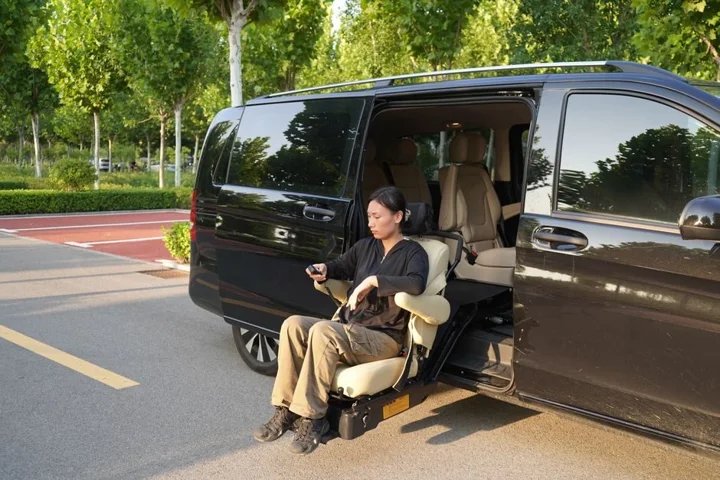
    You can learn to drive in Ireland with a disability through the same steps as everyone else: the theory test, a learner permit, 12 Essential Driver Training (EDT) lessons and the driving test. Some steps work differently. You may need a medical report for your permit, your permit or licence may be limited to an adapted car, and you can ask the Road Safety Authority (RSA) for accommodations on test day. This guide covers each stage, plus the tax relief scheme for adapted vehicles.

    Key facts

    • Some conditions need a medical report (form D501) with your learner permit application, including a physical disability that needs vehicle adaptations.
    • Code 100 on a learner permit restricts you to a vehicle adapted to suit your disability.
    • If you pass in an adapted car, the adaptation is recorded on your licence.
    • Tell the RSA Driver Testing Section in advance, or tick “special accommodations” when booking on MyRoadSafety.
    • EDT still applies: all 12 lessons, and six months on your first learner permit, before the test.
    • The Revenue tax relief scheme for drivers with disabilities needs a Primary Medical Certificate and an adapted vehicle.

    Step 1: the theory test with support

    The Driver Theory Test offers an English voiceover, self-service dyslexia support with an on-screen Lexicon, ISL videos, an in-person reader, a recorder if you cannot use a touchscreen, extra time and a separate room. Some are ticked at booking; others need up to 20 business days to arrange through 0818 606 106. Full details: Irish theory test languages and supports.

    Step 2: the learner permit and the medical report

    When you apply to the National Driver Licence Service (NDLS), the RSA list of specified conditions decides whether you need a medical report from your doctor on form D501. Conditions on the form include:

    • a physical disability that needs adaptations to a vehicle for you to drive
    • persistent problems with arms or legs that restrict you to an adapted vehicle

    The D501 must be submitted within one month of the date of the medical examination. The form also covers eyesight and other medical conditions; see medical and eyesight requirements for an Irish learner permit.

    What code 100 means

    If code 100 appears on your learner permit, you may only drive a vehicle adapted to suit your disability. That applies to your lessons, your practice and your test car.

    Automatic transmission on its own is a different matter. Passing in an automatic gives you an automatic-only licence; see Irish automatic licence code 78.

    Step 3: EDT lessons in an adapted car

    EDT has no disability exemption. You complete all 12 lessons with an RSA Approved Driving Instructor (ADI), and you cannot be scheduled for your test until your ADI confirms all 12 are done. Questions to ask an instructor before booking:

    • Do you have a car with the adaptations I need, or can you teach in my own adapted car?
    • Have you taught learners with a similar disability?
    • Is the car dual controlled with my adaptations fitted?

    Lesson plans: EDT explained and EDT lesson by lesson. Your accompanying driver rules are the same as for any learner: see accompanying a learner driver in Ireland.

    Step 4: the driving test with accommodations

    What the RSA does What you do
    Makes arrangements so you are not delayed on the day Notify the Driver Testing Section in advance if you have restricted movement, a disability that could affect your driving, a severe hearing problem, or drive an adapted vehicle. On MyRoadSafety, select “special accommodations”.
    Gives a little more time to go through the test if you have a disability or are deaf or hard of hearing Keep normal progress on the road. Extra time does not mean you can drive more slowly than traffic and speed limits allow.
    Allows an interpreter for the oral part (rules of the road questions) Bring someone aged 16 or over who is not a driving instructor. They cannot be in the car for the driving part.
    Tests with code 100 are generally conducted by a supervising tester Use a test car with your adaptations fitted.
    Most test centres are wheelchair accessible Contact your centre before the test to confirm.

    If a disability affects your control of the car during the test, the RSA’s procedures say the test should be stopped. The car must still meet the normal rules on NCT, tax, insurance and L plates: see your car for the Irish driving test.

    Tax relief for adapted vehicles: the Drivers and Passengers with Disabilities Scheme

    Revenue runs a scheme that gives repayment or remission of VAT and Vehicle Registration Tax on an adapted vehicle, exemption from motor tax for that vehicle, and a fuel grant. Main conditions for a driver, from Revenue’s leaflet revised March 2026:

    • You must hold a Primary Medical Certificate, assessed and issued by the Senior Area Medical Officer at your local HSE office. If refused, you can appeal to the Disabled Drivers Medical Board of Appeal.
    • You must be severely and permanently disabled and meet at least one of six medical criteria in the legislation, for example being wholly or almost wholly without the use of both legs.
    • You must be unable to drive a vehicle unless it is specially adapted. Automatic transmission and other optional extras from the manufacturer do not count as adaptations.
    • Leased vehicles do not qualify, and you must keep the vehicle for a minimum period or repay some relief.
    Driver with a disability: level of adaptation Maximum relief
    Adapted vehicle €10,000
    More specific adaptations €16,000
    Extensive adaptations €22,000
    Wheelchair accessible vehicle with certain adaptations €48,000

    Apply through Revenue’s myAccount. A Department of Finance press release records that a working group has recommended replacing the scheme with a needs-based adaptation grant. No replacement date has been announced, so check the current position with Revenue before you buy a car.

    Common questions

    Can I learn to drive in Ireland if I have a disability?

    Yes. You follow the same theory test, learner permit, EDT and test process. You may need a medical report, an adapted car and test-day accommodations.

    Do I get fewer EDT lessons?

    No. All 12 EDT lessons apply. Reduced EDT is only for some holders of a foreign licence.

    Will my licence say I need an adapted car?

    If you pass in a car adapted to suit a disability, for example with additional controls, the adaptation is recorded on your licence.

    Can I bring a sign language interpreter to the driving test?

    For the oral part only. The interpreter must be 16 or over, must not be a driving instructor, and cannot be in the car while you drive.

    Can a learner get the tax relief?

    Revenue’s leaflet does not set a licence condition; it is based on the Primary Medical Certificate and an adapted vehicle. Confirm your situation with Revenue before buying.

    Who do I contact about test arrangements?

    The RSA Driver Testing Section, or use the special accommodations option when booking on MyRoadSafety.

    Back to the complete guide to learning to drive in Ireland. See also booking the Irish driving test and how to get a learner permit.

    Sources

    • Road Safety Authority, “List of conditions that require a medical report” (rsa.ie)
    • Road Safety Authority, “Medical report form D501” (rsa.ie)
    • Road Safety Authority, “I need special assistance for my test” (rsa.ie)
    • Road Safety Authority, “Standard procedures and requirements for conducting driving tests” (rsa.ie)
    • Road Safety Authority, “FAQs for car learner drivers” (rsa.ie)
    • Theory Test Service, “Test Day Assistance/Support” (theorytest.ie)
    • Revenue, “Drivers and Passengers with Disabilities: Tax Relief Scheme (VRT7)” (revenue.ie)
    • Department of Finance, “Minister McGrath introduces additional reliefs for wheelchair accessible vehicles under the DDS” (gov.ie)
  • Irish Theory Test Languages: Voiceover, Irish and ISL Supports

    Irish Theory Test Languages: Voiceover, Irish and ISL Supports

    Photo: Berna / Pexels. Illustrative photograph.

    In Ireland you can take the car Driver Theory Test (BW) with a voiceover in 21 languages, sit it entirely in Irish, or use Irish Sign Language (ISL) videos. Dyslexia support, an in-person reader, a translator, a recorder and extra time are also available. Some options you just tick when booking. Others must be arranged with the Theory Test Service up to 25 business days ahead. This guide lists each option and how to request it.

    Key facts (as of November 2026)

    • The car test is 40 questions in 45 minutes, with a pass mark of 35.
    • Voiceover in 21 languages has been available on the BW test since December 2025. Questions stay on screen in English.
    • The full test is available in Irish for categories A, B, C and D.
    • ISL videos can be switched on at booking at any centre. An ISL interpreter must be arranged in advance.
    • Theory Test Service contact for support: 0818 606 106, or the Support Request Form on theorytest.ie.
    • From 1 November 2026 you must be at least 15 on the test date.

    Which languages is the Irish theory test voiceover available in?

    theorytest.ie lists 21 voiceover languages for the BW test (cars, tractors and work vehicles):

    • English
    • Polish
    • Lithuanian
    • Russian
    • Romanian
    • Brazilian Portuguese
    • Pashto
    • Dari
    • Urdu
    • Vietnamese
    • Arabic
    • Albanian
    • French
    • Georgian
    • Somali
    • Slovak
    • Turkish
    • Spanish
    • Simplified Chinese
    • Bengali
    • Malayalam

    Some older pages mention 22 languages or a shorter list. Use the list on the booking screen, which is the one that applies to your test.

    How to choose a voiceover

    • Online: when booking you are asked whether you need a voiceover. Pick the language from the dropdown and it is saved to your test.
    • By phone: tell the agent at the start of the call.
    • On the day: questions appear on screen in English and you hear them through headphones in your chosen language.

    The translation voiceover is offered at all 40 test centres.

    Can you take the theory test in Irish?

    Yes. Theory tests are provided in Irish for categories A, B, C and D. When you book, category names appear in English and in Irish; if you choose the Irish version, the test is delivered in Irish. The combined C and D test and the Bus and Truck module tests are English only for now.

    Irish Sign Language (ISL)

    Option How to get it
    ISL videos Select “Irish Sign Language Videos Enabled” when booking. Available at all centres.
    ISL interpreter Request through the Support Request Form or on 0818 606 106. The team contacts you to arrange payment and confirm.

    Dyslexia and reading support

    Option What you get How to arrange it
    English voiceover (automated reader) Questions and answers read out through headphones Select “English Voiceover” when booking. Any centre, no need to contact anyone.
    Dyslexia Support (self-service) English voiceover plus an on-screen Lexicon beside each question, and a Lexicon PDF you can download to study Select “Dyslexia Support” when booking. No need to contact anyone.
    In-person dyslexia support Questions read aloud in a separate room, with a printed Lexicon Selected centres. Up to 20 business days to arrange.
    In-person reader A staff member reads the questions and answers in a separate room and records your answer. No other help is given. Selected centres. Up to 20 business days to arrange.
    Extra time or a separate room Not stated on theorytest.ie how much Call 0818 606 106.
    Recorder Someone selects answers for you if you cannot use a touchscreen or standard computer Call 0818 606 106.

    What if my language is not on the list?

    You can request an in-person translator. The translator translates the questions and answer options only and gives no other help, in a separate room at selected centres. You need a completed Declaration Form and the Driver Theory Test Request Form, and it can take up to 25 business days to arrange. Book well ahead, especially if you need the pass certificate for a learner permit application.

    How to request support: step by step

    1. Decide which option you need. Voiceover, Irish, ISL videos and self-service dyslexia support are selected during online booking.
    2. For anything in person (reader, translator, ISL interpreter, recorder, extra time, separate room), use the Support Request Form on theorytest.ie or call 0818 606 106 before you book a date.
    3. Allow 20 business days for a reader or in-person dyslexia support, and 25 for a translator.
    4. Bring the required ID on the day. Without it, or if you are late, you will not be allowed to test.

    Common questions

    Does the voiceover cost extra?

    theorytest.ie does not mention any extra charge for the voiceover. For an ISL interpreter, the team contacts you to arrange payment.

    Are the questions translated on screen?

    No. With a voiceover the questions stay on screen in English and the audio is in your language. Only the Irish-language test is fully in Irish on screen.

    Can I bring my own translator?

    theorytest.ie describes a translator arranged through its request process, with a Declaration Form. Contact the Theory Test Service before assuming you can bring someone yourself.

    Does the support change the pass mark?

    No. The car test is still 40 questions with a pass mark of 35.

    What if I fail?

    There is no limit on attempts. theorytest.ie strongly advises waiting at least three complete business days before resitting. You can appeal a result within 10 days of the exam.

    How long is the certificate valid?

    Two years from the test date. You must apply to NDLS for your first learner permit within that time.

    Back to the complete guide to learning to drive in Ireland. See also the Irish driver theory test, Irish theory test topics, learning to drive in Ireland with a disability and new to Ireland and learning from scratch.

    Sources

    • Theory Test Service, “Driver Theory Test (BW) Now Available With Voiceover in 21 Languages” (theorytest.ie)
    • Theory Test Service, “Test Day Assistance/Support” (theorytest.ie)
    • Theory Test Service, “Frequently Asked Questions (FAQs)” (theorytest.ie)
  • Driving Test Costs in Northern Ireland 2026: Every DVA Fee From Provisional to Pass

    Driving Test Costs in Northern Ireland 2026: Every DVA Fee From Provisional to Pass

    Photo: Irek Marcinkowski / Pexels. Illustrative photograph.

    Getting to a pass in Northern Ireland costs £167.50 in fixed fees as of November 2026, if you pass first time with a weekday test: £62.50 for the provisional licence, £17 for the GDL account, £23 for the theory test and £65 for the practical test. An evening or weekend test makes it £197.50. The surest way to keep the bill down is to pass each test first time and never lose a fee. This guide lists every DVA fee on the route to your test, what a resit really costs, and how Graduated Driver Licensing (GDL) changes the timeline you are budgeting for.

    Every DVA fee between you and a full licence (as of November 2026)

    Step Fee Notes
    First provisional licence £62.50 Apply up to two months before your 17th birthday.
    GDL account £17.00 Per account. Used for the Programme of Training and logbook.
    Car theory test £23.00 No booking fee when you book directly with DVA.
    Car practical test, weekday £65.00
    Car practical test, evening or weekend £95.00
    Full licence after passing Free Provisional to full is free for car, motorcycle and moped.

    Book through nidirect and DVA directly. DVA charges no administration or booking fee, so a third-party site that charges more is adding its own fee.

    The cost of not passing first time

    Resit Cost each time
    Theory test £23
    Practical test (weekday / evening or weekend) £65 / £95
    Extended car test (for disqualified drivers) £130, weekday only

    Two hidden resit costs: if you fail the theory test you must wait three clear working days to resit, and if your theory certificate passes its two-year limit before you pass the practical, you pay for the theory test again. Missing an appointment or turning up without the right documents also loses the fee. See the DVA theory test and booking the DVA practical test.

    Before you book the practical, check you are genuinely ready: a full practice drive with no prompts and well under 15 driving faults, no serious or dangerous faults, and your logbook signed off. Booking early to “see how it goes” is the most expensive way to find out.

    How the six-month MMLP shapes your test timeline

    Learners whose provisional entitlement began on or after 1 October 2026 must complete a six-month Mandatory Minimum Learning Period (MMLP) before the car test, and finish the Programme of Training recorded in the logbook. That has three money effects:

    • No cramming. You cannot pay for an intensive week and test straight after. Plan your route to test standard across at least six months instead.
    • Private practice is part of the system. Each mandatory module can be signed off by a supervising driver or an ADI. A supervisor who meets the rules (21 or over, full car licence held for at least three years) can help you cover modules between paid lessons.
    • Insurance for longer. You need to be insured for the whole learning period, which is at least six months.

    Learners who started before 1 October 2026 have until 31 March 2027 to book and pass under the old rules. If you are in that group, see the NI transition rules before you buy a block of lessons.

    Lessons, the test car and Module 15

    DVA does not set lesson prices, and paid lessons must come from a registered ADI or someone holding a valid DVA ADI trainee licence, within its conditions. If you plan to use your instructor’s car on test day, ask what that costs.

    Module 15 (motorway driving) is optional for car learners. A learner can only drive on a motorway with an ADI, so if you choose it, budget for at least one ADI lesson for it. If your provisional licence was in force before 1 October 2026, you cannot book that lesson for a date before 1 April 2027. See GDL Module 15: motorway lessons.

    Insurance, the practice car and the test car

    You must be insured to drive, with third-party cover as the legal minimum. Learners are often added to a family car’s policy or take a separate learner policy. Prices depend on the insurer, so get quotes before you start. If you practise in a family car, it also needs to be taxed and roadworthy, and once it is four years old it needs an MOT, which costs £38 at a DVA centre. The test car must carry a valid MOT certificate. See MOT in Northern Ireland.

    Test budget worksheet

    Item Your figure
    Fixed DVA fees £167.50 (weekday test) or £197.50 (evening or weekend test)
    ADI lessons Number of lessons x your instructor’s price
    Instructor’s car on test day Ask your instructor
    Insurance for private practice Monthly quote x months learning (at least six)
    Study materials Optional: the Highway Code is free online
    Contingency for one resit £23 theory and £65 or £95 practical

    Common questions

    How much does it cost to get through the driving test in Northern Ireland?

    The DVA fees are £167.50 to £197.50 if you pass both tests first time. Lessons and insurance come on top and vary widely, so get your own quotes.

    Is the driving test more expensive in Northern Ireland than in Great Britain?

    Yes. A weekday car test is £65 in Northern Ireland against £62 in Great Britain, and an evening or weekend test is £95 against £75. See the cost of learning to drive in GB.

    Do I have to pay for the GDL logbook?

    nidirect lists the cost of the GDL account as £17 per account.

    Do I pay for my full licence after passing?

    No. In Northern Ireland the change from provisional to full after passing a car test is free.

    Do I need lessons with an ADI for every module?

    No. Each mandatory module can be signed off by a supervising driver or an ADI. Motorway driving (Module 15) is the exception: it can only be done with an ADI, and not before 1 April 2027 if your provisional licence was in force before 1 October 2026.

    Can I save money by taking a weekday test?

    Yes, £30 per attempt (£65 instead of £95), if you can attend a weekday slot.

    Looking for lessons or an instructor? Our sister site Compare Driving Instructors covers lesson prices and choosing an instructor.

    Back to the complete guide to learning to drive in Northern Ireland. Start with applying for your provisional licence, and see the GDL 6 month plan and 15 modules.

    Sources

    • nidirect, “Driving test fees” (nidirect.gov.uk)
    • nidirect, “The cost of a driving licence” (nidirect.gov.uk)
    • nidirect, “Graduated Driver Licensing” (nidirect.gov.uk)
    • nidirect, “What Graduated Driver Licensing means for learner drivers” (nidirect.gov.uk)
    • nidirect, “The Programme of Training and Logbook” (nidirect.gov.uk)
    • nidirect, “Choosing a driving instructor” (nidirect.gov.uk)
    • nidirect, “Minimum ages and rules for learner drivers and riders” (nidirect.gov.uk)
    • nidirect, “Taking the theory test” (nidirect.gov.uk)
    • nidirect, “Vehicle test fees” (nidirect.gov.uk)
    • GOV.UK, “Driving test: cost” (gov.uk)
    • nidirect, “How to become an approved driving instructor (ADI)” (nidirect.gov.uk)
    • Department for Infrastructure, The Motorways Traffic (Amendment) Regulations (Northern Ireland) 2026, SR 2026/143, regulation 4 (new regulation 11(2) and 11(3)) (legislation.gov.uk)
  • MOT in Northern Ireland: How DVA Vehicle Tests Work

    MOT in Northern Ireland: How DVA Vehicle Tests Work

    Photo: Artem Podrez / Pexels. Illustrative photograph.

    In Northern Ireland, MOTs are carried out by the Driver and Vehicle Agency (DVA) at its own test centres, not at private garages as in Great Britain. A car needs its first MOT at four years old and then every year. The full car test costs £38 and a retest £29.50 (as of November 2026). This guide is for new drivers and learners, including what the MOT means if you use your own car for the driving test.

    Key facts

    • First MOT: when the car is four years old. Then annually.
    • Where: a DVA test centre. Fifteen of DVA’s 17 centres list vehicle (MOT) testing.
    • Book online or through the DVA booking line, as early as you can.
    • Pass: a 12-month certificate from the date of the test.
    • Fail: apply for a retest within 21 days to pay the retest fee, and complete it within 60 days.

    How much is an MOT in Northern Ireland?

    Vehicle Full test Retest
    Car (Class IV motor car) £38.00 £29.50
    Motorcycle (Class I or II) £34.00 £29.50
    Duplicate certificate £10.00 Not applicable

    Fees as of November 2026 from the nidirect vehicle test fees page. To cancel or move a booking you must give DVA at least one clear day’s notice, not counting weekends, holidays, the day the notice arrives or the test date. Otherwise you lose the fee. The last date to cancel is on your appointment letter.

    When does a car need its first MOT in Northern Ireland?

    At four years old. After that, every year. A pass gives a new 12-month certificate starting from the date the vehicle is tested.

    Temporary Exemption Certificates

    Some private cars get an automatic Temporary Exemption Certificate (TEC) meaning no MOT is needed for 12 months from the date the current certificate expires. nidirect says this applies to private cars first registered between 1 June 2019 and 31 May 2020, or between 1 June 2021 and 31 May 2022, that hold a valid Northern Ireland MOT. You do not get a paper or digital copy. Cars with an expired MOT, or last tested outside Northern Ireland, do not qualify. Check the registration date on the V5C logbook.

    Exempt vehicles

    Cars over 40 years old that have not been substantially changed in the last 30 years can be exempt as vehicles of historical interest. They still need tax and must be kept roadworthy.

    How to book an MOT at a DVA test centre

    1. Check when your MOT expires using the GOV.UK MOT history checker or the Vehicle Enquiry Service.
    2. Book online, or call the DVA booking line. Book early: demand is high and you may not get a slot before your MOT runs out.
    3. If the first slot is after expiry, take the earliest one available and keep checking for earlier slots. Waiting times vary by centre, so another centre may be sooner.
    4. Get the car ready first: brakes, lights, tyre pressure and tread depth.

    Can I drive with an expired MOT while waiting?

    nidirect says the PSNI will not penalise an expired MOT if the car is roadworthy, not declared SORN, insured, and you can show a booked appointment notification or reminder. This applies in Northern Ireland only.

    MOT and vehicle tax

    You need a valid MOT on the date your vehicle tax is due for renewal. If you are within 10 days of tax expiry with no MOT appointment, use DVA’s short notice appointment request form. Have your registration number, MOT booking reference, tax expiry date and preferred test centre ready, and answer withheld-number calls, as DVA will phone you.

    What happens after the MOT?

    Result What it means
    Pass You get a vehicle test certificate valid for 12 months. It shows the car’s condition on the day only, not for the life of the certificate.
    Fail You get a refusal notice listing what to fix. The car is treated as not roadworthy and should not be on the road, even if the old certificate has not expired.
    Retest Apply within 21 days to pay the retest fee; after that the full fee applies. The retest must be done within 60 days of the original test.
    Disagree? Ask a manager at the centre to review it, or appeal to DVA within 14 days. Do not repair the car before an appeal. DVA offers a re-check within five working days.

    It is generally an offence to use a car of test age on a public road without a current certificate, except driving to or from a test centre or a repair. Even then, you can be prosecuted if the car is unroadworthy, and your insurance may not be valid.

    Using your own car for the NI driving test

    If you take your practical test in your own or a family car, DVA’s reporting instructions list a valid MOT certificate among the documents you bring, along with your appointment letter, theory pass and both parts of your licence. The car must also be:

    • insured and licensed (taxed) and roadworthy
    • showing L plates front and rear that do not block the view
    • free of outstanding safety recalls, including the Citroen “stop drive” recall on certain models, unless you have the manufacturer’s sign-off
    • showing no warning lights, such as ABS or airbag, once moving
    • fitted with a passenger head restraint and an interior mirror for the examiner, with a speedometer in mph and km/h

    If the car does not meet the rules, the test is cancelled and you lose the fee. The nidirect page does not say what to bring for a car under four years old that has no MOT yet, so ask DVA when you book. Booking details: booking the DVA practical driving test.

    Common questions

    Can I get an MOT at a garage in Northern Ireland?

    No. Car MOTs in Northern Ireland are carried out by DVA at its test centres.

    Which DVA centres do MOTs?

    nidirect lists 17 driving and vehicle test centres across the six counties. Fifteen list vehicle testing; check the nidirect test centre list for the one nearest you.

    How long is an MOT valid in Northern Ireland?

    12 months from the date the vehicle is tested, unless a Temporary Exemption Certificate extends it.

    How do I get a copy of my MOT certificate?

    A duplicate costs £10 and is only available for a certificate that is still valid. You need the registration and the last four digits of the chassis number or VIN.

    What if I miss my MOT appointment?

    Without at least one clear day’s notice you lose the fee and pay the full fee again for a new booking.

    Does a new driver need anything different?

    No. The MOT rules are the same for every driver. What new drivers often miss is that tax renewal needs a valid MOT, so book early. See car documents explained.

    Back to the complete guide to learning to drive in Northern Ireland. See also the cost of learning to drive in Northern Ireland and basic car maintenance for new drivers.

    Sources

    • nidirect, “Vehicle test fees” (nidirect.gov.uk)
    • nidirect, “How the MOT scheme works” (nidirect.gov.uk)
    • nidirect, “A guide to booking your MOT/ vehicle test” (nidirect.gov.uk)
    • nidirect, “After the MOT/ vehicle test” (nidirect.gov.uk)
    • nidirect, “The MOT certificate” (nidirect.gov.uk)
    • nidirect, “Driving and vehicle test centres” (nidirect.gov.uk)
    • nidirect, “Reporting for your practical test” (nidirect.gov.uk)
    • nidirect, “Minimum requirements for test vehicles” (nidirect.gov.uk)