Author: Get Driving Test Ready

  • Ontario Vision Standard, Vision Waiver and Bioptic Lenses

    Ontario Vision Standard, Vision Waiver and Bioptic Lenses

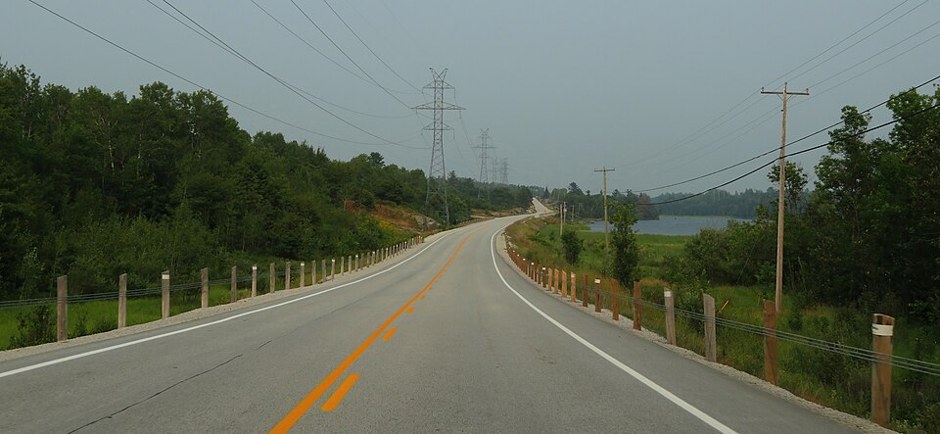
    Photo: Dillan Payne, CC BY-SA 4.0, via Wikimedia Commons

    To get a G1 licence in Ontario you must pass a vision test. The standard is visual acuity no poorer than 20/50 with both eyes open (glasses or contact lenses allowed), and a field of view of at least 120 continuous degrees horizontally and 15 continuous degrees above and below fixation. If you fall short only on peripheral vision, you may be able to apply for a Class G vision waiver. Ontario is also the only province that accepts telescopic (bioptic) lenses for a Class G licence, a change made by regulation in October 2020.

    This page explains the licensing rules only. Your optometrist or ophthalmologist can tell you how your own vision measures up.

    The Ontario vision standard (Class G, G1, G2)

    Measure Standard
    Visual acuity Not poorer than 20/50 (Snellen), both eyes tested together, with or without glasses or contacts
    Horizontal field At least 120 continuous degrees
    Vertical field At least 15 continuous degrees above and below fixation
    One eye If you have vision in only one eye, that eye is tested

    These rules are in Ontario Regulation 340/94, section 18.

    The Class G vision waiver

    The waiver is for people who don’t meet the field part of the standard but may still drive safely. It is set out in section 21.2 of Regulation 340/94.

    Who can apply

    • No more than six demerit points
    • No licence suspension in the past five years for certain Criminal Code or Highway Traffic Act matters
    • No qualifying collision convictions
    • No other condition that would significantly impair your driving
    • You meet all other requirements for your licence class

    Steps

    1. Send a satisfactory medical report and a vision assessment from an optometrist or ophthalmologist.
    2. If approved to continue, complete a functional assessment at an approved centre that offers Class G vision waiver assessments. It includes standardised in-clinic and on-road tests.
    3. Check before booking: not every functional assessment centre offers vision waiver assessments. Centres are approved by the Ministry of Transportation but are independent of it.

    Telescopic (bioptic) lenses in Ontario

    • The change: Ontario Regulation 535/20, filed on October 1, 2020, amended the Drivers’ Licences regulation (340/94). The amendment allows the Class G acuity standard to be met with telescopic lenses.
    • Why it matters: the national CCMTA standard used by other provinces says telescopic lens aids cannot be used to meet the vision standard. Ontario is the exception in Canada.
    • The detail: the conditions, such as maximum telescope power, the acuity needed through the carrier lens, assessments or re-examinations, are set by the Ministry. Ask the Ministry of Transportation’s medical review section, and your low-vision specialist, what applies before you start.

    Who must report vision problems

    Physicians, nurse practitioners and optometrists must report patients who have, or appear to have, certain high-risk medical, vision or functional conditions. Optometrists report vision only. If the report confirms you don’t meet the standard, your licence is suspended until you show that you do. Full details are in does your doctor have to report you.

    After a suspension for vision

    • You receive a Notice of Suspension and a letter saying what information is needed.
    • Once the information arrives, your file is reviewed in date order; complex cases may go to the Medical Advisory Committee, which includes ophthalmology.
    • If you meet the standard, a reinstatement notice comes by mail.
    • Medical suspensions can usually be appealed to the Licence Appeal Tribunal, but vision suspensions are excluded from that appeal right.

    Common questions

    Can I take the G1 vision test with my glasses?

    Yes. Both eyes are tested together, with or without glasses or contact lenses, so wear the ones you use for distance.

    I passed acuity but my field is narrow. Can I still get a G1?

    Not through the standard route. Ask your eye specialist whether the Class G vision waiver could suit you.

    Do other provinces accept my Ontario bioptic licence?

    Check with the other province before you move. The national standard used elsewhere does not accept telescopic lenses.

    Related guides

    Want to practise the eyesight check? Our sister site Driving Eyesight Test has a free Canada letter chart on drivingeyesighttest.com. It is a practice screen, not an eye test.

    Sources

    • Government of Ontario, “Medical review for Ontario drivers” (ontario.ca)
    • Government of Ontario, O. Reg. 535/20: Drivers’ Licences, filed October 1, 2020 (ontario.ca)
    • Ministry of Transportation, “Official MTO Driver’s Handbook”, Getting your driver’s licence (ontario.ca)
    • Government of British Columbia, “Chapter 22: Vision”, CCMTA Medical Standards for Drivers (gov.bc.ca)
  • Northern Territory Mandatory Medical Reporting for Learners

    Northern Territory Mandatory Medical Reporting for Learners

    Photo: Chris Olszewski, CC BY-SA 4.0, via Wikimedia Commons

    The Northern Territory is one of only two places in Australia where health professionals have a legal duty to report drivers who may be unsafe. Under section 11 of the NT Motor Vehicles Act 1949, a doctor, occupational therapist, optometrist or physiotherapist who reasonably believes a licensed patient is physically or mentally unable to drive safely must notify the Registrar of Motor Vehicles in writing. You also have your own duty: NT law requires drivers and intending drivers, including learners, to tell the Registrar about any medical condition that could affect safe driving.

    This page explains the law, not your health. Ask your doctor whether your condition affects your driving.

    Who must report in the NT

    Who Duty Where it comes from
    You (or your personal representative) Notify the Registrar of a physical or mental incapacity that may affect your ability to drive safely Motor Vehicles Act s.11(3); the NT handbook applies it to intending drivers too
    Medical practitioners Must notify the Registrar in writing if they reasonably believe a patient they examined is licensed and unsafe or unfit to drive s.11(4)
    Occupational therapists, optometrists and physiotherapists Same duty as doctors (registered practitioners only, not students) s.11(1A) and s.11(4)

    The notice must give the patient’s name, address and the nature of the incapacity or unfitness. A practitioner who reports in good faith is not civilly or criminally liable, and is not in breach of any professional code of conduct, for doing so (s.11(5)).

    What this means for learner drivers

    • Declare at application. When you apply for your learner licence, you must say whether any medical condition could affect your driving. Depending on the condition, you may need a fitness-to-drive assessment by a health professional.
    • The Registrar can ask for an exam. Section 11(2) lets the Registrar require an applicant or licence holder, including a learner, to be examined by an approved practitioner if the Registrar thinks they may be unfit.
    • An on-road assessment may be needed. Some conditions require an on-road driving assessment with an occupational therapist.
    • Most people still get licensed. The NT handbook says very few conditions prevent a licence being issued, and conditions such as wearing glasses or driving only automatic cars are common.

    What conditions does this cover?

    The NT handbook says to notify the Registrar of any medical condition, “including disability, mental illness or eyesight”, that could affect your ability to drive safely and legally. Having a condition is not the test; the question is whether it could affect safe driving. National standards for specific conditions are explained in driving with a medical condition or disability in Australia.

    Licences with conditions

    Section 11A of the Act lets the Registrar issue a licence to a person with a physical disability on conditions the Registrar thinks appropriate. A condition may limit you to:

    • a specified kind of vehicle, or
    • a vehicle specially built or adapted for you.

    The Registrar can also exempt a person with a disability from specified provisions of the Motor Vehicles Act or the Traffic Act, by endorsement on the licence.

    What happens after a report

    1. The Motor Vehicle Registry (MVR) reviews the report.
    2. You may be asked for a medical examination by an approved practitioner, or an on-road assessment.
    3. MVR decides whether to issue, renew, suspend or cancel your licence, or issue a conditional licence. Decisions consider both health and driving performance.

    Remote communities

    If you live in a remote community, getting to a GP, OT or optometrist for an assessment can take time. Start early, and ask MVR what can be done locally. Licensing in remote areas is covered in getting a licence in remote NT communities.

    Contact

    For questions about medical fitness, call MVR on 1300 654 628 or ask your health professional.

    Related guides

    Sources

    • Northern Territory Government, Motor Vehicles Act 1949 (as in force at 18 November 2025), sections 11 and 11A (legislation.nt.gov.au)
    • Northern Territory Government, “Road Users’ Handbook” (August 2020), Medical fitness to hold a licence (nt.gov.au)
  • ADHD, Autism, Anxiety and Mental Health: Canada Licence Rules

    ADHD, Autism, Anxiety and Mental Health: Canada Licence Rules

    Photo: Derek Hatfield, CC BY 2.0, via Wikimedia Commons

    Having ADHD, autism, anxiety, depression or another mental health condition does not by itself stop you getting a driver’s licence in Canada. Under the national CCMTA standard, as published by RoadSafetyBC, you may be eligible if your condition is stable, you have enough insight to stop driving if it becomes acute, and your driving abilities are not impaired. Declare the condition if your application asks, and the licensing office decides case by case.

    This page explains licensing rules only. Your doctor, psychiatrist or care team is the right person to advise on your treatment and whether you are ready to drive.

    The general standard for psychiatric conditions

    • Eligible if: the condition is stable, you have sufficient insight to stop driving if it becomes acute, and your driving abilities are not impaired.
    • Returning to driving: if you stopped because of a psychiatric condition, you need your treating physician’s support to start again.
    • Stop and report: BC says a licence holder must stop driving and report to RoadSafetyBC if hospitalized for a mental health issue, or if their mental health deteriorates or relapses.
    • Reassessment: set case by case. After a psychotic episode, RoadSafetyBC may reassess every year until the physician reports no further episodes.

    Condition by condition

    Condition What the standard notes What it usually means for a learner
    ADHD A small body of research links ADHD to higher crash risk. Stimulant medication may improve driving performance, though evidence is mostly from simulators and small studies Assessed under the general standard: stable, insight, driving not impaired
    Autism See the general standard in the RoadSafetyBC psychiatric chapter Ask your licensing office whether it needs any information; the general functional test applies
    Anxiety Research is very limited. Sedatives and sleeping medicines can impair driving Medication effects are often the bigger licensing question
    Depression Mixed research. Treatment may improve alertness, but some antidepressant side effects can affect thinking and reactions General standard applies
    Bipolar disorder Grouped with mood disorders Stability and insight are central
    Psychotic disorders A specialist’s report supporting a return to driving may be needed after an episode Possible yearly reassessment

    Medication and driving

    Psychotropic medicines can affect driving through drowsiness, slower reactions and effects on thinking. The national standard on drugs says using a psychotropic medicine does not by itself make you ineligible, but a driver cannot compensate for its effects. Ask your doctor or pharmacist how your medicine affects you, especially when you start it or change the dose. The drug rules for novices are in Medical cannabis and new drivers in Canada.

    Will my doctor report me?

    Only if they believe your condition makes driving dangerous, and the duty differs by province. In Ontario, acute psychosis or suicidal plans involving a vehicle are among the high-risk conditions that can lead to suspension. In BC, a report is mandatory only if a patient keeps driving after being warned. See Does your doctor have to report you?

    Help with the knowledge test

    If reading, focus or test anxiety is the bigger hurdle, most provinces offer oral tests, extra time or other accommodations. These are covered in Drivers with disabilities: learning to drive, test accommodations and adapted vehicles in Canada.

    Practical tips for practice drives

    • Start with short, quiet routes and build up, and agree hand signals or words with your supervisor for “I need to stop”.
    • If you feel overwhelmed while driving, pull over safely. Stopping is always allowed.

    Related: RoadSafetyBC medical fitness. Back to the hub: Driving with a medical condition or disability in Canada.

    Sources

    • Government of British Columbia, “Chapter 14: Psychiatric disorders”, RoadSafetyBC medical standards (gov.bc.ca)
    • Government of British Columbia, “Chapter 15: Drugs, alcohol and driving”, RoadSafetyBC medical standards (gov.bc.ca)
    • Government of Ontario, “Reporting a driver for medical review” (ontario.ca)
    • Government of British Columbia, Motor Vehicle Act, section 230 (bclaws.gov.bc.ca)
  • Accessible Parking Permits in Canada: How to Apply by Province

    Accessible Parking Permits in Canada: How to Apply by Province

    Photo: Jerry "Woody", CC BY-SA 2.0, via Wikimedia Commons

    Accessible parking permits in Canada are issued province by province, not nationally. In Ontario you apply to ServiceOntario and the permit is free. In Alberta you take an approved form to a registry agent. In British Columbia the permit is run by SPARC BC, a non-profit. In every case a health professional must certify that your condition limits your mobility, and the permit belongs to you, not to a car, so it can be used in a learner’s car when you are the driver or passenger.

    Ontario, Alberta and BC compared

    Ontario Alberta British Columbia
    Issued by ServiceOntario Registry agents SPARC BC (Social Planning and Research Council of B.C.)
    Who certifies Physicians, nurse practitioners, occupational therapists, physiotherapists, chiropractors, chiropodists and podiatrists Physicians, nurse practitioners, occupational therapists, physiotherapists, podiatrists, chiropractors Per the SPARC BC application form
    Long-term permit Permanent or “subject to change”: 5 years Long-term: 5 years. Permanent: renewed every 5 years without new medical certification Permanent: 3 years, renewable
    Temporary permit Up to 12 months 3 to 12 months 1 to 12 months, not renewable (apply again)
    Fee Free to get, renew or replace Ask your registry agent Check with SPARC BC when applying

    In Prince Edward Island, accessible spaces are marked by an approved sign or blue paint, and no one may stop, stand or park in one unless the vehicle shows a valid accessible parking permit or plate.

    Who qualifies?

    Ontario

    A regulated health practitioner must certify a condition that limits your mobility. Examples include needing a brace, cane, crutch or wheelchair, needing help to walk, severe lung disease, needing portable oxygen, certain heart conditions, severely limited walking because of arthritic, neurological, musculoskeletal or orthopaedic conditions, and serious vision impairment.

    Alberta

    You may qualify if you cannot walk more than 50 metres (164 feet), or have a loss of vision that substantially limits safe and independent mobility in parking areas.

    British Columbia

    SPARC BC lists mobility limitations such as needing extra width to get in and out of a vehicle in a wheelchair, using a cane or other mobility aid, or being unable to walk far because of a health condition. You do not need to own a car.

    How to apply

    Ontario

    1. Get the form from a ServiceOntario centre or online.
    2. Complete Part A yourself; a regulated health practitioner completes Part B.
    3. Submit with ID showing your full name, date of birth and signature, online, by mail or in person.

    Ontario says online and mail applications take up to 3 weeks.

    Alberta

    1. Complete the parking placard application (REG3164).
    2. Have an authorized health care provider approve it.
    3. Take it to a registry agent with ID within 6 months of the provider signing it.

    British Columbia

    Download the application from SPARC BC or apply through its website. Motorcycle users and organizations apply by phone.

    Quebec and other provinces

    In Quebec, the parking sticker for persons with disabilities is issued by the SAAQ. Check eligibility, fee and validity with the SAAQ directly. Other provinces and territories run their own schemes through their licensing or municipal offices.

    Can a learner driver use the permit?

    Yes, if the permit holder is in the car. In Ontario the permit is issued to a person, not a vehicle, and the named holder must be the driver or a passenger going to or from the parking space. So a learner with a permit can display it in a practice car, and a parent with a permit can use it when they are a passenger supervising a lesson.

    What you cannot do is use it without the holder. Ontario prohibits parking in an accessible space while waiting to drop off or pick up the holder, and misuse can bring a fine of up to $5,000 and seizure of the permit.

    Travelling to another province

    Alberta accepts valid placards from other provinces, territories and countries, and can issue a temporary visitor placard if you forgot yours, to be returned before you leave. Ontario also issues a traveller’s permit, valid for 12 months or the remaining life of your permit, whichever is shorter.

    Related: Drivers with disabilities: learning to drive in Canada. Back to the hub: Driving with a medical condition or disability in Canada.

    Sources

    • Government of Ontario, “Get an accessible parking permit” (ontario.ca)
    • Government of Alberta, “Get a parking placard for people with disabilities” (alberta.ca)
    • SPARC BC, “Parking permits” (sparc.bc.ca)
    • Government of Prince Edward Island, “Highway Traffic Act” (princeedwardisland.ca)
  • Vision Test for Your Learner’s Licence in Every Canadian Province

    Vision Test for Your Learner’s Licence in Every Canadian Province

    Photo: Doug Kerr, CC BY-SA 2.0, via Wikimedia Commons

    Every Canadian province and territory checks your eyesight before it gives you a learner’s licence. The screen is quick and is usually done by licensing staff at an in-person licensing visit (where the knowledge test can be taken online, the eye check is still done in person), and you wear your glasses or contacts if you need them. If you do not pass, you are usually referred to an optometrist or ophthalmologist for a report, not refused outright. If you pass only with correction, your licence will say you must wear it.

    What the screen usually checks

    • Sharpness (acuity): reading letters at a distance.
    • Field of vision: how wide you can see without moving your eyes.
    • Colour: telling traffic-light colours apart.
    • Depth or distance judgment, and in some provinces double vision.

    ICBC in British Columbia, for example, lists colour vision, depth perception, field of vision, double vision and sharpness of vision. The national CCMTA car standard behind these screens is 20/50 with both eyes and 120 degrees of horizontal field; see Canadian driving vision standard explained. Some provinces publish a stricter screening line, shown below.

    Province by province

    Province or territory Learner stage Where and when the eye check happens Published detail
    Ontario G1 At the same visit as the G1 knowledge test You must pass a vision test to apply; bring your glasses or contacts
    British Columbia Class 7L learner At an ICBC driver licensing office, with medical questions, photo and fee. If you take the knowledge test online, you still visit an office for the vision test Further testing by an optometrist or ophthalmologist may be needed if you do not pass
    Alberta Class 7 learner At a registry agent office, on the same visit as the knowledge test Bring glasses or contacts
    Saskatchewan Learner Vision test taken with the written tests May include field of vision, visual acuity and distance judgment. Pass only with glasses and your licence requires them
    Manitoba Class 5L learner Before the Class 5L licence is issued You must meet MPI’s vision and medical standards
    Quebec Learner’s licence Handled by the SAAQ See SAAQ medical and vision reports
    New Brunswick Class 7 Level 1 Vision screening before the written, basic and sign tests 20/40 in the better eye
    Nova Scotia Class 7 learner The knowledge test can be done online or in person; vision is checked as one of the in-person steps at the Registry of Motor Vehicles or Access Nova Scotia Since 19 October 2026: at least 20/50 (6/15) with both eyes open together, and a field of 120 continuous degrees horizontally plus 15 above and below fixation. The older handbook’s 20/40 figure is superseded; check the order of steps with Service Nova Scotia
    Prince Edward Island Class 7 instruction permit At Highway Safety or Access PEI Covered in our PEI knowledge test and vision test guide
    Newfoundland and Labrador Class 5 Level I At a Motor Registration office appointment, even if you took the written test online Vision test, photo and ID check happen together
    Yukon Learner With the written knowledge test Fail and you need further testing by an optometrist or ophthalmologist
    Northwest Territories Learner A vision screening comes first If you do not meet the standard, you are asked for a Report of Visual Functions from a vision specialist
    Nunavut Learner At the licensing office Restricted licences can carry a corrective lens condition and periodic vision tests

    Screening lines and forms change. Check your provincial licensing site before your appointment.

    If you do not pass the vision screen

    1. You are given a form or referral for an eye examination.
    2. An optometrist or ophthalmologist examines you and completes the report.
    3. The licensing office reviews the report against the standard and decides whether to issue the licence, add a condition, or ask for more testing.

    A referral is not a refusal: often the report simply confirms you meet the standard with new or updated lenses. Who pays for the eye examination depends on your province and age, so ask the clinic.

    Corrective lens conditions

    If you need glasses or contacts to pass, your licence carries a condition. In British Columbia this is code 21, “corrective lenses required”. Other provinces use their own codes. Driving without your correction breaks a licence condition.

    Before you go: checklist

    • Wear or bring the glasses or contacts you drive with.
    • If you have a known eye condition, declare it on the application and bring any recent eye report.
    • If you have had an eye test recently and been told you are close to the line, consider a check-up first.

    Related: Ontario vision standard and telescopic lenses and RoadSafetyBC medical fitness. Back to the hub: Driving with a medical condition or disability in Canada.

    Want to practise the eyesight check? Our sister site Driving Eyesight Test has a free Canada letter chart on drivingeyesighttest.com. It is a practice screen only, not an eye test.

    Sources

    • Government of Ontario, “Official MTO Driver’s Handbook: Getting your driver’s licence” (ontario.ca)
    • ICBC, “Preparing for your driver licensing tests” (MV2022) and “Learn to Drive Smart, Chapter 9: Your licence” (icbc.com)
    • Government of British Columbia, “New drivers in B.C. can now take first knowledge test online” (news.gov.bc.ca)
    • Government of British Columbia, “Chapter 22: Vision”, RoadSafetyBC medical standards (gov.bc.ca)
    • Government of Alberta, “Class 7 learner’s licence” (alberta.ca)
    • SGI, “Your test” and “Saskatchewan Driver’s Handbook” (sgi.sk.ca)
    • Manitoba Public Insurance, “Driver’s Handbook: Graduated Driver Licensing” (mpi.mb.ca)
    • Government of New Brunswick, “Written and road tests” and driver licence requirements (gnb.ca)
    • Service Nova Scotia, “Learner’s (Beginner’s) Licence” (novascotia.ca)
    • Government of Nova Scotia, “Health professionals”, vision standards following the Traffic Safety Act commencement on 19 October 2026 (novascotia.ca)
    • Government of Nova Scotia, “Take a driver knowledge test: Learner’s Licence (class 7)” (novascotia.ca)
    • Government of Newfoundland and Labrador, Motor Registration Division, “Licence Application Process” (gov.nl.ca)
    • Government of Yukon, “Get a driver’s licence” (yukon.ca)
    • Government of the Northwest Territories, “Get a driver’s licence for the first time” (idmv.inf.gov.nt.ca)
    • Government of Nunavut, driver licensing information (gov.nu.ca)
  • Medical Cannabis and New Drivers in Canada: Zero-Tolerance Rules

    Medical Cannabis and New Drivers in Canada: Zero-Tolerance Rules

    Photo: Ken Lund, CC BY-SA 2.0, via Wikimedia Commons

    A medical cannabis authorization does not let you drive impaired anywhere in Canada. The federal Criminal Code THC limits apply to every driver. On top of that, most provinces set zero tolerance for drugs for new drivers. Ontario is the one province confirmed here to exempt medical cannabis users from its zero-tolerance drug rule, and even there you can still be charged if your driving is impaired. Everywhere else, assume zero means zero until your licensing office tells you otherwise.

    This page covers the law, not treatment. Talk to the doctor who authorized your cannabis about how it affects you.

    Federal THC limits for all drivers

    Blood level Offence Penalty (first offence)
    2 ng to under 5 ng of THC per ml Less serious offence (summary conviction) Maximum $1,000 fine
    5 ng or more of THC per ml Drug-impaired driving Mandatory minimum $1,000 fine, up to 10 years’ imprisonment
    50 mg of alcohol per 100 ml of blood and 2.5 ng or more of THC per ml Combined alcohol and cannabis offence Mandatory minimum $1,000 fine, up to 10 years’ imprisonment

    A second offence carries at least 30 days in jail and a third at least 120 days. Refusing a demand for a sample carries a minimum $2,000 fine for a first offence. The Department of Justice page sets out these limits with no exception for medical users.

    Zero tolerance for new drivers

    Provinces add their own rules for learners and novices. The list of which provinces set zero drugs for new drivers is in Impaired driving in Canada for new drivers. In short, Ontario, British Columbia, Alberta, Manitoba, PEI, New Brunswick and Yukon set zero drugs for new drivers, and Saskatchewan sets zero drugs for everyone.

    Does a medical authorization exempt a novice driver?

    Ontario: yes from zero tolerance, no from impairment

    Ontario’s zero-tolerance drug rule covers drivers who are 21 or under, anyone with a G1, G2, M1 or M2 licence, and commercial drivers. They cannot have any cannabis in their system as detected by a federally approved screening device. Ontario states that if you have a valid medical cannabis prescription you “will not be subject to the zero tolerance drug requirements”, but you can still face penalties and criminal charges if your ability to drive is impaired.

    Other provinces

    Check with your provincial licensing office whether any medical exemption from novice zero-tolerance rules applies. Before you drive as a learner while using medical cannabis, ask your provincial licensing office (ICBC or RoadSafetyBC, Alberta Transportation, the SAAQ and so on) in writing how its rule applies to you.

    What the medical standard says about cannabis

    RoadSafetyBC’s chapter on drugs and driving, which follows the national standard, says:

    • Medical cannabis users should be advised not to drive for at least five hours, and preferably at least 24 hours, after use.
    • People who use more than about 1.5 grams (3 joints) a day should be counselled not to drive during those periods.
    • Someone newly prescribed medical cannabis should not drive until the effect on them is known.

    Prescription and over-the-counter medicines

    • Using a psychotropic medicine does not automatically make you ineligible for a licence. The test is whether your driving abilities are impaired.
    • The standard states plainly that a driver cannot compensate for the effects of psychotropic drugs.
    • Sedatives and sleeping pills impair more at higher doses and when the drug lasts longer in the body.
    • Read the label and ask your pharmacist whether a medicine affects driving. Combining any of these with alcohol or cannabis is riskier still.

    Practical points for learners

    Sources

    • Department of Justice Canada, “Impaired Driving Laws” (justice.gc.ca)
    • Government of Ontario, “Cannabis and driving” (ontario.ca)
    • Government of Ontario, “Cannabis laws” (ontario.ca)
    • Government of British Columbia, “Chapter 15: Drugs, alcohol and driving”, RoadSafetyBC medical standards (gov.bc.ca)
  • Canadian Driving Vision Standard: 20/50, 120 Degrees, One Eye

    Canadian Driving Vision Standard: 20/50, 120 Degrees, One Eye

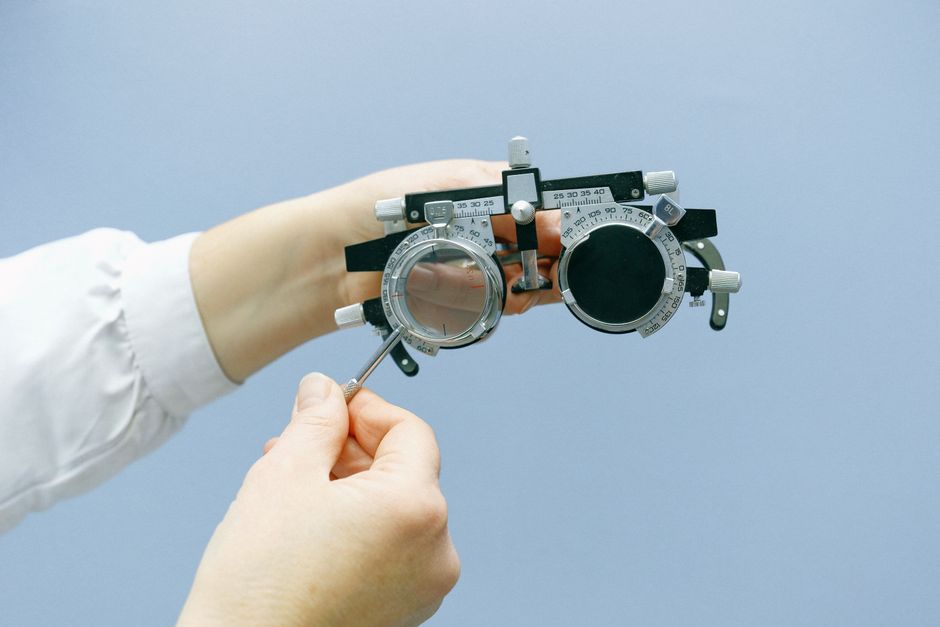
    Photo: Anna Shvets, Pexels

    To hold a car licence in Canada under the national CCMTA standard, you need visual acuity of at least 20/50 (6/15) with both eyes open and examined together, and a visual field of at least 120 continuous degrees along the horizontal, plus 15 continuous degrees above and below fixation. Glasses or contact lenses can be used to reach the standard. Telescopic (bioptic) lenses cannot, except in Ontario. You can drive with sight in one eye, and colour vision only matters in that you must be able to tell traffic lights apart.

    This page explains the licensing standard, not eye health. Your optometrist or ophthalmologist is the person to ask about your own eyes.

    The standard for a non-commercial licence

    What is measured National standard
    Visual acuity At least 20/50 (6/15), both eyes open and examined together
    Visual field At least 120 continuous degrees along the horizontal meridian, and 15 continuous degrees above and below fixation
    One eye (monocular vision) Allowed if you meet the acuity and field standards and enough time has passed to adjust
    Colour vision You can tell the different traffic lights apart
    Double vision Within the central 40 degrees, it must be corrected (for example with prism lenses) so you no longer have it
    Telescopic and low-vision aids Cannot be used to meet the standard

    What happens if your acuity is close to the line?

    British Columbia publishes how it applies the standard:

    • Corrected acuity of 20/60 to 20/70 may lead to an on-road assessment.
    • Worse than 20/70 may lead to an offer of a functional driving evaluation.
    • Drivers at 20/40 or better are usually reassessed every two years; at 20/50 or worse, usually every year.

    Provinces apply their own procedures. Nova Scotia’s current Class 5 to 8 standards use 20/50 (6/15) acuity with both eyes open and examined together, plus a field of 120 continuous degrees horizontally and 15 above and below fixation. Its October 2026 update supersedes the older handbook’s 20/40 figure. Ask RMV how it assesses your circumstances.

    Driving with sight in one eye

    If you have lost vision in one eye, you lose stereoscopic depth perception. The standard allows you to drive once you meet the acuity and field standards and enough time has passed to relearn how to judge distance. BC says this is typically 1 to 3 months, and it generally does not ask non-commercial drivers for more information.

    Colour blindness

    Colour blindness does not stop you getting a car licence. The only requirement is being able to tell traffic lights apart. BC generally asks for no further information.

    Glasses and contact lenses: the restriction code

    If you need correction to meet the standard, your licence carries a condition. In BC, code 21 means “corrective lenses required” (it also covers prism lenses), and code 51 means you must patch one eye while driving, used for some double-vision cases. Other provinces use their own codes. You must wear your correction every time you drive, including at the vision screen.

    Bioptic telescopes

    The national standard says low vision and telescopic lens aids “cannot be used to meet the vision standard”. BC notes that limited research suggests drivers using telescopic lenses have higher crash rates. Ontario is the exception: it has allowed telescopic lenses for a Class G licence since October 2020, with conditions. See Ontario vision standard, vision waiver and telescopic (bioptic) lenses.

    Cataract, glaucoma and progressive conditions

    • There is no separate licensing rule for cataract or glaucoma. What matters is whether you still meet the acuity and field standards.
    • For progressive field conditions such as glaucoma or retinitis pigmentosa, BC reassesses with a field test, typically every 1 to 3 years.
    • In Ontario, optometrists must report acuity below 20/50 or a field below the standard, which leads to a licence suspension. See Does your doctor have to report you?

    Is the standard changing?

    The CCMTA is reviewing the vision part of its standards. Until a new version is adopted and your province applies it, the figures above remain the reference. Check with your licensing office before your vision screen.

    Where your vision is checked

    Every province screens vision before issuing a learner’s licence. The details for each province are in Vision test for your learner’s licence in every Canadian province and territory. Quebec’s process is covered in SAAQ medical and vision reports.

    Want to practise the eyesight check? Our sister site Driving Eyesight Test has a free Canada letter chart on drivingeyesighttest.com. It is a practice screen only, not an eye test.

    Back to the hub: Driving with a medical condition or disability in Canada.

    Sources

    • Government of British Columbia, “Chapter 22: Vision”, RoadSafetyBC medical standards (gov.bc.ca)
    • Government of Ontario, “Reporting a driver for medical review” (ontario.ca)
    • Government of Nova Scotia, “Health professionals”, current vision standards following the Traffic Safety Act commencement (novascotia.ca)
  • Diabetes and Insulin for New Drivers in Canada: Hypoglycemia Rules

    Diabetes and Insulin for New Drivers in Canada: Hypoglycemia Rules

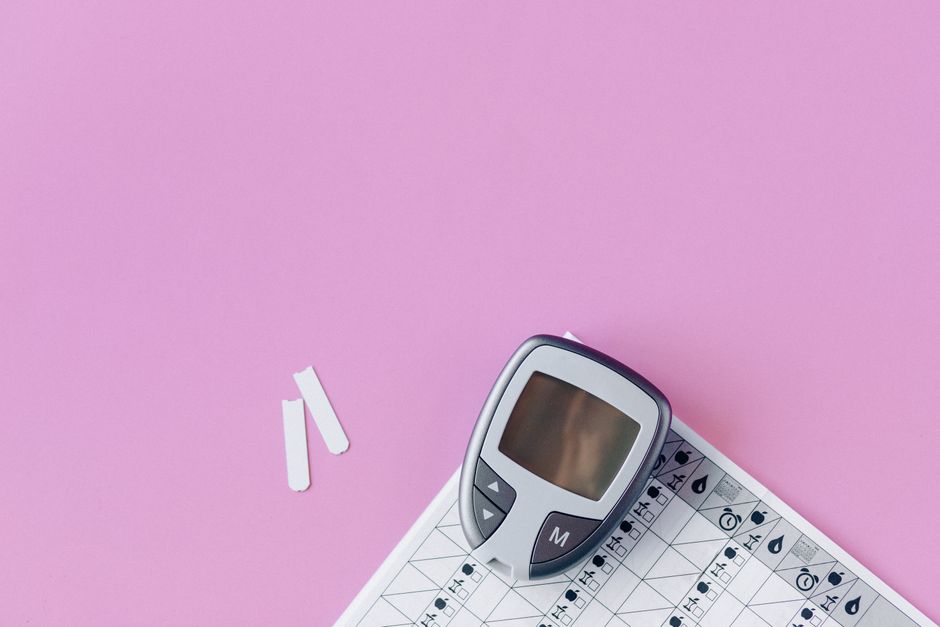
    Photo: Nataliya Vaitkevich, Pexels

    Yes, you can learn to drive in Canada if you use insulin. Under the national CCMTA standard for non-commercial drivers, the core rules are: do not drive if your blood glucose is below 4.0 mmol/L, test immediately before driving and about every 4 hours while driving, and keep fast-acting sugar in the car. After a low, wait at least 40 minutes after treating it and until your level is at least 5.0 mmol/L. A severe hypoglycemia episode means a 6-month rule applies before you can drive again.

    This page covers licensing rules only. Your diabetes team should guide your own glucose targets and treatment.

    The insulin rules for a car licence

    These figures come from section 7.6.2 of the national standard, as published by RoadSafetyBC.

    • Do not drive when your glucose is below 4.0 mmol/L.
    • Test immediately before driving and approximately every 4 hours while driving.
    • Carry a source of rapidly absorbable glucose.
    • Stop driving immediately if you identify or suspect hypoglycemia.
    • After treating a low, do not drive until at least 40 minutes have passed and your glucose is at least 5.0 mmol/L.
    • Stay under regular medical supervision.

    Worked example: a low before a lesson

    You test before a practice drive and read 3.6 mmol/L. You cannot drive. You treat the low. Forty minutes later you test again and read 5.4 mmol/L, so you can start the drive. If the second reading had been 4.6 mmol/L, you would wait longer and retest, because the standard needs both the 40 minutes and a level of at least 5.0.

    Severe hypoglycemia and hypo unawareness

    Situation National standard Testing while driving
    Severe hypoglycemia (or hypoglycemia while sleeping) No further episode in the past 6 months Before driving and about every hour
    Hypoglycemia unawareness in the past year 3 months since the episode, with your doctor confirming awareness has returned and control is stable Before driving and about every hour
    Persistent hypoglycemia unawareness 3 months since the last hypoglycemia episode, stable control, and steps taken to avoid lows while driving Before driving and about every hour

    The same 40-minute and 5.0 mmol/L recovery rules apply in each case.

    Type 2 diabetes without insulin

    • Diet-only or metformin-only treatment is rated as little or no risk of hypoglycemia.
    • If you take a drug that can cause lows (an insulin secretagogue such as glyburide) and your glucose is between 2.5 and 4.0 mmol/L, do not drive until at least 45 minutes after effective treatment.
    • BC requires drivers to report if they start insulin.

    Reassessment in British Columbia

    • Insulin users with unstable levels or treatment are reassessed annually until stable.
    • Once stable, reassessment is every five years or on the age-related schedule.
    • After an unawareness episode, reassessment is in one year.

    Telling the licensing office

    Declare insulin-treated diabetes on your learner’s licence application. The office may send a medical report form for your doctor. Whether your doctor also has to report you depends on the province; see Does your doctor have to report you? Provinces apply the national standard through their own forms, so ask your licensing office what it needs.

    Tips for practice drives

    • Keep your meter or CGM reader and glucose where you can reach them without leaving the driver’s seat.
    • Tell your supervisor or instructor what a low looks like for you and that you will pull over if one starts.
    • Build time to test into the start of every lesson and road test day.

    Related guides: Epilepsy and driving in Canada and RoadSafetyBC medical fitness. Back to the hub: Driving with a medical condition or disability in Canada.

    Sources

    • Government of British Columbia, “Chapter 7: Diabetes”, RoadSafetyBC medical standards (gov.bc.ca)
    • Government of British Columbia, “Part 1: Introduction to the medical standards” (gov.bc.ca)
  • Epilepsy and Driving in Canada: The 6-Month Rule Explained

    Epilepsy and Driving in Canada: The 6-Month Rule Explained

    Photo: Quintin Soloviev, CC BY 4.0, via Wikimedia Commons

    Under the national CCMTA medical standards used across Canada, a person with epilepsy can usually hold a car (non-commercial) licence once they have been seizure-free for 6 months, with or without medication. A neurologist can recommend cutting that to no less than 3 months. Different rules apply after a single unprovoked seizure, a medication change, or seizures that only happen during sleep. Your provincial licensing office makes the final decision.

    This page explains the licensing rules only. Questions about your treatment belong with your doctor or neurologist.

    The national rules at a glance

    These are the non-commercial standards as published by RoadSafetyBC, which reproduces the CCMTA national standard.

    Situation National standard (car licence)
    Epilepsy 6 months since the last seizure, with or without medication. May be reduced to no less than 3 months on a neurologist’s recommendation with a rationale
    Single unprovoked seizure No fixed wait. Eligible once a full neurological assessment is done, epilepsy is not diagnosed, and CNS imaging and EEG results are satisfactory
    Medication change or withdrawal (epilepsy previously controlled) 3 months since the change with no seizure
    Seizures only during sleep 6 months since the last seizure, or a consistent sleep-only pattern for at least 1 year
    Simple partial seizures or auras with no loss of awareness 6 months seizure-free or a consistent pattern for 1 year, plus a favourable report from your doctor or neurologist
    Provoked seizure with a structural brain cause 6 months since the cause stabilized, resolved or was corrected, with no seizure
    Provoked seizure without a structural cause No fixed wait once the cause has resolved and your doctor says further seizures are unlikely

    Changing or stopping medication

    The 3-month medication rule only applies if your epilepsy was controlled before the change. If you have a seizure after the change, you may become eligible again once you go back to a regime that worked before, your doctor says further seizures are unlikely, and 3 months pass on that regime with no seizure.

    How British Columbia applies the standard

    • You must follow your treatment plan and your doctor’s advice.
    • If you have a seizure, stop driving and report it to RoadSafetyBC and your physician.
    • If your last seizure was within the past 12 months, RoadSafetyBC usually reassesses you in one year. After that, only routine age-related checks apply.
    • Sleep-only and simple partial seizure patterns need no extra reassessment, but you must report if the pattern changes.

    BC’s medical review process is explained in RoadSafetyBC medical fitness.

    Ontario, Alberta and other provinces

    Each province applies the national standard through its own medical review office, so forms and reassessment periods differ.

    • Ontario: physicians and nurse practitioners must report high-risk conditions, and Ontario’s list of conditions that can lead to suspension includes sudden incapacitation. A mandatory report leads to a licence suspension until the ministry is satisfied you meet the standard.
    • Alberta and others: check with your licensing office. Ask it which standard and waiting period it applies before you book your knowledge test.

    Province-by-province reporting duties are in Does your doctor have to report you?

    What it means for a learner driver

    1. Declare epilepsy or a past seizure on your learner’s licence application.
    2. Expect a medical report form for your doctor or neurologist to complete.
    3. Do not drive, even with a supervisor, until you are licensed and meet the seizure-free period.
    4. If you have a seizure while you are learning, stop driving and tell your licensing office.

    Learning and test accommodations are covered in Drivers with disabilities in Canada. If you take medication that affects alertness, see Medical cannabis and new drivers for how drug rules apply to novices.

    Back to the hub: Driving with a medical condition or disability in Canada.

    Sources

    • Government of British Columbia, “Chapter 17: Seizures and epilepsy”, RoadSafetyBC medical standards (gov.bc.ca)
    • Government of British Columbia, “Part 1: Introduction to the medical standards” (gov.bc.ca)
    • Government of Ontario, “Reporting a driver for medical review” (ontario.ca)
  • Does Your Doctor Have to Report You? Canada Rules by Province

    Does Your Doctor Have to Report You? Canada Rules by Province

    Photo: Quintin Soloviev, CC BY 4.0, via Wikimedia Commons

    In most Canadian provinces and territories, yes: a doctor who believes a patient is unsafe to drive must tell the licensing authority. In a few provinces reporting is optional, and in British Columbia the duty only kicks in if a patient keeps driving after being warned. Ontario also makes nurse practitioners and optometrists report certain conditions. A report is not a verdict; the licensing office reviews it and decides.

    Reporting rules by province and territory

    The table below shows the reporting duty for physicians. The Ontario and BC rows come from the official government text. The other rows come from the Canadian Medical Protective Association’s summary for doctors, which is not a government source, so check the current position with the provincial licensing office.

    Province or territory Physician reporting Notes
    Ontario Mandatory for listed conditions; discretionary for others Highway Traffic Act s.203. Physicians, nurse practitioners and optometrists (vision only) must report
    British Columbia Mandatory only if the patient keeps driving after a warning Motor Vehicle Act s.230. Also covers optometrists, psychologists and nurse practitioners
    Alberta Discretionary Check with Alberta Transportation
    Quebec Discretionary The CMPA notes the Collège des médecins expects a report if a patient is a serious risk and keeps driving after a warning
    Nova Scotia Discretionary Check with the Registry of Motor Vehicles
    Saskatchewan Mandatory Check with SGI
    Manitoba Mandatory Applies to patients of driving age who hold a licence
    New Brunswick Mandatory
    Newfoundland and Labrador Mandatory
    Prince Edward Island Mandatory
    Yukon Mandatory Applies to patients of driving age who hold a licence
    Northwest Territories Mandatory
    Nunavut Mandatory Under the territorial Motor Vehicles Act

    Ontario: who must report and what

    Ontario has the most detailed published rules. Under section 203 of the Highway Traffic Act:

    • Must report: physicians, nurse practitioners and optometrists, for high-risk medical conditions, vision conditions and functional impairments set out in Ontario Regulation 340/94. Optometrists report vision only.
    • May report: physicians, nurse practitioners, optometrists and occupational therapists, for other conditions they believe make driving dangerous. Police sometimes send reports too.

    Optometrists must report any of these vision findings:

    • best-corrected visual acuity below 20/50
    • a visual field of less than 120 continuous degrees horizontally, less than 15 degrees above and below fixation, or less than 60 degrees to either side of the vertical midline
    • double vision (diplopia) within 40 degrees of the fixation point in primary position

    Ontario lists the kinds of high-risk conditions that can lead to a suspension, including sudden incapacitation, impaired judgment or planning, motor or sensory impairment, impaired vision and uncontrolled substance use disorder.

    British Columbia: the section 230 duty

    Section 230 of BC’s Motor Vehicle Act applies to medical practitioners, nurse practitioners, optometrists and registered psychologists with a patient aged 16 or older. They must report the patient’s name, address and condition to the Superintendent of Motor Vehicles if both of these are true:

    1. in their opinion, the patient has a medical condition that makes it dangerous to the patient or the public for them to drive
    2. the patient keeps driving after being warned of the danger

    So in BC, following your doctor’s advice to stop driving is what keeps a mandatory report from being triggered. More on how RoadSafetyBC handles reports is in RoadSafetyBC medical fitness.

    Are doctors protected for reporting?

    BC’s section 230 says no action for damages can be brought against a practitioner for making a report, unless it was made falsely and maliciously. For other provinces, check the protection wording in the provincial highway or motor vehicle law. The CMPA tells doctors they will generally not be faulted for breaching confidentiality when reporting in good faith.

    What happens after a report

    In Ontario

    • A report of a mandatory condition results in a licence suspension.
    • A discretionary report does not always lead to suspension. The ministry may ask for follow-up information, an occupational therapist’s functional assessment or other assessments.
    • You can appeal some decisions to the Licence Appeal Tribunal, for a fee, but not a suspension for failing to meet the mandatory vision standards.

    Elsewhere

    The pattern is similar: the licensing office reviews the report against the national CCMTA standards, may ask for more medical information or a driving assessment, and then keeps, conditions, suspends or reinstates your licence. Getting your licence back usually means sending updated medical reports showing you now meet the standard.

    What this means for a learner

    • You still have to declare conditions yourself on your application. Do not rely on your doctor to do it.
    • If your doctor advises you not to drive, that applies to practice drives with a supervisor too.
    • For condition-specific waiting periods, see epilepsy, diabetes and vision.

    Back to the hub: Driving with a medical condition or disability in Canada.

    Sources

    • Government of Ontario, “Reporting a driver for medical review” (ontario.ca)
    • Government of British Columbia, Motor Vehicle Act, section 230 “Report of health professional” (bclaws.gov.bc.ca)
    • Canadian Medical Protective Association, “Do you need to report your patient’s fitness to drive?” (cmpa-acpm.ca)