Author: Get Driving Test Ready

  • Illinois Scott’s Law Explained for New Drivers

    Illinois Scott’s Law Explained for New Drivers

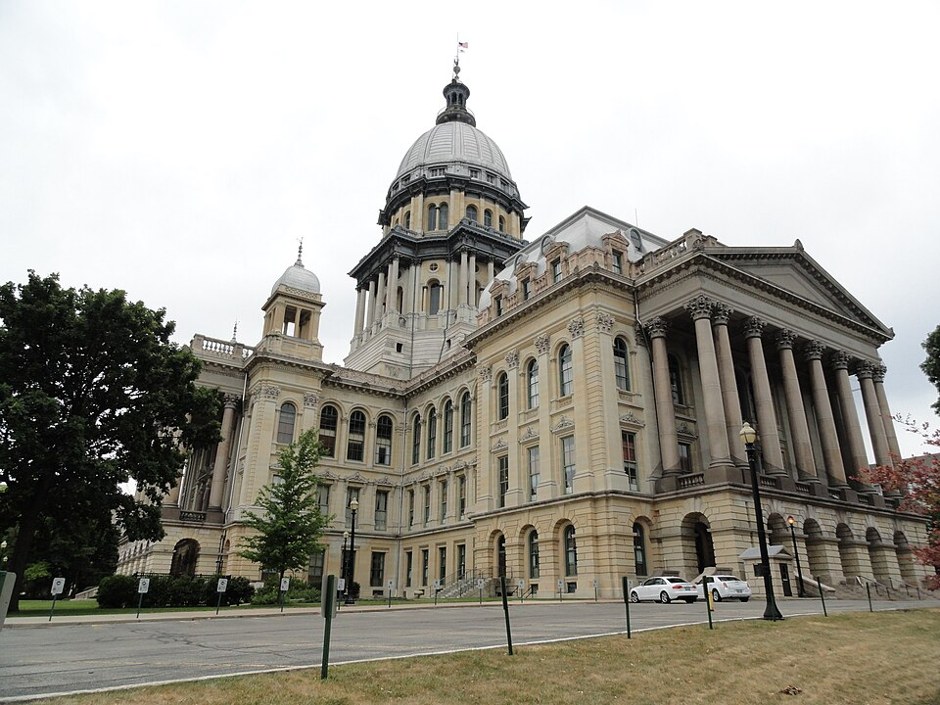
    Photo: artistmac, CC BY-SA 2.0, via Wikimedia Commons

    Scott’s Law is Illinois’s move over law. When you approach an emergency or roadside work vehicle with flashing lights, you must slow down and, where it is safe, change lanes away from it. Since January 1, 2026 you must also yield to these vehicles whether they are stopped or moving. This guide explains which vehicles count, what to do, and why the penalties are some of the toughest a new Illinois driver can face.

    Key facts (as of November 2026)

    • Law: 625 ILCS 5/11-907(c) and (c-5) of the Illinois Vehicle Code.
    • Covers any vehicle authorized to show oscillating, rotating or flashing lights while on duty: police, fire, ambulance, tow trucks, construction and highway maintenance vehicles.
    • Fine: $250 to $10,000 for a first violation; $750 to $10,000 for a second or later one.
    • License suspension if a violation damages another vehicle, injures someone or kills someone.

    What does Scott’s Law require?

    When you approach a stationary authorized emergency vehicle or emergency scene with its lights flashing:

    1. Reduce your speed. Ease off early so you are not braking hard next to the scene.
    2. Change lanes away from it if you can do so safely. On a highway with at least four lanes, two of them going your way, move into a lane that is not next to the stopped vehicle.
    3. If you cannot change lanes, slow down further and proceed with due caution. Do not force a lane change into traffic.

    The Illinois State Police sum it up as: if it’s flashing, move over. The 2026 Rules of the Road describes the lights as blue, red, amber, white or green, oscillating, rotating or flashing. It says to keep your speed down until you are safely past. Within 500 feet of an emergency scene you may not take photos or use a phone, except in certain circumstances, and you may not drive over a fire hose unless the fire official in charge permits it.

    The 2026 change: stationary or not

    Under subsection (c-5), from January 1, 2026, you must yield the right-of-way to any authorized emergency vehicle that is actually working on a highway and displaying flashing lights, whether it is stationary or moving. You must also yield to any pedestrian directly involved in an emergency scene, such as a firefighter or crash victim on foot.

    Which vehicles does Scott’s Law cover?

    An authorized emergency vehicle under Scott’s Law is any vehicle allowed by Section 12-215 of the Vehicle Code to carry oscillating, rotating or flashing lights, while its driver is on official duty. The Illinois State Police list examples:

    • Police vehicles
    • Ambulances
    • Fire trucks
    • Tow trucks
    • Construction and road repair vehicles
    • Highway maintenance vehicles

    The list is not complete, so treat any vehicle working at the roadside with flashing lights the same way.

    What about an ordinary car with hazard lights on?

    A separate section, 625 ILCS 5/11-907.5, deals with disabled vehicles showing hazard lights on highways with at least four lanes. It follows the same pattern: change lanes away if it is safe, otherwise slow down when approaching and passing, and do not speed up again until you are well past.

    What are the penalties for violating Scott’s Law?

    Outcome Penalty
    First violation $250 to $10,000 fine
    Second or later violation $750 to $10,000 fine
    Damage to another vehicle License suspended 90 days to 1 year; Class A misdemeanor
    Another person injured License suspended 180 days to 2 years; Class 4 felony
    A death License suspended 2 years; Class 4 felony

    For a teen driver, a Scott’s Law conviction also counts toward the under-21 rules on repeat moving violations. See Illinois traffic tickets, court supervision and suspension for young drivers.

    Why it is called Scott’s Law

    The law is named after Lieutenant Scott Gillen of the Chicago Fire Department, who was struck and killed by an intoxicated driver while helping at a crash on the Dan Ryan Expressway.

    Scenario: a squad car on the shoulder

    You are in the right lane of a four-lane expressway. Ahead, a police car with flashing lights is stopped on the right shoulder behind another car.

    • Check your mirror and blind spot early.
    • If the left lane is clear, signal and move over well before you reach the scene.
    • If the left lane is busy, stay in your lane, slow down clearly and pass with extra care.
    • Do not stop in the lane or swerve late. Do not look at the scene for long; keep your eyes on the road ahead.

    How Scott’s Law fits into your Illinois tests

    Emergency vehicles and right-of-way rules are part of the Illinois Rules of the Road, so expect questions on them in the Illinois permit test. On the Illinois road test, failing to yield to or slow for an emergency vehicle is a traffic violation, which is the kind of error that ends a test.

    Common questions

    Do I have to move over for a tow truck in Illinois?

    Yes. Tow trucks are among the vehicles the Illinois State Police list as covered when they are working with flashing lights.

    What if I can’t move over safely?

    Slow down and proceed with due caution. The law does not require an unsafe lane change.

    Does Scott’s Law apply on two-lane roads?

    The lane-change option applies on highways with at least four lanes, two in your direction. On any road, you must still slow down and proceed with caution, and since 2026 you must yield to working emergency vehicles with flashing lights.

    How much is a Scott’s Law ticket?

    At least $250 for a first violation and up to $10,000. A second or later violation starts at $750.

    Can I lose my license for a Scott’s Law violation?

    Yes, if the violation damages another vehicle (90 days to 1 year), injures someone (180 days to 2 years) or kills someone (2 years).

    Is this the same as pulling over for a siren?

    No. Pulling to the right and stopping for an approaching emergency vehicle with a siren is a separate rule. See pulling over for ambulances, fire engines and police.

    Related: learning to drive in Illinois and move over laws across the US.

    Sources

    • Illinois Secretary of State, “2026 Illinois Rules of the Road” (DSD A 112, July 2026), Chapters 4, 5 and 8 (ilsos.gov)
    • Illinois State Police, “Move Over Law” (isp.illinois.gov)
    • Illinois State Police, “Scott’s Law: The Move Over Law” leaflet ISP 1-163, 12/25 (isp.illinois.gov)
    • Illinois General Assembly, “625 ILCS 5/11-907 Operation of vehicles and streetcars on approach of authorized emergency vehicles” (ilga.gov)
    • Illinois General Assembly, “625 ILCS 5/11-907.5” (ilga.gov)
  • Illinois safe driving rules, emergencies and required car equipment

    Illinois safe driving rules, emergencies and required car equipment

    Photo: Meagan Davis, CC BY-SA 3.0, via Wikimedia Commons

    Illinois safe driving comes down to a few habits: keep a three-second gap, turn your headlights on from sunset to sunrise and whenever your wipers are on, and know what to do the moment something fails. Your car must also carry the equipment the law lists, from two working brake systems to a horn heard from 200 feet. This guide sets out the Illinois Secretary of State’s rules for safe driving, emergencies and required car equipment.

    Key facts (Illinois Secretary of State)

    • Three-second following distance on a good road in good weather; at 55 mph that is about 243 feet.
    • Headlights on from sunset to sunrise, whenever you cannot see objects 1,000 feet away, and whenever your wipers are on.
    • Dim high beams 500 feet before meeting a vehicle and 300 feet before passing one.
    • Brakes: from 20 mph, the foot brake must stop you within 30 feet and the parking brake within 55 feet.
    • Smoke or fire: pull off, turn off the engine, move away and call 911.

    Safe driving rules and emergencies

    • Following distance: use the three-second rule on a good road in good weather, and more in anything worse. At 55 mph, three seconds is about 243 feet. Doubling your speed quadruples your stopping distance. If you are tailgated, change lanes or ease off the road.
    • Drowsiness: be rested, stop often on long trips, and keep your eyes moving by reading signs and shifting focus.
    • Fog: cruise control off, more distance, dim headlights or fog lights, early signals and early braking. If it is too dense, pull off and stop.
    • Rain: Illinois law requires headlights when your wipers are on. Slow down to avoid hydroplaning. If you start to skid, release the gas and ride it out. Turn around at any flooded road or viaduct.
    • High winds: slow down and correct your steering when moving into the open or meeting trucks and buses.
    • Winter: clear all snow and ice before you drive, turn off cruise control, brake gently in slow strokes and approach bridges and shaded spots slowly. Carry a blanket, food and a shovel. If stranded, stay in the car, run the engine only briefly with a window open and keep the tailpipe clear. Snow tires and chains do not make normal speed safe.
    • Night and headlights: headlights on from sunset to sunrise and whenever you cannot see objects 1,000 feet away. Dim high beams 500 feet before meeting a vehicle and 300 feet before passing one. Do not outdrive your lights.
    • Expressways: match traffic in the speed-change lane, then merge. Do not stop on the expressway; pull off if you have a problem. If you miss an exit, go on to the next one. Exits can be on either side.
    • Curves and rural intersections: slow before a curve rather than braking hard in it. Slow and look both ways at any rural intersection, signed or not.
    • Vehicle coming at you in your lane: slow down, pull right and sound the horn.
    • Skid: ease off the gas or brakes and steer into the direction of the skid until the tires grip, then straighten.
    • Wheels off the pavement: grip the wheel, ease off the gas, brake gently, check behind you and steer back gently. Do not jerk the wheel.
    • Blowout or lost wheel: ease off the gas, hold the wheel firmly and do not brake suddenly. Then pull off.
    • Steering failure: ease off the gas, turn on your flashers and brake very gently. Leave the ignition on so you keep what steering you have.
    • Brake failure: pump the pedal. If that fails, use the parking brake and a lower gear.
    • Headlight failure: try your flashers, parking lights or turn signals and pull off. If they are only dimming, drive to a service station or pull off.
    • Stuck gas pedal: hook your toe under it. If it stays stuck, shift to neutral and brake gently.
    • Blocked view: roll down your side window, turn on your flashers and pull off.
    • Smoke or fire: pull off, turn off the engine, move away and call 911. Do not fight it yourself.
    • Car in water: escape through a window if it has not sunk, because the doors may not open. If it sinks, go to the back seat, where air usually collects, then leave by a rear window.
    • Power lines on your car: stay inside until help comes. If fire forces you out, jump clear without touching the car and the ground together, land on both feet, and hop or shuffle 50 feet away.
    • Carbon monoxide: symptoms feel like flu, and people asleep in a running car can die without any. Have the exhaust checked every year and never run a car in a garage attached to a house.
    • Refueling: engine off, no smoking, and stay with the pump.
    • Aggressive drivers: speeding, running lights, tailgating, shoulder passing, cutting off, brake checks, gestures, yelling, and repeated honking or flashing all count. Do not respond or make eye contact. Keep doors locked and windows up, and leave room to pull out from behind the car ahead.
    Stranded on What to do after pulling as far right as you can
    A high-capacity road, such as a highway or major urban arterial Stay in the car with your seat belt on, hazards on, call 911 and wait for a responder
    A low-capacity road, such as a residential or rural road If it is necessary and safe, get out on the side away from traffic and move away from the car. If not, stay in, belted. Hazards on and call 911
    The Illinois Tollway Stay in the car with your seat belt on, hazards on, call *999 or 911 and wait for Tollway Maintenance or a responder

    The handbook’s expressway section also says to raise your hood and turn on your flashers, and never to walk along the expressway.

    Equipment your Illinois car must have

    Item Illinois requirement
    Brakes Two systems, with brakes on all wheels. From 20 mph, the foot brake must stop you within 30 feet and the parking brake within 55 feet; the parking brake must also hold on a hill
    Headlights Two, with no tinted or smoked lenses. On from sunset to sunrise and in rain, snow or fog that needs wipers
    Taillights and plate light Two red taillights visible from 500 feet; a white plate light, readable from 50 feet, on when headlights are on
    Turn signals Front and rear, visible from 300 feet
    Parking lights Front and rear, for a vehicle stopped on a highway at night (some towns allow unlit night parking)
    Safety belts Two sets in the front seat. Cars made in 1965 or later may not be sold or driven in Illinois without belts
    Mirror A rearview mirror showing at least 200 feet behind
    Windows Safety glass; windshield clear of snow, ice, moisture and distorting defects. No tint on the windshield except a 6-inch strip along the top
    Wipers, horn, muffler Wipers that clear ice, snow and moisture; a horn heard from 200 feet; a muffler with no cutouts, bypasses or changes that add noise
    Bumpers and suspension Front and rear bumpers on vehicles of 9,000 pounds or less. Do not lift the body more than 3 inches above the chassis frame

    Restricted: flashing or moving lights other than signals and hazards; red lights visible from the front; more than one spotlight; backup lights when moving forward; loads 4 feet or more past the rear without a red flag by day or a red light at night; a TV or video screen the driver can see while moving; radar jammers; and studded tires, apart from narrow exceptions such as rural mail carriers from November 15 to April 1. Running board, cowl and fender lights and antique vehicles have their own limits.

    Common questions

    When must I use headlights in Illinois?

    From sunset to sunrise, whenever you cannot see objects 1,000 feet away, and whenever your wipers are on in rain, snow or fog.

    What is the three-second rule?

    Pick a fixed object and count three seconds after the car ahead passes it. At 55 mph, three seconds is about 243 feet. Use more time in bad weather.

    What should I do if my brakes fail?

    Pump the pedal. If that fails, use the parking brake and a lower gear.

    What should I do if I am stranded on an Illinois highway?

    Pull as far right as you can, then stay in the car with your seat belt on and hazards on, call 911 and wait for a responder. On the Illinois Tollway, call *999 or 911.

    Can I have tinted headlights in Illinois?

    No. Illinois requires two headlights with no tinted or smoked lenses.

    Back to the full licensing path in Learning to drive in Illinois: complete guide. Related reading: Illinois Scott’s Law explained for new drivers for stopped emergency vehicles, vehicle emergencies for US drivers and the Illinois road test.

    Sources

    • Illinois Secretary of State, “2026 Illinois Rules of the Road” (DSD A 112, July 2026), Chapter 11 (safe driving and emergencies) and Chapter 12 (equipment)
  • Illinois Road Test: What the Examiner Checks and Automatic Fails

    Illinois Road Test: What the Examiner Checks and Automatic Fails

    Photo: Qiang Lai, Pexels

    On the Illinois road test, a Secretary of State examiner rides with you and grades how you start the car, back up, turn around, park on a hill and drive in traffic. Any traffic violation or dangerous action is an automatic fail. This guide is for Illinois learners booking their first driving exam: what to bring, which skills are graded and what fails you.

    Key facts

    • Who must take it: all new drivers, plus some under-18 applicants picked by spot check (see below).
    • Earliest age: 16, after holding a permit for 9 months and finishing driver education and 50 practice hours.
    • Vehicle: properly licensed and equipped, with valid front and rear plates, a registration sticker and proof of insurance.
    • Only the examiner may ride with you, and you both wear seat belts.
    • Automatic fail: any traffic violation or dangerous action.

    Illinois road test checklist: what to bring

    • Your instruction permit, plus the documents you need for the license.
    • Under 18: your 50-hour driving log with the proper signature, parent or guardian consent (in person or by notarized affidavit), and a Cooperative Driver Testing Certificate if your driver ed program tested you.
    • 18 to 20 with no driver ed: your adult driver education certificate. See the 6-hour adult course.
    • A test vehicle that meets the rules below, driven to the facility by a driver with a valid license or permit.

    Vehicle rules for the Illinois driving exam

    Requirement Detail
    License plates Valid front and rear Illinois plates and a valid registration sticker. Out-of-state vehicles must meet their own state’s registration rules.
    Equipment Properly licensed, in the same weight class as your application, with all required equipment working. The list is in learning to drive in Illinois
    Insurance Proof of liability insurance at the time of the exam
    Passengers Only the examiner. Children and pets cannot ride along or be left alone at the facility, so bring someone to look after them

    Check the lights, turn signals, brake lights, horn and seat belts work before you go.

    What the Illinois examiner checks

    The Secretary of State lists these graded skills:

    Starting the vehicle

    Know the controls, including the parking brake and mirrors. Adjust your seat, belt, mirrors and anything else before the car moves. Then check traffic, signal and pull away smoothly.

    Backing up

    Back about 50 feet at a slow speed, straight and smooth. Turn your head to the right and watch to the rear, not just in the mirrors.

    Turnabout

    You are asked to turn around by turning left into an alley, roadway or driveway. Signal before turning. When you back out, stop before entering the sidewalk, street or highway. The 2026 Rules of the Road describes an alley on the left side of the street: left signal on before you turn in, back out, and stay on your side of the street.

    Parking and starting on a hill

    • Uphill with a curb: front wheels turned away from the curb.
    • Downhill with a curb: front wheels turned toward the curb.
    • No curb: front wheels toward the side of the road where you are parked.
    • Shift to park, and set the parking brake if needed.
    • You also start from a parked position, uphill and downhill. Release the parking brake, signal, check for oncoming traffic and pull out without rolling back.

    Driving in traffic

    Expect stop signs, signals, turns, lane use, speed control and right-of-way decisions. Brush up on four-way stops, right on red and crosswalks.

    Is parallel parking on the Illinois road test?

    Parallel parking is not among the graded skills the SOS lists (vehicle controls, backing, the turnabout, parking and starting on a hill both ways, and obeying traffic controls). The SOS does not say outright that it is never tested, so practice it anyway. See road tests by state.

    Automatic fails on the Illinois road test

    • Any traffic violation, such as speeding, a missed signal or failing to yield
    • Rolling stops: the SOS workbook names them as an automatic failure. Stop fully behind the line.
    • Any dangerous action, such as forcing the examiner to intervene

    Other common mistakes are covered in common reasons people fail the US driving test.

    Testing through your driver education program

    Under the voluntary Cooperative Driver Testing Program, high school students with a combined A or B in an accredited driver education course may not need the SOS driving exam. Approved instructors give the road test themselves, following an SOS route form. If you pass this way, you may be issued a Cooperative Driver Testing Certificate, signed by your instructor and parent or guardian. Bring it to the DMV facility before it expires, on the same day as your permit, because it cannot be extended.

    Spot checks: students whose birthdays fall on certain spot-check dates must still pass a driving exam at a DMV, even after passing with their instructor.

    Common questions

    How long do I have to wait to take the Illinois road test?

    Under 18, you must hold your permit for at least 9 months and be at least 16.

    Can my parent ride along during the test?

    No. Only the examiner may be in the vehicle.

    Can I use a car registered in another state?

    Yes, if it meets that state’s registration rules and you have proof of insurance.

    What happens if I fail?

    You can retest. You get three attempts at each exam within one year of paying the application fee. Ask your facility about the wait.

    What do I need to pass before I can get my license?

    The road test is the last step. Back to learning to drive in Illinois or read the Illinois GDL rules that apply once you pass.

    Sources

    • Illinois Secretary of State, “2026 Illinois Rules of the Road” (DSD A 112, July 2026), Chapters 2, 3, 4 and 12 (ilsos.gov)
    • Illinois Secretary of State, “Illinois Rules of the Road Workbook” DSD DS 9 (ilsos.gov)
    • Illinois Secretary of State, “Road Test Diagram Description” DSD A 386 (ilsos.gov)
    • Illinois Secretary of State, “Graduated Driver’s License” (ilsos.gov)
  • Illinois right of way, passing and signaling rules

    Illinois right of way, passing and signaling rules

    Photo: Karl Solano, Pexels

    In Illinois, the first driver to stop at a four-way stop goes first, and if two arrive together on different roads the driver on the left yields to the driver on the right. You must also signal at least 100 feet before a turn in a business or residential area and at least 200 feet elsewhere, and you may pass only when you can be back in your lane before you are within 200 feet of an oncoming vehicle. The rules below cover right of way, passing and lane use, and signaling and turning.

    Key facts (Illinois Secretary of State)

    • Four-way stop: first to stop goes first; if tied on different roads, the driver on the left yields to the driver on the right.
    • Signal for at least 100 feet before a turn in a business or residential area, and at least 200 feet elsewhere.
    • Leave at least 3 feet when passing a pedestrian on the road or shoulder, or a bicyclist on any road.
    • Be back in your lane before you are within 200 feet of an oncoming vehicle.
    • U-turns: not on a curve or hill unless you can see at least 500 feet in all directions.

    Right of way in Illinois

    • Stop sign or flashing red: stop at the line, or before the crosswalk, or where you can see all approaching traffic, then yield.
    • Four-way stop: first to stop goes first. If two arrive together on different roads, the driver on the left yields to the driver on the right. The same left-yields-to-right rule applies at an uncontrolled intersection.
    • T intersection with no signs or signals: the driver on the road that ends yields to cross traffic.
    • Alleys, driveways, buildings and private roads: make a complete stop, then yield to pedestrians and all vehicles. In urban areas, stop before the sidewalk area.
    • Left turns: yield to oncoming traffic. If you entered on green, you may finish the turn after the light goes red.
    • Red lights: a right turn is allowed after a full stop and yielding unless a sign bans it. So is a left turn from a one-way street onto a one-way street moving left.
    • Green lights: wait for vehicles still in the intersection. Do not enter an intersection, crosswalk or railroad crossing unless there is room to clear it.
    • MERGE and YIELD signs: change speed or stop as needed to avoid a crash.
    • Pedestrians, stop completely: for anyone in a marked crosswalk, and on school days for children close to a school zone crosswalk.
    • Pedestrians, yield: in an unmarked crosswalk on your side of the road with no signals; when turning; after a stop sign or flashing red; to anyone crossing on a walk signal or who started before the light changed; on a flashing yellow arrow; at alleys and driveways; and to people with disabilities, including those using a guide dog, white cane or wheelchair.

    Passing and lane use

    • Be back in your lane before you are within 200 feet of an oncoming vehicle, and only when you can see all of the passed car in your rearview mirror. The driver being passed must not speed up.
    • Leave at least 3 feet when passing a pedestrian on the road or shoulder, or a bicyclist on any road, including one on the shoulder or in a bike lane.
    • Flashing your turn signals as a “go ahead and pass” courtesy is illegal, and so is leaving the pavement to pass.
    • Pass on the right only when a car ahead is turning left and there is room, on a one-way street or a road with two or more clear lanes each way, or at an intersection widened for it. Never use the shoulder.
    • No passing on a two-lane, two-way road: where marked or signed; on a hill or curve without a clear view; within 100 feet of an intersection or railroad crossing; within 100 feet of a bridge, viaduct or tunnel when your view is blocked; when a vehicle has stopped for a pedestrian; in any construction zone or school zone; and when a school bus has stopped.
    • On interstates and full access controlled freeways, stay out of the left lanes except to pass, unless no one is directly behind you, congestion or weather makes the right lane impractical, the right lane is obstructed, or you are moving over for emergency or construction vehicles.
    • Slow traffic keeps right. Weaving to get ahead, crossing median strips, and backing up on a controlled-access road or its shoulder are all against the rules. Back up on other roads only if it is safe and does not get in anyone’s way.
    • Open a door on the traffic side only when it is safe, and shut it promptly. Reaching across with your right hand makes you turn and look (the Dutch Reach).
    • Street sideshows, where vehicles block a road for stunts or speed contests, are illegal.

    Signaling and turning

    • Signal continuously for at least 100 feet before a turn in a business or residential area, and at least 200 feet elsewhere. Signal lane changes too, after checking by turning your head.
    • Hand signals use the left arm: straight out for left, straight up for right, down for slowing or stopping.
    • Right turns: stay close to the curb and finish in the right-hand lane. Watch for bicyclists, and for trucks and buses that need extra room. Left turns: keep your wheels straight until you start to turn, and finish in the lane nearest your direction.
    • U-turns: not on a curve or hill unless you can see at least 500 feet in all directions. Towns may ban them on some roads.
    • Two-way left turn lanes are only for preparing or making a left turn, or a permitted U-turn. If one is provided, do not turn left from any other lane.
    • Roundabouts: traffic circles counterclockwise. Slow down, read the signs, turn right to enter when it is safe, yield to all traffic including pedestrians and bicycles, stay in your lane and use your right signal to leave.
    • Use both turn signals together (hazard flashers) to show that a vehicle is disabled or parked.

    Common questions

    Who has the right of way at a four-way stop in Illinois?

    The first driver to stop goes first. If two arrive together on different roads, the driver on the left yields to the driver on the right.

    Can I turn right on red in Illinois?

    Yes, after a full stop and yielding, unless a sign bans it. A left turn on red is allowed only from a one-way street onto a one-way street moving left.

    How far before a turn must I signal?

    At least 100 feet in a business or residential area and at least 200 feet elsewhere.

    How much room must I give a bicyclist when passing?

    At least 3 feet, on any road, including when the bicyclist is on the shoulder or in a bike lane.

    When is passing banned on a two-lane road?

    Where marked or signed, on hills or curves without a clear view, within 100 feet of an intersection or railroad crossing, in construction and school zones, and when a school bus has stopped.

    Where to go next

    This guide is part of the Learning to drive in Illinois: complete guide. For the numbers that go with these rules, see Illinois speed limits, work zones and school zones and Illinois parking, school bus and railroad crossing rules. To see how these rules are tested, read about the Illinois road test and the Illinois permit test, and for cyclists and trucks see sharing the road with motorcycles, bicycles and trucks.

    Sources

    • Illinois Secretary of State, “2026 Illinois Rules of the Road” (DSD A 112, July 2026), Chapter 4, traffic laws (right of way, passing, signaling and turning) (ilsos.gov)
  • Illinois Permit Test: Questions, Vision Check and How to Prepare

    Illinois Permit Test: Questions, Vision Check and How to Prepare

    Photo: Meagan Davis, CC BY-SA 3.0, via Wikimedia Commons

    The Illinois permit test is a multiple-choice and true-or-false written exam taken at a Secretary of State DMV facility, along with a vision screening. The SOS workbook says it has 35 questions, 15 of them on traffic signs. This guide is for Illinois learners preparing for the instruction permit: what is on the test, what to bring, the fee and how to study.

    Key facts

    • Format: 35 questions, 15 on sign identification (SOS Rules of the Road Workbook).
    • Also required: a vision screening (20/40 or better with or without glasses or contacts, and 140 degrees of side vision).
    • Permit fee: $20 for a Class D instruction permit (as of November 2026).
    • Study source: the 2026 Illinois Rules of the Road (DSD A 112) and its workbook (DSD DS 9).
    • Languages: the SOS says the Class D test is offered in 23 languages, including English.

    What is on the Illinois written test?

    According to the 2026 Rules of the Road, the basic exam asks you to:

    • identify traffic signs by shape, color or symbol
    • identify signals and pavement markings
    • answer multiple-choice and true-or-false questions on traffic laws, safety rules, crash prevention and vehicle equipment

    Signs make up a large share of the questions, so learn them by shape and color first. Start with US road signs by shape and color, traffic signals and pavement markings.

    What is the pass mark for the Illinois permit test?

    Illinois Administrative Code, title 92, section 1030.80(b), sets a written test of at least 35 questions and requires 80% correct for a Class D license. On a 35-question test, that is 28 correct. Learn every topic rather than relying on a minimum score.

    The Illinois vision screening

    • The minimum standard is visual acuity of 20/40, with or without corrective lenses. With acuity from 20/41 to 20/70, you are limited to daylight driving.
    • You also need at least 140 degrees of peripheral vision, with or without lenses.
    • If you wear glasses or contacts, your license will require them when you drive. Telescopic lenses have their own rules.
    • Bring your glasses or contacts if you use them for driving.
    • Instead of screening at the DMV, you can bring a Vision Specialist Report from a licensed eye doctor or physician. It must be dated within six months of your facility visit.

    What to bring to the Illinois permit test (ages 15 to 17)

    • Identity and residency documents from the SOS checklist
    • A parent or legal guardian’s consent
    • Proof that you are enrolled in an approved driver education course, or start within 30 days. Your instructor signs the application.
    • The $20 fee

    Full permit rules: getting an Illinois instruction permit at 15.

    Retakes, languages and accommodations

    • Attempts: you get three attempts at each exam within one year of paying your application fee.
    • Results: vision and written test results stay valid until your permit expires.
    • Cheating: you may be warned for suspicious behavior such as an open book in view, looking around or checking a phone. If you are caught cheating, you fail and cannot retake the exam for 30 days. Taking any part of the exam for someone else is a crime with at least seven days in jail and a fine, and trying to bribe staff can get a license or permit denied.
    • Languages: the Class D written test is offered in 23 languages including English.
    • Oral tests: if you have a language barrier or a reading or learning disability, you can ask for an oral version in person, Monday through Thursday.
    • Deaf or hard of hearing: sign language interpreters can be arranged in advance through the SOS.

    How to prepare for the Illinois permit test

    1. Read the Rules of the Road from cover to cover once, and try the study questions at the end of each chapter. Then reread the sign, right-of-way and alcohol sections.
    2. Use the SOS workbook (DSD DS 9). It has sample questions and a summary of all traffic signs.
    3. Learn the Illinois rules that apply to you as a teen: GDL passenger and night limits and the teen phone ban.
    4. Check the topics learners most often get wrong: four-way stops, school buses, Scott’s Law and zero tolerance.

    Common questions

    How many questions are on the Illinois permit test?

    The SOS workbook says 35, with 15 on traffic sign identification. The workbook is an older publication, so check that the format is unchanged.

    Is there a separate sign test in Illinois?

    The workbook describes sign questions as part of the 35-question written exam, not as a separate test.

    Can I take the Illinois permit test online?

    Ask the SOS before you look for an online option for a first Class D permit, and plan to test at a DMV facility. Express facilities do not offer written testing.

    How much does the Illinois permit cost?

    $20 for an original Class D instruction permit, as of November 2026.

    Do practice tests count?

    No. The workbook’s practice exam is not graded; it is for study only.

    How does Illinois compare with other states?

    See US permit tests by state. Back to the main guide: learning to drive in Illinois.

    Sources

    • Illinois Secretary of State, “2026 Illinois Rules of the Road” (DSD A 112, July 2026), Chapters 2, 3 and 9 (ilsos.gov)
    • Illinois Secretary of State, “Illinois Rules of the Road Workbook” DSD DS 9 (ilsos.gov)
    • Illinois Secretary of State, “Instruction Permit Requirements” (ilsos.gov)
    • Illinois Secretary of State, “Fees” (ilsos.gov)
    • Illinois Secretary of State, “Driver’s License and State ID Card Information” (ilsos.gov)
    • Illinois Secretary of State, “Vision Specialist Report” DSD X 20 (ilsos.gov)
    • Illinois Administrative Code, title 92, section 1030.80(b) (ilga.gov)

  • Illinois Permit Practice Test: 35 Free Questions, 15 on Signs

    Illinois Permit Practice Test: 35 Free Questions, 15 on Signs

    Photo: Asher Heimermann, CC BY 3.0, via Wikimedia Commons

    The Illinois Secretary of State’s workbook describes the permit written test as 35 questions, 15 of them on traffic signs, in multiple-choice and true-or-false form. This free practice test copies that split in multiple-choice form: 15 sign questions, then 20 on Illinois traffic laws and safe driving. Every question is original and unofficial, written from the Illinois Rules of the Road topics and Illinois law; none are the SOS’s own questions.

    Illinois written test format

    Item Detail
    Length 35 questions, 15 on sign identification (SOS workbook)
    Question types Multiple choice and true or false
    Pass mark 80% correct, so 28 of 35 (Illinois Administrative Code, title 92, section 1030.80(b))
    Also required Vision screening: 20/40 or better with or without glasses or contacts, and 140 degrees of side vision
    Study source 2026 Illinois Rules of the Road (DSD A 112) and its workbook

    Illinois Administrative Code section 1030.80(b) requires 80% correct on a Class D written test of at least 35 questions. That means 28 correct on a 35-question test. The 30-of-35 practice target below is our study suggestion, not an official booking requirement or a pass prediction. What to bring, the $20 permit fee and retake rules are in the Illinois permit test guide.

    Section A: traffic signs (questions 1 to 15)

    1. A red octagon always means:

    • A. Stop
    • B. Yield
    • C. Do not enter
    • D. No left turn

    Answer: A. STOP signs are the only eight-sided signs. Rules of the Road topic: traffic control devices, signs.

    2. A red and white downward triangle means:

    • A. Yield the right of way
    • B. Stop, then go
    • C. Merge left
    • D. Lane closed

    Answer: A. Slow down, give way to traffic and pedestrians, and stop if needed. Rules of the Road topic: signs.

    3. Yellow diamond-shaped signs:

    • A. Warn of road conditions or hazards ahead
    • B. Mark speed limits
    • C. Show tourist sites
    • D. Give directions

    Answer: A. Diamonds are warning signs. Rules of the Road topic: warning signs.

    4. A five-sided sign warns of:

    • A. A deer crossing
    • B. A school zone or school crossing
    • C. A hospital
    • D. A railroad crossing

    Answer: B. The pentagon shape is used for school signs. Rules of the Road topic: signs.

    5. A round yellow sign with an X and RR means:

    • A. Right turn required
    • B. Road repair ahead
    • C. Rest area ahead
    • D. Railroad crossing ahead

    Answer: D. This is the railroad advance warning sign. Rules of the Road topic: signs.

    6. A yellow pennant-shaped sign on the left side of the road means:

    • A. Narrow bridge
    • B. No passing zone
    • C. Two-way traffic
    • D. Merging traffic

    Answer: B. The pennant marks the beginning of a no passing zone. Rules of the Road topic: signs.

    7. Orange signs warn you of:

    • A. Truck routes
    • B. Evacuation routes
    • C. Snow routes
    • D. Road construction or maintenance work

    Answer: D. Orange is the work zone color. Slow down and watch for workers. Rules of the Road topic: work zones.

    8. A white rectangular sign with black letters is usually a:

    • A. Guide sign
    • B. Recreation sign
    • C. Regulatory sign
    • D. Warning sign

    Answer: C. White rectangles set rules such as speed limits and lane use. Rules of the Road topic: regulatory signs.

    9. A blue sign on an expressway shows:

    • A. Hazards
    • B. Exit numbers only
    • C. Motorist services such as gas, food and lodging
    • D. Speed limits

    Answer: C. Blue signs point to services. Green signs show directions and brown signs show recreation. Rules of the Road topic: guide signs.

    10. A red circle with a diagonal slash over a symbol means:

    • A. The action shown is allowed at night only
    • B. The action shown is prohibited
    • C. The action shown is recommended
    • D. The road ahead ends

    Answer: B. The slashed circle means the action shown is prohibited. Rules of the Road topic: regulatory signs.

    11. A steady yellow signal means:

    • A. Speed up to get through
    • B. The signal is about to turn red; stop if you safely can
    • C. Yield to pedestrians only
    • D. Turn left freely

    Answer: B. Stop for a yellow if you can do so safely. If you are already in the intersection, continue. Rules of the Road topic: signals.

    12. A flashing red signal means:

    • A. Pedestrians only
    • B. Slow down
    • C. Come to a full stop, then go when safe
    • D. The signal is off; ignore it

    Answer: C. Treat a flashing red light as a STOP sign. Rules of the Road topic: signals.

    13. A flashing yellow left-turn arrow means:

    • A. Stop, then turn without yielding
    • B. Left turn is protected
    • C. No left turn
    • D. Turn left after yielding to oncoming traffic and pedestrians

    Answer: D. The turn is permitted but not protected. Rules of the Road topic: signals.

    14. Yellow center lines separate:

    • A. Parking from traffic
    • B. Lanes going the same direction
    • C. Bike lanes from car lanes
    • D. Traffic moving in opposite directions

    Answer: D. Yellow lines divide opposite flows. White lines divide same-direction lanes. Rules of the Road topic: pavement markings.

    15. A white diamond painted in a lane means the lane is:

    • A. A passing lane only
    • B. Reserved for special use, such as high-occupancy vehicles
    • C. A school zone
    • D. Closed

    Answer: B. Diamond markings show a reserved lane, such as an HOV or bus lane. Read the signs for who may use it. Rules of the Road topic: pavement markings.

    Section B: Illinois laws and safe driving (questions 16 to 35)

    16. Two vehicles arrive at a four-way stop at the same time. Who yields?

    • A. The faster vehicle yields
    • B. The vehicle on the left yields to the right
    • C. The vehicle on the right yields to the left
    • D. Nobody yields

    Answer: B. First to stop goes first; if two arrive together, the driver on the left yields. Rules of the Road topic: right of way.

    17. You are turning left on a green light with no arrow. You must yield to:

    • A. Oncoming traffic and pedestrians
    • B. Vehicles behind you
    • C. Nobody
    • D. Parked cars

    Answer: A. A left turn on a plain green light is permitted, not protected. Rules of the Road topic: right of way, turns.

    18. When may you turn right on a red light in Illinois?

    • A. Never
    • B. Only with a green arrow
    • C. After a complete stop and yielding, unless a sign prohibits it
    • D. Without stopping, if the road is clear

    Answer: C. Stop fully and yield to pedestrians and traffic first. Rules of the Road topic: turns.

    19. An emergency vehicle with lights and siren approaches. You should:

    • A. Pull to the right edge and stop until it passes
    • B. Keep going if it is behind you
    • C. Speed up
    • D. Stop in an intersection

    Answer: A. Yield by pulling over to the right, out of intersections, and stopping. Rules of the Road topic: emergency vehicles.

    20. Illinois’s Scott’s Law requires you, when approaching a stationary emergency vehicle with flashing lights, to:

    • A. Flash your high beams
    • B. Reduce speed and change lanes away from it if safe; if you cannot, slow down further and proceed with caution
    • C. Keep your speed and lane
    • D. Stop completely behind it

    Answer: B. “If it’s flashing, move over.” Since January 1, 2026, you must also yield to authorized emergency vehicles working on the highway with lights flashing, stationary or moving. See Scott’s Law explained. Rules of the Road topic: emergency vehicles.

    21. The fine for a first Scott’s Law violation in Illinois is:

    • A. $50 to $100
    • B. $100 to $500
    • C. $250 to $10,000
    • D. A warning only

    Answer: C. First violations carry $250 to $10,000; a second or later violation $750 to $10,000, with suspension if property damage, injury or death results. Rules of the Road topic: emergency vehicles.

    22. A school bus stopped ahead has its red lights flashing and stop arm out. You are behind it. You must:

    • A. Honk and pass
    • B. Pass on the left slowly
    • C. Stop only if children are crossing
    • D. Stop and remain stopped until the arm is withdrawn and the lights are off, or the driver signals you on

    Answer: D. Traffic behind a stopped school bus always stops. Oncoming traffic stops too, except on a four-lane road when the bus is stopped in the opposite direction. Rules of the Road topic: school buses.

    23. The road is posted at 55 mph, but rain is heavy and visibility is poor. You should:

    • A. Drive faster to get through it
    • B. Drive 55 mph
    • C. Drive slower, at a speed safe for conditions
    • D. Stop on the shoulder until it ends

    Answer: C. The speed limit is a maximum. Adjust for weather, traffic and visibility. Rules of the Road topic: safe driving.

    24. Before changing lanes on an expressway, you should:

    • A. Signal and move right away
    • B. Check the rearview mirror only
    • C. Signal, check mirrors and turn your head to check your blind spot
    • D. Brake first

    Answer: C. A quick look over your shoulder catches vehicles your mirrors miss. Rules of the Road topic: expressway driving.

    25. A driver under 21 is stopped for a traffic violation and found to have any trace of alcohol. Under Illinois’s zero tolerance law, a first offense brings:

    • A. A $25 fine only
    • B. A 3-month suspension of driving privileges
    • C. A warning letter
    • D. No penalty below 0.08

    Answer: B. The Secretary of State lists 3 months for a first offense and 1 year for a second. Refusing the test brings 6 months for a first violation. Rules of the Road topic: alcohol and other drugs.

    26. Under Illinois zero tolerance, what happens to a driver under 21 who refuses a chemical test for the first time?

    • A. A 6-month suspension, longer than the 3 months for a first offense
    • B. A warning letter
    • C. Nothing; refusal avoids a penalty
    • D. A 30-day suspension

    Answer: A. A first refusal brings a 6-month suspension, compared with 3 months for a first offense. Rules of the Road topic: alcohol and other drugs.

    27. What lowers your blood alcohol level?

    • A. Only time
    • B. A cold shower
    • C. Exercise
    • D. Coffee

    Answer: A. Only time lowers it, and nothing speeds it up. Rules of the Road topic: alcohol and other drugs.

    28. What is the earliest age for an Illinois instruction permit?

    • A. 14
    • B. 15, if enrolled in approved driver education (or starting within 30 days)
    • C. 16
    • D. 15 and a half

    Answer: B. The permit is available from 15 with driver education enrollment and parent or guardian consent. Rules of the Road topic: Illinois driver’s license.

    29. How long must a 15 to 17 year old hold an Illinois permit before the road test?

    • A. 3 months
    • B. 6 months
    • C. 9 months
    • D. 12 months

    Answer: C. At least 9 months, while logging 50 hours, 10 of them at night. Rules of the Road topic: graduated driver licensing.

    30. During the permit and initial licensing phases, Illinois teens may not drive on a Tuesday night between:

    • A. 9 p.m. and 5 a.m.
    • B. 10 p.m. and 6 a.m.
    • C. 11 p.m. and 6 a.m.
    • D. Midnight and 5 a.m.

    Answer: B. Sunday through Thursday the limit is 10 p.m. to 6 a.m.; Friday and Saturday it is 11 p.m. to 6 a.m. Exceptions include driving with an adult, for work, school or church events, and emergencies. Rules of the Road topic: graduated driver licensing.

    31. On a Saturday night, the Illinois teen night limit begins at:

    • A. 10 p.m.
    • B. 11 p.m.
    • C. Midnight
    • D. 1 a.m.

    Answer: B. Friday and Saturday nights, the limit runs from 11 p.m. to 6 a.m. Local curfews can be stricter. See Illinois GDL rules. Rules of the Road topic: graduated driver licensing.

    32. For the first 12 months of the initial licensing phase (or until 18), how many passengers under 20 may a new Illinois driver carry, not counting siblings, stepsiblings, children or stepchildren?

    • A. Two
    • B. One
    • C. Three
    • D. None

    Answer: B. One passenger under 20. Family members listed are exempt, and a moving violation in the first 12 months extends the limit by 6 months. Rules of the Road topic: graduated driver licensing.

    33. An 18-year-old Illinois driver wants to take a hands-free call while driving. Is it legal?

    • A. Yes, but only on expressways
    • B. Yes
    • C. Yes, if on speaker in their hand
    • D. No. Drivers under 19 may not use a cellphone at all while driving, except for emergency calls

    Answer: D. The under-19 ban covers hands-free and Bluetooth calls. From 19, the all-driver rule applies: hands-free only, no holding the phone. See the Illinois teen phone ban. Rules of the Road topic: safe driving, distractions.

    34. For adult Illinois drivers, which phone use is legal while driving?

    • A. Watching a video
    • B. Holding the phone on speaker
    • C. Texting at a red light
    • D. Hands-free or Bluetooth use

    Answer: D. Hand-held use, texting and other electronic communication are banned for all drivers. Holding the phone on speaker does not count as hands-free. Rules of the Road topic: safe driving, distractions.

    35. Your car starts to skid on a slick road. You should:

    • A. Brake hard
    • B. Ease off the gas and steer gently where you want the car to go
    • C. Accelerate
    • D. Turn sharply the opposite way

    Answer: B. The handbook says to ease off the gas or brakes and steer into the direction of the skid until the tires grip, then straighten. Rules of the Road topic: safe driving, adverse conditions.

    Scoring

    Section Questions Target
    A: signs 15 14 or 15. Signs are the easiest marks in the test.
    B: laws and safe driving 20 16 or more
    Total 35 30 or more before you book

    The SOS workbook (DSD DS 9) has its own sample questions and a summary of every sign. Use it with US road signs by shape and color to lock in Section A.

    Common questions

    Are these real Illinois SOS test questions?

    No. They are original, unofficial practice questions. The real test is drawn from the Illinois Rules of the Road.

    What score do I need on the Illinois permit test?

    The official administrative code requires 80% correct. On a 35-question test, that is 28 correct. Our higher practice target is advice only.

    Is there a separate Illinois sign test?

    The workbook describes the 15 sign questions as part of the 35-question written exam, not a separate test.

    What happens if I fail?

    You get three attempts at each exam within one year of paying your application fee. If you are caught cheating, you fail and cannot retake the exam for 30 days.

    Can I take the test in another language?

    The SOS says the Class D test is offered in 23 languages, including English.

    Where do I go next?

    See learning to drive in Illinois, or practice tests for other states.

    Sources

    • Illinois Secretary of State, “2026 Illinois Rules of the Road” (DSD A 112, July 2026), Chapters 2 to 6, 9, 10 and 11 (ilsos.gov)
    • Illinois Secretary of State, “Illinois Rules of the Road Workbook” DSD DS 9 (ilsos.gov)
    • Illinois Secretary of State, “Graduated Driver Licensing” (ilsos.gov)
    • Illinois Secretary of State, “Zero Tolerance/Underage Drinking” (ilsos.gov)
    • Illinois State Police, “Move Over Law” and leaflet ISP 1-163 (isp.illinois.gov)
    • Illinois General Assembly, “625 ILCS 5/11-907 and 5/12-610.2” (ilga.gov)
    • Illinois Administrative Code, title 92, section 1030.80(b) (ilga.gov)
  • Illinois Learner Permit Documents Checklist: What to Bring

    Illinois Learner Permit Documents Checklist: What to Bring

    Photo: Qiang Lai, Pexels

    The Illinois Secretary of State (SOS) sorts acceptable documents into four groups: A (written signature), B (date of birth), C (Social Security number) and D (residency). For a first-time standard instruction permit you bring one document for each group. For a REAL ID you bring one each from A, B and C, plus two from D. Teens 15 to 17 also need driver education enrollment and a parent’s consent. Check the SOS’s Acceptable Identification Documents list before you go.

    How many documents do I need for an Illinois permit?

    Group Proves Standard permit REAL ID
    A Written signature 1 1
    B Date of birth 1 1
    C Social Security number 1 1
    D Illinois residency 1 2

    The Illinois permit checklist

    1. Group A, signature: one document with your signature.
    2. Group B, date of birth: one document from the SOS Group B list.
    3. Group C, Social Security number: a document showing your full number, such as your Social Security card or a W-2.
    4. Group D, residency: one (standard) or two (REAL ID) documents showing your full Illinois home address, such as a bank statement, utility bill or pay stub. The address must match your application.
    5. Under 18: driver education paperwork. Your certified driver ed instructor signs the application. You or the instructor can submit it.
    6. Under 18: parent or legal guardian consent.
    7. Glasses or contacts. The vision standard is 20/40.
    8. $20 for an original Class D instruction permit. See Illinois license fees and test booking.

    Document rules the SOS enforces

    • Bring hard copies. The SOS scans every document, so it doesn’t accept images on your phone.
    • No photocopies.
    • Documents must be valid and within the time limits on the SOS list. One document can count for more than one group.
    • Not accepted: your instruction permit or its receipt, college or university ID, insurance card, library card, personal mail, vehicle registration, a traffic ticket, an International Driving Permit, and FOID, concealed carry, fishing or hunting cards, among others.
    • Each Group D document must show your full residence address.
    • The facility can accept or refuse any document.

    Teen requirements on top of the documents

    Driver education enrollment (15 to 17)

    At 15, 16 or 17 you can get an instruction permit only if you’re enrolled in an approved driver education course, or will start one within 30 days. A permit isn’t issued more than 30 days before the course begins. From 17 and 3 months, the SOS says you can apply for a permit without driver ed, but under 18 you still need driver ed for a license. Details: getting an Illinois instruction permit at 15 and Illinois driver education requirements.

    Parent consent

    A parent or legal guardian consents to your application. For the road test later, the SOS accepts consent in person or by notarized affidavit: if your parent or guardian can’t come with you, a legal guardian or responsible adult over 21 can sign the Affidavit/Consent for Minor to Drive.

    Which documents can a teen use?

    Teens rarely have bills in their own name, so check the SOS Group D list carefully before you go and bring a spare document in case one is refused. The list includes a report card, a certified school transcript, and a letter on official school letterhead dated within 90 days.

    Standard or REAL ID?

    REAL ID is optional. From May 7, 2025, a standard Illinois card isn’t accepted as federal ID for domestic flights, so you’d need a passport or another accepted ID. The only document difference at the permit stage is the second Group D residency proof. If you have the paperwork, getting a REAL ID now saves a later trip. The SOS has a separate REAL ID checklist. More: REAL ID and your first license.

    Questions you may be asked when you apply

    The SOS must ask some questions that have nothing to do with driving. From 16, you will be asked about joining the organ and tissue donor registry. You will also hear about voter registration, and you can ask for a veteran or Gold Star Family designation or join the Emergency Contact Database. Your signature registers any qualifying male aged 18 to 25 with the Selective Service if he is not already registered.

    Non-citizens and newcomers

    Illinois ended its Temporary Visitor Driver’s License on July 1, 2024. Applicants who can’t get a REAL ID can apply for a standard license marked “Federal Limits Apply”, which has its own document rules. See Illinois Temporary Visitor Driver’s License and moving from abroad and licenses regardless of immigration status.

    Common questions

    Can I show my documents on my phone?

    No. The SOS needs hard copies to scan. Phone images aren’t accepted.

    Do I need my Social Security card?

    You need one Group C document showing your full number. The card or a W-2 are common choices.

    How many proofs of address do I need?

    One for a standard permit, two for a REAL ID.

    Can I apply for my permit before driver ed starts?

    Only within 30 days of the course start date.

    Can I apply online?

    First-time applicants apply in person at a DMV facility. At the busiest facilities, book an appointment first.

    Where do I find the official document list?

    On ilsos.gov: “Acceptable Identification Documents” and the “New/First-time Issuance Driver’s License/ID Card Checklist”.

    Next: the Illinois permit test and Illinois permit practice test. Full journey: learning to drive in Illinois. Other states: US first permit documents checklist.

    Sources

    • Illinois Secretary of State, “2026 Illinois Rules of the Road” (DSD A 112, July 2026), Chapter 1 and Acceptable Identification Documents (ilsos.gov)
    • Illinois Secretary of State, “Acceptable Identification Documents” (ilsos.gov)
    • Illinois Secretary of State, “New/First-time Issuance Driver’s License/ID Card Checklist” (ilsos.gov)
    • Illinois Secretary of State, “REAL ID Checklist” (ilsos.gov)
    • Illinois Secretary of State, “Instruction Permit Requirements” (ilsos.gov)
    • Illinois Secretary of State, “Fees” (ilsos.gov)
    • Illinois Secretary of State, “Graduated Driver’s License” (ilsos.gov)
  • Illinois parking, school bus and railroad crossing rules

    Illinois parking, school bus and railroad crossing rules

    Photo: fozi999, CC BY-SA 2.0, via Wikimedia Commons

    In Illinois you must stop for a school bus that has stopped to load or unload, with one exception on four-lane roads, and you must stop 15 to 50 feet from a railroad crossing when a signal, gate or train tells you to. You may not park within 15 feet of a fire hydrant, 20 feet of a crosswalk at an intersection or 30 feet of a stop sign, and never within 50 feet of the nearest rail of a railroad crossing. The details are below.

    Key facts (Illinois Secretary of State)

    • School buses: stop before you meet or overtake a stopped school bus. A conviction brings a license suspension, a mandatory $300 fine and court-set community service.
    • Railroad crossings: stop 15 to 50 feet from the crossing for a flashing signal, lowered gate, flagger or approaching train.
    • No parking within 15 feet of a fire hydrant, 20 feet of a crosswalk at an intersection, 30 feet of a stop sign, yield sign or traffic signal, or 50 feet of the nearest rail of a railroad crossing.
    • Parallel parking: facing the way traffic moves, wheels within 12 inches of the curb.

    School buses and railroad crossings

    • School buses: stop before you meet or overtake a school bus that has stopped to load or unload, on any two-lane road, any road or private road, and in school parking lots. There is one exception: you need not stop if both of you are on a four-lane road and the bus is stopped in the opposite direction. Expect flashing warning lights at least 100 feet before the stop (200 feet in rural areas). Stay stopped until the stop arm is in and the lights are off, or the bus driver waves you on.
    • School bus penalties: a conviction means a license suspension, a mandatory $300 fine and court-set community service. The Illinois State Police put the suspension at three months for a first violation. An owner who was not driving must name the driver or lose the vehicle registration for three months.
    • Railroad crossings, when to stop: stop 15 to 50 feet from the crossing for a stop sign, flashing signal, lowered gate, flagger, or a train that is coming or sounding a warning. Go only when the gate is fully up, the lights have stopped or the flagger waves you on, and you have checked every track for another train.
    • Crossbuck with no signals: treat it as a yield sign. Slow down, look both ways, listen and cross with caution. A number under the crossbuck tells you how many tracks there are.
    • Before you cross: make sure your whole vehicle will fit on the far side. In a manual car, shift down before the tracks and do not change gears on them. Expect buses, school buses and hazardous materials trucks to stop. Crossings may have cameras, and violations bring fines and possible suspension.
    • Stuck on the tracks: everyone gets out at once, calls 911 and moves away from the tracks at a 45-degree angle toward the train. Then call the number on the blue Emergency Notification System sign on the crossing post if you can.

    The national steps are in school bus stopping laws and railroad crossings; the Illinois figures above are the ones to learn for your test. Penalties after a ticket are covered in Illinois traffic tickets, court supervision and suspension.

    Parking: Illinois distances and no-parking places

    Rule Where
    No stopping, standing or parking Double parked; on a sidewalk or crosswalk or in an intersection; between a safety zone and the curb; in a marked, buffered or barrel-protected bike lane; beside an excavation or obstruction if you would block traffic; on a bridge, overpass or railroad track or in a highway tunnel; on a controlled-access road; between the roadways of a divided highway; wherever signs ban it
    Outside business or residential districts Do not stop on the pavement if you can pull off. In an emergency, stop only with a clear view of 200 feet each way, flashers on and room for others to pass
    No standing or parking within 15 feet of a fire hydrant; 20 feet of a fire station driveway or a crosswalk at an intersection; 30 feet of a STOP sign, YIELD sign or traffic signal; and never in front of a driveway
    No parking within 50 feet of the nearest rail of a railroad crossing
    At night on a highway Parking lights on from sunset to sunrise, unless you are in an urban district that does not require them; dim any headlights
    Parallel parking Facing the way traffic moves, with your wheels within 12 inches of the curb (right-hand curb on a two-way street, either curb on a one-way street)
    Hills In park with the parking brake set if needed. Downhill: wheels toward the curb. Uphill with a curb: wheels away from it. No curb: wheels toward the side of the road where you are parked
    Reserved spaces Disability spaces need the plate or placard, with the holder present and getting in or out. The striped area beside the space is part of it, so do not park there. Charging spaces are for electric vehicles only

    For parking basics that apply in every state, including curb colors, see US parking rules for new drivers.

    Common questions

    When do I not have to stop for a school bus in Illinois?

    You need not stop if both you and the bus are on a four-lane road and the bus is stopped in the opposite direction. On a two-lane road you must always stop.

    What is the penalty for passing a stopped school bus?

    A conviction means a license suspension, a mandatory $300 fine and court-set community service. The Illinois State Police put the suspension at three months for a first violation.

    How far from a railroad crossing must I stop?

    Stop 15 to 50 feet from the crossing when a signal is flashing, a gate is down, a flagger signals or a train is coming.

    How close to a fire hydrant can I park?

    No closer than 15 feet.

    Which way do I turn my wheels when parking downhill?

    Toward the curb. Uphill with a curb, turn them away from it.

    Where to go next

    This guide is part of the Learning to drive in Illinois: complete guide. Related reading: Illinois speed limits, work zones and school zones, the Illinois road test, Illinois traffic tickets, court supervision and suspension and school bus stopping laws in the US.

    Sources

    • Illinois Secretary of State, “2026 Illinois Rules of the Road” (DSD A 112, July 2026), Chapter 4, traffic laws (school buses, railroad crossings, parking) (ilsos.gov)
    • Illinois State Police, news release on school bus enforcement, August 14, 2023 (isp.illinois.gov)
  • Owning a car, keeping and losing your license in Illinois

    Owning a car, keeping and losing your license in Illinois

    Photo: Matt Stone, Pexels

    In Illinois, a standard Class D license lasts four years and expires on your birthday, and you must keep your name and address current with the Secretary of State (SOS). Owning a car adds its own duties: title and registration, plates and at least $25,000/$50,000/$20,000 in liability insurance. You can lose your license through a revocation, suspension, cancellation or denial, and driving while suspended or revoked makes things worse. Here is what the SOS says about all three.

    Key facts (Illinois Secretary of State)

    • Title application, signed title and fees must reach the SOS within 20 days of buying a car.
    • Passenger car registration is $151 a year, with a $20 late fee after more than a month.
    • Minimum insurance: $25,000 for one person hurt or killed, $50,000 for more than one, and $20,000 for property damage.
    • License expiry is four years, on your birthday; under-21 licenses expire three months after your 21st birthday.
    • Apply for a corrected card within 30 days of a legal name change. Notify the SOS of a move within 10 days.

    Owning a car in Illinois

    • Buying: the SOS must get the title application, signed title and fees within 20 days, whether the seller is a dealer or a private owner. Private buyers also pay Vehicle Use Tax, filed on Form RUT-50 with the Illinois Department of Revenue.
    • Registration: $151 a year for a passenger car, with a $20 late fee after more than a month. Keep the registration ID card in the car or on you.
    • Plates: cars need one in front and one in back, with no covers and no frames hiding information. Plates stay with you when you sell the car. A Temporary Registration Permit lasts 90 days. Put a renewal sticker on straight away; an online purchase receipt works as proof for up to 30 days after the old sticker expires.
    • Special plates: allow at least 45 days for personalized or vanity plates. Seniors and persons with disabilities in the Benefit Access Program can get reduced plate fees.
    • Insurance: at least $25,000 for one person hurt or killed, $50,000 for more than one, and $20,000 for property damage. Carry proof on paper or your phone.
    • Emissions: required for renewal in Cook, DuPage and Lake counties and parts of Kane, Kendall, McHenry, Will, Madison, Monroe and St. Clair.
    • Disability plates and placards: the holder must be present. Only the meter-exempt placard waives meter fees and time limits.

    Keeping your Illinois license

    • Who can drive what: a Class D license covers a car and other vehicles up to 16,000 pounds, plus rentals up to 26,000 pounds to move your own or close family’s belongings within Illinois. Under 18, you may not drive for hire carrying property, such as deliveries. Under 21, you may not drive a for-hire vehicle with more than 10 passengers, a commuter van, a school or religious organization bus, or a senior or child care vehicle.
    • Changes: after a legal name change, you must apply for a corrected card within 30 days, bringing documents that link your old and new names. Report a move within 10 days; obtaining a card showing the new address requires a DMV visit with proof and the applicable fee.
    • Expiry: four years, on your birthday. Under-21 licenses expire three months after your 21st birthday; ages 81 to 86 get two years; 87 and older renew every year and take a driving exam.
    • Renewal: a notice usually comes about 90 days ahead, but renewing on time is your job even if it never arrives. You can renew online at ilsos.gov if you get a PIN renewal notice; otherwise visit a DMV. You leave a DMV with a temporary paper license valid for 90 days, and the permanent card is mailed, usually within 15 business days.
    • Retesting: drivers take a written exam every eight years unless they have no traffic convictions. A crash or moving violation on your record can mean a written or driving exam.
    • Medical conditions: you will be asked about conditions and medications that can affect your driving, and some applicants need a physician’s Medical Report, presented within 90 days of signing. If you develop a condition likely to cause loss of consciousness or safe control, tell the SOS within 10 days. See driving with a medical condition or disability.
    • Fraud: false applications or fake, altered or borrowed IDs can mean arrest, up to five years in prison and a 12-month suspension or revocation.
    • Your record: the SOS records violations and crashes, including convictions in other states. Buy a copy online or at select DMVs. A parent of a permit or GDL holder under 18 can see the teen’s record free with a PIN.

    Losing your Illinois license

    The Rules of the Road’s Chapter 8 covers revocation, suspension, cancellation and denial, and the special permits some drivers can get. A revocation is an indefinite withdrawal of your driving privileges; you may be able to reapply after at least a year unless stated otherwise. A suspension is temporary: when the period ends you pay a reinstatement fee, and some cases have other requirements. A cancellation ends a license that has an error or defect, or that you are no longer entitled to. A denial temporarily stops someone under 18 from applying. Driving while suspended or revoked extends the period and can mean jail. Offense lists and permits: Illinois traffic tickets, court supervision and suspension.

    Common questions

    How much car insurance is required in Illinois?

    At least $25,000 for one person hurt or killed, $50,000 for more than one, and $20,000 for property damage. Carry proof on paper or your phone.

    How long does an Illinois driver’s license last?

    Four years, expiring on your birthday. Under-21 licenses expire three months after your 21st birthday, ages 81 to 86 get two years, and drivers 87 and older renew every year and take a driving exam.

    What is the difference between a suspension and a revocation?

    A suspension is temporary, and when it ends you pay a reinstatement fee. A revocation is an indefinite withdrawal; you may be able to reapply after at least a year unless stated otherwise.

    How soon must I report a move or name change?

    Report a move within 10 days. After a legal name change, apply for a corrected card within 30 days; simply notifying the SOS is not the whole requirement.

    Can I renew my Illinois license online?

    Yes, at ilsos.gov if you receive a PIN renewal notice. Otherwise visit a DMV.

    Back to the full licensing path in Learning to drive in Illinois: complete guide. Related reading: Illinois traffic tickets, court supervision and suspension, first car: title, registration and inspection in the US, car insurance for new drivers in the US and Illinois license fees and test booking.

    Sources

    • Illinois Secretary of State, “2026 Illinois Rules of the Road” (DSD A 112, July 2026), Chapters 1 (your license), 8 (revocation, suspension, cancellation and denial) and 13 (owning a vehicle)
  • Illinois License Fees and How to Book SOS Driving Tests

    Illinois License Fees and How to Book SOS Driving Tests

    Photo: formulanone, CC BY-SA 2.0, via Wikimedia Commons

    An Illinois Class D instruction permit costs $20. A driver’s license costs $5 at ages 18 to 20 and $30 at ages 21 to 68. If you get your license before your permit expires, the 2026 Rules of the Road from the Secretary of State (SOS) says there is no additional fee. Since September 2023, the busiest Illinois DMVs require appointments for in-car driving tests under the Skip the Line program. This guide covers the fees, how to book and what to expect if you fail. Fees change, so confirm them with the SOS before you go.

    Key facts (as of November 2026)

    • Original Class D instruction permit: $20. Permit renewal: $10.
    • Driver’s license, ages 18 to 20: $5. Ages 21 to 68: $30.
    • Under 18: no additional license fee if you are licensed before your permit expires. The SOS fee table has no separate line for ages 16 and 17.
    • Road tests: appointment required at 44 of the busiest DMVs, including all Chicago and suburban locations.
    • Book through the “Make a DMV Appointment” option on ilsos.gov.

    How much does a license cost in Illinois?

    Item Fee Notes
    Original Class D instruction permit $20 Paid when you apply
    Instruction permit renewal $10 If your permit runs out before you’re licensed
    Driver’s license, ages 18 to 20 $5 No additional fee if you’re licensed before the permit expires
    Driver’s license, ages 21 to 68 $30 Same note as above
    Driver’s license, ages 16 and 17 No additional fee before the permit expires The handbook’s fee table has no separate line for this age. If your permit has run out, ask the SOS what you owe
    Driver’s license, ages 69 to 80 $5
    Driver’s license, ages 81 to 86 $2
    Driver’s license, 87 and older Free
    Duplicate or corrected license or permit $5 $2 at ages 81 to 86; free at 87 and older. A duplicate is free if your license was stolen and you have a full police report, or if you are 60 or older and it was lost or stolen. Free for active Armed Services members and their spouse and children at home
    Adding a new classification (not at renewal) $5 $5 extra to add or renew a motorcycle class
    State ID card $5 under 18; $20 ages 18 to 64 Free at 65 and older and for persons with disabilities

    The SOS fee schedule is on its “Fees” page and in its fee leaflet (DSD A 229). The 2026 Illinois Rules of the Road also points readers to ilsos.gov for current fees. Use those as the final word on the day.

    Other costs

    • Driver education (under 18): required for teens. High school programs and commercial driving schools set their own charges. See Illinois driver education requirements.
    • Adult driver education (18 to 20): the 6-hour course, priced by the provider. See the 6-hour adult course.
    • Retests: you get three attempts at each exam within one year of paying the application fee. After that, expect to pay again.

    Booking Illinois DMV tests: the Skip the Line system

    Skip the Line started on September 1, 2023. At 44 of the busiest DMVs, including all Chicago and suburban locations and some central and downstate ones, you need an appointment for in-person visits. That includes REAL ID, license and ID card services, and in-car driving tests.

    Step by step

    1. Go to ilsos.gov and choose “Make a DMV Appointment”.
    2. Pick the service (for example, a driving test) and a facility.
    3. Check that facility’s page in the SOS Facility Finder. Each page lists which services are appointment-only and which are walk-in.
    4. Bring everything on your checklist: Illinois permit documents checklist for the permit visit, and the road test items below for the drive.

    Walk-in options

    • Smaller facilities outside the Skip the Line list may still take walk-ins. Check the Facility Finder page.
    • Some facility pages say road tests are generally given until 30 minutes before closing, depending on customer volume.
    • Seniors-only walk-in DMVs offer driver services, including driving tests, Monday to Friday, 8 a.m. to 4 p.m. These are for seniors, not new teen drivers.

    The written test: where to take it

    First-time permit applicants apply in person at a DMV facility. SOS material for new residents says Express facilities don’t offer written testing, so choose a full-service facility. At busy facilities, book an appointment for the permit visit too. Test guide: Illinois permit test. Practice: Illinois permit practice test.

    Road test options

    Route Who What you bring to the DMV
    SOS examiner at a DMV facility Anyone eligible Permit, test vehicle with plates, sticker and insurance, and the items below
    Cooperative Driver Testing Program High school students with a combined A or B whose approved driver education program gives the test. Students on spot-check birthdays still test at a DMV The Cooperative Driver Testing Certificate

    Under the Cooperative Driver Testing Program, approved driver education instructors give the road test on an SOS route form. You then take the certificate to a DMV facility.

    What to bring for the road test (under 18)

    • Your instruction permit, held at least 9 months.
    • Your 50-hour driving log (10 at night) with the proper signature. See the 50-hour log guide.
    • Parent or guardian consent, in person or by notarized affidavit.
    • A car with valid plates, a current registration sticker and proof of insurance, brought by a driver with a valid license or permit.

    What the examiner grades: Illinois road test.

    If you fail or need to cancel

    • You can retest. The SOS allows three attempts at each exam within one year of paying the application fee. Ask the examiner when you can come back.
    • To cancel or change a Skip the Line appointment, use the appointment system on ilsos.gov. Rebook promptly, because slots at busy facilities go fast.
    • Other states compared: retake waiting periods by state.

    Common questions

    How much is an Illinois learner’s permit?

    $20 for an original Class D instruction permit, as of November 2026.

    Do I pay again when I get my license?

    No, not if you get your license before your permit expires. The 2026 Rules of the Road says there is no additional fee.

    Do I need an appointment for the Illinois road test?

    At the 44 Skip the Line facilities, yes. Elsewhere, check the facility’s page in the Facility Finder.

    Can my driving school give me the road test?

    Only if it runs an approved program in the Cooperative Driver Testing Program. Ask your driver ed provider.

    What happens if my permit expires before I pass?

    Renew it. The SOS fee is $10. Under 18, the permit lasts 24 months.

    Can I take the permit test at an Express facility?

    SOS material says Express facilities don’t offer written testing. Pick a full-service DMV.

    Main guide: learning to drive in Illinois. Also: getting an Illinois permit at 15, US license costs by state and how to book a DMV test appointment.

    Sources

    • Illinois Secretary of State, “Fees” (ilsos.gov)
    • Illinois Secretary of State, “Driver’s License/State ID Card Fees”, DSD A 229 (ilsos.gov)
    • Illinois Secretary of State, “Skip the Line” (ilsos.gov)
    • Illinois Secretary of State, “Senior Services” (ilsos.gov)
    • Illinois Secretary of State, “Find a DMV Service” facility pages (ilsos.gov)
    • Illinois Secretary of State, “2026 Illinois Rules of the Road” (DSD A 112, July 2026), Chapters 1, 2 and 3 (ilsos.gov)
    • Illinois Secretary of State, “Graduated Driver’s License” (ilsos.gov)