
Category: All Canadian provinces and territories

  • Learner driver FAQ for Canada: 30 questions new drivers ask most

    Learner driver FAQ for Canada: 30 questions new drivers ask most

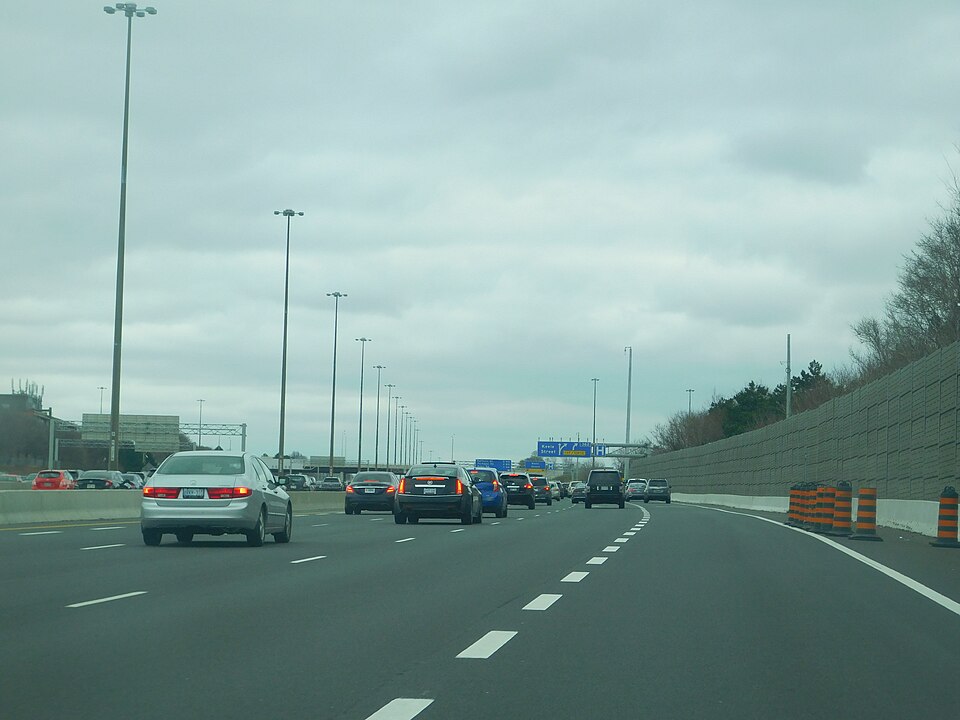
    Photo: Adam Moss, CC BY-SA 2.0, via Wikimedia Commons

    These are the 30 questions Canadian learner drivers and their parents ask most, each answered in a few lines for every province and territory where the rules differ, with a link to the full guide. Licensing in Canada is provincial, so an answer that is right in Ontario can be wrong in BC. Start with your own province, then use the links for the detail.

    Key facts

    • You can start at 14 in Alberta, 15 in Yukon, the NWT and Nunavut, and 16 in most other places.
    • The learner stage usually lasts 12 months, often less with approved driver education.
    • Getting from learner to full licence takes at least 2 years almost everywhere.
    • Every jurisdiction requires zero alcohol for new drivers.
    • Driver education is mandatory only in Saskatchewan and Quebec.

    Getting started

    1. How old do you have to be to get a learner’s licence in Canada?

    16 in most provinces. Alberta allows 14. Yukon, the NWT and Nunavut allow 15, as does Saskatchewan for high school driver education students, and Manitoba allows 15 and a half for students in high school driver education. Applicants under 18 (under 19 in Newfoundland and Labrador) need a parent or guardian’s consent. Full table: learning to drive in Canada.

    2. Do I need to take a driving course?

    Only in Saskatchewan and Quebec. Saskatchewan requires high school training (30 hours in class, 6 in the car) or an SGI-certified instructor (6 and 6). Quebec requires the SAAQ’s Road Safety Education Program at a recognized driving school. See SGI driver education and Quebec’s mandatory driving course.

    3. Does a driving course shorten the learner stage?

    Yes, in several provinces. Ontario cuts G1 from 12 to 8 months, Nova Scotia from 12 to 9, and New Brunswick and Newfoundland and Labrador from 12 to 8. PEI cuts 365 days to 275. In BC an approved course cuts the N stage from 24 to 18 months for drivers under 25. Alberta driver training can take up to 6 months off the probationary period. See Ontario BDE, ICBC approved courses.

    4. How much does it cost to get a licence?

    Official fees differ by province, and lessons are the biggest cost. For example, ICBC charges $15 for the knowledge test and $10 for the learner licence. Province-by-province totals: cost of a driver’s licence in Canada.

    5. I am an adult. Do I still go through graduated licensing?

    In most provinces, yes, whatever your age. BC is the main exception, with shorter L and N stages for drivers 25 and older. See learning to drive as an adult in Canada.

    6. I just moved to Canada. Can I swap my licence?

    It depends on your country and province. Some licences exchange without tests, others go into graduated licensing. You also get a limited time to switch, for example 60 days in Ontario and 90 days in BC and Saskatchewan. See exchanging a foreign or out-of-province licence, new to Ontario, moving to BC, Quebec exchanges and international students and newcomers.

    The knowledge test

    7. How many questions are on the learner’s test?

    It varies. ICBC’s test has 50 questions. Alberta’s has 30 and you need 25 to pass. Nova Scotia’s has two parts of 20 questions, with 16 correct needed in each. Newfoundland and Labrador needs 85%. Every province compared: knowledge tests compared across Canada.

    8. Can I take the knowledge test online?

    In BC, yes: ICBC offers it online or in an office, for the same $15 fee. See ICBC knowledge test. Other provinces are listed in the comparison guide above.

    9. Can I take the test in a language other than English?

    Often, yes. ICBC offers 12 languages, including French, Punjabi, Mandarin, Cantonese and Arabic. Alberta offers many languages too. See Alberta Class 7 test and taking the SAAQ tests in English or another language.

    10. What should I study?

    Your province’s official handbook. The questions come from it. Study guides: Ontario signs, BC signs, Alberta Driver’s Guide, Manitoba signs, SGI written test, Nova Scotia signs, New Brunswick, Newfoundland and Labrador, PEI, Yukon, NWT, Quebec signs in French.

    Driving as a learner

    11. Who can supervise me?

    A fully licensed driver with a set amount of experience: 4 years in Ontario and Newfoundland and Labrador, 3 years in Manitoba (Class 5F) and New Brunswick, and 2 years in Quebec and Yukon. BC requires a supervisor aged 22 or older. Full table: supervising a learner driver in Canada.

    12. Can I drive at night on a learner’s licence?

    Most learner curfews run from midnight to 5 a.m. The NWT’s runs 11 p.m. to 6 a.m., and PEI’s 1 a.m. to 5 a.m. for drivers under 21. See Canadian graduated licensing compared.

    13. Can I carry passengers as a learner?

    Not in Nova Scotia, New Brunswick, Newfoundland and Labrador or the NWT, apart from your supervisor. BC allows one besides the supervisor (immediate family exempt). Ontario, Alberta and Saskatchewan allow passengers up to the number of seatbelts. In Saskatchewan, from midnight to 5 a.m., they must be immediate family. Carrying children: child car seat and booster rules.

    14. Can a G1 driver go on the highway in Ontario?

    Not on 400-series highways or high-speed expressways, unless the accompanying driver is a driving instructor. See Ontario G1 rules.

    15. Do I need an L sign?

    In BC, yes, on the back of the car. Yukon learners also show an L sign, PEI Stage 1 drivers a yellow L decal, and Newfoundland and Labrador novices a “NOVICE DRIVER” sign. See BC learner rules.

    16. Can I use my phone on hands-free?

    Not in BC (L and N), Saskatchewan (all GDL stages) or Yukon (learner and novice), where new drivers may not use any device. Every province bans hand-held use for all drivers. See distracted driving penalties across Canada.

    17. Can I drive in another province or the US on my learner’s licence?

    Licensing is provincial, so rules for out-of-province learners vary, and the US has its own rules. Read driving in another province on a learner or novice licence and driving in the US on a Canadian novice licence before you travel.

    18. How many hours should I practise?

    Yukon requires 50 logged hours. ICBC suggests at least 60 hours in BC, and SGI recommends at least 36 in Saskatchewan. See Yukon co-driver rules and the 50-hour log.

    The road test

    19. When can I take my road test?

    After the minimum learner period: 12 months in most provinces (less with driver education), 9 months in Saskatchewan and Manitoba, 6 months plus 50 hours in Yukon. See your provincial pillar: Ontario, Quebec, BC, Alberta, Saskatchewan, Manitoba, Nova Scotia, New Brunswick, Newfoundland and Labrador, PEI, Yukon, NWT, Nunavut.

    20. What do I bring to the road test?

    Your learner licence, ID if required, and a registered, insured, roadworthy car with its papers. Some provinces add proof of driver education or a declaration form. Province-by-province list: road test day checklist.

    21. Can I use my parents’ car, and does it have to be automatic?

    Yes, if it passes the examiner’s check and is registered and insured. An automatic is fine for a Class 5 or G licence. See road test car checklist and automatic or manual for your road test.

    22. How is the road test scored?

    Each province has its own system. In Alberta, more than 75 points on a Class 5 test is a fail. In Quebec, the pass mark is 75%. Both provinces also have automatic fails for dangerous or illegal driving. See Alberta, SAAQ, Ontario G2, ICBC, SGI, Manitoba.

    23. What happens if I fail?

    You rebook and pay again. In Ontario you can retake after at least 10 days. See booking, rescheduling and failing a DriveTest road test.

    24. Is there still a second road test?

    Only in Ontario (the G test). BC replaced its Class 5 road test with a Driving Record Assessment on 19 October 2026, and Alberta dropped its advanced road test on 1 April 2023. See Ontario G road test and BC drops the Class 5 road test.

    After you pass

    25. What rules apply on a novice licence?

    Zero alcohol everywhere, plus passenger limits, night rules and lower demerit limits that differ by province. See Canadian graduated licensing compared, Ontario G2, BC N, Alberta GDL, Quebec probationary, Saskatchewan novice, Manitoba intermediate, Nova Scotia 5N, New Brunswick Level 2, Newfoundland and Labrador, PEI, NWT.

    26. How many demerit points can a new driver have?

    Far fewer than a fully licensed driver. Quebec revokes a learner or probationary licence at 4 points. Alberta suspends GDL drivers at 8. Ontario suspends G1 and G2 drivers at 9. Manitoba and Saskatchewan use rating scales. See Quebec demerit table, Ontario, Alberta, BC, Manitoba, Saskatchewan, Nova Scotia, New Brunswick, Newfoundland and Labrador.

    27. Until what age is the zero-alcohol rule?

    21 and under in Ontario and Saskatchewan. Under 22 in Quebec, Newfoundland and Labrador, PEI and the NWT. Manitoba keeps it for the first 36 months of a full licence. See zero alcohol in Quebec until 22, Saskatchewan zero tolerance, impaired driving in Canada.

    28. What counts as stunt or excessive speeding?

    In Ontario, 40 km/h over on a road posted under 80 km/h, or 50 km/h over anywhere. BC impounds for 7 days at 40 km/h over, and Saskatchewan for 30 days at 50 km/h over. See excessive speeding and stunt driving across Canada and Saskatchewan speeding and stunting.

    29. Do I need my own insurance?

    The car you drive must be insured. ICBC asks owners to list a learner on the policy. BC, Saskatchewan, Manitoba and Quebec have public auto insurers. See car insurance for new drivers in Canada.

    30. What do I need to buy my first car?

    A safety inspection where your province requires one, registration in your name and insurance. Ontario needs a Safety Standards Certificate to plate a used car. See buying your first car in Canada.

    Common questions

    Where can I find what a term like Class 7 or DSR means?

    In the Canadian driving licence glossary.

    What winter rules should a learner know?

    Quebec requires winter tires from 1 December to 15 March, and every province teaches winter skills. See winter driving in Canada and Quebec winter tire law.

    Do the school bus and move-over rules differ by province?

    The basics are the same: stop for flashing red school bus lights on undivided roads, and slow down and move over for stopped emergency vehicles. The details differ. See school bus rules and slow down, move over.

    What should I do after a collision?

    Stop, help anyone injured, exchange information and report it where required. Thresholds differ by province. See collision reporting rules by province and moose, deer and caribou.

    Sources

    • Government of Ontario, “Get a G driver’s licence: new drivers” and “Official MTO Driver’s Handbook” (ontario.ca)
    • ICBC, “Preparing for your driver licensing tests”, form MV2022, October 2026 (icbc.com)
    • ICBC, “Learn to Drive Smart” (icbc.com)
    • Government of Alberta, “Get a driver’s licence: steps” and “Driver’s road test” (alberta.ca)
    • Société de l’assurance automobile du Québec, “Passenger vehicle licence” (saaq.gouv.qc.ca)
    • Manitoba Public Insurance, “Driver’s Handbook” (apps.mpi.mb.ca)
    • SGI, “Saskatchewan Driver’s Handbook 2026-27” (sgi.sk.ca)
    • Service Nova Scotia, “Learner’s (Beginner’s) Licence” (novascotia.ca)
    • Government of New Brunswick, “Graduated licences” (gnb.ca)
    • Government of Newfoundland and Labrador, “Graduated Driver Licensing Program” (gov.nl.ca)
    • Government of Prince Edward Island, “Driver’s Handbook”, February 2022 (princeedwardisland.ca)
    • Government of Yukon, “Get a driver’s licence” (yukon.ca)
    • Government of the Northwest Territories, “NWT Driver’s Manual” (inf.gov.nt.ca)
    • Government of Nunavut, “Apply for a driver’s licence” (gov.nu.ca)
  • Road test day checklist for Canada: what to bring, by province

    Road test day checklist for Canada: what to bring, by province

    Photo: Bull-Doser, public domain, via Wikimedia Commons

    On road test day in Canada you usually need four things: your current learner licence, ID, a registered and insured car that passes the examiner’s check, and proof of anything your province requires first, such as Saskatchewan’s driver education record or Ontario’s highway declaration for the G test. Forget one and the test is usually cancelled before you start, often without a refund. This checklist sets out what to bring in each province and territory, when to arrive, and what happens if the weather turns.

    Key facts

    • Bring the licence you are testing from (G1, Class 7, 5L, Level I and so on), plus ID if your card is temporary or your province asks for it.
    • The test car needs valid registration and insurance papers inside it, and working lights, signals, horn, brakes, wipers and seatbelts.
    • Drive there legally: a learner still needs a supervising driver in the car on the way to the test.
    • Ontario: cancel at least 48 hours ahead or you lose the prepaid fee. Manitoba: check in 15 minutes early.
    • Electronic driving aids such as cruise control, parking assist and back cameras are not allowed on Ontario road tests. ICBC asks you to turn off driver assistance features where possible.

    The universal checklist

    The night before

    • Your learner licence, valid and not expired
    • Your booking confirmation or receipt
    • The vehicle registration and insurance card for the car you are using
    • Glasses or contact lenses, if your licence requires them
    • A supervising driver who can drive there with you
    • Enough fuel for the test
    • Clothes and shoes that suit the weather and let you work the pedals

    Car check at home

    • Headlights, brake lights (including the centre high-mounted one), signals and hazard lights
    • Horn, wipers, washer fluid and defroster
    • Windshield free of cracks that block your view; all windows clear of snow and frost
    • Tires in good condition
    • Seatbelts, doors and the passenger seat and headrest working for the examiner
    • Valid plates (and in PEI, a valid inspection sticker)
    • Clean interior with nothing loose that could distract or injure

    The full car list is in the road test car checklist for Canada.

    What to bring to the road test, by province

    Jurisdiction Documents and proof Province-specific extras
    Ontario (G2 and G) Your G1 or G2 licence, a road-legal insured car G test: signed Declaration of Highway Driving Experience (roads of 80 km/h or more). No electronic driving aids
    British Columbia (Class 7) One primary and one secondary ID, payment, a safe and insured car with a Canadian plate (you give the plate number at the counter) Car-share car: an original signed and dated letter from the company for each attempt. Turn off driver assistance features if possible
    Alberta (Class 5) Your Class 7 licence (plus photo ID if your licence is temporary), payment, your road test confirmation letter All outstanding Government of Alberta fines paid before booking; your MVID number to book
    Quebec Follow the list in your SAAQ confirmation: learner’s licence and a registered, insured, roadworthy car Winter tires on a Quebec-registered car from 1 December to 15 March
    Saskatchewan Photo ID; driver education finished (record on your SGI file or a Driver Education Certificate) Text “Here” if you signed up for texts; stay in the car with your phone on
    Manitoba Your valid 5L licence, the vehicle registration certificate Check in 15 minutes early with a supervising driver. A working passenger headrest for the examiner
    Nova Scotia Your learner’s licence, the vehicle permit, the insurance card, your numbered Driver Examination Receipt A supervising driver to drive there with you
    New Brunswick Your Level 1 licence, payment receipt, valid signed registration, valid insurance card A roadworthy car
    Newfoundland and Labrador Road test payment receipt, valid Class 5 Level I licence, valid insurance policy, registration certificate Proof of an approved driver training course if you are using the 8-month route
    Prince Edward Island Valid Instruction Permit, proof you finished the Novice Driver Course, valid registration, proof of liability insurance (the pink card) A licensed driver of 4+ years with you; valid inspection sticker (not a rejection sticker)
    Yukon Your learner’s licence and a car with valid insurance and registration Your 50 logged practice hours (drop the log book off for inspection before you book) and a valid co-driver on the day
    Northwest Territories Your booking receipt, a valid Class 7 licence, a qualifying vehicle and corrective lenses if you wear them A roadworthy car with registration and insurance
    Nunavut Your Class 7 licence, vehicle registration, liability insurance card A roadworthy Class 5 vehicle with working lights, signals, brakes, horn and tires, and a qualified accompanying driver to get you there

    As of November 2026. Your booking confirmation is the final word. Read it again the day before.

    When to arrive and what happens on check-in

    • Manitoba: check in 15 minutes early. If you are late, the test may be cancelled and you pay to rebook.
    • British Columbia: arrive at your check-in time with your ID and payment.
    • Saskatchewan: park, turn the car off, stay inside and text “Here” if you signed up for reminders. The examiner calls you, asks a few questions, then comes out. Your supervising driver waits inside, not in the parking lot.
    • Passengers and recording: in BC and Saskatchewan only you and the examiner ride in the car, with no passengers or pets. Manitoba and BC do not allow recording the test.

    Cancelling, rescheduling and bad weather

    Situation What the province says
    You need to cancel (Ontario) Cancel or reschedule at least 48 hours ahead. Less notice, or a no-show, means the prepaid fee is not refunded, except in extenuating circumstances such as a death in your immediate family.
    You need to cancel (BC) ICBC asks for at least 48 hours’ notice or a fee may apply. Confirm when you book.
    Your car fails the check (Manitoba, SGI) Manitoba cancels the test with no refund. SGI reschedules you.
    Snow or ice on test day (Nova Scotia) The test is cancelled if road or weather conditions are hazardous. Call the booking line to rebook.
    Snow or ice elsewhere Call the test centre before you leave. Clear all snow and frost from the car either way.

    A morning-of timeline

    1. Two hours before: eat, check the weather, and pack the documents into one folder.
    2. One hour before: walk around the car: lights, signals, tires, windows clear.
    3. Drive there with your supervisor, following every learner rule. Use the drive to practise shoulder checks and full stops.
    4. 15 minutes before: check in (Manitoba requires it). Put your phone on silent unless SGI is calling you.
    5. In the car: adjust the seat, mirrors and headrest before you move. Ask any questions before the test starts. Examiners only give directions once it begins.

    What examiners score is covered in each provincial guide: Ontario G2, Ontario G, ICBC Class 7, Alberta Class 5, SAAQ, SGI, Manitoba, Nova Scotia, New Brunswick, Newfoundland and Labrador, PEI, Yukon, NWT and Nunavut.

    Common questions

    Can I use a driving school car for my road test?

    Usually, if the school offers it. Alberta says driving schools may provide a vehicle. The car still needs valid registration and insurance. In Quebec, confirm the cost of using the school’s car before you book.

    Do I need my supervising driver at the test centre?

    You need one to drive there legally, because you are still a learner. Manitoba asks you to check in with a supervising driver, and PEI requires a licensed driver of at least four years to come with you.

    Can I use my back-up camera or cruise control?

    Not in Ontario, where electronic driving aids are banned on road tests. ICBC asks you to turn off driver assistance features if you can. See automatic or manual, and which aids are allowed.

    What if my licence expires before the test?

    Renew it first. Manitoba says your 5L must be valid, not expired or lapsed. Check your own province’s rule when you book.

    Can I bring a translator?

    Not in the car. Manitoba lets a translator help before and after the test. The SAAQ says examiners use hand signals if you lack French or English.

    How soon can I retest if I fail?

    It depends on the province. In Ontario, after at least 10 days. See booking, rescheduling and failing a DriveTest road test and your provincial road test guide for other rules.

    Related: learning to drive in Canada, learner driver FAQ for Canada.

    Sources

    • Government of Ontario, “Get a G driver’s licence: new drivers” and “Official MTO Driver’s Handbook” (ontario.ca)
    • ICBC, “Prepare for your road test appointment” (icbc.com)
    • ICBC, “Preparing for your driver licensing tests”, form MV2022, October 2026 (icbc.com)
    • Government of Alberta, “Driver’s road test” (alberta.ca)
    • Société de l’assurance automobile du Québec, “Passenger vehicle licence” (saaq.gouv.qc.ca)
    • SGI, “Saskatchewan Driver’s Handbook 2026-27” and road test pages (sgi.sk.ca)
    • Manitoba Public Insurance, “Driver’s Handbook: Scheduling Your Knowledge or Road Test” and “Key Points About Your Tests” (apps.mpi.mb.ca)
    • Service Nova Scotia, “Newly Licensed Driver” (novascotia.ca)
    • Government of New Brunswick, “Graduated licences” (gnb.ca)
    • Government of Newfoundland and Labrador, “Graduated Driver Licensing Program” (gov.nl.ca)
    • Government of Prince Edward Island, “Driver’s Handbook”, February 2022 (princeedwardisland.ca)
    • Government of Yukon, “Get a driver’s licence” (yukon.ca)
    • Government of the Northwest Territories, “NWT Driver’s Manual” (inf.gov.nt.ca)
    • Government of Nunavut, “Apply for a driver’s licence” (gov.nu.ca)
  • Canadian driving licence glossary: G1, Class 7, IRS, DSR and more

    Canadian driving licence glossary: G1, Class 7, IRS, DSR and more

    Photo: Ken Lund, CC BY-SA 2.0, via Wikimedia Commons

    Every Canadian province and territory has its own licence names, test names and penalty schemes, so the same idea can have five different labels. This glossary explains the terms new drivers meet in all 13 jurisdictions, from G1 and Class 7 to IRS, DSR and the Driving Record Assessment, plus the French terms used in Quebec and New Brunswick. Each entry names the jurisdiction it belongs to and links to the full guide.

    Key facts

    • There is no national driver’s licence in Canada. Each province and territory issues its own.
    • “Class 5” is the usual car licence across Canada. “Class 7” is the learner licence in most western, northern and Atlantic provinces.
    • Ontario uses letters instead (G1, G2, G), and Quebec uses “learner’s licence” and “probationary licence”.
    • Manitoba and Saskatchewan rate drivers on a scale linked to insurance, rather than relying only on a demerit total.

    Licence stages by province: the quick decoder

    Jurisdiction Learner stage Novice stage Full licence
    Ontario G1 G2 G
    Quebec Learner’s licence (Class 5) Probationary licence Regular Class 5 licence
    British Columbia Class 7L (L) Class 7 (N) Class 5
    Alberta Class 7 Class 5-GDL (probationary) Class 5
    Saskatchewan Learner (Class 7) Novice 1, then Novice 2 Experienced Class 5
    Manitoba Learner (5L) Intermediate (5I) Full (5F)
    Nova Scotia Learner’s licence (Class 7) Newly Licensed Driver (5N) Class 5
    New Brunswick Class 7 Level 1 Class 7 Level 2 Class 5
    Newfoundland and Labrador Level I Level II Class 5
    Prince Edward Island Instruction permit (Stage 1) Stage 2, then Stage 3 Class 5
    Yukon Learner Novice Class 5
    Northwest Territories Class 7 Class 5 probationary (5P) Class 5
    Nunavut Class 7 Class 5 Class 5; restricted licences also exist

    Minimum ages and timelines for each stage are in learning to drive in Canada.

    A to D

    • Accompanying driver, co-driver, supervising driver. The fully licensed adult who must sit beside a learner. Ontario calls them the accompanying driver, Yukon and PEI the co-driver or co-pilot, and most other provinces the supervising driver. Requirements differ: see supervising a learner driver in Canada.
    • Accompanying rider (Quebec). The SAAQ’s term for the person who rides with a learner. They must have held a licence for at least 2 years. See Quebec learner’s licence rules.
    • Autoplan broker (BC). The insurance broker where you register, license and insure a vehicle with ICBC.
    • BAC. Blood alcohol concentration. New drivers in every Canadian jurisdiction must have a BAC of zero. See impaired driving in Canada for new drivers.
    • BDE (Ontario). Beginner Driver Education, the government-approved course that can cut the G1 stage from 12 to 8 months. See is the Ontario BDE course worth it?
    • Circle check. A walk around the outside of the vehicle before driving, checking lights, tires and body. Manitoba’s handbook has a section on it.
    • Class 5. The standard licence for cars and light trucks in most of Canada.
    • Class 7. The learner licence in BC (7L and 7), Alberta, Saskatchewan, Nova Scotia, New Brunswick, the NWT and Nunavut. Yukon’s handbook also uses the name Class 7.
    • Class 5-GDL (Alberta). The probationary licence after you pass the road test. You need 24 months on it, with no suspensions, demerit convictions or other listed violations (including any alcohol or drug penalty) in the last 12 months, to exit. See Alberta Class 5 GDL rules.
    • Crossroad delineator (Saskatchewan). A sign type covered in the SGI handbook’s signs chapter, so expect it on the signs part of the written test. See SGI written test.
    • Declaration of Highway Driving Experience (Ontario). The form you sign before the G road test confirming highway practice on roads with limits of at least 80 km/h. See Ontario G road test.
    • Demerit points. Points added to your record when you are convicted of certain offences. Thresholds for new drivers are much lower than for full licence holders. See Ontario, Alberta, Quebec.
    • DRA, Driving Record Assessment (BC). Since 19 October 2026, ICBC checks an N driver’s record instead of giving a Class 5 road test. See BC drops the Class 5 road test.
    • DRP, Driver Risk Premium (BC). An extra yearly ICBC charge for serious convictions, such as excessive speeding or two device convictions in three years. See BC penalty points and DRP.
    • DPP, Driver Penalty Point premium (BC). The ICBC bill you get with four or more penalty points at the end of a 12-month period.
    • DriveTest (Ontario). The centres that run Ontario’s knowledge and road tests.
    • DriveON (Ontario). The licensed Vehicle Inspection Centres that issue Safety Standards Certificates.
    • DSR, Driver Safety Rating (Manitoba). MPI’s merit and demerit scale. Your level sets what you pay for your licence and vehicle insurance. See Manitoba Driver Safety Rating.

    E to M

    • Excessive speeding. A speed far over the limit that brings roadside penalties. Thresholds start at 40 km/h over in Ontario (roads under 80 km/h), BC and Quebec (zones of 60 km/h or less). See excessive speeding across Canada.
    • GDL, graduated driver licensing. The staged system every province and territory uses: learner, novice, full. BC calls it the GLP (Graduated Licensing Program). See Canadian graduated licensing compared.
    • GDL Improvement program (Saskatchewan). SGI’s steps for new drivers who get convictions, at-fault collisions or suspensions: a warning letter, then education courses, then suspensions of 30, 90 and 180 days. See SGI GDL Improvement program.
    • Immediate family. Relatives who do not count towards passenger limits in some provinces. Saskatchewan’s list includes spouse, child, parent, sibling, grandparent, step-relatives, foster relatives and in-laws.
    • Impoundment. Police seizing the vehicle you are driving, even if you do not own it. Saskatchewan impounds for 30 days for stunting or for going 50 km/h or more over the limit.
    • IPDE (Saskatchewan). Identify, Predict, Decide, Execute: SGI’s hazard-spotting method. See IPDE and eye lead time.
    • IRS, Immediate Roadside Sanctions (Alberta). Penalties applied at the roadside for impaired driving. Any alcohol or drug for a Class 7 or Class 5-GDL driver brings a 30-day suspension.
    • Knowledge test. The written or computer test of rules and signs that gets you a learner licence. Also called the written test (SGI, Newfoundland and Labrador) or learner’s test (Nova Scotia). See knowledge tests compared across Canada.
    • L sign, N sign (BC). The signs learner and novice drivers display on the back of the car. Yukon learners show an L sign, PEI Stage 1 drivers a yellow L decal, and Newfoundland and Labrador novices a “NOVICE DRIVER” sign.
    • Learn to Drive Smart (BC). ICBC’s official driving guide. Tuning Up for Drivers is its practice companion, also used in Yukon.
    • Mandatory driver education. Required only in Saskatchewan and Quebec. Elsewhere it is optional but shortens the learner stage.
    • Motor licence issuer (Saskatchewan). The offices that sell SGI licences and registrations. Alberta’s equivalent is a registry agent.
    • Move over law. The rule to slow down and change lanes for stopped emergency vehicles, tow trucks and highway equipment. Saskatchewan sets 60 km/h. See slow down, move over.
    • MVID (Alberta). Motor Vehicle Identification number, the 9-digit number near the barcode on your licence. You need it to book a road test.

    N to R

    • NDES, Novice Driver Escalating Sanctions (Ontario). Extra suspensions for G1 and G2 drivers who break a licence condition or commit a 4-point offence: 30 days, then 90 days, then cancellation.
    • New West Partnership (BC, Alberta, Saskatchewan, Manitoba). An agreement that can exempt a car moving between these provinces from a new safety inspection.
    • Novice Driver Course (PEI). The course you must finish before the Stage 1 road test. See PEI knowledge test and Novice Driver Course.
    • No-Zone. The blind spots around large trucks and buses. Manitoba and PEI handbooks use the term. See PEI rules of the road.
    • PAII, Personal Auto Injury Insurance (Saskatchewan). Part of SGI’s plate insurance. See SGI auto insurance for new drivers.
    • Penalty points (BC). ICBC’s name for demerit points. A speeding ticket carries 3.
    • PESR (Quebec). Programme d’éducation à la sécurité routière, the mandatory Road Safety Education Program: 24 hours of theory and 15 in-car sessions. See Quebec’s mandatory driving course.
    • Probationary licence. The restricted stage after the road test in Quebec, Alberta (Class 5-GDL) and the NWT (5P). In Quebec it lasts 24 months and is lost at 4 demerit points. See Quebec probationary licence.
    • Prohibition (BC). A court or ICBC order banning you from driving. In the N stage it resets your N time to zero.
    • Registry agent (Alberta). Private offices that issue licences and registrations and book road tests.
    • Restricted licence (Nunavut). A licence with a B endorsement (drive in Nunavut only) or a G endorsement (drive within 100 km of your home community). See Nunavut restricted licence.
    • Road test. The on-road driving exam that moves you out of the learner stage. Ontario has two (G2 and G). See road test day checklist.

    S to Z

    • SAAQ (Quebec). Société de l’assurance automobile du Québec, which runs licensing and public auto insurance in Quebec.
    • SDR, Safe Driver Recognition (Saskatchewan). SGI’s scale that gives insurance discounts for each incident-free year and charges $50 per point in the Penalty Zone, up to $1,000 for most incidents.
    • See-Think-Do (BC). ICBC’s hazard perception method. See See Think Do explained.
    • SGI (Saskatchewan). Saskatchewan Government Insurance, which runs licensing and basic auto insurance.
    • SSC, Safety Standards Certificate (Ontario). Proof a used vehicle passed inspection. Valid for 36 days, and needed to plate a used car. See buying your first car in Canada.
    • Stunt driving. In Ontario, includes driving 40 km/h over on a road posted under 80 km/h, or 50 km/h over anywhere, with a 30-day roadside suspension and a 14-day impoundment. See Ontario stunt driving.
    • Two-point turn (Saskatchewan). A turnaround manoeuvre on the SGI road test. See SGI road test.
    • Traffic Safety Act. The main traffic law in Alberta and Saskatchewan. Nova Scotia’s Traffic Safety Act is explained in Nova Scotia Traffic Safety Act.
    • UVIP, Used Vehicle Information Package (Ontario). The package a private seller must give a buyer. It shows liens and includes a bill of sale section.
    • Zero tolerance. No alcohol (and in most places no drugs) at all while driving. Some provinces extend it by age: 21 and under in Ontario and Saskatchewan, and under 22 in Quebec, Newfoundland and Labrador, PEI and the NWT.

    French terms used in Quebec and New Brunswick

    French English
    Permis d’apprenti conducteur Learner’s licence
    Permis probatoire Probationary licence
    Permis de conduire Driver’s licence
    Points d’inaptitude Demerit points
    Grand excès de vitesse Excessive speeding
    Examen théorique Knowledge test
    Examen pratique Road test
    Accompagnateur Accompanying rider
    Arrêt Stop (on stop signs)
    Cédez le passage Yield
    Code de la sécurité routière Highway Safety Code

    New Brunswick is Canada’s only officially bilingual province, so expect French and English terms on its forms; ask Service New Brunswick which languages its tests are offered in. Quebec’s signs are in French or use symbols. See Quebec road signs in French and taking the SAAQ tests in English.

    Common questions

    What does Class 7 mean in Canada?

    In most provinces outside Ontario, Quebec, Manitoba and Newfoundland and Labrador, Class 7 is the learner licence you get after the knowledge test. BC uses 7L for learners and Class 7 for the N stage.

    Is a G2 the same as an N?

    They play the same role: both are the novice stage after your first road test. G2 is Ontario’s name. N is BC’s. The rules are different.

    What is the difference between demerit points and penalty points?

    None in principle. BC calls them penalty points and adds an ICBC premium. Most other provinces say demerit points. Manitoba and Saskatchewan add insurance-linked rating scales (DSR and SDR).

    Does “probationary” mean the same everywhere?

    No. In Quebec it is a 24-month stage with a 4-point limit. In Alberta it is the Class 5-GDL stage. Always read your own province’s rules.

    What is a full licence called in Ontario?

    A G licence. You get it by passing the G road test after at least 12 months on a G2.

    Sources

    • Government of Ontario, “Official MTO Driver’s Handbook” (ontario.ca)
    • Government of Ontario, “Safety Standards Certificate” and “Buy or sell a used vehicle in Ontario” (ontario.ca)
    • ICBC, “Learn to Drive Smart” and “Preparing for your driver licensing tests”, form MV2022 (icbc.com)
    • ICBC, “Register a vehicle in B.C.” (icbc.com)
    • Government of Alberta, “Get a driver’s licence: steps” and “Driver’s road test” (alberta.ca)
    • Société de l’assurance automobile du Québec, “Passenger vehicle licence” and “Demerit points” (saaq.gouv.qc.ca)
    • Manitoba Public Insurance, “Driver’s Handbook” (apps.mpi.mb.ca)
    • SGI, “Saskatchewan Driver’s Handbook 2026-27” (sgi.sk.ca)
    • Service Nova Scotia, “Learner’s (Beginner’s) Licence” (novascotia.ca)
    • Government of New Brunswick, “Graduated licences” (gnb.ca)
    • Government of Newfoundland and Labrador, “Graduated Driver Licensing Program” (gov.nl.ca)
    • Government of Prince Edward Island, “Driver’s Handbook”, February 2022 (princeedwardisland.ca)
    • Government of Yukon, “Get a driver’s licence” (yukon.ca)
    • Government of the Northwest Territories, “NWT Driver’s Manual” (inf.gov.nt.ca)
    • Government of Nunavut, “Apply for a driver’s licence” (gov.nu.ca)
  • Buying your first car in Canada: inspections and registration

    Buying your first car in Canada: inspections and registration

    Photo: Wiki.cullin, CC0, via Wikimedia Commons

    Buying a used car in Canada means three legal steps before you drive it: proof it is roadworthy (a safety certificate or inspection where your province requires one), registration in your name, and insurance. The inspection rules are the part that differs most. Ontario needs a Safety Standards Certificate to plate a used car, Nova Scotia and PEI run periodic inspections, and Alberta and BC inspect cars coming from other provinces. This guide is for new drivers buying their first car, and their parents.

    Key facts

    • Ontario: the seller must give you a Used Vehicle Information Package (UVIP). You need a Safety Standards Certificate, valid for 36 days, to put plates on the car, and you must register it within 6 days.
    • British Columbia: register with ICBC within 10 days of buying, through an Autoplan broker.
    • Alberta: a car registered outside Alberta must pass an out-of-province inspection, and the certificate must reach a registry agent within 14 days.
    • Nova Scotia: a used car must have been inspected within 30 days before it is sold, unless the buyer signs a written acknowledgment.
    • PEI: most vehicles need a yearly safety inspection, and you cannot register a car you bought without a valid approval sticker.
    • Every province requires insurance before you drive the car on a public road.

    Before you pay: checks that apply everywhere

    1. Is the seller the registered owner? Compare the name on the registration with their ID.
    2. Does the VIN match? Check that the vehicle identification number on the car matches the registration papers.
    3. Is money owed on the car? A lien means a lender may have a claim on it. In Ontario, the UVIP shows this.
    4. Get a signed bill of sale with the date, price, VIN, and both names.
    5. Arrange insurance before you drive away. In BC, Saskatchewan, Manitoba and Quebec, basic insurance comes from a public insurer. See car insurance for new drivers in Canada.

    Ontario: UVIP, Safety Standards Certificate and registration

    Used Vehicle Information Package

    Under Ontario’s Highway Traffic Act, the seller must give the buyer a UVIP. It shows whether money is owed on the vehicle, and its bottom section can serve as the bill of sale. Check the current UVIP price on ontario.ca before you buy one.

    Safety Standards Certificate (SSC)

    You need an SSC when you:

    • transfer a used vehicle to a new owner (unless the new owner is your spouse)
    • register a vehicle that came from another province, territory or country
    • register a rebuilt vehicle, or change a vehicle’s status from unfit to fit

    The certificate is issued by a Vehicle Inspection Centre licensed by the Ministry of Transportation (DriveON). It is valid for 36 calendar days after the inspection. If it expires before you register, you need a new one. You can buy and register a car without an SSC, but you cannot put plates on it until you have one. Inspection prices are set by each centre, not by the government.

    What the seller hands over

    • the UVIP
    • a signed bill of sale
    • the vehicle permit with the Application for Transfer completed
    • the SSC, if one is required

    The seller keeps the licence plates and the plate portion of the permit.

    Registering at ServiceOntario

    • Register within 6 days of the purchase.
    • Bring proof of insurance.
    • Most buyers pay 13% retail sales tax, based on the purchase price or the vehicle’s wholesale value, whichever is greater.
    • Cars and other light vehicles no longer need an emissions test (since 1 April 2019).

    More on running a car in Ontario: your vehicle in Ontario: maintenance, insurance and registration.

    British Columbia: transfer through an Autoplan broker

    • Car already registered in BC: go to an Autoplan broker, ideally with the seller. The broker transfers ownership, updates the registration, and licenses and insures the car. Bring the registration in the seller’s name.
    • Deadline: the Motor Vehicle Act requires the buyer to register with ICBC within 10 days of the purchase and pay the fees and taxes.
    • Car from another province or territory: you need a “passed” inspection report from a designated BC inspection facility, the current registration, ID, and a signed bill of sale if the car is not in your name. A car from Nova Scotia also needs its Certificate of Title.
    • New West Partnership exemption: a privately owned car registered in Alberta, Saskatchewan or Manitoba may skip the BC inspection if the same owner is moving to BC, it weighs 3,500 kg or less, and it is four model years old or newer. An older car qualifies if it passed that province’s safety inspection in the last 90 days. Salvage, rebuilt, altered and company-owned vehicles do not qualify.

    The car must be registered with ICBC before you can get plates and insurance and drive it.

    Alberta: out-of-province vehicle inspections

    A car registered outside Alberta must pass an inspection before Alberta plates are issued. The steps:

    1. Buy a Request for Vehicle Inspection Form at any Alberta registry. It does not expire.
    2. Take the car and the form to a licensed inspection facility. The inspection can take about 2 hours.
    3. If the car fails, finish the repairs within 10 days or it needs a full inspection again.
    4. Present the Out-of-Province Vehicle Inspection Certificate to a registry agent within 14 days of the completed inspection. A late certificate is not accepted.

    Each facility sets and posts its own price, and the owner pays. Exemptions are listed in Alberta’s “Registering an Out-of-Province Vehicle in Alberta” document.

    Nova Scotia: inspection before sale and every two years

    • Before a sale: a used car may not be sold unless it was inspected within 30 days before the sale and has a valid approval sticker. The seller pays for the inspection. Check the current pre-sale rule with Service Nova Scotia.
    • Exception: the car can be sold uninspected if the buyer gives the Department written acknowledgment. Ask Service Nova Scotia what inspection the car needs before you drive it.
    • Transfers that skip inspection (if the sticker is valid) include transfers to immediate family and sales to licensed dealers.
    • Sticker life: 2 years from the end of the month of issue for a used car. A new private car first needs inspection at 3 years. The every-2-years rule is in the Vehicle Equipment, Safety and Inspection Regulations (N.S. Reg. 245/2026).
    • Rejected: a rejection sticker lasts 10 days.
    • Car from outside Nova Scotia: inspect it within 30 days of bringing it into the province, unless it has a valid inspection from a jurisdiction with a reciprocal agreement.

    Prince Edward Island: yearly safety inspection

    • Most registered vehicles and trailers need a yearly safety inspection at an official inspection station. The approval sticker is normally valid until the end of the same month the following year.
    • You cannot register a vehicle you bought unless it has a valid approval sticker.
    • To register, bring the application form, your public liability insurance card and a successful inspection report to a Highway Safety or Access PEI office.
    • When a car is sold, the seller must notify Highway Safety within 7 days. The buyer must transfer the registration permit into their name within 7 days.
    • A rejected vehicle has 10 days to be repaired and re-inspected. A rejected sticker is not accepted on a car used for a road test.
    • New residents: a private car inspected in Nova Scotia or New Brunswick can be registered without a local inspection, valid for one year from that inspection. Cars from anywhere else must be inspected in PEI first.

    Other provinces and territories

    Jurisdiction What to check before buying
    Saskatchewan Saskatchewan issues a Light Vehicle Inspection Certificate. Ask SGI or a motor licence issuer whether the car you are buying needs one before registration. SGI is also your basic insurer. See SGI auto insurance for new drivers.
    Manitoba Manitoba issues a Certificate of Inspection. Ask MPI or an Autopac agent whether the car you are buying needs one before registration.
    Quebec The SAAQ publishes a Road vehicle mechanical inspection guide. Ask the SAAQ whether your car needs a mechanical inspection before registration, for example if it comes from outside Quebec.
    New Brunswick Ask Service New Brunswick about the current motor vehicle inspection rules.
    Newfoundland and Labrador Report a private sale within 10 days. An inspection certificate is required. Newcomers must register within 90 days (Newfoundland and Labrador Driver’s Handbook, pp. 22 to 23).
    Yukon, NWT, Nunavut Check inspection and registration rules with the Motor Registration Division or the territorial motor vehicles office before you pay.

    Worked example: buying a private-sale car in Ontario

    Sam, 18, on a G2, finds a 2015 hatchback in a private sale.

    1. The seller provides the UVIP. Sam checks that it shows no lien and that the VIN matches the car.
    2. Sam asks for an SSC. The seller has one from a DriveON centre dated 10 days ago, so 26 days are left.
    3. Sam arranges insurance and gets proof of it.
    4. They sign the bill of sale and the Application for Transfer on the permit. The seller removes their plates.
    5. Within 6 days, Sam goes to ServiceOntario with the documents and proof of insurance, pays the sales tax and gets plates.

    Without an SSC, Sam could still register the car but could not put plates on it or drive it.

    Using your own car for the road test

    A car you buy has to pass the examiner’s check too. In PEI it needs a valid inspection sticker. Elsewhere it needs valid registration, insurance and working lights, horn and brakes. See the road test car checklist for Canada.

    Common questions

    How long is a safety certificate good for in Ontario?

    36 calendar days from the inspection. After that, you need a new inspection before you can plate the car.

    Can I drive a car home before it is registered?

    Not on a public road without plates, registration and insurance. PEI issues in-transit permits for single trips, for example to an inspection station. Ask your registry office what is available in your province.

    Who pays for the inspection in a private sale?

    In Nova Scotia, the seller. In Ontario and Alberta, agree who pays with the seller before you buy.

    Do I pay tax on a used car from a private seller?

    In Ontario, most buyers pay 13% RST when they register, on the price or the wholesale value, whichever is greater. BC says fees and taxes are due when you register. Check your province’s rule.

    I am moving from Alberta to BC with my car. Do I need an inspection?

    Possibly not. Under the New West Partnership, a privately owned car from Alberta, Saskatchewan or Manitoba that is four model years old or newer can be exempt if you are the same owner. An older car needs a passed inspection from that province within the last 90 days.

    Related: learning to drive in Canada, cost of a driver’s licence in Canada, towing a trailer as a new driver.

    Sources

    • Government of Ontario, “Buy or sell a used vehicle in Ontario” (ontario.ca)
    • Government of Ontario, “Safety Standards Certificate” (ontario.ca)
    • ICBC, “Register a vehicle in B.C.” (icbc.com)
    • Government of Alberta, “Out-of-province vehicle inspections” (alberta.ca)
    • Government of Nova Scotia, Vehicle Equipment, Safety and Inspection Regulations, N.S. Reg. 245/2026, Traffic Safety Act (novascotia.ca)
    • Government of Newfoundland and Labrador, “Driver’s Handbook” (gov.nl.ca)
    • Government of Prince Edward Island, “Driver’s Handbook”, February 2022, Chapter 1 (princeedwardisland.ca)
    • Société de l’assurance automobile du Québec, “Road vehicle mechanical inspection guide” (saaq.gouv.qc.ca)
  • Booster seat rules in Canada: car seat laws by province

    Booster seat rules in Canada: car seat laws by province

    Photo: Lee Salem, Pexels

    Booster seat rules in Canada are set by each province and territory, so the age, weight and height at which a child can stop using a booster depends on where you drive. Most provinces require a booster until a child is about 145 cm (4 ft 9 in) tall or reaches an age between 7 and 10, but Alberta has no booster law at all. This guide is for new and learner drivers who are about to carry younger brothers, sisters or other children, and it shows what the law in each province and territory says you are responsible for.

    Key facts

    • The driver is legally responsible for making sure passengers under 16 are buckled up correctly. Ontario, BC, Alberta, Saskatchewan and PEI all state this.
    • Transport Canada describes four stages: rear-facing seat, forward-facing seat, booster seat, then the vehicle seatbelt alone.
    • It is illegal to import, sell or use a child car seat in Canada that does not carry the National Safety Mark.
    • Booster laws differ: under 8 in Ontario, under 9 in BC, Nova Scotia and Manitoba, under 10 in PEI, under 7 in Saskatchewan, and no booster requirement in Alberta.
    • As a learner in Nova Scotia, New Brunswick, Newfoundland and Labrador or the NWT, you cannot carry children at all, because no passengers are allowed apart from your supervisor.

    The four car seat stages Transport Canada describes

    1. Rear-facing seat. From birth, in an infant seat or a convertible seat, until the child reaches the seat’s rear-facing weight or height limit.
    2. Forward-facing seat with a harness. Once the child has outgrown the rear-facing seat and weighs at least 10 kg (22 lb). Some forward-facing seats take children up to 30 kg (65 lb).
    3. Booster seat. Once the child has outgrown the forward-facing seat and weighs at least 18 kg (40 lb). The booster raises the child so the adult belt sits in the right place.
    4. Seatbelt alone. Only after the child has outgrown the booster and the belt fits properly.

    Transport Canada also says each province and territory sets its own age, height and weight rules, and those are the rules police enforce. The table below lists them.

    Booster seat rules by province and territory

    Jurisdiction Booster seat required for Seatbelt alone allowed when
    Ontario Children who have outgrown a forward-facing seat, are under 8, weigh 18 to under 36 kg and are under 145 cm The child turns 8, or weighs 36 kg, or is 145 cm tall (any one), and the belt fits
    British Columbia Children under 9 who weigh at least 18 kg Age 9 or 145 cm, whichever comes first
    Alberta Not required by law (strongly recommended) Children 6 to 15, or under 6 and over 18 kg, must wear a seatbelt
    Saskatchewan Children under 7 must be in a car seat or booster suited to their size, weight, height and age Usually from age 7 and over 36 kg
    Manitoba Until the child is at least 145 cm, 36 kg or 9 years old After the booster criteria are met
    Quebec A seat suited to the child’s weight and height until 145 cm or age 9 145 cm or age 9; check SAAQ for the exact wording
    Nova Scotia Children under 9, weighing at least 18 kg and under 145 cm At 18 kg or more and 145 cm or taller
    New Brunswick From 18 kg until the child reaches 9 years, 36 kg or 145 cm Check the current rule with the Government of New Brunswick
    Newfoundland and Labrador Children 18 to 37 kg and 145 cm or less (Newfoundland and Labrador Driver’s Handbook, pp. 30 to 31) Check with the Motor Registration Division
    Prince Edward Island Children who weigh 18 kg or more, are 9 or younger and are under 145 cm tall (a child too heavy for the booster uses the seatbelt) When the child is too big for a booster and the belt fits; under 12 ride in the back
    Yukon Children over 22 kg until 145 cm or 45 kg, whichever comes first Check the current rule with the Government of Yukon
    Northwest Territories The driver is responsible for restraining passengers under 15. A child under 6 weighing up to 18 kg must be in a child safety seat. Over 18 kg the child must use the seat belt, and a booster is strongly recommended (NWT Driver’s Manual, pp. 114 to 116) Check the current rule with NWT Infrastructure
    Nunavut Seat belts for everyone, and child restraints for small children (Nunavut Driver’s Manual, p. 16). Check the exact sizes with Nunavut Motor Vehicles Check with Nunavut Motor Vehicles

    Figures are as published in November 2026. Where the table says “check”, ask the provincial department before relying on a single number.

    Rear-facing and forward-facing rules that are written into law

    Several provinces set minimums for the first two stages as well:

    • Ontario: a rear-facing seat under 9 kg (20 lb). From 9 to 18 kg (20 to 40 lb), a child seat with the tether strap attached. A child over 9 kg can stay rear-facing if the seat allows.
    • British Columbia: rear-facing until at least 12 months old and at least 9 kg. Then a child seat from 1 year and 9 kg to at least 18 kg.
    • Alberta: children under 6 who weigh 18 kg (40 lb) or less must be in a child safety seat.
    • Nova Scotia: an infant (under 2, or under 10 kg) must ride rear-facing. A young child (at least 2 years and 10 kg, and either under 4 or under 18 kg) needs an approved child seat.
    • Newfoundland and Labrador: rear-facing up to 9 kg. From 9 to 18 kg, forward-facing with the tether attached.
    • Yukon: rear-facing until the child is at least 10 kg and walking. Forward-facing with the tether once the child is over 10 kg.
    • Prince Edward Island: a child under 10 kg (22 lb), or under one year old, rides in a rear-facing infant seat. Toddlers from 10 kg to under 18 kg ride in a child restraint seat, and a forward-facing seat must use its tether strap.

    For the first two stages, Manitoba’s handbook says to follow the limits in your car seat manual.

    Your responsibility as the driver

    When you carry a child, the law puts the duty on you, not on the parent who handed you the car seat.

    • Ontario: you must make sure all passengers under 16 are in a seatbelt, child car seat or booster seat. You can be fined and get demerit points if they are not.
    • British Columbia: the driver is responsible for making sure passengers under 16 are properly restrained.
    • Alberta: a driver must make sure children under 16 are properly restrained.
    • Saskatchewan: the driver may be charged if a passenger under 16 is not buckled up. Car seats and boosters are required no matter who drives the child, including grandparents, caregivers, taxis and rideshares.
    • Prince Edward Island: everyone 16 and over is responsible for their own seatbelt. The driver is responsible for passengers under 16.

    Every new driver also has a seatbelt rule of their own. In Ontario, a novice driver must have a working seatbelt for every passenger, and breaking this can cost a licence suspension of at least 30 days. See Ontario G2 rules for under 19s.

    Can a learner or novice driver carry children at all?

    Check your passenger rules before you agree to the school run. Your graduated licence may not allow it.

    Jurisdiction and stage Can you carry a child?
    Nova Scotia, New Brunswick, Newfoundland and Labrador, NWT (learner) No. Only your supervising driver may ride with you.
    Manitoba (Learner) Only your supervisor in the front. Other passengers ride in the back, up to the number of back seatbelts.
    Prince Edward Island (Stage 1) Only the supervisor’s immediate family, up to the number of seatbelts.
    British Columbia (L) One passenger besides the supervisor; immediate family exempt.
    Ontario (G1), Alberta (Class 7), Saskatchewan (Learner) Yes, up to the number of working seatbelts, with your supervisor in the front. Saskatchewan learners: midnight to 5 a.m., passengers other than the supervisor must be immediate family.
    Saskatchewan (Novice 1) One passenger who is not immediate family; the rest must be immediate family.

    The full stage-by-stage list is in Canadian graduated licensing compared.

    Five checks before you drive off with a child

    1. Right seat for the child’s size, using your province’s rule in the table above and the limits printed on the seat.
    2. National Safety Mark on the seat. BC warns that seats bought outside Canada, including online from non-Canadian sellers, do not meet Canadian rules.
    3. Back seat, away from an active airbag. Never put a rear-facing seat in front of an active airbag. Ontario says the back seat is the safest place for a child under 13, and BC says children 12 and under should ride in the back.
    4. Tight installation. Use the seatbelt or the Universal Anchorage System (UAS), never both. Manitoba says the seat should not move more than one inch in any direction. Attach the top tether on a forward-facing seat.
    5. Belt fit on a booster. The lap belt goes low on the hips and the shoulder belt crosses the chest and shoulder. Never let a child put the shoulder belt under the arm or behind the back. Buckle an empty booster in so it cannot fly forward in a crash.

    Common questions

    At what age can a child stop using a booster seat in Ontario?

    When the child turns 8, or reaches 36 kg (80 lb), or reaches 145 cm (4 ft 9 in), whichever happens first, as long as the seatbelt fits properly.

    Is a booster seat the law in Alberta?

    No. Alberta requires a child safety seat for children under 6 who weigh 18 kg or less, then a seatbelt. Alberta strongly recommends a booster until the belt fits, usually at about 145 cm and 8 to 12 years old.

    Who gets the ticket if a child is not in a car seat?

    The driver, for passengers under 16. Ontario adds demerit points as well as a fine. Saskatchewan says the driver may be charged.

    Can I drive my little brother to school on my learner’s licence?

    It depends on your province. In Nova Scotia, New Brunswick, Newfoundland and Labrador and the NWT, no passengers are allowed apart from the supervisor. In Ontario, Alberta and Saskatchewan it is allowed if your supervisor is in the front seat and every passenger has a seatbelt.

    Can a child sit in the front seat in Canada?

    Check your province’s rule on the front seat. Ontario, BC and PEI all advise that children under 12 or 13 ride in the back. Never put a rear-facing seat in front of an active airbag.

    Does the rule change if I rent a car or visit another province?

    New Brunswick says vehicles rented there must follow its rules even if registered elsewhere. Nova Scotia lets out-of-province vehicles follow their home rules. Plan for the stricter rule if you are crossing a provincial border. See driving in another province on a learner or novice licence.

    Related: learning to drive in Canada, supervising a learner driver in Canada, buying your first car in Canada.

    Sources

    • Transport Canada, “Choosing a child car seat or booster seat” (tc.canada.ca)
    • Government of Ontario, “Official MTO Driver’s Handbook: Getting ready to drive” (ontario.ca)
    • ICBC, “Seatbelts fact sheet” TS274S (icbc.com)
    • Government of Alberta, “Child seats” (alberta.ca)
    • SGI, “Saskatchewan Driver’s Handbook 2026-27”, “Car seats and booster seats” (sgi.sk.ca)
    • Manitoba Public Insurance, “Driver’s Handbook: Infant and Child Car Seats” (apps.mpi.mb.ca)
    • Société de l’assurance automobile du Québec, “Child Safety Seats: What the law says” (saaq.gouv.qc.ca)
    • Government of Nova Scotia, Using the Road Regulations (N.S. Reg. 230/2026), sections 96 to 103 (novascotia.ca)
    • Government of New Brunswick, “Child safety seats” (gnb.ca)
    • Government of Prince Edward Island, “Driver’s Handbook”, February 2022 (princeedwardisland.ca)
    • Government of Yukon, “Find out which car seat your child should be using” (yukon.ca)
    • Government of the Northwest Territories, “Child Car Seat Safety” and “NWT Driver’s Manual” (inf.gov.nt.ca)
    • Government of Newfoundland and Labrador, “Driver’s Handbook” (gov.nl.ca)
    • Government of Nunavut, “Nunavut Driver’s Manual” (gov.nu.ca)
    • Government of Prince Edward Island, “Highway Traffic Act Seat Belt Regulations” (princeedwardisland.ca)
  • Do I have to report a collision? Rules by province in Canada

    Do I have to report a collision? Rules by province in Canada

    Photo: Crisco 1492, CC BY-SA 4.0, via Wikimedia Commons

    After a collision anywhere in Canada you must stop, help anyone injured and exchange information. Whether you must also call the police depends on the province: any injury always means a police report, but the damage threshold for a fender-bender varies: $2,000 or more in Newfoundland and Labrador, Nova Scotia and PEI, over $2,000 in the NWT, over $1,000 in Yukon and Nunavut, $5,000 in Ontario and Alberta, while Manitoba needs no police report for damage alone. This guide sets out the reporting rules in each jurisdiction, what to do at the scene and how to report to your insurer.

    Key facts

    • Injury or death: call the police in every jurisdiction listed below, and call 9-1-1 for any injury.
    • Ontario: report to police if anyone is injured or damage exceeds $5,000 (MTO handbook). Below that, you must still exchange information.
    • Alberta’s collision reporting threshold is $5,000, indexed yearly (check alberta.ca for the current figure). Many minor collisions can be reported online through Report My Collision.
    • Manitoba: no police report is needed for property damage alone, whatever the amount.
    • Never admit fault at the scene. SGI, ICBC and the NWT manual all tell drivers not to discuss who was to blame.

    When do you have to report a collision to police?

    Jurisdiction Report to police when Notes
    Ontario Anyone is injured, or damage to vehicles or other property exceeds $5,000 Under $5,000: no police report needed, but you must exchange information with anyone whose vehicle was damaged
    British Columbia Anyone is injured or killed, or drugs or alcohol seem involved. Damage-only crashes need a written police report only at $10,000 or more (Accident Report Threshold Regulation, B.C. Reg. 47/2019, since 8 March 2019) Below $10,000, report the claim to ICBC. If unsure, ask local police. ICBC’s guide asks for police reports within 24 hours in a city or 48 hours in a rural area
    Alberta Damage meets the $5,000 threshold (Operator Licensing and Vehicle Control Regulation, AR 320/2002, s. 147; indexed yearly, so check alberta.ca), or anyone is injured Report online through Report My Collision (no injuries, selected areas) or in person at a police station or collision reporting centre
    Saskatchewan Injury, death, hit and run, an impaired driver, a vehicle that has to be towed, or an out-of-province vehicle Exchange information after every collision, however minor
    Manitoba Serious injury (someone hospitalized) or death, within seven days if no report was made to an officer at the scene. Also unlicensed drivers, unregistered or unidentified vehicles, failure to get the other party’s details, or suspected impairment No police report for property damage only, no matter the value
    Quebec Any injury or death: call police Check damage-only rules with the SAAQ or your insurer
    Nova Scotia Injury, death or $2,000 or more in property damage: report to police Nova Scotia Reg. 221/2026, s. 14. The handbook and Halifax police give a limit of 24 hours
    New Brunswick Anyone injured or killed, or total property damage that appears to be $2,000 or more: tell the local police, or the RCMP outside their area, immediately Motor Vehicle Act, section 130. Older handbook editions show $1,000
    Newfoundland and Labrador Anyone is injured or killed, or property damage apparently reaches $2,000 or more. The driver must immediately make a written report to the nearest peace officer Highway Traffic Act, section 170. If the driver cannot report, an occupant or the owner must. Telling your insurer is a separate duty
    Prince Edward Island Anyone is injured, property damage apparently reaches $2,000 or more, or any vehicle involved is left stationary on the highway. Every driver involved must report it to police straight away, then give that police force a written report on the Registrar’s form within 24 hours (or as soon as able) Highway Traffic Act, section 232(3); section 232(4) covers an occupant reporting for an injured driver. The 2022 handbook still shows $1,000. Failing to report a collision carries 3 demerit points
    Yukon Stay at the scene, help anyone hurt, and report to police if anyone is injured or the damage is over $1,000 Yukon Driver’s Basic Handbook, p. 128
    Northwest Territories Overall damage to vehicles, property and animals over $2,000, or any damage to a traffic control device, railway sign or signal, parking meter or public property, reported immediately Public property damage must be reported even under $2,000
    Nunavut Report at once to the nearest RCMP if anyone is killed or hurt, or total damage is over $1,000 Nunavut Driver’s Manual, p. 67

    As of November 2026. Thresholds are set by provincial law and change from time to time. If you are not sure, call the police non-emergency line and ask.

    What to do at the scene: step by step

    1. Stop. Every driver involved must stay at the scene, or return to it immediately, and give reasonable help. PEI, for example, gives 12 demerit points for failing to stop at the scene.
    2. Make it safe. Turn on your hazard lights. If no one is seriously hurt and the cars can move, Manitoba’s handbook says to move them off a major road to prevent further collisions. Manitoba suggests flares or reflective signs about 60 metres in front of and behind the scene if you have them.
    3. Check for injuries and call 9-1-1 if anyone is hurt, if a driver seems impaired, or if the road is blocked. Don’t move an injured person unless there is a fire or other immediate danger.
    4. Watch for power lines. SGI says if a vehicle hits a power pole, park at least 10 metres away, don’t touch anything, call 9-1-1 and keep others back.
    5. Exchange information (see the list below).
    6. Record the scene: photos of all vehicles, plates, damage, road markings and conditions; names and phone numbers of witnesses; time, location and weather.
    7. Don’t admit fault or agree to pay. SGI advises against offering or accepting payment for repairs unless you plan to handle the matter without your insurer.
    8. Report to police if your province’s rule requires it (table above).
    9. Report to your insurer as soon as you can.

    What information must you exchange?

    The lists vary slightly; together they cover:

    • your name and address
    • your driver’s licence number (Manitoba also asks for its expiry date)
    • the vehicle’s plate number and registration
    • the registered owner’s name and address, if you don’t own the car
    • insurance details: the insurer and policy number. In Ontario, the liability insurance card

    Saskatchewan requires the name, address, licence number and plate from every driver “regardless of the severity”, plus the insurer’s details if a non-Saskatchewan vehicle is involved or the crash happens outside Saskatchewan.

    If you hit a parked car or property

    Find the owner. If you can’t, leave your name and address on the vehicle or property, as Manitoba requires, and report it. The NWT manual also says you must notify the owner of an unattended vehicle of any damage you cause.

    If you hit an animal

    In Manitoba, if you injure or kill a domestic animal and it is not removed from the road, report it to police; if it has been removed, report to the owner or the municipal clerk. For wildlife, see moose, deer and caribou collisions.

    Reporting to your insurer

    Insurer How to report a claim
    ICBC (BC) Online, or 604-520-8222 (Vancouver and Lower Mainland) or 1-800-910-4222 elsewhere in BC
    SGI (Saskatchewan) Online at sgi.sk.ca, the nearest claims centre, or 1-844-855-2744. Crashes outside Saskatchewan go to the Out-of-Province Claims Department
    MPI (Manitoba) By phone: 204-985-7000 in Winnipeg, 1-800-665-2410 toll-free. You need an estimate before repairs
    Private insurers (Ontario, Alberta, Atlantic, territories) Call the claims number on your insurance card. Alberta’s Report My Collision gives you a digital damage sticker if the report is approved
    Quebec Injuries are covered by the SAAQ public plan; property damage goes to your private insurer

    As a learner or novice, tell whoever owns the car (often a parent) straight away: the claim goes on their policy. ICBC says reporting is usually in your interest even if the other driver offers to pay, because they may refuse later.

    Common questions

    Do I have to call the police for a small accident in Ontario?

    Not if no one is hurt and damage is $5,000 or less, according to the MTO handbook. You must still exchange information and should tell your insurer.

    What if the other driver won’t give me their details?

    Note their plate and call the police. In Manitoba, failing to get the other party’s particulars is itself a reason you must report to police within seven days.

    Does a collision affect my graduated licence?

    It can. In Saskatchewan, an at-fault collision restarts the 12-month Novice 2 period. Manitoba’s Driver Improvement and Control Program counts at-fault collisions and starts earlier for novice drivers.

    Should I move my car after a minor collision?

    If no one is injured and the cars can be driven, moving them off a busy road is safer, as Manitoba’s handbook advises. Take photos first if you can do it safely.

    How long do I have to report?

    Manitoba gives seven days for injury reports not made at the scene. ICBC’s guide asks for police reports within 24 hours (city) or 48 hours (rural). PEI and the NWT say “immediately”, and PEI also wants a written report within 24 hours. Newfoundland and Labrador wants an immediate written report. Report to your insurer as soon as possible everywhere.

    What if I hit a car in a parking lot and nobody is around?

    Your legal duty depends on the province and on whether the lot counts as a highway under its traffic act, so do not treat a note as enough everywhere. Try to find the owner first. On a PEI highway, for damage to an unattended vehicle under $2,000, you must locate and notify the owner or person responsible, and if they cannot be found within a reasonable time, report it to police straight away (Highway Traffic Act, section 232(6)). Where a note is accepted, put your name and contact details on the vehicle and photograph the damage and the note. Telling your insurer is a separate step, not a substitute for these duties. Leaving without giving your details is a hit and run.

    Related: emergency strategies for BC drivers, car insurance for new drivers in Canada, driving in the US on a novice licence, winter driving in Canada. Back to learning to drive in Canada.

    Sources

    • Government of Ontario, “The Official MTO Driver’s Handbook: Dealing with emergencies” (ontario.ca)
    • ICBC, “Your guide to insuring, registering and licensing your vehicle” (APG20Q, March 2026) (icbc.com)
    • ICBC, “Learn to Drive Smart, Chapter 8: Emergency strategies” (icbc.com)
    • Government of British Columbia, news release on police reporting of property-damage crashes, 2019 (news.gov.bc.ca)
    • Government of Alberta, “Collision reports” (alberta.ca)
    • SGI, “Saskatchewan Driver’s Handbook: A guide to safe driving 2026-27”, collision and claims sections (sgi.sk.ca)
    • Manitoba Public Insurance, “Driver’s Handbook: Collision”, “At the Scene of a Collision” and “Claim Reporting” (apps.mpi.mb.ca)
    • Manitoba Public Insurance, “Driver’s Handbook: Driver Improvement and Control” (apps.mpi.mb.ca)
    • House of Assembly Newfoundland and Labrador, Highway Traffic Act, RSNL 1990, c. H-3, section 170 (assembly.nl.ca)
    • Government of Newfoundland and Labrador, “Driver’s Handbook” (gov.nl.ca)
    • Government of Prince Edward Island, Highway Traffic Act, R.S.P.E.I. 1988, c. H-5, section 232 (princeedwardisland.ca)
    • Government of Prince Edward Island, “Driver’s Handbook”, February 2022, chapter 8 (princeedwardisland.ca)
    • Government of the Northwest Territories, “NWT Driver’s Manual”, chapter 6 (inf.gov.nt.ca)
    • Société de l’assurance automobile du Québec, “Québec’s Public Automobile Insurance Plan in Brief” (saaq.gouv.qc.ca)
    • Government of New Brunswick, “Motor Vehicle Act”, section 130 (laws.gnb.ca)
    • Government of Nova Scotia, Nova Scotia Reg. 221/2026, section 14, and Nova Scotia Driver’s Handbook (novascotia.ca)
    • Government of Yukon, “Driver’s Basic Handbook” (yukon.ca)
    • Government of Nunavut, “Nunavut Driver’s Manual” (gov.nu.ca)
  • Stunt driving and excessive speeding penalties in Canada

    Stunt driving and excessive speeding penalties in Canada

    Photo: Ken Lund, CC BY-SA 2.0, via Wikimedia Commons

    Excessive speeding is the fastest way for a new Canadian driver to lose a licence. In Ontario, 40 km/h over on a road posted under 80 km/h, or 50 km/h over anywhere, is stunt driving, with a 30-day roadside suspension and a 14-day impoundment. BC impounds the car for 7 days at 40 km/h over, Saskatchewan for 30 days at 50 km/h over, and Quebec suspends your licence on the spot for 7 days. This page lists the thresholds and penalties in each province and explains what one ticket does to your graduated licence.

    Key facts

    • Thresholds start at 40 km/h over in Ontario (on roads under 80 km/h), BC and Quebec (zones of 60 km/h or less).
    • Penalties often hit the vehicle as well as the driver. Impoundment applies even if you borrowed the car, and the owner pays the towing and storage.
    • Alberta: 51 km/h or more over means a mandatory court appearance and 6 demerit points.
    • For an Ontario G1 or G2 driver, any conviction for 30 km/h or more over brings at least a 30-day suspension.
    • In BC, an excessive speeding conviction during your N stage stops you passing the Driving Record Assessment.

    Excessive speeding and stunting thresholds by province

    Jurisdiction Threshold Immediate penalty On conviction
    Ontario (stunt driving) 40 km/h or more over on a road under 80 km/h; 50 km/h or more over on any road; 150 km/h or more anywhere 30-day licence suspension and 14-day vehicle impoundment at the roadside $2,000 to $10,000, 6 demerit points, a 1 to 3-year suspension for a first conviction, possible jail up to 6 months
    British Columbia 40 km/h or more over (excessive speeding) Police can impound the vehicle for 7 days Fine and penalty points; triggers the Driver Risk Premium and blocks the Driving Record Assessment for N drivers
    Alberta 51 km/h or more over Mandatory court appearance Fine set by the court; 6 demerit points (GDL suspension at 8)
    Saskatchewan 50 km/h or more over, double the posted limit or more, stunting, racing 30-day vehicle impoundment; SGI says drivers also lose their licence for a week Fine and demerits; GDL Improvement Program action
    Quebec (grand excès de vitesse) 40 km/h over in zones of 60 km/h or less; 50 km/h over in zones over 60 up to 90; 60 km/h over in 100 km/h zones 7-day licence suspension Doubled fine and doubled demerit points. Repeat offences within 10 years bring longer suspensions and possible 30-day impoundment
    Newfoundland and Labrador 51 km/h or more over 7-day licence suspension Demerit points enough on their own to reach the 6-point novice limit
    Prince Edward Island 30 to under 60 km/h over: 6 points. 80 km/h or more over: 12 points. Racing: 9 points Check with Highway Safety Stage 1: any demerit offence suspends the permit for at least 30 days
    Nova Scotia Speeding more than 15 km/h over, and racing or stunting Check with Service Nova Scotia Court-certified suspension of 7 days (first), 15 days (second) or 30 days (third within 5 years). Demerit points: 2, 3 or 4 depending on the speed (N.S. Reg. 223/2026, Schedule C, Schedule A, item 9)
    Manitoba, New Brunswick, Yukon, NWT, Nunavut Check current thresholds with the licensing office Check Points count towards low GDL limits (New Brunswick: 5 points for 25 km/h or more over)

    As of November 2026. Thresholds and penalties change; check the government page before relying on a figure.

    Ontario stunt driving: worked examples

    Speed Limit Over by Result
    70 km/h 50 km/h 20 Speeding: 3 points. Not stunt driving
    90 km/h 50 km/h 40 Stunt driving (road under 80 km/h)
    130 km/h 100 km/h 30 Speeding: 4 points. G1/G2: at least a 30-day suspension on conviction
    150 km/h 100 km/h 50 Stunt driving
    150 km/h 110 km/h 40 Stunt driving (150 km/h or more anywhere)

    Stunt driving in Ontario also covers driving to stop another car passing, deliberately cutting a vehicle off and deliberately driving too close to another vehicle, a pedestrian or an object. More in distracted, careless and stunt driving in Ontario.

    What counts as stunting or racing elsewhere

    Saskatchewan’s handbook lists actions that can mean a ticket, suspension and impoundment:

    • racing side by side while breaking the speed limit
    • chasing another vehicle
    • speeding in and out of lanes to pass unsafely
    • trying to lift some or all tires off the road, or to spin the vehicle
    • driving while not in the driver’s seat
    • blocking another vehicle from passing, or stopping or slowing to interfere with it

    PEI’s handbook says it is illegal to race or stunt drive a vehicle on any street or highway, and drivers can lose their driving privileges on conviction.

    How a speeding conviction affects your graduated licence

    Jurisdiction Effect on a learner or novice
    Ontario 30 km/h or more over: at least a 30-day suspension and possible cancellation. These are escalating sanctions; a third occurrence cancels the licence.
    British Columbia Excessive speed during the N stage blocks the Driving Record Assessment. A prohibition in the N stage resets your N time to zero.
    Alberta A conviction in your last 12 months delays your exit from GDL. 8 points suspends a GDL licence.
    Saskatchewan A Novice 2 traffic conviction restarts the 12-month incident-free period.
    Quebec Doubled points on an excessive speeding ticket easily pass the 4-point limit for learner and probationary licences, which leads to revocation.
    Newfoundland and Labrador 6 points in a year means a 2, 4 or 6-month suspension.
    Nova Scotia Learners are suspended at 4 points, newly licensed drivers at 6.

    Speeding fines double in work and school zones

    • Alberta doubles speeding fines when construction workers or emergency responders are present. At 40 km/h over the doubled fine is $1,120, and from 43 to 50 km/h over it is $1,200.
    • Saskatchewan triples speeding fines when passing highway workers or occupied equipment in a work zone. Slow to the posted speed through the zone, and to 60 km/h or less when passing a worker, a flag person or equipment occupied by a worker. The same 60 km/h applies when passing stopped emergency vehicles, tow trucks and highway equipment with lights flashing.
    • Quebec doubles fines in roadwork and school zones.

    Move-over rules by province: slow down, move over.

    Common questions

    Is 50 over stunt driving everywhere in Canada?

    No. In Ontario it is. In Saskatchewan it brings a 30-day impoundment. In Quebec the threshold depends on the zone. In Alberta and Newfoundland and Labrador, the big step is at 51 km/h over.

    Can police take my parents’ car if I’m caught?

    Yes. Ontario’s 14-day impoundment applies whether or not you own the vehicle, and Saskatchewan says the vehicle is impounded even if you are not the owner, with the owner paying towing and storage.

    How much is a stunt driving fine in Ontario?

    $2,000 to $10,000 on conviction, plus 6 demerit points and a suspension of 1 to 3 years for a first conviction.

    Does excessive speeding affect insurance?

    Heavily. In BC, one excessive speeding conviction can trigger the Driver Risk Premium. Ontario says aggressive and stunt driving convictions bring a substantial insurance increase or can make you uninsurable.

    I was 35 over on the highway. Is that excessive speeding?

    Not under Ontario’s stunt rules or BC’s 40 km/h impoundment, but for an Ontario G1 or G2 driver anything 30 km/h or more over brings a suspension. In Alberta, 31 to 50 over is 4 demerit points.

    Can I fight a roadside suspension?

    The roadside suspension and impoundment take effect immediately. Contesting the charge in court is a separate process, so plan to be without the licence and the car for the roadside period.

    Related: distracted driving penalties across Canada, Saskatchewan speeding and stunting, Alberta demerits, BC penalty points, Quebec demerit points. Back to learning to drive in Canada.

    Sources

    • Government of Ontario, “Speeding and aggressive driving” and “Understanding demerit points” (ontario.ca)
    • Government of Ontario, “The Official MTO Driver’s Handbook: Other ways to lose your licence” (ontario.ca)
    • ICBC, “Learn to Drive Smart, Chapter 9: Your licence” and “Driver Risk Premium” (icbc.com)
    • Government of British Columbia, RoadSafetyBC, “Vehicle impoundment” (gov.bc.ca)
    • Government of Alberta, “Speeding fines in Alberta” and “Demerit points” (alberta.ca)
    • SGI, “Saskatchewan Driver’s Handbook: A guide to safe driving 2026-27”, section 3.1 and “Vehicle impoundments” (sgi.sk.ca)
    • SGI, “Longer impoundments and new suspensions for stunting, street racing and high-speed offences” (sgi.sk.ca)
    • Gouvernement du Québec, “Speed limits” (quebec.ca)
    • Société de l’assurance automobile du Québec, “Speeding: There’s a Price to Pay!” and “Excessive Speeding: Stiffer Penalties” (saaq.gouv.qc.ca)
    • Government of Newfoundland and Labrador, “Driver’s Handbook” and “Demerit Point System” (gov.nl.ca)
    • Government of Prince Edward Island, “Driver’s Handbook”, February 2022, and “Highway Traffic Act Demerit Point System Regulations” (princeedwardisland.ca)
    • Government of New Brunswick, “Graduated licences” (gnb.ca)
    • Service Nova Scotia, “Newly Licensed Driver” (novascotia.ca)
    • Government of Nova Scotia, N.S. Reg. 223/2026, Schedule C (novascotia.ca)
  • Distracted driving penalties across Canada for new drivers

    Distracted driving penalties across Canada for new drivers

    Photo: Nick3501, CC BY-SA 3.0, via Wikimedia Commons

    Every province and territory bans holding or using a phone while driving, but the penalties for a new driver range from a fine and points to an immediate licence suspension, a seized car or the loss of your graduated licence. This page compares distracted driving fines, points and suspensions in each jurisdiction, then explains what learner and novice drivers may and may not use: hands-free calls, GPS, phone mounts and CarPlay or Android Auto.

    Key facts

    • BC (L and N), Saskatchewan (all GDL stages) and Yukon (learner and novice) ban hands-free use too. New drivers there may not use a phone at all while driving.
    • Ontario G1 and G2 drivers get no points for a phone conviction but lose their licence for 30 days on a first conviction, 90 days on a second, and have it cancelled on a third.
    • Manitoba suspends your licence at the roadside: 3 days for a first offence, 7 days for each one after.
    • Quebec gives 5 demerit points for a first offence. That is more than the 4-point limit for a learner or probationary licence.
    • Saskatchewan seizes the vehicle for 7 days on a second device offence within 12 months, whoever owns it.

    Distracted driving fines and points by province

    Jurisdiction Fine (first offence) Points or rating Suspension or seizure
    Ontario $615 if settled out of court; up to $1,000 in court (up to $2,000 second, $3,000 third) Full licence: 3 points (6 for later convictions). G1/G2: no points Full licence: 3, 7, then 30 days. G1/G2: 30 days, 90 days, then cancellation
    British Columbia $368 4 penalty points One device ticket triggers a review of an L or N driver’s record and can lead to a prohibition. Two device convictions in three years trigger the Driver Risk Premium
    Alberta $390 3 demerit points (GDL suspension at 8) None stated for a first offence
    Saskatchewan $580 4 demerit points Second offence within 12 months: 7-day vehicle seizure (fine $1,400); third: another seizure (fine $2,100)
    Manitoba $672 on conviction 5 levels down the Driver Safety Rating scale Roadside licence suspension: 3 days first offence, 7 days each later offence
    Quebec $300 to $600 5 demerit points Repeat within two years: immediate suspension of 3, then 7, then 30 days
    Nova Scotia Up to $400 4 demerit points (Nova Scotia Reg. 223/2026). Points count towards the learner (4) and newly licensed (6) limits 4 points alone reaches the learner suspension limit; 6-month suspension at the GDL limit
    New Brunswick $340.50 5 demerit points Check with Service New Brunswick
    Newfoundland and Labrador Check with Motor Registration 4 demerit points (novice limit 6 in a year) 2-month first suspension at the novice limit
    Prince Edward Island $250 to $400 in the PEI Driver’s Handbook. Check the current amount with Highway Safety 3 demerit points in the handbook. Stage 1: any demerit offence suspends the permit for at least 30 days See points
    Yukon Check with Yukon Driver Services Check with Yukon Driver Services Being caught means restarting the graduated licensing program
    Northwest Territories $322 ($644 in school and construction zones) 3 demerit points (GDL limit 6) Administrative suspensions for a 2nd, 3rd and 4th offence within two years
    Nunavut Check with Motor Vehicles Check with Motor Vehicles Check with Motor Vehicles

    Figures as of November 2026 from each government’s published penalties. Fines change, and courts can set higher amounts. Where a cell says “check”, confirm the current figure with that province.

    What one phone ticket does to a new driver

    • Ontario G2: $615, no points, 30 days without a licence, plus a reinstatement fee and an insurance increase.
    • Quebec probationary: 5 points goes past the 4-point limit, so the licence is revoked for at least 3 months.
    • Northwest Territories GDL: 3 points. A second ticket reaches the 6-point limit.
    • Newfoundland and Labrador Level II: 4 points. Add a small speeding ticket (2 points) and you hit the 6-point suspension.
    • BC N: $368, 4 points, a likely record review, and the conviction stops you passing the Driving Record Assessment for your full licence.
    • Alberta GDL: $390 and 3 of your 8 points.

    Can new drivers use GPS, a phone mount or CarPlay?

    Jurisdiction and stage Hands-free calls GPS, maps, CarPlay screen
    BC L and N No No electronic devices, even hands-free. Plan the route before you leave and let a passenger navigate
    Saskatchewan, all GDL No Hands-free cellphones are prohibited for GDL drivers. Calls to 9-1-1 and calls while parked at the roadside are allowed
    Yukon learner and novice No No hand-held or hands-free devices. Hand-held use is allowed only when legally and safely parked
    PEI GDL Check: Stage 2 rules ban hand-held phones and headphones No hand-held devices, GPS units included
    Ontario G1 and G2 Yes, but only to turn it on or off A securely mounted phone or GPS may be touched only to start, answer or end a call. Program GPS by voice only
    Alberta Class 7 and GDL Yes, voice or one touch, not held A GPS display is allowed if it is fixed to the vehicle and programmed before you start, or voice-activated
    Other provinces Hands-free generally allowed for drivers unless a GDL rule says otherwise Follow the hand-held ban: mounted, set before you leave, no typing while moving

    Safe set-up that works everywhere

    1. Set the destination and music before you put the car in gear.
    2. Mount the phone where it doesn’t block your view, or put it in the glovebox if your licence bans all devices.
    3. Turn on a “driving focus” or do-not-disturb mode.
    4. Pull over and park safely before you touch the phone. In a BC N or Saskatchewan novice car, that is the only time you can use it.

    Distraction is more than phones

    Alberta’s law also covers reading, writing, grooming such as shaving or putting on makeup, and entering information on a GPS, even while stopped at a red light. Ontario does not treat eating or drinking as distracted driving, but you can still be charged with careless driving (6 points, fines up to $2,000) if it puts others at risk. Saskatchewan says passengers must not distract or interfere with other road users either.

    Common questions

    Can I use my phone at a red light?

    No. Alberta and Ontario say the law applies while you are stopped in traffic or at a red light. Treat this as the rule everywhere.

    Can a G2 driver use Bluetooth in Ontario?

    Yes, hands-free with one touch to turn it on or off. BC N drivers and Saskatchewan novices cannot.

    Is holding the phone without using it illegal?

    In Ontario, yes: simply holding a phone or other device while driving is prohibited. Quebec, Saskatchewan and the NWT also ban holding a device.

    Can I call 9-1-1 while driving?

    Yes. Ontario, Alberta, Saskatchewan and PEI all allow emergency calls. Pull over first if you can do it safely.

    Do learner drivers get the same fine as everyone else?

    Usually the same fine, but tougher consequences: a suspension in Ontario, a likely prohibition review in BC, and points that hit lower GDL limits elsewhere.

    Will a distracted driving ticket raise my insurance?

    Yes. In BC, two device convictions in three years trigger the Driver Risk Premium, and Manitoba drops you five levels on the Driver Safety Rating scale. Private insurers see convictions on your record.

    Related: distracted, careless and stunt driving in Ontario, Saskatchewan speeding, stunting and distracted driving, BC penalty points and the Driver Risk Premium, Manitoba Driver Safety Rating, Quebec demerit points table, excessive speeding and stunt driving penalties. Back to learning to drive in Canada.

    Sources

    • Government of Ontario, “Distracted driving” (ontario.ca)
    • Government of Ontario, “Understanding demerit points” (ontario.ca)
    • ICBC, “Learn to Drive Smart, Chapter 9: Your licence” (icbc.com)
    • ICBC, “Driver Risk Premium” (icbc.com)
    • Government of Alberta, “Distracted driving” and “Demerit points” (alberta.ca)
    • SGI, “Saskatchewan Driver’s Handbook: A guide to safe driving 2026-27”, section 3.2 and “Vehicle impoundments” (sgi.sk.ca)
    • SGI, “Distracted driving penalties” (sgi.sk.ca)
    • Manitoba Public Insurance, “Driver’s Handbook: Distractions” (apps.mpi.mb.ca)
    • Société de l’assurance automobile du Québec, “Portable Electronic Devices: Prohibited While Driving” and “Demerit Points: Driver’s Licence” (saaq.gouv.qc.ca)
    • Service Nova Scotia, “Learner’s Licence” and “Newly Licensed Driver” (novascotia.ca); Nova Scotia Reg. 223/2026 (Summary Offence Ticket Regulations)
    • Government of Newfoundland and Labrador, Motor Registration Division, “Demerit Point System” (gov.nl.ca)
    • Government of Prince Edward Island, “Summary Proceedings Act Ticket Regulations” and “Highway Traffic Act Graduated Driver Licensing Regulations” (princeedwardisland.ca)
    • Government of Prince Edward Island, “Driver’s Handbook”, February 2022 (princeedwardisland.ca)
    • Government of New Brunswick, “Driver distraction” (gnb.ca)
    • Government of Yukon, “Get a driver’s licence” (yukon.ca)
    • Government of the Northwest Territories, “NWT Driver’s Manual” (inf.gov.nt.ca)
  • Road test car checklist for Canada: what gets your test cancelled

    Road test car checklist for Canada: what gets your test cancelled

    Photo: Bull-Doser, public domain, via Wikimedia Commons

    In most of Canada you bring the car for your road test, and the examiner inspects it before you drive. If a brake light is out, the windshield is cracked or the insurance slip is missing, the test is cancelled and in several provinces you lose some or all of the fee. This checklist covers what examiners check in every province and territory, the documents to carry and what to do if you use a borrowed, rental or driving-school car.

    Key facts

    • Every jurisdiction needs a safe, registered and insured vehicle with plates.
    • Ontario: if your car doesn’t meet ministry standards, the examiner can declare the test out of order and you lose 50% of the road test fee.
    • Manitoba: if the car doesn’t qualify, the test is cancelled and the fee is not refunded.
    • Nova Scotia and PEI require a valid motor vehicle inspection sticker.
    • ICBC’s top reasons for turning a car away include cracked or illegally tinted glass, dash warning lights such as the airbag light, and a low fuel tank or battery charge.

    What gets a car refused: the 12-point check

    These items appear on one or more official lists (ICBC, SGI, MPI, PEI and Yukon). Check every one the day before.

    1. Lights: headlights, brake lights (including the centre high-mounted light), turn signals, rear lights and hazards. No badly cracked or missing lenses.
    2. Horn works.
    3. Windshield and windows: no cracks that block your view, no illegal tint, no stickers in the way. SGI bans aftermarket tint on the windshield and front side windows.
    4. Wipers, washer fluid and defrost work.
    5. Seatbelts work in every seat and are not frayed.
    6. Dash warning lights: nothing lit that affects safe operation, such as the airbag light.
    7. Tires: safe tread and no damage. Manitoba’s handbook says to replace tires with less than 1.6 mm of tread.
    8. Brakes and speedometer work.
    9. Doors and seats: driver and front passenger doors open from inside and out, and the examiner has a proper seat. Manitoba requires a working passenger headrest.
    10. Mirrors in place, and a rear-view mirror.
    11. Plates attached and valid.
    12. Inside: clean, no strong scent, nothing loose that could be a hazard, and enough fuel or charge for the test.

    Province by province: vehicle and paperwork rules

    Jurisdiction Vehicle rule Bring If the car fails the check
    Ontario (DriveTest) Fit, in proper working condition, plated and insured Your licence and the car’s permit and insurance Test declared out of order; you lose 50% of the fee
    British Columbia (ICBC) Safe, reliable, insured, with a Canadian plate. Clean, scent-free interior. No outstanding serious safety recall One primary and one secondary ID, plus the plate number for the counter Test may be cancelled; you rebook. Cancel at least 48 hours ahead to avoid a $25 fee
    Alberta (registry agents) Must comply with all legal and safety requirements Ask your registry for its road test information sheet Check the registry’s cancellation policy
    Saskatchewan (SGI) Horn, signals, brake lights, speedometer, headlights, wipers, defrost, seatbelts and airbags; one rear plate; clear windshield; working front doors; clean interior; correct class Proof of age and original ID; driver education certificate if not on file Test rescheduled
    Manitoba (MPI) Good working order, registered and insured, seating for the examiner with a working headrest. Lights, plates, windshield, wipers, washer fluid and clean interior checked Valid 5L licence and the registration certificate Test cancelled, fee not refunded
    Quebec (SAAQ) Registered, insured and roadworthy. Winter tires on Quebec-registered cars from 1 December to 15 March Your learner’s licence and what your appointment confirmation lists Check with SAAQ
    Nova Scotia Good mechanical condition and a valid inspection (“safety”) sticker Learner’s licence, vehicle permit, insurance card, Driver Examination Receipt, plus a supervising driver to get there Missing documents mean the appointment is cancelled
    New Brunswick Road-worthy, with valid registration and insurance The vehicle’s valid, signed registration Check with Service New Brunswick
    Newfoundland and Labrador The test includes a vehicle check Pay at least 24 hours before your appointment Check with Motor Registration
    Prince Edward Island Checked for valid plates, lights, horn, rear-view mirror, seatbelts, wipers, muffler, brakes, tires, windshield, window glass, valid inspection sticker and speedometer Pink insurance card and a valid copy of the registration. A licensed driver must come with you No test is given in an unsafe vehicle
    Yukon Safe, with valid insurance and registration. The Yukon Driver’s Basic Handbook (p. 137) lists the typical defects that cancel a test Registration and insurance documents Test cancelled
    Northwest Territories Must qualify for the licence class; no vehicles that must display dangerous goods placards. Air brakes need a “Q” endorsement or the air brake practical Receipt and your valid Class 7 licence Examiner refuses the test if the car is not mechanically safe
    Nunavut A Class 5 vehicle, safe, with valid registration and insurance, a rear licence plate and a clean interior Your licence, the registration and a liability insurance card The test may be refused (Nunavut Driver’s Manual, p. 9)

    As of November 2026. Rules and fees change, so read your booking confirmation.

    Borrowed, rental and driving-school cars

    A parent’s or friend’s car

    • Bring the owner’s registration and proof of insurance, current on the day. An expired pink slip is a common, avoidable cancellation.
    • Make sure you are allowed to drive it under the owner’s policy. In BC, ICBC asks owners to list learners on their policy.
    • Practise in that car. Mirror and seat positions, the parking brake and the signal stalk all differ between cars.

    A rental car

    • Check that the rental agreement lets a learner drive it with a supervisor and that its insurance covers a road test.
    • Ask the counter for the registration and insurance documents to be in the car.
    • Many rentals have driver aids that must be switched off for the test in Ontario and BC: see automatic or manual, and which driving aids are allowed.

    A driving-school car

    • The easiest option: the school keeps the car test-ready and has the documents. Nova Scotia notes driving schools usually supply a car for their students.
    • Agree the price for the car on test day in advance.

    The night-before check (print this)

    • Walk round with someone: headlights low and high, brake lights, all four signals, hazards
    • Horn, wipers, washer fluid topped up
    • Windshield clean inside and out, no new cracks
    • Tires look evenly inflated, no bulges
    • No warning lights on the dash with the engine running
    • Every seatbelt clicks in and releases
    • Both front doors open from inside
    • At least half a tank, or a good charge
    • Interior cleared: no rubbish, no loose bottles, no strong air freshener
    • Registration and insurance in the glovebox, current dates
    • Your licence, ID, booking receipt and glasses if your licence needs them
    • In Quebec in winter: winter tires fitted

    Common questions

    Can I use a car with a check engine light on for my road test?

    ICBC refuses cars with dash warning lights that affect safe operation, giving the airbag light as an example. Get any warning light checked before test day so it doesn’t become the examiner’s decision.

    Can I use a car with a cracked windshield?

    A crack that blocks your view is a refusal reason in BC, Saskatchewan and Manitoba. A small chip outside your line of sight may pass, but fix it if you can.

    Do I need a supervisor to drive me to the test?

    Yes, if you hold a learner licence. Nova Scotia and PEI say so specifically. You cannot drive to the centre alone on a learner’s licence.

    Can I test on a temporary spare tire?

    Don’t. ICBC’s vehicle checklist says temporary spare tires may not be used on a road test, and “unsafe tires” is a refusal reason in BC.

    Can I use a car with tinted windows?

    Not if the tint is illegal. SGI bans aftermarket tint on the windshield and front side windows for the test, and ICBC lists illegally tinted glass as its top refusal reason.

    Will I get my fee back if my car is refused?

    Usually not all of it. Ontario keeps 50%, and Manitoba refunds nothing. Elsewhere, check the cancellation rules on your booking.

    Can my car have dashcam or phone mounts?

    Mounts that block your view can be a problem. Take them off for the day, and ask the examiner before the test if you want a dashcam left running.

    Related: road test day checklist for Canada, first car: safety inspection and registration, ICBC Class 7 road test, Manitoba road test, SGI road test, PEI road test. Back to learning to drive in Canada.

    Sources

    • ICBC, “Prepare for your road test appointment” (icbc.com)
    • ICBC, “MV2075 Vehicle Checklist” (icbc.com)
    • ICBC, “Listing a Learner on your policy” (icbc.com)
    • Government of Ontario, “The Official MTO Driver’s Handbook: Getting your driver’s licence” (ontario.ca)
    • Government of Alberta, “Driver’s road test” (alberta.ca)
    • SGI, “Your test” and “Saskatchewan Driver’s Handbook: A guide to safe driving 2026-27” (sgi.sk.ca)
    • Manitoba Public Insurance, “Testing for your Class 5 licence” (mpi.mb.ca)
    • Manitoba Public Insurance, “Driver’s Handbook: Required Equipment” and “Key Points About Your Tests” (apps.mpi.mb.ca)
    • Société de l’assurance automobile du Québec, “Obtaining a Passenger Vehicle Driver’s Licence (Class 5)” (saaq.gouv.qc.ca)
    • Service Nova Scotia, “Nova Scotia Driver’s Handbook” and “Learner’s Licence” (novascotia.ca)
    • Government of New Brunswick, “Graduated licences” (gnb.ca)
    • Government of Newfoundland and Labrador, Motor Registration Division, “Licence Application Process” (gov.nl.ca)
    • Government of Prince Edward Island, “Driver’s Handbook”, February 2022 (princeedwardisland.ca)
    • Government of Yukon, “Book a road test” (yukon.ca)
    • Government of the Northwest Territories, “NWT Driver’s Manual” (inf.gov.nt.ca)
    • Government of Nunavut, “Apply for a driver’s licence” (gov.nu.ca)
  • Automatic or manual road test in Canada, and driving aids allowed

    Automatic or manual road test in Canada, and driving aids allowed

    Photo: ZhiCheng Zhang, Pexels

    Yes, you can take your Class 5 or G road test in an automatic car in Canada. In the provinces’ official licensing material, passing in an automatic does not put a manual-transmission ban on an ordinary car licence: transmission codes on licences are for commercial classes, school buses or medical restrictions. Nunavut is the one place to ask first, because its regulations include an “automatic transmission required” code. Driving aids are a different story. Ontario bans back cameras, parking assist, lane monitoring and cruise control on the road test, and ICBC asks you to switch driver assistance features off.

    Key facts

    • A Class 5 or G earned in an automatic lets you drive either type of car in the provinces.
    • Saskatchewan’s automatic-only restriction code M applies to Class 1 to 3 vehicles only. Code N limits school bus drivers.
    • BC can add an “automatic transmission only” restriction for medical reasons after an Enhanced Road Assessment, not because you tested in an automatic.
    • Ontario road tests: no automatic parallel parking, lane monitoring, cruise control or back cameras.
    • ICBC road tests: hazard warning systems are fine, but turn off driver assistance features where possible, and ask the examiner if unsure.

    Automatic or manual: which should you learn in?

    Automatic Manual
    Learning time Shorter. SGI’s co-pilot manual says an automatic is easier until the rules and basic control are learned Longer: clutch control, stalling and hill starts
    Road test Fewer things to go wrong at stops and on hills Stalls and rolling back can cost marks
    Licence you get Full Class 5 or G, no transmission condition in the provinces checked Same licence
    Later Learn manual any time with a licensed driver or instructor You can already drive both

    For most learners the sensible route is: learn and test in an automatic, then learn a manual later if you need one for work, a family car or travel abroad.

    Is there an automatic-only restriction on a Canadian car licence?

    Jurisdiction What official sources say
    Saskatchewan Restriction code M limits Class 1 to 3 vehicles to automatic or electronic shift; code N limits school bus driving to automatics. Neither applies to a Class 5 car licence.
    British Columbia RoadSafetyBC can add medical restrictions, including automatic transmission only and hand controls only, based on an Enhanced Road Assessment. Testing in an automatic on its own does not trigger it.
    Ontario The MTO handbook sets no transmission condition on a G2 or G licence.
    Nunavut The Driver’s Licence Regulations list restriction code K, “automatic transmission required”. Ask a Motor Vehicles office whether it is applied if you test in an automatic.
    Other provinces and territories Confirm any transmission condition for Class 5 when you book your road test.

    If the licensing clerk adds a condition you did not expect, ask what it means; condition codes are explained on the licence or by the licensing office.

    Can I use my backup camera on the road test?

    Jurisdiction Driving aids on test day
    Ontario (G2 and G) The MTO handbook says driving aids such as automatic parallel-parking systems, lane monitoring, cruise control and back cameras cannot be used during the road test.
    British Columbia (ICBC) You can use the vehicle’s hazard warning systems, but must turn off any driver assistance features (if possible). Ask your driver examiner if you are unsure. ICBC’s handbook says cameras and blind spot detectors don’t replace shoulder checks.
    Saskatchewan (SGI) The handbook says backup cameras are helpful but don’t capture everything: turn your head to look out the rear window and use mirrors with the camera.
    Alberta Ask your registry agent for its road test information sheet, which covers vehicle requirements.
    Everywhere else Ask when you book. Expect the examiner to mark you on mirror and shoulder checks whatever the car can do.

    How to prepare if your car is full of driver aids

    1. Find out how to switch off lane-keeping, adaptive cruise and automatic parking before test day. Some systems turn back on with every start.
    2. Practise reversing and parallel parking with the screen covered or ignored, looking over your shoulder.
    3. Learn what your camera shows and what it misses. Read the manual on its guide lines while parked, keep the lens clear of snow and dirt, and remember it only shows the rear: as you steer in reverse, the front corner swings out where no camera is looking.
    4. Practise shoulder checks with the blind-spot light ignored. Examiners watch your head, not your mirrors’ warning lights.
    5. Don’t try to disable core safety systems such as stability control. If you are unsure which features count as driver assistance, ask the examiner before you start.
    6. If something can’t be turned off (for example, a camera that pops up in reverse), tell the examiner and keep doing full head checks.

    Learning to drive a manual later

    Once you hold a Class 5 or G licence, you can drive a manual car without another test in the provinces. If you are still a learner or novice, your GDL rules apply as usual while you practise. Start with an instructor or experienced driver in an empty parking lot: clutch control, smooth starts and hill starts. Practise a manual on quiet roads first: stalling at a busy intersection is stressful in your first week.

    Common questions

    Can I take my G2 test in an automatic in Ontario?

    Yes. The MTO handbook sets no transmission condition, and the G2 lets you drive any Class G car. Just don’t use cruise control, back cameras or parking assist on the test.

    Will my licence say “automatic only” if I test in one?

    Not in the provinces. In BC, an automatic-only restriction is a medical restriction. Nunavut has a code K for automatic transmission; ask Motor Vehicles there.

    Can I use cruise control on the highway part of my test?

    Not in Ontario: cruise control is on its list of banned aids. ICBC asks you to turn off driver assistance features. Elsewhere, ask your examiner, and expect to control your speed yourself.

    Is it harder to pass in a manual?

    It adds tasks: clutch control, hill starts and gear choice. Examiners mark how you handle a stall or a hill start, and rolling back into traffic or losing control at an intersection is the kind of error that fails a test.

    Can I use an electric car for my road test?

    Generally, yes, if it meets the vehicle rules. ICBC lists a low electric charge among the 10 most common reasons a vehicle is turned away. Turn off one-pedal or auto-hold modes if the examiner asks.

    Do examiners mark me down for using the backup camera?

    Where cameras are banned, using one breaks the test rules. Everywhere, relying only on a camera without shoulder checks is the mistake examiners look for.

    Related: road test car checklist for Canada, Ontario G2 road test, BC’s Driving Record Assessment, SGI road test, learning to drive with a disability. Back to learning to drive in Canada.

    Sources

    • Government of Ontario, “The Official MTO Driver’s Handbook: Getting your driver’s licence” (ontario.ca)
    • ICBC, “Prepare for your road test appointment” (icbc.com)
    • ICBC, “Learn to Drive Smart” (icbc.com)
    • Government of British Columbia, RoadSafetyBC, “Enhanced road assessment” and “Enhanced Road Assessment Policy” (gov.bc.ca)
    • SGI, “Saskatchewan Driver’s Handbook: A guide to safe driving 2026-27” (sgi.sk.ca)
    • SGI, “A guide to supervising new drivers: The co-pilot’s manual” (sgi.sk.ca)
    • Government of Alberta, “Driver’s road test” (alberta.ca)
    • Government of Nunavut, “Driver’s Licence Regulations” (nunavutlegislation.ca)
    • SGI, “Parking” (sgi.sk.ca)