Author: Get Driving Test Ready

  • Highway Code Rules for Pedestrians: A Learner Driver’s Guide (GB)

    Highway Code Rules for Pedestrians: A Learner Driver’s Guide (GB)

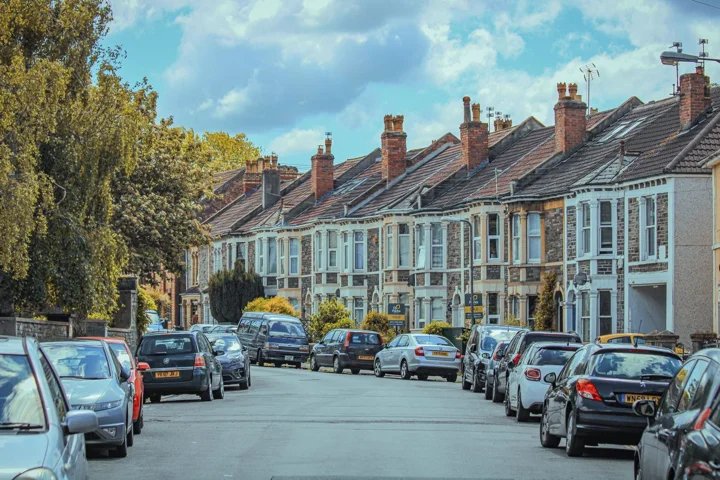
    Photo: Max W / Pexels. Illustrative photograph.

    Rules 1 to 35 of the Highway Code are written for pedestrians, but they matter to learner drivers in Great Britain because they tell you what people on foot are told to do, and where they are likely to step out. The rule that most affects drivers is Rule 8: a pedestrian who has started crossing at a junction has priority over traffic turning in. This guide sums up all 35 rules from the driver’s seat and points out what to expect on the road.

    Key facts

    • The pedestrian rules sit in four groups: general guidance (1 to 6), crossing the road (7 to 17), crossings (18 to 30) and situations needing extra care (31 to 35).
    • Rule 8 gives a pedestrian who has started crossing at a junction priority over turning traffic. Rule 170 and Rule H2 tell drivers to give way to people crossing or waiting to cross the road they are turning into or out of.
    • Rule 7 is the Green Cross Code.
    • Pedestrians MUST NOT be on motorways or slip roads except in an emergency (Rule 6).

    Rule 8: priority for pedestrians at junctions

    Rule 8 tells pedestrians to watch for traffic turning into the road, especially from behind them. If a pedestrian has started crossing and traffic wants to turn into the road, the pedestrian has priority. For you as a driver, two rules set out the other side of this:

    • Rule 170: give way to pedestrians crossing or waiting to cross a road you are turning into or out of. If they have already started crossing, they have priority.
    • Rule H2: the same duty, introduced with the hierarchy of road users. See Rules H1, H2 and H3 explained.

    In practice, slow early on the approach to a side road and look into it before you turn. Someone stepping off the kerb as you start to turn is a reason to stop, not to speed up.

    The Green Cross Code (Rule 7) and what it means for drivers

    1. Find a safe place to cross, ideally a crossing.
    2. Stop just before the kerb.
    3. Look and listen all around for traffic.
    4. Let traffic pass and wait for a safe gap.
    5. Walk straight across, keep looking and listening, and do not run.

    Many people do not follow it perfectly, and children often cannot. Rule 14 tells pedestrians crossing between parked cars to use the outer edge of the vehicles as the kerb, so expect people to appear from the gap between parked cars and pause at the line of their bumpers. The same rule tells them never to cross in front of or behind a vehicle with its engine running, especially a large one, because the driver may not see them. Rule 15 tells them never to cross behind a reversing vehicle, but you still need to check all around before you reverse.

    Where pedestrians walk, and why you should expect them in the road

    Rule What pedestrians are told What to expect as a driver
    1 Use the pavement, avoid walking next to the kerb with their back to traffic People close to the kerb may not see you coming from behind
    2 Where there is no pavement, walk on the right facing traffic, in single file; cross before a sharp right-hand bend On country lanes, walkers on your side of the road and people crossing near bends
    3 and 17 Wear bright clothing by day and reflective material at night; cross near a street light Many will not, so use dipped headlights and keep your speed down in the dark
    4 Keep young children between the adult and the traffic Children are small and hard to see beside parked cars
    5 Large organised groups keep to the left, with lookouts and lights after dark Groups walking in the road on lanes at night
    9 Where there are pedestrian safety barriers, cross only at the gaps left for pedestrians, and never climb over them or walk between them and the road Expect people to step out at the gaps in the railings, so watch those points closely
    10 Tactile paving: raised studs mark crossing points at dropped kerbs, and rounded raised bars mark level crossings, the top and bottom of steps and other hazards, for blind and partially sighted people Studded paving at a dropped kerb tells you someone may cross there. Expect a blind or partially sighted person to step out at that point, and give them time to cross
    11 and 12 Check which way traffic flows in one-way streets; take care at bus and cycle lanes, which may run against the flow Pedestrians may look the wrong way before stepping out
    13 Some routes are shared with cyclists. They may be split by a kerb, verge, change of surface or white line, or have no separation at all, so walkers and cyclists use the same space Where a shared path or cycle track meets the road at a side road or driveway, look for cyclists and pedestrians coming off it together, and at different speeds
    16 Pedestrians MUST NOT get onto or hold onto a moving vehicle If someone grabs your car or tries to climb on, stop safely rather than drive on
    35 Pavements may be closed for repairs, and people directed into the road Pedestrians walking in the carriageway at road works

    For country roads, Rule 206 tells drivers to slow down, be ready to stop and leave plenty of room for pedestrians on narrow rural roads without a footway. More on this in learning to drive on rural roads.

    Crossings: Rules 18 to 30 in brief

    These rules tell pedestrians how to use each crossing. The driver rules for the same crossings (191 to 199) are covered in full in the pedestrian crossings guide. The points that change how you drive:

    • Rule 19: pedestrians are told to watch for vehicles overtaking a car that has stopped at a zebra. Rule 191 says you MUST NOT overtake the vehicle nearest the crossing.
    • Rule 21: at traffic lights, pedestrians should start crossing only when the green figure shows. Where there are no pedestrian signals, they wait until the lights are red and traffic has stopped, and they are told to watch for traffic turning the corner. When your light turns green, people may still be finishing their crossing, so give way to them.
    • Rules 20 and 28: a zebra with a central island, and a staggered crossing, count as two separate crossings.
    • Rule 22: at a pelican, people should not start crossing on a flashing green figure, but anyone already on the crossing may still be finishing. This is when you see the flashing amber.
    • Rule 24: in congested traffic, vehicles on the pedestrian’s side may stop while the lights are green. Do not wave people across from a queue.
    • Rule 26: some crossings have bleeps, a voice or tactile signals for blind, partially sighted or deafblind people.
    • Rule 29: pedestrians cross when a police officer, traffic warden or school crossing patrol signals them. You MUST stop for a school crossing patrol showing a “Stop for children” sign (Rule 210).
    • Rule 30: where there is no crossing, people use a central island and cross each half separately.

    Situations needing extra care (Rules 31 to 35)

    Rule Situation Driver tip
    31 Emergency vehicles: pedestrians are told to keep off the road People may still be mid-crossing when you pull over for an ambulance
    32 Buses: board or leave only when the bus has stopped; never cross in front of or behind it Watch for people stepping out around a stopped bus. Rule 223 asks you to watch for people getting off a bus or tram and crossing
    33 Trams may run through pedestrian areas See driving alongside trams
    34 Level crossings: never cross on red lights, an alarm or lowering barriers See level crossings explained
    35 Street repairs close the pavement Drive slowly through road works where people may be in the road

    What the examiner looks for

    On the driving test in Great Britain, DVSA assesses how you deal with pedestrian crossings. Faults it lists include stopping on a crossing rather than before it, moving off before a pedestrian has fully cleared it, approaching too fast and failing to stop. For junctions, see road junctions explained and top reasons people fail.

    Common questions

    Do I have to stop for someone waiting to cross a side road I am turning into?

    The Highway Code says you should give way to pedestrians crossing or waiting to cross a road you are turning into or out of (Rule 170 and Rule H2). If they have already started crossing, they have priority.

    What is Rule 8 of the Highway Code?

    Rule 8 covers pedestrians crossing at junctions. It tells them to watch for traffic turning in, especially from behind, and says that if they have started crossing, they have priority over turning traffic.

    Which side of the road should pedestrians walk on with no pavement?

    Rule 2 says walk on the right-hand side, facing oncoming traffic, so on many lanes walkers will be on your side of the road coming towards you.

    Can pedestrians walk on a motorway?

    No. Rule 6 says pedestrians MUST NOT be on motorways or slip roads except in an emergency, such as after a breakdown.

    Should I wave a pedestrian across?

    No. Rule 195 tells drivers not to wave or flash lights to invite people across at a zebra, because another vehicle may be coming. Rule 111 also warns that flashing headlights are not an invitation to proceed.

    Are the pedestrian rules on the theory test?

    Yes. Questions on pedestrians come under the vulnerable road users topic. See the vulnerable road users topic guide.

    Back to the main guide: Learning to Drive in Great Britain. Related: road users requiring extra care.

    Sources

    • Department for Transport, “The Highway Code: Rules for pedestrians (1 to 35)” (gov.uk)
    • Department for Transport, “The Highway Code: Using the road (159 to 203)” (gov.uk)
    • Department for Transport, “The Highway Code: Road users requiring extra care (204 to 225)” (gov.uk)
    • Department for Transport, “The Highway Code: General rules, techniques and advice for all drivers and riders (103 to 158)” (gov.uk)
    • DVSA, “Understanding your driving test result: Car driving test” (gov.uk)
  • Booking the DVA Driving Test in NI: Fees, Centres, Release Dates

    Booking the DVA Driving Test in NI: Fees, Centres, Release Dates

    Photo: Irek Marcinkowski / Pexels. Illustrative photograph.

    You book the Northern Ireland car practical test with DVA, online through nidirect or by phone. As of November 2026 it costs £65 on a weekday or £95 for an evening or weekend slot. Car appointments are released 3 months ahead, on the first working day of each month, at every test centre. This guide covers what you need before booking, the release pattern, changing or cancelling, and the test centres.

    Key facts

    • Fee: £65 weekday, £95 evening or weekend (DVA, as of November 2026).
    • Extended test (after a ban): £130, weekdays only.
    • Release: car slots go live 3 months ahead, on the first working day of each month.
    • Book: online on nidirect, or by phone 9 am to 5 pm, Monday to Friday.
    • No booking fee when you book direct with DVA: you pay only the test cost.
    • NI provisional licence needed: since 1 October 2026, GB provisional holders cannot book or take car tests in Northern Ireland.

    What you need before you can book

    If you are You need
    A GDL learner (provisional from 1 October 2026) Theory test pass, the 6-month minimum learning period finished, and your GDL Logbook completed with final sign-off. The GDL system then passes your details to the booking system.
    A pre-GDL learner testing by 31 March 2027 Theory test pass and your NI provisional licence
    Anyone booking from 1 April 2027 The completed GDL Programme of Training and Logbook, as well as the theory pass

    For a phone booking have your provisional licence, theory test certificate and card details ready. See the GDL logbook app and the NI transition rules.

    When are DVA test dates released?

    All test centres release car appointments on the first working day of each month, covering dates about 3 months ahead. Popular centres fill up fast.

    • Be ready to book online on release day.
    • If your centre is full, try another centre.
    • Keep checking: DVA adds slots as resources allow, and other people cancel or move tests.
    • If you take a short-notice slot, you may not get an appointment letter before the test.

    Tests run on Saturdays, and on Sundays at some centres. Evenings and weekends cost the higher fee.

    DVA driving test fees (as of November 2026)

    Test Weekday Evening or weekend
    Car (category B) practical £65 £95
    Car extended test (disqualified drivers) £130 Not available
    Car and motorcycle theory test £23 £23

    Check the current figures on the nidirect “Driving test fees” page before booking. These are DVA fees and differ from the DVSA fees in Great Britain.

    Changing or cancelling your test

    Use nidirect’s “Change, cancel or view your practical driving test online” service, or phone. You need your booking reference, driving licence number, date of birth and access to the email address you booked with (a 6-digit code is sent there and lasts 20 minutes).

    Change or cancel by the last cancellation date and you keep or recover your payment. Your appointment notice shows the date. The pattern is:

    Test day Last day to change or cancel
    Monday Tuesday before the test
    Tuesday Wednesday before
    Wednesday Thursday before
    Thursday Friday before
    Friday Monday before
    Saturday Tuesday before

    Near a bank or public holiday, count the holiday as an extra day. If DVA cancels your test, it arranges another appointment at no extra cost, but does not pay compensation.

    Northern Ireland driving test centres

    DVA lists test centres in all six counties:

    • Antrim: Ballymena, Belfast, Larne, Lisburn, Mallusk
    • Armagh: Armagh, Craigavon
    • Down: Downpatrick, Hydebank (Belfast), Newry, Newtownards
    • Fermanagh: Enniskillen
    • Londonderry: Coleraine, Londonderry (two centres)
    • Tyrone: Cookstown, Omagh

    Not every centre runs every type of test. Check nidirect’s “Driving and vehicle test centres” page for which centres take car tests before you book.

    Disability or extra needs

    Phone the booking line and say you are calling about a driving test for a candidate with a disability. You can ask for a suitable appointment, and more time may be allowed.

    Using your own car?

    Citroen C3, DS3, C4, DS4 and DS5 models with an open “stop drive” safety recall cannot be used unless you bring a recall sign-off from the manufacturer. Check any car for open recalls before test day.

    Common questions

    How far ahead can I book my NI driving test?

    About 3 months. New car slots are released on the first working day of each month.

    Is the NI test fee the same as in Great Britain?

    No. DVA sets NI fees (£65 weekday). DVSA sets GB fees separately; see GB booking rules.

    Can I book with a GB provisional licence?

    No. Since 1 October 2026 you need a Northern Ireland provisional licence to book or take car tests in NI.

    Do I lose my fee if I cancel late?

    nidirect only promises to keep or recover your payment if you change or cancel by the last cancellation date on your appointment notice. For a short-notice cancellation because of COVID-19 or another respiratory infection, phone the booking line.

    Can I book through a third-party website?

    Booking direct with DVA means you pay only the test fee, with no admin charge. Use nidirect.

    What happens on the test itself?

    See the car driving test in GB and NI. The NI test changes from 1 April 2027.

    Main guide: Learning to drive in Northern Ireland.

    Sources

    • DVA, “Driving test fees” (nidirect.gov.uk)
    • DVA, “A guide to booking your practical driving test” (nidirect.gov.uk)
    • DVA, “Change, cancel or view your practical driving test online” (nidirect.gov.uk)
    • DVA, “Driving and vehicle test centres” (nidirect.gov.uk)
    • Department for Infrastructure, “Graduated Driver Licensing FAQs” (infrastructure-ni.gov.uk)
    • DVA, “What Graduated Driver Licensing means for learner drivers” (nidirect.gov.uk)
  • GDL Logbook Sign-Off: The Step That Unlocks Your NI Driving Test Booking

    GDL Logbook Sign-Off: The Step That Unlocks Your NI Driving Test Booking

    Photo: Jonathan Borba / Pexels. Illustrative photograph.

    Under Northern Ireland’s Graduated Driver Licensing (GDL) scheme, you cannot book your practical test until your GDL Logbook is complete. Every car learner records their training through the GDL app or website, each of the 14 mandatory modules must be signed off by a supervising driver or an approved driving instructor (ADI), and a final sign-off unlocks booking. This guide covers the logbook as a route to test day: setting up the account, using each module to build test skills, who can sign, and how DVA checks the record.

    What stands between you and booking

    • Who needs it: NI car learners whose provisional entitlement began on or after 1 October 2026, and from 1 April 2027 every learner who books a test.
    • Cost: £17 for the GDL account (car and motorcycle programmes).
    • Where: the GDL app (App Store or Google Play) or the online version on nidirect.
    • Car programme: 15 modules. Modules 1 to 14 are mandatory; Module 15 (motorway driving) is optional.
    • Who signs off: a supervising driver or an ADI, or a mix of both.
    • Before booking: 6-month minimum learning period, theory pass and completed logbook with final sign-off.

    Step 1: Create your GDL account

    Have these ready:

    • your email address
    • your postal address
    • your driver number (on your NI provisional licence)
    • a debit or credit card for the £17 fee

    Create the account through the green link on nidirect’s GDL page or in the app. Keep your login details safe: you need them every time. For account problems, use DVA’s “Ask DVA” service.

    Step 2: Use each module to build test skills

    The Programme of Training covers 14 mandatory modules, from the driver and the vehicle through to night-time driving, distraction and eco-safe driving. The full list and a suggested plan are in the 6 month plan and 15 modules.

    The logbook records free-text training details. DVA’s privacy notice lists the kind of thing kept:

    • dates of sessions
    • weather and lighting conditions
    • road type
    • how long you trained
    • commentary on the session

    Fill it in after each session while it is fresh. A record written up weeks later is harder for your supervisor to sign with confidence. Use the commentary to note what went wrong as well as what went well: a list of repeat mistakes is the same list an examiner would be marking as driving faults.

    Step 3: Get each module signed off when you can genuinely do it

    Who Can sign modules? Can do final sign-off? Requirements
    Supervising driver (parent, relative, friend) Yes Yes At least 21, full NI licence held for at least 3 years
    Approved driving instructor (ADI) Yes Yes Registered with DVA

    Each person who signs gives an e-signature. ADIs also record their Approved Instructor number.

    One exception: motorway training before your test (Module 15) can only be done with an ADI. If your provisional licence was in force before 1 October 2026, you cannot do it as a learner until 1 April 2027. See GDL Module 15.

    Step 4: Final sign-off unlocks your test booking

    1. All 14 mandatory modules completed and signed.
    2. Final sign-off by a supervising driver or ADI.
    3. Theory test passed and the 6-month minimum learning period finished.
    4. The GDL system passes your details to the DVA booking system, so you can book your practical test.

    A final sign-off says you have completed the programme, not that you will pass. Before you book, check you can drive a full test-length route without prompts and handle the reversing exercises and emergency stop. Then see booking the DVA practical test.

    How DVA checks your logbook

    • Your logbook details are matched against your provisional licence application.
    • DVA checks its driver licensing records to confirm each supervising driver meets the criteria.
    • If an ADI or motorcycle instructor signed, DVA checks they are registered.

    So make sure anyone signing meets the age, licence and 3-year requirements before they sign. Sign-offs must be genuine.

    Common questions

    Can my mum or dad sign off my modules?

    Yes, if they are at least 21 and have held a full NI licence for at least 3 years. You can use a parent, an ADI, or a combination.

    Does my supervisor need an NI licence?

    It depends on what they are doing. To sit beside you for ordinary practice, DVA’s general learner rules accept a full car licence from NI, GB or an EU country, held for at least 3 years, with the supervisor aged 21 or over. To sign your GDL logbook, DVA’s guidance for parents and supervising drivers describes a supervising driver with a full NI licence. If your supervisor holds a GB or EU licence, they can still help you practise, but check with DVA before they sign any module or the final sign-off.

    Do I need an ADI to get signed off for the test?

    No. DVA does not require ADI lessons for the mandatory modules: a supervising driver can sign them. Only pre-test motorway driving needs an ADI, and that is not available until 1 April 2027 if your provisional licence was in force before 1 October 2026.

    How many hours of practice does the logbook need?

    nidirect’s logbook page doesn’t set a number of hours. The time requirement is the 6-month minimum learning period from your first car provisional entitlement.

    I’m on Carer’s Allowance. Do I still need the logbook?

    Yes. You are exempt from the 6-month minimum learning period but must still complete the Programme of Training and Logbook.

    Is the £17 charged again if I fail my test?

    DfI describes it as a cost for the use of the app. It does not mention a further charge after a failed test. Check with DVA if you are asked to pay again.

    I started learning before 1 October 2026. Do I need the app?

    Only if you test on or after 1 April 2027. See the NI transition rules.

    Looking for lessons or an instructor? Our sister site Compare Driving Instructors covers lesson prices and choosing an instructor.

    Related: what changed on 1 October 2026, provisional licence rules. Main guide: Learning to drive in Northern Ireland.

    Sources

    • DVA, “Create or access your Graduated Driver Licensing Account” (nidirect.gov.uk)
    • DVA, “The Programme of Training and Logbook” (nidirect.gov.uk)
    • DVA, “Guidance for parents and supervising drivers” (nidirect.gov.uk)
    • DVA, “Minimum ages and rules for learner drivers and riders” (nidirect.gov.uk)
    • Department for Infrastructure, “Graduated Driver Licensing FAQs” (infrastructure-ni.gov.uk)
    • Department for Infrastructure, “DVA Graduated Driver Licensing Privacy Notice” (infrastructure-ni.gov.uk)
    • DVA, “What Graduated Driver Licensing means for learner drivers” (nidirect.gov.uk)
    • DVA, “Motor vehicle documentation, learner and newly qualified driver requirements” (nidirect.gov.uk)
    • Department for Infrastructure, The Motorways Traffic (Amendment) Regulations (Northern Ireland) 2026, SR 2026/143, regulation 4 (new regulation 11(2) and 11(3)) (legislation.gov.uk)
  • Supervising a Learner Driver: The Rules and Practice That Gets Them Test-Ready

    Supervising a Learner Driver: The Rules and Practice That Gets Them Test-Ready

    Photo: Mike Bird / Pexels. Illustrative photograph.

    Private practice with a parent, relative or friend is where many learners build the extra hours that get them to test standard. To supervise a learner driver in Great Britain you must be at least 21, qualified to drive that type of car, have held a full licence for at least 3 years, and not be banned. You also have to stay under the drink drive limit, keep your hands off your phone and take no payment. This guide covers the legal rules for supervisors in England, Scotland and Wales, and how to use each session to get the learner ready to pass.

    Can you supervise? The legal checklist

    • Aged 21 or over.
    • Qualified to drive the type of vehicle. To supervise in a manual car you need a manual licence.
    • Held a full licence for at least 3 years. A licence from the UK, the EU, Switzerland, Norway, Iceland or Liechtenstein counts.
    • Not banned from driving.
    • Unpaid. Taking any money, including for fuel, is illegal. Only approved driving instructors (ADIs) and trainee instructors can be paid.

    Some insurers also require the supervisor to be over 25. That is an insurer rule, not the law, so check your policy.

    What the learner needs before every practice drive

    Requirement Detail
    Provisional licence A valid provisional licence for a car. See provisional licence rules.
    Eyesight Must meet the minimum eyesight standard. See driving eyesight rules.
    L plates Red L plates on the front and back (D plates or L plates in Wales). Remove or cover them when a full licence holder drives.
    Insurance Cover for a learner driving that car (see below).
    Roadworthy, taxed car The car needs road tax and, if over 3 years old, an MOT. See car documents explained.

    Insurance for practice drives

    Whose car? What the learner needs
    Your car (the supervisor’s) Named as a learner driver on your policy, or their own learner driver policy for your car. A claim on your policy may affect your no claims discount.
    The learner’s own car They must be the registered keeper and have their own learner policy. The supervisor is usually covered by it.
    Someone else’s car The owner’s policy covering them as a learner, or their own learner policy for that car.

    Without insurance the learner can get an unlimited fine, a driving ban and up to 8 penalty points.

    Five things a supervisor must not do

    • Drink: you must not be over the legal alcohol limit. GOV.UK advises not drinking at all before supervising. The limit is lower in Scotland. See drink and drug driving limits.
    • Drugs or medicine: don’t supervise if you are under the influence, or with illegal drugs or certain medicines in your blood above the specified limits.
    • Phone: you must not hold and use a phone, sat nav or tablet for any reason while supervising. That includes calls, texts, photos and browsing. See phone and sat nav law.
    • Motorways: it is illegal for a learner to drive on a motorway with family or friends. Learners can only use motorways with an ADI in a dual-control car. See learners and motorways.
    • Take payment: not even petrol money.

    A learner who drives without proper supervision can be fined up to £1,000 and get up to 6 penalty points on their provisional licence. Those points stay with them after they pass the test, so they count towards the New Drivers Act 6 point limit.

    Supervising safely from the passenger seat

    • Sit in the front passenger seat. You are in charge of the car, even though the learner is driving.
    • Look and think further ahead than you normally would, so you spot hazards early.
    • Give clear, calm directions in good time: “at the next junction, turn left”, not “left here”.
    • In a dangerous situation, speak firmly. If needed, take hold of the wheel, use dual controls if fitted, and use the handbrake as a last resort.
    • Reschedule if either of you is angry, stressed, upset or tired.
    • Extra passengers are allowed if they don’t distract the learner. The learner is responsible for children under 14 using a seat belt or child restraint.

    GOV.UK also recommends fitting an extra rear-view mirror for the supervisor.

    Turning practice into test readiness

    1. Ask the learner’s instructor what to work on. Practise the same skills in the same way, so you don’t undo their lessons or build habits the examiner will mark as faults.
    2. Start on quiet roads and build up to busier ones, junctions, roundabouts, rural roads and night driving.
    3. Record each session. GOV.UK offers a form you can download for this, and the learner should show the record to their instructor at the next lesson.
    4. Use DVSA’s top fault list as a checklist on every drive. See top reasons people fail the driving test.
    5. Nearer test day, cover the test elements: the reversing exercises, pulling up on the right, a hill start, and a stretch of independent driving where you only give directions. Ask “show me, tell me” questions before you set off.
    6. Finish with a full mock: about 35 minutes, no help, faults tallied the examiner’s way. The pass standard is no more than 15 driving faults and no serious or dangerous faults. Motorway practice is the one gap you cannot fill; that has to be with an ADI.

    Scenario: can Dad take Amy out for test practice tonight?

    Dad is 46, has a full manual licence held for 20 years and had one pint with dinner. Amy has a provisional licence and is named on Dad’s insurance as a learner.

    • Age, licence and insurance: all fine.
    • Alcohol: the rule is that he must not be over the limit, and GOV.UK’s advice is not to drink at all before supervising. The safe call is to wait until tomorrow.
    • If they go: L plates on, Dad’s phone away, no motorway, and log the session afterwards.

    Common questions

    Can my 20-year-old brother supervise me?

    No. The supervisor must be at least 21 and have held a full licence for at least 3 years.

    Can an automatic-only licence holder supervise in a manual car?

    No. The supervisor must be qualified to drive the type of car the learner is in. An automatic licence holder can supervise in an automatic.

    Can I give my supervisor petrol money?

    No. Accepting any payment for supervising, including fuel money, is illegal unless the supervisor is an ADI or trainee instructor.

    Does my supervisor need to be on the insurance?

    It is the learner who must be insured to drive. If the learner has their own learner policy, the supervisor is usually covered by it. Check the policy wording.

    Can I drive on the motorway with my parent?

    No. In Great Britain learners can only drive on motorways with an approved driving instructor in a car with dual controls.

    Can friends sit in the back while I practise?

    Yes, as long as they don’t distract you. You are responsible for under-14s being properly belted or in a child seat.

    Are the rules different in Northern Ireland?

    Yes in places. Northern Ireland learners also have the GDL logbook, which a supervising driver can sign off. See the GDL logbook app and learning to drive in Northern Ireland.

    Looking for lessons or an instructor? Our sister site Compare Driving Instructors covers lesson prices and choosing an instructor.

    Main guide: Learning to drive in Great Britain.

    Sources

    • DVSA, “Driving lessons and learning to drive: Practising with family or friends” (gov.uk)
    • DVSA, “Supervise a learner driver” (gov.uk)
    • Department for Transport, “The Highway Code: Annex 3. Motor vehicle documentation and learner driver requirements” (gov.uk)
  • Driving Test Manoeuvres in GB: Parallel, Bay Park, Pull Up Right

    Driving Test Manoeuvres in GB: Parallel, Bay Park, Pull Up Right

    Photo: Boys in Bristol Photography / Pexels. Illustrative photograph.

    On the car driving test in Great Britain you do one reversing or parking exercise: a parallel park, a bay park, or pulling up on the right and reversing about 2 car lengths. Some candidates are also asked to do an emergency stop, which DVSA now sets on about 1 in 7 tests. This guide covers what each manoeuvre involves, what the examiner marks, and the mistakes that turn into faults.

    Key facts

    • How many: one manoeuvre per test, chosen by the examiner.
    • Options: parallel park at the side of the road; bay park (drive in and reverse out, or reverse in and drive out); pull up on the right, reverse about 2 car lengths and rejoin traffic.
    • Emergency stop: about 1 in 7 tests since 24 November 2025 (it was about 1 in 3 before).
    • What is marked: control and observation. Accuracy matters, but a careful, well-observed manoeuvre beats a quick one.
    • No surprises allowed: you won’t know which manoeuvre you get until the examiner asks.

    Which manoeuvre will I get?

    DVSA’s examiner guidance says examiners choose, and should use each manoeuvre equally over time. So practise all of them to the same standard. Bay parks are normally done in a car park, often at the test centre at the start or end of the test.

    Three top-down panels: a parallel park reversing into a kerbside space within about 2 car lengths, a bay park reversing into a car park bay, and pulling up on the right side of the road then reversing about 2 car lengths before rejoining on the left.
    The three reversing or parking exercises on the GB car test. Illustrative diagram, not to scale.
    Manoeuvre What you do Typical faults
    Parallel park Reverse into a space at the side of the road, behind one parked car or between two. Finish within about 2 car lengths and parallel to the kerb. Hitting or mounting the kerb, ending up far from the kerb or at an angle, missing a cyclist or pedestrian approaching
    Reverse bay park Reverse into a bay (usually your choice of bay), then drive out Several shunts to correct position, finishing over the lines, not looking all round
    Forward bay park Drive forwards into a bay, then reverse out Poor observation when reversing out into the car park aisle
    Pull up on the right Pull up on the right side of the road when safe, reverse about 2 car lengths, then rejoin traffic Misjudging oncoming traffic as you cross, relying only on mirrors, touching the kerb, parking too far from it

    What does the examiner look for?

    DVSA’s own guide to understanding your test result lists two skills for every manoeuvre:

    • Control: slow, steady speed using clutch control (or brake control in an automatic). Having to reposition the car a lot because of poor control is marked.
    • Observation: effective all-round checks before and during the manoeuvre, and reacting properly to anyone who comes near. Stop and wait if someone approaches.

    One small correction is fine. Hitting the kerb, finishing outside the bay or ignoring a pedestrian behind you are where marks go.

    How to do a parallel park

    1. Check mirrors, signal if it helps others, and stop alongside the target car, about a door’s width away.
    2. Select reverse. Look all round, including both blind spots.
    3. Reverse slowly. When your instructor’s reference point lines up, steer towards the kerb.
    4. Keep looking around while you move, not just in the mirrors.
    5. As the car straightens, steer back to bring the front in.
    6. Stop parallel and close to the kerb, within about 2 car lengths of the car in front.

    About reference points: a reference point (“steer when the kerb reaches this part of the mirror”) only works for one car from one seat position. Seat height, the car’s size and length, a sloping road and how much steering is already on all change it. If you switch cars, or copy a point from a video, check it again with your instructor somewhere quiet. Treat it as a guide to position, never as proof that the space around you is clear. If a pedestrian or car comes into the area mid-manoeuvre, stop and wait rather than carrying on with the steering sequence, and watch the front of the car swing out as well as the back.

    How to do a bay park

    Reversing in

    1. Pick your bay and position the car so you have room to swing in.
    2. Full observation all round, then reverse slowly.
    3. Steer into the bay using the lines in your side mirrors as a guide, checking all round as you go.
    4. Straighten up and stop with the car central and inside the lines.
    5. Drive out, checking for pedestrians and moving cars.

    Driving in forwards

    Driving in is easier. The hard part is reversing out into the aisle, where your view is limited. Creep back slowly and keep checking both ways and behind.

    How to pull up on the right and reverse

    1. When asked, check mirrors, signal right and wait for a safe gap in oncoming traffic.
    2. Cross and stop reasonably close to the right-hand kerb.
    3. Look all round, then reverse slowly in a straight line for about 2 car lengths. Look over your shoulder, not only in the mirrors.
    4. Stop, then rejoin the road on the left when safe. Check your blind spots: traffic can come from both directions.

    Off the test, remember Highway Code Rule 248: you must not park on a road at night facing against the traffic flow unless you are in a recognised parking space. See parking rules in the Highway Code.

    The emergency stop (controlled stop)

    From 24 November 2025, DVSA reduced the emergency stop to about 1 in 7 tests. If you get one, the examiner will tell you what the signal will be.

    • Assessed: how quickly you react, and whether you stay in control.
    • Do: brake firmly and progressively, keep both hands on the wheel, and press the clutch just before you stop.
    • Don’t: lock the wheels and skid. This matters most in cars without ABS.
    • Afterwards: handbrake, neutral, then full checks including both blind spots before moving off. Missing the rear check after an emergency stop is one of the examples in DVSA’s top fault “not moving off safely”.

    Practising it: do your first emergency stops with your instructor in a quiet place they have chosen, and only once they have told you the signal. Never try a surprise hard stop with traffic behind. Find out whether your practice car has ABS and read what the handbook says it feels like, because the pedal can feel or sound different when it works. ABS helps you keep steering, but it does not add grip or guarantee a shorter stop. The best emergency-stop skill is still needing it less: good observation, sensible speed and a safe gap.

    Stopping distances are covered in stopping distances explained.

    Common questions

    Do you still have to reverse around a corner or turn in the road?

    Not in Great Britain. They are not among the three options on the GB car test. Northern Ireland’s DVA test still includes reversing around a corner and turning in the road. See learning to drive in Northern Ireland.

    Can I choose which manoeuvre I do?

    No. The examiner chooses. For a reverse bay park they normally let you pick the bay.

    Can I use the parking camera or sensors?

    GOV.UK says you can take the test in a car with parking sensors and cameras. DVSA’s advice is to treat them as an aid only: you are still marked on looking all round yourself, so don’t rely on a screen.

    Can I correct a manoeuvre if it goes wrong?

    Yes. A small correction is fine. It is repeated repositioning because of poor control, or doing it without looking, that gets marked.

    Is touching the kerb an automatic fail?

    Not automatically. A light touch may be a driving fault. Mounting the kerb, or hitting it hard, is more likely to be serious. The examiner judges it on the circumstances.

    Why did DVSA cut emergency stops?

    DVSA made permanent changes from 24 November 2025 after a trial, which also cut the number of stops in the test from 4 to 3. DVSA said there was no change to the manoeuvre requirements.

    Related: top reasons people fail the driving test, driving test faults explained, reversing in the Highway Code. Main guide: Learning to drive in Great Britain.

    Sources

    • DVSA, “Driving test: cars: What happens during the test” (gov.uk)
    • DVSA, “Understanding your driving test result: car driving test” (gov.uk)
    • DVSA, “Carrying out driving tests: examiner guidance, 1. Car driving test and extended car driving test” (gov.uk)
    • DVSA, “Making adjustments to the driving test” (despatch.blog.gov.uk)
    • DVSA, “Top 10 reasons for failing the driving test in Great Britain” (gov.uk)
    • DVA, “About the practical test for cars” (nidirect.gov.uk)
    • DVSA, “Driving test: cars: Using your own car for your test” (gov.uk)
    • DVSA, “Manoeuvres (skills 17 to 20)”, Ready to Pass? (readytopass.campaign.gov.uk)
    • Department for Transport, “The Highway Code: Waiting and parking (238 to 252)” (gov.uk)
  • Top 10 Reasons People Fail the Driving Test in Great Britain

    Top 10 Reasons People Fail the Driving Test in Great Britain

    Photo: Lina Kivaka / Pexels. Illustrative photograph.

    The most common reason people fail the car driving test in Great Britain is not making effective observations at junctions. DVSA’s latest list covers tests in England, Scotland and Wales between April 2024 and March 2025. This guide takes each of the 10 reasons in turn: what the examiner sees, and what to practise so it doesn’t happen to you.

    Key facts

    • Source: DVSA, “Top 10 reasons for failing the driving test in Great Britain”, updated 14 August 2025.
    • Period covered: April 2024 to March 2025.
    • Number 1 and 2: junction observations, then mirrors when changing direction.
    • How you fail: one serious or dangerous fault, or more than 15 driving faults. See driving test faults explained.
    • DVSA’s advice: if you regularly make these mistakes in lessons or practice, you are not ready for your test yet.

    The DVSA top 10 at a glance

    Rank Reason How the examiner records it
    1 Not making effective observations at junctions Junctions: observations
    2 Not using mirrors correctly when changing direction Mirrors: change direction
    3 Not moving off safely Moving off: safety
    4 Incorrect positioning when turning right at junctions Junctions: turning right
    5 Not responding appropriately to traffic lights Response to signals: traffic lights
    6 Not having proper control of the steering Control: steering
    7 Not responding correctly to road markings Response to signals: road markings
    8 Not responding correctly to traffic signs Response to signals: traffic signs
    9 Poor positioning on the road during normal driving Positioning: normal driving
    10 Not driving at a safe and reasonable speed Use of speed

    1. Not making effective observations at junctions

    What the examiner sees: pulling out in front of approaching traffic, misjudging how fast something is coming, looking too late, or not looking properly at crossroads and when joining from a slip road.

    Fix it: slow down early enough that you have time to look. Look right, left and right again, and keep looking as you creep forward if the view is blocked. If you are not sure the gap is big enough, wait. More on emerging at road junctions explained.

    2. Not using mirrors correctly when changing direction

    What the examiner sees: no mirror check before leaving a roundabout or changing lanes, so another driver has to slow down or swerve.

    Fix it: mirrors before you signal, turn or change speed, every time. Then act on what you saw. A glance you don’t react to still counts as a fault. See mirror, signal, manoeuvre.

    3. Not moving off safely

    What the examiner sees: moving off into the path of traffic, skipping the blind-spot check, or not checking behind after an emergency stop.

    Fix it: mirrors and the right shoulder blind spot every time you pull away: from the kerb, on a hill, from behind a parked car and after the emergency stop. Check again just before you actually move.

    4. Incorrect positioning when turning right at junctions

    What the examiner sees: the wrong lane at a roundabout, waiting too far left so traffic behind can’t pass on your left, or blocking following traffic.

    Fix it: when turning right, position as close to the centre of the road as is safe. Read the lane markings and signs early so you are in the right lane before you need to be.

    5. Not responding appropriately to traffic lights

    What the examiner sees: going through a red light, stopping beyond the advanced stop line for cyclists, not moving off on green when it is clear, or driving into a junction that is blocked.

    Fix it: stop at the first white line, not in the cycle box. On green, check the junction is clear before going. Know your traffic light sequence so amber doesn’t surprise you.

    6. Not having proper control of the steering

    What the examiner sees: not steering enough on left turns or bends, swinging wide on right turns, mounting the pavement when pulling up, and steering late around parked cars.

    Fix it: get your speed right before the turn so steering is smooth, look where you want to go, and practise pulling up close to the kerb without touching it.

    7. Not responding correctly to road markings

    What the examiner sees: following a lane arrow the wrong way, straddling lanes on roundabouts, crossing solid white lines without good reason, entering a box junction when the exit is not clear, and driving over the centre of a mini roundabout.

    Fix it: read the arrows painted in each lane well before the junction. Brush up on road markings and mini roundabouts.

    8. Not responding correctly to traffic signs

    What the examiner sees: passing the wrong side of a keep left sign, ignoring stop or no entry signs, driving in a bus lane when it is in use, choosing the wrong roundabout lane, and reacting late to a change in speed limit.

    Fix it: scan far ahead for signs, not just at the road in front. Independent driving often follows signs, so this matters even more there. See UK road signs explained.

    9. Poor positioning on the road during normal driving

    What the examiner sees: driving too close to the kerb or to the centre line, staying in the right lane of a dual carriageway for no reason, or going straight across a roundabout instead of following its curve.

    Fix it: keep to the middle of your lane, return to the left lane after overtaking, and only change lanes when you need to. See lane discipline.

    10. Not driving at a safe and reasonable speed

    What the examiner sees: going over the limit (including temporary limits at roadworks), not slowing down in busy areas or bad weather, and taking bends too fast.

    Fix it: drive at a speed where you can stop well within the distance you can see to be clear. See UK speed limits.

    A quick self-test before you book

    Ask your instructor or supervisor to watch for these during a mock test drive. You are close to ready when they can tick every line:

    • Every junction: slowed early, looked properly, no one had to brake for you.
    • Every change of direction or speed: mirrors first.
    • Every move off: mirrors plus blind spot.
    • Right turns: positioned near the centre line, right lane on roundabouts.
    • Lights, signs and markings: obeyed without prompting.
    • Steering: no clipped kerbs, no wide swings.
    • Speed: within limits, adjusted for conditions, not hesitant.

    If you have just failed: what to practise next

    Start with what actually happened, not with a verdict on yourself. “I missed the cyclist check on two left turns” is something you can practise; “I am a bad driver” is not.

    1. Use your test report. Go through the faults the examiner marked and the explanation they gave, ideally with your instructor.
    2. Find the cause. Ask whether the fault came from observation, speed, position, priority, control or planning. A lane-change fault caused by planning too late needs earlier planning, not just more lane changes.
    3. Set one clear goal for the next lesson, practise it somewhere suitable, then build it back into mixed driving.
    4. Look for consistency. You are ready to rebook when you can do it repeatedly without prompts, using the self-test above.

    A tidy manoeuvre does not cancel out a junction problem, and one bad manoeuvre does not mean relearning everything.

    Common questions

    What is the number one reason for failing the driving test?

    Not making effective observations at junctions. It has been top of DVSA’s list for the latest period, April 2024 to March 2025.

    Does one mistake from the list mean an automatic fail?

    Only if the examiner marks it as a serious or dangerous fault. A minor slip that puts no one at risk is a driving fault, and you can have up to 15. Repeating the same driving fault can turn it into a serious fault.

    Are reverse parking mistakes still in the top 10?

    Not in the April 2024 to March 2025 list. Older DVSA lists included control during reverse parking. Manoeuvres are still assessed, so see driving test manoeuvres.

    Is taking a wrong turning a fault?

    No. DVSA says a wrong turn is not a fault, and the examiner will help you get back on the route. Just don’t make an unsafe late lane change to correct it.

    Does this list apply in Northern Ireland?

    No. This is DVSA data for Great Britain only. Northern Ireland tests are run by DVA. See learning to drive in Northern Ireland.

    Where can I find the full DVSA data?

    DVSA publishes a yearly data set of the top 10 faults for car tests on GOV.UK, under “Car driving tests with zero faults and top 10 faults data”.

    Back to the main guide: Learning to drive in Great Britain. Booking soon? Read the 2026 booking rules.

    Sources

    • DVSA, “Top 10 reasons for failing the driving test in Great Britain” (gov.uk)
    • DVSA, “Car driving tests with zero faults and top 10 faults data” (gov.uk)
    • DVSA, “Driving test: cars: What happens during the test” (gov.uk)
    • DVSA, “Understanding your driving test result: car driving test” (gov.uk)
  • Driving Test Faults: Minor, Serious, Dangerous and the 15 Limit

    Driving Test Faults: Minor, Serious, Dangerous and the 15 Limit

    Photo: Sinitta Leunen / Pexels. Illustrative photograph.

    On the car driving test in Great Britain you pass with no more than 15 driving faults (minors) and no serious or dangerous faults (majors). One serious or dangerous fault is enough to fail, however well the rest of the drive goes. This guide explains how DVSA defines each type of fault, how minors can turn into a serious fault, what happens after a pass or a fail, and how appeals work.

    Key facts

    • Pass mark: up to 15 driving faults and 0 serious or dangerous faults.
    • Driving time: around 35 minutes, including 20 to 35 minutes of independent driving.
    • Instant fail before you drive: failing the number plate eyesight check ends the test.
    • After a fail: rebook and pay again, with a date at least 10 working days away.
    • Wrong turning: not a fault. The examiner will help you get back on route.

    The three types of driving test fault

    Fault DVSA definition Effect on result
    Driving fault (minor) Not potentially dangerous. But if you keep making the same fault, it could become a serious fault. Up to 15 allowed
    Serious fault (major) Something potentially dangerous Fail
    Dangerous fault (major) Involves actual danger to you, the examiner, the public or property Fail

    How can minors become a serious fault?

    DVSA’s definition is the key: a driving fault repeated often enough “could become a serious fault”. So 15 is a ceiling, not a target. A habit that keeps showing up, such as missing the same mirror check over and over, can be marked as serious even if your total is well under 15.

    Scenarios: how the same mistake can be marked differently

    What happens Likely type Why
    You move off without a final blind-spot check, but the road is empty Driving fault No one was put at risk
    You move off without a blind-spot check and a cyclist has to brake Serious or dangerous Potential or actual danger to another road user
    You take a wrong turn while following road signs Not a fault DVSA does not fault wrong turnings

    These are illustrations of the definitions, not official marking rules. The examiner judges each fault on the circumstances.

    What happens during the test

    1. Eyesight check: read a number plate at 20 metres (20.5 metres for an old-style plate). Fail it and the test ends. See driving eyesight rules.
    2. ‘Tell me’ question before you drive, and a ‘show me’ question while driving. See show me, tell me questions.
    3. General driving in various road and traffic conditions (no motorways), including pulling over, pulling out from behind a parked vehicle, a hill start and possibly an emergency stop.
    4. Independent driving for 20 to 35 minutes, following a sat nav, traffic signs or both. See independent driving on the test.
    5. One reversing exercise: parallel park, bay park, or pull up on the right and reverse about 2 car lengths. See driving test manoeuvres.

    If you make a mistake, carry on. It might not affect your result if it is not serious. The examiner only stops the test if they think your driving is a danger to other road users.

    If you pass

    • The examiner tells you any faults you made and gives you a pass certificate.
    • You can have your full licence sent automatically by handing over your provisional licence. Otherwise, apply within 2 years of passing.
    • You can drive straight away, but you need insurance that covers you to drive unsupervised.
    • Contact DVLA if your full licence hasn’t arrived 3 weeks after you applied.
    • For your first 2 years, 6 penalty points cancels your licence. See the New Drivers Act.

    If you fail

    • The examiner tells you what faults you made. Note them down while they are fresh.
    • Book another test and pay again. The date must be at least 10 working days away.
    • Remember the 2026 booking rules: only you can book, and you have only 2 changes per booking. See driving test booking rules 2026.

    The most common faults are covered in the top reasons people fail the driving test.

    Can you appeal a driving test result?

    Only if you can prove the examiner did not follow the law. Your result cannot be changed, but you might get a refund or a free retest.

    • First, complain to DVSA with your proof.
    • If DVSA disagrees, you may be able to appeal to a court: within 6 months in England and Wales, or within 21 days in Scotland.
    • If a court appeal fails, you might have to pay significant legal costs.

    See also when a driving test is cancelled or goes wrong.

    Common questions

    How many minors can you get on a driving test?

    Up to 15 driving faults, with no serious or dangerous faults.

    Can you fail with only a few minors?

    Yes, if the same fault is repeated enough to be marked as serious, or if you also get one serious or dangerous fault.

    Will the examiner stop the test if I make a serious fault?

    Not usually. They only stop the test if your driving is a danger to other road users. Keep driving your best.

    Can my instructor sit in?

    Yes. The examiner will ask if you want someone, usually your instructor, in the back. They must be over 16 and can’t take part.

    Are the rules the same for automatic cars?

    Yes. The test is the same for manual and automatic cars.

    Related: the practical driving test guide, what to bring on test day and the car driving test in GB and NI. Back to the main guide: Learning to Drive in Great Britain.

    Sources

    • GOV.UK, “Driving test: cars: Driving test faults and your result” (gov.uk)
    • GOV.UK, “Driving test: cars: What happens during the test” (gov.uk)
    • Driver and Vehicle Standards Agency, “Changes to driving test booking rules in 2026” (gov.uk)
    • GOV.UK, “Learn to drive a car: step by step” (gov.uk)
  • Driving Test Booking Rules 2026: 2 Changes and Nearby Centres

    Driving Test Booking Rules 2026: 2 Changes and Nearby Centres

    Photo: Andrea Piacquadio / Pexels. Illustrative photograph.

    Since spring 2026, three new DVSA rules apply to car driving tests in England, Scotland and Wales. You can make only 2 changes to a booking (from 31 March 2026). Only the learner can book or manage their own test (from 12 May 2026). You can move a test only to one of the 3 nearest test centres (from 9 June 2026). Cancellation-finder apps and websites are also banned. This guide explains each rule, what counts as a change, and how to avoid wasting your changes.

    The 2026 rules at a glance

    Rule Old rule New rule Since
    Changes allowed per booking Up to 6 Only 2 31 March 2026
    Who can book your test You or your instructor Only you 12 May 2026
    Who can manage your test You or your instructor Only you 12 May 2026
    Unofficial services that scan for tests Allowed Not allowed 12 May 2026
    Where you can move your test Any test centre Only the 3 nearest centres 9 June 2026

    The rules apply only to car tests, not to other test types. Northern Ireland has separate guidance: see booking the DVA practical test.

    Who can book a driving test in 2026?

    Only you, the learner, on GOV.UK. It is against the law for anyone else to book, change, swap or cancel a car driving test for you, including your driving instructor and third-party services. When you book, you confirm that you are the learner taking the test and agree to the terms and conditions.

    Before you book

    • Agree with your instructor that you are ready.
    • Get their driving instructor reference number and enter it, so the system checks they are available.
    • Book only at a centre you intend to use, because you can move only to nearby centres later.
    • Choose a date you realistically expect to be ready by.

    You must have passed your theory test first. The practical test costs £62 to £75 (as of November 2026). See booking your theory test.

    What counts as a change?

    Uses one of your 2 changes Does not count
    Changing the date or time Updating your address or contact details
    Changing the test centre Adding or removing your instructor’s reference number
    Swapping your appointment with another learner Any change DVSA makes, for example for bad weather
    • Changing several things at once, such as the date and centre together, counts as one change.
    • If DVSA changes your test, you are reset to 2 changes. From 19 June 2026 you can use those reset changes online.
    • If you had used all your changes under the old rules, you got 2 more from 31 March 2026.

    Used both changes? Your options

    You have to cancel and book a new test. You get a full refund if you cancel at least 10 full working days before the test date. DVSA advises using your limited changes only when your circumstances genuinely change.

    If something goes wrong on the day, see when a driving test is cancelled or goes wrong.

    What does “nearby test centre” mean?

    When you change centre, you can move only to:

    • any of the 3 test centres nearest to where your test is currently booked, or
    • the test centre you first booked at on that booking.

    Worked example (from DVSA’s guidance)

    1. You book at Chesterfield. Its 3 nearest centres are Sheffield (Handsworth), Ashfield and Sheffield (Middlewood Road).
    2. First change: you move to Sheffield (Handsworth).
    3. Second change: you can move to the 3 nearest centres to Sheffield (Handsworth), which are Rotherham, Sheffield (Middlewood Road) and Worksop. Or you can go back to Chesterfield.

    You can check which centres are nearest to each other on GOV.UK.

    Booked before 9 June 2026?

    The rule uses where your test was booked on 9 June 2026, not where you first booked. If you had already moved your test somewhere else before then, you can’t move back to the original centre.

    Cancellation-finder apps are banned

    You must not use unofficial services that scan the booking system for appointments, including cancellation-finder websites and apps. DVSA monitors the booking service. If you break the terms, it can:

    • suspend your online access, so you can book and manage only by phone
    • cancel your booking

    Can a parent help me book?

    Yes. A friend, family member or support worker can help, but you must be with them while they do. Do as many steps as you can yourself, and use an email address and phone number that belong to you or that you can easily access.

    What changed for driving instructors?

    • Instructors can no longer book or manage car tests for pupils.
    • Tests they booked before the change still go ahead. They must give pupils the test reference numbers so pupils can manage their own tests.
    • Instructors set their availability in the system, so a booking with their reference number checks they are free.

    Common questions

    How many times can I change my driving test in 2026?

    Twice per booking. After that, you have to cancel and rebook.

    Does changing the date and centre together use both changes?

    No. It counts as one change.

    Can my instructor still move my test?

    No. Since 12 May 2026, only you can book, change, swap or cancel your car test.

    What if DVSA cancels my test because of the weather?

    It does not count against you, and you are reset to 2 changes.

    Can I move my test to a centre in another city?

    Only if it is one of the 3 centres nearest to where your test is booked. Otherwise, cancel and book a new test there.

    Can I swap tests with another learner?

    Yes, swapping with a learner who already has a test booked is allowed, but it uses one of your changes.

    If I fail, how soon can I rebook?

    You must choose a date at least 10 working days away. See driving test faults and your result.

    Related: what to bring on test day and the practical test guide. Back to the main guide: Learning to Drive in Great Britain.

    Sources

    • Driver and Vehicle Standards Agency, “Changes to driving test booking rules in 2026” (last updated 19 June 2026) (gov.uk)
    • GOV.UK, “Learn to drive a car: step by step” (gov.uk)
    • GOV.UK, “Driving test: cars: Driving test faults and your result” (gov.uk)
  • Driving Eyesight Test UK: 20 Metre Number Plate Rule and 6/12

    Driving Eyesight Test UK: 20 Metre Number Plate Rule and 6/12

    Photo: Antoni Shkraba / Pexels. Illustrative photograph.

    To drive in Great Britain you must be able to read a car number plate from 20 metres, about the length of 5 parked cars. You must also have a visual acuity of at least decimal 0.5 (6/12) on the Snellen scale using both eyes together, and an adequate field of vision. Glasses or contact lenses are allowed if you need them. Your practical driving test starts with this number plate check, and if you fail it, the test ends and your licence is revoked. This guide explains the standard, the test-day check, and when you must tell DVLA.

    Key facts

    • Number plate: 20 metres for a new-style plate, 20.5 metres for an old-style plate (on the driving test).
    • Acuity: at least decimal 0.5 (6/12) on the Snellen scale, both eyes together (or the one eye if you have sight in only one).
    • Field of vision: must be adequate. An optician can test it.
    • Glasses or lenses: if you need them to meet the standard, you must wear them every time you drive.
    • Fail the test-day check: the test stops, you fail, DVLA is told and your licence is revoked.

    The three parts of the eyesight standard

    Requirement What it means Who checks it
    Read a number plate at 20 metres With glasses or lenses if you use them for driving Your examiner, at the start of the practical test
    Visual acuity of decimal 0.5 (6/12) Measured on the Snellen letter chart, both eyes together An optician
    Adequate field of vision How wide an area you can see An optician

    Meeting the number plate distance alone does not prove you meet the acuity and field standards. If you are unsure, see an optician.

    How the eyesight check works on the driving test

    1. Before you drive, the examiner points to a parked vehicle.
    2. You read its number plate aloud: from 20 metres for a new-style plate, or 20.5 metres for an old-style plate.
    3. New-style plates start with 2 letters followed by 2 numbers, such as AB51 ABC.
    4. Wear your glasses or lenses if you drive in them.

    What happens if you fail the eyesight check?

    • You fail the driving test and it does not continue.
    • DVLA is told and your licence is revoked.
    • When you reapply, DVLA will ask you to take an eyesight test with DVSA at a driving test centre.
    • Even if you pass that, you must still pass the standard eyesight check at your next practical test.

    Eyesight is one of the checks covered in the top reasons people fail the driving test.

    Practise at the right distance

    Measure 20 metres, about 5 parked car lengths, and try reading plates before your test. You can also use the on-screen tools: driving eyesight practice and the driving simulator. If you struggle, book an eye test before your driving test, not after.

    Do you need to tell DVLA about your eyesight?

    You must tell DVLA if you have any eyesight problem that affects both eyes, or your remaining eye if you have only one.

    You do not need to tell DVLA about:

    • being short-sighted or long-sighted
    • being colour blind
    • surgery to correct short sight, if you can meet the standard afterwards

    Check specific conditions in the A to Z of medical conditions on GOV.UK. If you report a condition affecting your vision, DVLA may refer you to one of its contracted opticians for a free test. You can send results from another optician instead, if they include an Esterman visual field test, but you will pay for it and DVLA does not guarantee to accept it. More on medical reporting: fitness to drive and telling the DVLA.

    Glasses and code 01 on your licence

    If you need glasses or contact lenses to meet the standard, you must wear them every time you drive. Code 01 on the back of a licence means eyesight correction. See licence categories and codes.

    Penalties for driving below the standard

    • You could be prosecuted if you drive without meeting the standards of vision for driving.
    • Code MS70, driving with uncorrected defective eyesight: 3 penalty points.
    • Code MS80, refusing to submit to an eyesight test: 3 penalty points.

    For new drivers, 3 points is half the 6-point limit in the first 2 years. See the New Drivers Act.

    Lorry and bus drivers: a higher standard

    Lorry and bus drivers need acuity of at least 0.8 (6/7.5) in the best eye and at least 0.1 (6/60) in the other. They also need a horizontal field of at least 160 degrees, and must tell DVLA about any problem affecting either eye.

    Common questions

    How far away do you have to read a number plate for the driving test?

    20 metres for a new-style plate and 20.5 metres for an old-style plate.

    Can I wear glasses for the eyesight check?

    Yes. If you need them to meet the standard, you must wear them whenever you drive.

    What does 6/12 mean?

    It is the minimum visual acuity for car drivers on the Snellen chart, written as decimal 0.5. An optician can measure it for you.

    Does colour blindness stop me driving?

    No. You don’t need to tell DVLA about colour blindness.

    Do I get a second go if I misread the plate?

    The official guidance says only that you must correctly read a number plate, and that failing ends the test. Practise beforehand rather than rely on a retry.

    Is the eyesight standard the same in Northern Ireland?

    Northern Ireland licensing is run by the DVA. Check nidirect for its rules.

    Related: what to bring to your driving test and the practical driving test guide. Back to the main guide: Learning to Drive in Great Britain.

    Sources

    • GOV.UK, “Driving eyesight rules” (gov.uk)
    • GOV.UK, “Driving test: cars: What happens during the test” (gov.uk)
    • GOV.UK, “Driving licence codes” (gov.uk)
    • GOV.UK, “Penalty points (endorsements): Endorsement codes and penalty points” (gov.uk)
  • Category B Explained: What Your Car Test Lets You Drive and What Needs Another Test

    Category B Explained: What Your Car Test Lets You Drive and What Needs Another Test

    Photo: Mike Bird / Pexels. Illustrative photograph.

    The car test you are preparing for is the category B test, and passing it decides exactly what you can drive. A category B licence in Great Britain lets you drive vehicles with up to 8 passenger seats and a maximum authorised mass (MAM) of 3,500 kg, or 4,250 kg for electric and hydrogen vehicles. You can also tow a trailer of up to 3,500 kg, as long as the car and trailer together don’t exceed 7,000 kg. This guide shows what your car test pass covers, how the test car can restrict it, which vehicles need a further test, and the codes that may appear on your licence afterwards.

    What a category B pass lets you drive

    If you passed your car test on or after 1 January 1997:

    • Cars and vans with up to 8 passenger seats.
    • MAM up to 3,500 kg for petrol and diesel vehicles, including hybrids.
    • MAM up to 4,250 kg for electric or hydrogen (zero-emission) vehicles. An extra 750 kg is allowed only for equipment for disabled passengers.
    • A trailer up to 3,500 kg MAM, with a combined MAM of no more than 7,000 kg.
    • Motor tricycles over 15 kW, if you are over 21.

    A vehicle’s MAM is normally shown on a plate or sticker on the vehicle and in the owner’s manual. Towing in detail: towing a trailer or caravan on a car licence.

    Passed before 1 January 1997?

    You can usually drive a vehicle and trailer combination up to 8,250 kg MAM, and a minibus with a trailer over 750 kg. Check your driving licence information online to see your exact entitlements.

    How your test car limits the licence

    If you take your test in an automatic, you can drive category B vehicles, but only automatics. See automatic licence restrictions.

    Which vehicles need a different test

    Anything outside category B means a separate test for that category. The full list:

    Category What you can drive
    AM Mopeds: 2 or 3 wheels, design speed over 25 km/h (15.5 mph) up to 45 km/h (28 mph). Also light quad bikes.
    P 2-wheeled vehicles, design speed over 45 km/h up to 50 km/h (31 mph), up to 50cc if petrol.
    Q 2 or 3 wheels without pedals, up to 50cc, design speed no more than 25 km/h. Includes trial e-scooters.
    A1 Light motorbikes up to 125cc and 11 kW. Motor tricycles up to 15 kW.
    A2 Motorbikes up to 35 kW.
    A Any motorbike. Motor tricycles over 15 kW.
    B1 4-wheeled vehicles up to 400 kg unladen (550 kg for goods vehicles).
    B Cars: see above.
    BE A 3,500 kg vehicle with a trailer. Trailer size depends on your BE ‘valid from’ date: any size if before 19 January 2013, up to 3,500 kg if on or after that date.
    C1 Vehicles 3,500 to 7,500 kg, with a trailer up to 750 kg.
    C1E C1 with a trailer over 750 kg, combined up to 12,000 kg.
    C Vehicles over 3,500 kg, with a trailer up to 750 kg.
    CE C with a trailer over 750 kg.
    D1 Minibuses: up to 16 passenger seats, up to 8 metres long, trailer up to 750 kg.
    D1E D1 with a trailer over 750 kg, combined up to 12,000 kg.
    D Any bus with more than 8 passenger seats, trailer up to 750 kg.
    DE D with a trailer over 750 kg.
    f, G, H, k, l, M, n Agricultural tractor, road roller, tracked vehicles, mowing machine or pedestrian-controlled vehicle, electrically propelled vehicle, trolley vehicles, exempt from duty.

    You don’t need a driving licence for electric bikes, mobility scooters or powered wheelchairs.

    When you can take each test: minimum ages (Highway Code Annex 2)

    Category Minimum age
    AM (moped) 16
    A1 17
    A2 19
    A 21 through progressive access (after 2 years on A2), or 24 through direct access
    Tricycles over 15 kW 21

    For cars, most people can start learning to drive, and take the category B test, at 17.

    Motorcycle tests: CBT, theory and modules 1 and 2

    • Learner riders MUST complete Compulsory Basic Training (CBT) before riding on the road.
    • After CBT, you can ride a motorcycle up to 125cc and 11 kW, or a moped, unaccompanied with L plates (D or L plates in Wales) for up to 2 years.
    • To get a full licence, you must pass the motorcycle theory test and the module 1 and module 2 practical tests.
    • No pillion passengers and no trailers until you pass.
    • Car drivers: if you passed your car test before 1 February 2001, you can ride a moped without L plates. If you passed after that date, you MUST complete CBT before riding a moped on the road; once you have both CBT and the car pass (CBT done no more than 2 years before the car test, or any time after it), GOV.UK says you can ride a moped up to 50cc without L plates or a moped test.

    Sharing the road with riders: Rules 83 to 88 and Rule 211.

    Codes your test can put on your licence

    The codes printed on the back of your licence show conditions you must meet. Two link directly to test day: 01 if you need glasses or contact lenses to pass the eyesight check, and 78 if you pass in an automatic. The ones new drivers see most:

    Code Meaning
    01 Eyesight correction, for example glasses or contact lenses
    78 Restricted to vehicles with automatic transmission
    96 Allowed to drive a vehicle and trailer where the trailer weighs at least 750 kg and the combination is between 3,500 and 4,250 kg
    101 Not for hire or reward
    118 Start date is for earliest entitlement

    Common questions

    Can I drive a minibus on a car licence?

    Only a vehicle with up to 8 passenger seats counts as category B. More than 8 passenger seats needs D1 or D, unless your pre-1997 entitlements cover it. Check your driving licence information on GOV.UK.

    Can I drive a 3.5 tonne van?

    Yes, if its MAM is no more than 3,500 kg, or 4,250 kg for an electric or hydrogen van.

    Can I ride a 125cc motorbike on my car licence?

    Not as a full licence holder. A car licence does not include category A1, so you would ride as a learner, and learner riders MUST complete CBT first.

    Are Northern Ireland categories the same?

    Driving licence categories are different in Northern Ireland. Check nidirect.

    Can I drive an e-scooter?

    Trial e-scooters come under category Q. Check the trial rules for your area before riding one.

    Can I ride a mini moto or off-road bike on the road?

    No. Highway Code Rules 157 and 158 say mini motos, motorised scooters (go peds) and off-road-only motorcycles, trikes and quad bikes do not meet road vehicle standards, so they MUST NOT be used on roads, pavements, footpaths or bridleways, and off-road machines MUST NOT use cycle paths either. Any motor vehicle used on the road MUST meet legal standards and be registered, taxed and insured, and even then it MUST NOT be ridden on the pavement.

    How do I check what I can drive?

    Use the View your driving licence information service on GOV.UK. It lists your categories, codes and any points.

    Looking for lessons or an instructor? Our sister site Compare Driving Instructors covers lesson prices and choosing an instructor.

    Related: provisional licence rules, driving eyesight rules and car documents. Back to the main guide: Learning to Drive in Great Britain.

    Sources

    • GOV.UK, “Driving licence categories” (gov.uk)
    • Department for Transport, “The Highway Code: Annex 2. Motorcycle licence requirements” (gov.uk)
    • GOV.UK, “Towing with a car” (gov.uk)
    • GOV.UK, “Driving licence codes” (gov.uk)
    • GOV.UK, “Learn to drive a car: step by step” (gov.uk)